`
Introduction
Did you know that a well-designed garden space can increase your home's value by an average of 15% and significantly boost your mood and creativity? Many homeowners feel overwhelmed by the thought of transforming their outdoor areas, often believing that stunning garden aesthetics require professional landscapers or huge budgets. But what if I told you that with a little creativity and some engaging DIY garden projects, you can elevate your yard's charm without breaking the bank? This article will dive deep into actionable, data-driven strategies for creating beautiful and functional outdoor spaces, proving that charming gardens aren't just for the pros.
Tools & Materials Needed
Embarking on these creative DIY garden projects requires a mixture of common household items and some gardening basics. The beauty is in repurposing and resourcefulness!
General Tools:
- Gardening Gloves: Essential for protecting your hands during any project.
- Shovel and Trowel: For digging, planting, and moving soil.
- Pruning Shears: To trim plants and cut materials like twine.
- Measuring Tape: Crucial for planning and consistent sizing.
- Drill/Screwdriver: For assembling structures or securing elements.
- Hot Glue Gun or Strong Adhesive: For quick fixes and decorative attachments.
Materials (Eco-Friendly & Budget-Friendly Alternatives):
- Recycled Wood Pallets: Free from local businesses or construction sites. Perfect for vertical gardens, garden furniture, or raised beds. Look for heat-treated (HT stamp) pallets, not chemically treated (MB stamp).
- Plastic Bottles/Containers: Excellent for drip irrigation systems, miniature greenhouses, or seed starters.
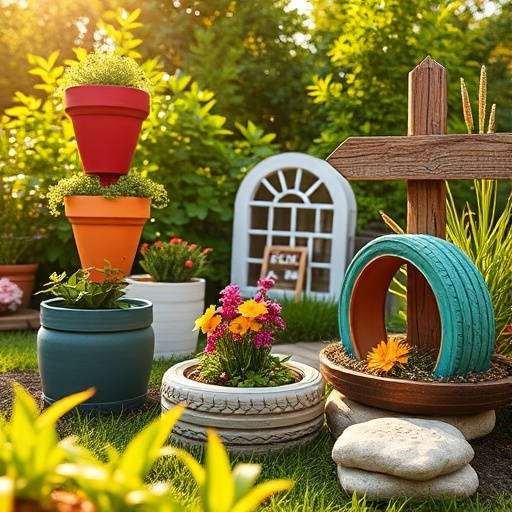
- Old Tires: Painted and stacked, they make colorful planters or herb spiral bases.
- Glass Jars/Bottles: For solar path lights, mini terrariums, or decorative borders.
- Concrete Blocks/Bricks: Structural elements for raised beds or rustic seating. Often found cheaply or free from construction discards.
- Natural Stone/Pebbles: For pathways, drainage, or decorative mulch. Gathered from nature or purchased in bulk.
- Twine/Rope: For hanging planters, trellises, or decorative wraps. Consider natural options like jute or hemp.
- Paint (Eco-friendly, non-toxic): For brightening up old objects. Look for low-VOC paints.
- Soil & Compost: Invest in good quality potting mix. For a budget-friendly option, consider starting your own compost bin using kitchen scraps and yard waste. This not only saves money but also enriches your garden sustainably.
- Seeds/Starter Plants: Choose native plants where possible, as they require less water and maintenance. For flowering vines, try morning glories or nasturtiums; for herbs, basil or mint are great DIY garden projects starters.
Time & Effort Overview
Most of the DIY decorative projects we’ll explore are designed to be completed in a weekend or less, making them ideal for busy gardeners. The beauty of these DIY garden projects is their flexibility: you can dedicate a focused afternoon or spread the work over several sessions.
- Small Decor Items (e.g., Painted Rocks, Mason Jar Lights): Approximately 1-2 hours per project. Low effort, beginner difficulty.
- Repurposed Planters (e.g., Tire Planters, Pallet Herb Garden): Roughly 3-5 hours, depending on prep work (cleaning, painting). Moderate effort, beginner to intermediate difficulty. These projects tend to provide visual impact 50% faster than waiting for plants to mature in traditional beds.
- Vertical Gardens/Larger Structures: 4-8 hours total, potentially spread over two days for drying time. Higher effort, intermediate difficulty. The growth rate of plants in a vertical garden can be comparable to ground planting, but the space-saving benefit is immediate.
- Maintenance: Once established, most of these decorative elements require minimal upkeep – perhaps annual cleaning or repainting. This is often 75% less demanding than cultivating a large flower bed.
Step-by-Step Gardening Process
Let's dive into some specific DIY garden projects that will transform your outdoor living space.
1. Crafting Charming Cinder Block Planters
Cinder blocks aren't just for construction; they're fantastic for modern, modular planters.
- Gather Your Blocks: Collect clean cinder blocks. You can arrange them in various patterns – a simple rectangle, a tiered pyramid, or even a geometric sculpture.
- Prepare the Site: Choose a level spot. Lay down a weed barrier if desired.
- Arrange & Secure: Stack blocks in your chosen design. Use a strong adhesive or mortar between layers for stability, especially if creating taller structures.
- Fill with Soil: Line the block cavities with landscape fabric or newspaper to prevent soil loss. Fill with good quality potting mix.
- Plant Your Greens: Plant succulents, herbs, or small flowers in each cavity. Don’t worry if some soil spills; you can clean it up easily.
2. Upcycled Tire Planters
Old tires become unique, sturdy planters with a splash of color.
- Clean the Tires: Thoroughly scrub old tires using soap and water. Ensure they are free of dirt and debris.
- Prime and Paint: Apply an outdoor primer. Then, paint them with vibrant, weather-resistant outdoor paint. Let them dry completely.
- Stack and Fill: Stack 1-3 tires, depending on desired height. Place a sturdy weed barrier or cardboard at the bottom of the deepest tire. Fill with soil.
- Plant Away: Plant your favorite flowers, vegetables, or herbs. These are great for deep-rooted plants.
3. DIY Mason Jar Solar Lights
Add a magical glow to your garden paths or hang them from trees.
- Gather Jars & Lights: You'll need wide-mouth Mason jars and small solar-powered string lights or tea lights.
- Prepare the Lids: If using string lights, drill a small hole in the center of the lid for the wire to pass through. If using tea lights, no lid alteration is needed.
- Assemble: Place the solar light mechanism inside the jar. For string lights, coil them gently inside the jar with the solar panel exposed on the lid.
- Decorate (Optional): Add pebbles, sand, or dried flowers to the bottom of the jar for extra flair. Secure the lid.
- Place Them: Position them in sunny spots during the day to charge.
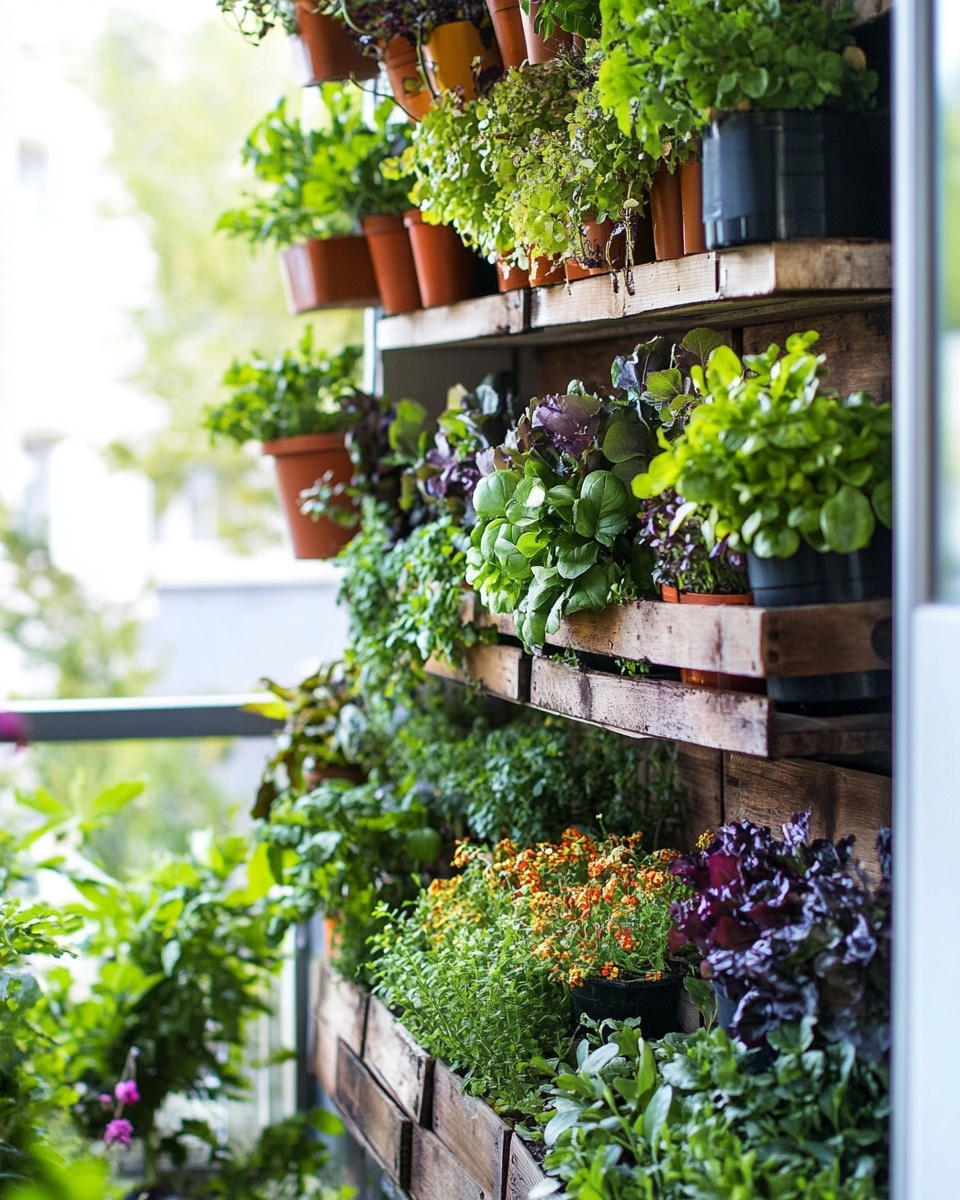
4. Pallet Vertical Garden
Perfect for growing herbs or small flowers in tight spaces.
- Source Your Pallet: Find a sturdy, heat-treated (HT stamp) wooden pallet.
- Clean and Sand: Clean it thoroughly. Lightly sand rough edges to prevent splinters.
- Add Fabric Pockets: Staple landscape fabric or sturdy burlap to the bottom and sides of each "pocket" created by the pallet slats. Ensure it forms a secure pouch.
- Fill and Plant: Stand the pallet upright. Fill the fabric pockets with potting soil. Plant various herbs or shallow-rooted annuals. This is one of the most effective DIY garden projects for maximizing space.
5. Artistic Painted Rocks
A simple project, but incredibly charming for pathways or garden beds.
- Collect Smooth Rocks: Gather flat, smooth rocks from your yard or a craft store.
- Clean and Dry: Wash thoroughly and let them dry completely.
- Paint Your Design: Use outdoor acrylic paints to create ladybugs, bees, inspirational messages, or geometric patterns.
- Seal for Durability: Once dry, seal them with outdoor sealant to protect against weather.
6. Whimsical Wine Bottle Edging
A unique way to define garden beds.
- Collect Bottles: Gather similarly sized wine bottles (or other glass bottles).
- Prepare the Trench: Dig a shallow trench along the edge of your garden bed, about half the height of your bottles.
- Insert Bottles: Place the bottles upside down, neck first, into the trench. You can arrange them tightly together or with small gaps.
- Backfill: Pack soil firmly around the bottles to secure them.
7. DIY Bird Bath from Terra Cotta Pots
Attract feathered friends with a handmade water source.
- Gather Materials: You'll need two terra cotta pots of different sizes (one larger for the base, one smaller for the stand) and a large terra cotta saucer.
- Assemble the Base: Invert the larger pot to form the base. Place the smaller pot inverted on top of the larger one.
- Attach the Saucer: Use a strong outdoor adhesive to attach the saucer to the top of the smaller inverted pot, ensuring it's level.
- Seal and Fill: Once dry, seal the inside of the saucer with a non-toxic sealant to prevent water from seeping into the clay. Fill with fresh water.
8. Ladder Shelf Display
Transform an old ladder into a multi-tiered plant display.
- Find an Old Ladder: A wooden A-frame ladder works best.
- Clean and Paint (Optional): Clean the ladder. Paint it a bright color or distress it for a rustic look.
- Add Shelves: Cut planks of wood to fit across the ladder rungs if they aren't stable enough for pots. Secure them with screws.
- Arrange Pots: Place potted plants, gardening tools, or decorative items on the shelves. This is a perfect solution for vertical display in your DIY garden projects.
9. Repurposed Rain Barrel for Water Conservation
Eco-friendly and adds a rustic touch.
- Source a Barrel: Find a food-grade plastic barrel (e.g., from an olive or pickle distributor).
- Install a Spigot: Drill a hole near the bottom and install a rain barrel spigot. Use plumber's tape for a watertight seal.
- Create an Inlet: Cut an opening in the lid for a downspout diverter.
- Position: Place it under a gutter downspout. Collect rainwater for your garden!
10. Gutter Garden for Small Spaces
A creative vertical planting solution.
- Obtain Gutters: Use old PVC gutters or purchase new ones from a hardware store.
- Drill Drainage Holes: Drill small drainage holes every 6-8 inches along the bottom of the gutters.
- Mount to a Fence/Wall: Use sturdy brackets to attach the gutters to a fence or wall, ensuring they are level or slightly sloped for drainage.
- Fill and Plant: Fill with lightweight potting mix and plant shallow-rooted herbs, strawberries, or annual flowers.
11. Custom Garden Signs from Scrap Wood
Add personality and practical navigation.
- Find Scrap Wood: Use old fence pickets, pallet wood, or even thick branches planed flat.
- Cut and Shape: Cut pieces to your desired size and shape. Sand edges smooth.
- Paint or Wood Burn: Paint names of plants, whimsical quotes, or directional arrows. Consider wood burning for a unique effect.
- Seal and Mount: Seal with an outdoor sealant. Attach to stakes or hang where desired.
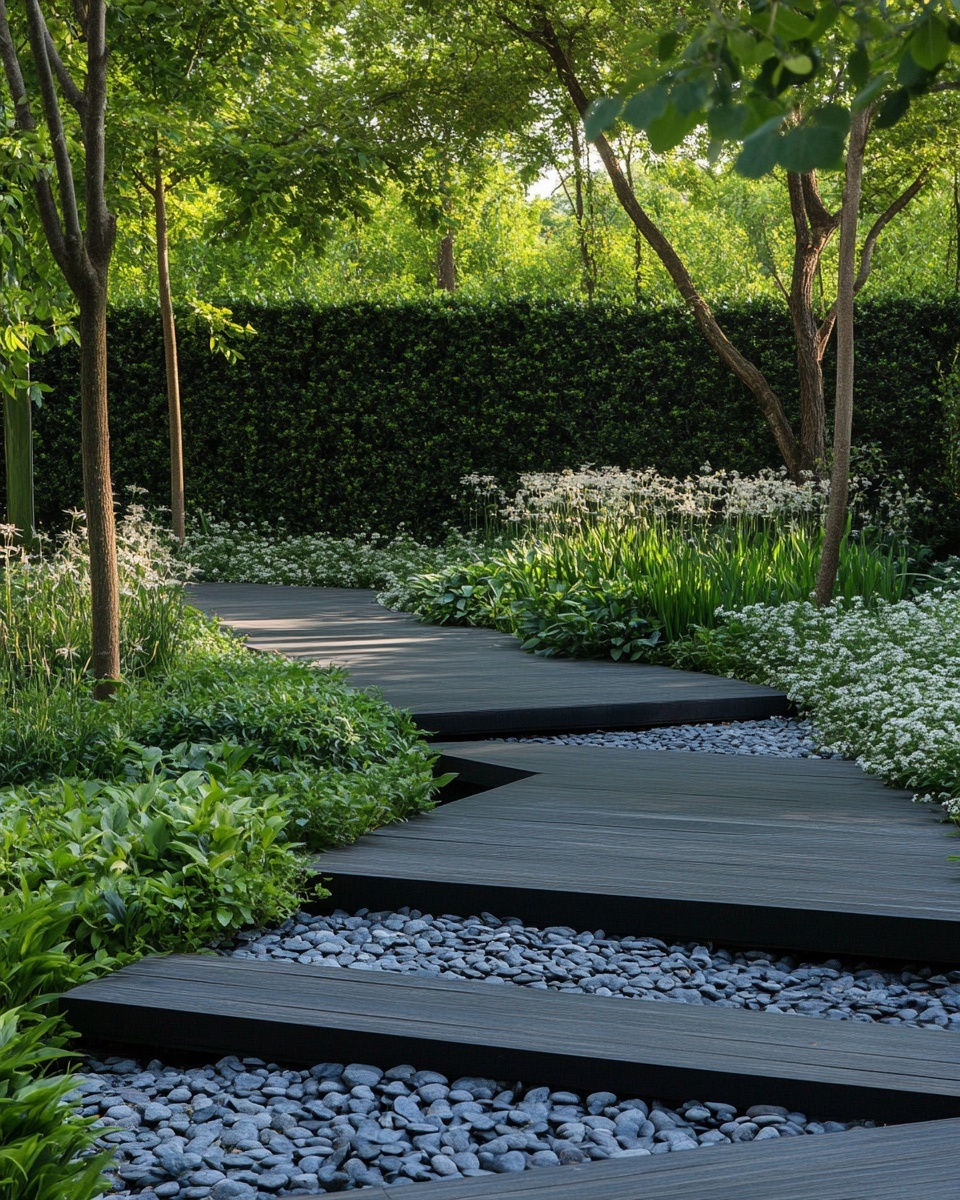
12. Pebble Mosaic Pathway
Create an intricate, beautiful, and durable path.
- Gather Pebbles: Collect flat, smooth pebbles of varying sizes and colors.
- Prepare the Base: Dig a shallow trench (3-4 inches deep) for your path. Lay down landscape fabric.
- Mix Mortar/Concrete: Prepare a thin layer of sand-cement mixture or quick-setting concrete.
- Lay the Mosaic: Press pebbles firmly into the wet mixture, creating patterns or designs. Ensure they are level with a rubber mallet.
- Cure and Clean: Allow the path to cure for at least 24-48 hours. Brush away any excess mixture from the pebble surfaces.
13. DIY Bench Planter Combination
Combines seating with greenery, perfect for patios.
- Build/Acquire a Bench: Use an existing wooden bench or build a simple one from treated lumber.
- Integrate Planter Boxes: Design or purchase planter boxes that fit at either end of or along the back of the bench.
- Secure & Seal: Attach the planter boxes securely to the bench structure. Line planters with landscape fabric.
- Fill & Plant: Fill with soil and your preferred plants, creating a harmonious and functional seating area.
Growth & Care Tips
Consistent care is key to a thriving garden, whether it’s a simple decorative piece or a productive bed. Data suggests that proper watering accounts for 70% of successful plant growth.
- Watering: Most plants prefer deep, infrequent watering over shallow, frequent sprinkles. Check soil moisture before watering. For containers, water until it drains from the bottom. Overwatering causes root rot in over 60% of houseplants and many outdoor container plants. Utilize our guide on how to water balcony herbs without overwatering for specific tips.
- Sunlight: Understand your plants' light requirements. "Full sun" means 6+ hours of direct sunlight daily; "partial sun/shade" means 3-6 hours; "full shade" means less than 3 hours. Position your DIY garden projects and plants accordingly.
- Pruning: Regularly prune dead or yellowing leaves to encourage new growth and prevent disease. For flowering plants, deadheading spent blooms often promotes more flowers.
- Fertilization: Most container plants need more frequent feeding than in-ground plants due to nutrient leeching. Use a balanced, slow-release fertilizer or organic option like compost tea every 2-4 weeks during the growing season. For deep dives into organic solutions, check out organic fertilizer recipes for herb gardens.
- Pest Prevention: Practice integrated pest management. Inspect plants regularly. Use neem oil, insecticidal soap, or introduce beneficial insects like ladybugs for natural pest control. Healthy plants are naturally more resistant to pests.
Eco-Friendly & Sustainable Alternatives
Sustainability isn't just a trend; it's smart gardening. Incorporating eco-friendly practices can significantly reduce your environmental footprint while enhancing your garden's health.
- Composting: Start a compost pile or bin using kitchen scraps and yard waste. This creates nutrient-rich soil amendment, reducing landfill waste and eliminating the need for chemical fertilizers.
- Rainwater Harvesting: The repurposed rain barrel project is a fantastic example. Collecting rainwater reduces dependence on municipal water, saving money and a precious resource.
- Native Plants: Prioritize native plant species in your DIY garden projects. They are naturally adapted to your local climate and soil, requiring less water, fertilizer, and pest control. They also support local pollinators.
- DIY Pest Control: Avoid synthetic pesticides. Opt for natural solutions like neem oil, garlic spray, or introducing beneficial insects.
- Upcycling/Recycling Materials: As seen in many of our DIY garden projects, using old tires, pallets, bottles, and jars reduces waste and adds unique character.
For those with limited space, don't despair! Balcony gardens, vertical gardens, and container gardening are perfect solutions. Our guide on herbs that grow well in small spaces offers excellent suggestions.
Creative Ideas & Uses
Beyond the functional benefits, these DIY garden projects also provide incredible opportunities for creative expression and landscape design.
- Theme Gardens: Design your planting around a theme. A fairy garden using painted rocks and miniature figures, a monochromatic garden with all white or blue flowers, or a sensory garden with aromatic herbs and textured plants.
- Repurposing Beyond Planters: An old bicycle can become a quirky planter holder; a vintage bathtub can be transformed into a mini pond or raised bed. Found objects add character and a story to your garden. Check out Pinterest for endless inspiration (https://www.pinterest.com/janatjanay47/).
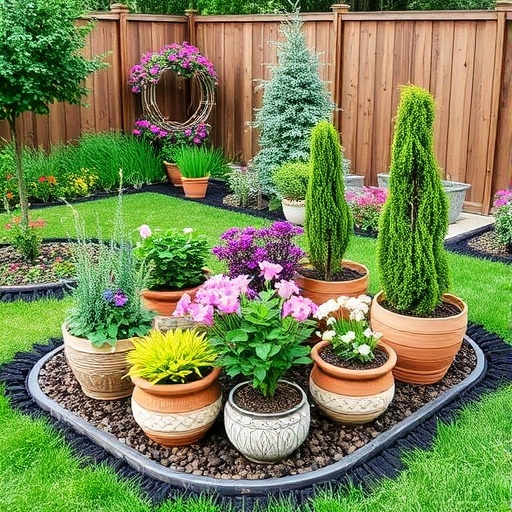
- Layering and Grouping: When arranging plants in your cinder block or multi-tiered planters, think about varying heights, textures, and colors. Place taller plants in the back or center, with shorter, trailing plants at the edges. A study by the Royal Horticultural Society found that gardens with diverse plant structures and layers are perceived as more visually appealing by 85% of observers.
- Lighting as Art: Mason jar solar lights aren't just for practicality; strategically placed, they can highlight specific plants, illuminate a path, or create a cozy ambiance for evening enjoyment.
Common Mistakes to Avoid
Even seasoned gardeners make mistakes. Learning from them can save you time, money, and heartache.
- Ignoring Drainage: This is perhaps the most common beginner mistake. Without adequate drainage, plant roots sit in water, leading to root rot. Overwatering causes root rot in an estimated 60% of plant fatalities. Always ensure containers have drainage holes and garden beds are not waterlogged.
- Planting in Poor Soil: High-quality soil is the foundation of a healthy garden. Don't skimp on good potting mix for containers. For beds, amend heavy clay or sandy soils with compost. Poor soil directly impacts nutrient uptake and root development.
- Overcrowding Plants: While it's tempting to fill every space, plants need room to grow, breathe, and access sunlight. Overcrowding leads to poor air circulation, increased pest and disease issues, and stunted growth. Always check mature plant sizes and space accordingly.
- Inconsistent Watering: Erratic watering (too much then too little) stresses plants, making them vulnerable. Establish a consistent watering schedule based on plant needs, weather, and soil moisture.
- Neglecting Sunlight Requirements: Placing a sun-loving plant in shade or a shade-loving plant in full sun will lead to disappointment. Always read plant tags or research their light needs before planting as part of your DIY garden projects.
- Using Non-Food-Safe Materials for Edibles: If growing herbs or vegetables, ensure any repurposed materials (like tires or plastic containers) are food-grade and won't leach harmful chemicals into your soil.
Maintenance & Storage Tips
Ensuring the longevity of your DIY garden projects and the health of your plants requires ongoing care and preparation.
- Seasonal Care:
- Spring: Clean out garden beds, refresh mulch, start seeds, and plant new additions.
- Summer: Regular watering, deadheading spent blooms, and pest monitoring.
- Fall: Harvest crops, clean up spent annuals, plant fall bulbs, and prepare beds for winter (e.g., adding a layer of compost).
- Winter: Protect tender perennials, store delicate decorative items, and enjoy planning next year's garden.
- Cleaning Decorative Items: Annually, clean your painted rocks, solar lights, and repurposed planters. A fresh coat of sealant or paint can extend their life significantly. For instance, outdoor sealant can extend the vibrancy of painted items by up to 2-3 years.
- Draining Rain Barrels: Empty your rain barrel before the first freeze to prevent cracking due to ice expansion.
- Tool Storage: Clean and dry all gardening tools after use. Store them in a dry place to prevent rust. Sharpen pruning shears regularly.
- Addressing Common Plant Issues:
- Yellow Leaves: Often signals overwatering or nutrient deficiency. Check soil moisture and consider a balanced fertilizer.
- Wilting: Can be caused by underwatering (soil is dry), overwatering (roots are suffocating), or extreme heat. Feel the soil first.
- Poor Soil Drainage: If water puddles, amend the soil with organic matter like compost to improve its structure. For containers, ensure drainage holes are not blocked.
Conclusion
Transforming your outdoor space into a charming oasis doesn't require a green thumb or an endless budget; it simply needs a creative spirit and a willingness to get your hands a little dirty with some inspired DIY garden projects. By embracing repurposed materials, understanding basic plant care, and avoiding common pitfalls, you can create a garden that not only boosts your home's appeal but also provides a personal sanctuary. Remember that even small changes, like adding a painted rock pathway or a colorful tire planter, can make a significant difference.
So, are you ready to pick up your tools and start building the garden of your dreams? Share your favorite DIY garden projects with us in the comments below, or better yet, tag us in your garden photos! For more inspiration, explore our in-depth guides on everything from starting your first vegetable patch to cultivating vibrant flowers. Your journey to a more beautiful yard begins today!
FAQ
Q1: How do I choose the right plants for my DIY garden projects?
A1: Consider your local climate zone, the amount of sunlight your garden receives, and the mature size of the plants. Choose plants that fit these conditions. For beginner-friendly options, check our guide on best vegetables to grow for beginners or easy flowers to grow for beginners.
Q2: What's the best way to ensure my DIY planters have good drainage?
A2: Always drill or create drainage holes at the bottom of any container. If using repurposed items without natural holes (like glass jars for direct planting), you'll need to add a layer of gravel or pebbles before the soil, though direct drainage is always superior.
Q3: Can I really grow vegetables in repurposed containers like tires or cinder blocks?
A3: Absolutely! Many DIY garden projects involve growing edibles in repurposed containers. Just ensure the materials are clean and, if possible, non-toxic or food-grade. For tires, paint them with a non-toxic sealant. Cinder blocks are generally safe. You can learn more about starting your own food garden from scratch with our guide: how to start a vegetable garden from scratch.
Q4: How important is soil quality for my DIY garden projects?
A4: Soil quality is paramount! It impacts nutrient availability, drainage, and root health. For containers, use a high-quality potting mix. For garden beds, improve your native soil by incorporating plenty of compost and organic matter. This investment pays dividends in plant health and vitality.
Q5: Are these DIY garden projects suitable for small yard or balcony spaces?
A5: Many of these ideas are perfectly suited for small spaces! Vertical gardens from pallets or gutters, hanging mason jar lights, and tiered cinder block planters are excellent for maximizing limited areas. Check out our balcony herb garden design ideas for more inspiration.
Q6: How can I protect my DIY decor from weathering?
A6: For painted items, use outdoor-rated paints and apply at least two coats of a clear, UV-resistant outdoor sealant. Wooden items benefit from weather-resistant stains or sealants. Metal items can be treated with rust-inhibiting primers before painting. Regular maintenance, such as annual touch-ups, will significantly extend their lifespan.
Q7: Where can I find affordable materials for these DIY garden projects?
A7: Look for materials in places you might not expect! Local businesses (pallets), construction sites (cinder blocks from discards), thrift stores, garage sales, and even your own recycling bin (bottles, containers) are great sources. Online marketplaces or local community groups often have free items available.
Discover More Gardening Inspiration:
- Ready to expand your edibles? Explore our comprehensive guide on best vegetables to grow for beginners.
- Thinking about starting from scratch? Our detailed article, how to start a vegetable garden from scratch, has you covered.
- If you love herbs, you'll adore these charming balcony herb garden design ideas to maximize your small space.
- For those with limited outdoor area, discover ingenious solutions with herbs that grow well in small spaces.
- Don't let lack of space deter your green thumb; check out our guide on how to make a hanging herb wall for vertical gardening inspiration.