Introduction
Have you ever looked at your tiny balcony, cramped backyard, or even just a sunny windowsill and thought, "Is it truly possible to cultivate a flourishing garden here?" Many aspiring green thumbs believe that a sprawling estate is a prerequisite for successful gardening, but data suggests otherwise! With over 80% of urban dwellers expressing interest in gardening, the demand for practical, space-saving solutions has never been higher. The truth is, spectacular gardens aren't about square footage; they're about creativity, smart planning, and discovering innovative small garden ideas on a budget. Whether you dream of fresh herbs for your kitchen, vibrant flowers to brighten your day, or even a compact vegetable patch, this comprehensive guide will equip you with the knowledge and inspiration to transform even the smallest outdoor (or indoor) space into a verdant oasis. Let’s dive into how you can make your gardening aspirations a reality without breaking the bank or needing acres of land.
Tools & Materials Needed
Embarking on your small garden journey doesn't require an arsenal of expensive equipment. Most successful small garden ideas on a budget leverage resourcefulness over retail therapy. Here’s what you’ll likely need, with plenty of eco-friendly alternatives:
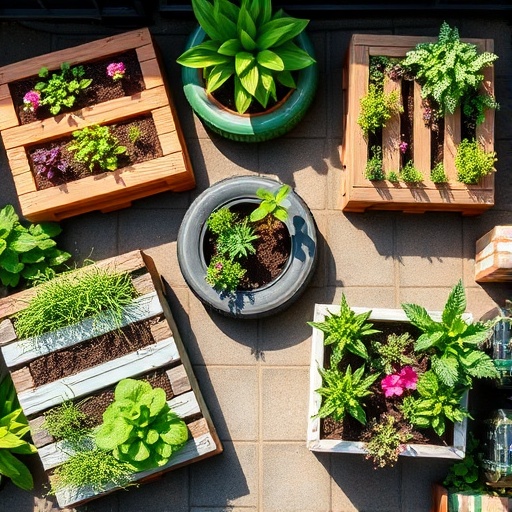
- Pots and Containers: Don't just think terracotta! Repurposed items like old tires (painted brightly!), tin cans, wooden crates, plastic bottles (cut in half for vertical planters), and even old shoes make fantastic, quirky containers. Just ensure they have drainage holes.
- Potting Mix: A good quality, lightweight potting mix is crucial. For budget-friendly options, consider mixing your own: equal parts compost, coco coir (a sustainable alternative to peat moss), and perlite for drainage. This homemade blend often outperforms store-bought mixes for less.
- Seeds or Seedlings: Starting from seed is incredibly cost-effective. Look for heirloom varieties for unique plants. If you're new, opt for robust seedlings from a local nursery; they offer a head start and higher success rates.
- Hand Trowel and Cultivator: Essential for digging and loosening soil. A small hand fork works wonders in tight spaces. You can find these affordably at hardware stores or even second-hand markets.
- Watering Can or Spray Bottle: For precise watering, especially for delicate seedlings. A repurposed milk jug with holes poked in the lid also works!
- Gloves: Protect your hands from dirt and thorns.
- Pruning Shears/Scissors: For neat trimming and harvesting. Basic kitchen scissors can suffice for smaller plants.
- Stakes or Trellis (Optional): For climbing plants like peas, beans, or indeterminate tomatoes in vertical setups. Old branches or bamboo sticks are excellent free alternatives.
- Optional – DIY Drip System Materials: Recycled plastic bottles with tiny holes can create an impromptu, slow-release watering system, perfect for saving water in your small garden.
Time & Effort Overview
Getting started with your small garden project is often quicker than you might imagine, and the maintenance is typically quite manageable. For setup, most DIY small garden ideas on a budget can be completed within a single weekend, sometimes even just a few hours, depending on the complexity.
- Initial Setup: 2-8 hours (e.g., assembling a vertical planter, potting several containers, preparing a raised bed).
- Planting: 1-3 hours (if starting with seedlings) or ongoing (if direct-sowing seeds over a few days).
- Growth Period: Varies significantly by plant. Fast-growing herbs like basil can be ready for harvest in 3-4 weeks, while salad greens mature in 4-6 weeks. Compare this to a large in-ground vegetable garden which might require significant soil amendment and larger-scale planting efforts upfront. For instance, a tabletop herb garden often yields edibles 50% faster than herbs planted directly in less optimal garden soil.
- Daily Maintenance: 10-20 minutes (checking moisture, light pruning, pest checks).
- Weekly Maintenance: 30-60 minutes (more thorough watering, feeding, harvesting, deadheading).
Difficulty Level: Generally, beginner to intermediate. The beauty of these small-scale projects is their adaptability. Many solutions are explicitly designed for ease of use, making them perfect for those just starting out. Advanced gardeners can still find ways to innovate and maximize yields in limited spaces.
Step-by-Step Gardening Process
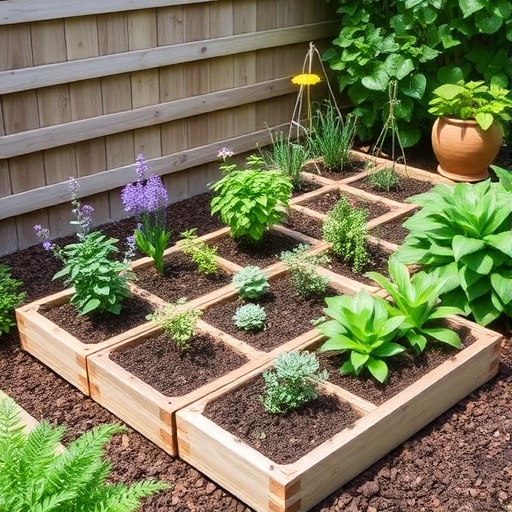
Ready to get your hands dirty? Let's walk through the fundamental steps to creating your own thriving mini-garden, focusing on practical small garden ideas on a budget.
1. Plan Your Space & Sunlight
Observe your chosen area throughout the day. How many hours of direct sunlight does it receive? Most edible plants need at least 6 hours. Map out where the sun hits and for how long. This crucial step dictates what you can grow. Don't worry if you only have partial sun; many herbs and leafy greens thrive in less intense light.
2. Choose Your Containers Wisely
Select containers that fit your space and plant choices. Smaller plants need smaller pots, taller plants need deeper ones. Remember the budget-friendly tip: repurpose! Drill drainage holes if making your own containers – adequate drainage prevents root rot, which affects over 60% of container-grown plants if neglected.
3. Prepare Your Potting Mix
Fill your containers with quality potting mix. A good mix provides aeration, drainage, and nutrients. For a budget hack, mix your own: two parts compost, one part coco coir, and a handful of perlite or sand for drainage. This blend ensures your plants get a great start.
4. Select Your Plants or Seeds
Based on sun exposure and container size, choose plants. Think compact varieties! Herbs like basil and mint, leafy greens like lettuce and spinach, cherry tomatoes, and bush beans are excellent choices for small spaces. For a truly budget-friendly approach, start from seeds. Soak larger seeds overnight to speed up germination.
5. Planting Your Garden
If using seedlings, gently remove them from their nursery pots. Dig a small hole in your prepared potting mix. Place the seedling, ensuring the top of its root ball is level with the soil surface. Backfill gently and firm the soil around the plant. If sowing seeds, follow package instructions for depth and spacing. Don’t worry if spacing seems tight; you can thin them later!
6. Initial Watering
Water thoroughly immediately after planting. This helps settle the soil around roots and eliminates air pockets. Use a gentle stream to avoid dislodging small seeds or young seedlings. Ensure water drains from the bottom of your containers.
7. Label Everything
Especially if you're planting various seeds or seedlings, labels are your best friend. Use popsicle sticks, recycled plastic cut-outs, or even painted stones. This prevents confusion later when plants begin to sprout.
8. Early Care and Monitoring
Keep a close eye on your newly planted garden. Check soil moisture daily. Young plants are delicate. Look for early signs of pests or diseases. Catching issues early makes them much easier to fix. Here’s a tip: gently misting seedlings can replicate morning dew and provide needed humidity.
Growth & Care Tips
Once your small garden ideas on a budget are a reality, consistent care ensures bountiful growth.
- Watering Frequency: The golden rule for small gardens, especially container gardens, is to check the soil moisture daily. Stick your finger about an inch into the soil. If it feels dry, it's time to water. Container plants dry out much faster than in-ground gardens, sometimes needing water daily in hot, sunny weather. Overwatering is a common mistake; 70% of plant issues in containers stem from improper watering.
- Sunlight Exposure: Most edible plants need 6-8 hours of direct sunlight. Rotate your containers periodically to ensure all sides of the plant get adequate light. If your space lacks consistent sun, consider investing in grow lights for indoor setups.
- Pruning: Regular pruning encourages bushier growth and higher yields. For herbs, snip off the top leaves regularly. For flowering plants, deadhead spent blooms to encourage new flowers. This simple act can increase flower production by 20-30%.
- Fertilization: Since nutrients in potting mix deplete faster, fertilize your small garden every 2-4 weeks. Use a balanced liquid organic fertilizer at half strength to avoid shocking your plants. Fish emulsion or compost tea are fantastic eco-friendly options.
- Pest Prevention: Inspect your plants regularly for pests. Early detection is key. A simple spray of soapy water (1 teaspoon dish soap per liter of water) can deter common pests like aphids. Introducing beneficial insects like ladybugs can also control pest populations naturally.
- Support for Climbers: For climbing plants in pots (like peas or smaller cucumbers), provide stakes, small trellises, or even a piece of rebar early on to support their growth as they climb. This prevents damage and maximizes your vertical space.
Eco-Friendly & Sustainable Alternatives
Cultivating small garden ideas on a budget naturally aligns with sustainable practices. Here's how to make your miniature oasis even greener:
- Composting: Start a small-scale compost bin using kitchen scraps (fruit/veg peels, coffee grounds) and yard waste. This provides nutrient-rich soil amendments for free and reduces landfill waste. Even a small worm farm (vermicomposting) is perfect for apartment dwellers.
- Natural Fertilizers: Beyond your compost, consider using epsom salts for magnesium-loving plants (like tomatoes) or banana peels steeped in water as a potassium boost. Used coffee grounds can lower soil pH for acid-loving plants.
- Water Conservation:
- Rain Barrels: Collect rainwater for irrigation. It's free and better for plants as it lacks chlorine.
- Mulch: A layer of mulch (shredded leaves, straw, or wood chips) on top of your container soil reduces evaporation by up to 50%, keeping soil moist longer.
- DIY Drip Irrigation: Punctured plastic bottles placed near plant bases slowly release water directly to the roots, minimizing waste.
- Seed Saving: Learn to save seeds from your successful harvests. This closes the loop, saves money, and selects for plants specifically adapted to your microclimate.
- Repurposing Containers: As mentioned, old tires, milk jugs, even broken household items can find new life as planters. Check out local second-hand stores or community groups for free finds.
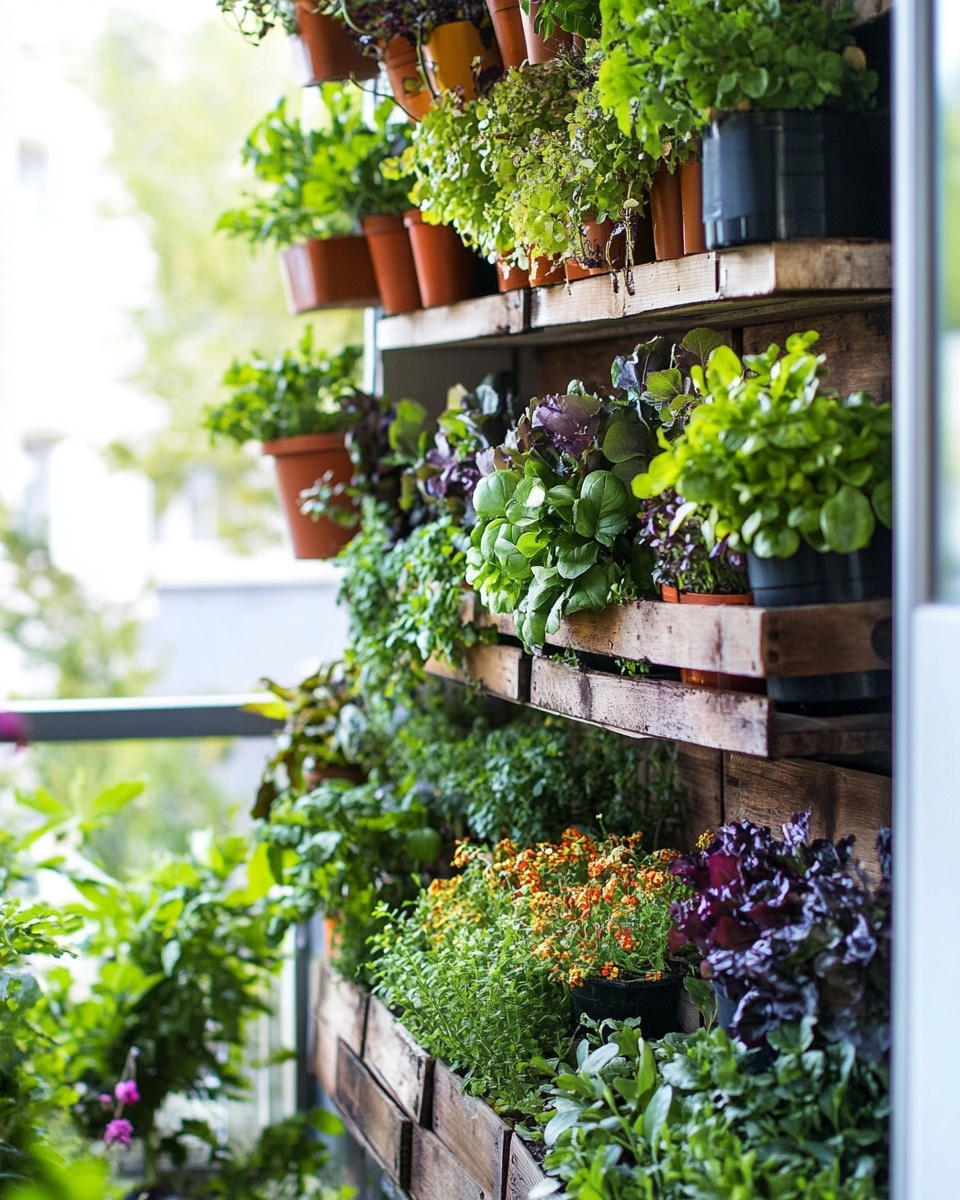
- Vertical & Balcony Gardens: These are inherently sustainable, using less footprint and often less water due to contained growing environments. Explore options like hanging planters, wall-mounted pockets, or tiered shelving. See our guide on "Vertical Indoor Garden Ideas for Small Spaces" for more inspiration.
Creative Ideas & Uses
Transforming small spaces demands a touch of creative flair. These small garden ideas on a budget don't just grow plants; they create beautiful, functional focal points.
- The Container Cluster: Instead of a single large pot, group several smaller, varied containers together. Use different heights, textures, and colors to create visual interest. This allows for diverse plant choices and makes watering more efficient. Imagine a cluster of vibrant marigolds, trailing ivy, and culinary herbs.
- Pallet Garden Power: Repurpose wooden pallets into vertical planters. Sand them down, add landscape fabric to the 'pockets,' and fill with soil. They're perfect for herbs, strawberries, or leafy greens, significantly increasing your growing area on a wall or fence. This is a very popular, budget-friendly solution that can look surprisingly chic.
- Rain Gutter Gardens: Mounted horizontally on a fence or wall, old rain gutters can become shallow planters ideal for microgreens, lettuce, and small annual flowers. Paint them for a pop of color.
- Tiered Herb Tower: Build or buy a tiered planter. This allows you to grow multiple types of herbs or small vegetables in a minimal footprint. It's both practical and makes a striking visual statement.
- Edible Landscaping with Aesthetic Appeal: Combine beauty and utility. Plant colorful Swiss chard alongside ornamental grasses. Use trailing nasturtiums (edible flowers!) in hanging baskets. Consider planting vibrant calendula flowers near your vegetables to attract pollinators.
- The Mini-Zen Garden: Integrate a small patch of moss, a miniature raked sand area, and a tiny succulent into a shallow tray for a calming, low-maintenance display. Perfect for a desk or side table.
- Upcycled Ladder Planter: An old wooden ladder, painted or natural, can hold multiple pots on its rungs, creating an instant vertical display. This is a fantastic way to showcase various plants in a compact footprint.
Common Mistakes to Avoid
Even seasoned gardeners make mistakes, but knowing what to watch out for can save you a lot of horticultural heartache and wasted effort on your small garden ideas on a budget.
- Lack of Drainage: This is arguably the biggest container gardening sin. Without drainage holes, water accumulates, leading to root rot, which kills over 60% of plants in improperly drained pots. Always ensure your containers have adequate drainage.
- Underestimation of Sunlight Needs: Placing sun-loving plants in shady spots is a recipe for leggy, unproductive growth. Monitor your space carefully before planting. Conversely, too much intense, unfiltered afternoon sun can scorch delicate plants.
- Overwatering (or Underwatering): Both extremes are detrimental. Overwatering deprives roots of oxygen; underwatering causes wilting and stress. Feel the soil before watering; it's the most reliable indicator. For precise guidance, consider a simple moisture meter, which are available for less than $10.
- Ignoring Plant Labels: Seed packets and plant tags provide vital information about spacing, light, water, and mature size. Ignoring these can lead to overcrowding or unsuitable plant choices for your small space.
- Using Garden Soil in Containers: Garden soil is heavy, compacts easily, and often contains pests and diseases. It doesn't drain well in pots. Always use a dedicated potting mix for containers.
- Neglecting Fertilization: Plants in containers are entirely dependent on you for nutrients. Unlike in-ground gardens where soil microbes recycle nutrients, container soil depletes quickly. Regular feeding is essential for healthy growth.
- Not Considering Mature Plant Size: A small seedling might look cute in a tiny pot, but many plants quickly outgrow their space. Research the mature size of your chosen plants to avoid root-bound issues or needing to constantly repot.
- Ignoring Pest and Disease Early Warning Signs: A few aphids can quickly become an infestation. Inspect your plants regularly. Early intervention (like a blast of water or a neem oil spray) is far more effective than trying to salvage a severely affected plant.
Maintenance & Storage Tips
Long-term success with your small garden ideas on a budget means smart maintenance and proper storage.
- Seasonal Rotation: If you're growing annuals, plan for a new planting every season. For perennials, consider protecting them from harsh winter conditions if you live in colder climates by bringing potted plants indoors or insulating pots.
- Soil Amendment/Replacement: Container potting mix loses its structure and nutrients over time. For annual plants, it's best to refresh the potting mix entirely each season. For perennial plants in containers, top-dress with fresh compost annually, and repot with new soil every 2-3 years.
- Tool Care: Clean your gardening tools after each use. Wipe them down, especially pruning shears, to prevent the spread of diseases. Store them in a dry place to prevent rust. Properly cared-for tools last much longer, saving you money.
- Seed Storage: If you've saved seeds or have leftover packets, store them in a cool, dark, dry place in airtight containers. Label them clearly with the plant type and date. Properly stored seeds can remain viable for several years, ensuring future budget-friendly planting.
- Winterizing Your Small Garden: For outdoor containers, consider bringing delicate plants indoors if temperatures drop. For empty containers, clean them thoroughly and store them upside down to prevent water accumulation and freezing damage.
- Addressing Common Issues:
- Yellowing Leaves: Often indicates nutrient deficiency (especially nitrogen), overwatering (lack of oxygen), or underwatering. Assess your watering schedule and feeding regimen.
- Wilting Plants: Typically points to severe underwatering, intense heat stress, or root damage. Check soil moisture immediately.
- Poor Drainage: If water puddles on top or drains very slowly, the holes might be blocked, or the soil has compacted. Gently aerate the soil with a chopstick or small fork, or repot with fresh, well-draining mix.
Conclusion
Embarking on a gardening journey, even in a small space and on a limited budget, is an incredibly rewarding experience. We've explored how a few creative small garden ideas on a budget can transform overlooked corners into vibrant, productive oases. From repurposing everyday items into stylish planters to implementing eco-friendly practices that benefit both your wallet and the planet, you now have a wealth of knowledge at your fingertips. Remember, gardening isn't about perfection; it's about learning, experimenting, and enjoying the process. The satisfaction of harvesting your own fresh produce or admiring your blooming flowers, all cultivated through your ingenuity, is truly priceless. So tell us, what small garden idea will you try first? Share your gardening adventures with us, tag us in your photos, and let’s grow together!
FAQ
Q1: What are the best plants for really small spaces or balconies?
A1: For very small spaces and balconies, focus on compact varieties. Herbs like basil, chives, mint, and thyme are ideal. Leafy greens like lettuce, spinach, and arugula thrive in shallow containers. Consider bush varieties of cucumbers or cherry tomatoes, and look into strawberries for hanging baskets. These small garden ideas on a budget focus on maximizing yield in minimal footprint.
Q2: How can I garden if I don't have good sun exposure?
A2: Even with limited sun, you can succeed! Choose shade-tolerant plants like hostas, ferns, impatiens for flowers. For edibles, consider growing leafy greens (lettuce, spinach, kale), chard, and some herbs (mint, parsley, cilantro) which often prefer partial shade to full, scorching sun. For indoor gardens, supplement with affordable LED grow lights.
Q3: Is it possible to grow vegetables on a tight budget?
A3: Absolutely! Growing your own vegetables is one of the most effective small garden ideas on a budget. Start from seeds instead of seedlings, collect rainwater, make your own compost for free fertilizer, and repurpose containers. Focus on high-yield, compact vegetables like cherry tomatoes, bush beans, radishes, and leafy greens.
Q4: How important is drainage in small container gardens?
A4: Drainage is critically important! Without adequate drainage, soil becomes waterlogged, depriving roots of oxygen and leading to root rot, which is a common cause of plant demise in containers. Always ensure your pots have several drainage holes at the bottom. Adding a layer of gravel at the bottom was once popular, but is now known to hinder drainage; simply ensure good holes and good potting mix.
Q5: What are some creative ways to get free or cheap gardening supplies?
A5: Look for discarded wooden pallets, old tires, milk jugs, or even broken furniture that can be upcycled into planters. Check local online marketplaces or community groups for free compost or manure. Many gardeners happily share extra seeds or plant cuttings. Coffee shops often give away spent coffee grounds, which are great for compost or as a mild nitrogen boost.
Q6: What's the biggest mistake beginners make in a small garden?
A6: The single biggest mistake is often overwatering, closely followed by underestimating sunlight needs. New gardeners tend to show their plants "love" by drenching them, but this smothers roots. Always check the soil moisture before watering. Observing how much sun your tiny plot gets is also non-negotiable for success.
Q7: How do I keep pests away from my small garden organically?
A7: Regularly inspect your plants for early signs of pests. A strong spray of water can dislodge aphids. Neem oil spray or insecticidal soap (homemade with mild dish soap) can effectively manage common pests. Companion planting (e.g., marigolds near vegetables to deter nematodes) and encouraging beneficial insects are excellent organic strategies.
For more small-space gardening inspiration, check out our guide on "How to Start a Balcony Herb Garden in Small Spaces". If you're pondering what edibles are best for your new venture, our article on "Best Vegetables to Grow for Beginners" offers valuable insights. And don't forget to explore creative vertical solutions for even tiny areas with "DIY Hanging Herb Planters for Balconies" to make the most of every inch! You might also find some amazing visual inspiration for creative small-space gardening on https://www.pinterest.com/janatjanay47/. For those looking to grow specific greens, here are some "Herbs that Grow Well in Small Spaces".