Introduction
Did you know that a well-designed garden walkway can increase your property value by as much as 20%? Beyond aesthetics, functional and beautiful garden walkways transform outdoor spaces, guiding visitors, protecting plants, and even offering a sense of discovery. Many believe that creating an enchanting path requires professional landscapers and hefty budgets, but I'm here to challenge that notion. With some planning, the right materials, and a dash of creativity, you can craft stunning DIY garden walkways that enhance your outdoor oasis, all while being surprisingly budget-friendly. This article will delve into data-driven strategies and practical tips to help you design, build, and maintain gorgeous garden paths that speak to your style and needs.
Tools & Materials Needed
Embarking on your garden pathway project requires a thoughtful collection of tools and materials. Having everything ready before you start will streamline the process and prevent interruptions.
Essential Tools:
- Shovel or Spade: For digging and leveling the path.
- Measuring Tape: To ensure accurate dimensions and curves.
- String and Stakes: For outlining the path and maintaining straight lines or smooth curves.
- Wheelbarrow: To efficiently move aggregates like gravel, sand, or pavers.
- Rubber Mallet: Essential for gently tapping pavers or stones into place without damaging them.
- Hand Tamper or Plate Compactor: For compacting the sub-base and setting bed. Manual tampers are budget-friendly; compactors save time on larger projects.
- Utility Knife: For cutting landscape fabric.
- Level: To ensure an even surface and proper drainage.
- Gloves and Safety Glasses: Always prioritize safety!
Required Materials:
- Edging Material: Defines your path and prevents base materials from spreading. Options include flexible plastic or metal edging, bricks, or larger stones. Look for recycled plastic edging for an eco-friendly choice.
- Landscape Fabric (Weed Barrier): Crucial for suppressing weeds and stabilizing the sub-base. Opt for permeable types to allow water drainage.
- Base Material: Typically crushed gravel or decomposed granite. This provides a stable and well-draining foundation. A 4-inch layer is generally recommended.
- Setting Bed Material: Usually coarse sand or paver base. This layer allows you to finely adjust the level of your chosen surfacing material.
- Surfacing Material: This is where your personal style shines!
- Gravel: Economical, easy to install, and permeable. Look for angular gravel that locks together better than smooth river stones.
- Pavers (Concrete, Brick, Stone): Durable, varied in style, and create a solid surface. Reclaimed bricks are a fantastic sustainable option.
- Stepping Stones: Natural, rustic feel, often combined with gravel or groundcover.
- Recycled Materials: Consider broken concrete (urbanite), salvaged wood slices (ensure wood is rot-resistant), or even old tires cut into sections for unique garden walkways.
Eco-friendly & Budget-friendly Alternatives:
- Reclaimed Materials: Source bricks, flagstones, or wood from salvage yards, Craigslist, or local demolition sites.
- Local Resources: Utilize aggregate materials from nearby quarries to reduce transportation costs and environmental impact.
- DIY Edging: Instead of buying new, consider repurposing old bottles laid on their sides, woven branches, or stacked logs as charming, rustic borders for your garden walkways.
Time & Effort Overview
Crafting beautiful garden walkways is a rewarding project, but it’s essential to set realistic expectations for time and effort. The overall commitment largely depends on the path's length, width, complexity of the design (straight vs. winding), and the materials chosen.
A simple, straight gravel path, approximately 20 feet long and 3 feet wide, can typically be completed by an intermediate DIYer over a long weekend (16-20 hours). This includes excavation, base preparation, fabric laying, and material spreading. More intricate designs involving paver cutting, curves, or extensive leveling could easily extend to 3-5 days of dedicated work. For example, installing uniform pavers often takes 30-40% longer than a comparable gravel path due to the precision required for leveling each stone.
This project is generally intermediate difficulty. While excavation can be physically demanding, most steps involve straightforward techniques that can be mastered with a little patience. Beginners can tackle simpler gravel or stepping stone paths, while those with more experience might enjoy the challenge of laying intricate patterns with pavers.
Step-by-Step Gardening Process
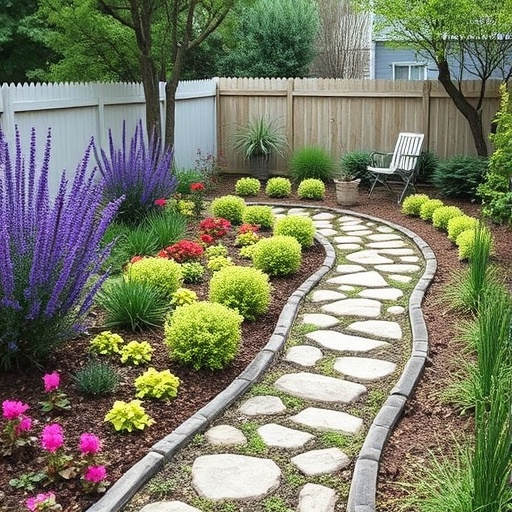
Ready to transform your garden? Let's break down the process of creating stunning garden walkways into manageable steps.
Step 1: Plan Your Path and Outline
Begin by visualizing your garden walkways. Walk the intended route, considering how it will guide traffic, complement existing landscaping, and lead to various garden features. Use garden hoses, spray paint, or stakes and string to outline the path. Don’t be afraid to experiment with curves! Gentle, sweeping curves often feel more organic and inviting than rigid straight lines. Ensure the path is wide enough for comfortable walking – typically 3 feet for a single person, 4-5 feet for two people side-by-side.
Step 2: Excavate the Area
Once your outline is perfect, it’s time to dig. The depth of your excavation depends on your chosen surfacing material and the desired base. For a gravel path, you’ll typically need to dig down about 4-6 inches (4 inches for base material, 1-2 inches for gravel). For pavers, add the thickness of your pavers (usually 1-2 inches) to this depth. Aim for a slight slope (about 1/4 inch per foot) away from any structures to ensure proper drainage. Don’t worry if the ground isn’t perfectly even; we’ll fix that in the next steps.
Step 3: Prepare the Sub-Base
After excavation, rake the soil smooth and remove any large rocks or roots. Then, compact the soil using a hand tamper or plate compactor. This prevents settling later. Lay down your landscape fabric, overlapping seams by at least 6 inches. Secure it with landscape pins. This weed barrier is absolutely crucial for preventing grass and weeds from growing through your beautiful garden walkways over time!
Step 4: Add and Compact the Base Material
Spread your chosen base material (crushed gravel or decomposed granite) over the landscape fabric. Aim for a uniform layer, typically 3-4 inches thick, for robust garden walkways. Wet the material slightly, then compact it thoroughly. This compaction is key to creating a stable foundation that won’t shift or sink. Repeat this process in layers if your base is very deep.
Step 5: Install Edging
Install your edging material along the path's perimeter. This not only provides a clean, finished look but also holds your surfacing material in place, especially important for gravel garden walkways. If using flexible plastic edging, secure it with stakes. For brick or stone edging, ensure they are level and firmly set, often with a small concrete footing or compacted sand beneath.
Step 6: Create the Setting Bed (for Pavers/Stepping Stones)
If you're using pavers or stepping stones, spread a 1-inch layer of coarse sand or paver base over your compacted sub-base. Use a screed board (a straight piece of lumber) to level this sand layer, pulling it along guide pipes or rails for perfect consistency. This allows you to fine-tune the height of individual stones.
Step 7: Lay Your Surfacing Material
- For Pavers/Stepping Stones: Carefully place your pavers or stepping stones onto the sand bed, leaving consistent gaps. Use a rubber mallet to tap them gently into the sand until they are level with each other and the desired height. Check frequently with a level.
- For Gravel: Spread your chosen gravel evenly over the base material, typically 1-2 inches deep. Rake it smooth.
Step 8: Fill Joints and Final Compaction
- For Pavers/Stepping Stones: Sweep polymeric sand or fine gravel into the joints between your pavers. Lightly mist with water to activate the polymeric sand, which will harden and lock the pavers in place, deterring weeds and ants.
- For Gravel Paths: Rake the gravel again and lightly compact it, especially if using angular gravel that interlocks well.
Growth & Care Tips
Once your garden walkways are installed, maintaining the surrounding plant life is essential for a harmonious look.
Watering Frequency:
- For plants alongside your pathway, adjust watering based on plant type and climate. Most established garden plants prefer deep, infrequent watering. Aim for 1 inch of water per week, either from rain or irrigation, checking soil moisture before watering again. Overwatering is a common mistake and can lead to root rot in 60% of cases for susceptible plants.
Sunlight Exposure:
- Consider the light requirements of plants flanking your path. Full sun plants (6+ hours direct sun) thrive in open areas, while shade-loving plants (less than 3 hours direct sun) prefer sheltered spots. Mismatched light conditions can lead to stunted growth or burnt foliage.
Pruning & Fertilization:
- Pruning: Regularly prune path-side plants to prevent them from encroaching on the walkway. This maintains clear passage and improves plant health by promoting air circulation.
- Fertilization: Use a balanced, slow-release organic fertilizer in spring for most flowering and foliage plants. Soil tests can provide data-driven recommendations for specific nutrient needs. Consider organic fertilizer recipes for sustainable feeding.
Pest Prevention:
- Integrated Pest Management (IPM): Adopt an IPM approach. Encourage beneficial insects like ladybugs (they eat aphids) and lacewings. Use simple solutions like neem oil or insecticidal soap for immediate pest issues. Always identify the pest before applying treatments. For example, slugs are responsible for 70% of seedling damage in moist conditions, and beer traps are a highly effective, natural deterrent.
Eco-Friendly & Sustainable Alternatives
Embracing sustainability in your garden walkways project benefits both your wallet and the planet.
- Water Conservation:
- Permeable Paths: Gravel and stepping stone paths allow rainwater to infiltrate the ground, reducing runoff and recharging groundwater. This is a crucial strategy in drought-prone areas, where traditional paved surfaces can exacerbate water issues.
- Rain Gardens: Strategically place small rain gardens adjacent to your garden walkways to capture and filter excess rainwater, creating beautiful, water-wise plant displays.
- Composting & Natural Fertilizers: Instead of synthetic options, use homemade compost and other organic materials to enrich the soil around your path. This boosts soil health and reduces waste. Learn more about organic fertilizer recipes to nourish your plants naturally.
- Repurposed Materials: Give new life to discarded items. Broken concrete (urbanite), old bricks, wood slices from fallen trees, or even unique found objects can create distinctive and sustainable garden walkways. This reduces landfill waste and adds character.
- Native Plants: Choose native plants for borders and adjacent garden beds. They are typically better adapted to local climates, require less water and fertilizer, and provide essential habitat for local wildlife.
- Alternatives for Small Spaces:
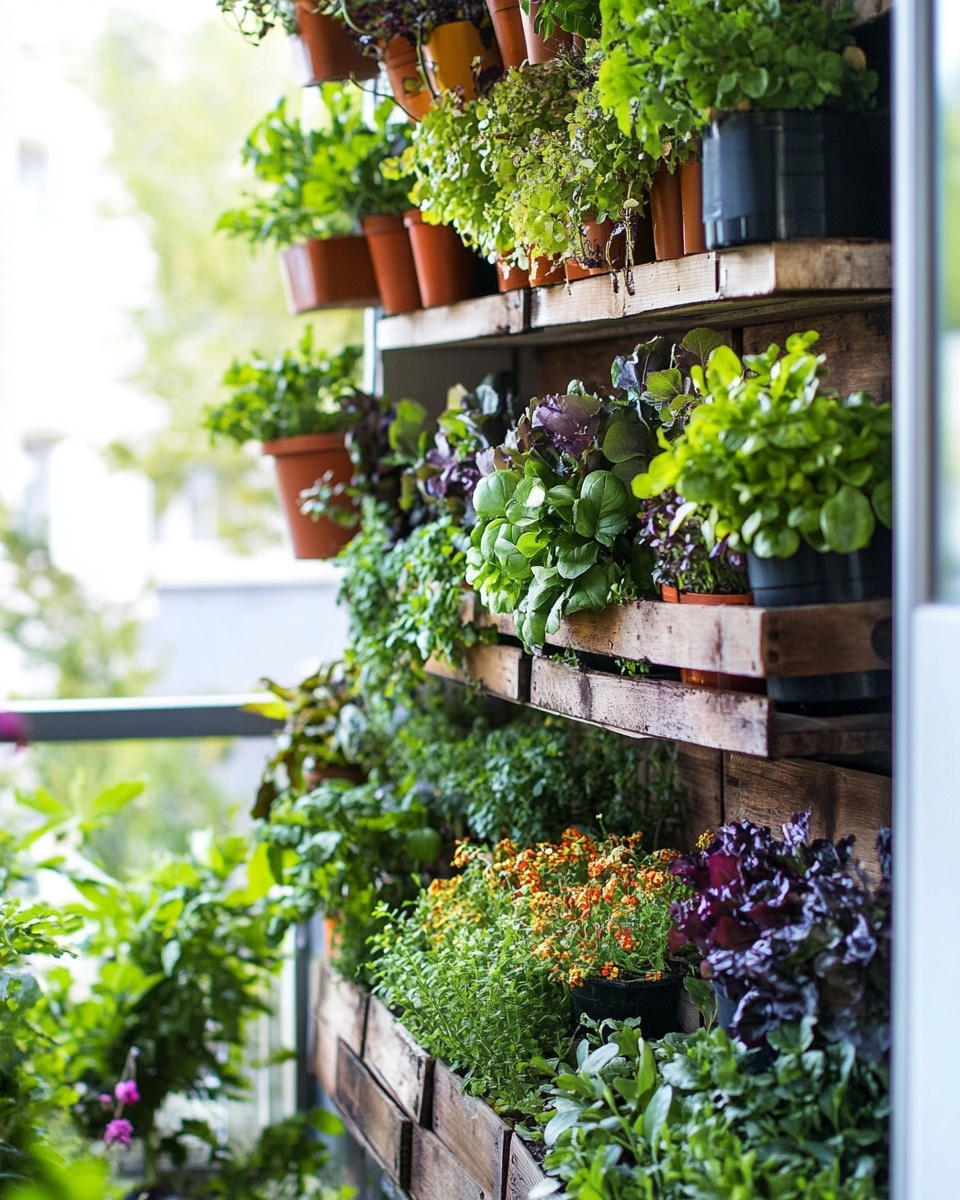
- Vertical Gardens along paths: If your garden walkways are narrow, consider vertical gardens on nearby walls or fences to maximize plantings.
- Container Gardening: Use decorative pots along the path for flexibility and to add splashes of color without requiring extensive in-ground planting.
- Miniature Paths: For tiny areas or balconies, even a simple line of small pebbles or a single large paver can define a "path" and create a focal point.
Creative Ideas & Uses
Garden walkways are not just functional; they are canvases for creativity. Here's how to infuse personality into your paths:
- Mix and Match Materials: Don't limit yourself to one material. Combine large flagstones with sections of pea gravel, or use brick edging with a crushed shell path. The contrast adds visual interest and texture. For instance, a rustic wooden log slice path could transition into a smooth river stone section as it approaches a water feature.
- Incorporate Lighting: Low-voltage pathway lights or solar-powered lanterns enhance safety and create a magical ambiance after dusk. Strategic lighting can highlight architectural elements or particularly beautiful plants along your garden walkways.
- Edging with Personality: Instead of plain edging, use decorative stones, a living border of low-growing herbs like creeping thyme (which also releases a lovely fragrance when stepped on), or even carefully placed large seashells for a coastal vibe.
- Design with Purpose:
- Destination Paths: Create garden walkways that lead to a specific destination: a hidden bench, a bird bath, a secluded patio, or a vibrant flower bed. This builds anticipation and encourages exploration.
- Sensory Paths: Design sections of your path using materials that engage different senses. Consider aromatic groundcovers, chimes hanging near a path curve, or textured stepping stones.
- Artistic Touches: Embed mosaics using broken tiles or colorful glass into concrete sections of your path. Place interesting sculptures or large decorative rocks strategically along the route.
- Themed Garden Walkways: Align your path's design with your garden's overall theme. A Japanese garden might feature tranquil stepping stones and raked gravel, while a cottage garden could have winding brick paths softened by overflowing perennial borders. For more inspiration on enhancing outdoor spaces with planting, explore how to design a productive greenhouse layout or small space flower garden design ideas to complement your paths.
Common Mistakes to Avoid
Even seasoned gardeners can make missteps. Being aware of common pitfalls will save you time, effort, and potential headaches when building your garden walkways.
- Insufficient Excavation and Base Preparation: This is perhaps the most critical error. Not digging deep enough or failing to properly compact your sub-base and base material will lead to settling, uneven surfaces, and a wobbly path over time. Approximately 70% of pathway failures are attributed to poor base preparation. Always compact in layers!
- Skipping Landscape Fabric: While seemingly optional to some, omitting landscape fabric greatly increases the likelihood of weeds emerging through your garden walkways. Weeds are relentless, and prevention is far easier than constant removal.
- Poor Drainage: If your path doesn't have a slight slope or if the base material isn't permeable, water will pool, leading to erosion, ice hazards in winter, and accelerated material degradation. A 1/4 inch per foot slope is ideal for shedding water.
- Choosing the Wrong Materials for the Climate/Use: Using non-weather-resistant wood in a rainy climate, or soft gravel in a high-traffic area, will result in premature wear and extra maintenance. Research materials suitable for your specific environmental conditions and anticipated foot traffic.
- Neglecting Edging: Without proper edging, loose materials like gravel or mulch will migrate into your garden beds, making the path disappear and requiring frequent tidying. Edging defines and contains.
- Overly Narrow Paths: A path that's too narrow feels cramped and uncomfortable. As mentioned, 3 feet is a minimum for single-file, but 4-5 feet allows for two people to walk side-by-side or for gardeners to comfortably navigate with tools. This often overlooked detail significantly impacts user experience.
- Ignoring Existing Utilities: Before you dig, always check for underground utilities! A quick call to your local "call before you dig" service is vital to prevent accidental damage to water lines, electrical conduits, or gas pipes.
Maintenance & Storage Tips
Once your beautiful garden walkways are complete, a little ongoing care will keep them looking pristine and functional for years.
Long-term Path Health:
- Weed Control: Even with landscape fabric and polymeric sand, some persistent weeds may appear. Address them promptly by hand-pulling or using targeted organic herbicides. Early intervention prevents them from becoming established.
- Edging Check: Periodically inspect your edging for signs of shifting or damage. Re-stake or repair as needed to maintain path integrity.
- Refill/Top-up: For gravel paths, you may need to top up the gravel every few years as it settles or gets displaced. Rake existing gravel smooth before adding more. This is particularly important for high-traffic garden walkways.
- Sweeping & Cleaning: Regularly sweep away leaves, dirt, and debris. For paver or concrete paths, occasional power washing can remove stubborn grime and algae, which can also make surfaces slippery. Be gentle with power washers to avoid disturbing joint sand.
- Addressing Settling: If small areas of your path begin to settle, carefully remove the surface material, add more base or setting bed material, re-level, and replace the surface. This is much easier than redoing an entire section.
Solutions for Common Issues:
- Loose Pavers/Stepping Stones: If a paver becomes wobbly, gently pry it up, add more sand or paver base underneath, level it, and tap it back into place with a rubber mallet. Sweep in fresh polymeric sand if needed.
- Poor Drainage (Water Pooling): This indicates insufficient slope or compacted base. For small areas, you might be able to add a thin layer of fine gravel to improve drainage. For larger issues, you might need to excavate and re-grade a section of the path, ensuring a slight slope away from structures.
By dedicating a little time to routine maintenance, your garden walkways will remain an inviting and valuable asset to your outdoor space.
Conclusion
Creating stunning garden walkways is an empowering and incredibly rewarding project that significantly elevates the beauty and functionality of your outdoor living areas. We've explored everything from meticulous planning and material selection to step-by-step construction and crucial maintenance tips. By embracing sustainable practices, avoiding common errors, and infusing your unique creativity, you can design garden paths that not only guide foot traffic but also tell a story, invite exploration, and enhance your home's aesthetic appeal and value. Remember, your garden is an extension of your home and your personality, and a thoughtfully designed path is the ultimate welcome.
Now, it's your turn! Don't let the thought of a "big project" deter you. Start small, perhaps with a short meandering path to a favorite garden nook. We'd love to see your progress – share photos of your DIY garden walkways in the comments below or tag us on social media! What materials are you most excited to use?
For more inspiration on enhancing your green spaces, check out these related guides:
- Considering growing your own food? Our guide on How to Start a Vegetable Garden from Scratch offers an excellent starting point.
- If you're looking for low-maintenance options to beautify the borders of your new garden path, dive into Low-Maintenance Flowers for Busy Gardeners.
- For those with limited outdoor space but big gardening dreams, our article on Vertical Indoor Garden Ideas for Small Spaces might spark some inspiration for creative indoor-outdoor transitions.
- And for a splash of floral color, find out Easy Flowers to Grow For Beginners.
FAQ
Q1: How wide should garden walkways typically be?
A1: For comfortable single-person passage, aim for a minimum of 3 feet wide. If you anticipate two people walking side-by-side or need space for a wheelbarrow, 4 to 5 feet is ideal for your garden walkways.
Q2: What's the best material for a low-maintenance garden path?
A2: Crushed gravel (like decomposed granite or pea gravel) and large, well-set stepping stones are excellent choices for low-maintenance garden walkways. They offer natural drainage and, if installed with landscape fabric and proper edging, require minimal upkeep aside from occasional weeding and topping up.
Q3: How do I prevent weeds from growing through my gravel path?
A3: The key to weed prevention in garden walkways is a multi-layered approach: thorough excavation, a robust landscape fabric (weed barrier) laid over a compacted sub-base, and a sufficient depth of your chosen gravel or aggregate. Polymeric sand in paver joints also helps significantly.
Q4: Can I build a garden path on a slope?
A4: Yes, but it requires careful planning. For gentle slopes, you can create a winding path that gradually ascends. For steeper grades, consider incorporating steps or terracing along your garden walkways to ensure safety and stability. Always ensure proper drainage.
Q5: How deep should I excavate for a paver walkway?
A5: The general rule for paver garden walkways is to excavate 6-8 inches deep. This depth accommodates 4 inches of compacted sub-base material, 1 inch of a compacted sand setting bed, and the typical 1-3 inch thickness of most pavers. This ensures a stable and long-lasting path.
Q6: What are some eco-friendly options for garden walkways?
A6: Eco-friendly options include using reclaimed materials like urbanite (broken concrete), recycled bricks, or local natural stones. Incorporating permeable materials like gravel reduces runoff, and planting native, low-water groundcovers between stepping stones enhances biodiversity and conserves water.
Q7: Is it necessary to use edging for garden walkways?
A7: While not always strictly necessary for very rustic or natural paths, edging is highly recommended for most garden walkways, especially those made with loose materials like gravel or mulch. It defines the path, prevents materials from spreading into your garden beds, and gives a finished, tidy appearance.