Introduction
Did you know that a well-designed garden walkway can increase your home's curb appeal by an average of 15-20% and significantly boost property value? Many assume creating stunning garden walkways requires professional landscapers and hefty budgets, but that's a common misconception. The truth is, with a little planning, creativity, and the right resources, anyone can craft beautiful, functional garden walkways that transform their backyard into a picturesque oasis. Imagine stepping out into your garden, guided by an artful path that invites exploration and enhances the beauty of your plants. This comprehensive guide will walk you through everything you need to know about designing and building DIY garden walkways, proving that breathtaking landscape features are well within your reach.
Tools & Materials Needed
To embark on your garden walkway project, having the right materials and tools is crucial. The specifics will vary depending on your chosen design, but here's a general list, complete with eco-friendly or budget-friendly alternatives:
- Measuring Tape & Stakes: Essential for laying out your path.
- Shovel & Spade: For digging and shaping the path’s base.
- Rake: To level the ground and spread materials.
- Wheelbarrow: Invaluable for transporting aggregates.
- Heavy-Duty Work Gloves: Protect your hands!
- Utility Knife: For cutting landscape fabric.
- Rubber Mallet: To gently tap pavers or stones into place.
- Plate Compactor (optional, but recommended for large projects): Rents for about $50-$100/day. Alternatively, a hand tamper works for smaller projects, saving on rental costs.
- Edging Material: Plastic, metal, or natural stone for clean lines. Eco-friendly alternative: Recycled plastic lumber or salvaged bricks.
- Landscape Fabric: Suppresses weeds. Eco-friendly alternative: Layers of cardboard or newspaper as a biodegradable weed barrier.
- Base Material: Crushed gravel or paver base for stability.
- Path Material: This is where your creativity shines!
- Gravel: Pea gravel, decomposed granite, crushed stone. Budget-friendly: Locally sourced gravel.
- Pavers: Concrete, natural stone, recycled rubber. Eco-friendly: Permeable pavers that allow water to infiltrate.
- Stepping Stones: Natural flagstone, poured concrete forms, repurposed wood slices (ensure they are rot-resistant!).
- Wood Chips/Mulch: Soft, natural, and budget-friendly. Ensure it’s an all-natural, untreated variety.
- Bricks: Salvaged bricks add charming, historic appeal.
- Sand (optional): For leveling a paver bed.
- Watering Can or Hose: For settling the base.
Time & Effort Overview
Crafting effective garden walkways is a rewarding project, but it does require some commitment. The total time depends heavily on the length and complexity of your path, as well as your chosen materials.
- Planning & Design: 1-3 hours (This is crucial and often underestimated).
- Site Preparation (Measuring, digging, leveling): 4-8 hours for a 20-foot path. Expect this to be about 30% faster than preparing a new garden bed of similar size, as you're primarily concerned with leveling, not amending soil.
- Base Installation (Fabric, gravel base): 2-4 hours.
- Material Laying (Pavers, gravel, stepping stones): 4-12 hours, depending on the intricacy. A simple gravel path can be laid in half the time of a complex paver design.
- Finishing Touches (Edging, filling gaps): 1-2 hours.
Overall: Most DIY garden walkways can be completed over a single weekend (10-25 hours of focused work) for average-sized backyards. Larger or more intricate designs might span two weekends.
Difficulty Level: This project is generally intermediate. While the individual steps are straightforward, it requires physical exertion, attention to detail for proper leveling, and some problem-solving for slopes or irregular shapes. Beginners with a good work ethic can absolutely tackle it, especially with simpler materials like gravel or stepping stones.
Step-by-Step Gardening Process
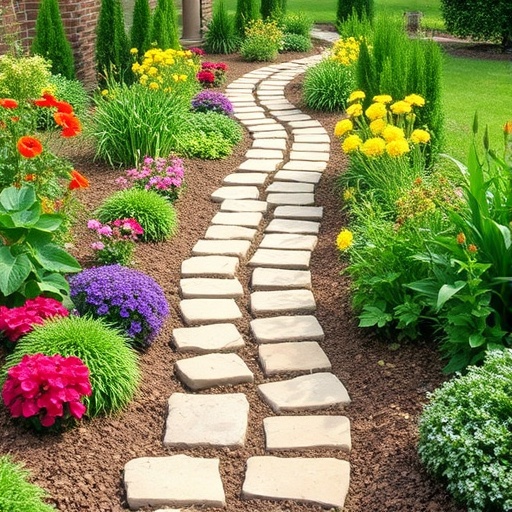
Ready to create your dream garden walkway? Follow these steps for a smooth installation.
Step 1: Plan Your Path
Start by sketching your desired pathway. Consider flow, common routes in your garden, and key destinations. Mark the path with stakes and string or a garden hose. Walk the path to test its flow and ensure it's wide enough (typically 2-3 feet for a comfortable single person path, 4-5 feet for two people side-by-side). This visualization saves time and effort later!
Step 2: Prepare the Site
Once your path is marked, it’s time to get digging. Excavate the area to a uniform depth, typically 4-6 inches for most garden walkways. This depth will accommodate your base material and walkway surface. Remove all grass, weeds, and debris. Aim for a slight slope (1-2%) away from structures to ensure proper drainage. Don't worry if it's not perfectly level by eye; your base material will help correct minor imperfections.
Step 3: Install Edging (Optional, but Recommended)
For a crisp, contained look, install your edging material along the path's perimeter. This helps define the walkway and prevents your path material (especially gravel) from spreading into garden beds. Bury the edging slightly below the finished path height.
Step 4: Lay Landscape Fabric
Unroll landscape fabric over the excavated area, overlapping edges by at least 6 inches. Cut it to fit the contours of your path. This fabric acts as a weed barrier, preventing weeds from growing up through your beautiful new garden walkways. Secure it with fabric pins. Don’t skip this step – it’s a game-changer for long-term maintenance!
Step 5: Add the Base Material
Pour your crushed gravel or paver base into the excavated area, spreading it evenly with a rake. Aim for a depth of 3-4 inches. Compact the base thoroughly using a plate compactor or hand tamper. Compact in layers if necessary. This compacted base is the foundation of durable garden walkways, supporting the weight of foot traffic and preventing shifting. Water the base lightly before compacting to help it settle.
Step 6: Install Your Chosen Path Material
- For Gravel Paths: Pour the gravel directly onto the compacted base, spreading it evenly to a depth of 1-2 inches. Rake it smooth.
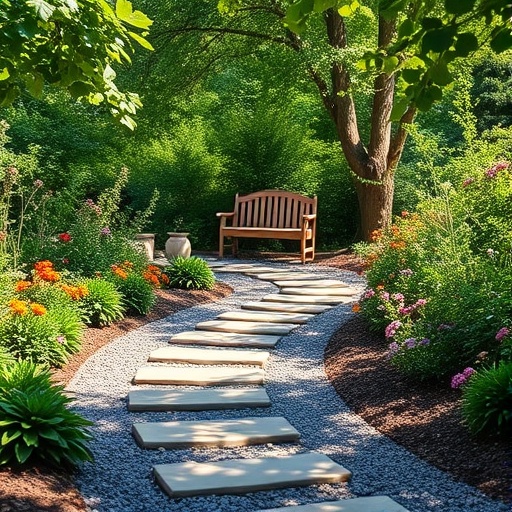
- For Paver/Stepping Stone Paths: Add a 1-inch layer of sand over the compacted base. Level the sand using a screed board (a straight piece of wood) for a flat surface. Place your pavers or stepping stones, leaving consistent gaps if desired. Use a rubber mallet to tap them into place, ensuring they are level with each other and slightly above the surrounding grade for drainage. Use a level frequently!
- For Wood Chip/Mulch Paths: Simply spread the chosen material to a depth of 3-4 inches over the landscape fabric.
Step 7: Fill and Finish
For paver or stepping stone paths, sweep sand or polymeric sand (which hardens when wet) into the gaps between the stones. This locks them in place and deters weeds. Water gently to settle the sand. For gravel paths, rake the surface one last time and walk over it to naturally compact it. Step back and admire your new garden walkways!
Growth & Care Tips
While garden walkways don't grow in the traditional sense, maintaining their pristine appearance and structural integrity is key to their longevity.
- Weed Prevention: Even with landscape fabric, occasional weeds can sprout from seeds deposited by wind or birds. Regular spot-weeding is important. For gravel or paver paths, a weed torch can be an efficient, chemical-free solution. Anecdotal evidence suggests that applying a strong horticultural vinegar solution (diluted 1:1 with water) on a sunny day can significantly reduce weed growth in cracks for up to 3 months.
- Edging Maintenance: Check your edging periodically to ensure it's still firmly in place and hasn't shifted due to ground movement or frost heave. Re-bury or reinforce as needed.
- Material Refresh: Over time, gravel can sink or disperse, and mulch can decompose. Top up these materials annually or every other year to maintain depth and appearance. This is a simple task that keeps your garden walkways looking fresh.
- Cleaning: For pavers, moss and algae can become an issue, especially in shady, damp areas. A stiff brush and water, or a specialized paver cleaner, can restore their look. Avoid harsh chemicals that might damage nearby plants. Pressure washing can also clean pavers effectively but use a low-pressure setting to avoid dislodging jointing sand.
Eco-Friendly & Sustainable Alternatives
Building beautiful garden walkways can also be an opportunity to embrace sustainability.
- Recycled Materials: Instead of new pavers, consider salvaged bricks or reclaimed wood. Old railroad ties (ensure they are creosote-free if near food plants) or even broken concrete (known as "urbanite") can be repurposed into unique and durable paths.
- Permeable Surfaces: Opt for materials like gravel, decomposed granite, or permeable pavers. These allow rainwater to soak into the ground, reducing runoff and helping to recharge groundwater. This is a significant improvement over impermeable concrete or asphalt, which contribute to urban heat island effects and stormwater pollution.
- Local Sourcing: Source your materials locally whenever possible. This reduces the carbon footprint associated with transportation.
- Natural Weed Control: As mentioned, cardboard or newspaper layers under your path materials are an excellent biodegradable alternative to synthetic landscape fabric. For persistent weeds, hand-pulling or a horticultural vinegar spray is kinder to the environment than chemical herbicides.
- Companion Planting: While not directly for paths, consider planting low-growing, resilient herbs or groundcovers (companion herbs) along the edges of your garden walkways. They can soften the path's appearance and provide beneficial insect habitats.
Creative Ideas & Uses
Garden walkways aren't just for getting from point A to point B; they're integral to your garden's aesthetic and experience.
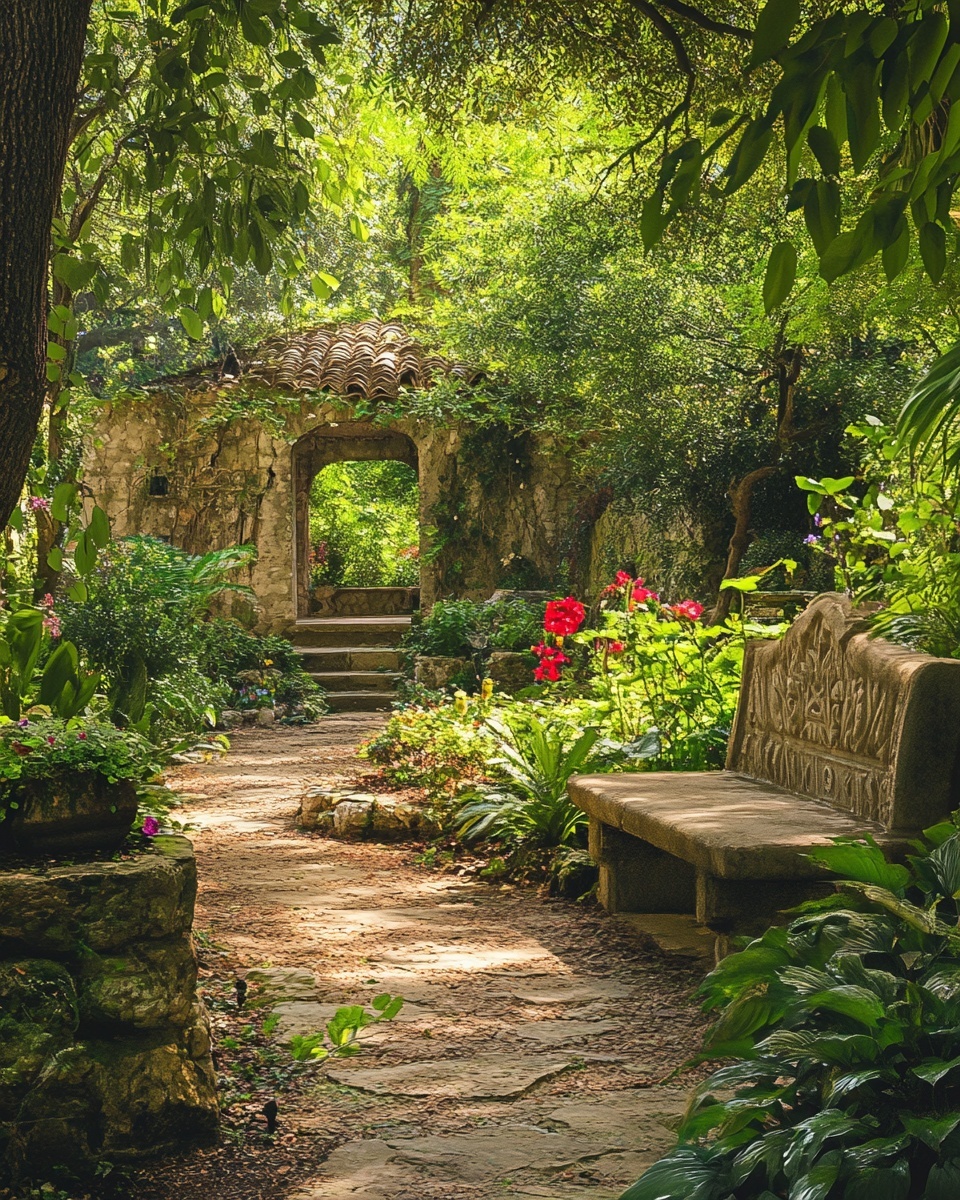
- Themed Paths: Design your path to complement a specific garden theme. A Japanese garden might feature stepping stones with moss in between, while a rustic cottage garden could use uneven flagstones and brick.
- Illumination: Integrate solar-powered path lights or low-voltage lighting along your garden walkways. This not only enhances safety but also creates a magical ambiance in the evening. Imagine strolling along a softly lit path after dusk!
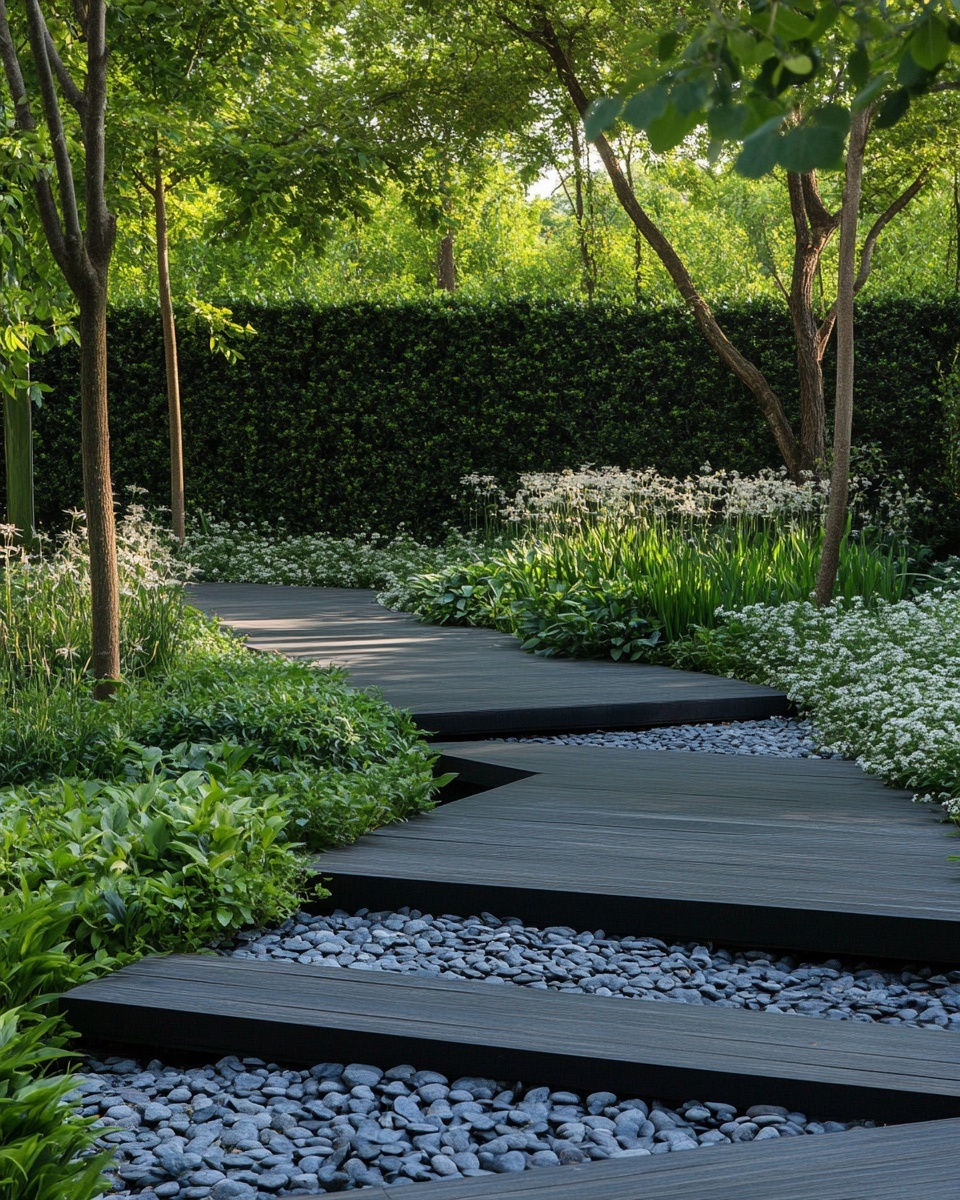
- Artistic Inlays: Add mosaic designs, small decorative pebbles, or even glow-in-the-dark stones into concrete or paver paths for a personalized touch.
- Soundscapes: Place wind chimes or water features along your path's route to engage the senses as you walk.
- Repurposing Materials: Imagine garden walkways made from old pallet wood (treated for outdoor use), sliced tree stumps (for a whimsical forest feel), or even bottle caps pressed into concrete. The possibilities are endless when you look at discarded items with an artistic eye. For more inspiration, Pinterest is a fantastic resource for visual ideas: Explore Garden Walkway Ideas on Pinterest.
- Living Paths: In low-traffic areas, consider planting creeping thyme or other durable groundcovers directly between stepping stones. This softens the hardscape and adds a fragrant, verdant touch.
Common Mistakes to Avoid
Even experienced gardeners can make missteps. Here are common errors when creating garden walkways and how to prevent them:
- Insufficient Site Preparation: Not digging deep enough or failing to properly level the ground can lead to an uneven, unstable path that will quickly develop dips and humps. A common issue is not removing all organic matter; roots can decompose, causing voids. Always dig thoroughly and compact well.
- Skipping Landscape Fabric: This is a top contender for future headaches. Without a weed barrier, you'll be constantly battling persistent weeds that push through your path material. Data suggests that paths without a landscape fabric base require 3-5 times more weeding effort in the first year alone.
- Lack of Proper Drainage: If your path doesn't drain well, you'll end up with puddles, shifting materials, and potential ice hazards in winter. Always create a slight slope (1-2%) for water runoff and use permeable base materials.
- Too Narrow Paths: A path that's too narrow feels cramped and impractical. Remember, a comfortable clearance for one person is at least 2 feet; for two people to walk side-by-side, aim for 4 feet. Regretfully, many DIYers opt for 1.5-foot paths, which usually leads to them being abandoned or overgrown.
- Not Compacting the Base Adequately: A loose base will lead to shifting pavers or sinking gravel. Your path needs a solid foundation, so compact, compact, compact! A properly compacted base can support up to 6,000 pounds per square foot.
Maintenance & Storage Tips
Ensuring the longevity and beauty of your garden walkways involves consistent, but manageable, maintenance.
- Annual Inspection: At the beginning of each spring, walk your path and inspect it. Look for shifted stones, eroded gravel spots, or areas where edging has come loose. Address these issues promptly.
- Weed Management: Consistent, light weeding is far easier than battling an overgrown path. Pull weeds by hand when they are small, or use a weed torch for broad areas. Reapply weed suppressants (like horticultural vinegar) as needed.
- Re-leveling: Over many years, heavy foot traffic or freeze-thaw cycles can cause pavers or stepping stones to settle unevenly. If individual stones become wobbly, carefully pry them up, add or remove a little sand beneath, and re-level with your rubber mallet.
- Winter Care: If you live in an area with harsh winters, avoid using rock salt on your garden walkways if they are near plants, as it can damage vegetation. Sand or non-toxic ice melts are safer alternatives. If your path is permeable, ensure it can still drain even during snowmelt.
- Material Storage (for extra materials): Store any leftover pavers, gravel, or edging in a dry, covered area, preferably off the ground, to prevent weathering and degradation. This ensures you have matching materials for future repairs or expansions.
Conclusion
Creating your own garden walkways is a journey of creativity, effort, and immense satisfaction. From the careful planning of your path to selecting sustainable materials and adding those personal, artistic touches, each step brings you closer to a garden that truly reflects your vision and enhances your outdoor living space. These DIY garden walkways aren't just functional routes; they are an invitation to explore, a framework for your landscape design, and a testament to your gardening passion. The benefits extend beyond aesthetics, contributing to property value and providing accessible, enjoyable passage through your green sanctuary.
Don't let the thought of a "big project" deter you. Start small, perhaps with a simple stepping stone path, and build your confidence. We'd love to see your creations! Share photos of your transformed garden walkways in the comments below, or tag us on social media. For more gardening inspiration and practical advice, keep exploring our guides. Your beautiful garden journey has just begun!
FAQ
Q1: How wide should my garden walkways be?
A1: For comfortable single-person passage, aim for at least 2 to 3 feet wide. If you anticipate two people walking side-by-side, or need to easily maneuver a wheelbarrow, a width of 4 to 5 feet is ideal for your garden walkways.
Q2: What's the best material for garden walkways in a rainy climate?
A2: In rainy climates, permeable materials are excellent for garden walkways. Gravel, decomposed granite, or permeable pavers allow water to drain through, preventing puddles and reducing runoff. Always ensure you have a properly sloped and compacted base for maximum drainage.
Q3: Can I build garden walkways on a slope?
A3: Yes, you can! For gentle slopes, you can create a winding path. For steeper inclines, consider incorporating steps or terraces into your garden walkways design. Proper leveling and compaction are even more critical on slopes to prevent erosion and shifting.
Q4: How do I prevent weeds from growing through my garden walkways?
A4: The best defense against weeds for garden walkways is a multi-layered approach: properly excavate and remove all existing weeds, lay down a high-quality landscape fabric, and then ensure your path material is thick enough (at least 2-4 inches depending on the material). Regular spot-weeding will also be necessary.
Q5: Are DIY garden walkways durable?
A5: Absolutely! When planned and installed correctly with proper excavation, a stable base, and durable materials, DIY garden walkways can be just as durable and long-lasting as professionally installed ones. The keys are a solid foundation and consistent maintenance.
Q6: What's the cost difference between gravel and paver garden walkways?
A6: Generally, gravel garden walkways are significantly more budget-friendly, costing around $1-$5 per square foot for materials. Paver garden walkways, depending on the type of paver, can range from $3-$15+ per square foot, making them a larger initial investment but offering a more formal and structured look.
Q7: How do I choose the right style of garden walkways for my backyard?
A7: Consider your home's architectural style and existing garden theme. A rustic cottage garden might suit natural flagstones, while a modern landscape could feature clean-lined concrete pavers. Think about the path's purpose and how it connects different areas of your garden.
Here are some other helpful guides you might enjoy:
- Starting Your Edible Journey? If you're passionate about growing, check out our guide on How to Start a Vegetable Garden from Scratch. It's packed with all the foundational knowledge you need to get your veggie patch thriving.
- Indoor Greenery Enthusiast? For those who love bringing nature indoors, our article on Easy Indoor Gardening Setup for Beginners offers fantastic tips on creating your own indoor oasis.
- Greenhouse Dreams? If you're considering extending your growing season, take a look at our Beginner's Guide to Greenhouse Gardening to unlock year-round plant potential.
- Balcony Gardening Solutions: For small spaces, our guide on Balcony Herb Garden Ideas for Beginners provides creative solutions to grow fresh herbs even with limited room.
- Creating a Floral Haven? If you're looking to add vibrant blooms, discover techniques in How to Grow a Cut Flower Garden at Home and fill your home with beautiful, homegrown bouquets.