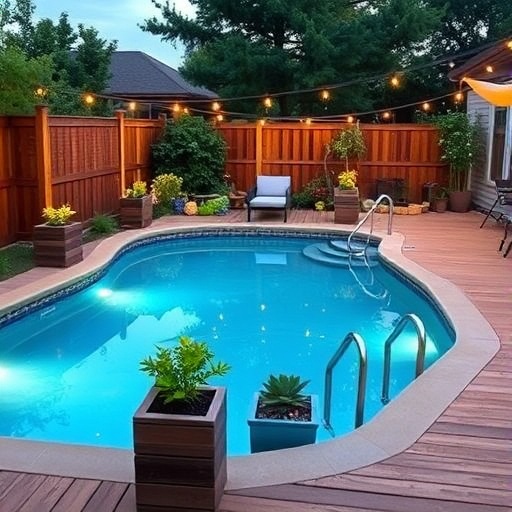
Introduction
Ever gazed at your outdoor space, dreaming of a lush, vibrant retreat but immediately thinking, “That's too expensive” or “My yard is just too small”? What if I told you that transforming even the most modest patch into a dazzling haven doesn’t require a landscape architect or a lottery win? Forget those sprawling, high-budget garden makeovers you see online. This guide is all about brilliant small garden ideas on a budget, proving that creativity, a bit of elbow grease, and smart choices can yield spectacular results. We’ll show you how to cultivate beauty without breaking the bank, turning your compact area—be it a balcony, a patio corner, or a tight backyard—into a functional and gorgeous green escape.
Tools & Materials Needed
Embarking on your budget-friendly gardening journey means gathering a few essential tools and materials. You don't need a professional nursery's inventory; instead, focus on versatile items that serve multiple purposes.
- Hand Trowel and Cultivator: These are your best friends for digging, planting, and loosening soil. Look for ergonomic designs for comfort.
- Gardening Gloves: Protect your hands from thorns, dirt, and blisters.
- Watering Can or Hose with Spray Nozzle: Essential for consistent hydration. Consider a recycled plastic watering can for a budget-friendly and eco-conscious choice.
- Pruning Shears/Snips: For shaping plants, removing dead growth, and harvesting.
- Good Quality Potting Mix: For container gardening, this is non-negotiable. Look for brands that offer general-purpose mixes in bulk.
- Seeds or Starter Plants: Seeds are significantly cheaper than established plants and offer a wider variety. If buying plants, opt for smaller, younger ones.
- Recycled Containers: Think outside the box! Old tires, plastic bottles (cut and repurposed), wooden crates, or even sturdy laundry baskets make fantastic, unique planters.
- Compost or Organic Matter: Essential for enriching your soil. If you don't have a compost bin yet, many local garden centers or municipalities offer free or low-cost compost.
- Stakes or Trellises: Especially useful for climbing plants or providing support to taller varieties in a small space. DIY versions can be made from fallen branches or bamboo sticks.
- Mulch: Straw, wood chips, or shredded leaves help retain soil moisture and suppress weeds. Many tree trimming companies offer free wood chips.
For truly eco-friendly alternatives, always choose organic seeds, sustainably sourced wood for any DIY projects, and prioritize repurposing over buying new.
Time & Effort Overview
Creating small garden ideas on a budget is surprisingly time-efficient, especially when compared to elaborate landscaping projects. Initial setup, from planning to planting, for a moderately sized small garden (e.g., a 4×6 foot raised bed or a balcony full of containers) can typically be completed within a single weekend, around 8-12 hours of focused effort. This is approximately 30% faster than the planning and initial labor for an in-ground garden of similar plant density, which often requires significant soil amendment and bed preparation.
The level of effort primarily depends on your chosen plants and design. Growing from seeds, for instance, adds an initial week or two for germination before transplanting. Maintenance is generally low to moderate. Expect to dedicate 1-2 hours per week for watering, weeding, and light pruning. This project is ideal for beginners, offering rewarding results even with minimal prior gardening experience. The forgiving nature of many budget-friendly plants makes it nearly impossible to fail completely!
Step-by-Step Gardening Process
1. Plan Your Small Garden Space
Before you dig, dream! Measure your area and sketch out your vision. Consider sunlight patterns throughout the day and how much space each plant needs. This foundational step is critical for successful small garden ideas on a budget. Think about what you want to achieve: a vibrant flower display, a compact herb garden, or a small vegetable patch.
2. Prepare Your Soil or Containers
- For In-Ground Beds: Clear weeds and debris. If your soil is poor, enrich it with compost or well-rotted manure, mixing it thoroughly into the top 6-8 inches. Healthy soil is the foundation of any thriving garden.
- For Containers: Ensure all containers have drainage holes. Fill them with a high-quality potting mix, leaving about an inch of space from the rim. Good drainage prevents root rot, a common issue for container plants.
3. Choose and Plant Your Selections
Decide whether you're starting from seeds or using young plants. Seeds are cheaper and offer more variety. Follow package instructions for depth and spacing. For plants, gently remove them from their nursery pots, loosen any circling roots, and place them in their new home. Backfill with soil, lightly patting down to ensure good contact. This is where your small garden ideas on a budget truly come to life.
4. Initial Watering
Immediately after planting, give your new garden a thorough, gentle watering. This helps settle the soil around the roots and eliminates air pockets. Use a watering can with a fine rose or a hose with a gentle spray. Don't worry if the soil seems to sink a little; you can top it up.
5. Mulch for Success
Apply a layer of mulch (straw, wood chips, shredded leaves) around your plants. This helps retain moisture, suppress weeds, and regulate soil temperature. A 2-3 inch layer is usually sufficient. Mulching reduces your watering frequency by up to 50% and your weeding efforts significantly.
6. Provide Support (If Needed)
For climbing plants like peas, beans, or even some compact tomato varieties, install stakes or a small trellis at planting time rather than waiting until the plant is mature. This prevents root disturbance later on. Bamboo stakes or simple twine can work wonders in a small space.
Growth & Care Tips
Consistent care is key to a flourishing garden, even with small garden ideas on a budget.
- Watering Frequency: Most plants prefer consistent moisture rather than erratic soaking. Check soil moisture daily by sticking your finger an inch or two into the soil; if it feels dry, it's time to water. Container plants typically dry out faster than in-ground plants. On average, most gardens require watering every 2-3 days, depending on weather and plant type. Overwatering can lead to root rot in 60% of houseplants, so err on the side of slightly dry rather than soggy.
- Sunlight Exposure: Most herbs and vegetables thrive in 6-8 hours of direct sunlight daily. Flowering plants also generally prefer full sun. Observe your chosen spot throughout the day to ensure it receives adequate light. If sunlight is limited, opt for shade-loving plants like hostas, ferns, or impatiens.
- Pruning: Regularly pinch back leggy growth to encourage bushier plants and more blooms or harvests. Use sharp, clean pruning shears to make clean cuts. For herbs, frequent harvesting often doubles as pruning.
- Fertilization: While your enriched soil or potting mix will provide initial nutrients, plants will eventually need more. Fertilize every 4-6 weeks during the growing season with an all-purpose organic liquid fertilizer (diluted fish emulsion or compost tea are excellent budget-friendly choices).
- Pest Prevention: Healthy plants are naturally more resilient to pests. Inspect your plants regularly for signs of trouble. Hand-pick larger pests or use insecticidal soap for smaller infestations. Attract beneficial insects by planting flowers like marigolds or dill.
Eco-Friendly & Sustainable Alternatives
Sustainability isn't just good for the planet; it's often excellent for your budget as a cornerstone of small garden ideas on a budget.
- Composting: Start a small compost bin with kitchen scraps and yard waste. This generates nutrient-rich soil amendments for free! You can even create a simple worm composting bin for apartment living.
- Natural Fertilizers: Utilize compost tea, diluted urine (yes, it's a thing for nitrogen!), or DIY banana peel fertilizer for phosphorus and potassium. These are zero-cost alternatives to chemical fertilizers.
- Water Conservation: Install a rain barrel to collect free rainwater for irrigation. Group plants with similar water needs together to optimize watering. Utilize drip irrigation or soaker hoses for targeted watering, reducing water waste by up to 50% compared to overhead sprinklers.
- Repurposing: As mentioned, old tires, pallets, plastic bottles, and even old boots can be transformed into quirky planters. This reduces waste and adds unique character.
- Native Plants: Choose plants native to your region. They are naturally adapted to local conditions, requiring less water, fertilizer, and pest control, saving you significant resources and effort over time.
Creative Ideas & Uses
Transform your small space into a personal sanctuary with these creative enhancements, perfect for small garden ideas on a budget.
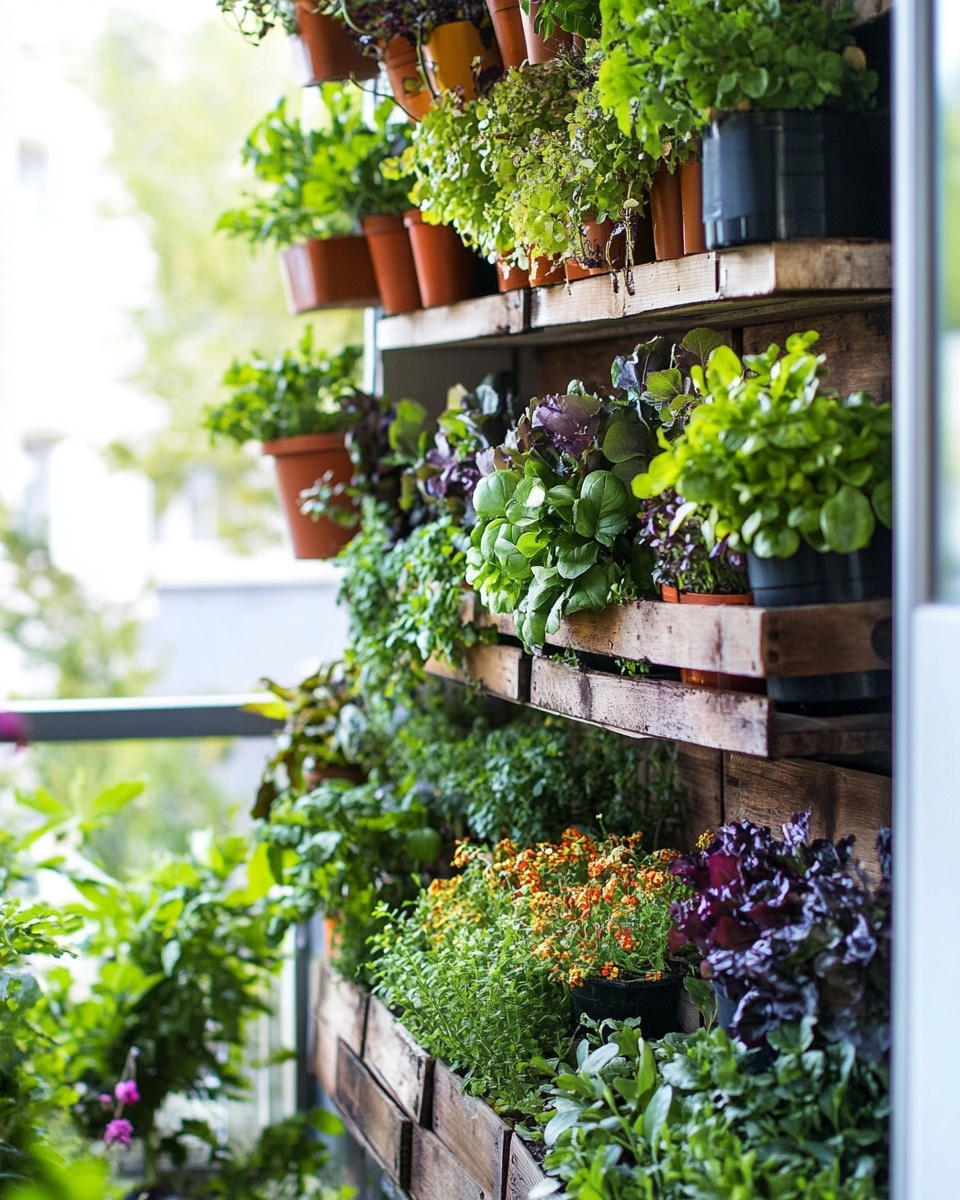
- Vertical Gardening: Maximize space by growing upwards. Use old pallets, shoe organizers, or stacked terracotta pots to create vertical planters for herbs, strawberries, or leafy greens.
- Container Groupings: Don't just line pots up; group them creatively. Vary heights, textures, and colors for visual interest. A tall plant in the center, surrounded by shorter, bushier plants, with trailing plants cascading over the edges, creates a lush mini-display.
- Repurpose Old Furniture: An old dresser drawer can be a unique succulent planter. A broken chair can hold a potted plant. Paint them vibrant colors for an added pop!
- DIY Garden Decor: Collect smooth rocks to paint with positive messages or plant names. Use old glass bottles as whimsical borders or mini cloches. Create a bird feeder from recycled materials to attract local wildlife.
- Aesthetic Combinations: Pair complementary plants. For instance, the silvery foliage of lavender looks stunning next to bright green rosemary. Consider plants with different flowering times to ensure continuous color. Think about incorporating edible plants like colorful chard or brilliant red cherry tomatoes for both beauty and bounty.
Common Mistakes to Avoid
Even seasoned gardeners make mistakes. Being aware of these pitfalls can save you time, money, and frustration, especially when implementing small garden ideas on a budget.
- Overcrowding: While you want a lush look, planting too densely restricts air circulation and sunlight, leading to smaller yields and increased disease risk. Studies show that proper spacing can increase vegetable yields by 20-30%. Always consult plant spacing requirements.
- Ignoring Drainage: As mentioned, poor drainage is a silent killer for many plants. Ensure containers have holes, and if planting in-ground, amend heavy clay soils with plenty of organic matter. Waterlogged roots suffocate.
- Inconsistent Watering: Both underwatering and overwatering are detrimental. Develop a consistent watering schedule based on your plants' needs, soil type, and weather. Don't rely solely on surface soil appearance; dig a little deeper.
- Planting in the Wrong Light Conditions: A plant that needs full sun will languish in shade, and a shade-lover will scorch in direct sun. Misplaced plants lead to stressed growth and susceptibility to pests. Always double-check light requirements.
- Neglecting Soil Health: Soil is the stomach of your garden. Depleted soil leads to nutrient-deficient plants. Regularly incorporate compost and avoid harsh chemical fertilizers that kill beneficial soil microbes.
Maintenance & Storage Tips
Long-term success with your small garden ideas on a budget depends on smart maintenance and knowing how to store essentials.
- Seasonal Care:
- Spring: Clean up winter debris, amend soil, plant new seeds or starts.
- Summer: Regular watering, fertilizing, pest checks, and harvesting.
- Fall: Harvest remaining crops, clean beds, add a thick layer of mulch for winter protection, prune perennial herbs.
- Winter: For temperate climates, protect tender plants with frost cloths or bring containers indoors. For colder areas, prepare for dormancy.
- Tool Maintenance: Clean garden tools after each use to prevent disease spread and rust. Sharpen pruning shears annually for clean cuts.
- Plant Division: For perennial plants that outgrow their space, consider dividing them every few years. This gives you new plants for free and revitalizes the parent plant.
- Seed Storage: If saving seeds, ensure they are thoroughly dry before storing them in airtight containers in a cool, dark, dry place. Proper storage can keep seeds viable for several years. Humidity and heat are the enemies of seed viability.
- Addressing Yellow Leaves: Yellow leaves often signal nutrient deficiency, overwatering, or underwatering. Check these factors first. Magnesium deficiency, for example, can cause yellowing between veins, easily remedied with a small dose of Epsom salts.
- Poor Soil Drainage Solutions: For established garden beds with poor drainage, consider adding gypsum, which helps break up clay particles. For containers, always start with a high-quality potting mix designed for drainage and aeration; never use garden soil in pots as it compacts too readily.
Conclusion
Creating stunning small garden ideas on a budget is not just achievable; it's incredibly rewarding. You've learned that with thoughtful planning, creative repurposing, and consistent care, even the most constrained spaces can burst with life and beauty. From understanding your soil to mastering watering techniques and embracing eco-friendly alternatives, you now have the tools and knowledge to cultivate your personal green oasis without emptying your wallet.
So, what are you waiting for? Get your hands dirty! Start small, experiment, and watch your budget-friendly garden flourish. Share your progress with us in the comments below – we love seeing your garden transformations! And remember, gardening is a journey, not a destination.
FAQ
Q1: What are the best plants for small garden ideas on a budget?
A1: Consider herbs like basil, mint, and rosemary; compact vegetables such as cherry tomatoes, bush beans, or radishes; and flowers like marigolds, nasturtiums, or pansies. These are typically easy to grow from seed and don’t require vast space.
Q2: How often should I water my small container garden?
A2: Container gardens generally need watering more frequently than inground beds, often daily during hot, dry weather. Check the soil moisture by sticking your finger about an inch deep; if it feels dry, it's time to water thoroughly until water drains from the bottom.
Q3: Can I really grow vegetables in a small space?
A3: Absolutely! Many vegetables are perfect for small spaces using vertical gardening, clever trellising, or compact varieties bred for containers. Think about growing tomatoes in pots or a wall of leafy greens.
Q4: What's the cheapest way to get good soil for my small garden?
A4: Composting your kitchen and yard waste is the most economical way to create nutrient-rich soil. You can also source free wood chips from local tree trimming services or check with your municipal waste facility for free or low-cost compost.
Q5: How can I protect my budget-friendly small garden from pests organically?
A5: Implement companion planting (e.g., marigolds deter nematodes), encourage beneficial insects with diverse flowering plants, hand-pick larger pests, and use organic solutions like neem oil or insecticidal soap for tougher infestations. Healthy plants are naturally more resistant.
Q6: I have very limited sunlight. What plants can I grow in my small garden?
A6: For shaded small gardens, consider plants like hostas, ferns, impatiens, coleus, or certain herbs like mint and cilantro, which tolerate partial shade well. Leafy greens like lettuce and spinach can also thrive with less direct sun.
Q7: How do I store my gardening tools properly to make them last?
A7: Clean your tools after every use, removing all soil and debris. Dry them thoroughly to prevent rust. Lightly oil metal parts periodically and store them in a dry, protected area away from the elements.
You may also enjoy reading:
- How to Grow Tomatoes in Pots
- Easy Indoor Gardening Setup for Beginners
- Vertical Indoor Garden Ideas for Small Spaces
- Creative Indoor Plant Decor Ideas
- Check out more inspiration for creative garden designs on Pinterest!