Introduction
Ever found yourself staring at that compact backyard space next to your pool, wondering if you could ever cultivate a lush outdoor oasis there? Many aspiring gardeners face this dilemma, believing small spaces inherently limit their dreams of a vibrant landscape. But what if I told you that even the most modest of areas, especially those around a swimming pool, offer incredible potential for stunning garden layouts? With smart planning and a dash of creativity, you can transform these overlooked spots into captivating extensions of your home. It’s all about maximizing every inch, selecting the right plants, and designing with purpose. Let’s dive into how you can achieve this, turning limitations into unique opportunities for growth and beauty.
Tools & Materials Needed
Embarking on a poolside garden project, even for a compact space, requires a thoughtful selection of tools and materials. Having the right equipment ensures your efforts are efficient and your plants thrive.
Here's a detailed list:
- Hand Trowel and Cultivator: Essential for digging small holes, transplanting, and loosening soil. Opt for stainless steel tools for durability and rust resistance.
- Small Shovel/Spade: Useful for moving soil, compost, or digging larger holes for small shrubs or container plants.
- Pruning Shears/Snips: Crucial for maintaining plant shape, removing dead foliage, and encouraging new growth. Look for bypass pruners for clean cuts.
- Gardening Gloves: Protect your hands from thorns, dirt, and potential irritants. Breathable, waterproof options are ideal.
- Watering Can or Hose with a Gentle Sprayer: For precise watering, especially for delicate seedlings or container gardens. Consider a rain barrel as an eco-friendly alternative!
- Potting Mix/Soil: For container gardens, choose a high-quality, well-draining potting mix. For in-ground beds, enrich existing soil with organic compost. Budget-tip: Many local recycling centers offer free or low-cost compost.
- Selected Plants/Seeds: Based on your design and sunlight conditions. Consider drought-tolerant, low-maintenance options that are also pool-friendly (minimal shedding).
- Containers/Planters: Choose materials like terracotta, ceramic, or lightweight resin. Ensure they have drainage holes. Eco-friendly alternative: Repurpose old tires, wooden crates, or even sturdy food-grade buckets (with drilled holes).
- Mulch: Organic mulch (wood chips, straw) helps retain moisture, regulate soil temperature, and suppresses weeds.
- Edging Material (Optional): To define your garden beds and prevent soil erosion into the pool area. Options include flexible plastic, brick, or natural stone.
- Gardening Kneeler/Pad: Save your knees!
- Measuring Tape: For planning your garden layouts precisely.
Time & Effort Overview
Creating beautiful garden layouts around a small pool requires a moderate investment of time and effort, but the rewards are well worth it.
- Planning & Design: 2-4 hours. This initial phase involves sketching your layout, researching plants, and sourcing materials.
- Site Preparation: 4-8 hours (depending on soil condition and bed size). This includes clearing debris, amending soil, and preparing planters.
- Planting: 3-6 hours. This is the most enjoyable part – getting your hands dirty and bringing your design to life.
- Initial Setup & Watering: 1-2 hours. Installing any irrigation, mulching, and giving your new garden its first thorough drink.
- Ongoing Maintenance: 1-2 hours per week. This includes watering, light pruning, and pest checks.
Compared to establishing a large, in-ground vegetable patch, a poolside garden often demands significantly less initial soil preparation and long-term weeding. Many low-maintenance, ornamental garden layouts can thrive with just a couple of hours of weekly attention once established. The difficulty level for most poolside garden projects, especially those relying on containers or raised beds, sits comfortably at beginner to intermediate. Choosing plants suited to your climate and light conditions will significantly reduce the learning curve.
Step-by-Step Gardening Process
A. Assess Your Space and Sunlight
Before you lift a single trowel, take stock of your poolside area.
- Observe how sunlight moves across the space throughout the day. Does it get full sun (6+ hours), partial sun (3-6 hours), or shade? This is critical for plant selection.
- Measure the dimensions of your available planting areas. Consider existing hardscapes like paving or the pool coping.
- Note down any potential challenges such as splash zones from the pool, wind exposure, or areas where pool chemicals might drain.
B. Plan Your Garden Layouts
Now for the creative part!
- Sketch out different garden layouts on paper. Think about focal points, plant heights, and color schemes.
- For small spaces, vertical gardening options (trellises, wall planters) are incredibly effective.
- Consider a mix of evergreen foliage for year-round structure and flowering plants for seasonal color.
- Remember pathways for access and maintenance. Don't crowd the space.
C. Select Pool-Friendly Plants
This is where informed choices make all the difference.
- Low-shedding plants: Avoid plants that drop excessive leaves, flowers, or fruit, as these will end up in your pool filter. Good options include ornamental grasses, succulents, and palms.
- Drought-tolerant varieties: Many poolside areas can be hot and dry. Cacti, sedum, lavender, and rosemary are excellent choices.
- Salt and chlorine tolerant: If your pool uses salt or chlorine, research plants that can withstand occasional splashes. Oleander or many varieties of palms are often good candidates.
- Height and spread: Choose plants that won't overwhelm the space or grow too close to the pool structure.
- Practical tip: When choosing plants, consider what you want to achieve. Do you want privacy? Scent? Just beauty?
D. Prepare Your Planting Areas
Whether in-ground or containers, proper preparation is key.
- In-ground beds: Loosen compacted soil to a depth of at least 12 inches. Incorporate 2-4 inches of high-quality organic compost to improve drainage and fertility. This is often ignored, but good soil structure prevents 70% of early plant failures.
- Containers: Ensure all pots have adequate drainage holes. Place a layer of broken pottery or landscape fabric at the bottom of larger pots to prevent soil from washing out. Fill with a premium potting mix specifically designed for containers.
- Don’t worry if your soil seems terrible initially; a good amendment with compost can work wonders, even for the most challenging clay or sandy soils.
E. Plant with Care
Time to get your hands dirty!
- Digging: Dig a hole slightly wider and only as deep as your plant’s root ball.
- Planting: Gently remove the plant from its nursery pot. If roots are circling, tease them apart gently. Place the plant in the hole so that the top of the root ball is level with the surrounding soil surface.
- Backfilling: Fill in around the root ball with soil, gently firming it to remove air pockets. Don’t pack it too tightly.
- Watering: Water thoroughly immediately after planting. This helps settle the soil around the roots.
- Here’s how to fix a plant struggling after transplant: Ensure it’s adequately watered but not waterlogged, and give it some time. Most plants experience a bit of shock, but proper watering is their best recovery tool.
F. Mulch and Water
Finish off your new garden layouts with mulch and a good drink.
- Mulch: Apply a 2-3 inch layer of organic mulch around the base of your plants, keeping it a few inches away from the stems. Mulch conserves moisture, suppresses weeds, and regulates soil temperature.
- Watering: Establish a consistent watering schedule appropriate for your plants and climate. Initially, new plants need more frequent watering.
Growth & Care Tips
Once your poolside garden layouts are established, ongoing care is vital for their long-term health and beauty.
- Watering Frequency: The golden rule is to water deeply and less frequently rather than shallowly and often. For container plants, check the soil moisture daily by sticking your finger an inch or two into the soil; if it feels dry, it's time to water. In-ground plants, especially drought-tolerant ones, might only need watering once or twice a week, depending on temperature and rainfall. Overwatering is a common killer, accounting for root rot in an estimated 60% of struggling container plants.
- Sunlight Exposure: Continually monitor your plants’ response to sunlight. If leaves are scorching or turning pale, they might be getting too much direct sun. If they're leggy or not flowering, they might need more. Understanding your plants' specific light needs ensures they thrive.
- Pruning: Regular light pruning encourages bushier growth, more blooms, and removes dead or diseased branches. Use sharp, clean pruning shears. For flowering plants, deadhead spent blooms to redirect energy into new flowers rather than seed production.
- Fertilization: Most plants in containers will benefit from a balanced, slow-release granular fertilizer every 2-3 months, or a dilute liquid feed every 2-4 weeks during their growing season. In-ground plants might only need an annual top-dressing of compost. Always follow product instructions; over-fertilization can burn roots.
- Pest Prevention: Vigilance is your best defense. Regularly inspect your plants for signs of pests (chewed leaves, sticky residue, tiny bugs). Early detection allows for organic solutions like insecticidal soap or neem oil before infestations become severe. Beneficial insects, such as ladybugs, are natural predators of common garden pests like aphids – encourage them!
- Weeding: Keep garden beds free of weeds, as they compete with your chosen plants for water, nutrients, and light. Mulch is an excellent weed suppressor.
Eco-Friendly & Sustainable Alternatives
Cultivating a beautiful poolside garden doesn’t have to harm the planet. Integrating sustainable practices not only benefits the environment but often leads to healthier, more resilient garden layouts.
- Composting: Turn kitchen scraps and yard waste into nutrient-rich compost. This "black gold" improves soil structure, reduces the need for chemical fertilizers, and diverts waste from landfills. A small compost bin can easily fit into a corner of a small backyard.
- Natural Fertilizers: Beyond compost, consider organic alternatives like worm castings, bone meal, or kelp meal instead of synthetic chemical fertilizers. These improve soil health long-term and reduce chemical runoff into your pool or local waterways.
- Water Conservation:
- Drip Irrigation/Soaker Hoses: These systems deliver water directly to the plant roots, minimizing evaporation and runoff. They can reduce water usage by up to 50% compared to traditional sprinklers.
- Rain Barrels: Collect rainwater from your roof. This chemical-free water is excellent for plants and reduces reliance on municipal water sources.
- Drought-Tolerant Plants: As mentioned, selecting plants suited to dry conditions significantly reduces watering needs.
- Local & Native Plants: Choose plants native to your region. They are naturally adapted to your climate, requiring less water, fertilizer, and pest control. They also support local wildlife and pollinators.
- Integrated Pest Management (IPM): Instead of immediate chemical sprays, focus on prevention, biological controls (beneficial insects), and manual removal. Only use targeted, least-toxic options as a last resort.
- Alternatives for Small Spaces:
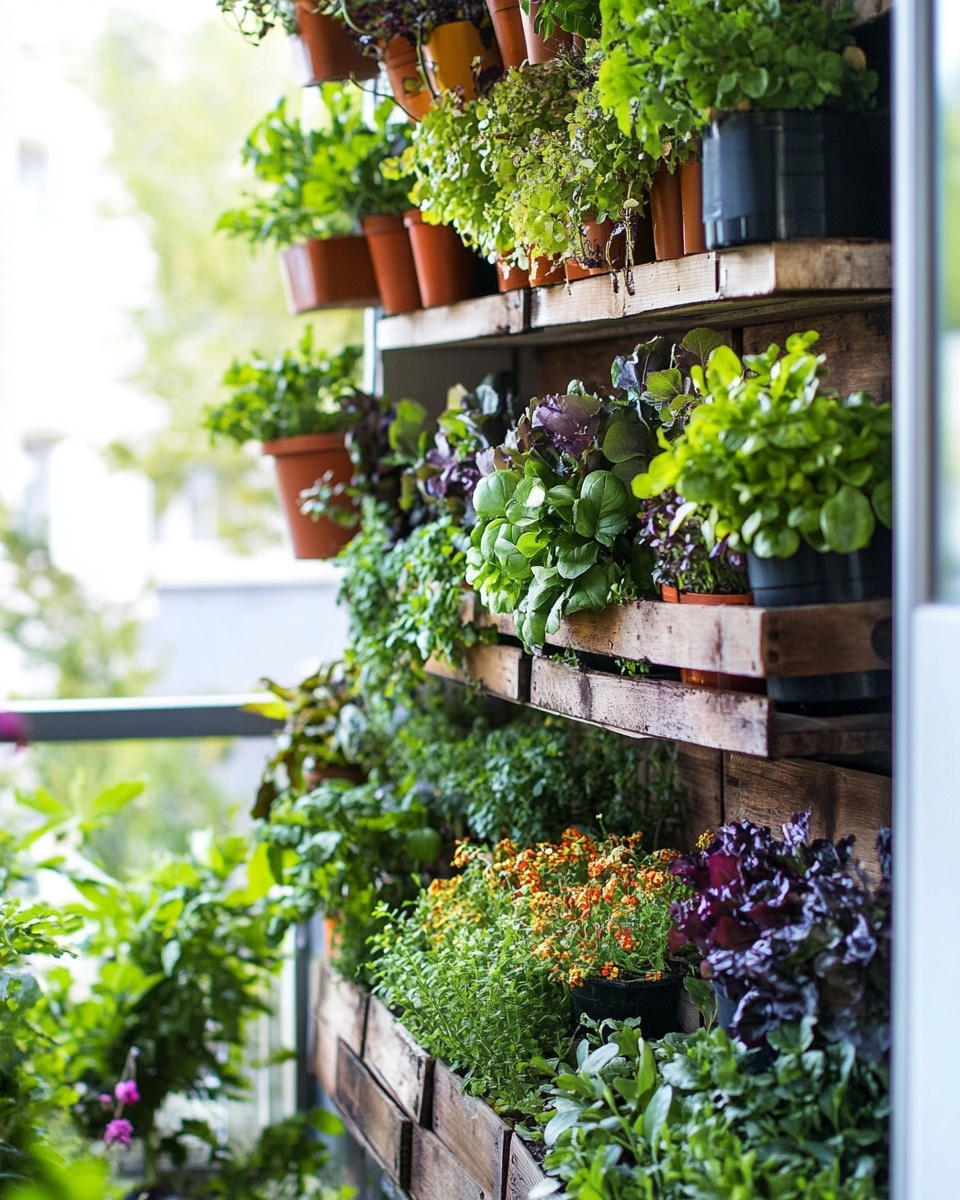
- Vertical Gardens: Wall-mounted planters, tiered shelves, or living walls are perfect for maximizing limited square footage. They add a dramatic design element and can be used for herbs, flowers, or small vegetables. Explore more ideas for vertical indoor garden ideas for small spaces.
- Container Gardening: As discussed, pots allow for flexibility and can create stunning displays. You can even grow tomatoes in pots or create a DIY indoor herb garden for small kitchens that can be brought outdoors in warmer months.
- Smart Planter Boxes: Raised beds or self-watering planters are excellent for compact areas, offering good drainage and easier access for maintenance.
Creative Ideas & Uses
Transforming your poolside area into a living masterpiece goes beyond just planting. Here are some innovative ways to enhance your garden layouts:
- Decorate with Plants:
- Tiered Planters: Create dynamic height differences with tiered planters, allowing shorter plants to thrive below taller ones. This adds visual depth to your garden.
- Hanging Baskets: Utilize vertical space above the pool, filling baskets with trailing flowers like petunias or nasturtiums for a cascading effect.
- Floating Planters: For a truly unique touch, consider waterproof planters that can float on the pool’s surface during a party (remove before swimming!).
- Decorative Pots: Choose pots that complement your outdoor decor, using varying textures and finishes for added interest.
- Repurpose Garden Materials:
- Old Ladders: Lean an old wooden ladder against a wall and place small potted plants on each rung.
- Pallets: Vertically mounted pallets can be converted into fantastic living walls.
- Vintage Finds: An old bathtub or wheelbarrow can become a quirky, rustic planter. Ensure proper drainage is added.
- Combine Plants Aesthetically:
- Color Themes: Design sections of your garden using a specific color palette (e.g., cool blues and purples for a calming zen area, or vibrant reds and yellows for an energetic splash).
- Texture Contrast: Pair fine-textured grasses with broad-leafed succulents or spiky agaves for compelling visual interest.
- Fragrance Zones: Plant aromatic herbs like lavender, rosemary, or scented geraniums near seating areas to enjoy their natural perfumes.
- Landscaping Inspirations for Poolside:
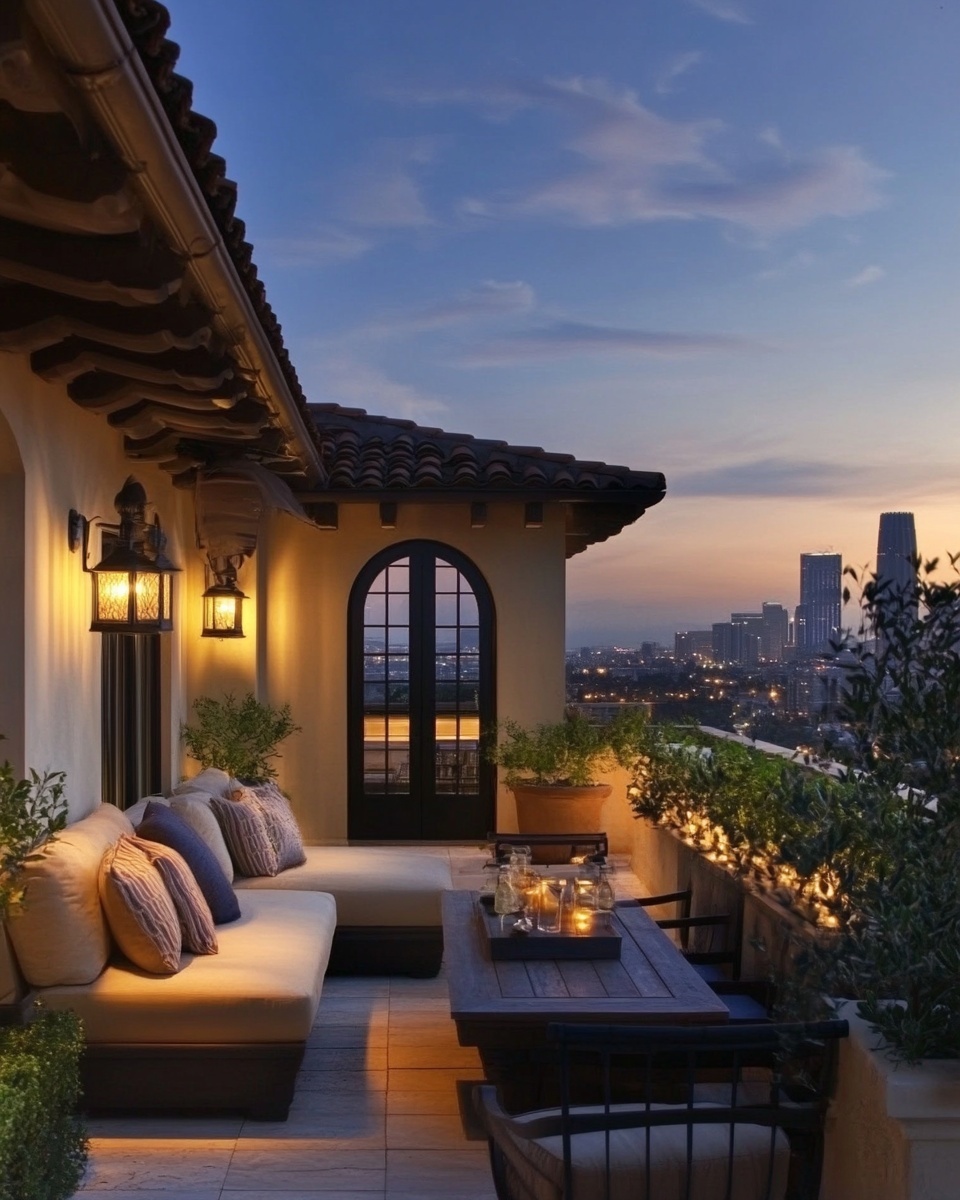
- Mediterranean Vibe: Incorporate olive trees (in large pots), lavender, rosemary, and white-washed terracotta pots for a sun-drenched, European feel.
- Tropical Oasis: Use palms, hibiscus, and ferns (in shadier spots) to create a lush, resort-like atmosphere. Ensure these are pool-friendly varieties.
- Modern Minimalist: Clean lines, geometric planters, and a limited palette of architectural plants like snake plants, agaves, or ornamental grasses create a sophisticated, low-maintenance look.
- Edible Edges: Consider integrating edible plants that don't shed much, such as culinary herbs in pots, or low-growing, compact tomatoes for a functional and beautiful space.
Common Mistakes to Avoid
Even seasoned gardeners make mistakes. Being aware of potential pitfalls can save you time, money, and heartache when designing your poolside garden layouts.
- Overwatering/Underwatering: This is by far the most common plant killer. As mentioned, overwatering causes root rot in 60% of houseplants and many outdoor container plants. Conversely, prolonged dryness can lead to wilting and death, especially for new transplants. Prevention: Stick your finger into the soil. If it feels dry, water. If it feels moist, wait. Invest in a moisture meter for accuracy.
- Ignoring Sunlight Needs: Planting sun-loving plants in deep shade or shade-lovers in scorching sun is a recipe for disaster. Prevention: Observe your space’s sunlight patterns for a full day before purchasing plants. Read plant tags carefully.
- Poor Drainage: If water sits in pots or beds, roots suffocate. This is why drainage holes are non-negotiable for containers. Prevention: Use high-quality potting mix in containers and amend heavy clay soils with plenty of organic matter (compost) in beds to improve drainage.
- Planting Too Close to the Pool Edge: This leads to plants shedding leaves and debris into your pool, clogging filters, and requiring more frequent cleaning. Prevention: Maintain a safe distance. Choose compact, low-shedding plants.
- Using Non-Pool-Friendly Plants: Certain plants can be messy, have invasive roots, or react poorly to splashes of chlorinated or saltwater. Prevention: Research plants for their suitability near pools (e.g., avoid fruit trees, deciduous trees, or plants with aggressive roots).
- Neglecting Soil Health: Healthy soil is the foundation of a thriving garden. Prevention: Regularly amend your soil with compost. For containers, replenish potting mix every 1-2 years as nutrients deplete.
- Forgetting About Maintenance: Even low-maintenance gardens need some attention. Prevention: Prune regularly, weed proactively, and inspect for pests. A little consistent effort goes a long way.
- Ignoring Plant Size at Maturity: A small nursery plant can quickly outgrow its space if you don't account for its mature size. Prevention: Always check the mature height and spread on plant tags and plan your garden layouts accordingly.
Maintenance & Storage Tips
Ensuring the longevity and vitality of your poolside garden layouts involves thoughtful maintenance and smart seasonal preparation.
- Long-Term Plant Health:
- Seasonal Feedings: Supplement your plants with appropriate fertilizers during their active growing seasons. For example, many flowering plants benefit from a bloom-boosting fertilizer (higher in phosphorus) during spring and summer.
- Pest and Disease Checks: Make a habit of weekly walks through your garden, closely inspecting leaves (top and bottom), stems, and soil for any signs of trouble. Early detection is key to preventing major outbreaks.
- Air Circulation: Ensure plants aren't too crowded. Good airflow discourages fungal diseases. Prune selectively to thin out dense growth.
- Root Bound Plants: If container plants aren't thriving despite good care, they might be root-bound. This means the roots have filled the pot, forming a dense tangle. Carefully remove the plant from its pot; if you see circling roots, it's time to re-pot into a larger container or divide the plant.
- Seed Storage:
- Store unused seeds in cool, dry, and dark conditions. An airtight container in the refrigerator is ideal. Label clearly with the plant type and year of harvest/purchase. Proper storage can keep seeds viable for years.
- Seasonal Care:
- Winterizing (for colder climates): If you live in an area with freezing winters, you'll need to protect tender plants. Move container plants indoors, cover in-ground plants with frost cloths, or heavily mulch their bases. Drain irrigation systems to prevent pipes from bursting.
- Spring Preparation: As temperatures rise, begin by cleaning up any winter debris. Prune back dead growth. Top-dress beds with compost and refresh mulch. This is an ideal time to divide perennials or plant new annuals for summer color.
- Summer Care: Focus on consistent watering, especially during dry spells. Deadhead spent flowers to encourage new blooms. Monitor for pests.
- Autumn Prep: Begin reducing watering as temperatures drop. Plant bulbs for spring blooms. Clean up fallen leaves, which can provide excellent mulch or compost material.
- Solutions for Common Issues:
- Yellow Leaves: Often signals overwatering (soil stays wet, roots suffocate) or nutrient deficiency. Check soil moisture first.
- Drooping/Wilting: Usually indicates under-watering, but can also be a sign of severe overwatering or root rot. Again, check soil moisture.
- Poor Soil Drainage: If water pools on the surface or takes a long time to absorb, your soil might be too heavy. Solution: Incorporate more organic matter like compost, peat moss, or perlite to improve aeration and drainage. For containers, ensure drainage holes are not blocked.
Conclusion
Transforming your small backyard into a stunning poolside retreat is an achievable and incredibly rewarding endeavor. We've explored how carefully planned garden layouts, combined with smart plant choices and sustainable practices, can turn even the most compact of spaces into a vibrant, functional oasis. From selecting the right tools to understanding critical growth and care tips, you now have a comprehensive guide to cultivate a garden that not only thrives but also enhances your outdoor living experience. Remember, every square foot offers potential, and with a little creativity, your poolside area can become a source of beauty and relaxation for years to come.
So, don't let a small space deter you! Start planning your dream poolside garden today. Share your progress with us in the comments below – we'd love to see your beautiful creations! You may also enjoy reading about easy indoor gardening setups for beginners or creative indoor plant decor ideas if you're looking for projects beyond the pool. For more inspiration, check out my favorite gardening board on Pinterest.
FAQ
Q1: What are the best low-shedding plants for a poolside garden?
A1: Excellent choices for low-shedding garden layouts include ornamental grasses (like Fountain Grass, Muhly Grass), succulents (Sedum, Agave), certain types of palms (Pygmy Date Palm, Sago Palm, though technically a cycad), and perennials like Lavender or Rosemary. These plants minimize debris in your pool.
Q2: How far should I plant from the edge of my pool?
A2: A general rule of thumb is to allow at least 2-3 feet between the edge of your pool and any plant, especially for ground cover or smaller plants. For larger shrubs or trees, consider their mature size and root systems; some suggest planting them at a distance equal to their mature height to prevent root damage to the pool structure.
Q3: Can I grow herbs or vegetables in my poolside garden?
A3: Absolutely! Many compact herbs like basil, mint, chives, and even smaller vegetable varieties like cherry tomatoes (how to grow tomatoes in pots) can thrive in poolside containers. Just ensure they get adequate sunlight, are well-drained, and don't create excessive mess near the water.
Q4: What if my backyard is mostly shady near the pool?
A4: Don't despair! Many beautiful plants thrive in shade. Consider hostas, ferns, impatiens, primroses, or even certain varieties of coleus for vibrant foliage. You can still create stunning garden layouts by selecting shade-loving species.
Q5: How can I prevent strong winds from damaging my poolside plants?
A5: Strong winds can desiccate plants and knock over containers.
- Solution: Use heavier pots or anchor them. Consider planting wind-resistant species like ornamental grasses or those with flexible stems. You can also install a trellis or strategic tall plants on the windward side to create a windbreak.
Q6: Is it safe to use mulch around my pool area?
A6: Yes, mulch is highly beneficial! Organic mulches like wood chips or shredded bark help retain soil moisture, suppress weeds, and enrich the soil. Just be mindful not to over-apply, keeping it a few inches away from plant stems, and avoid placing it so close to the pool that it gets blown in frequently.
Q7: What are some good privacy screen options for a small poolside area?
A7: For privacy, consider tall but narrow evergreen shrubs in large planters, vertical garden walls with dense foliage, or elegant trellises with climbing vines like jasmine or bougainvillea (ensure low-shedding varieties if possible). These solutions maximize vertical space for effective garden layouts and screening.