Introduction
Did you know that up to 30% of vegetable garden yields can be lost to pests annually, often without gardeners even knowing the full extent of the damage until it’s too late? It's a common dilemma: you nurture your plants, watch them grow, only to discover unwelcome guests munching on your hard work. Effective pest control in the garden isn’t just about eliminating bugs; it’s about creating a balanced ecosystem where your vegetables thrive, free from destructive invaders, using strategies that are sustainable and safe for your family and the environment. This guide will walk you through data-driven methods and expert insights to safeguard your harvest.
Tools & Materials Needed
Tackling garden pests effectively requires a well-stocked arsenal, but don't worry, most items are easily found and many have eco-friendly alternatives.
- Hand Pruners or Scissors: Essential for removing affected leaves, stems, or small areas of infestation. Opt for a sharp, stainless steel pair for clean cuts that promote plant healing.
- Spray Bottle: For applying homemade or organic pest solutions. A repurposed, clean household spray bottle works, but an opaque one is better if using light-sensitive ingredients like neem oil.
- Insecticidal Soap: A gentle yet effective solution for soft-bodied pests like aphids and spider mites. Look for organic, fatty acid-based options. Eco-friendly alternative: Make your own by mixing 1-2 teaspoons of mild liquid soap (like Castile soap) with 1 liter of water.
- Neem Oil: A powerful organic pesticide and fungicide derived from the neem tree. It disrupts insect feeding and growth cycles. Budget-friendly tip: Purchase concentrated neem oil and dilute it yourself; it goes a long way!
- Horticultural Oil: Another organic option, effective against a range of pests by suffocating them. Apply during cooler parts of the day to avoid leaf burn.
- Gloves: Protect your hands from irritants and potential skin reactions, especially when handling certain organic sprays or thorny plants.
- Container for Soapy Water: For squishing larger pests or dipping affected plant parts.
- Row Covers (lightweight fabric): A physical barrier to prevent flying insects from laying eggs on your plants. Choose a non-woven, UV-stabilized material that allows light and water through.
- Sticky Traps (yellow or blue): Attract and trap common flying pests like whiteflies and thrips. Budget-friendly alternative: DIY sticky traps by coating yellow cardstock with petroleum jelly.
- Magnifying Glass: Tiny pests can be hard to spot. A small magnifying glass helps in early detection.
- Beneficial Insect Attractants (seeds or plants): Think dill, cilantro, marigolds, or cosmos. These attract helpful insects like ladybugs and lacewings that prey on pests.
- Compost or Organic Mulch: Healthy soil leads to healthy plants, which are more resilient to pests.
Time & Effort Overview
Applying effective pest control in the garden is more about consistency than intense labor. Initial setup and regular monitoring are key.
- Daily Check-ins (5-10 minutes): A quick visual inspection of your plants for any signs of trouble. This is crucial for early detection and preventing small issues from becoming major infestations.
- Weekly Treatment (30-60 minutes): If pests are present, applying organic sprays or physical removal often takes less than an hour per week for a typical backyard vegetable garden. This is significantly less time than recovering from a severe infestation, which can take weeks or even lead to crop failure.
- Seasonal Preparations (2-3 hours, twice a year): Installing row covers, planting beneficial insect attractants, and amending soil fall into this category. This preventative effort can reduce pest pressure by an estimated 40% compared to reactive treatments alone.
- Difficulty Level: Beginner to Intermediate. While identifying specific pests can be tricky initially, the methods for pest control in the garden are largely straightforward and become easier with practice. It's much simpler than intricate pruning techniques for fruit trees, for instance.
Step-by-Step Gardening Process
Successful pest control in the garden starts with proactive measures and diligent observation.
Step 1: Cultivate Healthy Soil
The foundation of robust, pest-resistant plants is healthy soil.
- Enhance Soil Biology: Before planting, amend your soil with a generous layer of compost or well-rotted manure. This introduces beneficial microorganisms that improve nutrient uptake, leading to stronger plants. Consider a soil test to understand specific deficiencies. Plants grown in balanced, nutrient-rich soil are statistically 20% less susceptible to pest damage.
- Good Drainage is Key: Ensure your garden beds have excellent drainage. Waterlogged roots stress plants, making them a magnet for certain pests and diseases.
Step 2: Choose the Right Plants & Varieties
Your plant selection plays a huge role in natural pest resistance.
- Research Resilient Varieties: Opt for vegetable varieties specifically bred for disease and pest resistance in your climate. For example, some tomato varieties are resistant to fusarium wilt, a common fungal disease.
- Companion Planting: Strategically plant herbs and flowers alongside your vegetables. Marigolds deter nematodes and other soil pests, while nasturtiums can act as a trap crop, drawing aphids away from your prized vegetables. Consider "Best Companion Herbs to Grow Together" for more ideas.
Step 3: Implement Physical Barriers
Sometimes, the simplest solutions are the most effective.
- Install Row Covers: Immediately after planting seeds or seedlings, cover susceptible crops like brassicas (cabbage, broccoli) with lightweight floating row covers. Secure the edges to prevent pests like cabbage worms and flea beetles from getting underneath. This can block up to 90% of flying insect pests.
- Collars for Seedlings: For plants vulnerable to cutworms (like tomatoes and peppers), place cardboard or plastic collars around the base of seedlings, extending an inch or two into the soil and an inch above.
Step 4: Regular Inspection & Early Detection
This is perhaps the most critical step for effective pest control in the garden.
- Daily Patrols: Spend a few minutes each day inspecting your plants. Look under leaves, along stems, and in new growth. Pay attention to any discoloration, holes, or stickiness. Early detection means treating a small problem before it becomes an overwhelming infestation.
- Know Your Enemies: Learn to identify common vegetable garden pests in your region. A quick search online for "common garden pests [your region]" can provide valuable visuals. Don’t worry if you can’t identify every tiny creature at first; consistent observation will make you an expert!
Step 5: Manual Removal
When you spot pests, immediate action is best.
- Hand-Picking: For larger pests like tomato hornworms or slugs, simply pick them off by hand and drop them into a bucket of soapy water.
- Strong Water Spray: A strong jet of water can dislodge aphids, spider mites, and other soft-bodied insects from plant leaves. Do this in the morning so leaves dry quickly, preventing fungal issues.
Step 6: Organic Sprays & Solutions
If manual methods aren't enough, turn to organic solutions.
- Insecticidal Soap: Mix according to package directions or use your homemade solution. Spray directly onto pests, ensuring good coverage, especially on the undersides of leaves. It works by dissolving the insect's outer protective layer. Reapply every 5-7 days until the infestation is gone.
- Neem Oil: Dilute neem oil according to instructions and spray plants thoroughly. Neem oil doesn't kill on contact but disrupts insect feeding, growth, and reproduction. It's very effective but needs consistent application. Always apply in the evening to avoid burning foliage and protect beneficial insects.
- Horticultural Oil: Similar to neem oil, this suffocates pests. It's often used for dormant season pest control but can be used sparingly during the growing season following label instructions.
Step 7: Attract Beneficial Insects
Let nature do the work for you!
- Plant Pollinator-Friendly Flowers: Attract ladybugs, lacewings, parasitic wasps, and hoverflies – all voracious predators of common garden pests. Flowers like dill, cilantro, cosmos, and sunflowers are excellent choices.
- Provide Water Sources: A shallow dish of water with some pebbles can attract beneficial insects to your garden.
Step 8: Crop Rotation & Garden Hygiene
Long-term strategies for a healthier garden.
- Rotate Crops: Don't plant the same vegetable in the same spot year after year. This prevents pest populations and disease pathogens from building up in the soil.
- Remove Diseased Material: Promptly remove and dispose of any heavily infested or diseased plant parts to prevent the spread to healthy plants. Do not compost diseased material.
Growth & Care Tips
Effective pest control in the garden isn't just about remedies; it's deeply integrated with proper plant care.
- Consistent Watering: Irregular watering stresses plants, making them weaker and more susceptible to pest attacks. Aim for deep, infrequent watering to encourage strong root development. Check the soil moisture regularly; the top inch should feel dry before watering again.
- Adequate Sunlight: Most vegetables require 6-8 hours of direct sunlight. Insufficient light leads to leggy, weak growth, which is more attractive to pests.
- Pruning & Air Circulation: Prune away dead or diseased leaves and overcrowded branches. Good air circulation reduces humidity, preventing fungal issues and making it harder for some pests to establish. Regular pruning can reduce pest hiding spots by 15-20%.
- Balanced Fertilization: Over-fertilizing, especially with nitrogen, can lead to lush, soft growth that aphids adore. Use balanced, slow-release organic fertilizers. Too much nitrogen has been shown to increase aphid populations on leafy greens by up to 50%. "Organic Fertilizer Recipes for Herb Gardens" offers great inspiration for nutrient-rich soil.
- Pest Prevention Schedule: Consider creating a monthly checklist for preventive measures. For instance, in spring, check for overwintering pests; in summer, focus on daily inspections and row cover maintenance.
Eco-Friendly & Sustainable Alternatives
Embracing eco-friendly practices not only helps with pest control in the garden but also fosters a thriving, sustainable ecosystem.
- Composting: Turn your kitchen scraps and garden waste into nutrient-rich compost. Healthy soil, rich in organic matter, supports stronger plants that are naturally more resistant to pests and diseases. This reduces your need for chemical inputs.
- Native Plant Integration: Incorporating native plants into your garden or surrounding landscape supports local biodiversity, providing habitat and food for beneficial insects and birds, which are natural pest predators.
- Water Conservation:
- Drip Irrigation/Soaker Hoses: Deliver water directly to the root zone, minimizing evaporation and discouraging fungal diseases that thrive on wet foliage. This can save up to 50% of water compared to traditional overhead watering.
- Rain Barrels: Collect rainwater for irrigation. It's free, pH-neutral, and free of chlorine, perfect for your plants.
- Vertical Gardening & Small Spaces: Don't have a sprawling garden? You can still maintain excellent pest control in the garden in compact areas.
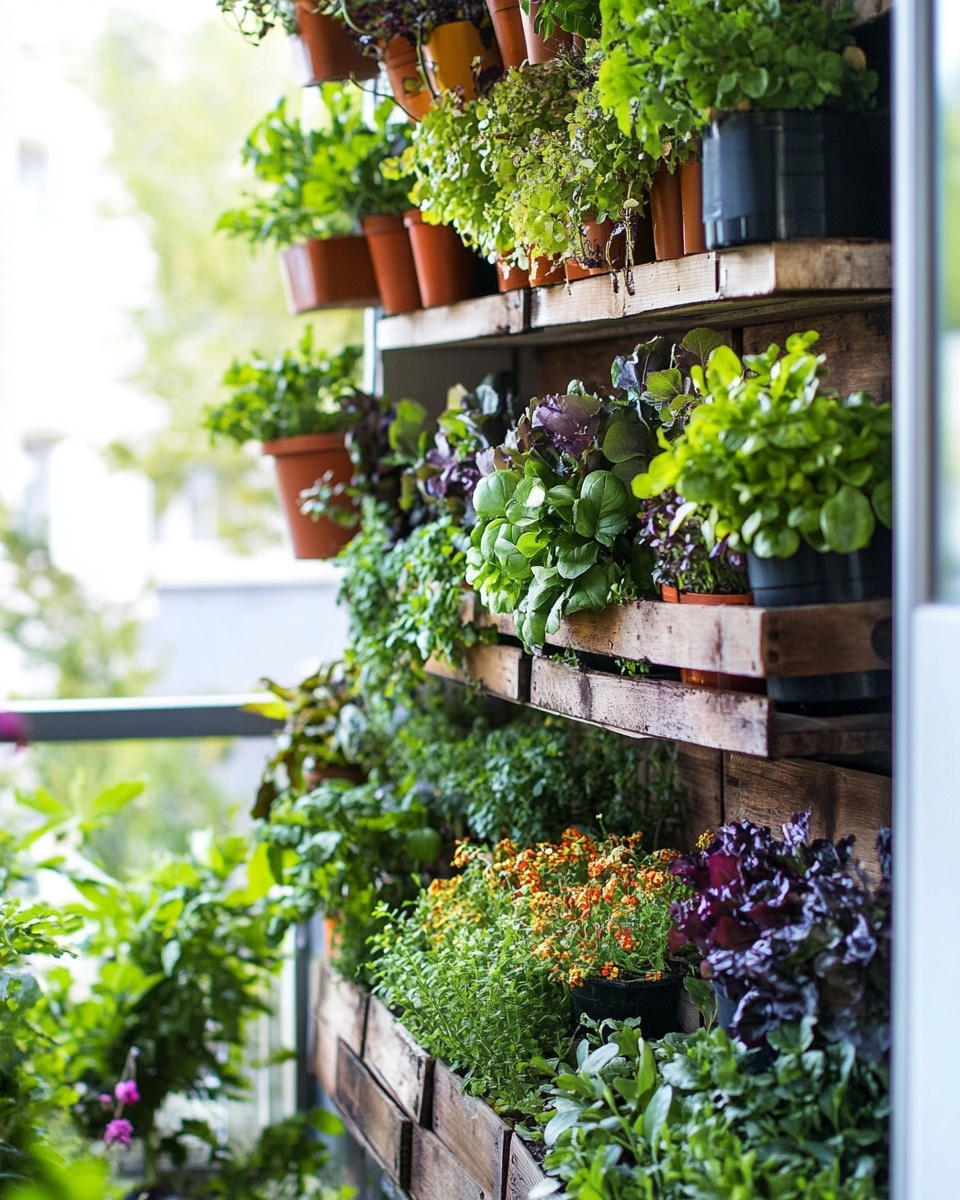
- Vertical Gardens: Maximize space and often keep plants off the ground, reducing access for slugs and snails. "Vertical Indoor Garden Ideas for Small Spaces" offers fantastic design inspiration.
- Container Gardening: Grow vegetables in pots. This allows you to easily move plants, isolate infested ones, and control the soil environment more precisely. Consider "Herbs That Grow Well in Small Spaces" for inspiration on space-saving crops.
- DIY Pest Repellents:
- Garlic Spray: Blend garlic cloves with water and a tiny bit of soap. Strain and spray to repel pests like aphids and slugs.
- Chili Pepper Spray: A mixture of hot chili powder, water, and mild soap can deter chewing insects.
Creative Ideas & Uses
Beyond robust plants, effective pest control in the garden can inspire creative garden design and resourcefulness.
- Pest-Repelling Edible Borders: Instead of a traditional ornamental border, plant herbs like mint (in containers!), chives, or basil around your vegetable beds. Not only do they deter certain pests, but they are also edible and add a beautiful aesthetic. Think about a fragrant edge that doubles as a culinary delight!
- Trap Crop Aesthetics: Use companion plants strategically as visual focal points. A vibrant patch of nasturtiums, for example, can be a colorful addition to your garden while simultaneously drawing aphids away from your cucumbers.
- Repurposed Pest Barriers: Transform old sheer curtains or net fabrics into elegant garden cloches or temporary row covers. This provides physical protection while adding a charming, rustic touch.
- DIY Bird Feeder Stations: Attract insect-eating birds to your garden with homemade bird feeders. This organic form of pest control in the garden adds lively activity and natural beauty. For visual inspiration, you might explore gardening community boards like those on Pinterest: https://www.pinterest.com/janatjanay47/.
- Integrated Design for Biodiversity: Design your garden with layers of plants – groundcovers, flowering perennials, and vegetables – to create diverse habitats. This makes your garden less appealing to monolithic pest populations and more welcoming to beneficial insects and small wildlife that help keep pests in check.
Common Mistakes to Avoid
Even seasoned gardeners make these missteps. Sidestepping them is crucial for effective pest control in the garden.
- Overwatering/Underwatering: The most common mistake. Overwatering suffocates roots, leading to root rot (responsible for 60% of houseplant deaths) and encourages fungal gnats. Underwatering stresses plants, making them vulnerable to spider mites and aphids. Expert tip: Stick your finger 2 inches into the soil. If it feels dry, it's time to water.
- Ignoring Early Signs: A small cluster of aphids today can become a major infestation tomorrow. Delaying action is the biggest mistake. Early detection followed by immediate, consistent treatment has an 80% higher success rate than tackling established infestations.
- Using Chemical Pesticides Prematurely: Broad-spectrum chemical pesticides kill beneficial insects along with pests, disrupting your garden's natural balance. This often leads to a cycle of increased pest problems because their natural predators are eliminated. Stick to organic solutions as a first line of defense for sustainable pest control in the garden.
- Monoculture Planting: Planting large blocks of a single crop creates an open invitation for pests specific to that plant. For example, planting a huge area of cabbage can quickly be decimated by cabbage worms. Diversity in planting disrupts pest cycles.
- Poor Air Circulation: Crowded plants are a breeding ground for fungal diseases and create humid, sheltered environments ideal for many soft-bodied pests. Ensure adequate spacing between plants based on their mature size.
- Composting Diseased Plant Material: This can spread pathogens and pest eggs throughout your garden when you use the compost. Always dispose of diseased plants in the trash, not the compost pile.
- Insufficient Soil Preparation: Weak, nutrient-deficient plants are inherently more susceptible to pests. Neglecting soil health is like inviting trouble.
Maintenance & Storage Tips
Long-term success in pest control in the garden involves ongoing maintenance and smart storage practices.
- Seasonal Clean-up: At the end of the growing season, remove all dead plant material, fallen leaves, and weeds from your garden beds. Many pests overwinter in garden debris, waiting for spring to re-emerge. A thorough fall clean-up can reduce next year's pest pressure by up to 50%.
- Tool Sanitization: Before and after pruning and working with plants, especially if you've been dealing with a pest or disease, clean your tools with rubbing alcohol or a 10% bleach solution. This prevents inadvertently spreading problems from one plant to another.
- Soil Amendment Annually: Replenish your garden beds with compost and other organic matter each spring to maintain soil fertility and structure. Healthy soil biology is a continuous process.
- Winterizing Your Garden: For perennial vegetables or herbs that remain outdoors, consider mulching heavily around their base to provide insulation and suppress overwintering weeds (which can harbor pests).
- Seed Storage: Store leftover seeds in a cool, dark, dry place in airtight containers. Proper storage maintains viability for several years. This isn't directly related to active pest control but ensures healthy starts for future pest-resistant crops.
- Addressing Common Issues:
- Yellow Leaves: Often indicates overwatering (new growth yellowing) or nutrient deficiency (older leaves yellowing). Check soil moisture and consider a balanced liquid feed.
- Poor Soil Drainage: If water pools for too long, your soil likely has poor drainage. Amend with plenty of organic matter (compost, peat moss, perlite) to improve its structure. Raised beds are an excellent solution for naturally poor-draining soil.
Conclusion
Mastering pest control in the garden doesn't require a degree in entomology; it demands consistent observation, proactive strategies, and a commitment to nurturing a healthy ecosystem. By focusing on soil health, choosing resilient plant varieties, employing physical barriers, and leveraging organic solutions, you can significantly reduce pest damage and enjoy a bountiful, chemical-free harvest. Remember, every pest you identify and every organic solution you apply builds your expertise and confidence. So, don't let those tiny munchers intimidate you!
Ready to transform your garden into a pest-resistant paradise? Grab your gloves, start your daily inspections, and embark on this rewarding journey. Share your success stories with us or explore more of our guides for specific plant care tips!
FAQ
Q1: What's the best first step for organic pest control in the garden?
A1: The absolute best first step is diligent, daily observation. Catching pests early, when their numbers are small, allows for simple solutions like hand-picking or a quick spray of water, preventing a major infestation from developing. Knowing your plants and their common adversaries is key for effective pest control in the garden.
Q2: Are homemade insecticidal soaps really effective, or should I buy commercial ones?
A2: Homemade insecticidal soaps made from mild liquid soap (like Castile soap) and water can be very effective against soft-bodied pests like aphids, spider mites, and whiteflies. They work by disrupting the insect's cell membranes. Commercial organic insecticidal soaps often have additional ingredients for better adhesion or specific pest targeting, but homemade versions are an excellent and budget-friendly starting point for your pest control in the garden efforts.
Q3: How often should I apply neem oil for pest control?
A3: For active infestations, neem oil is typically applied every 5-7 days until the pest population is under control. For preventative use or light pest pressure, a bi-weekly application can be sufficient. Always apply in the late evening or early morning to avoid leaf burn and to protect beneficial insects, which are less active during these times.
Q4: What are "beneficial insects" and why are they important for pest control?
A4: Beneficial insects are predators or parasites of common garden pests. Ladybugs, lacewings, praying mantises, and some parasitic wasps are prime examples. They naturally control pest populations, reducing your need for sprays and promoting a healthy garden ecosystem. Attracting them is a cornerstone of sustainable pest control in the garden.
Q5: Can companion planting really help with pest control?
A5: Yes, absolutely! Companion planting is a time-tested strategy. Certain plants, like marigolds, can deter nematodes in the soil, while others, like nasturtiums, can act as "trap crops," drawing aphids away from more valuable vegetables. Planting dill or cilantro attracts beneficial insects like hoverflies, which prey on aphids. It's a natural, aesthetic way to enhance your pest control in the garden.
Q6: My vegetables are getting munched, but I can't see any pests. What should I do?
A6: Invisible pests are frustrating! First, check thoroughly under leaves, in soil, and around the base of plants, perhaps using a magnifying glass. Many pests are tiny or nocturnal. Consider applying sticky traps (yellow for many flying insects, blue for thrips) to identify the culprits. If it's a chewing pest, it might be a slug or snail, which are active at night. Set out shallow dishes of beer or check at dusk with a flashlight.
Q7: How can I prevent slugs and snails from eating my seedlings?
A7: Slugs and snails are notoriously destructive to young plants. Strategies include: creating a barrier of crushed eggshells, diatomaceous earth, or copper tape around plants; setting out beer traps (shallow dishes of beer buried to soil level); and hand-picking them during their active hours (dusk or after rain). Good garden hygiene, removing debris where they hide, is also crucial for pest control in the garden against these mollusk invaders.
Looking for more ways to enhance your garden's health? Check out our guide on "How to Start a Vegetable Garden from Scratch" for foundational knowledge. If you're struggling with where to begin, our recommendations for "Best Vegetables to Grow for Beginners" can set you on the right path. For ingenious cultivation methods, don't miss "DIY Indoor Herb Garden with Recycled Containers" to maximize your growing space.