Introduction
Did you know that consistent, weekly garden care can boost your vegetable yield by up to 40%? Many aspiring gardeners focus heavily on planting, only to see their efforts diminish as weeks pass without a clear maintenance strategy. For those embarking on the rewarding journey of gardening for beginners, understanding the rhythm of essential weekly tasks is paramount. It’s not just about spending hours in the dirt; it's about smart, consistent effort that transforms a patch of soil into a thriving, productive oasis. This guide will walk you through a data-driven, weekly checklist designed to keep your vegetable garden flourishing.
Tools & Materials Needed
To effectively manage your garden week after week, having the right arsenal of tools is crucial. Think of these as your gardening companions, making tasks easier and more efficient.
- Hand Trowel: Essential for planting small seedlings, weeding, and working compost into the soil. Choose one with an ergonomic handle for comfort.
- Pruning Shears: For snipping off spent flowers, harvesting vegetables, and light pruning. Look for bypass pruners for clean cuts that heal quickly.
- Gardening Gloves: Protect your hands from thorns, dirt, and potential irritants. Leather or synthetic options with good grip are ideal.
- Watering Can or Hose with a Gentle Spray Nozzle: Consistent watering is key. A watering can is great for delicate seedlings, while a hose saves time for larger areas.
- Weeding Tool (e.g., Hoe or Dandelion Weeder): To tackle those persistent invaders. A stirrup hoe is particularly efficient for light weeding.
- Mulch (Straw, Wood Chips, or Shredded Leaves): An eco-friendly alternative to chemical weed suppressants, mulch helps retain soil moisture and regulate temperature. Budget-friendly options include collecting fallen leaves in autumn.
- Organic Fertilizer or Compost: For replenishing soil nutrients. Compost is a fantastic free resource if you start your own pile.
- Insecticidal Soap or Neem Oil (Organic Pest Control): For addressing pest issues proactively and sustainably.
- Garden Journal or Notebook: For tracking planting dates, harvest yields, and observations – a vital tool for data-driven gardening!
Time & Effort Overview
Maintaining a healthy vegetable garden doesn't demand an overwhelming commitment, but rather a consistent, focused approach. For most beginner-friendly vegetable gardens (around 100 sq ft), dedicate 30 minutes to 1 hour per week to these tasks. This is significantly less than the initial planting phase, which might take 2-3 hours for a similar-sized plot. Compared to growing a demanding crop like corn that requires extensive staking and fertilization, most common vegetables like lettuce, radishes, and beans are relatively low maintenance once established. This process is firmly in the beginner to intermediate difficulty range, focusing on foundational practices.
Step-by-Step Gardening Process
Week 1-2: Establishing Your Green Haven
This phase is all about setting the stage for healthy growth and is crucial for gardening for beginners.
Prepare Your Soil Bed
Begin by assessing your soil. Healthy soil is the foundation of any successful garden. Gently turn the top 6-8 inches of soil with your trowel or a garden fork. Incorporate a 2-3 inch layer of rich compost. This improves drainage, aeration, and vital nutrient availability. Healthy soil can increase plant growth rates by 15-20% according to horticultural studies.
Plant Your Seedlings or Seeds
Carefully place your chosen vegetable seedlings into the prepared soil, following spacing recommendations on the plant tags. If direct seeding, create shallow furrows, sprinkle seeds, and lightly cover with soil. Water immediately after planting. Don't worry if a few leaves look droopy; it's common for plants to experience transplant shock. They usually perk up within a day or two with proper watering.
Initial Watering
Water thoroughly so that the soil is moist to a depth of 6-8 inches. Young plants need consistent moisture to establish their root systems.
Week 3-4: Nurturing Growth
Now that your plants are established, the focus shifts to consistent care.
Consistent Watering
Check soil moisture daily by sticking your finger about an inch or two into the soil. If it feels dry, it's time to water. Aim for deep, infrequent watering rather than shallow, frequent sprinkles. This encourages roots to grow deeper, making plants more resilient. Data shows that plants watered deeply once or twice a week are often healthier than those watered superficially daily.
Weed Control
Weeds compete with your vegetables for water, nutrients, and sunlight, reducing yields by up to 30%. Hand-pull any small weeds as soon as you see them, especially around young plants. For larger areas, a hoe works wonders. Early morning weeding is often easiest when the soil is slightly damp.
Apply Mulch
Once your plants are a few inches tall, apply a 2-4 inch layer of organic mulch around the base of your plants, keeping it a few inches away from the stems. This drastically reduces weeding, conserves soil moisture, and helps regulate soil temperature.
Week 5 Onwards: Sustaining Harvest
With consistent care, your garden will begin to produce.
Fertilize (If Needed)
Most well-prepared soil with compost won't need additional fertilizer for the first month. After that, if plants show signs of nutrient deficiency (e.g., yellowing leaves), apply a balanced organic liquid fertilizer or a side-dressing of compost tea. Always follow product instructions. Over-fertilizing can be more detrimental than under-fertilizing.
Pest and Disease Inspection
Spend 5-10 minutes each week inspecting your plants for any signs of pests (like aphids, slugs, or caterpillars) or diseases (discolored leaves, spots). Early detection is key. If you find pests, try hand-picking them off, or spray with insecticidal soap or neem oil. Here's how to fix minor issues quickly.
Harvesting
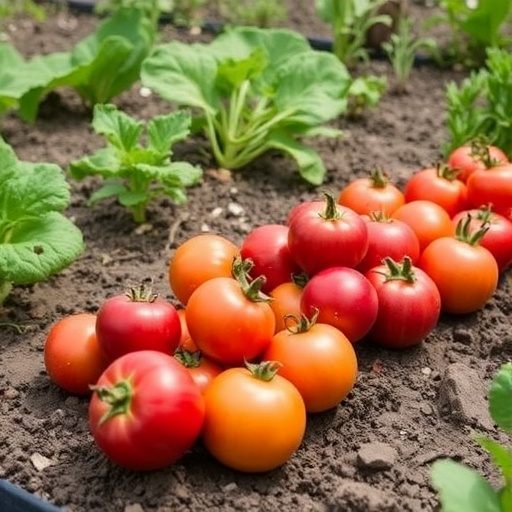
Harvest vegetables as they ripen. Regular harvesting encourages plants to produce more. For example, picking green beans frequently stimulates new pod growth, increasing your total yield. Tomatoes, cucumbers, and zucchini often need daily checks during peak season.
Support Tall Plants
As plants like tomatoes, peas, and climbing beans grow, provide stakes, cages, or trellises for support. This keeps fruits off the ground, reducing disease and making harvesting easier.
Growth & Care Tips
Consistent care is the secret ingredient for bountiful gardening for beginners.
- Watering Frequency: Most vegetables require 1 inch of water per week, either from rain or irrigation. On hot, dry days, check daily. Deep watering encourages robust root systems. Studies indicate that consistent soil moisture can increase harvest weight by up to 25%.
- Sunlight Exposure: The majority of popular vegetables (tomatoes, peppers, squash) need at least 6-8 hours of direct sunlight per day. Leafy greens (lettuce, spinach) can tolerate partial shade (4-6 hours). Plan your garden layout to optimize light for each plant type.
- Pruning: For plants like tomatoes, strategic pruning can improve air circulation and direct energy to fruit production. Pinch off "suckers" (small shoots growing in the crotch of two branches) to encourage larger main stem fruit.
- Fertilization: Beyond initial compost, periodic boosts with organic fertilizers like fish emulsion or bone meal can be beneficial, especially for heavy feeders. Always perform a soil test every 2-3 years to accurately assess nutrient needs.
- Pest Prevention: Companion planting (e.g., marigolds with tomatoes) can deter pests. Early morning inspections and swift action against new invaders are your best defense. A strong, healthy plant is naturally more resistant to pests.
Eco-Friendly & Sustainable Alternatives
Embracing sustainable practices in your garden not only helps the planet but often leads to healthier plants and richer soil.
- Composting: Turn kitchen scraps and yard waste into nutrient-rich "black gold" for your garden. This reduces landfill waste and provides free, organic fertilizer.
- Natural Fertilizers: Beyond compost, consider worm castings, comfrey tea, or alfalfa meal as natural, slow-release nutrient sources. Avoid synthetic chemical fertilizers, which can deplete soil microbiology over time. For more on natural feeding, check out our guide on organic fertilizer recipes for herb gardens.
- Water Conservation: Install rain barrels to collect rainwater for irrigation. Use drip irrigation or soaker hoses to deliver water directly to plant roots, minimizing evaporation. Mulching extensively also significantly reduces water loss.
- Small Spaces: Don't have a large yard? No problem! Gardening for beginners in urban settings is entirely possible.
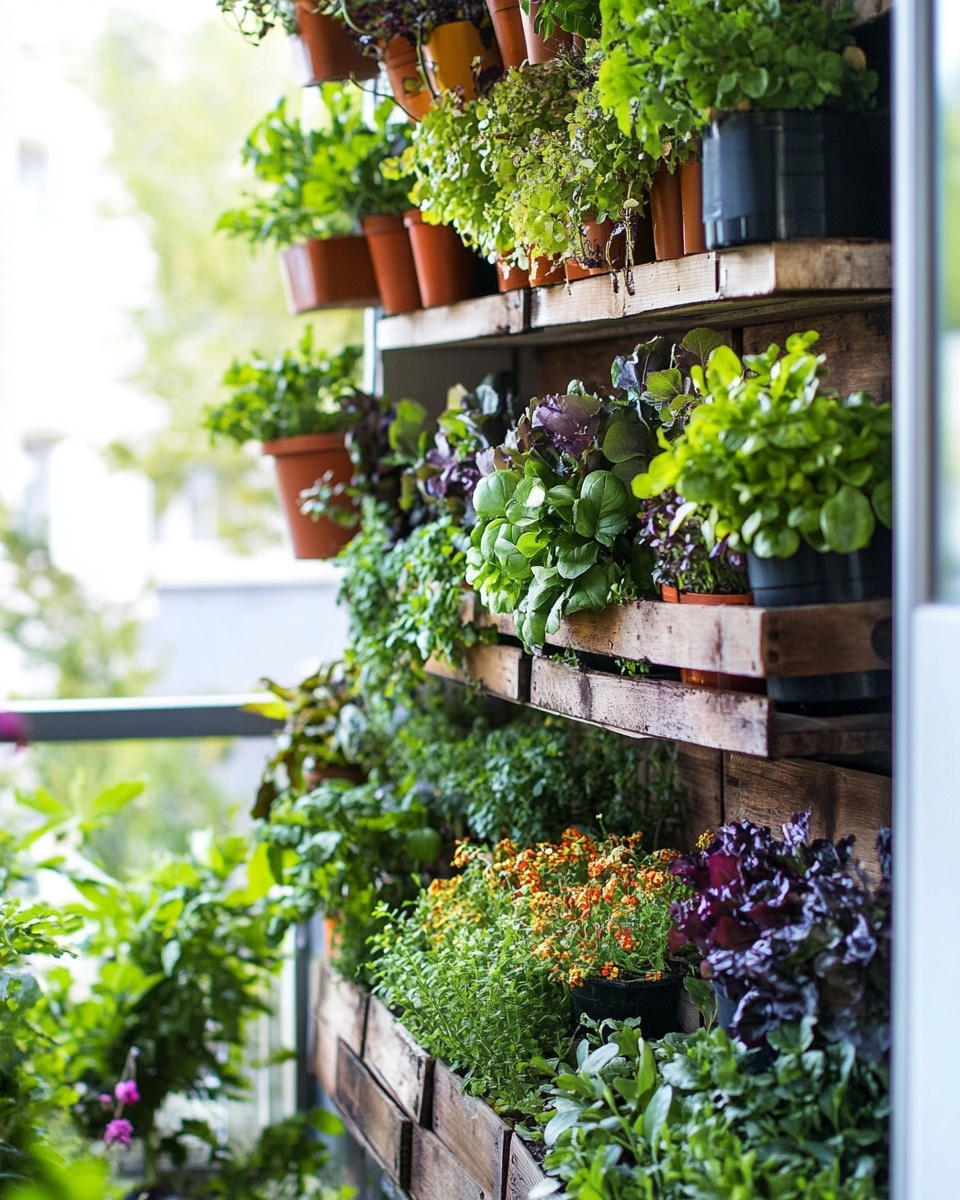
- Balcony Gardens: Use containers and vertical planters. Many vegetables like bush beans, determinate tomatoes, and radishes thrive in pots. For inspiration, explore balcony herb garden ideas for beginners.
- Vertical Gardens: Maximize space by growing upwards. Use trellises, hanging planters, or tiered systems for climbing plants or leafy greens.
- Community Gardens: Join a local community garden plot – a great way to access more space and share resources with fellow gardeners.
Creative Ideas & Uses
Your garden is more than a food source; it's a living canvas and a hub for creativity.
- Edible Landscaping: Integrate beautiful edible plants into your existing landscape. Swiss chard with its vibrant stems, dark leafy kales, and bright pepper plants can be as ornamental as they are delicious.
- Repurpose Garden Materials: Old wooden pallets can become vertical planters. Discarded tires can form raised beds. Shattered pottery can act as drainage in pots.
- Combine Plants Aesthetically: Group plants with complementary colors, textures, and heights. For example, tall trellised cucumbers can provide a green backdrop for a colorful bed of bush beans and nasturtiums (which are also edible!).
- Decorate with Harvest: Use your freshly picked vegetables, herbs, and flowers to create stunning kitchen centerpieces or edible wreaths. Imagine a rustic display of tiny gourds, colorful peppers, and fragrant herbs. This personal touch highlights the bounty of your efforts.
Common Mistakes to Avoid
Even seasoned gardeners make mistakes, but knowing the pitfalls can help you avoid them.
- Overwatering: This is perhaps the most common mistake. Overwatering causes root rot in over 60% of houseplants and can severely stunt outdoor plant growth. Always check the soil moisture before watering.
- Underestimating Sun Needs: Placing sun-loving vegetables in too much shade will lead to leggy, unproductive plants. Always read plant tags carefully; "full sun" means at least 6 hours of direct sunlight.
- Neglecting Soil Health: Soil is not just dirt; it's a complex ecosystem. Continuously planting without amending the soil will deplete nutrients and compact it, leading to poor growth. Regular additions of compost are vital.
- Ignoring Pests and Diseases: A small pest problem can quickly escalate into an infestation, decimating your harvest. Weekly inspections are non-negotiable for early detection and intervention.
- Planting Too Closely: While tempting to get more plants in, overcrowding reduces air circulation, increases competition for resources, and makes plants more susceptible to disease. Follow spacing guidelines diligently.
Maintenance & Storage Tips
Ensuring your garden thrives year-round and preserving your harvest are crucial for long-term enjoyment.
- Long-Term Plant Health: Rotate your crops each season. Planting the same vegetable in the same spot year after year can deplete specific nutrients and encourage pest build-up. For example, don't plant tomatoes where nightshades (peppers, eggplants) grew last year.
- Seasonal Care:
- Spring: Prepare beds, plant cool-season crops, and start warm-season seeds indoors.
- Summer: Focus on watering, weeding, pest control, and harvesting.
- Fall: Harvest remaining crops, clean up beds, plant cover crops, and add a thick layer of compost for winter.
- Winter: Plan next year's garden, maintain tools, and maybe start some indoor growing!
- Seed Storage: If you're saving seeds, ensure they are thoroughly dry before storing them in airtight containers in a cool, dark, and dry place. Properly stored seeds can remain viable for several years.
- Addressing Common Issues:
- Yellow Leaves: Often indicates nutrient deficiency (especially nitrogen), overwatering, or underwatering. Check soil moisture and consider a balanced fertilizer.
- Poor Soil Drainage: Amend heavy clay soils with plenty of organic matter (compost, peat moss, bark fines). Consider raised beds if drainage is a persistent issue.
- Bolting (Premature Flowering): Common in leafy greens during hot weather. Harvest promptly or plant bolt-resistant varieties.
Conclusion
Embarking on the journey of gardening for beginners is a deeply rewarding experience, transforming sunlight and soil into nourishing food and beautiful spaces. By consistently following this weekly care checklist, you're not just growing vegetables; you're cultivating resilience, sustainability, and a deeper connection to nature. Remember, every thriving garden is a testament to mindful, data-driven effort.
Ready to get your hands dirty and witness the magic firsthand? Start implementing these tips this week and share your progress! We’d love to see your flourishing garden photos on Pinterest and beyond. Tag us or leave a comment below! For more garden inspiration and practical advice, explore our extensive library of guides at PincraftPro.
FAQ
Q1: How often should I water my vegetable garden?
A1: Generally, most vegetable gardens need about 1 inch of water per week. This can be from rain or irrigation. For gardening for beginners, it's best to check the soil moisture daily by sticking your finger an inch or two deep. Water when the soil feels dry, aiming for deep, less frequent applications to encourage strong root growth.
Q2: What is the best soil mix for gardening for beginners?
A2: A rich, well-draining soil is ideal. For raised beds or containers, a mix of high-quality potting soil, compost, and a bit of perlite for drainage works wonders. For in-ground gardens, amending existing soil with plenty of organic compost annually is the best way to improve its structure and fertility.
Q3: How do I prevent pests organically in my vegetable garden?
A3: Organic pest control starts with healthy plants. Weekly inspections are key. Hand-picking larger pests, introducing beneficial insects (like ladybugs), companion planting, and using organic sprays like insecticidal soap or neem oil are effective strategies.
Q4: Do I need to fertilize my plants every week?
A4: Not usually. If you've started with nutrient-rich soil amended with compost, your plants may not need additional fertilization for the first few weeks or even months. If plants show signs of deficiency, a monthly application of a balanced organic liquid fertilizer is generally sufficient.
Q5: Can I grow vegetables in pots and containers?
A5: Absolutely! Many vegetables thrive in containers, making gardening for beginners accessible even in small spaces. Bush beans, lettuce, spinach, radishes, carrots, determinate tomatoes, and many herbs are excellent choices for pot gardening. Just ensure your containers have good drainage.
Q6: What's the biggest mistake new gardeners make?
A6: Overwatering is a very common beginner error. It suffocates roots and leads to various diseases. Always check soil moisture before watering. Another significant mistake is neglecting consistent soil care, which depletes nutrients over time.
Q7: How can I make my garden more sustainable?
A7: Incorporate composting, use water-saving techniques like mulching and drip irrigation, choose organic fertilizers over synthetic ones, plant native species, and encourage biodiversity to attract beneficial insects. These practices create a healthier, more resilient ecosystem.
Continue Your Gardening Journey with PincraftPro:
If you're eager to expand your green thumb knowledge, we've got more resources waiting for you!
- Wondering which crops are easiest to grow? Dive into our guide on Best Vegetables to Grow for Beginners and start your harvest strong.
- Thinking about starting from scratch? Our detailed guide, How to Start a Vegetable Garden from Scratch, covers everything from planning to planting.
- Curious about companions in the plant world? Discover optimal pairings with our article on Best Companion Herbs to Grow Together for healthier, happier plants.
Happy Gardening!