Introduction
Did you know that over 75% of indoor plant enthusiasts report significant stress reduction and improved mood from their green companions? This is particularly true for those who nurture indoor succulents. These drought-tolerant beauties are not just aesthetically pleasing; they are incredibly resilient and perfect for anyone looking to add a touch of nature to their home without the demanding upkeep often associated with traditional houseplants. If you’ve ever felt intimidated by gardening, thinking it requires a green thumb you simply don't possess, prepare to have your beliefs challenged. We're diving deep into the world of easy indoor succulents, proving that anyone can cultivate a thriving indoor oasis, even if you’re a complete beginner. Let’s unlock the secrets to a low-maintenance, high-reward indoor garden.
Tools & Materials Needed
Getting started with indoor succulents is delightfully straightforward. You won’t need a vast collection of specialized tools, which is great news for your budget and storage space! Here’s what you’ll typically need:
- Pots with Drainage Holes: This is non-negotiable. Succulents absolutely detest sitting in water, which leads to root rot. Terra cotta pots are excellent because their porous nature helps wick away excess moisture, but any pot with a good drainage hole will work. For an eco-friendly alternative, consider repurposing old ceramic mugs or tin cans after drilling a drainage hole at the bottom.
- Cactus or Succulent Potting Mix: Regular potting soil retains too much moisture for succulents. A specialized cactus or succulent mix typically contains sand, perlite, or pumice, ensuring rapid drainage. You can also create your own by mixing equal parts regular potting soil, coarse sand, and perlite.
- Small Trowel or Scoop: Useful for handling soil and planting. A strong old spoon can serve as a budget-friendly option.
- Watering Can with a Fine Spout: This allows for precise watering, preventing soil displacement and over-saturating the plant.
- Gardening Gloves (Optional): Some succulents, like certain euphorbias, have sap that can irritate skin. Others have small spines.
- Pebbles or Decorative Stones (Optional): These can be used as a top dressing to enhance aesthetics and help prevent soil from splashing out during watering. Ensure they don't cover the soil so densely that it impedes air circulation or drying.
- Grow Lights (Optional but Recommended for Low-Light Homes): If your home lacks bright natural light, a simple LED grow light can make a huge difference in keeping your succulents vibrant and preventing etiolation (stretching due to lack of light).
Time & Effort Overview
One of the greatest appeals of indoor succulents for beginners is their remarkably low time commitment. Compared to, say, growing tomatoes which require daily checks, intricate pruning, and consistent watering, succulents are a breath of fresh air.
- Initial Potting: 10-15 minutes per plant.
- Weekly Check-in (Watering if needed): Less than 5 minutes.
- Monthly Dusting/Pruning: 2-3 minutes.
- Repotting (Every 1-2 years): 15-20 minutes.
Overall, the maintenance for these resilient plants requires approximately 80-90% less effort than typical flowering houseplants. They fall firmly into the beginner difficulty level, making them ideal for anyone just starting their gardening journey. Their slow growth rate also means less frequent repotting and pruning compared to fast-growing leafy plants.
Step-by-Step Gardening Process
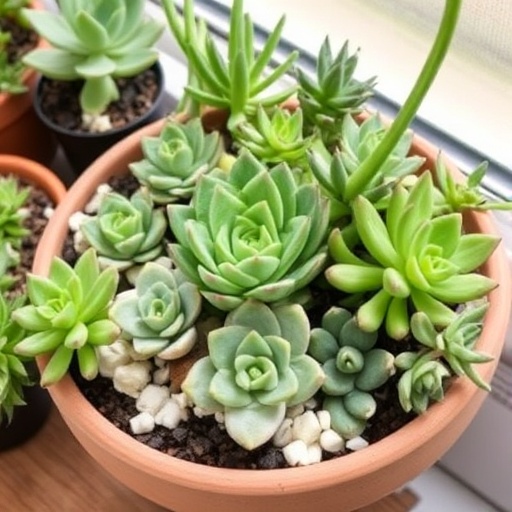
Ready to bring some vibrant life into your home? Let's get these beautiful indoor succulents settled into their new homes!
Step 1: Choose Your Succulent and Pot
Select a healthy succulent from your local nursery. Look for firm, plump leaves and no signs of pests. Ensure your chosen pot has at least one drainage hole. Remember, terra cotta is a succulent's best friend!
Step 2: Prepare the Potting Mix
Fill your pot about one-third to halfway with your specialized cactus or succulent potting mix. This specialized mix is crucial for proper drainage and prevents waterlogging. Don't worry if it looks a bit gritty; that's exactly what succulents love!
Step 3: Gently Remove the Succulent
Carefully remove the succulent from its nursery container. You might need to gently squeeze the sides of the plastic pot to loosen the soil. Be gentle with the roots; while succulents are hardy, minimal disturbance is best.
Step 4: Position and Backfill
Place the succulent in the center of its new pot, ensuring the base of the plant is just below the rim of the pot. Avoid burying the lower leaves. Add more potting mix around the roots, gently patting it down to remove large air pockets. Leave about half an inch of space between the soil line and the pot's rim for watering.
Step 5: Initial Watering
This is a critical step. Water your newly potted succulent thoroughly until water drains out of the bottom. This helps settle the soil and provides the initial hydration. After this first watering, resist the urge to water again for at least a week, potentially longer. This allows the roots to settle and prevents overwatering.
Step 6: Find the Perfect Spot
Place your succulent in a location that receives bright, indirect sunlight. Most indoor succulents thrive with at least 6 hours of bright light daily. A south-facing window is often ideal. If direct sun is too intense (you'll see leaves scorch), move it back slightly. Don't worry if your plant looks a little stressed initially; a new environment always takes a moment to adjust.
Growth & Care Tips
Nurturing your indoor succulents effectively means understanding their specific needs. They are low-maintenance, but "neglect" doesn't mean "ignore."
- Watering Frequency: This is where most beginners struggle. The mantra for succulents is "drench and dry." Water thoroughly until water runs out the drainage hole, then allow the soil to dry out completely before watering again. This can be anywhere from every 2-4 weeks, depending on the season, humidity, and size of the pot. Underwatering is far more forgiving than overwatering, which causes root rot in over 60% of houseplant failures. Use a moisture meter or simply stick your finger 1-2 inches deep into the soil. If it feels dry, it's time to water.
- Sunlight Exposure: Bright light is key for compact growth and vibrant colors. Most succulents need 6+ hours of bright, indirect sunlight per day. Too little light leads to etiolation, where the plant stretches out and becomes leggy as it searches for light. If you notice this, slowly move your plant to a brighter spot or supplement with a grow light.
- Pruning: Generally minimal. Remove any yellow, shriveled, or dead leaves. This helps the plant focus energy on new growth and also improves air circulation, which can deter pests. Use clean, sharp shears or your fingers.
- Fertilization: Succulents are not heavy feeders. Fertilize sparingly, once or twice during their growing season (spring and summer) using a balanced, diluted succulent or cactus fertilizer (diluted to half or quarter strength). Avoid fertilizing in fall and winter when the plants are dormant.
- Pest Prevention: While generally pest-resistant, succulents can occasionally suffer from mealybugs or spider mites. Inspect your plants regularly. If you spot pests, isolate the plant and treat it with a cotton swab dipped in rubbing alcohol for mealybugs, or neem oil for a broader range of pests. Good air circulation and proper watering greatly reduce pest issues.
Eco-Friendly & Sustainable Alternatives
Embracing sustainability in your indoor succulent gardening not only benefits the planet but also often reduces costs and improves plant health.
- Composting: Instead of tossing old succulent leaves or spent potting mix, add them to your compost bin. Quality compost enriches your garden soil or can be added to your next succulent mix.
- Natural Fertilizers: While succulents don't need heavy feeding, you can opt for organic alternatives. Worm castings are a fantastic, gentle slow-release fertilizer. Diluted compost tea can also provide beneficial microbes and nutrients. These are usually much gentler than synthetic fertilizers.
- Water Conservation: Implement smart watering. Use a catch saucer underneath your pots to collect excess water, then empty it after 30 minutes. This prevents stagnant water and ensures the plant doesn’t sit in it. Consider rainwater collection if feasible for outdoor use, though for small indoor plants, tap water works if allowed to sit overnight to de-chlorinate.
- Repurposing Containers: As mentioned before, old coffee mugs, tin cans, food containers, or even old ceramic bowls can be transformed into quirky, unique planters. Just remember the drainage hole is vital!
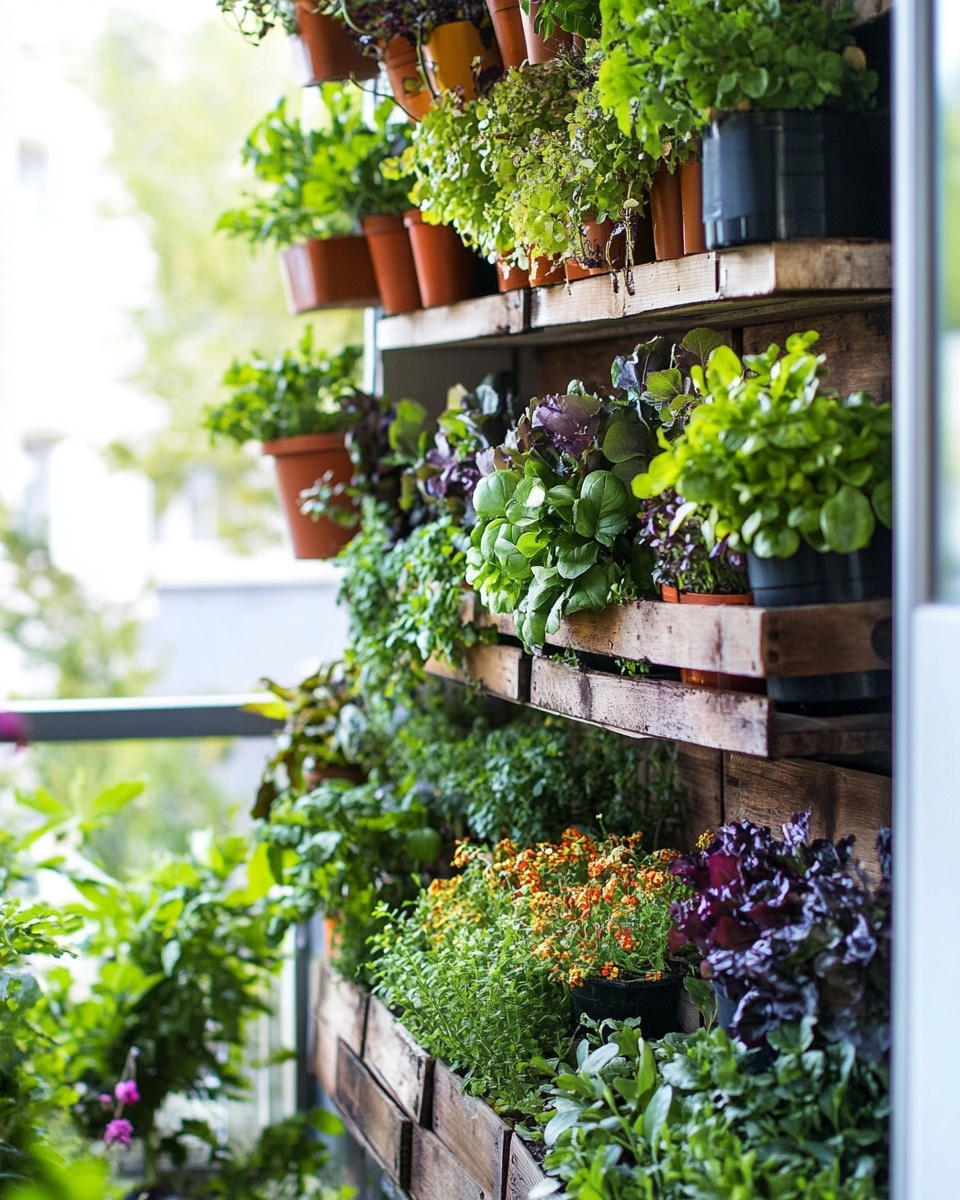
- Small Spaces & Vertical Gardens: Succulents are perfect for small spaces! Create a vertical garden using a hanging planter or a wall-mounted display. This allows you to grow a vibrant collection without sacrificing counter or shelf space. You can find inspiration for "vertical indoor garden ideas for small spaces" to maximize your growing area.
Creative Ideas & Uses
Indoor succulents are far more than just plants; they're living decor, design elements, and conversation starters.
- Miniature Landscapes: Arrange different types of succulents with varying heights, textures, and colors in a shallow dish or terrarium (ensure adequate drainage in terrariums with a layer of pebbles and charcoal beneath the soil). Add small rocks, driftwood, or miniature figurines to create a tiny, enchanting desert landscape.
- Wall Art: Mount small succulents in air plant holders or kokedama balls (moss balls) for a living wall display. This adds a unique artistic touch to any room.
- Tabletop Centerpieces: A cluster of small succulents in an attractive planter can serve as a stunning, low-maintenance centerpiece for dining tables or coffee tables. Mix and match pots for an eclectic look, or keep them uniform for modern minimalism.
- Gifts: Succulents make thoughtful and long-lasting gifts. Pot a small succulent in a decorative cup or a painted pot for a personalized present.
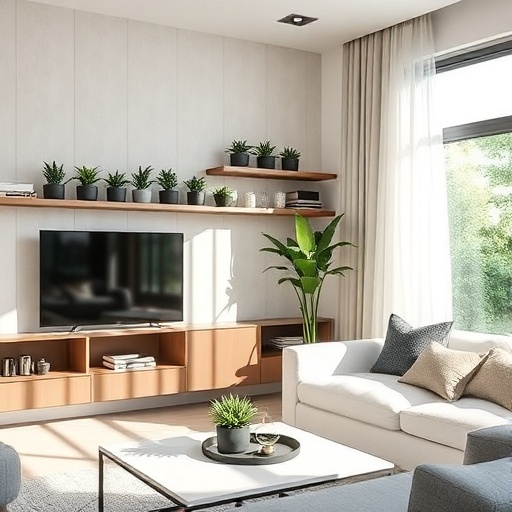
- Plant-Themed Shelving: Design a dedicated shelf unit just for your succulents, varying the heights and shapes of the plants and their containers. This creates a cohesive, green display. For more inspiration on designing with houseplants, explore "creative indoor plant decor ideas".
Common Mistakes to Avoid
Even with easy indoor succulents, a few common pitfalls can hinder their success. Being aware of these can save you a lot of heartache (and save your plants!).
- Overwatering: This is by far the number one killer of succulents. As mentioned, overwatering causes root rot in over 60% of houseplants. If leaves turn yellow and mushy, or the stem feels soft, it’s likely suffering from too much water. Wait until the soil is completely dry before watering again, and ensure drainage. For more specific guidance, check out "how to grow succulents indoors without overwatering".
- Insufficient Light: Etiolation (stretching and becoming leggy) is a clear sign that your succulent isn't getting enough light. Pale leaves are another indicator. Slowly acclimate your plant to a brighter spot or invest in a grow light to ensure it thrives with adequate light.
- Wrong Potting Mix: Normal potting soil holds too much moisture. Always use a well-draining cactus or succulent mix to prevent waterlogged roots.
- Lack of Drainage: A pot without a drainage hole is a death sentence for most succulents. Even a layer of pebbles at the bottom won't prevent water from pooling. Proper drainage is absolutely essential.
- Ignoring Pests: Spotting a small mealybug isn't the end of the world, but ignoring it can lead to an infestation. Regular inspection and prompt treatment are key to keeping your succulents healthy.
- Sudden Environmental Changes: Succulents don't appreciate drastic shifts in light, temperature, or humidity. If you move them outdoors or to a much brighter window, do so gradually over several days to a week.
Maintenance & Storage Tips
Ensuring your indoor succulents remain healthy and happy for years involves a few simple, long-term best practices.
- Repotting: Succulents are slow growers and don't need frequent repotting. Typically, every 1-2 years is sufficient, or when the plant becomes root-bound (roots are circling the drainage holes). Choose a pot that is only slightly larger than the previous one, as too large a pot can hold excess moisture.
- Seasonal Care:
- Spring/Summer (Growing Season): This is when your succulents are most active. Increase watering frequency (still only when soil is dry) and consider light fertilization. Ensure they receive ample light.
- Fall/Winter (Dormancy): Growth slows considerably. Drastically reduce watering frequency (often once a month or less) and cease fertilization entirely. Protect them from cold drafts.
- Addressing Yellow or Wrinkled Leaves:
- Yellow/Mushy Leaves: Almost always a sign of overwatering. Reduce watering and ensure proper drainage.
- Wrinkled/Shriveled Leaves: Often a sign of underwatering. Give the plant a thorough soak. If the leaves don't plump up after a few days, check for root rot, as damaged roots can't absorb water even if it's available.
- Dusting: Over time, dust can accumulate on succulent leaves, impeding photosynthesis. Gently wipe leaves with a soft, dry brush or a damp cloth. Avoid harsh cleaners.
Conclusion
Embarking on the journey of growing indoor succulents is a truly rewarding experience. We've explored everything from selecting the right plants and materials to mastering the art of watering and preventing common pitfalls. These resilient, captivating plants offer a low-stress entry point into the world of indoor gardening, providing beauty, a touch of nature, and even some air purification benefits to your living space. With their minimal needs and stunning diversity, succulents prove that anyone can cultivate a green haven, regardless of prior gardening experience.
Now it's your turn! Pick out your first easy indoor succulent, give it a loving home, and watch it thrive. Don't forget to share your succulent successes with us! What are you waiting for? Your indoor oasis awaits!
FAQ
Q1: How do I know when to water my indoor succulents?
A1: The golden rule for watering indoor succulents is to wait until the soil is completely dry to the touch, usually 1-2 inches deep. You can use a moisture meter or simply feel the soil with your finger. If it's dry, water thoroughly until it drains out the bottom. If it's still damp, wait a few more days. Underwatering is always better than overwatering for happy succulents.
Q2: My succulent is stretching and looks leggy. What’s wrong?
A2: This phenomenon is called etiolation, and it means your indoor succulent isn't getting enough light. Succulents need bright, indirect sunlight, typically 6+ hours daily. Move your plant to a brighter location, such as a south-facing window, or consider supplementing with an LED grow light to encourage compact growth.
Q3: Can I use regular potting soil for my succulents?
A3: No, regular potting soil retains too much moisture and is a common cause of root rot in succulents. Always use a specialized cactus or succulent potting mix, which is formulated for excellent drainage. You can also mix perlite and coarse sand into regular potting soil to improve its drainage for your indoor succulents.
Q4: Do indoor succulents need fertilizer?
A4: Succulents are not heavy feeders. You can fertilize them sparingly, perhaps once or twice during their active growing season (spring and summer), using a highly diluted (quarter to half strength) succulent or cactus-specific fertilizer. Avoid fertilizing in fall and winter.
Q5: Why are the leaves on my succulent turning yellow and mushy?
A5: Yellow, mushy leaves are almost always a sign of overwatering, which leads to root rot. Immediately stop watering and check if the pot has proper drainage. Allow the soil to dry out completely, and if the plant continues to decline, you may need to unpot it to check for and remove any rotten roots.
Q6: How often should I repot my indoor succulents?
A6: Indoor succulents are slow growers and generally only need repotting every 1-2 years, or when they become root-bound. When repotting, choose a pot that is only slightly larger than the current one to prevent excess moisture retention in too much soil.
Q7: Will my succulents survive in low light?
A7: While some succulents can tolerate lower light conditions, very few will truly thrive without bright light. Most indoor succulents require at least 4-6 hours of bright, indirect sunlight daily to maintain their compact shape and vibrant coloration. Prolonged low light will lead to etiolation and a weaker plant. If your home is naturally dim, a grow light is a fantastic solution. For specific plants suitable for lower light, you might find our guide on "best low light indoor plants for every room" helpful, though typical succulents prefer much more light.
Looking to expand your indoor plant collection or take your gardening skills to the next level? You might enjoy these related articles:
- Ready to learn "how to grow succulents indoors without overwatering?" This deep dive will ensure your plants stay healthy and hydrated without the risk of root rot.
- Curious about other resilient indoor greens? Explore our guide on the "best houseplants for beginners" to find even more easy-care options for your home.
- If you're eager to add more greenery to your living space, explore these "creative indoor plant decor ideas" to beautifully integrate plants into your home's aesthetic.
For visually stunning inspiration and even more gardening tips, make sure to follow us on Pinterest: https://www.pinterest.com/janatjanay47/.