Introduction
Have you ever wondered why your cherished indoor succulents, despite all your efforts, sometimes look less vibrant than they should, perhaps even showing signs of distress? It’s a common frustration, especially when online guides often offer conflicting advice. Many plant enthusiasts struggle with the nuanced art of watering these drought-resistant beauties, with over 70% of indoor succulent failures attributed to incorrect watering practices. The secret to a thriving indoor succulents garden lies not in overindulgence, but in understanding their unique physiological needs. This comprehensive guide will demystify the art of watering, transforming your approach to caring for your beloved plants and ensuring your indoor succulents garden flourishes.
Tools & Materials Needed
Before we dive into the specific watering techniques, let's gather the essentials for maintaining a healthy indoor succulents garden. Having the right tools makes all the difference in providing optimal care.
- Well-Draining Potting Mix: This is paramount. Look for a mix specifically formulated for succulents and cacti, which typically contains perlite, pumice, or coarse sand to enhance drainage.
- Pots with Drainage Holes: Non-negotiable! Succulents despise sitting in soggy soil. Terracotta pots are excellent as they are porous and allow for better aeration, but any pot with at least one drainage hole will work.
- Watering Can with a Fine Spout: This allows for precise watering, preventing soil displacement and ensuring water goes where it’s intended – at the base of the plant, not on the leaves.
- Moisture Meter (Optional but Recommended): A simple tool that provides an accurate reading of soil moisture levels, taking the guesswork out of watering. It’s an invaluable asset for any indoor succulents garden.
- Chopstick or Skewer (Alternative to Moisture Meter): A budget-friendly option. Insert it deep into the soil; if it comes out clean and dry, it's time to water.
- Distilled or Filtered Water: Tap water can contain chlorine and other minerals that can build up in the soil over time. While not strictly necessary for all succulents, it's a good eco-friendly practice to use filtered water, or leave tap water out overnight to allow chlorine to dissipate.
Time & Effort Overview
Caring for an indoor succulents garden is remarkably low-maintenance once you master the basics, especially watering. On average, you'll spend about 5-10 minutes per week actively checking and watering your succulents, significantly less than the 20-30 minutes many other houseplants require. The initial setup might take 30-60 minutes, which includes potting and arranging your plants.
- Planting/Repotting: 15-30 minutes per plant.
- Routine Watering Check: 1-2 minutes per plant.
- Actual Watering: 30 seconds to 1 minute per plant.
This project is decidedly beginner-friendly. Unlike growing fussy herbs that might need daily attention and precise humidity control like those you might grow for a kitchen herb garden, succulents are forgiving, making them perfect for new plant parents.
Step-by-Step Gardening Process
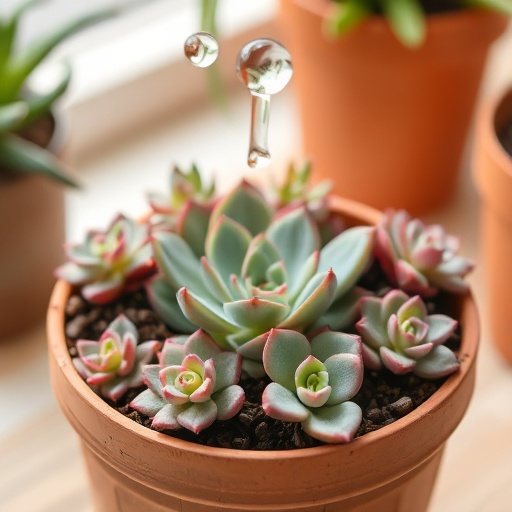
Mastering how to water indoor succulents correctly is the cornerstone of their health. Follow these steps to ensure your plants get exactly what they need.
Step 1: Assess Soil Dryness – The Golden Rule
Before you even think about reaching for the watering can, check the soil. This is the most crucial step for any thriving indoor succulents garden. Succulents store water in their leaves and stems, built for arid environments.
- Method 1 (Finger Test): Insert your finger about 1-2 inches deep into the soil. If it feels completely dry, then it's likely time to water.
- Method 2 (Moisture Meter): For precise readings, insert the probe deep into the soil. A reading of "dry" or "1-2" indicates it's time.
- Method 3 (Weight Test): Lift the pot after a thorough watering and feel its weight. When it feels significantly lighter, almost hollow, the soil is dry. Don't worry if this feels a bit subjective initially; you'll gain an intuitive feel for it over time.
Step 2: Understand the "Soak and Dry" Method
This is the universally accepted best practice for watering indoor succulents. It mimics how they receive water in their natural habitats – infrequent, heavy downpours followed by long dry spells.
- Deep Watering: Instead of small sips, give them a generous drenching. Pour water slowly and steadily into the pot until it drains out of the bottom holes. This encourages roots to grow deeper, making the plant more resilient.
- Observe Drainage: Make sure water flows out of the drainage holes. If it sits on top, your soil might be too compacted or not well-draining enough. Here’s how to fix that: you might need to repot with a better succulent-specific mix.
Step 3: Remove Excess Water
After watering, it's vital to ensure your indoor succulents are not sitting in standing water.
- Empty Saucers: If your pot has a saucer underneath, check it about 15-30 minutes after watering. Pour out any accumulated water. Roots sitting in water are prime candidates for root rot, a silent killer of succulents. This problem impacts an estimated 60% of houseplants, with succulents being exceptionally vulnerable.
- Elevate Pots (Optional): Some gardeners place small pebbles or pot feet in the saucer to elevate the pot slightly, ensuring better airflow and preventing the pot from sitting directly in drained water.
Step 4: Establish a Watering Schedule (Flexible!)
While there's no "one-size-fits-all" schedule for an indoor succulents garden, aim for consistency based on your plant's environment.
- Seasonality: During active growing seasons (spring and summer), succulents generally need more frequent watering, perhaps every 2-4 weeks. In dormant periods (fall and winter), they might only need water every 4-6 weeks or even less, depending on humidity and temperature.
- Environmental Factors: Consider light (more light = faster drying), temperature (warmer = faster drying), and humidity (lower humidity = faster drying). Adjust your schedule accordingly.
Step 5: Observe and Adapt
Your succulents will tell you if they're happy!
- Healthy Leaves: Full, firm leaves indicate good hydration.
- Wrinkled/Puckered Leaves: This is often a sign of thirst. Give them a good soak.
- Mushy/Translucent Leaves: A clear indicator of overwatering. Immediately reduce frequency and allow the soil to dry out thoroughly. Don't worry if you see this; it’s a learning curve! Less than 10% of novice succulent owners get watering absolutely perfect on their first try.
Growth & Care Tips
While precise watering is key, an overall holistic approach will lead to a truly magnificent indoor succulents garden.
- Sunlight Exposure: Most succulents require plenty of bright, indirect light. Aim for at least 6 hours a day. South-facing windows are ideal. If natural light is insufficient, consider grow lights. Etiolation (stretching towards light) is a common sign they need more sun.
- Pruning: Periodically remove dead or decaying leaves. This isn’t just aesthetic; it improves airflow and reduces hiding spots for pests. Use clean, sharp shears to avoid damaging the plant.
- Fertilization: Succulents are not heavy feeders. Fertilize sparingly, if at all. A diluted succulent-specific fertilizer (half strength) once or twice during the growing season (spring/summer) is usually sufficient. Over-fertilization can burn roots.
- Pest Prevention: Inspect your plants regularly for common pests like mealybugs or spider mites. Early detection makes treatment much easier. A simple solution of neem oil and water can be an effective organic preventive measure. Maintaining good airflow and avoiding overwatering helps deter pests.
- Air Circulation: Good airflow prevents fungal issues, especially common in humid environments. A gentle fan can work wonders for your indoor succulents garden.
Eco-Friendly & Sustainable Alternatives
Cultivating an indoor succulents garden can be a wonderfully sustainable endeavor. Here are some ways to minimize your environmental footprint:
- Repurpose Containers: Instead of buying new pots, upcycle old tins, ceramic bowls, or even creative containers with drainage holes for unique planters. Just ensure they have proper drainage.
- Homemade Potting Mix: Create your own well-draining soil mix using garden soil, perlite, and coarse sand. This reduces the need for store-bought mixes which often come in plastic packaging.
- Rainwater Collection: If possible, collect rainwater for watering your succulents. It's naturally free of chlorine and minerals, and excellent for all plants.
- Composting: If you have outdoor composting, succulent trimmings and dead leaves can be added to enrich your compost.
- Water Conservation: The "soak and dry" method is inherently water-wise, as it prevents over-frequent watering.
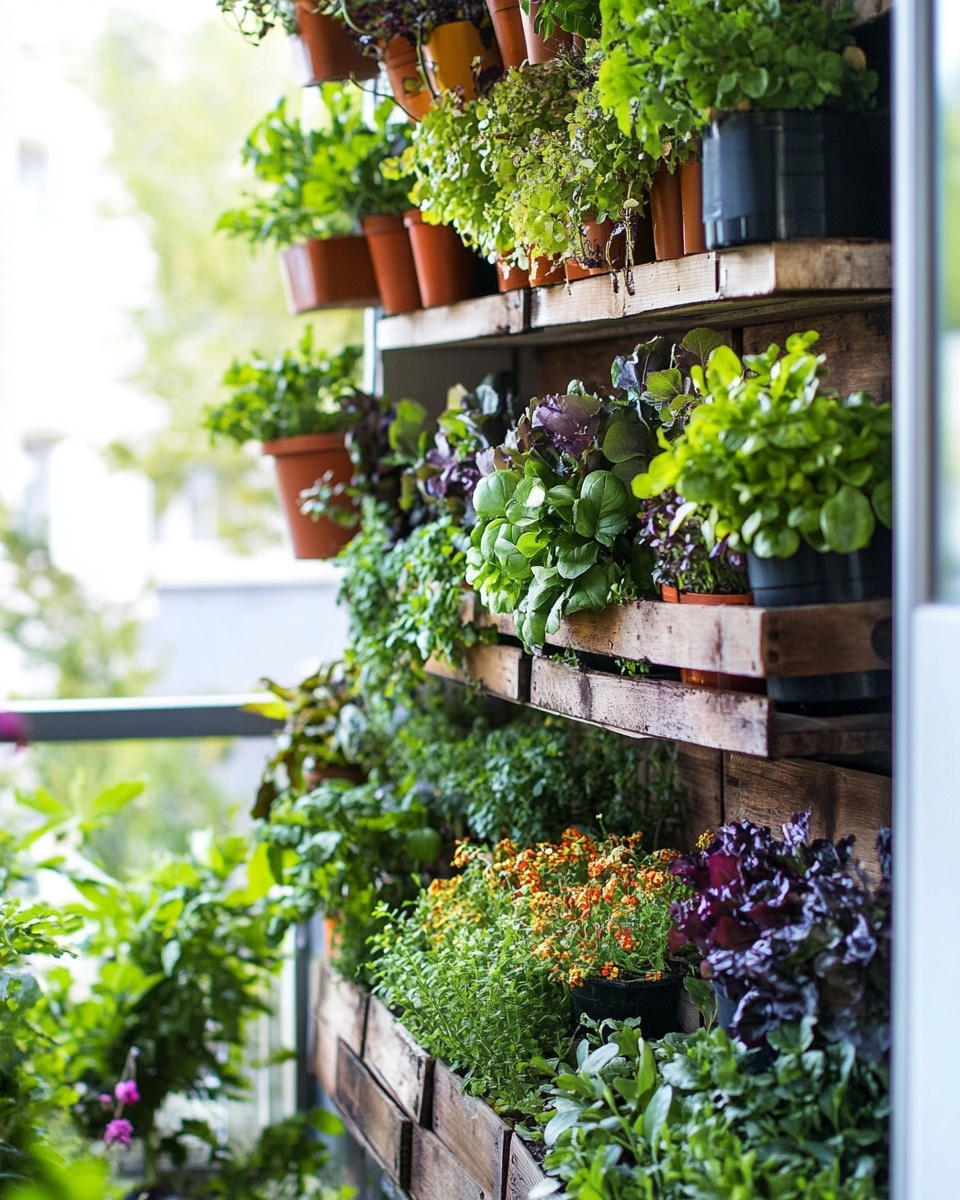
For those with limited space, a vertical indoor garden using succulents can be a stunning and space-saving solution. You can adapt many concepts from vertical indoor garden ideas for small spaces to suit succulents.
Creative Ideas & Uses
Beyond being beautiful, your indoor succulents garden offers a canvas for creativity.
- Miniature Landscapes: Arrange different types of succulents in a wide, shallow pot to create stunning miniature desertscapes. Add decorative pebbles, small rocks, or tiny figurines for a personalized touch.
- Terrariums (Open): While closed terrariums aren't ideal due to humidity, open terrariums with air circulation can be a beautiful way to display a small indoor succulents garden. Ensure adequate drainage at the bottom with a layer of gravel.
- Living Centerpieces: Use a cluster of small succulents as an eye-catching centerpiece for your dining table or coffee table. They require minimal fuss and add a touch of natural elegance.
- Design with Texture and Color: Mix and match succulents with varying leaf shapes, textures, and colors (greens, reds, purples, blues) to create dynamic arrangements. Consider pairing them with other easy-care indoor plants; you can find inspiration from best indoor plants that purify air naturally.
Common Mistakes to Avoid
Even experienced gardeners make mistakes, but knowing the pitfalls can help your indoor succulents garden thrive.
- Overwatering: This is by far the number one killer. As mentioned, overwatering causes root rot in over 60% of houseplants. If leaves turn mushy, yellow, or translucent, reduce watering immediately.
- Lack of Drainage: Planting in pots without drainage holes guarantees root rot. It’s simply not worth the risk for succulents.
- Insufficient Light: While succulents can tolerate some shade, prolonged low light leads to etiolation (stretching), weak growth, and dull coloration. They will essentially reach for more light, losing their compact, appealing form.
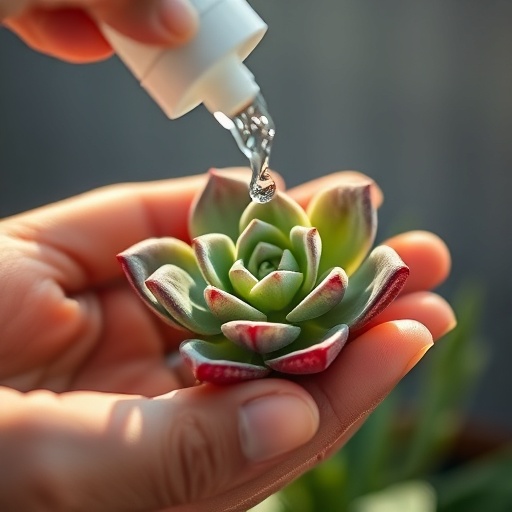
- Watering Leaves: Avoid getting water on the leaves, especially rosette-forming succulents. Water sitting in crevices can lead to rot and fungal issues. Always aim for the soil.
- Wrong Soil Mix: Regular potting soil retains too much moisture for succulents. Always use a fast-draining mix to prevent waterlogging.
- Ignoring Signs: Your plants communicate! Wrinkled leaves, stretched stems, or discolored patches are all messages. Learn to interpret them.
Maintenance & Storage Tips
Long-term care extends beyond just watering. Here’s how to keep your indoor succulents garden healthy year after year.
- Repotting: As succulents grow, they may become root-bound. Repot every 2-3 years into a slightly larger pot with fresh succulent mix. Do this during the active growing season.
- Pest Treatment: If pests appear, isolate the affected plant. For mealybugs, use a cotton swab dipped in rubbing alcohol directly on the pests. For spider mites, neem oil or insecticidal soap are good options. Always introduce new plants to your indoor succulents garden gradually after a period of observation to avoid introducing pests.
- Seasonal Care: Adjust watering and light exposure with the seasons. During winter dormancy, reduce watering significantly and ensure they still receive adequate light to prevent stretching.
- Leaf Propagation: Succulents are incredibly easy to propagate from leaves! Gently twist off a healthy leaf, let it callus for a few days, then place it on well-draining soil. Soon, tiny new plants will emerge, expanding your indoor succulents garden. This is a rewarding way to share your passion! For more inspiration, check out how to grow succulents indoors without overwatering, which shares some excellent propagation tips.
Conclusion
Mastering the art of watering your indoor succulents is a rewarding journey, transforming tentative plant care into confident cultivation. By understanding their unique needs for infrequent, thorough watering, coupled with excellent drainage and ample light, you can prevent common pitfalls and cultivate a thriving indoor succulents garden. Remember, consistency in observation and adaptation to your specific environment are your greatest assets. Each wrinkle, each vibrant new leaf, tells a story of your care.
Now it's your turn! Take what you’ve learned and begin nurturing your indoor succulents garden with confidence. Share your success stories and photos on social media – tag us, we'd love to see your beautiful creations! Or, if you're feeling adventurous, embark on another green journey. Dive into our guide on how to grow succulents indoors without overwatering for more specialized insights, or explore some easy indoor gardening setup for beginners if you're looking for new projects. Don’t forget to check out our guide to low-light indoor plants for options that thrive in shadier spots, expanding your indoor plant collection further. For more visual inspiration and tips, follow us on Pinterest at https://www.pinterest.com/janatjanay47/.
FAQ
Q1: How often should I water my indoor succulents?
A1: Water only when the soil is completely dry, typically every 2-4 weeks during the growing season (spring/summer) and every 4-6 weeks or less during dormancy (fall/winter). Always use the "Soak and Dry" method.
Q2: What is the best type of soil for an indoor succulents garden?
A2: A well-draining potting mix formulated for succulents and cacti is essential. It usually contains ingredients like perlite, pumice, or coarse sand to prevent water retention.
Q3: My succulent leaves are turning yellow and mushy. What's wrong?
A3: Yellow, mushy, or translucent leaves are classic signs of overwatering. Immediately stop watering, allow the soil to dry out thoroughly, and ensure good drainage. Your indoor succulents garden needs time to recover from excess moisture.
Q4: How much sunlight do indoor succulents need?
A4: Most indoor succulents thrive with at least 6 hours of bright, indirect sunlight daily. South-facing windows are ideal. Insufficient light can cause them to stretch out, a condition known as etiolation.
Q5: Can I use regular tap water to water my succulents?
A5: You can, but filtered or distilled water is often better. Tap water can contain chlorine and minerals that build up in the soil over time. If using tap water, let it sit out for 24 hours to allow chlorine to dissipate, especially for a sensitive indoor succulents garden.
Q6: Why are my succulent leaves shriveling and wrinkling?
A6: Wrinkled or shriveling leaves usually indicate that your succulent is thirsty and needs water. Give it a thorough soak using the "Soak and Dry" method, ensuring water drains from the bottom.
Q7: Should I fertilize my indoor succulents?
A7: Succulents are low-feeders. If you fertilize, do so sparingly with a diluted succulent-specific fertilizer (half-strength) once or twice during their active growing season (spring/summer). Over-fertilization can harm them.