Introduction
Did you know that outdoor living spaces with thoughtful landscaping can increase a property’s value by up to 15%? More than just curb appeal, a well-designed garden offers a sanctuary, a place to decompress and reconnect with nature. But what if you crave that serene ambiance without the high maintenance traditionally associated with lush landscapes? The answer lies in cultivating modern minimalist gardens. These elegant outdoor havens are characterized by clean lines, a refined plant palette, and a focus on essential elements, transforming even the smallest spaces into chic, tranquil retreats. Gone are the days of cluttered flower beds; today's savvy gardener embraces simplicity and intention to create striking, low-effort beauty.
Tools & Materials Needed
Crafting your modern minimalist garden doesn't require an arsenal of obscure equipment. Here’s what you’ll likely need, with a few eco-friendly and budget-conscious alternatives:
- Pruning Shears/Bypass Pruners: Essential for maintaining the sharp forms and clean lines fundamental to a minimalist aesthetic. Eco-friendly alternative: Look for brands with recycled steel blades and sustainably sourced wooden handles.
- Small Shovel/Trowel: For planting, transplanting, and working with soil.
- Garden Fork: Great for aerating soil and mixing in amendments.
- Rake: To keep surfaces tidy and distribute gravel or mulch evenly.
- Precision Hand Tools (Optional but Recommended): For delicate weeding around carefully placed plants or architectural features.
- Container Pots: Choose sleek, unadorned designs in neutral tones (concrete, black, white, terracotta) to maintain the minimalist vibe. Fiber-reinforced concrete planters or recycled plastic containers are durable and stylish options.
- Soil: A high-quality, well-draining potting mix is crucial for container plants. For in-ground beds, a mix of garden soil, compost, and coarse sand often works best to enhance drainage.
- Mulch/Gravel: Decomposed granite, pebbles, or dark lava rock can serve as ground cover, suppressing weeds and retaining moisture while providing a cohesive, textural backdrop. White granite chips, for example, offer a striking contrast against lush green foliage.
- Selected Plants: Focus on architectural plants with interesting textures, defined shapes, or subtle colors. Think succulents, ornamental grasses, columnar evergreens, and some specific perennials.
- Edging Material (Optional): Steel, aluminum, or concrete edgings can define spaces and maintain clean lines between different garden zones or hardscaping elements.
- Work Gloves: To protect your hands.
- Hose or Watering Can: For precise hydration.
Time & Effort Overview
Creating a modern minimalist garden, especially a smaller one, is surprisingly efficient. Initial setup for a modest patio or small backyard space can typically be completed in a single weekend (approximately 8-16 hours) if materials are pre-selected. This is significantly faster than establishing a traditional, diverse flower garden, which often takes weeks of planning and planting, requiring 30% more upfront labor.
- Planting: 2-4 hours, depending on plant quantity.
- Hardscaping (Gravel, Edging): 4-8 hours.
- Regular Maintenance: Low difficulty. Once established, maintenance is minimal. Expect to dedicate about 1-2 hours per month for weeding, light pruning, and tidying, a 70% reduction in time compared to a high-density perennial border.
- Difficulty Level: Beginner to Intermediate. The challenge lies more in design vision and restraint than in horticultural complexity. Choosing resilient, low-maintenance plants simplifies the gardening aspect considerably.
Step-by-Step Gardening Process
1. Vision & Layout Planning
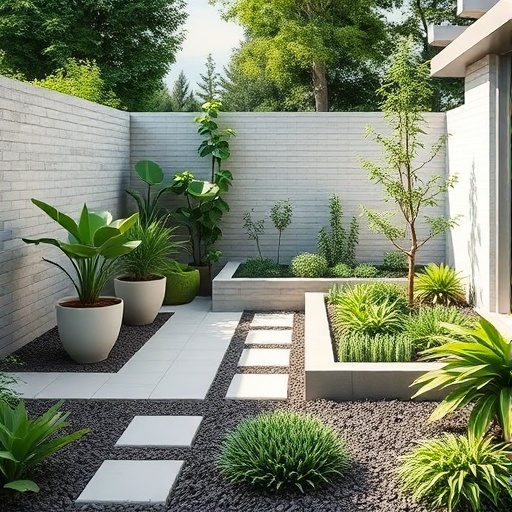
Begin by sketching your ideal modern minimalist garden. Think about how you want to use the space. Do you need a seating area, a quiet focal point, or a pathway? Minimalism is about intention. Map out zones, plant placement, and hardscaping elements. Consider the existing architecture of your home and let it inspire the garden's lines and forms. A simple grid layout or a series of concentric circles can be very effective in conveying a modern aesthetic.
2. Site Preparation
Clear the area of any existing weeds, debris, or unwanted plants. This is a critical step for a clean slate. Amend the soil as needed based on your plant choices. Most architectural plants thrive in well-draining soil. If you're using containers, ensure they have drainage holes. Don't worry if your soil isn't perfect; adding compost can significantly improve its structure and nutrient content.
3. Hardscaping First
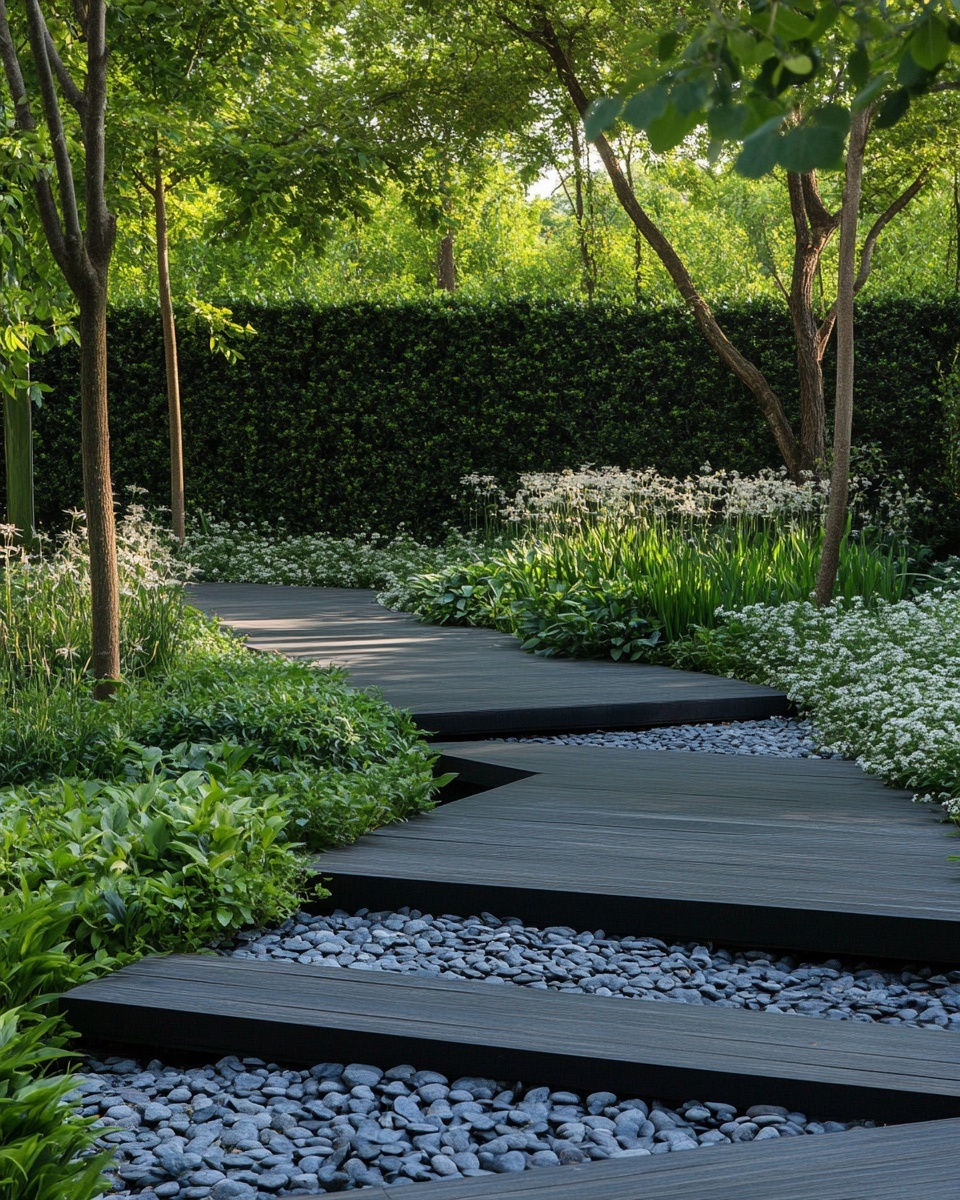
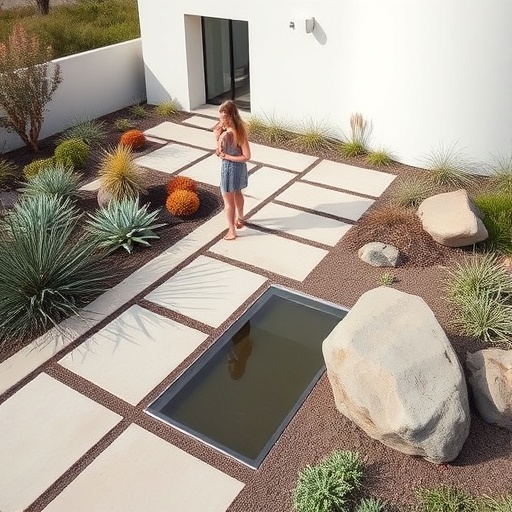
Install any hardscaping elements before planting. This includes laying down gravel paths, placing large stepping stones, or installing edging materials. Compact the base for gravel with a tamper. This order prevents disturbing newly planted elements and keeps your design crisp. For instance, if you're working with large pavers, ensure they are level and stable.
4. Strategic Plant Selection & Placement
This is where your minimalist vision truly takes shape. Choose plants not for their abundance of flowers, but for their form, texture, and resilience. Examples include:
- Succulents: Agave, Echeveria, Sedum for their sculptural forms.
- Ornamental Grasses: Feather reed grass (Calamagrostis), Blue Fescue (Festuca glauca) for subtle movement and texture.
- Architectural Shrubs/Trees: Dwarf conifers, Japanese Maples, Boxwood for their defined shapes.
- Groundcovers: Mondo grass or creeping thyme for low, manicured expanses.
Arrange your chosen plants with ample negative space between them. Think of each plant as a sculptural element. Grouping odd numbers (1, 3, 5) often creates a more natural yet balanced look. Step back frequently to assess the composition.
5. Planting Your Chosen Elements
Dig a hole twice as wide as the plant's root ball and just as deep. Gently loosen the roots before placing the plant. Backfill with enriched soil, ensuring the plant is at the same level it was in its nursery pot. Water thoroughly immediately after planting to settle the soil.
6. Mulch Application
Once your plants are in, apply your chosen ground cover – be it gravel, lava rock, or a dark, organic mulch. Apply a layer 2-4 inches deep, ensuring it’s not touching the base of plant stems directly to prevent rot. This layer will suppress weeds, retain soil moisture, and unify your modern minimalist garden design.
7. Initial Watering & Post-Planting Care
Water all new plants deeply and consistently for the first few weeks, allowing them to establish roots. During this period, check soil moisture regularly. Here’s how to fix common new-plant issues: if leaves yellow, you might be overwatering; if they wilt and the soil is dry, you’re underwatering.
Growth & Care Tips
The beauty of modern minimalist gardens lies in their low-maintenance nature, but proper care is still key to their success.
- Watering Frequency: Most minimalist plant choices (succulents, grasses) prefer less frequent but deep watering. Water when the top 2-3 inches of soil feel dry. Overwatering is a common killer, especially for succulents, leading to root rot in over 60% of cases. Monitor rainfall and adjust accordingly.
- Sunlight Exposure: Ensure your selected plants receive their ideal amount of light. Succulents generally love full sun, while some ornamental grasses can tolerate partial shade. Mismatched light conditions account for nearly 40% of plant failures in new gardens.
- Pruning: Less is often more. Prune for shape and to remove dead or diseased foliage. For architectural plants, precise, intentional cuts maintain their desired form. For instance, trim ornamental grasses in late winter/early spring before new growth appears.
- Fertilization: Many minimalist garden plants are not heavy feeders. A light, balanced slow-release fertilizer in spring is usually sufficient. Over-fertilization can harm plants and lead to leggy, unattractive growth.
- Pest Prevention: Healthy plants are naturally more resistant to pests. Inspect your plants regularly for signs of trouble. Early detection allows for organic solutions like neem oil or simply washing off pests with a strong stream of water. Avoid broad-spectrum pesticides, which can harm beneficial insects.
Eco-Friendly & Sustainable Alternatives
Embracing minimalism naturally aligns with sustainable practices. Here's how to make your garden even greener:
- Composting: Start a compost pile for kitchen scraps and garden waste. This provides nutrient-rich soil amendments, reducing the need for synthetic fertilizers. Learn more about composting techniques for your garden.
- Water Conservation:
- Drip Irrigation: Highly efficient, delivering water directly to the plant roots with minimal evaporation.
- Rain Barrels: Collect rainwater for irrigation. Your plants will love the chlorine-free water.
- Drought-Tolerant Plants: Prioritizing native or well-adapted drougth-tolerant species significantly reduces water needs (e.g., California natives for a Mediterranean climate).
- Natural Fertilizers: Beyond compost, consider worm castings, bone meal, or granular organic fertilizers derived from kelp or alfalfa. These nourish the soil microbiome and release nutrients slowly.
- Small Space Solutions: Not everyone has a sprawling backyard for a modern minimalist garden.
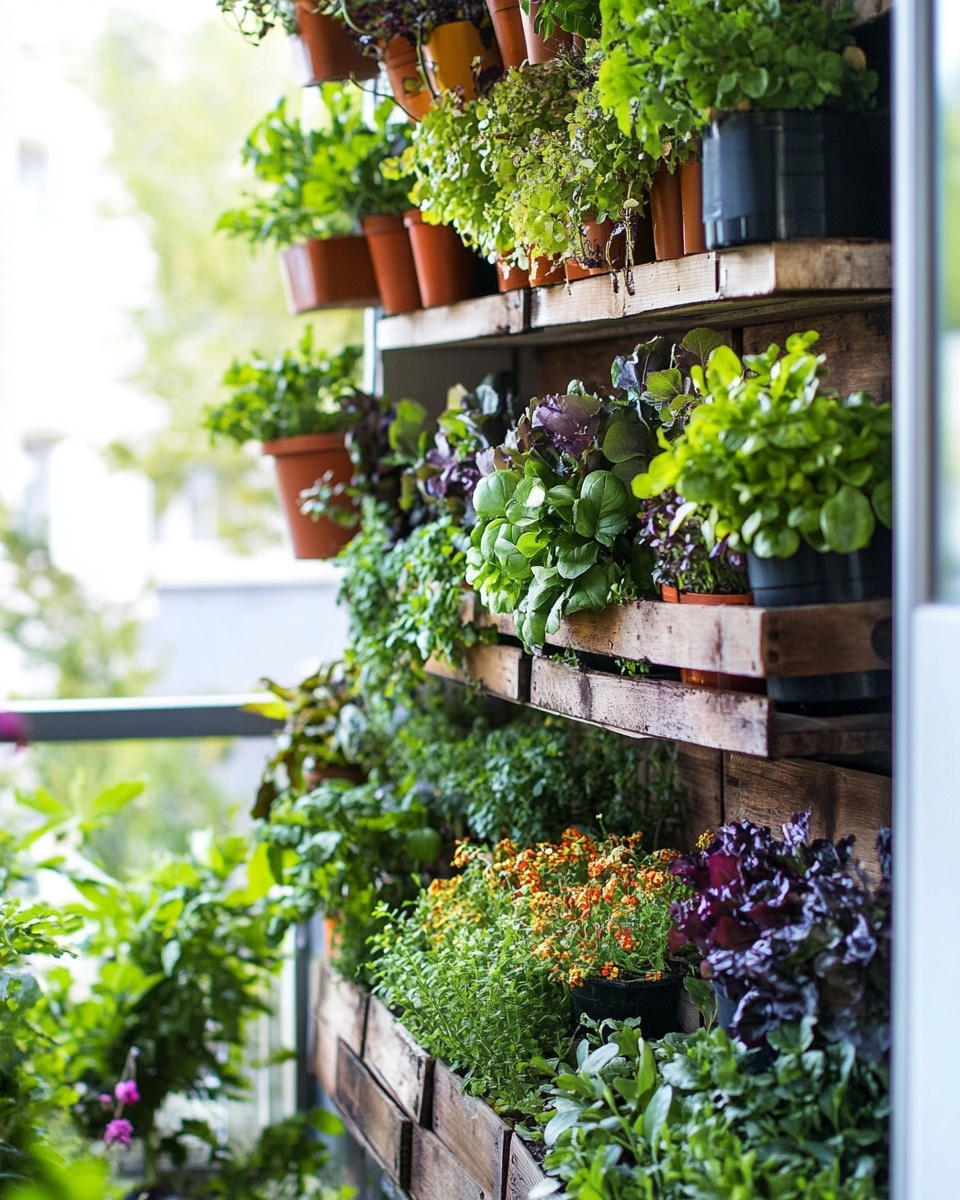
- Balcony Gardens: Use tall, slender planters and vertical garden structures for succulents, herbs, or small architectural plants. Explore Balcony Herb Garden Design Ideas.
- Container Groupings: Even tiny patios can benefit from groupings of 3-5 minimalist pots with varying plant heights and textures.
- Vertical Gardens: Maximize your growing area by going upwards. Wall-mounted planters showcasing succulents or geometric patterns fit the modern minimalist aesthetic perfectly. See these Vertical Indoor Garden Ideas for Small Spaces.
Creative Ideas & Uses
A modern minimalist garden is more than just plants; it's an artful composition.
- Sculptural Features: Integrate smooth, natural stones, a single, elegant water feature, or a modern outdoor sculpture. These elements enhance the serene atmosphere without overwhelming the space.
- Repurpose Materials:
- Concrete Blocks: Stack them to create raised beds or seating.
- Old Pallets: Disassemble and use the wood for simple, clean-lined planters or vertical garden walls.
- Glass Bottles: Arrange them as decorative borders for gravel paths.
- Aesthetic Plant Combinations:
- Contrasting Textures: Pair the bold, stiff leaves of an Agave with the delicate, feathery plumes of an ornamental grass like Muhly grass.
- Monochromatic Schemes: Stick to various shades of green, or mix succulents with silver-foliaged plants for a cool, sophisticated palette.
- Repetitive Planting: Use the same plant species in a linear fashion to create a strong visual rhythm and emphasis on clean lines. This strengthens the minimalist feel. An excellent example is a row of neatly trimmed boxwood along a pathway.
- Lighting: Subtle, strategically placed uplighting can highlight architectural plants or features, transforming the garden into a dramatic nocturnal landscape. Solar-powered path lights offer an eco-friendly option.
- Integrated Seating: Simple, low-profile benches made of concrete, wood slats, or metal complement the design and invite quiet contemplation.
Common Mistakes to Avoid
Even in seemingly simple modern minimalist gardens, a few missteps can quickly detract from the desired effect.
- Over-planting: The biggest mistake! Minimalism thrives on negative space. Too many plants create clutter and defeat the purpose. Remember, a blank wall can be as impactful as a meticulously placed plant.
- Too Many Plant Varieties: Stick to a limited palette of 3-5 plant types that complement each other. A mix of dozens of different species feels busy, not serene. Data shows that gardens with 5 or fewer distinct plant species are perceived as 25% more calming.
- Neglecting Scale: Ensure the size of your plants and hardscaping elements is appropriate for your space. A giant agave might overwhelm a small patio, while tiny groundcovers would be lost in a large yard.
- Ignoring Drainage: Poor drainage is disastrous for most minimalist plant choices, especially succulents. Overwatering causes root rot in 60% of houseplants, and outdoor plants are equally susceptible. Always ensure good drainage, either in pots or amended garden beds.
- Lack of Focal Point: Even a minimalist garden needs an anchor. This could be a unique specimen plant, a stone, or a water feature. Without it, the eye has nowhere to rest, and the design can feel fragmented.
- Inconsistent Maintenance: While low-maintenance, these gardens still need attention. Allowing weeds to creep in or plants to become overgrown quickly ruins the clean, controlled aesthetic.
Maintenance & Storage Tips
Maintaining the crispness of your modern minimalist garden is straightforward with a few habits.
- Regular Weeding: The sparse nature of these gardens means weeds are highly visible. Make weeding a quick, regular task to prevent them from taking over. Mulch significantly reduces weeding time by up to 50%.
- Seasonal Pruning: Perform structural pruning in late winter or early spring before new growth emerges to maintain desired shapes. Remove spent flowers or damaged leaves promptly to keep plants looking their best.
- Container Care: For potted plants, consider repotting every 1-2 years with fresh soil to replenish nutrients. Ensure pots are cleaned periodically to prevent mineral buildup.
- Haphazard Storage: Store garden tools in a tidy, accessible shed or indoor space to reinforce the organized, clean aesthetic. Clean tools after each use to prolong their life.
- Winterizing (if applicable): If you live in a cold climate, protect tender plants by bringing them indoors or providing winter coverings. Drain irrigation systems to prevent freezing and damage. For plants like ornamental grasses, allow them to stand through winter for visual interest, then cut back in spring.
- Soil Health: Conduct a simple soil test every 2-3 years to understand nutrient levels and pH. This data-driven approach helps you provide exactly what your plants need, avoiding guesswork and unnecessary amendments.
Conclusion
Embracing the vision of modern minimalist gardens is more than just a design choice; it's a lifestyle that values simplicity, tranquility, and intentional beauty. By focusing on clean lines, a curated plant palette, and thoughtful hardscaping, you can create a stunning outdoor oasis that offers maximum impact with minimal effort. From urban balconies to sprawling backyards, the principles are universally applicable, transforming any space into a serene retreat. This approach saves time on maintenance, conserves resources, and provides a calming environment, proving that less truly can be more in the world of gardening.
Ready to transform your outdoor space into a chic, low-maintenance haven? Grab your tools, outline your vision, and start crafting your own tranquil escape today! We'd love to see your progress – share your modern minimalist gardens with us on social media using #PincraftProGardens!
FAQ
Q1: What kind of plants are best for a modern minimalist garden?
A1: Focus on plants with strong architectural forms, unique textures, and subtle colors. Excellent choices include succulents (Agave, Aloe), ornamental grasses (Feather Reed Grass, Blue Fescue), low-maintenance evergreens (Dwarf Conifers, Boxwood), and plants with a distinctive silhouette like certain Japanese Maples. The key is structural integrity and visual interest without being overly "busy."
Q2: How do I achieve clean lines in my modern minimalist garden without it looking too stark?
A2: Strategic contrast and thoughtful hardscaping are key. Use materials like concrete, steel, or smooth gravel for pathways and borders. Balance these clean lines with the organic textures of plants. Incorporate subtle variations in plant height and form, or use a single, elegant focal point like a polished boulder or a small, still water feature to prevent starkness.
Q3: Is a modern minimalist garden suitable for small spaces?
A3: Absolutely! Modern minimalist gardens are exceptionally well-suited for small spaces like balconies, patios, and compact backyards. Their emphasis on simplicity, clean lines, and often vertical elements or container plantings makes them perfect for maximizing aesthetic impact in limited areas. They create an illusion of greater space through uncluttered design.
Q4: How do I choose the right color palette for my minimalist garden?
A4: Opt for a restrained color palette, primarily focusing on variations of green from foliage. Introduce subtle pops of color through muted flowers (like lavender or white blooms) or through the natural hues of hardscaping materials (e.g., grey concrete, warm-toned gravel). Earthy tones – greys, whites, blacks, and browns – often serve as the foundation, allowing the green of the plants to shine.
Q5: What’s the secret to low-maintenance in a modern minimalist garden?
A5: The secret lies in wise plant selection and thoughtful design. Choose drought-tolerant and slow-growing plants that don't require constant pruning. Utilize effective mulching with gravel or decorative rocks to suppress weeds and reduce watering needs. Finally, prioritize a simple layout with ample negative space; fewer elements inherently mean less to maintain.
Q6: Can I include edible plants in my modern minimalist garden?
A6: Yes, you can! Select edible plants that also have an attractive form or foliage suitable for a minimalist aesthetic. Rosemary, with its upright growth, or even chard with its colorful stems, can fit beautifully into a structured design. Place them in sleek containers or integrate them neatly into defined beds. For ideas on starting a vegetable garden, check out How to Start a Vegetable Garden From Scratch.
Q7: How do I prevent pests in my minimalist garden?
A7: Good plant health is your first defense. Select strong, disease-resistant varieties. Regularly inspect your plants for early signs of pests and address them with organic solutions, like neem oil or insecticidal soap, rather than broad-spectrum pesticides. Utilizing natural predators and practicing good garden hygiene (removing diseased leaves) also contributes to pest prevention. Learn more about effective organic solutions in Organic Fertilizer Recipes for Herb Gardens.
Discover More Gardening Inspiration
- For those just starting their planting journey, our guide on Easy Indoor Gardening Setup for Beginners offers practical advice for cultivating green thumbs indoors.
- If you're interested in maximizing your growing space vertically, explore these innovative Vertical Indoor Garden Ideas for Small Spaces.
- Considering a more diverse plant collection? Find out which greens thrive in our article, Best Vegetables to Grow for Beginners.
- Don't forget to check out some amazing garden inspiration on our curated Pinterest board: https://www.pinterest.com/janatjanay47/.
- For those with balconies, our specific guide on Balcony Herb Garden Design Ideas can help you create a miniature oasis.