Introduction
Did you know that over 80% of children aged 5-12 benefit significantly from hands-on creative play, enhancing cognitive development and problem-solving skills? This isn't just a statistic; it's a powerful invitation to transform your backyard into something magical. Forget complicated landscaping; we’re diving into enchanting large fairy garden ideas for kids that spark imagination, foster a love for nature, and create memorable experiences right at home. These whimsical retreats are more than just decorative spaces; they’re miniature worlds waiting to be explored, providing a unique blend of gardening and imaginative play. Get ready to turn your outdoor area into a delightful haven where tiny magical creatures reside, and big imaginations flourish!
Tools & Materials Needed
Building a captivating large fairy garden is an exciting adventure, and gathering your supplies is the first step! While the possibilities are endless, here’s a comprehensive list to get you started, complete with eco-friendly and budget-friendly suggestions.
- Large Container or Designated Garden Space: For large fairy garden ideas, think big! A broken wheelbarrow, an old bathtub, a raised garden bed, or a section of your backyard can serve as the foundation.
- Eco-Friendly Alternative: Repurpose an old, sturdy planter or container that might otherwise be discarded. Use salvaged bricks or stones to define a ground-level area.
- Drainage Material: Essential for healthy plants.
- Budget-Friendly Tip: Use broken terracotta pot pieces, small stones, or even discarded packing peanuts (if non-toxic and biodegradable).
- Potting Mix/Soil: A good quality, well-draining potting mix is crucial. For an outdoor area, nutrient-rich topsoil mixed with compost works well.
- Eco-Friendly Alternative: Create your own compost from kitchen scraps and yard waste. This enriches the soil and reduces landfill waste.
- Miniature Plants: Choose small, slow-growing plants that thrive in your climate. Think ground covers, dwarf conifers, succulents, mosses, and tiny flowering plants like violas or thyme. Some popular choices include Irish moss, Corsican mint, baby tears, small sedums, and dwarf spruces. These plants create diverse textures and heights, forming the natural landscape of your fairy world.
- Fairy Garden Accessories: This is where the magic truly unfolds!
- Miniature Houses: Look for tiny birdhouses, terracotta pots creatively painted, or DIY houses made from bark and twigs.
- Furniture: Small benches, tables, arches, bridges, and stepping stones.
- Pathways: Pea gravel, small polished stones, or even crushed seashell pieces.
- Toadstools & Figurines: Resin or ceramic fairy figurines, gnomes, animals, and mushroom sculptures.
- Water Features: A small, shallow dish for a pond, or a miniature birdbath.
- Budget-Friendly Tip: Scour thrift stores, dollar stores, or craft shops for miniature items. Even natural elements like smooth pebbles, acorns, pinecones, and shiny glass beads can become enchanting fairy garden decor. Collect interesting twigs, dried seed pods, and small pieces of driftwood for a more rustic feel.
- Gardening Gloves: To protect your hands.
- Hand Trowel & Small Rake: For planting and shaping the landscape.
- Watering Can: A small one with a gentle shower setting is best for delicate plants.
- Craft Glue (Waterproof): For securing any DIY elements.
Time & Effort Overview
Creating these enchanting large fairy garden ideas for kids is largely a labor of love, offering a wonderful blend of gardening and creative expression. The initial setup typically takes 4-8 hours, depending on the size and complexity of your design. This includes gathering materials, preparing the base, planting, and arranging accessories.
- Planting: Expect to spend about 2 hours on selecting and carefully positioning your miniature plants.
- Growth: Miniature plants generally grow slowly. Ground covers like Irish moss or Corsican mint will establish within 2-4 weeks. Succulents are even slower, often showing minimal growth for months, which is ideal as it maintains the miniature scale. This is much slower than typical rapid-growing annuals, ensuring your fairy landscape remains tidy without constant pruning.
- Maintenance: Once established, a large fairy garden requires about 30 minutes to an hour of maintenance per month. This includes watering, light pruning, and repositioning accessories.
Difficulty Level: Beginner to Intermediate. While the planting itself is straightforward, the design and artistic arrangement can be more involved. However, it's a very forgiving project, especially since the goal is whimsical charm rather than horticultural perfection! It's a fantastic project to tackle with children of all ages, allowing them to contribute their unique vision.
Step-by-Step Gardening Process
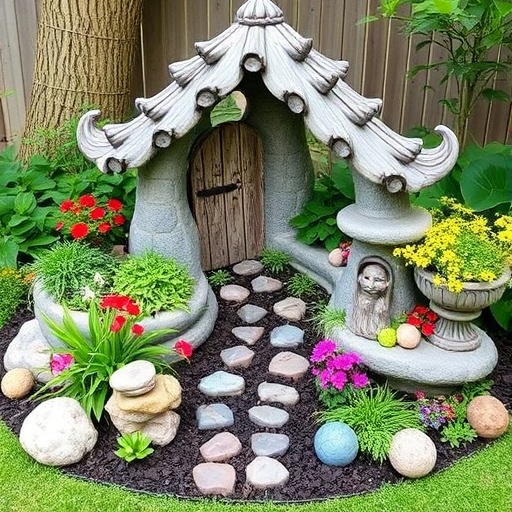
Ready to bring your large fairy garden to life? Follow these easy steps to create a magical realm.
1. Select Your Location and Container
Choose a spot that receives appropriate sunlight for your chosen plants (most fairy garden plants prefer partial shade to full sun, about 4-6 hours). If using a container, ensure it has drainage holes. For a ground-level garden, define your space using rocks, logs, or a small border.
2. Prepare the Base
If using a large container, add a 1-2 inch layer of drainage material (gravel, broken pot shards) at the bottom. This prevents waterlogging, which can be fatal to small plants. If you're building a ground-level garden, ensure the soil is loose and drains well; amend heavy clay soils with compost.
3. Add Soil
Fill your container or garden space with a good quality potting mix, leaving about an inch of space from the rim. For ground gardens, mix in plenty of rich organic matter. Create some gentle hills and valleys with the soil to add visual interest and create a more dynamic landscape for your fairies.
4. Plan Your Layout
Before planting, arrange your larger elements like fairy houses, bridges, and prominent stones. This helps you visualize the flow of your miniature world. Think about pathways, different "rooms" for fairies, and focal points. Where will the fairies live? Where will they gather? This is a great opportunity to explore various fairy garden ideas for kids together, letting their imagination guide the design.
5. Install Larger Elements
Place your fairy houses and any water features now. If your fairy house has a stable base, simply nestle it into the soil. For fragile items, consider a bit of waterproof craft glue to secure them to a stone base if stability is a concern.
6. Plant Your Miniature Greenery
Carefully remove your miniature plants from their nursery pots. Gently separate any tightly wound roots without damaging them. Dig small holes using your hand trowel and plant them according to your layout, ensuring the top of the root ball is level with the surrounding soil. Firmly but gently pat the soil around each plant. Don't worry if it looks a little sparse initially; they'll fill out!
7. Create Pathways and Features
Lay down your pea gravel or small stones for pathways. Add miniature furniture, fences, and mushroom decorations. Use natural elements like polished stones for stepping stones or small twigs to create trellises. Encourage your children to participate in this step, as arranging these details is often their favorite part of creating fairy garden ideas for kids.
8. Add Fairy Figurines and Small Details
Once the landscape is set, place your fairy figurines, tiny animals, and other charming details. A tiny swing, a miniature birdbath, or even strategically placed shiny beads can add incredible character. This is where the narrative comes to life!
9. Water Gently
Give your newly planted fairy garden a gentle watering using a small watering can with a fine rose. Water until you see a little runoff from the drainage holes (if in a container). This settles the soil around the plants.
Growth & Care Tips
Maintaining your whimsical retreat is just as important as building it. With proper care, your large fairy garden will thrive, providing continuous joy.
- Watering Frequency: Most miniature plants prefer consistently moist, but not soggy, soil. Check the soil moisture every 2-3 days by feeling the top inch. If it’s dry, it’s time to water. Succulents, however, prefer drier conditions; water them thoroughly, then allow the soil to dry out completely before watering again. During hot, dry periods, you might need to water daily, while in cooler weather, once a week could suffice. Overwatering accounts for about 60% of plant issues.
- Sunlight Exposure: Most fairy garden plants, like many ground covers and miniature perennials, thrive in partial shade (4-6 hours of indirect sunlight daily). Direct, intense afternoon sun, especially in warmer climates, can scorch delicate foliage. If your garden is in a container, you can move it to adjust exposure.
- Pruning: Miniature plants grow slowly, but occasional pruning helps maintain scale and shape. Use small scissors or bonsai shears to snip back any unruly growth. This encourages bushier growth and prevents plants from overpowering their tiny neighbors.
- Fertilization: Miniature plants don't require heavy fertilization. A diluted, balanced liquid fertilizer (half strength) applied once a month during the growing season (spring and summer) is usually sufficient. Avoid over-fertilizing, as it can lead to leggy growth and burn delicate roots.
- Pest Prevention: Keep an eye out for common garden pests like aphids or spider mites. A gentle spray of insecticidal soap or neem oil can effectively control most infestations. Ensure good air circulation to prevent fungal issues. Regularly inspect the underside of leaves for any signs of trouble. Natural predators like ladybugs can also be introduced to your large fairy garden as a chemical-free pest control measure.
Eco-Friendly & Sustainable Alternatives
Creating a magical fairy garden doesn't have to strain the environment. Here are some wonderful ways to make your project more sustainable:
- Composting for Soil Enrichment: Instead of buying bags of sterile potting mix, enrich your soil with homemade compost. It's teeming with beneficial microbes and nutrients, reducing waste and improving soil structure. You can easily start a small compost bin even in a limited space.
- Natural Fertilizers: Skip chemical fertilizers. Opt for organic options like worm castings, aged manure (from local farms), or a homemade compost tea. These feed your plants slowly and sustainably without harming beneficial soil organisms.
- Water Conservation:
- Rain Barrels: Collect rainwater for irrigation. It's naturally soft and free of chlorine, which plants love.
- Mulching: Use a thin layer of fine wood chips, cocoa hulls, or even small pebbles as mulch. This helps retain soil moisture, reduces evaporation (by up to 30%), and suppresses weeds, meaning less watering for you.
- Drip Irrigation: For larger fairy garden setups, consider a miniature drip irrigation system. It delivers water directly to the plant roots, minimizing waste.
- Repurposing & Upcycling:
- Containers: As mentioned earlier, old ceramic bowls, cracked birdbaths, wooden crates, or even old tires can be transformed into enchanting fairy garden bases.
- Decorations: Collect natural elements like smooth river stones, interesting twigs, acorns, seed pods, and pinecones. Children's old, unused toys (made from non-toxic materials) can often find a new life as fairy garden accessories. Broken jewelry pieces or colorful buttons can become miniature treasures.
- Alternatives for Small Spaces:
- Balcony Fairy Gardens: Use window boxes or hanging baskets. Choose drought-tolerant succulents if your balcony receives intense sun.
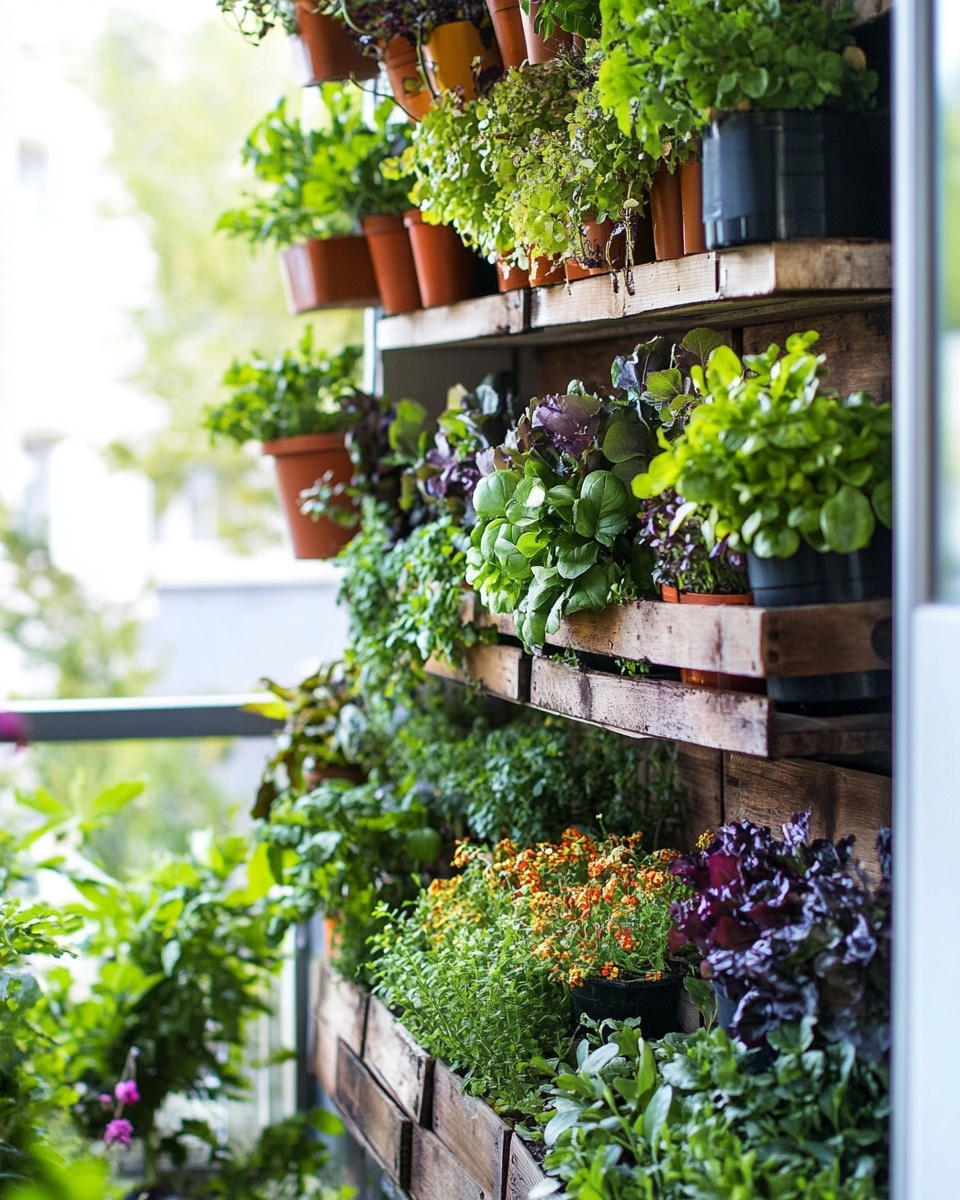
- Vertical Fairy Gardens: Mount small terracotta pots or repurposed containers onto a pallet or wall. This utilizes vertical space beautifully.
- Terrariums: Create a contained, self-sustaining fairy garden inside a large glass jar or cloche. These require minimal watering once established and are perfect for indoor display.
Creative Ideas & Uses
Unleash your inner artist and craft a truly unique fairy world! These large fairy garden ideas for kids offer endless possibilities for imagination and design.
- Themed Fairy Gardens:
- Forest Nook: Use more natural elements, small logs, moss, and shade-loving plants. Add miniature animal figurines.
- Coastal Retreat: Incorporate sand, seashells, tiny driftwood, and blue glass beads for a "sea" effect. Use succulents that resemble coral.
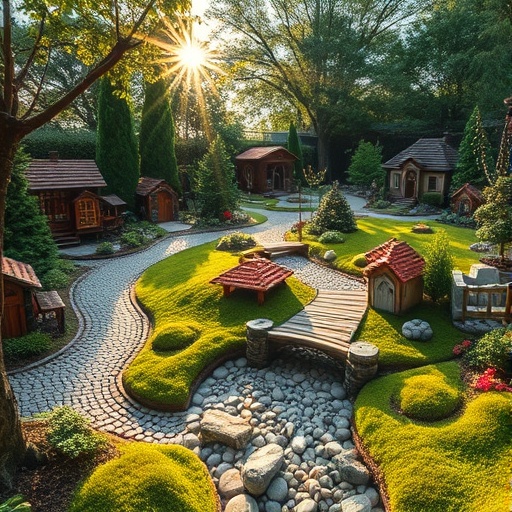
- Enchanted Village: Include several miniature houses, each with a different "resident" fairy or gnome. Connect them with tiny paths and bridges.
- Magical Playground: Think tiny swings, slides made from leaves, or a miniature seesaw for the fairy children.
- Decorate with Plants for Dynamic Storytelling:
- Living Walls/Fences: Use creeping plants like Irish moss or Corsican mint to create green "fences" or "hedges" around different sections of your garden.
- Miniature Trees: Dwarf conifers or small junipers can mimic towering trees, providing scale and height. Trim them carefully to maintain their miniature form.
- Flower Borders: Plant tiny flowering annuals like violas, pansies, or sweet alyssum to create vibrant miniature flowerbeds.
- Repurpose Garden Materials Creatively:
- Broken Pots: Use shards of terracotta pots to create miniature steps, walls, or even the façade of a rustic fairy dwelling.
- Stones & Pebbles: Arrange flat stones for patios or miniature stone circles. Paint smooth pebbles to look like ladybugs or magical gems.
- Twigs & Branches: Construct tiny arbors, pergolas, or log cabins. Smaller twigs can become fences or even miniature furniture.
- Found Objects: An old glass jar can become a magical fairy pond, a shiny button a stepping stone, or a discarded bottle cap a tiny bird bath.
- Landscaping Inspirations:
- Multiple Levels: Don't let your fairy garden be flat! Use stacked rocks, small hills of soil, or even small wooden boxes placed discreetly under the soil to create varying heights. This adds depth and visual interest.
- Hidden Nooks: Design small, secluded areas where fairies can "hide." A miniature swing tucked behind a dense patch of moss or a tiny treasure box under a leafy plant.
- Interactive Elements: Include motion-activated LED lights that turn on at dusk, illuminating the fairy houses, or incorporate chimes made from tiny beads that tinkle in the breeze.
- Pathways to Discovery: Create winding paths that lead to different features, encouraging children to explore every corner of their magical world. For more general gardening inspiration, explore posts like our guide on Small Space Flower Garden Design Ideas.
Common Mistakes to Avoid
Even seasoned gardeners make mistakes, especially when venturing into the miniature world of fairy gardening. Knowing potential pitfalls can save you time and frustration.
- Overwatering: This is probably the most common mistake. Small containers can dry out quickly, leading to the assumption that more water is always better. However, overwatering leads to root rot, which is fatal. Approximately 60% of plant failures are attributed to improper watering. Always check the soil moisture before adding more water.
- Poor Drainage: If your container lacks drainage holes, water will accumulate at the bottom, creating a waterlogged environment for roots. This is a recipe for root rot and plant demise. Always ensure adequate drainage, either through holes or a substantial drainage layer.
- Using Too-Big Plants: It’s tempting to use readily available garden plants, but many will quickly outgrow a fairy garden, destroying the miniature scale. Stick to true miniature varieties, dwarf cultivars, or slow-growing ground covers designed for small spaces.
- Incompatible Plants: Grouping plants with wildly different light and water requirements (e.g., a moisture-loving moss next to a drought-tolerant succulent) will inevitably lead to one thriving and the other struggling. Choose plants with similar needs.
- Ignoring Sunlight Needs: Just because they're small doesn't mean they don't need sun! Too much direct, intense sun can scorch delicate foliage, while too little will lead to leggy, weak growth. Research your plant's specific needs and place your fairy garden accordingly.
- Overcrowding: While you want your fairy garden to look lush, resist the urge to cram too many plants and accessories into a small space. Give plants room to grow and allow for clear pathways and open areas that enhance the enchanting feeling. A well-designed miniature landscape provides negative space, just like a full-scale garden.
- Forgetting Maintenance: Fairy gardens, while low maintenance, aren't no-maintenance. Neglecting watering, pruning, or pest checks can quickly lead to a sad-looking fairy retreat. Regular, brief checks are key to long-term success.
Maintenance & Storage Tips
Ensuring your large fairy garden remains a cherished whimsical space requires consistent, gentle care. Here’s how to keep your miniature world flourishing year-round.
- Long-Term Plant Health:
- Consistent Watering: As mentioned, check soil moisture regularly. Use a small watering can to deliver water directly to the plant bases, avoiding splashing delicate accessories.
- Seasonal Pruning: For faster-growing plants, a quarterly trim with small scissors will maintain their miniature scale. Remove any yellow or browning leaves immediately to prevent disease spread.
- Repotting/Refreshing Soil (Every 1-2 Years): Over time, the soil in containers can become compacted and lose nutrients. Gently remove plants, refresh about half of the old soil with new potting mix, and replant. This rejuvenates the garden.
- Winterizing for Cold Climates:
- Bring Indoors: If your fairy garden is in a container, move it to a sheltered location (a garage, sunroom, or even inside by a bright window) before the first hard frost. Ensure it still gets some light and occasional watering.
- Protect Outdoor Gardens: For ground-level fairy gardens, cover delicate plants with a layer of mulch (pine needles or straw) to insulate them from extreme cold. Some miniature plants may naturally go dormant in winter.
- Summer Care for Hot Climates:
- Increased Watering: You'll likely need to water more frequently during hot, dry spells. Early morning is ideal to minimize evaporation.
- Partial Shade: Consider providing afternoon shade for fairy gardens exposed to intense sun. A small umbrella or a strategically placed taller plant can offer protection.
- Accessory Care:
- Cleaning: Dust and debris can accumulate on fairy houses and figurines. Gently brush them clean with a soft paintbrush or rinse with a gentle stream of water.
- Repairing: Check for any loosened glue or broken pieces periodically. A quick repair with waterproof craft glue can extend the life of your accessories.
- Storage (Off-Season): If winterizing, store delicate resin or painted accessories separately in airtight containers to protect them from moisture and extreme temperatures.
- Pest and Disease Management:
- Regularly inspect plants for any signs of pests (sticky residue, tiny webs, discolored leaves) or diseases (spots, mildew). Early detection is vital.
- Use organic solutions like neem oil or insecticidal soap for pest control. Promote good air circulation to deter fungal issues.
Conclusion
Embarking on the journey of creating large fairy garden ideas for kids is more than just a gardening project; it’s an invitation to cultivate imagination, foster patience, and build lasting memories. We’ve explored everything from selecting the perfect miniature plants and whimsical accessories to the vital steps of eco-friendly practices and common pitfalls to avoid. The data consistently shows the positive impact of creative, nature-based activities on children's development, and a fairy garden provides just that—a dynamic, living tableau where stories unfold daily. By applying these data-driven insights and practical tips, you can transform a simple space into a captivating retreat that delights children and adults alike. Now, armed with knowledge and inspiration, it’s your turn to weave a bit of magic into your backyard.
Ready to dig in? Start crafting your enchanting fairy garden today and watch as your outdoor space blossoms with wonder! We’d love to see your creations! Share photos of your magical fairy worlds with us on social media. For more gardening inspiration and practical tips, why not explore related guides on our site? You might find our posts on Easy Indoor Gardening Setup for Beginners or DIY Mini Greenhouse Ideas for Home Gardeners particularly helpful as you continue your gardening adventures. Also, for a wealth of visual ideas, check out inspirational fairy garden designs on Pinterest.
FAQ
Q1: What are the best plants for large fairy garden ideas for kids?
A1: The best plants are miniature, slow-growing varieties with small leaves. Consider Irish moss, Corsican mint, baby tears, small sedums, dwarf conifers (like mini spruces), and creeping thyme. These maintain a tiny scale and thrive in similar conditions.
Q2: How often should I water my large fairy garden?
A2: Generally, check the soil moisture every 2-3 days. Water when the top inch of soil feels dry to the touch. This frequency can increase in hot, dry weather and decrease in cooler, humid conditions. Always ensure good drainage to prevent root rot.
Q3: Can fairy gardens be kept indoors?
A3: Absolutely! Indoor fairy gardens in containers or terrariums are wonderful, especially in climates with harsh winters. Just ensure they receive adequate light (indirect or with a grow light) and adjust your watering schedule accordingly, as indoor plants dry out slower.
Q4: How do I prevent pests in my fairy garden?
A4: Regular inspection is key. Look for pests like aphids or spider mites. If found, treat with organic options like insecticidal soap or neem oil. Ensuring good air circulation and not overwatering also helps deter common issues.
Q5: What kind of soil is best for fairy gardens?
A5: A high-quality, well-draining potting mix is ideal for container fairy gardens. For ground-level gardens, enrich your existing soil with compost to improve drainage and nutrient content, providing a healthy environment for your miniature plants.
Q6: What if my fairy garden plants start to outgrow the space?
A6: This is where gentle pruning comes in. Use small scissors to trim back any plants that are getting too large or leggy. You can also carefully divide and replant some fast-growing ground covers into new miniature containers or donate them.
Q7: How can I make my fairy garden truly magical for kids?
A7: Involve them deeply in the design process! Let them choose figures, arrange pathways, and create stories around the garden. Add interactive elements like hidden treasures, tiny signs, or even a miniature LED string light for nighttime enchantment. These personal touches make the fairy garden uniquely theirs.