Introduction
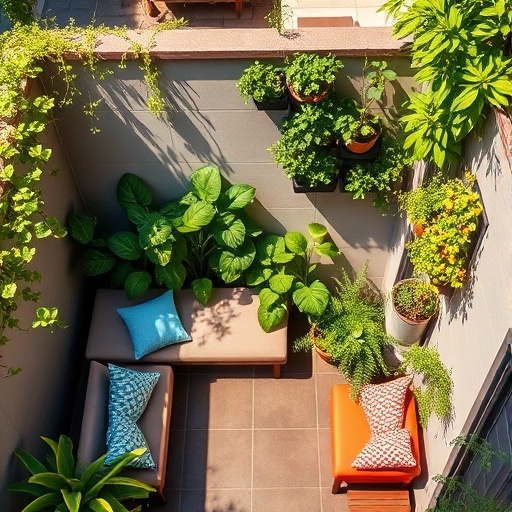
Did you know that a staggering 80% of urban dwellers dream of a lush garden but feel constrained by limited space? You’re not alone! The allure of fresh produce, vibrant blooms, and a serene green haven is powerful, but often, the reality of a compact backyard or balcony feels like a significant hurdle. However, this couldn't be further from the truth. With a little creativity and strategic planning, anyone can cultivate an extraordinary outdoor space. This guide is dedicated to bringing your gardening aspirations to life, offering a wealth of practical and aesthetically pleasing small garden ideas on a budget that prove grandeur isn't about square footage, but smart design and passionate cultivation. We’ll explore innovative solutions for maximizing every inch, ensuring your miniature paradise not only thrives but also enhances your home's curb appeal.
Tools & Materials Needed
Embarking on your small garden journey doesn't require a massive investment in specialized equipment. Many effective small garden ideas on a budget rely on repurposing and ingenuity. Here’s a detailed yet accessible list of essentials:
- Pots and Planters: Variety is key! Look for different sizes and materials. Terracotta pots are classic and breathable, while plastic options are lightweight and often cheaper. For eco-friendly choices, consider repurposing old tires, wooden crates, or even large food-grade buckets. Stackable planters or tiered garden beds are brilliant space-savers.
- Quality Potting Mix: This is non-negotiable. Don't skimp here! A good organic potting mix ensures proper drainage and provides crucial nutrients. Look for mixes enriched with compost and perlite. A budget-friendly alternative is to create your own by mixing garden soil with compost, sand, and coconut coir.
- Seeds or Seedlings: Start with affordable seed packets for herbs, leafy greens, or fast-growing flowers. If you're eager for instant gratification, small seedlings from a local nursery can be a good choice, usually costing a few dollars each. Consider varieties explicitly bred for small spaces.
- Hand Trowel and Cultivator: Essential for digging, planting, and loosening soil. A small, durable set can be found for under $20.
- Pruners or Shears: For snipping herbs, deadheading flowers, and light pruning. Keep them sharp for clean cuts.
- Watering Can or Hose with a Gentle Sprayer: Consistent watering is vital. A watering can is perfect for precise delivery to potted plants.
- Gloves: Protect your hands from dirt, thorns, and blisters.
- Compost Bin (Optional, but highly recommended): Even a small DIY worm farm using a couple of stacked buckets can turn kitchen scraps into nutrient-rich compost, saving money on fertilizers.
- Vertical Gardening Structures (Optional): Old pallets, trellises, or even repurposed shoe organizers can become fantastic vertical gardens.
Time & Effort Overview
Gardening in a small space doesn't demand endless hours, making it perfect for busy individuals. Most small garden ideas on a budget can be implemented with moderate effort.
- Initial Setup: Depending on the complexity of your design, creating a small garden can take anywhere from a few hours (for a simple potted herb garden) to a weekend (for building raised beds or a vertical planter).
- Planting: Sowing seeds typically takes 15-30 minutes per container or bed. Transplanting seedlings is quicker, usually 5-10 minutes per plant.
- Growth: This is the most variable part. Fast-growing herbs like basil or cilantro can be ready for harvest in 3-4 weeks. Leafy greens might take 4-6 weeks. Flowers like marigolds can bloom within 8 weeks. This is significantly faster than establishing a large perennial garden.
- Maintenance: Expect to dedicate 10-20 minutes daily for watering, checking for pests, and light pruning, or significantly less if you employ efficient watering systems. Compared to a sprawling lawn that demands weekly mowing, small-space gardening requires roughly 70% less consistent effort.
- Difficulty Level: Generally, small-space gardening is beginner-friendly. The contained nature of pots and raised beds makes controlling soil quality, pests, and watering much simpler than in large, open gardens.
Step-by-Step Gardening Process
Here’s your practical guide to building a thriving small garden.
Step 1: Design Your Space
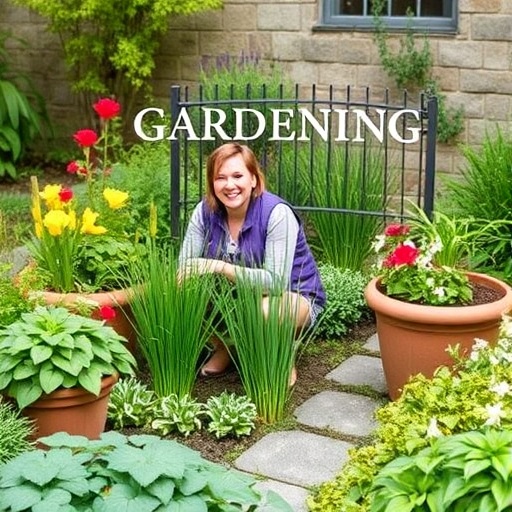
Before you dig, dream! Sketch out your space. Consider where the sunlight falls throughout the day. South-facing spots are usually best. Think vertical: can you hang planters or build shelves? Decide what you want to grow – edibles, flowers, or a mix. This planning stage is crucial for successful small garden ideas on a budget.
Step 2: Prepare Your Containers and Soil
Clean any repurposed containers thoroughly. If they lack drainage holes, drill a few in the bottom to prevent root rot. Fill your chosen pots or beds with your quality potting mix. Leave about an inch of space from the rim. If using budget soil, enrich it with at least 25% compost for better results.
Step 3: Choose Your Plants Wisely
For small spaces, opt for compact varieties. Read seed packets or plant tags carefully. "Dwarf" or "bush" varieties are your friends. Consider herbs like basil, mint, and thyme (check out "Herbs That Grow Well in Small Spaces" for more ideas). For vegetables, compact tomatoes, bush beans, radishes, and leafy greens are excellent choices. Flowers like petunias, marigolds, and nasturtiums add color without taking up too much room.
Step 4: Planting Seeds or Seedlings
If planting seeds, follow the depth and spacing instructions on the packet. Use your trowel to make small holes. For seedlings, gently remove them from their nursery pots. Loosen any circling roots. Place the seedling in the hole, ensuring the top of the root ball is level with the soil surface. Backfill with soil and gently firm around the base. Don't worry if a few leaves get damaged; the plant will quickly recover.
Step 5: Initial Watering
After planting, give your plants a thorough but gentle watering. The goal is to settle the soil around the roots. Use a watering can with a fine rose or a hose with a gentle spray to avoid dislodging newly planted seeds or delicate seedlings. Ensure water drains from the bottom of the pots.
Step 6: Label and Track
It’s easy to forget what you’ve planted, especially with multiple pots. Use simple, DIY labels from craft sticks or painted rocks. Note the planting date. This helps you track growth and anticipate harvest times.
Growth & Care Tips
Consistent, thoughtful care is the backbone of a thriving small garden.
- Watering Frequency: This is paramount. Small containers dry out faster than garden beds. Check soil moisture daily. Stick your finger about an inch into the soil. If it feels dry, it's time to water. Overhead watering can be efficient but consider drip irrigation for larger collections. Aim to water in the early morning or late evening to minimize evaporation, especially when temperatures soar above 80°F. Plants typically need 1-2 inches of water per week, but in pots, this can double during hot spells.
- Sunlight Exposure: Most herbs, vegetables, and flowering plants need at least 6-8 hours of direct sunlight daily to flourish. If your light is limited, opt for shade-tolerant plants like lettuce, spinach, or impatiens. Rotate pots occasionally to ensure all sides receive adequate light. For indoor setups, supplemental lighting might be required (see "Indoor Herb Garden Lighting Tips").
- Pruning: Regularly pinch back leggy growth on herbs and flowers to encourage bushier plants and more blooms. Remove spent flowers (deadhead) to redirect the plant's energy into producing more flowers, not seeds. This can increase bloom yield by up to 20%.
- Fertilization: Since container plants have limited soil, they deplete nutrients faster. Fertilize every 2-4 weeks with a balanced liquid organic fertilizer. Dilute it according to package directions to avoid nutrient burn. Compost tea is also an excellent, free alternative.
- Pest Prevention: Regularly inspect your plants for signs of pests like aphids, spider mites, or slugs. Early detection is key. A strong spray of water can dislodge many pests. For persistent issues, use insecticidal soap or neem oil, which are organic and safe for edibles. Companion planting can also naturally deter pests; basil next to tomatoes for instance.
Eco-Friendly & Sustainable Alternatives
Embracing eco-friendly practices not only benefits the planet but also aligns perfectly with creating small garden ideas on a budget.
- Composting: Start a small-scale compost system. A simple worm farm or a small tumbler can convert kitchen scraps and yard waste into rich, free fertilizer. This reduces landfill waste by up to 30% for the average household.
- Natural Fertilizers: Beyond compost, consider using coffee grounds for acid-loving plants, banana peels for potassium, or eggshells for calcium. Learn more about making your own at "Organic Fertilizer Recipes for Herb Gardens".
- Water Conservation: Install a rain barrel to collect water for your garden. Use self-watering planters. Mulch around plants with straw or wood chips to reduce evaporation by up to 50%. Group plants with similar water needs together.
- Upcycling and Repurposing: This is fundamental to small garden ideas on a budget. Think old tires as raised beds, plastic bottles turned into vertical planters, or pallets transformed into herb walls (check out "DIY Indoor Herb Garden with Recycled Containers").
- Native Plants: Choose plants native to your region. They are naturally adapted to the local climate and soil, requiring less water and fewer interventions.
- Vertical Gardens: Maximize space on walls, fences, or balconies using vertical planters. This significantly increases your growing area without expanding your footprint. Explore "Vertical Indoor Garden Ideas for Small Spaces" for inspiration.
Creative Ideas & Uses
Transforming a small space into a gardening marvel is as much about creativity as it is about botany.
- Container Groupings: Don't just line up pots. Group containers of varying heights, textures, and colors to create visual interest. A tall plant in the back, medium in the middle, and trailing plants spilling over the front creates a dynamic look, reminiscent of miniature landscapes.
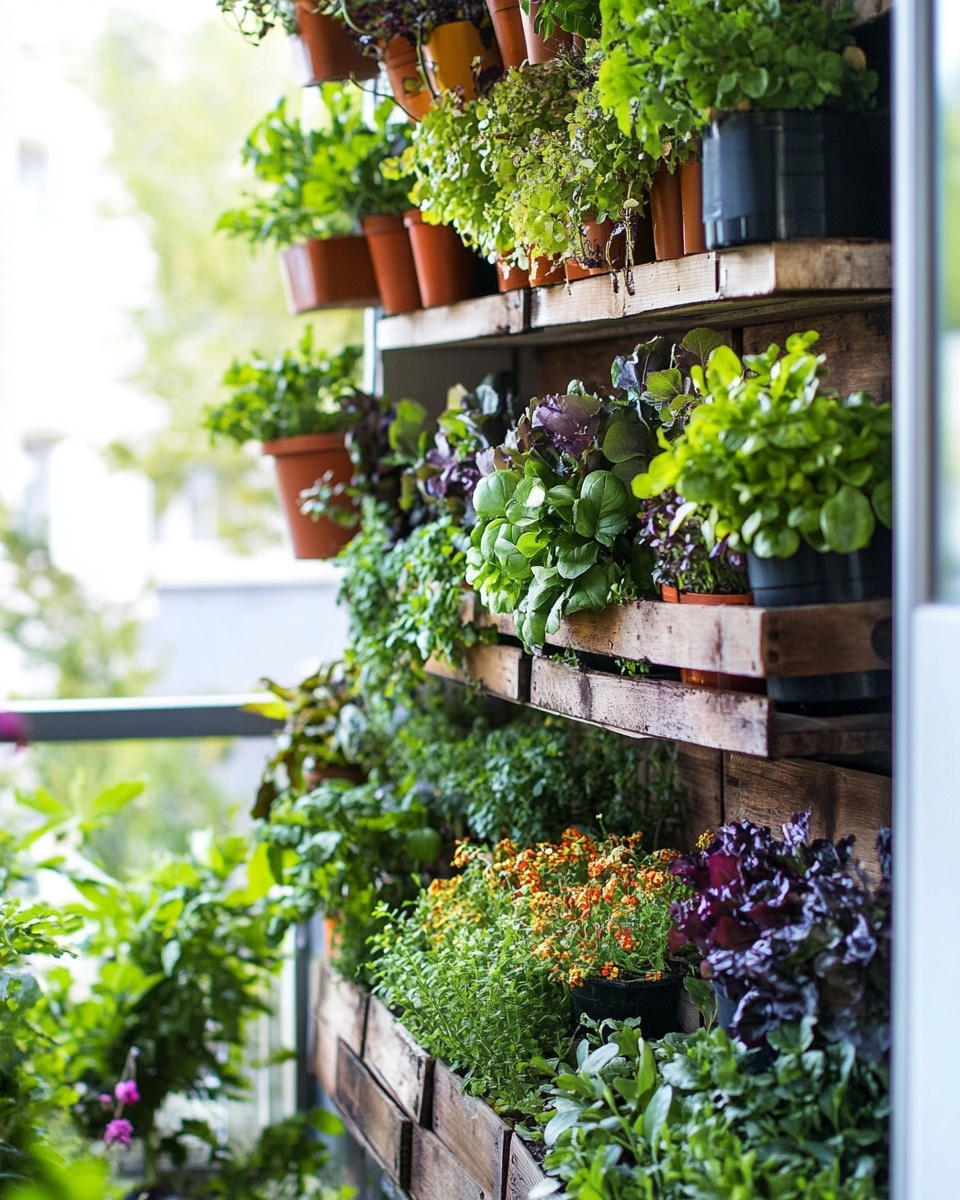
- Living Walls & Pallet Gardens: Turn a bare wall into a lush green haven. Pallets can be easily converted into multi-tiered planters for herbs, strawberries, or succulents. Consider a hanging herb wall for your kitchen, blending beauty with functionality (see "How to Make a Hanging Herb Wall").
- Edible Landscaping: Integrate beautiful edibles directly into your ornamental plantings. Swiss chard with its vibrant stems, leafy greens in attractive containers, or compact blueberry bushes can be both productive and visually stunning.
- Lighting for Ambiance: Add solar-powered fairy lights or small lanterns to your small garden. This not only highlights your plants but also extends the usability of your outdoor space into the evening. Check out https://www.pinterest.com/janatjanay47/ for more outdoor lighting inspiration.
- Repurposed Furniture: An old bookshelf can become a tiered display for potted plants. A vintage ladder can hold hanging baskets. Let your imagination run wild!
- Miniature Water Features: Even a small fountain can introduce soothing sounds and attract beneficial insects.
- Balcony Gardens: Maximize space with hanging baskets, railing planters, and stackable pots. These are fantastic small garden ideas on a budget for urban dwellers. Dive into "Balcony Herb Garden Design Ideas" for practical tips.
Common Mistakes to Avoid
Even seasoned gardeners make mistakes. Knowing what to watch out for can save you time, money, and plant heartache.
- Overwatering: This is the most common killer of container plants. Data suggests that overwatering causes root rot in nearly 60% of plant fatalities. Always check the soil moisture before watering. Soggy soil deprives roots of oxygen.
- Underestimating Drainage: Good drainage is non-negotiable. Pots without drainage holes become death traps. If using a saucer, don't let pots sit in standing water for extended periods.
- Neglecting Sunlight Requirements: Planting sun-loving plants in shade or vice versa will lead to disappointing results. Plants need adequate light to photosynthesize. Track your sun exposure for at least one full day.
- Using Garden Soil in Pots: Garden soil is heavy, compacts easily, and doesn't drain well in pots, leading to root suffocation. Always use a proper potting mix.
- Ignoring Plant Sizes: A small plant might look cute now, but if it's a large variety, it will quickly outgrow its container and crowd its neighbors. Choose compact varieties specifically for small spaces.
- Forgetting to Fertilize: Container plants are heavy feeders. Unlike in-ground gardens, their nutrient supply is limited to the potting mix. Regular, diluted fertilization is key to sustained growth.
- Planting Too Deep or Too Shallow: Ensure the plant's root crown (where stems meet roots) is level with the soil. Planting too deep can cause stem rot, too shallow can dry out roots.
Maintenance & Storage Tips
Long-term success in your small garden requires ongoing attention and seasonal adjustments.
- Long-Term Plant Health: Regularly inspect for leaves changing color. Yellowing leaves can indicate overwatering, nutrient deficiency, or pest issues. Brown, crispy leaves usually mean underwatering. Address issues promptly. Prune regularly to remove dead or diseased foliage.
- Seasonal Rotation: As seasons change, some plants may fare better indoors or in different light conditions. Move tender plants indoors before the first frost. For annuals, prepare to replant with seasonal varieties.
- Soil Rejuvenation: For perennial plants in pots, consider repotting every 1-2 years with fresh potting mix. This replenishes nutrients and prevents soil compaction. For annuals, always start with fresh potting mix each season.
- Seed Storage: If you're saving seeds for next year, store them in cool, dry, dark conditions in an airtight container. Properly stored seeds can remain viable for several years, a smart way to implement small garden ideas on a budget year after year.
- Tool Care: Clean and sharpen your gardening tools after each use. A dull tool can damage plants. Store them in a dry place to prevent rust.
- Winterizing (if applicable): For regions with cold winters, bring tender potted plants indoors. For dormant plants in outdoor containers, insulate pots or move them to a sheltered location to protect roots from freezing.
Conclusion
Creating a vibrant and productive garden, regardless of size, is an incredibly rewarding endeavor. We've shown that with a thoughtful approach, even the most compact spaces can flourish, proving that fantastic small garden ideas on a budget are not just attainable but incredibly satisfying. By embracing smart design, sustainable practices, and consistent care, your limited outdoor area can become a personal sanctuary, a source of fresh produce, and a beautiful extension of your home. Don’t let space constraints dim your green thumb dreams.
Now, it's your turn to unleash your inner gardener! Pick one idea from this guide, grab your trowel, and start planting. We'd love to see your creations—share your small garden triumphs with us on social media! And if you're looking for more inspiration, delve into our other guides for specific plant types and gardening setups.
FAQ
Q1: How do I choose the best plants for a tiny balcony?
A1: Focus on compact, determinant varieties of vegetables (e.g., bush tomatoes, patio cucumbers), herbs that grow well in smaller pots (basil, thyme, mint), and flowers like petunias or nasturtiums that trail or have a compact growth habit. Vertical growing is your secret weapon for small garden ideas on a budget.
Q2: What's the most budget-friendly way to get started with a small garden?
A2: Start with seeds instead of seedlings, repurpose containers (think old buckets, tires, or wooden crates), make your own compost for free fertilizer, and seek out local plant swaps for free cuttings or divisions. DIY vertical planters from pallets are also great.
Q3: My plants constantly wilt. Am I overwatering or underwatering?
A3: This is a common dilemma. Stick your finger 1-2 inches into the soil. If it feels dry, you're likely underwatering. If it's soggy, overwatering. Wilting can be a symptom of both. Always check soil moisture before watering to prevent stressing your plants.
Q4: Can I grow vegetables in a small apartment without a balcony?
A4: Absolutely! Many leafy greens (lettuce, spinach), herbs (mint, chives, basil), and even some dwarf pepper plants thrive indoors near a sunny window or under grow lights. Consider a vertical indoor garden for maximum space utilization. For more tips, explore "Easy Indoor Gardening Setup for Beginners".
Q5: How can I protect my small garden from pests organically?
A5: Regular inspection is key. Use organic solutions like insecticidal soap, neem oil, or a strong spray of water. Plant companion plants that naturally deter pests (e.g., marigolds to repel nematodes, basil near tomatoes). Encourage beneficial insects by planting flowers like dill or cilantro.
Q6: What’s the best soil mix for container gardening?
A6: A high-quality, lightweight potting mix is essential. It provides good drainage, aeration, and nutrient retention. Avoid heavy garden soil in pots. You can enrich commercial potting mix with compost for an extra boost.
Q7: How often should I fertilize my potted plants?
A7: Potted plants exhaust soil nutrients quicker. Generally, fertilize every 2-4 weeks during the growing season with a diluted liquid organic fertilizer. Always follow the product's instructions to avoid fertilizer burn.
More Gardening Inspiration for You:
- Discover the Easiest Herbs for Small Spaces: Want to grow your own aromatic herbs but have limited room? Check out our guide on "Herbs That Grow Well in Small Spaces" for some wonderful choices.
- Greenhouse Gardening for Beginners: If you're looking to extend your growing season or experiment with more delicate plants, our "Beginners Guide to Greenhouse Gardening" offers a fantastic starting point.
- Start Your Veggie Patch Right: Ready to grow your own food? Our detailed walkthrough on "How to Start a Vegetable Garden from Scratch" covers everything you need to know, even for small plots.