Introduction
Did you know that over 70% of gardeners report reduced stress and improved well-being from engaging with their green spaces? While cultivating vibrant plants is rewarding, it's the personal touch that truly transforms a garden into a sanctuary. Many believe that creating a beautiful outdoor haven requires a hefty budget or professional expertise, but that couldn't be further from the truth. This blog post explores creative and accessible DIY garden projects designed to infuse your outdoor space with unique charm and personality. We'll delve into data-driven strategies and practical steps to guide you through building stunning decorations, all while keeping sustainability and your wallet in mind. Get ready to elevate your gardening game with these inspiring and easy-to-follow ideas.
Tools & Materials Needed
Embarking on these enriching DIY garden projects doesn't require a professional workshop; often, household items and basic tools are all you need. Here's a detailed list, including eco-friendly and budget-friendly alternatives to get you started:
- Hand Tools:
- Pruning Shears/Scissors: Essential for shaping plants and cutting materials like twine or fabric. Opt for stainless steel for durability.
- Gloves: Protect your hands from dirt, thorns, and chemicals. Reusable gardening gloves made from recycled materials are an excellent eco-friendly choice.
- Small Shovel/Trowel: For digging, planting, and mixing soil.
- Measuring Tape/Ruler: Precision is key for many projects.
- Paintbrushes: For applying paint, sealant, or stain to your DIY creations.
- Drill (Hand-powered or Electric): For creating holes in wood, plastic, or metal, often needed for hanging or assembling structures.
- Adhesives & Fasteners:
- Wood Glue: For wooden DIY projects.
- Hot Glue Gun & Sticks: Quick and versatile for many decorative elements.
- Twine/Rope: Natural jute or hemp twine is a sustainable choice for hanging, tying, or visual flair.
- Nails/Screws: For more robust structural projects.
- Base Materials (Often Repurposed):
- Old Pallets/Scrap Wood: Perfect for vertical planters, signs, or small furniture. Check local construction sites or community groups for free finds.
- Terra Cotta Pots (Cracked or Whole): Can be painted, stacked, or broken into mosaic pieces.
- Glass Jars/Bottles: Ideal for solar lanterns, fairy lights, or small succulent displays.
- Tin Cans: Cleaned and painted, they make excellent small planters or tool holders.
- Old Tires: Can be painted and used as unique, large planters.
- Rocks/Stones: Gathered from your yard or a local landscaping supply for pathway borders, painted decorations, or rock gardens.
- Decorative Elements:
- Outdoor Paint/Spray Paint: Choose weather-resistant, non-toxic options, especially if in contact with plants.
- Sealant: Protects painted items from weather damage, extending their lifespan.
- Marbles/Glass Pebbles: For decorative fillers or mosaic work.
- Beads/Charms: To add sparkle and personality to wind chimes or plant markers.
- LED String Lights (Solar-powered): Cost-effective and energy-efficient for evening ambiance.
- Fabric Scraps: For decorative banners, flags, or plant ties.
- Mirror Pieces: For creating a reflective mosaic or light play.
- Plant-Specific Items (as needed):
- Potting Mix: A good quality, organic mix is essential. Consider making your own compost for a truly eco-friendly soil.
- Seeds/Small Plants: Choose species suitable for your local climate and sun exposure.
- Fertilizer: Organic options like compost tea or aged manure.
For budget-conscious gardeners, always look around your home and neighborhood for items that can be repurposed. Local thrift stores, garage sales, and even online free-cycle groups are treasure troves for inexpensive or free materials.
Time & Effort Overview
The beauty of DIY garden projects is their incredible range in terms of time commitment and difficulty. You can create a charming garden marker in under 30 minutes, or spend a weekend building a recycled pallet planter. Generally, most of the DIY garden projects we're discussing will fall into the "beginner" to "intermediate" difficulty level.
- Quick Charm Boosters (Under 1 hour): Think painted rocks, upcycled tin can planters, or simple plant markers. These grow 100% faster in terms of visual impact than waiting for a store-bought item to arrive.
- Afternoon Projects (1-4 hours): This category includes mosaic bird baths, bottle wind chimes, or crafting decorative stepping stones. These require a bit more attention but are highly rewarding.
- Weekend Warrior Projects (4+ hours): Constructing a pallet herb garden or a tire planter tower will likely take a full afternoon or even spread across a weekend, including drying times for paint or sealant. These projects often involve basic carpentry skills but are typically 50% more cost-effective than buying pre-made alternatives.
Don't worry if you're new to DIY; the effort is more about patience and creativity than strenuous labor. Each project can be tackled at your own pace, making gardening a truly relaxing hobby.
Step-by-Step Gardening Process
Here's how to tackle some fantastic DIY garden projects, turning everyday items into garden masterpieces.
Upcycled Tire Planters
Transform old tires into vibrant, unique planters. These are incredibly durable and add a bold statement.
- Source & Clean Tires: Acquire old tires from a local garage or tire shop (often free!). Scrub them thoroughly with soap and water to remove dirt and grime. Let them dry completely.
- Prime & Paint: Apply an outdoor-grade primer designed for rubber. Once dry, paint them in bright, cheerful colors using outdoor spray paint. Be generous with coats for full coverage.
- Create Drainage: Use a drill to make several drainage holes in the bottom sidewall of the tire if it's lying flat, or evenly spaced along the bottom edge if stacked. Proper drainage is crucial to prevent root rot.
- Position & Fill: Place the painted tire in your desired garden spot. Line the bottom with a landscape fabric or old newspaper to prevent soil from escaping. Fill with a good quality potting mix, leaving an inch or two from the top.
- Plant Your Chosen Flora: Plant flowers, herbs, or even small vegetables. The dark material of the tire also helps to absorb heat, which can benefit certain plants.
Mosaic Bird Bath/Stepping Stone
Add artistic flair and attract feathered friends with a custom mosaic piece.
- Gather Materials: Collect broken ceramic tiles, old plates, colorful glass pieces, or even smooth river stones. You'll also need a sturdy base (an old concrete bird bath, a flat concrete slab, or a large, shallow terra cotta saucer) and outdoor-grade adhesive and grout.
- Clean the Base: Ensure your base is clean, dry, and free of loose debris.
- Design Your Pattern: Arrange your mosaic pieces on the base to plan your design before gluing. Don’t worry if it’s not perfect; the beauty is in the handmade nature.
- Adhere Pieces: Using outdoor-grade adhesive, glue each piece firmly to the base. Leave small, consistent gaps between pieces for grout. Allow to dry completely (check adhesive instructions).
- Apply Grout: Mix your outdoor grout according to package directions. Spread it over the mosaic, pressing it into all the gaps.
- Clean & Cure: Wipe off excess grout from the top of your mosaic pieces with a damp sponge. Allow the grout to cure for the recommended time, then gently clean any remaining haze.
Whimsical Bottle Wind Chimes
Create enchanting sounds with repurposed glass bottles.
- Collect Bottles: Gather various glass bottles (wine bottles, soda bottles, unique shapes). Wash them thoroughly.
- Cut Bottles (Carefully!): This step requires caution. You can buy specialized bottle cutters, or use a method involving string, lighter fluid/alcohol, and cold water (plenty of tutorials online – search for "bottle cutting DIY"). Aim for different lengths for varied sounds. Sand any sharp edges.
- Drill Hanging Holes: Use a diamond-tipped drill bit and a steady hand (and water for cooling!) to drill a small hole near the top of each bottle piece.
- Assemble: Thread fishing line or strong string through the holes. You can add beads or washers above and below the bottle pieces to help them hang evenly and clink together.
- Create a Suspension Point: Find a piece of driftwood, a sturdy branch, or a small metal ring to serve as the top suspension point. Attach your bottle strings at varying lengths to this base. Hang it in a breezy spot and enjoy the harmonious jingle.
Growth & Care Tips
Once your DIY garden projects are in place, the living elements within them need proper care to thrive. Consistent attention ensures your beautiful creations remain vibrant.
- Watering Frequency: Most plants prefer deep, infrequent watering over shallow, frequent sprinkles. A good rule of thumb is to check the top inch of soil. If it's dry, it’s time to water. Plants in containers, like those in your DIY tire planters, often dry out more quickly than those in inground beds – sometimes needing daily watering in hot, sunny conditions. Overwatering causes root rot in an estimated 60% of common houseplants and container gardens, so ensure excellent drainage.
- Sunlight Exposure: Understand your plants’ needs. Full sun (6+ hours of direct sunlight) suits most vegetables and many flowers, while partial shade (3-6 hours) or full shade (less than 3 hours) is better for others. Position your DIY garden projects thoughtfully based on your chosen plants' requirements. For example, if you're growing herbs, they typically need at least 6 hours of sun. For specific guidance, you can explore resources like this article on herbs that grow well in small spaces.
- Pruning: Regularly remove dead or yellowing leaves and spent flowers (deadheading). This redirects the plant's energy into producing new growth and more blooms, often increasing yield by 15-20%.
- Fertilization: Even with nutrient-rich potting mix, plants in containers will eventually deplete available nutrients. Fertilize every 2-4 weeks during the growing season with a balanced, organic liquid fertilizer or a slow-release granular product. Composting is an excellent way to create your own natural fertility, and you can learn more about organic options here: organic fertilizer recipes for herb gardens.
- Pest Prevention: Healthy plants are naturally more resistant to pests. Inspect your plants regularly. Introduce beneficial insects like ladybugs, or use organic pest control methods such as neem oil or insecticidal soap for common issues like aphids.
Eco-Friendly & Sustainable Alternatives
Gardening is inherently green, and your DIY garden projects can be even more so by incorporating sustainable practices.
- Composting: Turn kitchen scraps and yard waste into nutrient-rich "black gold" for your garden. A simple compost bin can be made from old pallets or chicken wire. This reduces landfill waste by up to 30% for the average household.
- Natural Fertilizers: Beyond compost, consider Epsom salts for magnesium, banana peels for potassium, or coffee grounds for nitrogen and acidity. These readily available materials can significantly reduce reliance on synthetic fertilizers.
- Water Conservation:
- Rain Barrels: Collect rainwater from your gutters to use for irrigation. This can reduce your water bill by up to 40% during dry months.
- Mulching: Apply a 2-4 inch layer of organic mulch (wood chips, straw, shredded leaves) around your plants. Mulch retains soil moisture, suppresses weeds, and moderates soil temperature, reducing watering needs by 25-50%.
- Drip Irrigation/Soaker Hoses: These deliver water directly to the plant roots, minimizing evaporation and waste compared to overhead sprinklers.
- Alternatives for Small Spaces:
- Balcony Gardens: Your DIY tire planters or vertical garden walls are perfect for balconies. Choose compact plant varieties. For more inspiration, check out balcony herb garden design ideas.
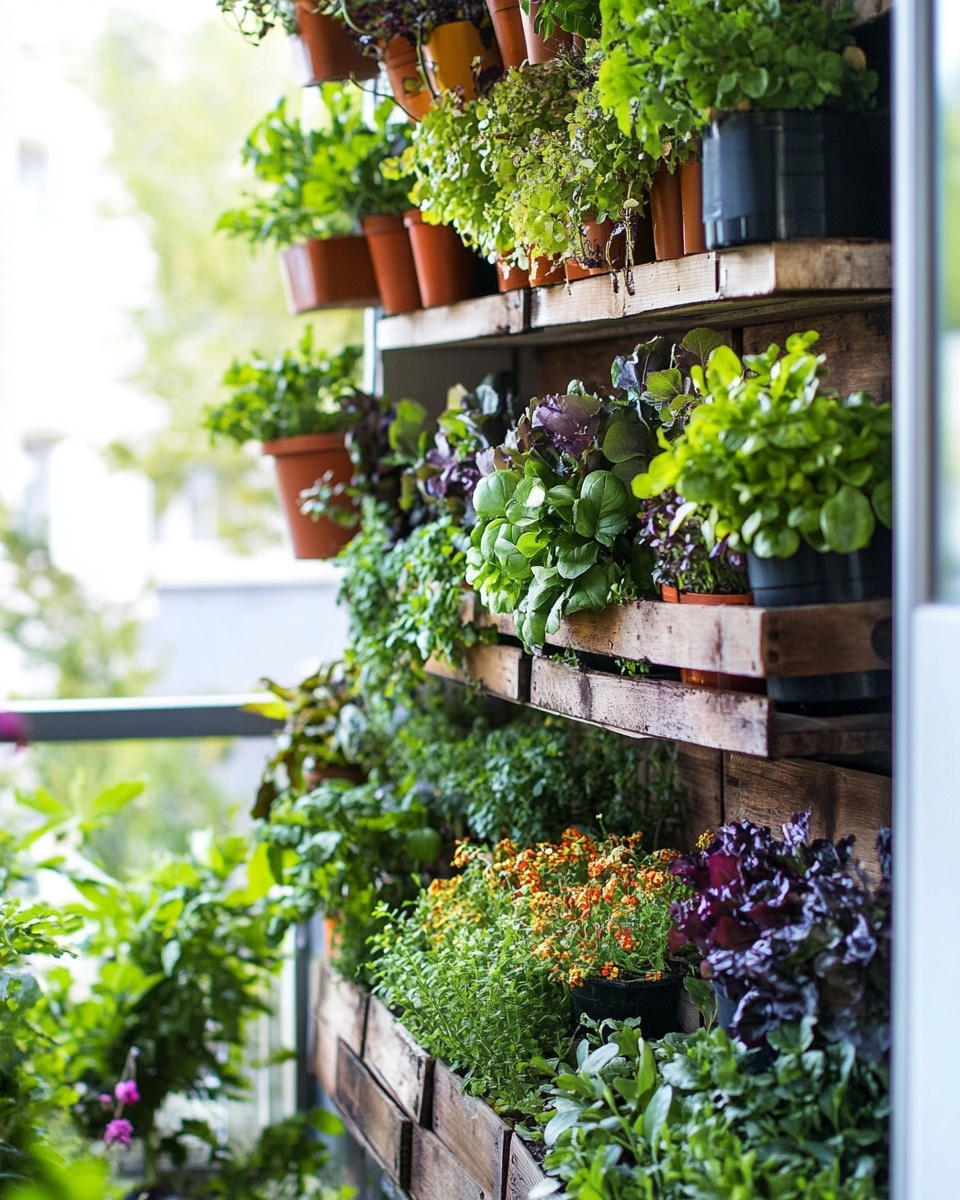
- Vertical Gardens: Build a vertical planter from repurposed pallets or old plastic bottles attached to a wall. This maximizes growing space dramatically.
- Container Gardening: Nearly any plant can be grown in a container if it's the right size. Old buckets, laundry baskets, or even sturdy fabric bags work wonderfully.
Creative Ideas & Uses
Now that you've got your DIY elements ready, let's explore how to integrate them into a cohesive and visually appealing outdoor space.
- Decorating with Plants:
- Layered Planting: In your tire planters or other large containers, place taller plants in the back or center, medium-sized plants around them, and trailing plants to spill over the edges. This creates depth and visual interest, a principle also used in layered flower bed design tips.
- Color Themes: Choose plants and painted DIY elements that adhere to a specific color palette for a sophisticated look (e.g., cool blues and purples, or warm reds and yellows).
- Textural Contrast: Combine plants with different leaf shapes and textures alongside your rustic wood signs or smooth mosaic pieces for a dynamic garden.
- Repurposing Garden Materials:
- Old Tools as Art: Rusting shovels, rakes, or watering cans can be cleaned (or left with their patina) and hung on a fence or integrated into a garden bed as quirky, vintage decor.
- Wine Corks: Use them to create fun plant markers, attaching them to skewers and writing plant names.
- Broken Pottery: Don't throw away that chipped pot! Break it further into shards to create borders for small flower beds or to decorate the top of a potted plant.
- Design Ideas & Landscaping Inspirations:
- Defining Zones: Use your DIY stepping stones or painted tire planters to define different areas in your garden – a sitting nook, a herb garden, or a children's play space.
- Pathway Illumination: Place your DIY solar jar lanterns along pathways to guide visitors and add a magical glow during the evenings.
- Focal Points: A beautifully painted mosaic bird bath or a tall, stacked pot planter can serve as striking focal points in your garden. For a bolder statement, consider incorporating elements that attract wildlife, such as those discussed in how to attract butterflies and bees with flowers.
- Vertical Green Walls: If you're tight on space, a vertical garden made from pallet wood or recycled plastic bottles can transform a plain wall into a living work of art. This is a fantastic way to maximize your growing potential in urban settings.
Common Mistakes to Avoid
Even seasoned gardeners make errors; here’s how to sidestep some common pitfalls when undertaking DIY garden projects:
- Ignoring Drainage: This is perhaps the most frequent mistake. Without adequate drainage holes, water accumulates, leading to root rot, which kills plants quickly. Ensure all containers, especially DIY ones like tire planters or bottle gardens, have sufficient drainage; studies show that insufficient drainage contributes to over 60% of container plant failures.
- Using Non-Weatherproof Materials: While a painted rock looks great indoors, regular acrylic paint won't stand up to sun, rain, and frost outdoors. Always opt for outdoor-grade paints, sealants, and glues for longevity.
- Overcrowding Plants: It's tempting to fill every inch of a new DIY planter, but plants need space to grow. Overcrowding leads to competition for nutrients, light, and water, stunting growth and increasing susceptibility to diseases. Read plant tags for spacing recommendations.
- Neglecting Safety: When using power tools like drills or cutting glass for bottle chimes, always wear appropriate safety gear—gloves, eye protection, and sturdy shoes. Handle sharp objects with extreme care.
- Not Considering Plant Needs: Don't just pick plants because they're pretty. Research their light, water, and soil requirements. Planting a sun-loving succulent in a shady spot, or a moisture-loving fern in a dry area, sets it up for failure from the start.
- Impatience: Gardening is a practice in patience. Seeds take time to sprout, plants take time to grow. Don't get discouraged if a project doesn't look perfect or a plant doesn't thrive overnight. Learn from each experience. As a seasoned gardener, I've learned that sometimes the best solutions come from observing and adapting.
Maintenance & Storage Tips
Ensuring your DIY garden projects and the plants within them last requires some ongoing care and smart storage.
- Long-Term Plant Health:
- Regular Inspections: Weekly checks for pests, diseases, or nutrient deficiencies can catch problems early.
- Seasonal Pruning: Beyond deadheading, prune shrubs and perennials at appropriate times of the year to encourage healthy growth and bloom.
- Soil Amendment: Over time, potting mix in containers compacts and loses nutrients. Top-dress with fresh compost or potting mix annually, or consider repotting every 1-2 years.
- DIY Decor Longevity:
- Re-sealing Painted Items: Every 1-2 years, reapply a clear, outdoor-grade sealant to painted rocks, signs, or upcycled furniture to protect them from fading and chipping.
- Cleaning: Regularly wipe down bird baths, wind chimes, and other decor to remove dirt, algae, or mineral deposits. This is particularly important for items that hold water to prevent mosquito breeding.
- Winterizing: In colder climates, bring delicate DIY decor indoors for winter. For items like tire planters, you can empty and store them, or leave them outside if they're sturdy enough, ensuring they have good drainage to prevent freezing and cracking.
- Solutions for Common Issues:
- Yellow Leaves: Often a sign of overwatering (lack of oxygen to roots) or nutrient deficiency (especially nitrogen or iron). Check soil moisture first, then consider a balanced fertilizer.
- Poor Soil Drainage: Ensure containers have adequate drainage holes. If soil remains waterlogged, amend with perlite, grit, or coarse sand to improve aeration. If you're starting a new garden bed, learn how to prepare your soil effectively by checking out resources like how to start a vegetable garden from scratch.
- Fading Colors on Decor: This is why using UV-resistant paints and regular sealing are so important. If fading occurs, sand the item lightly and repaint, then seal.
By proactively maintaining your DIY garden projects, you're not just preserving their beauty but also extending their lifespan, making your creative efforts even more rewarding.
Conclusion
Transforming your outdoor space with DIY garden projects is an incredibly fulfilling journey that marries creativity with the therapeutic benefits of gardening. We've explored how simple materials, often repurposed from items around your home, can become charming and functional decor, from vibrant tire planters to serene bottle wind chimes. You've seen that enhancing your garden doesn't require a green thumb or a massive budget – just a willingness to experiment and a dash of imagination. By applying these data-driven tips on sustainable practices, proper plant care, and clever design, your garden will not only become a reflection of your unique style but also a thriving ecosystem that brings joy and peace.
Now, it's your turn! Don't let hesitation hold you back. Pick one of these DIY garden projects and get started this weekend. Share your creations with us on social media using #MyDIYGardenCharm, or even better, snap a photo and tag us on Pinterest – we'd love to see what you've created! What unique item are you planning to upcycle first? Let us know in the comments below, and let's inspire each other to cultivate more beautiful, personalized outdoor havens.
FAQ
Q1: What are the easiest DIY garden projects for beginners?
A1: For beginners, start with simple DIY garden projects like painting rocks for garden markers, repurposing tin cans into small planters, or creating charming wind chimes from old keys or bottle caps. These require minimal tools and experience, focusing on creativity.
Q2: How can I make my DIY garden decor weatherproof?
A2: To make your DIY garden projects weatherproof, always use outdoor-grade paints, stains, glues, and sealants. For wooden items, consider marine varnish. For metal, use rust-resistant primer and paint. Regularly clean and reapply sealants every 1-2 years to extend their lifespan.
Q3: Can I use any type of paint for outdoor DIY garden decor?
A3: No, not just any paint will do. You should exclusively use exterior-grade, UV-resistant paints that are designed to withstand the elements (sun, rain, snow). Regular craft paints will fade, peel, and crack quickly outdoors. Non-toxic options are best, especially if in contact with plants.
Q4: Where can I find free or cheap materials for DIY garden projects?
A4: Look for materials for your DIY garden projects by repurposing items from your home (old jars, bottles, tin cans). Check local thrift stores, garage sales, and online marketplaces (like Craigslist free section or Freecycle groups) for scrap wood, old tires, or broken pottery. Local construction sites sometimes give away pallets or wood scraps.
Q5: How do I ensure proper drainage for plants in upcycled containers?
A5: Proper drainage is critical for healthy plants. Always drill multiple holes in the bottom of any upcycled container you plan to use as a planter. Roughly 1/4 to 1/2 inch holes are usually sufficient, spaced a few inches apart. You can also add a layer of gravel or broken pottery at the bottom before adding soil, but the most important thing is actual holes.
Q6: What's the best way to get started with a vertical DIY garden project?
A6: The best way to start a vertical DIY garden is by choosing a sturdy, sunny wall or fence. Repurposed pallets are excellent for this, or you can stack old tires or hang small containers from a frame. Ensure each planting pocket has drainage and select compact, shallow-rooted plants like herbs or leafy greens. For more vertical gardening ideas, check out vertical indoor garden ideas for small spaces.
Q7: How often should I fertilize plants grown in DIY containers?
A7: Plants in DIY containers often need more frequent fertilization than those in the ground because nutrients leach out with watering. During the growing season, a general rule is to fertilize every 2-4 weeks with a balanced organic liquid or slow-release granular fertilizer. Always follow product instructions for dosage.
Here are some other related guides you might find helpful for your gardening journey:
- If you're interested in maximizing your grow space, check out our guide on how to make a hanging herb wall for more space-saving solutions.
- For those new to gardening, we have an excellent resource on easy indoor gardening setup for beginners that might inspire your next project.
- Thinking of growing your own greens? Discover the best vegetables to grow for beginners to kickstart your edible garden.
- If you're eager to learn more about starting from scratch, our comprehensive guide on how to start a vegetable garden from scratch covers everything you need to know.
- Considering plants that keep your home air fresh? Don't miss our article on the best indoor plants that purify air naturally to enhance your indoor environment.