Introduction
Have you ever considered how profoundly the right lighting can transform your outdoor living spaces, increasing their usability and aesthetic appeal by up to 50% after dusk? Many homeowners invest heavily in their gardens and patios, only to find them disappear into the shadows once the sun sets. Effective garden lighting & night decor isn't just about illuminating pathways; it's about painting your landscape with light, sculpting shadows, and creating an inviting ambiance that extends your enjoyment long after twilight. In fact, well-planned outdoor lights can increase home value by 10-20% and deter potential intruders by enhancing visibility. This guide will walk you through innovative, effortless, yet stylish ideas to make your outdoor areas shine.
Tools & Materials Needed
Transforming your garden with captivating garden lighting & night decor doesn't require an arsenal of complex equipment. Here’s a detailed list with an eye towards eco-friendly and budget-conscious choices:
- Solar-Powered Lights: Pathway lights, spotlights, string lights, and decorative lanterns. These are incredibly eco-friendly, requiring no wiring and harnessing the sun's energy.
- Low-Voltage LED Lighting Kits: For a more permanent and powerful solution. Look for kits that include a transformer, cables, and various fixtures (spotlights, path lights, deck lights). LEDs are energy-efficient, using up to 80% less energy than traditional bulbs.
- Outdoor-Rated Extension Cords & Timers: Essential for electrical lights. Consider smart timers for automated control and energy saving.
- Shovel or Trowel: For digging small trenches for low-voltage cables if you opt for wired systems.
- Wire Strippers & Connectors: For safely installing low-voltage connections.
- Zip Ties or Garden Clips: For securing string lights or cables discreetly.
- Measuring Tape: To plan your layout effectively.
- Gloves & Safety Glasses: Always prioritize safety during installation.
- Recycled Glass Jars & Solar Tea Lights: A fantastic budget-friendly and DIY option for charming ambient lighting.
- Natural Materials: Pebbles, small rocks, or wood chips to cover and protect buried cables.
For temporary or flexible solutions, rechargeable battery-operated lanterns or even glow-in-the-dark pebbles can add whimsy without the need for electricity.
Time & Effort Overview
Installing your new garden lighting & night decor can range from a quick weekend project to a more involved multi-day endeavor, depending on the complexity and type of system you choose.
- Solar Lights: Generally, a few hours to a full day for placement and initial setup. Installation is typically 60% faster than wired systems. Difficulty: Beginner.
- DIY String Lights/Lanterns: 2-4 hours, often quicker if you have existing power outlets. Difficulty: Beginner to Intermediate.
- Low-Voltage LED Systems: This is an intermediate-level project, usually taking 1-2 days. Planning and trenching are the most time-consuming aspects. It requires moderate physical effort but offers superior results and longevity.
- Advanced Smart Lighting Systems: Expect 2-3 days for installation and setup, particularly if integrating with home automation. Difficulty: Intermediate to Advanced.
Compared to building a new garden bed, which can take weeks, most lighting projects are relatively swift, allowing for immediate enjoyment. Ongoing maintenance is minimal, especially for solar and LED setups, requiring just occasional cleaning.
Step-by-Step Gardening Process
Let's illuminate your garden! Follow these steps for dazzling garden lighting & night decor.
Step 1: Envision Your Outdoor Oasis
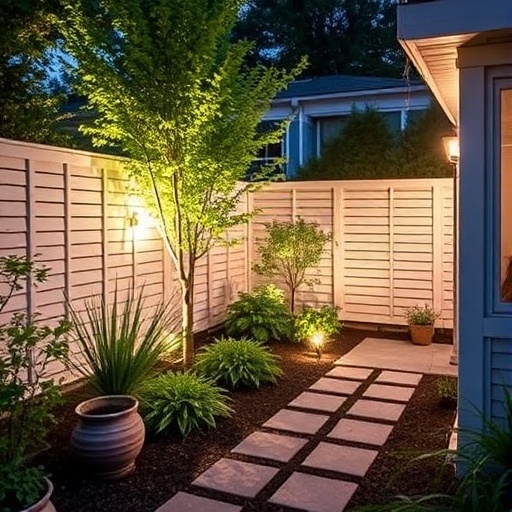
Begin by surveying your outdoor space after dark with a flashlight. Identify key features you want to highlight: a stately tree, a beautiful fountain, a seating area, or a winding path. Think about areas you use most often. Don’t worry if your initial ideas seem grand; we’ll scale them. Use a simple sketch to map out your desired light zones. This planning phase significantly reduces installation time by avoiding repositioning mistakes, saving up to 30% of your effort later.
Step 2: Choose Your Lighting Type
Based on your vision and budget, decide between solar, low-voltage, or a mix of both. Solar lights are fantastic for ambient lighting and quick installation, providing a soft glow. Low-voltage lights offer more powerful illumination and precise control, ideal for feature highlighting and pathway lighting. For example, use solar path lights along walkways and low-voltage spotlights for dramatic tree uplighting.
Step 3: Gather Materials and Pre-Assemble
Once you've chosen your lights, purchase all necessary components. For low-voltage systems, lay out your transformer, cables, and fixtures. If using solar lights, unbox them and let them charge in direct sunlight for at least 8 hours before placement. Pre-assembling components indoors will make outdoor installation much smoother.
Step 4: Lay Out and Test (Temporary Placement)
Before any permanent installation, temporarily place your lights according to your plan. For low-voltage, simply lay the cables on the ground and position the fixtures. For solar lights, push stakes into the desired locations. Test everything at dusk. This crucial step allows you to adjust angles, brightness, and coverage. You might find a light positioned for a tree looks better illuminating a shrub. Experiment!
Step 5: Secure Permanent Installation
For solar lights, firmly push stakes into the ground. For string lights, use zip ties or outdoor-rated clips to attach them to pergolas, fences, or tree branches. For low-voltage systems:
- Trenching: Dig shallow trenches (2-6 inches deep) along your planned routes for the low-voltage cables. Don’t worry if they’re not perfectly straight; you can adjust them.
- Wiring: Connect your lights to the main cable using specified connectors. Ensure all connections are secure and weatherproof.
- Burying Cables: Carefully place cables in the trenches and cover them with soil, mulch, or decorative pebbles. This protects cables from damage and creates a polished look.
Step 6: Fine-Tune and Enjoy
Once everything is installed, wait for nightfall and make final adjustments to light angles. Ensure consistent light throw and intensity. If you have smart lighting, configure schedules and scenes via your app. Take a moment to walk through your newly lit garden. This is the reward!
Growth & Care Tips
While we're not growing plants here, maintaining your garden lighting & night decor ensures its longevity and performance.
- Regular Cleaning: Dust and debris can reduce light output by up to 20% over time. Wipe down solar panels and light fixtures quarterly with a damp cloth to maximize efficiency.
- Battery Check: For solar lights, batteries typically last 1-2 years. If lights dim significantly or stop working, it's often a sign to replace the rechargeable batteries.
- Cable Protection: If you have buried low-voltage cables, periodically check for any exposed sections, especially after heavy rain or gardening activities. Exposed cables can be a tripping hazard and are susceptible to damage.
- Fixture Adjustment: As plants grow, they can obstruct light. Regularly adjust spotlights or pathway lights to maintain optimal illumination and prevent light pollution.
- Weather Protection: While outdoor lights are designed for weather, extreme conditions can take a toll. During heavy storms or winter freezes, consider temporarily storing delicate string lights or decorative lanterns.
A study by the Illuminating Engineering Society (IES) suggests that proper maintenance can extend the lifespan of outdoor LED fixtures by 30% or more.
Eco-Friendly & Sustainable Alternatives
Embracing sustainability in your garden lighting & night decor is not only good for the planet but can also save you money in the long run.
- Prioritize Solar Power: As mentioned, solar lights are zero-energy-cost and reduce your carbon footprint significantly. Look for models with efficient solar panels and long-lasting batteries.
- LED Technology: Always choose LED bulbs. They consume minimal energy and have an impressive lifespan, often lasting 25 times longer than incandescent bulbs, massively reducing waste.
- Upcycled & Repurposed Materials: Get creative! Turn old wine bottles into beautiful solar-powered lanterns by inserting a solar cork light. Use salvaged wood to create custom light stands. This directly reduces landfill waste.
- Motion Sensors & Timers: Install motion-sensor lights in areas for security, ensuring lights are only on when needed. Use smart timers to automatically turn off decorative lights during peak sleep hours, saving electricity.
- Dark Sky Friendly Lighting: Choose downward-facing fixtures and lower Kelvin bulbs (2700K or less) to minimize light pollution, which is beneficial for nocturnal wildlife and stargazing. The International Dark-Sky Association provides excellent resources on this.
For small spaces like balconies or urban gardens, consider compact solar string lights, wall-mounted solar lanterns, or even glow-in-the-dark paint on planters or decorative stones for a subtle, no-power glow.
Creative Ideas & Uses
Beyond basic illumination, garden lighting & night decor can elevate your outdoor aesthetic to an art form.
- Moonlight Effect: Position lights high in trees, shining downwards through the branches. This creates a soft, natural moonlit ambiance, perfect for dining areas or quiet contemplation spots.
- Silhouetting: Place lights behind a striking plant, statue, or architectural feature, aiming upwards. This casts dramatic shadows onto walls or fences, adding depth and intrigue.
- Path of Light: Don't just line your paths; create a flow. Use a mix of subtle ground lights and taller path lights to guide visitors and highlight transitional zones.
- Water Feature Illumination: Submersible lights in ponds or fountains create mesmerizing reflections and bring water features to life at night. A cool white light can highlight the crispness of water, while a warm white adds a gentle glow.
- Architectural Highlighting: Use focused spotlights to emphasize unique architectural details of your home, pergolas, or garden sheds.
- Themed Lighting: For special occasions or specific garden styles, use colored string lights or lanterns. For instance, delicate fairy lights draped over roses can create a romantic, whimsical English garden feel.
- DIY Mason Jar Lanterns: Collect different sized glass jars, add solar tea lights or small LED fairy lights (battery-operated), and hang them from branches or place them on tables for a charming, rustic touch. You could even paint them with glass paint for a personalized look.
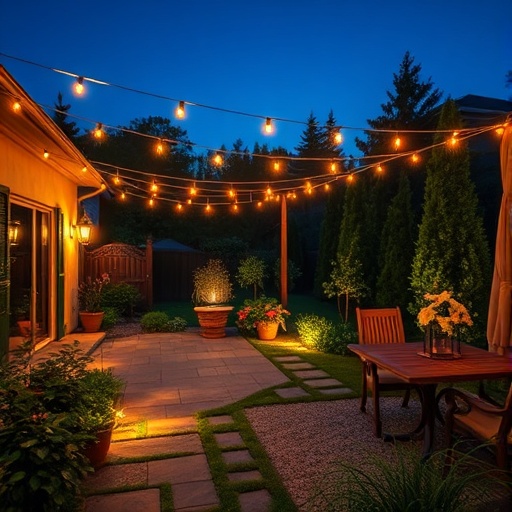
- Outdoor "Rooms": Define seating areas or fire pit zones with strategically placed string lights overhead or soft uplighting around the perimeter, transforming them into inviting outdoor "rooms."
To see more innovative and stylish inspirations, I often find creative new ideas on Pinterest, such as from this board: https://www.pinterest.com/janatjanay47/.
Common Mistakes to Avoid
Even with the best intentions, missteps in garden lighting & night decor can dampen your efforts. Here’s what to watch out for:
- Overlighting: Too much light can create a harsh, unnatural look called "runway effect," similar to a landing strip. Subtle, layered lighting is far more effective. Experts suggest that 70% of outdoor lighting designs are overdone by beginners. Focus on illuminating features, not flooding an entire area.
- "Holy Grail" Lighting: Placing a single, bright light in the middle of a large area often results in a harsh circle of light with glaring darkness beyond. Instead, use multiple, lower-wattage lights to create a more even spread.
- Ignoring Light Temperature: Different light temperatures (measured in Kelvin) evoke different moods. Cool white (4000K+) can feel stark or clinical, while warm white (2700K-3000K) creates a cozy, inviting atmosphere. Most residential landscape designers opt for warm white.
- Visible Fixtures: Great lighting should be seen, not the source. Conceal wires and camouflage fixtures among plants or under eaves to maintain a seamless, magical effect.
- Poorly Aimed Spotlights: Aiming spotlights horizontally can create glare for anyone looking at them. Angle them upwards or downwards to highlight features without blinding guests.
- Ignoring Electrical Codes: Especially for line-voltage (120V) systems, always adhere to local electrical codes. Incorrect wiring can be a serious fire hazard. Low-voltage systems are generally safer for DIY, but consult an electrician if unsure.
- Inadequate Power Supply: If using a low-voltage system, ensure your transformer has enough wattage to power all your lights. Overloading a transformer can cause premature failure. Always calculate your total wattage and add a 10-20% buffer.
Maintenance & Storage Tips
Ensuring your garden lighting & night decor stands the test of time requires a bit of ongoing care.
- Seasonal Checks: Perform a thorough inspection at the beginning of spring and end of fall. Check connections for corrosion (especially in coastal areas), re-bury any exposed cables, and clean all lenses and solar panels.
- Bulb Replacement (LEDs): While LEDs boast long lifespans, individual bulbs can still fail. Keep spare bulbs on hand for quick replacements to maintain your design continuity.
- Wiring Integrity: For low-voltage systems, gently tug on connections periodically to ensure they are still tight. Loose connections account for about 40% of intermittent outdoor lighting issues.
- Winterizing: In colder climates, consider bringing in delicate string lights or solar lights during the harshest winter months to extend their life. Store them in a dry, cool place.
- Water Drainage: Ensure that any ground-mounted fixtures have proper drainage around them to prevent water accumulation, which can lead to corrosion and electrical shorts.
- Pest Control: Insects can sometimes build nests inside fixture housings. Regular checks and cleaning can prevent this from becoming a problem.
Treat your outdoor lights like any other valuable garden element, and they'll continue to enhance your nights for years to come.
Conclusion
Transforming your outdoor space with thoughtful garden lighting & night decor is one of the most rewarding improvements you can make. It's not just about visibility; it's about extending your living area, creating ambiance, enhancing security, and highlighting the beauty you've cultivated. By following these data-driven tips and creative ideas, you can craft an effortlessly stylish nocturnal landscape that invites relaxation and admiration. From the subtle glow of solar path lights to the dramatic flair of uplighting mature trees, your garden is ripe for a luminous makeover.
Ready to bring your outdoor vision to light? Start with one area and let your creativity guide you. Experiment, adapt, and most importantly, enjoy the process! Share your illuminated garden photos with us on social media using #GardenGlowUp, or tell us your favorite lighting idea in the comments below. For more inspiring content and tips, don’t forget to explore our other guides on creating gorgeous outdoor spaces.
FAQ
Q1: What's the best type of garden lighting for beginners?
A1: For beginners, solar-powered garden lighting & night decor is usually the easiest and most forgiving. There's no wiring involved, making installation quick and safe. They're perfect for ambient lighting and defining pathways.
Q2: How can I make my outdoor lights more energy-efficient?
A2: Prioritize LED bulbs, which use up to 80% less energy than traditional lights. Also, incorporate smart timers and motion sensors into your garden lighting & night decor setup to ensure lights are only on when needed.
Q3: How deep should I bury low-voltage lighting cables?
A3: For safety and protection, low-voltage cables should typically be buried 6 to 12 inches deep, though a minimum of 2-6 inches is often acceptable in areas without heavy traffic. This helps protect them from gardening tools and wear.
Q4: Can I mix different types of outdoor lighting in my garden?
A4: Absolutely! Mixing garden lighting & night decor types, such as solar path lights with low-voltage spotlights or string lights, creates layered illumination and adds visual interest. Just ensure transformers and power sources are appropriate for each system.
Q5: My solar lights aren't as bright as they used to be. What's wrong?
A5: The most common causes are dirty solar panels (reducing charging efficiency) or old rechargeable batteries. Try cleaning the solar panel first, and if that doesn't solve it, replace the battery with a fresh, high-quality rechargeable one.
Q6: How do I choose the right light color for my garden?
A6: For a warm, inviting ambiance, opt for light temperatures between 2700K and 3000K (warm white). For a more modern or crisp look, you might go slightly higher to 3500K, but avoid very cool white lights (4000K+) unless specifically aiming for a functional, task-oriented light source.
Q7: How can I protect my outdoor lights from adverse weather?
A7: Purchase outdoor-rated fixtures and cables specifically designed to withstand the elements. In areas with harsh winters, consider temporarily storing delicate string lights indoors. Ensure connections for all your garden lighting & night decor are waterproof and sealed.
Here are some other helpful guides for creating beautiful and functional garden spaces:
- For those just starting their green journey, check out our guide on "How to Start a Vegetable Garden from Scratch" to lay the perfect foundation.
- If you're looking to grow herbs, you might enjoy our article on "Best Herbs to Grow Indoors Year-Round" for fresh flavors close at hand.
- And if you're dreaming of a vibrant display of color, don't miss our tips for "Easy Flowers to Grow for Beginners".
- Considering a more comprehensive approach to plant care? Our "Organic Fertilizer Recipes for Herb Gardens" offers sustainable feeding solutions.
- For maximizing vertical space, especially if you're keen on expanding your garden, take a look at "Vertical Indoor Garden Ideas for Small Spaces" which can spark inspiration for both indoor and outdoor applications.