Introduction
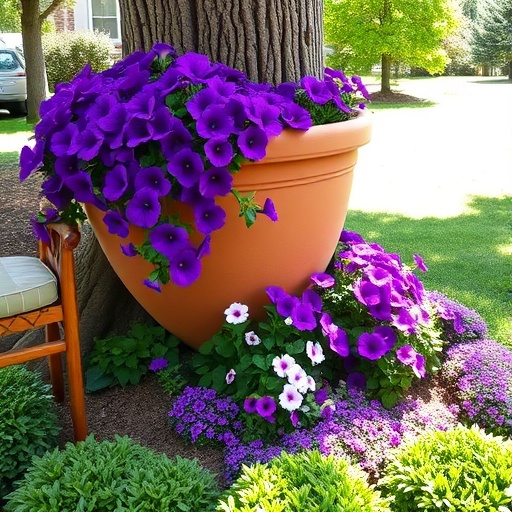
Have you ever looked at the base of a majestic tree in your yard and wondered if it could be transformed into something more than just a patch of grass or barren mulch? Did you know that an estimated 70% of homeowners overlook the aesthetic potential of tree bases, missing out on prime opportunities for stunning landscape additions? This is where creative garden ideas come into play. Instead of leaving these spaces uninspired, imagine a vibrant "spill pot" display, overflowing with breathtaking purple flowers, creating a truly unique focal point. This visually captivating technique not only enhances your tree's natural beauty but also adds significant curb appeal, turning an ordinary outdoor space into an extraordinary garden wonderland. Get ready to learn how to craft a truly genius garden idea that will make your tree base a conversation starter!
Tools & Materials Needed
To bring this spill pot masterpiece to life, you'll need the right arsenal of tools and materials. Choosing quality items makes all the difference in the longevity and vibrancy of your planting.
- Large, decorative pot (the "spill pot"): Look for one with a wide opening, ideally 18-24 inches in diameter, that will become the source of your flower "spill." Material can be terracotta, ceramic, or even a reclaimed galvanized tub for a rustic look.
- Eco-Friendly Alternative: Repurpose an old barrel cut in half or a large vintage metal bucket. Ensure adequate drainage.
- Smaller, sturdy pot or decorative stone: This will act as the support structure to tilt your spill pot. A 6-8 inch sturdy plastic pot works well and keeps costs down.
- Potting Mix: A high-quality, well-draining potting mix is crucial. Look for one specifically designed for flowering plants, often enriched with slow-release fertilizer. You’ll need approximately 1.5-2 cubic feet (around 40-50 liters).
- Purple Flowering Plants: This is where the magic happens! We recommend a mix of trailing and mounding varieties for a lush, spilling effect.
- Trailing varieties: Petunia (especially wave petunias), Lobelia (deep purple shades), Verbena (e.g., 'Homestead Purple'), Creeping Phlox (for early season interest).
- Mounding varieties: Salvia (annual or perennial depending on your zone), Ageratum, Nemesia, Dianthus. Aim for 8-12 plants, depending on their size and your pot's capacity.
- Hand Trowel: For digging and planting.
- Gardening Gloves: To protect your hands.
- Watering Can or Hose with a gentle nozzle: For initial watering and ongoing care.
- Optional – Garden Edging: To delineate the area around the tree base and spill pot. Options include flexible plastic, brick, or natural stone.
- Optional – Slow-release granular fertilizer: If your potting mix isn't already fortified, a balanced 14-14-14 slow-release fertilizer can provide sustained nutrients.
Time & Effort Overview
Creating this beautiful tree base garden is surprisingly achievable! For the initial setup, you're looking at about 2-3 hours of hands-on planting time. This is significantly faster than establishing a traditional perennial garden bed, which can often take a full day. The beauty of this garden idea is its relatively low effort.
- Planting: 2-3 hours (beginner-friendly!)
- Growth: Varies by plant. Trailing petunias can start spilling within 2-3 weeks, providing a lush effect by 6-8 weeks. This project delivers visual impact about 30% faster than many typical outdoor planting projects that require plants to establish roots over several months.
- Maintenance: Low to moderate. Weekly watering, occasional deadheading, and a monthly feed (or slow-release fertilizer used at planting) will keep your purple blooms vibrant.
This project is perfectly suited for beginner gardeners. No advanced skills are required, just a love for beautiful plants and a willingness to get your hands a little dirty!
Step-by-Step Gardening Process
Let's dig in and create something beautiful! Remember, the goal is to make it look like the flowers are organically "spilling" out of the pot and onto the ground, creating a river of purple.
Step 1: Choosing Your Prime Spot
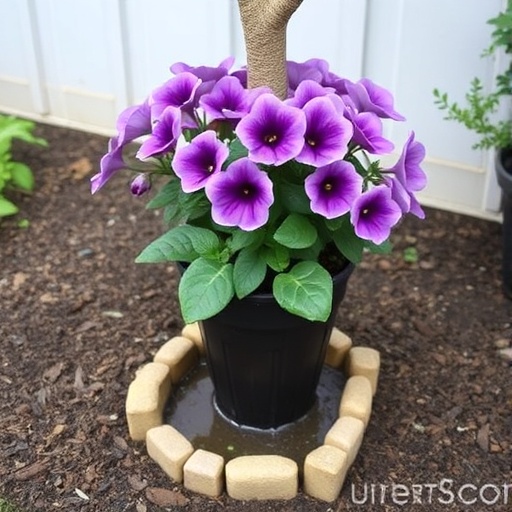
First, select the side of the tree base where your "spill" will originate. Consider sunlight exposure; most purple flowering plants like petunias and verbena thrive in full sun (6+ hours per day). Clear any existing weeds or debris from the area. Assess the ground around the tree – you want a relatively flat surface for the spill to appear natural.
Step 2: Preparing the Ground for Your Purple Flowers
Loosen the soil in the area where your flowers will "spill." Amend with compost or fresh topsoil to a depth of about 6-8 inches. This creates a fertile and hospitable bed for your trailing plants, ensuring good drainage and nutrient availability. Don't worry if the original soil isn't perfect; adding organic matter dramatically improves it.
Step 3: Positioning the Spill Pot
Place your smaller, sturdy pot (or decorative stone) on its side, slightly at an angle, where you want the "spill" to begin. This will lift one side of your large decorative pot. Now, gently rest your large spill pot on this support, tilting it so its opening faces the prepared ground. Adjust until it looks like the pot has naturally toppled over. Pro tip: Ensure the lip of the tilted pot touches the ground where you want the heaviest part of the 'river' of flowers to start.
Step 4: Filling and Planting the Spill Pot
Carefully fill the tilted large pot with your high-quality potting mix. Leave about an inch of space from the rim. Begin planting your mounding purple flowering plants inside the pot, ensuring they have enough room to grow. For the optimal spilling effect, plant trailing varieties closer to the lower, tilted edge of the pot. Arrange them strategically to create a dense, overflowing look.
Step 5: Extending the Spill onto the Ground
Now, continue the "spill" effect. On the ground directly in front of the tilted pot's opening, plant more of your trailing purple flowers. Arrange them in a cascading pattern, gradually tapering off as you move away from the pot, much like water flowing from a jug. This creates the illusion of a continuous flow of blooms. Here’s how to fix if it looks too uniform: vary the plant spacing and add a few mounding plants further out for visual interest.
Step 6: Initial Watering and Mulching
Once all your plants are in place, water thoroughly. This helps settle the soil and eliminate air pockets. Then, apply a thin layer of fine bark mulch or compost around the ground-planted flowers. This helps retain moisture, suppress weeds, and regulate soil temperature, giving your new garden idea the best start.
Growth & Care Tips
Consistent care is key to maintaining a vibrant spill pot. Our chosen purple flowers are generally low-maintenance, but a little attention goes a long way.
- Watering Frequency: Most purple flowering annuals, especially petunias and verbena, prefer consistently moist soil but not waterlogged conditions. Check the soil daily by sticking your finger about an inch deep. If it feels dry, it's time to water. During peak summer heat, you might need to water more frequently, sometimes even twice a day. Overwatering causes root rot in nearly 60% of potted plants, so always ensure good drainage.
- Sunlight Exposure: As mentioned, full sun (6+ hours) is ideal for most these stunning purple flowers. Insufficient sunlight can lead to leggy growth and fewer blooms, impacting the overall spill effect.
- Pruning & Deadheading: Regularly deadhead (remove spent flowers) your plants. This encourages new blooms and prevents the plant from putting energy into seed production. For trailing petunias, a mid-season trim can rejuvenate leggy plants, promoting bushier growth.
- Fertilization: If you used slow-release fertilizer at planting, your plants should be good for 2-3 months. Otherwise, fertilize every 2-4 weeks with a balanced, water-soluble liquid fertilizer (e.g., 5-10-5 or 10-10-10) at half strength. Data indicates that consistent feeding can increase bloom production by up to 25% in heavy feeders like petunias.
- Pest Prevention: Inspect your plants regularly for common pests like aphids or spider mites. Early detection makes prevention easier. Neem oil or insecticidal soap are organic solutions that can effectively manage most garden pests without harming beneficial insects.
Eco-Friendly & Sustainable Alternatives
Gardening should be a joyful and sustainable practice. Here are a few ways to make your spill pot garden even greener:
- Composting: Instead of buying potting mix annually, consider starting a compost bin. Enriching old potting soil with homemade compost revitalizes it, reducing waste and improving soil structure. Learn more about composting via this external resource: https://www.pinterest.com/janatjanay47/
- Natural Fertilizers: Beyond chemical options, consider organic liquid feeds like fish emulsion or seaweed extract. These provide a gentle, slow-release nutrient boost and feed beneficial soil microbes. You can even make your own compost tea for nutrient-rich watering.
- Water Conservation:
- Rain barrels: Collect rainwater for your garden. It's free, pH-balanced for plants, and reduces your tap water usage.
- Mulch: A generous layer of organic mulch around the ground-planted flowers significantly reduces water evaporation from the soil.
- Drip irrigation/soaker hoses: For larger spill pot setups, a small drip irrigation system can deliver water directly to the root zone, minimizing waste compared to overhead watering.
- Alternatives for Small Spaces:
- Smaller Scale: This spill pot idea is adaptable! Use a smaller decorative pot and fewer plants for a balcony or patio corner.
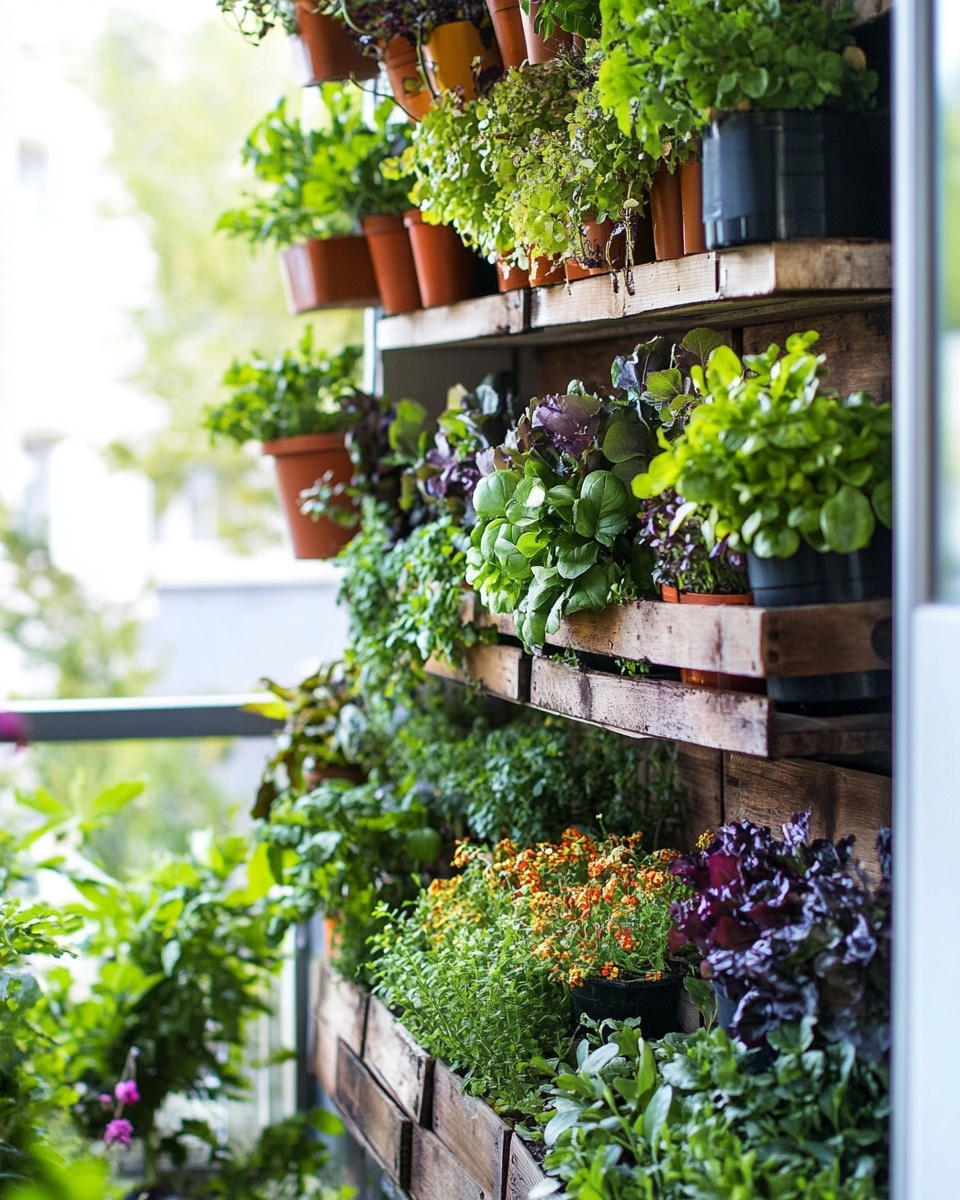
- Vertical Gardens: If tree bases are unavailable, consider a vertical planter with pockets for various purple blooms. It creates a similar cascading effect against a wall.
Creative Ideas & Uses
This spill pot concept is a fantastic foundation for boundless creativity. Here's how to elevate your garden ideas:
- Color Combinations: While we're focusing on stunning purple flowers, don't shy away from adding complementary colors. A splash of lime green (e.g., sweet potato vine 'Margarita') or vibrant silver (e.g., dusty miller) can make the purple pop even more.
- Repurpose Garden Materials: Instead of a new decorative pot, perhaps an antique watering can lying on its side, or a rusted wheelbarrow, could be your "spill" source.
- Layering Textures: Mix plants with different leaf textures and sizes to add depth. Consider incorporating some ornamental grasses or broad-leafed plants alongside the delicate purple blooms.
- Lighting: Imagine your cascading purple flowers subtly lit at night by solar-powered fairy lights or a small uplight. This extends the garden's enjoyment into the evening hours.
- Seasonal Swaps: Design for year-round interest. In spring, start with purple violas or pansies, transition to petunias and verbena for summer, and perhaps finish with ornamental kale or mums in autumn (though these won't "spill" as much, they offer seasonal color).
Common Mistakes to Avoid
Even seasoned gardeners make mistakes, but forewarned is forearmed! Here are some common pitfalls and how to steer clear:
- Planting Too Close to the Tree Trunk: Avoid planting directly against the tree trunk. This can lead to root competition, moisture issues, and even damage the tree's bark. Keep plants a few inches away.
- Poor Drainage: If your spill pot or the surrounding ground has poor drainage, roots can rot. Always ensure the pot has drainage holes, and amend heavy clay soils. Studies show that improper drainage is a leading cause of plant failure, accounting for over 40% of plant deaths in containers.
- Underestimating Watering Needs: Especially for container plants, drying out is a rapid killer. A small pot in full sun can dry out within hours on a hot day. Always check soil moisture.
- Over-fertilization: More isn't always better. Too much fertilizer can burn roots and lead to excessive foliage growth at the expense of blooms. Stick to recommended dosages.
- Ignoring Pest & Disease Signs: Early intervention is crucial. A small pest infestation can quickly become a major problem if left unchecked. A daily visual check takes minutes but saves hours of potential troubleshooting.
- Choosing the Wrong Plants: Not all plants are suitable for bright sun or trailing effects. Always read plant tags to ensure they match your light conditions and desired aesthetic.
Maintenance & Storage Tips
Ensuring the longevity and beauty of your garden ideas requires a bit of ongoing attention.
- Long-Term Plant Health:
- Feed Regularly: As discussed, consistent feeding promotes continuous blooming. Think of it like a marathon runner needing regular hydration and fuel.
- Prune for Shape: Don't be afraid to give your trailing plants a trim if they become too leggy or sparse. This encourages branching and a fuller, more spectacular spill.
- Monitor for Stress: Yellowing leaves could indicate nutrient deficiency or overwatering; drooping leaves often signal underwatering or extreme heat. Address these signs promptly to keep your purple flowers thriving.
- Seasonal Care (if plants are annuals): Since many trailing purple flowers are annuals, they will complete their life cycle at the end of the growing season.
- End of Season: Once frost hits, annuals will die back. You can compost the spent plants and refresh the soil for next season.
- Pot Storage: If using a ceramic or terracotta pot, clean it thoroughly and store it indoors during winter to prevent cracking from freezing temperatures.
- Soil Refresh: For next season, either replace the potting mix in the pot entirely or heavily amend it with new compost and fresh potting mix. Soil nutrients get depleted, and its structure can degrade over time.
Conclusion
Transforming an overlooked tree base into a captivating "spill pot" display bursting with stunning purple flowers is a rewarding project that elevates your outdoor aesthetic. We've journeyed through selecting the perfect spot, preparing the ground, planting with intention, and providing the care needed for these beautiful blooms to flourish. From the easy-to-follow steps to eco-friendly alternatives and creative design twists, you now possess all the knowledge to create a truly genius garden idea. Imagine the compliments and satisfaction as your vibrant river of purple cascades down, breathing new life into your landscape.
Don't let another season pass without experiencing the joy of this unique garden feature. Grab your gardening gloves, select your favorite purple varieties, and get ready to plant! We'd love to see your creations – share your photos and progress on social media, or even better, explore more of our guides for endless gardening inspiration. Why not embark on another exciting planting journey?
FAQ
Q1: What are the best purple flowers for a spill pot that can handle full sun?
A1: For a striking display with vibrant purple flowers that love full sun, consider Wave Petunias, Trailing Verbena (especially 'Homestead Purple'), Lobelia (some varieties are sun-tolerant, check tags), and Calibrachoa (Million Bells) in rich purple hues. These varieties are known for their prolific blooms and excellent trailing habit, perfect for this specific garden idea.
Q2: How often should I water my spill pot garden?
A2: Watering depends heavily on climate, pot size, and plant type. Generally, in warm weather, check daily and water deeply when the top inch of soil feels dry. Smaller pots or very hot conditions might require watering twice a day. Larger pots retain moisture longer. Always ensure adequate drainage to prevent root rot.
Q3: Can I use perennial purple flowers for this tree base garden idea?
A3: Absolutely! While annuals provide immediate, season-long color, perennials like Creeping Phlox (Phlox subulata), Purple Dead Nettle (Lamium purpureum, a beautiful groundcover), or even some types of spreading Geraniums can work. Just be mindful of their ultimate spread and ensure they are suitable for your local hardiness zone for long-term success.
Q4: My purple flowers are looking leggy. What should I do?
A4: Leggy growth often indicates insufficient sunlight or a need for pruning. Ensure your plants are getting at least 6 hours of direct sun. For leggy plants, pinch back or lightly trim the tips of the stems. This encourages bushier growth and more blooms, maintaining the lush "spill" effect.
Q5: How do I protect my spill pot garden from local pests?
A5: First, regularly inspect your plants for signs of pests. Common organic solutions include spraying with neem oil or insecticidal soap, especially on the undersides of leaves. Introducing beneficial insects like ladybugs can also naturally control pests. Good air circulation and proper plant spacing also help prevent infestations in your garden ideas.
Q6: What's the best soil mix for the spill pot and ground planting?
A6: For the spill pot, a high-quality, well-draining potting mix is essential. Look for formulations with added perlite or vermiculite for aeration and good moisture retention. For the ground-planted section, amend your native soil with a generous amount of organic compost to improve structure, fertility, and drainage, creating an ideal environment for your purple flowers.
Q7: Can I use artificial flowers for this spill pot design if I don't have a green thumb?
A7: While this guide focuses on living plants, the "spill pot" concept is visually appealing enough that it can be adapted with high-quality artificial purple flowers if you prefer a no-maintenance option. However, for the best aesthetic and sensory experience, and to contribute to local pollinators, we highly recommend trying real plants – it's easier than you think!
Looking for more ways to enhance your garden? Check out these related guides:
- Beginner-Friendly Edibles: If you're a new gardener, mastering the basics is key. Our guide on "Best Vegetables to Grow for Beginners" offers excellent advice to get your green thumb started alongside your beautiful purple flowers.
- Herbal Delights for Small Spaces: Love the idea of a themed garden? Explore "Herbs That Grow Well in Small Spaces" to add some aromatic beauty to your balcony or patio.
- Greenhouse Gardening Unveiled: Ready to take your gardening to the next level? Our "Beginners Guide to Greenhouse Gardening" provides all the essential information to extend your growing season and experiment with new plant varieties.
- Low-Maintenance Blooms: If busy schedules often deter you, our insights into "Low-Maintenance Flowers for Busy Gardeners" will help you discover beautiful options that thrive with minimal fuss.
- Attracting Pollinators: Did you know that planting certain flowers can help local ecosystems? Learn "How to Attract Butterflies and Bees with Flowers" to bring more life and movement to your purple flower display.