Introduction
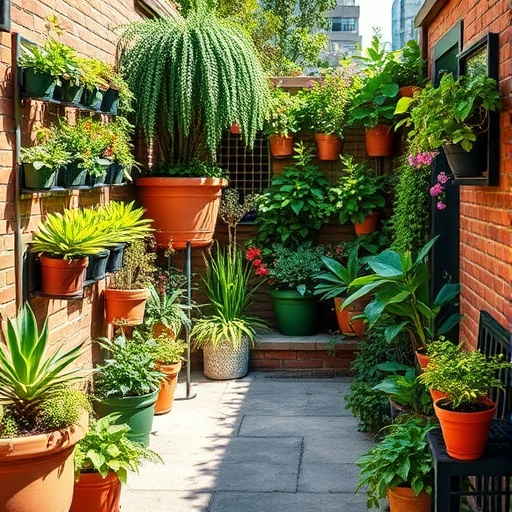
Did you know that investing in green spaces can increase property value by up to 15% and significantly boost personal well-being? Many aspiring gardeners feel discouraged, believing they need vast plots of land or a hefty budget to cultivate a beautiful and productive outdoor sanctuary. But what if I told you that even the tiniest balcony or patio could become a thriving oasis with smart, creative small garden ideas on a budget? With innovative approaches and a touch of ingenuity, transforming your compact space into a vibrant garden is not only achievable but also incredibly rewarding. This guide is your ultimate resource for discovering how to maximize every inch, nurture flourishing plants, and create an inviting garden without breaking the bank.
Tools & Materials Needed
Successfully embarking on your small garden journey, especially one that’s budget-friendly, requires a thoughtful selection of tools and materials. Don't worry, you won't need an arsenal of expensive equipment! Here's what I recommend, along with some eco-friendly and thrifty alternatives:
- Pots and Containers: Rather than buying new, look for repurposed items. Old tires, plastic bottles (cut in half for vertical planters), tin cans (ensure drainage holes!), wooden crates, or even sturdy fabric grocery bags can make excellent, free or low-cost planters. For a more cohesive look, consider terracotta pots or ceramic planters when they are on sale.
- Soil: A good quality potting mix is essential. While you can buy bags of organic potting soil, consider making your own nutrient-rich blend by mixing compost (homemade, if possible!), coco coir (a sustainable alternative to peat moss), and perlite or vermiculite for drainage. This significantly reduces costs and improves soil health.
- Seeds or Seedlings: Starting from seed is undeniably the most budget-friendly option. Look for seed packets during end-of-season sales. For faster results, acquire young seedlings from a local nursery or farmer's market – sometimes they offer "ugly" or slightly discounted plants that just need a little TLC.
- Hand Trowel and Cultivator: Essential for digging, planting, and loosening soil. You can often find these at dollar stores or secondhand.
- Pruning Shears: Small, sharp shears are vital for trimming and harvesting. Basic models work perfectly for small gardens.
- Watering Can or Spray Bottle: Crucial for precise watering. A repurposed plastic milk jug with holes poked in the lid makes a fantastic DIY watering can.
- Gloves: Protect your hands! Any durable pair will do.
- Fertilizer (Optional but Recommended): Homemade compost tea or organic liquid seaweed fertilizer can provide vital nutrients. If buying, choose an all-purpose organic granular fertilizer.
- Labels/Markers: Craft sticks, painted rocks, or even old plastic cutlery can be brilliant, free ways to label your plants.
Time & Effort Overview
Gardening in a small space can be surprisingly efficient! The beauty of these small garden ideas on a budget is how adaptable they are to your schedule and commitment level.
- Initial Setup: Depending on the complexity of your design (e.g., vertical garden vs. a few pots), the initial setup could take anywhere from a few hours to a full weekend. For example, assembling a simple container garden might be 1-2 hours, while building a DIY pallet garden could be 4-6 hours.
- Planting: Sowing seeds or transplanting seedlings usually requires about 30 minutes to an hour for a typical small garden space.
- Daily Maintenance: This is often the quickest part. Daily checks for watering, pests, and general plant health usually take 5-15 minutes.
- Weekly Maintenance: Around an hour for tasks like pruning, light fertilizing, and more thorough weeding.
- Growth Rate: Many popular small garden plants, like herbs such as basil or mint, and quick-growing vegetables like radishes or salad greens, can be ready for harvest in as little as 3-4 weeks. This is notably faster than perennial shrubs or trees, giving you a quick return on your effort.
- Difficulty Level: Generally, these projects are suitable for beginners. With the right plant choices and a bit of patience, anyone can succeed. Intermediate gardeners will appreciate the creative challenges of maximizing space and experimenting with different growing methods.
Step-by-Step Gardening Process
Here’s your roadmap to creating a flourishing small garden, focusing on practical, budget-friendly steps.
1. Plan Your Space and Plants
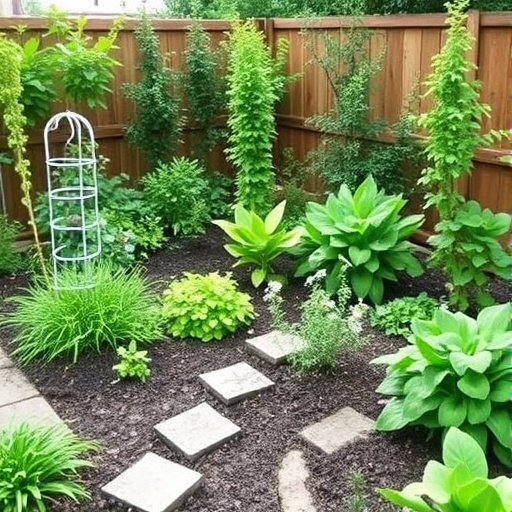
Before you dig in, take a moment to assess your space. How much sunlight does it get? Is it protected from strong winds? Observe the area throughout the day. Full sun (6+ hours) is ideal for most vegetables and many flowers, while partial shade (3-6 hours) suits leafy greens and some herbs. For budget-conscious decisions, choose plants that are well-suited to your climate and available light. Consider compact varieties of herbs, dwarf vegetables, or vibrant annuals.
2. Gather or Repurpose Containers
This is where your creativity shines! Search your home and local secondhand stores for unconventional planters. Drill or poke drainage holes (at least 1/4 inch wide) in the bottom of any container. Good drainage is non-negotiable; without it, roots will rot, and your plant will suffer. Don’t worry if your repurposed containers aren't perfectly uniform; a collection of eclectic pots adds charm.
3. Prepare Your Soil
A premium potting mix provides the best start. If using garden soil, enrich it significantly with compost to improve drainage and nutrient content. For a truly budget-friendly approach, consider making your own compost from kitchen scraps and yard waste. A good quality soil mix should be light, airy, and hold moisture without becoming waterlogged. Expert tip: A healthy soil is the foundation of a healthy garden.
4. Planting Your Seeds or Seedlings
For seeds, follow the packet instructions for planting depth and spacing. Generally, plant seeds at a depth twice their diameter. For seedlings, gently remove them from their nursery pots, being careful not to disturb the root ball too much. Loosen any circling roots. Dig a hole slightly larger than the root ball, place the plant in, and backfill with soil, patting gently around the base. Ensure the plant is at the same depth it was in its previous container.
5. Initial Watering
Immediately after planting, give your garden a thorough, gentle watering. This helps settle the soil around the roots and eliminates air pockets. Use a watering can with a fine rose attachment or a spray bottle to avoid dislodging small seeds or delicate seedlings. Aim for consistent moisture without over-saturating.
6. Label and Document
Don’t underestimate the power of labels! Mark clearly what you’ve planted and the date. This helps track growth, remember successes, and learn from challenges. A simple garden journal can become an invaluable resource, allowing you to refine your approach year after year.
Growth & Care Tips
Consistent care is key to a flourishing small garden. Here’s how to nurture your plants for optimal growth and yield.
- Watering Frequency: This is often the trickiest part. Overwatering causes root rot in over 60% of houseplants and container gardens, while underwatering leads to wilting and stunted growth. The best test is to feel the soil: if the top inch or two is dry, it's time to water. Water deeply until you see water drain from the bottom of the pot. In hot climates or during peak growth, daily watering might be necessary.
- Sunlight Exposure: Most edible plants (vegetables, many herbs) require at least 6-8 hours of direct sunlight daily for robust growth. Leafy greens can tolerate less, often thriving in 4-6 hours of partial sun. Observe your plants; if they stretch towards the light or grow leggy, they need more sun.
- Pruning: Regular pruning encourages bushier growth and higher yields, especially for herbs and flowering plants. Pinch back the top few leaves of basil or mint to prevent them from flowering too soon and to promote side shoots. Remove any yellowing or diseased leaves promptly.
- Fertilization: Since nutrients in pots leach out with watering, regular feeding is crucial. For potted plants, apply a balanced liquid organic fertilizer every 2-4 weeks during the growing season. If you prefer granular, incorporate slow-release organic granules into the soil at planting and then once a month or as directed. Soil analysis shows that container plants benefit from a balanced NPK (Nitrogen, Phosphorus, Potassium) ratio of around 5-1-1 for leafy growth and 2-4-2 for flowering/fruiting.
- Pest Prevention: Vigilance is your best defense. Inspect your plants regularly for common pests like aphids or spider mites. A strong spray of water can dislodge many pests. For more persistent issues, use insecticidal soap or neem oil, following product instructions. Healthy plants are less susceptible to pests, so focus on good watering and feeding practices. Companion planting with herbs like marigolds can also deter certain insects.
Eco-Friendly & Sustainable Alternatives
Embracing sustainability in your small garden on a budget is easy and beneficial for both your plants and the planet.
- Composting: Start a small composting system for kitchen scraps (fruit and vegetable peels, coffee grounds, eggshells) and yard waste. This creates rich, free organic matter for your soil, reducing waste and the need for purchased fertilizers. Even a small worm compost bin can work wonders for apartment dwellers!
- Natural Fertilizers: Beyond homemade compost, consider using diluted fish emulsion, seaweed extract, or even humble worm castings (a fantastic, all-natural soil amendment) as organic fertilizers. These support soil biology and provide nutrients gently.
- Water Conservation:
- Rain Barrels: Collect rainwater from your downspout to use for irrigation. It's free, untreated, and plants often prefer it to municipal tap water.
- Mulching: Apply a layer of organic mulch (shredded leaves, straw, wood chips) around your plants. This significantly reduces water evaporation, suppresses weeds, and insulates soil temperatures. Studies show mulching can reduce watering frequency by up to 50%.
- Self-Watering Containers: DIY self-watering systems using wicks or double-layer containers are excellent for water retention, especially for busy gardeners.
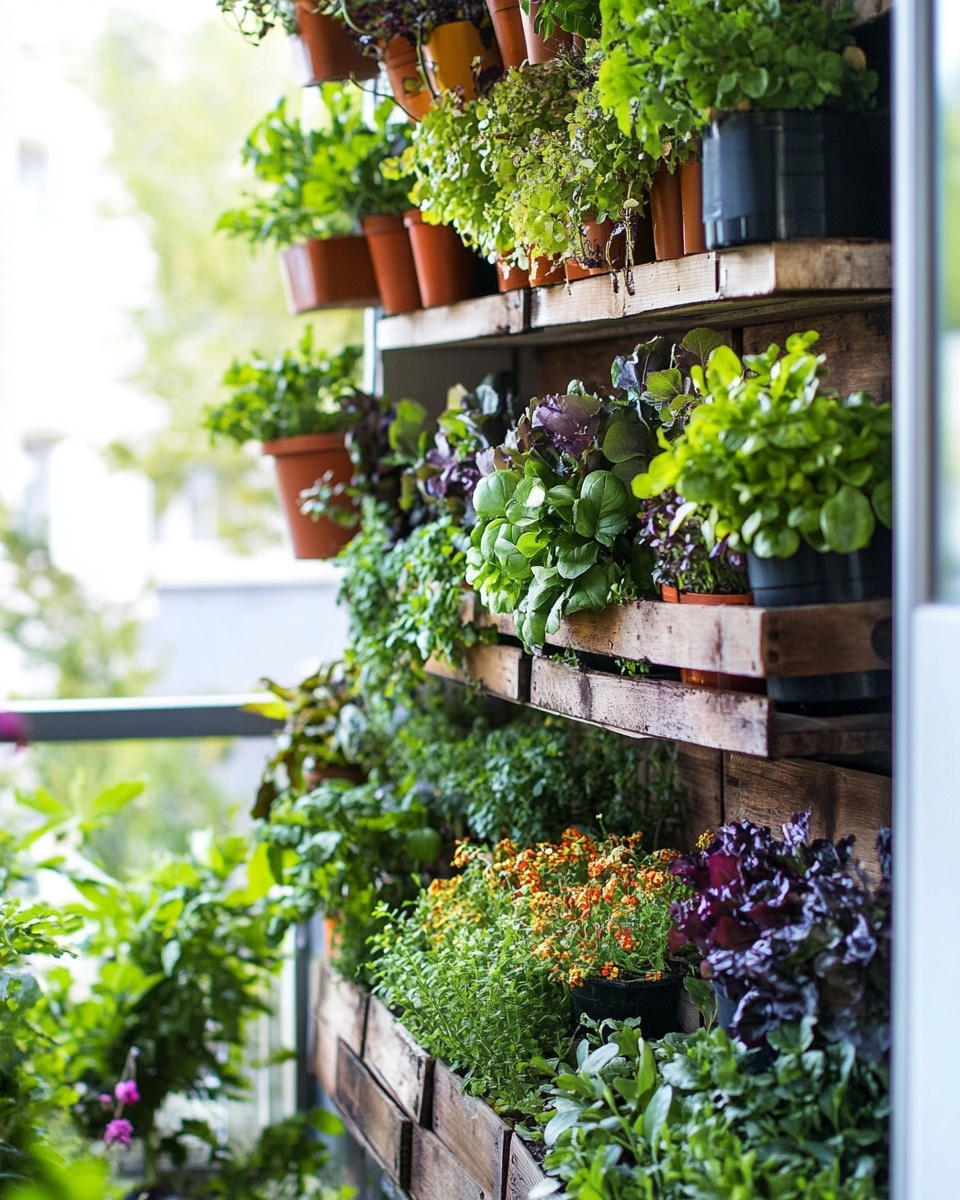
- Vertical Gardens & Balcony Solutions: These are perfect for small spaces!
- Pallet Gardens: Reclaimed wooden pallets can be positioned vertically to hold multiple plants.
- Hanging Planters: Utilize hanging baskets for flowers or herbs, freeing up floor space.
- Stackable Planters: Modular systems allow you to grow several plants in a small footprint.
- Wall-Mounted Pockets: Fabric grow bags with pockets are ideal for herbs and succulents.
Looking for even more vertical inspiration? Check out our guide on https://pincraftpro.com/vertical-indoor-garden-ideas-for-small-spaces-2/.
Creative Ideas & Uses
Transform your small garden into a personalized masterpiece with these imaginative and budget-friendly ideas:
- Repurpose & Decorate:
- Old Furniture: A discarded dresser can become a tiered planter, with drawers holding different plant varieties. An old ladder can serve as a vertical display for potted herbs.
- Painted Tires: Clean and paint old tires vibrant colors, stack them, and fill with soil for a raised bed.
- Tin Can Herb Garden: Punch drainage holes, paint tin cans, and hang them from a rail or fence for a charming herb display.
- Bottle Planters: Cut plastic bottles in half, invert the top half into the bottom (wicking method), and grow small plants with minimal watering.
- Combine Plants Aesthetically:
- Thriller, Filler, Spiller: This design principle is perfect for containers. Choose a "thriller" (a tall, upright plant for drama), "filler" (bushy plants to fill the middle), and "spiller" (trailing plants that cascade over the edges).
- Color Harmony: Group plants with complementary or contrasting colors for visual impact.
- Textural Variety: Combine plants with different leaf shapes and textures for added interest. For example, the feathery dill next to the broad leaves of basil.
- Maximize Vertical Space:
- Trellises: Install small trellises for climbing plants like peas, beans, or even mini cucumbers.
- Window Boxes: Extend your gardening footprint by adding window boxes for flowers or herbs.
- Rail Planters: Attach specialized planters to balcony railings.
- Theme Gardens:
- Edible Balcony: Focus on compact vegetables and herbs perfect for culinary use.
- Pollinator Paradise: Choose nectar-rich flowers to attract bees and butterflies, even in a small space.
- Zen Corner: Incorporate calming elements like small succulents, rocks, and a mini water feature.
- For more inspiration on how to combine plants for practical and aesthetic benefits, explore https://pincraftpro.com/best-companion-herbs-to-grow-together/.
Common Mistakes to Avoid
Even seasoned gardeners make mistakes, especially when optimizing for small spaces and budgets. Being aware of these pitfalls can save you time, money, and heartache.
- Overwatering: As mentioned, this is a top killer. Soil that is constantly soggy suffocates roots, leading to root rot. A study found that overwatering is responsible for the demise of approximately 70% of potted plants among new gardeners. Always check soil moisture before watering.
- Insufficient Drainage: Without proper drainage holes, water accumulates at the bottom of containers, creating an anaerobic environment where roots cannot breathe. This is a primary cause of root rot. Ensure all your containers have adequate drainage.
- Ignoring Sunlight Needs: Placing a sun-loving tomato plant in a shady corner or a shade-tolerant fern in blazing sun will result in a struggling plant. Match plants to your available light conditions. Over 80% of plant failures can be attributed to improper light exposure.
- Overcrowding: While the temptation to cram as many plants as possible into a small space is strong, overcrowding leads to poor air circulation, increased pest and disease issues, and competition for nutrients. Read seed packets for spacing recommendations and follow them, even if it means fewer plants.
- Skipping Fertilization (for containers): Plants in pots quickly deplete the soil's nutrients. Unlike garden beds where soil can be continuously enriched, containers need regular feeding. A lack of nutrients results in stunted growth and weak plants.
- Using Garden Soil in Pots: Garden soil is heavy and compacts easily in containers, limiting root growth and drainage. It also often carries outdoor pests and diseases. Always use a high-quality potting mix for containers.
- Neglecting Pest & Disease Control: A small pest problem can quickly escalate if ignored. Regular inspection allows for early intervention, often with simple, organic solutions, before infestations become severe.
Maintenance & Storage Tips
Ensuring the longevity of your small garden means thinking beyond the current growing season.
- Seasonal Care:
- Spring: Clean out old plant debris, amend soil with fresh compost, and plan your new plantings. Prune any overwintered perennials.
- Summer: Focus on consistent watering, feeding, and harvesting. Monitor for pests and heat stress.
- Autumn: Harvest remaining crops. For annuals, remove them and refresh soil. For perennials, prepare them for winter dormancy by reducing watering and adding a layer of mulch for insulation.
- Winter: Store delicate pots to prevent freezing and cracking. For indoor plants, ensure they receive adequate light (consider grow lights) and reduce watering.
- Seed Storage: Store leftover seeds in a cool, dark, dry place in airtight containers. Glass jars or sealed envelopes kept in a refrigerator can extend their viability for several years. Label clearly with the date.
- Tools: Clean your gardening tools after each use. Remove soil, dry them thoroughly, and apply a thin layer of oil (like linseed oil) to metal parts to prevent rust. Store them in a dry place.
- Container Care: Empty and clean pots thoroughly at the end of a season, especially if they housed diseased plants, to prevent carryover of pathogens. Scrub away soil and salt buildup.
- Addressing Common Issues:
- Yellow Leaves: Often indicates overwatering, nutrient deficiency (especially nitrogen), or sometimes underwatering. Check soil moisture first.
- Wilting: Usually a sign of too little water, but can also indicate too much water (root rot) or extreme heat stress.
- Poor Soil Drainage: If water sits on top of the soil or takes a long time to drain, your soil mix is too dense. You might need to repot with a lighter mix and add more perlite or vermiculite.
- Leggy Plants: This happens when plants are "stretching" for more light. Move them to a brighter spot or consider supplemental lighting.
Conclusion
You don't need a sprawling estate or an unlimited budget to create a truly magical garden. As we've explored, the world of small garden ideas on a budget is brimming with potential, offering creative solutions to transform compact spaces into thriving havens. From ingenious repurposed containers to smart vertical designs and sustainable practices, every tip and trick shared here empowers you to cultivate beauty, harvest fresh produce, and connect with nature, no matter your space constraints. The data consistently shows the profound positive impact gardening has on our physical and mental well-being, and now you have the know-how to unlock those benefits for yourself.
Are you ready to dig in and turn your small space dreams into a bountiful reality? We'd love to see your progress! Share your favorite small garden idea or a photo of your growing oasis in the comments below, or tag us on social media. Let’s inspire each other to grow green, even in the smallest corners of our lives! Don't let space or budget hold you back – your amazing small garden journey starts today.
FAQ
Q1: What are the best plants for small garden ideas on a budget?
A1: For a budget-friendly small garden, prioritize compact varieties of herbs (basil, mint, chives), leafy greens (lettuce, spinach, kale), bush beans, radishes, cherry tomatoes, and strawberries. Ornamental options include marigolds, nasturtiums, and petunias, which often come from inexpensive seed packets and offer vibrant beauty. For more specific recommendations, consider plants suitable for https://pincraftpro.com/herbs-that-grow-well-in-small-spaces/ or other confined environments.
Q2: How can I ensure proper drainage in my budget containers?
A2: Always ensure your containers have drainage holes at the bottom—at least 1/4 inch in diameter. If using repurposed items without pre-drilled holes, create them using a drill, hammer and nail, or a hot poker. Adding a layer of gravel or broken pottery at the bottom of the pot was once common advice but is now largely debunked; it doesn't improve drainage and can actually hinder it. Instead, focus on using a well-draining potting mix.
Q3: What's the cheapest way to get good soil for a small garden?
A3: The absolute cheapest and most sustainable way is to make your own compost. If that's not feasible, look for bulk organic potting soil from local nurseries (often cheaper per cubic foot than bagged soil from big box stores). You can also extend bagged potting mix by blending in coco coir and perlite, which are often more cost-effective in larger quantities.
Q4: Can I grow vegetables in a very small space, like a balcony?
A4: Absolutely! Balconies are perfect for compact vegetable varieties. Consider growing cherry tomatoes in hanging baskets, dwarf cucumbers on a mini trellis, or a variety of herbs and salad greens in window boxes or vertical planters. The possibilities are endless when you choose the right plants and maximize vertical space. Dive deeper into starting your own https://pincraftpro.com/how-to-start-a-vegetable-garden-from-scratch-2/ even in a limited area.
Q5: How often should I fertilize my small container garden?
A5: Container plants deplete nutrients faster than in-ground gardens. For active growing plants (most vegetables and flowering annuals), I recommend fertilizing every 2-4 weeks with a diluted liquid organic fertilizer during the growing season. For perennials or less-demanding plants, monthly might suffice. Always follow the specific product instructions and dilute more for organic options.
Q6: What's a good low-cost way to deter pests in a small garden?
A6: Prevention is key. Regularly inspect your plants for signs of pests. If you spot them, a strong jet of water can often dislodge aphids or spider mites. You can also make a homemade insecticidal soap spray using a few drops of mild dish soap mixed with water. Planting companion flowers like marigolds or herbs like basil can naturally deter certain pests. For more natural solutions, check out https://pincraftpro.com/organic-fertilizer-recipes-for-herb-gardens/ which often include pest-repelling ingredients.
Q7: I'm a complete beginner. What's the easiest small garden project to start with?
A7: For true beginners, starting with a simple herb garden in a few pots is a fantastic choice. Herbs like mint, basil, chives, and parsley are relatively resilient and provide quick rewards for cooking. This allows you to learn the basics of watering and sunlight without feeling overwhelmed. Many indoor gardening setups are also incredibly beginner-friendly; you can explore easy setups for beginners at https://pincraftpro.com/easy-indoor-gardening-setup-for-beginners-4/.
Discover More Engaging Gardening Content!
If you enjoyed exploring these creative small garden ideas, you’re in for a treat! We have a wealth of resources to help you further cultivate your green thumb:
- Ready to get serious about growing your own food? Our guide on the https://pincraftpro.com/best-vegetables-to-grow-for-beginners-2/ will set you up for success.
- Ever wondered how to utilize those sunny walls or fences? Learn all about creating stunning and productive https://pincraftpro.com/vertical-indoor-garden-ideas-for-small-spaces-2/.
- Want to enjoy fresh herbs year-round? Explore the https://pincraftpro.com/best-herbs-to-grow-indoors-year-round/ and bring the kitchen garden indoors!