Introduction
Did you know that a staggering 40% of fresh food in the US is wasted annually, much of it due to long supply chains and aesthetic standards? Imagine turning that statistic on its head by cultivating your own vibrant bounty, right in your backyard! Embarking on a journey into veg gardening isn't just about growing food; it's about reclaiming freshness, reducing waste, and connecting with nature. Whether you're dreaming of crisp salads, juicy tomatoes, or fragrant herbs, a raised bed vegetable garden offers an accessible, efficient, and incredibly rewarding path. It's an ideal method for both novices and seasoned green thumbs to enjoy consistent, abundant harvests with less back strain and more control over soil quality.
Tools & Materials Needed
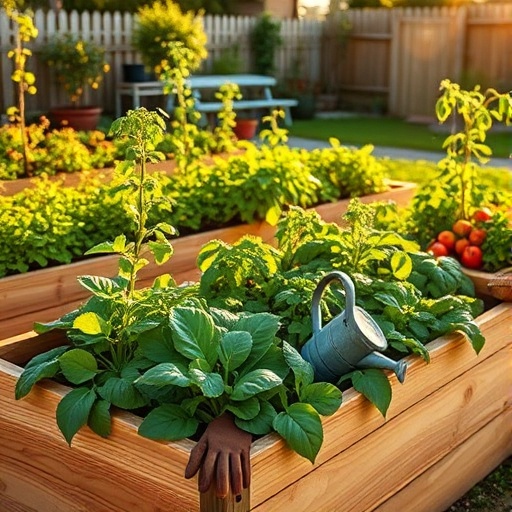
To kickstart your raised bed adventure in veg gardening, gathering the right essentials makes all the difference. This isn't just a shopping list; it's your toolkit for success!
- Raised Bed Kit or Lumber: You'll need materials for the bed itself. Standard kits often assemble easily. For DIY, consider untreated lumber like cedar or redwood (naturally rot-resistant), or recycled composite decking. Avoid treated lumber as chemicals can leach into the soil. An eco-friendly alternative is using repurposed materials like large tractor tires (ensure they’re safe) or even thick logs.
- Shovel and Trowel: Essential for digging, moving soil, and planting.
- Gardening Gloves: Protect your hands from dirt, thorns, and blisters.
- Measuring Tape: For accurate bed dimensions and plant spacing.
- Drill and Screws (if building from scratch): To assemble lumber for your raised bed.
- Level: To ensure your bed is perfectly even.
- Wheelbarrow or Heavy-Duty Buckets: For transporting soil and amendments.
- Garden Hose with Spray Nozzle or Watering Can: For consistent and gentle watering.
- Good Quality Potting Mix/Raised Bed Mix (approx. 60-70%): Look for a blend rich in organic matter. This is the heart of your veg gardening success.
- Compost (approx. 20-30%): Vital for soil fertility and structure. You can make your own using kitchen scraps and yard waste – a fantastic eco-friendly practice!
- Perlite or Vermiculite (approx. 10%): Improves drainage and aeration.
- Seeds or Seedlings: Choose vegetables suited to your climate and sun exposure. Start with easy growers like lettuce, radishes, bush beans, or Swiss chard.
- Gardening Fork or Cultivator: For loosening soil and working in amendments.
For those on a budget or looking for sustainable options, consider checking local community gardening groups for free compost, or repurposing large food-grade containers as mini raised beds.
Time & Effort Overview
Starting a raised bed for veg gardening is surprisingly manageable. Initial setup, including assembling the bed and filling it with soil, typically takes 4-8 hours for a standard 4×8 foot raised bed. This can be compared to building a small patio garden, which might take twice as long due to paving requirements. Once planted, the daily maintenance is quite low.
- Planting: 1-2 hours, depending on the complexity of your planting plan.
- Daily Care: 10-15 minutes (watering, quick checks for pests).
- Weekly Maintenance: 30-60 minutes (weeding, feeding, harvesting).
- Difficulty Level: Generally beginner-friendly. Raised beds reduce bending, improve soil control, and often lead to fewer pest issues than in-ground gardens, making the overall experience more enjoyable for new gardeners.
Many vegetables, particularly leafy greens and radishes, grow 30% faster in well-maintained raised beds compared to compacted in-ground soil, thanks to optimal drainage and aeration.
Step-by-Step Gardening Process
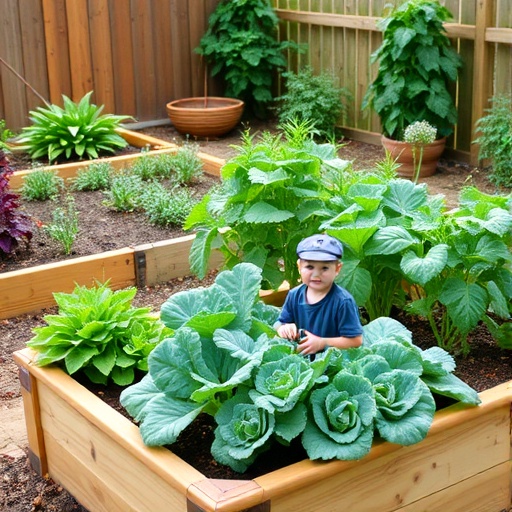
Ready to get your hands dirty? Let's break down the journey to a thriving veg gardening oasis, step by step.
Step 1: Choose Your Spot
Select a location that receives at least 6-8 hours of direct sunlight daily for most vegetables. Observe your yard throughout the day. Ensure it's reasonably level and close to a water source. Don't worry if your perfect spot has some existing grass; the raised bed will cover it.
Step 2: Prepare the Site
Clear any debris, large rocks, or stubborn weeds from your chosen area. If you have grass, you can either remove it or simply lay down a layer of cardboard over it. The cardboard will suppress weeds and eventually break down, enriching the soil below. Make sure to overlap cardboard edges to block out light completely.
Step 3: Assemble Your Raised Bed
Follow the manufacturer's instructions for your raised bed kit. If you're building from scratch with lumber, cut your boards to size, pre-drill holes, and secure corners with screws or brackets. Use a level to ensure the bed is straight and even. This is crucial for consistent watering and soil distribution.
Step 4: Line the Bed (Optional but Recommended)
While not strictly necessary, lining the bottom of your raised bed with hardware cloth or mesh can prevent burrowing pests like voles or gophers from accessing your precious roots. Simply cut it to size and secure it to the inside bottom edges before adding soil.
Step 5: Fill with Quality Soil
This is where your veg gardening really thrives! Start with a base layer of coarse organic material like straw, wood chips, or even inverted sod (if you removed it). This helps with drainage and provides slow-release nutrients. Then, fill the rest of the bed with your prepared soil mix: approximately 60-70% high-quality raised bed mix, 20-30% compost, and 10% perlite or vermiculite. Mix it thoroughly with a gardening fork. Don't compact the soil too much; you want it loose and airy.
Step 6: Plan Your Plant Layout
Consider companion planting strategies – for instance, basil can deter pests from tomatoes. Group plants with similar light and water requirements. Draw a simple sketch of your bed and arrange your chosen vegetables. Place taller plants on the north side of the bed so they don't shade out smaller plants. Think about succession planting too; once one crop is harvested, you can plant another in its place!
Step 7: Plant Your Seeds or Seedlings
Make small holes according to package instructions for seeds or the size of your seedling's root ball. Gently place seeds or seedlings, cover with soil, and lightly pat down. Water immediately after planting to help settle the soil around the roots. Don't worry if a few seeds don't sprout right away; gardening is an ongoing learning process! You can always plant more.
Step 8: Initial Watering
Thoroughly water your newly planted bed until moisture drains from the bottom (if your bed has an open bottom and is large enough to allow this to happen). Using a gentle shower setting on your hose or a watering can avoids disturbing newly planted seeds or delicate seedlings.
Growth & Care Tips
Consistent care is the secret to a prolific veg gardening harvest.
- Watering Frequency: Raised beds tend to dry out faster than in-ground gardens, especially in hot weather. Check soil moisture daily by sticking your finger about an inch into the soil. If it feels dry, it's time to water. Aim for deep, infrequent watering rather than shallow daily sprinkles, encouraging roots to grow deeper. Most vegetables require about 1 inch of water per week, sometimes more during peak growth or hot spells.
- Sunlight Exposure: Ensure your plants continue to receive their required 6-8 hours of direct sunshine. If a new structure or tree begins to cast shade, explore options for pruning or moving smaller containers if applicable.
- Pruning & Training: For plants like tomatoes, cucumbers, and peppers, strategic pruning can increase yield and improve air circulation, reducing disease risk. For example, pinching off "suckers" on indeterminate tomatoes can redirect energy to fruit production. Training vining plants up trellises or stakes saves space and keeps fruit off the ground, reducing rot.
- Fertilization: Since raised beds contain optimized soil, you won't need to fertilize as frequently. However, as plants grow and produce, they deplete nutrients. Supplement with a balanced organic liquid fertilizer every 2-4 weeks, especially for heavy feeders like tomatoes and corn. Scientific data shows that regular, balanced nutrient application can increase vegetable yields by up to 25% compared to unfertilized plants.
- Pest Prevention: Vigilance is key! Inspect plants regularly for signs of pests or disease. Companion planting (e.g., marigolds deterring nematodes) is a great preventative. Hand-picking larger pests like slugs or hornworms is effective. For persistent issues, organic solutions like neem oil or insecticidal soap are a safe bet. Introduce beneficial insects like ladybugs as a natural pest control method – a single ladybug can consume up to 5,000 aphids in its lifetime!
Eco-Friendly & Sustainable Alternatives
Make your veg gardening efforts even greener with these sustainable practices:
- Composting: Turn kitchen scraps and yard waste into nutrient-rich compost with minimal effort. This significantly reduces household waste (an average of 200 pounds per person annually!) and provides free, organic fertilizer.
- Natural Fertilizers: Beyond your own compost, consider worm castings, bone meal, or kelp meal instead of synthetic fertilizers. These slowly release nutrients and improve soil structure.
- Water Conservation: Install a drip irrigation system or use soaker hoses to deliver water directly to the root zone, minimizing evaporation. Rain barrels are excellent for collecting free rainwater, which many plants prefer over chlorinated tap water. Mulching your raised beds heavily with straw or wood chips can reduce evaporation by 30-50%.
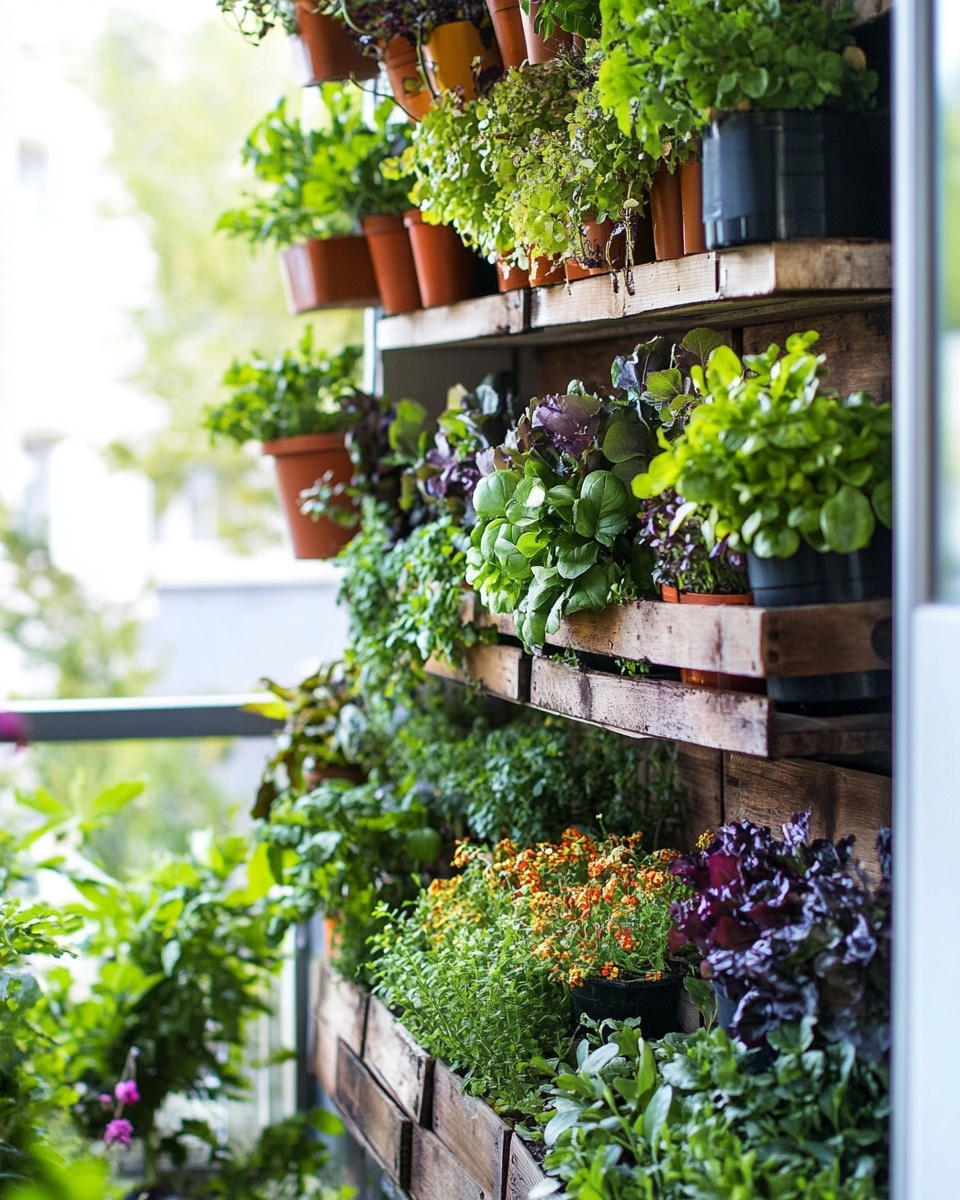
- Vertical Gardening: For small spaces, consider trellises for vining plants or repurpose old pallets into vertical planters. This maximizes your growing area and is perfect for urban balconies or compact yards. See also: Vertical Indoor Garden Ideas for Small Spaces
- Seed Saving: Many open-pollinated varieties allow you to save seeds from your harvests for next year, creating a self-sustaining cycle and preserving unique plant genetics.
Creative Ideas & Uses
Your raised bed can be more than just a food factory; it can be a beautiful focal point!
- Decorate with Edibles: Mix in edible flowers like nasturtiums for a pop of color and peppery flavor. Try growing different colored Swiss chard or rainbow carrots for visual appeal.
- Repurpose Materials: Old bricks can create a charming border around your raised bed. Use colorful glass bottles as plant markers. You can even upcycle old wooden crates into smaller, portable herb gardens. For inspiration, check out how people creatively use containers on Pinterest, like this board: https://www.pinterest.com/janatjanay47/
- Sensory Garden: Incorporate fragrant herbs like rosemary, lavender, and mint around the edges of your raised bed. This adds an aromatic dimension to your veg gardening experience and can attract beneficial pollinators.
- Themed Raised Beds: Design a "salsa garden" with tomatoes, peppers, onions, and cilantro, or a "pizza garden" with oregano, basil, and a determinate tomato variety.
- Integrated Seating: If your raised bed is wide enough, consider adding a sturdy top edge that can double as occasional seating, encouraging you to spend more time observing and enjoying your garden.
Common Mistakes to Avoid
Even experienced gardeners make blunders! Here's how to steer clear of common veg gardening pitfalls:
- Overwatering: This is cited as the cause of root rot in approximately 60% of common garden vegetables. Always check soil moisture before watering. Soggy soil suffocates roots and leads to fungal diseases.
- Planting Too Closely: It's tempting to cram more plants in, but overcrowding leads to poor air circulation, increased disease risk, and competition for nutrients, resulting in smaller harvests. Follow plant spacing recommendations!
- Ignoring Soil Health: A common mistake is not replenishing soil nutrients. Your plants are constantly drawing from the soil. Regularly amend with compost and organic fertilizers to keep your soil vibrant and productive.
- Neglecting Weeds: Weeds compete with your vegetables for water, light, and nutrients. A single unmanaged weed can reduce crop yield by up to 20%. Regular, light weeding is far easier than battling an overgrown weed patch.
- Insufficient Sunlight: Many vegetables require 6-8 hours of direct sun. Planting in a shady spot will result in leggy plants, low yields, and susceptibility to pests.
- Using the Wrong Soil: Garden soil from your yard is often too heavy for raised beds, compacting easily and hindering root growth. Invest in a proper raised bed mix or create your own light, airy blend.
Maintenance & Storage Tips
Ensuring long-term plant health and efficiency in your veg gardening efforts involves more than just planting.
- Seasonal Care:
- Spring: Top-dress your beds with a fresh layer of compost before planting. This recharges the soil for the growing season.
- Summer: Keep up with watering and harvesting. Mulch heavily to conserve moisture and suppress weeds.
- Fall: Remove spent plants and add a generous layer of compost or cover crop to enrich the soil over winter. Some gardeners "chop and drop" healthy plant matter back into the bed to decompose naturally.
- Winter: Protect your raised beds with a cold frame or hoop house if you want to extend your growing season into colder months. Otherwise, let the soil rest and replenish.
- Seed Storage: Store leftover seeds in a cool, dark, and dry place (like a sealed container in a refrigerator) to maintain viability for future seasons. Label them with the purchase date. Properly stored seeds can remain viable for several years.
- Tool Maintenance: Clean your tools after each use to prevent soil-borne diseases from spreading and to prolong their life. Sharpen pruners and shovels regularly.
- Solving Common Issues:
- Yellow leaves: Often indicates a nutrient deficiency (e.g., nitrogen) or overwatering. Check moisture levels first, then consider a balanced liquid feed.
- Poor soil drainage: If water pools on the surface, your soil might be too compacted or lack enough organic matter/perlite. Amend with more compost and perlite next season. If building from scratch, ensure you have a coarse layer at the bottom.
- Blossom End Rot: Common in tomatoes and squash, this is usually a calcium deficiency due to inconsistent watering. Ensure steady moisture, especially during fruiting, and consider adding calcium-rich amendments like bone meal or crushed eggshells.
Conclusion
Creating your own raised bed vegetable garden is a profound act of self-sufficiency and a wonderful way to connect with the cycles of nature. From the joy of watching tiny seeds sprout to the unmatched flavor of a home-grown tomato, the rewards of veg gardening are immense. By following these steps, utilizing quality materials, and applying consistent, thoughtful care, you are well on your way to enjoying abundant harvests, healthier eating, and a more sustainable lifestyle. It's an investment in your well-being and the planet. So, what are you waiting for? Grab your trowel and let's get planting! Share your progress with us on social media using #PincraftProGarden and inspire others to start their own green journey!
FAQ
Q1: What are the best vegetables to start with in a raised bed for beginners?
A1: For beginner veg gardening, opt for easy-to-grow, high-yield options. Leafy greens like lettuce, spinach, and Swiss chard, along with bush beans, radishes, carrots, and cherry tomatoes, are excellent choices as they are forgiving and generally produce quickly. Check out our guide on Best Vegetables to Grow for Beginners for more ideas.
Q2: How deep should my raised bed be?
A2: A minimum depth of 6-8 inches is sufficient for many shallow-rooted vegetables like lettuce and radishes. However, for most vegetables, including carrots, tomatoes, and peppers, a depth of 10-12 inches is ideal to allow for robust root development and better water retention.
Q3: How often should I water my raised bed garden?
A3: The watering schedule will depend on your climate, plant types, and soil composition. A good rule of thumb is to check the soil moisture daily. If the top inch or two feels dry, it's time to water thoroughly. Raised beds typically require more frequent watering than in-ground gardens due to better drainage.
Q4: Can I use regular garden soil in my raised bed?
A4: While you can, it's not recommended as regular garden soil can be heavy, compacted, and may contain weed seeds or pests. For optimal veg gardening success, use a specialized raised bed mix or a blend of good quality potting mix, compost, and amendments like perlite to ensure excellent drainage, aeration, and fertility. For more on soil, explore our guide on How to Start a Vegetable Garden from Scratch.
Q5: How do I keep pests out of my raised bed?
A5: Implement a multi-pronged approach: use hardware cloth at the bottom to deter burrowing animals, practice companion planting (e.g., marigolds), regularly inspect plants for early signs of pests, and hand-pick any visible insects. Organic pest control methods like neem oil or insecticidal soap can be used for more persistent issues.
Q6: What's the benefit of companion planting in raised beds?
A6: Companion planting in veg gardening involves growing specific plants near each other to mutual benefit. This can deter pests, attract beneficial insects, improve soil nutrients, or enhance plant growth and flavor. For example, basil can improve the taste of tomatoes and repel flies. Discover more about beneficial plant pairings in Best Companion Herbs to Grow Together.
Q7: How can I maximize space in a small raised bed?
A7: To get the most out of a small raised bed, incorporate vertical growing methods like trellises for cucumbers and peas. Choose compact or 'bush' varieties of plants, and practice succession planting, which means replanting new crops after harvesting earlier ones. Layering plants based on height and sunlight needs also helps.
Explore More from PincraftPro:
- For the absolute beginner: If you're looking for even more foundational knowledge, our guide on How to Start a Vegetable Garden from Scratch provides a comprehensive overview of getting started from the ground up, complements the raised bed approach perfectly.
- Ready to grow edibles year-round indoors? Don't let the seasons limit your harvest! Learn about Best Herbs to Grow Indoors Year-Round which can be a great addition to your kitchen garden.
- Want to get creative with your herbs? Discover fascinating ways to elevate your herb collection with DIY Indoor Herb Garden with Recycled Containers.