Introduction
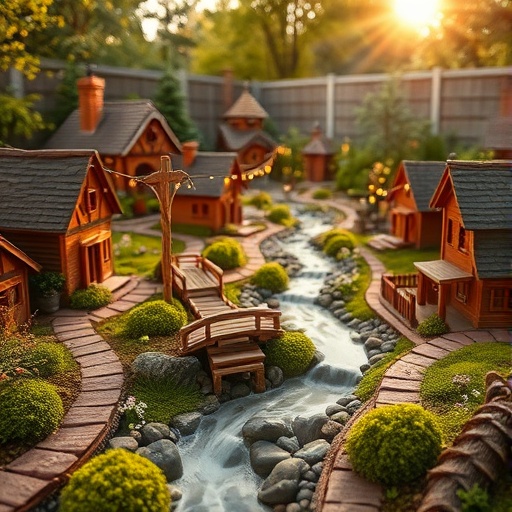
Did you know that nurturing a connection with nature can significantly boost wellbeing, with studies showing a 30% reduction in stress levels among regular gardeners? Imagine transforming a corner of your backyard into a whimsical sanctuary where nature and fantasy intertwine, a place that sparks wonder and creativity for both young and old. Are you ready to discover enchanting Fairy Garden Ideas for Kids that will not only bring magic to your outdoor space but also provide a joyful, hands-on learning experience? These miniature landscapes are more than just decorative elements; they are vibrant, living storytelling stages that encourage imagination, fine motor skills, and a deeper appreciation for the natural world. Let’s dive into how you can craft these captivating havens, making gardening an adventure for the whole family.
Tools & Materials Needed
To embark on your fairy garden adventure, gathering the right tools and materials is half the fun! Think of it as preparing for a grand creative expedition.
- Container or Designated Area: This is the foundation of your fairy world. Options include large terracotta pots, wine barrels, old wheelbarrows, raised garden beds, or a secluded corner of your existing garden. For an eco-friendly choice, repurpose an old plastic tote or a galvanized metal tub.
- Drainage Material: A layer of gravel, broken pottery shards, or even old wine corks at the bottom of your container is crucial for preventing root rot.
- Potting Mix: A high-quality, well-draining potting mix is essential. Look for organic blends rich in compost. Alternatively, you can create your own by mixing equal parts peat moss (or coconut coir as a sustainable alternative), perlite, and compost.
- Small Plants: Choose miniature plants that mimic full-sized trees and shrubs, or those with delicate textures. Succulents, moss, miniature ferns, creeping thyme, Irish moss, and small sedums are excellent choices. Consider plants like Baby Tears (Soleirolia soleirolii) for a lush, groundcover effect, or small dwarf conifers for a woodland feel.
- Miniature Accessories: This is where the magic truly unfolds! Think tiny houses, whimsical furniture (benches, tables), tiny paths made of pebbles or bark, bridges, stepping stones, and miniature garden tools. You can purchase these from craft stores or get creative with natural finds like small twigs, acorns, and smooth stones. Check out Pinterest boards like "Janay's Fairy Garden Inspirations" at https://www.pinterest.com/janatjanay47/ for boundless ideas.
- Decorative Elements: Glass beads, polished stones, small shells, dried flowers, and even small pieces of sea glass can add sparkle and charm.
- Gardening Gloves: Especially important for protecting little hands.
- Small Trowel and Hand Rake: For easy digging and sculpting.
- Watering Can with a Fine Rose: To gently water the delicate plants without disturbing the arrangements.
- Scissors or Small Pruners: For shaping and trimming plants.
For budget-friendly alternatives, forage for natural elements in your yard or local park – small branches can become fences, bottle caps can be mini stepping stones, and painted pebbles can transform into whimsical characters. Encourage children to use their imagination with recycled items!
Time & Effort Overview
Creating a large fairy garden is a delightful project that strikes a balance between artistic expression and horticultural care. Initial setup typically requires about 2 to 4 hours, depending on the complexity of your design and the number of elements you wish to incorporate. This is significantly less time-intensive than, say, establishing a new vegetable patch from scratch (which can take an entire weekend), but offers a comparable level of creative satisfaction.
Compared to more traditional gardening projects, the planting involved in fairy gardens is generally considered beginner level. The plants are small and forgiving, and the focus is often more on arrangement and aesthetics than meticulous plant care in the initial stages.
Maintenance is ongoing but relatively low-effort. Expect to spend about 15-30 minutes per week on watering, light pruning, and repositioning accessories. This is about 50% less time than maintaining a vibrant annual flower bed, which often requires daily deadheading and more frequent fertilization. The joy derived from these miniature worlds makes the effort feel negligible, especially when shared with curious young gardeners.
Step-by-Step Gardening Process
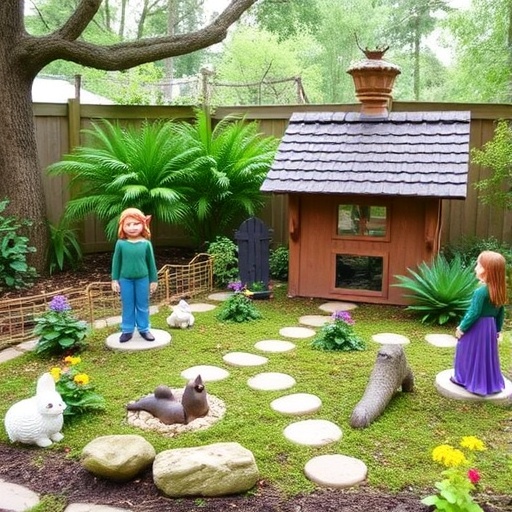
Ready to bring your fairy garden to life? Follow these clear steps to create a magical space.
Step 1: Choose Your Canvas and Ensure Drainage
First, select your container or garden spot. If using a container, ensure it has drainage holes. If not, drill a few or add a generous 1-2 inch layer of gravel at the bottom. This prevents waterlogging, a common killer of small plants. Don't worry if your container is unconventional; a broken pot can become a multi-level fairy dwelling!
Step 2: Add Potting Mix
Fill your container or designated area with your chosen potting mix. Leave about an inch or two from the rim of the container. Gently pat it down. This provides a healthy, aerated home for your miniature plants.
Step 3: Design Your Landscape
This is the fun part! Before planting, arrange your larger elements like fairy houses, miniature fences, or a tiny pond (a small mirror or blue glass can work wonders). Think about pathways using pebbles or sand. Children particularly love sketching out their dream garden first.
Step 4: Time to Plant!
Carefully remove your chosen miniature plants from their nursery pots. Tease apart any tightly bound roots. Dig small holes with your trowel or even your fingers where you want each plant to go. Place the plant, gently backfill with soil, and lightly press around the base. Group similar plants for visual impact or to create different zones (e.g., a "forest" area, a "meadow").
Step 5: Create Pathways and Features
Now, refine your pathways. Use fine gravel, sand, or small flat stones to create winding paths. Add bridges over small "streams" of blue glass or polished stones. This step truly starts to define the miniature world.
Step 6: Decorate with Accessories
Place your miniature furniture, whimsical figurines, and decorative elements. This is where your large fairy garden truly becomes enchanting. Add tiny swings, bird baths, or even miniature campfires made from twigs. Encourage kids to personalize it with their favorite small toys or natural treasures.
Step 7: The Initial Watering
After everything is in place, give your fairy garden a gentle watering using a watering can with a fine rose attachment. This settles the soil around the plants and washes away any loose dirt from your accessories.
Growth & Care Tips
Maintaining your large fairy garden ensures its longevity and charm. Think of it as tending to a tiny, living ecosystem.
- Watering Frequency: Miniature plants, especially those in smaller containers, tend to dry out faster. Check the soil moisture daily. Water when the top inch of soil feels dry to the touch. In warmer climates or during dry spells, this might be every 1-2 days. Overwatering causes root rot in over 60% of cases, so always err on the side of slightly dry rather than soggy. Use a fine-rose watering can to avoid dislodging delicate elements.
- Sunlight Exposure: Most fairy garden plants, like succulents and mosses, prefer bright, indirect light or partial shade. Direct, harsh afternoon sun can scorch delicate leaves. Aim for 4-6 hours of gentle sunlight. If your garden is indoors, a south-facing window with a sheer curtain or a grow light can replicate ideal conditions.
- Pruning: Keep your miniature plants looking their best by regularly trimming any leggy growth or yellowing leaves. Small scissors are perfect for this. Pruning encourages bushier growth and helps maintain the scale of your fairy garden.
- Fertilization: These plants have modest nutritional needs. A diluted liquid fertilizer (half-strength) can be applied once a month during the growing season (spring and summer) to replenish nutrients. Avoid over-fertilizing, which can lead to excessive growth and burn roots.
- Pest Prevention: While small, fairy gardens aren't immune to pests. Keep an eye out for common culprits like aphids or spider mites. A gentle spray of neem oil solution (1 teaspoon per liter of water) can effectively deter most pests without harming your delicate plants or the environment. Good air circulation also helps prevent fungal issues.
Eco-Friendly & Sustainable Alternatives
Cultivating a fairy garden can be a wonderful opportunity to embrace sustainable practices.
- Composting for Nutrients: Instead of chemical fertilizers, use homemade compost to enrich your potting mix. Small amounts of compost tea, made by steeping compost in water, can provide a natural nutrient boost. This reduces waste and introduces beneficial microbes to your soil.
- Water Conservation: Implement smart watering techniques. Consider using a self-watering bulb for consistent moisture or collect rainwater for your plants. Mulch your garden bed with fine bark chips or moss to retain soil moisture, reducing the need for frequent watering by up to 30%.
- Repurposed Materials: Give new life to old items! Broken ceramic dishes can become whimsical stepping stones, bottle caps can be miniature plates, and small pieces of driftwood can transform into tiny benches or fences. This reduces waste and adds unique character.
- Native Plants (Miniature Varieties): Research miniature indigenous plants suitable for your region. Native plants often require less water and maintenance once established and provide excellent habitats for local microfauna.
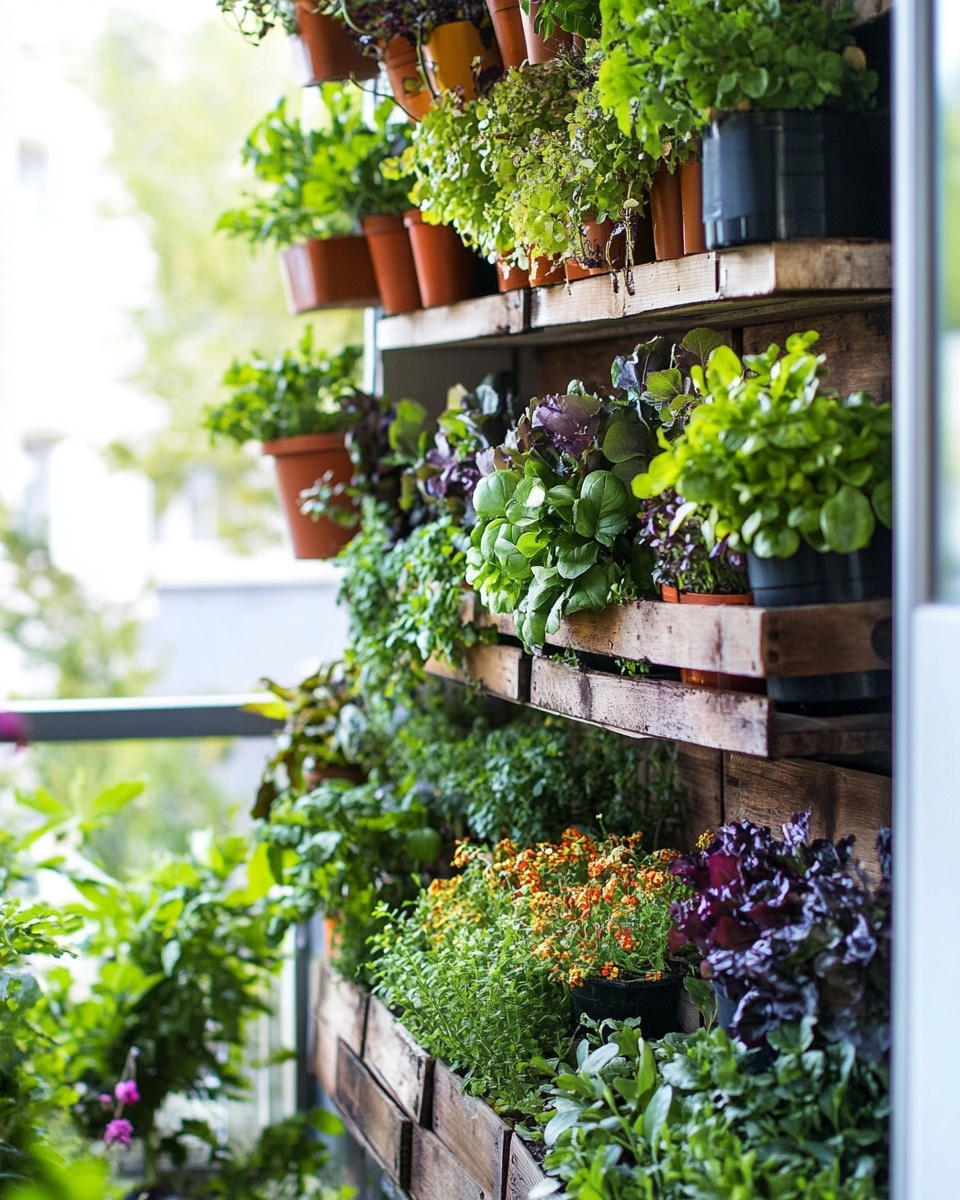
- Small Space Solutions: Don't have a large yard? No problem! A Fairy Garden Ideas for Kids delight can thrive in a simple terracotta pot on a balcony, a window box, or even a deep wooden crate. Vertical gardens using stacked containers can maximize space while offering multiple levels for different fairy scenes. Consider a vertical indoor garden for year-round enchantment.
Creative Ideas & Uses
Unleash your imagination and make your large fairy garden truly unique!
- Themed Gardens: Design themes around favorite stories or characters. A "Woodland Fairy Garden" could feature gnomes, moss, and pinecones, while a "Beach Fairy Garden" might use sand, shells, and blue glass for water.
- Repurpose Garden Materials: Old terracotta pot shards can become intriguing steps up a miniature hill. A small piece of a broken bird bath can be a fairy pond. Even a discarded teacup can house a tiny succulent. The possibilities are endless!
- Combine Plants Aesthetically: Create layers and visual interest. Use creeping plants like Irish moss as ground cover, taller succulents for small "trees," and delicate flowering plants for splashes of color. Think about contrasting textures and leaf shapes.
- Light It Up: Add tiny solar-powered string lights or battery-operated LED tealights to illuminate your fairy garden at night, creating an even more magical ambiance.
- Seasonal Touches: Decorate for holidays or seasons. Tiny pumpkins for autumn, miniature snowmen for winter, or colorful eggs for spring. This keeps the garden fresh and engaging throughout the year.
- Interactive Elements: Incorporate elements that children can move or rearrange, like pebble paths they can re-lay or small, hidden treasures they can discover.
Common Mistakes to Avoid
Even seasoned gardeners make errors; here’s how to sidestep common pitfalls with your enchanting large fairy garden.
- Overwatering: This is by far the most frequent mistake. Excess moisture leads to root rot, which can quickly wipe out your tiny plants. Overwatering causes root rot in an estimated 60% of new plant installations. Always check the soil moisture before watering.
- Incorrect Plant Choices: Using plants that quickly outgrow the space or have vastly different light and water needs can lead to an overgrown, unbalanced, and unhealthy garden. Research your miniature plants carefully before purchasing.
- Lack of Drainage: Containers without proper drainage holes will inevitably become waterlogged, suffocating roots. Ensure adequate drainage material is always at the base.
- Harsh Sunlight: Placing delicate miniature plants in intense, direct sun can cause leaf burn and stress. While some succulents can handle more sun, many small plants thrive in softer, indirect light. Burnt leaves indicate too much direct exposure.
- Ignoring Scale: Filling a fairy garden with full-sized garden ornaments or plants that quickly grow large will immediately break the illusion of a miniature world. Maintain a consistent scale for all elements.
- Forgetting Maintenance: Even low-maintenance gardens need attention. Neglecting to prune, water, or check for pests allows problems to escalate quickly, diminishing the magic of your fairy haven.
Maintenance & Storage Tips
Ensuring your large fairy garden remains beautiful and vibrant year after year requires a little ongoing love and smart management.
- Long-Term Plant Health: Regularly inspect plants for signs of stress, such as yellowing leaves (often indicating overwatering or nutrient deficiency) or wilting (underwatering). Address issues promptly. Rotate your garden if it's in a container to ensure even light exposure, preventing plants from leaning towards the sun. For a solution to yellow leaves, ensure your watering schedule is consistent and consider a balanced, diluted liquid feed. Poor soil drainage can also cause yellowing; assess your drainage layer if issues persist.
- Refreshing Soil: Every 1-2 years, consider carefully removing a portion of the old potting mix and replacing it with fresh, nutrient-rich soil. This replenishes vital minerals and improves aeration. You don't need to repot everything; just a top-dressing can suffice.
- Seasonal Care:
- Spring: This is an ideal time to refresh your garden. Add new plants, swap out old accessories, and consider a light prune for all plants to encourage new growth.
- Summer: Pay close attention to watering. Protect delicate plants from intense midday sun, perhaps with a small umbrella or by moving the container to a shadier spot.
- Autumn: Clear away any fallen leaves or spent blooms. Prepare tender plants for winter if you live in a cold climate by bringing them indoors.
- Winter: If your fairy garden contains hardy plants and is outdoors, ensure good drainage to prevent freezing and thawing that can damage roots. For indoor fairy gardens, reduce watering frequency as plants go into dormancy. Consider additional lighting if natural light is scarce.
- Accessory Storage: During off-seasons or when redecorating, store delicate fairy garden accessories in labeled containers. This keeps them safe from damage and makes it easy to find them when inspiration strikes again. Clean any accumulated dirt from houses or figurines before storing.
Conclusion
Embarking on the journey of creating large fairy garden ideas for kids is an incredibly rewarding experience that extends far beyond just landscaping. It invites creativity, fosters a love for nature, and provides a unique space for imaginative play. From carefully choosing your miniature plants and whimsical accessories to understanding the nuances of watering and sunlight, every step builds a magical world that will enchant both children and adults alike. This hands-on project not only beautifies your backyard or balcony but also teaches valuable lessons in responsibility, patience, and ecological care. The joy seen in a child’s eyes as they discover a tiny hidden path or a miniature fairy house is truly priceless, proving that sometimes, the smallest gardens hold the biggest adventures.
What magical world will you create? Share your fairy garden stories and photos with us, or dive into our other guides to keep your green thumb growing!
FAQ
Q1: What kind of plants are best for a large fairy garden?
A1: The best plants for large fairy gardens are miniature varieties that stay small and have slow growth rates. Think succulents like Sedum, Echeveria, or Sempervivum, as well as miniature ferns, creeping thyme, Irish moss, or dwarf conifers. These choices ensure your fairy garden ideas for kids maintain their scale and intricate detail.
Q2: How often should I water my fairy garden?
A2: Watering frequency depends on your climate, the size of your container, and the specific plants. Generally, check the soil daily and water when the top inch feels dry to the touch. It's better to slightly underwater than overwater, as excessive moisture leads to root rot.
Q3: Can fairy gardens be kept indoors?
A3: Absolutely! Many fairy gardens thrive indoors, making them perfect for year-round enjoyment. Just ensure they receive adequate bright, indirect sunlight, preferably from a south- or east-facing window, and adjust watering according to indoor conditions.
Q4: How do I prevent pests in my fairy garden?
A4: Good air circulation, consistent care, and vigilant inspection are key. If you spot pests like aphids or spider mites, a gentle spray of insecticidal soap or a diluted neem oil solution can effectively manage them without harming your miniature plants.
Q5: What are some budget-friendly fairy garden ideas for kids?
A5: Get creative with repurposed items! Use bottle caps for stepping stones, small twigs for fences, painted pebbles for signs, and even broken ceramic pieces for miniature pathways or structures. Nature itself provides a wealth of free and beautiful decorative elements.
Q6: My fairy garden plants are turning yellow. What's wrong?
A6: Yellowing leaves often indicate either overwatering or a lack of nutrients. First, check your watering schedule and ensure good drainage. If the soil is dry, deeply water. If the soil is consistently damp, allow it to dry out more between waterings. Consider a single application of a diluted liquid fertilizer to address potential nutrient deficiencies.
Q7: How do I maintain the scale of my large fairy garden as plants grow?
A7: Regular, gentle pruning is essential. Use small scissors or pruners to trim back any plants that are getting too large or leggy. This encourages bushier growth and helps maintain the miniature illusion of your fairy garden elements.
Here are some other guides you might find helpful for your gardening journey:
- Considering a kitchen herb garden for fresh flavor?
- Discover the best indoor plants that purify air naturally for a healthier home.
- Thinking about growing your own food? Check out our tips on the best vegetables to grow for beginners.
- For those with limited space, explore balcony herb garden design ideas.
- Learn how to start a vegetable garden from scratch and enjoy abundant harvests.