Introduction
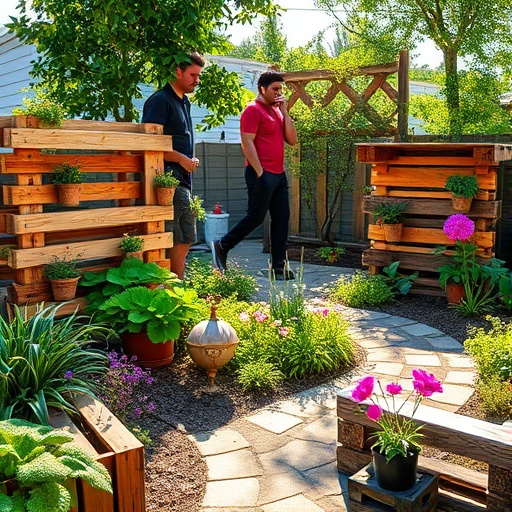
Did you know that an estimated 40% of residential waste in landfills could be repurposed, with wood pallets alone accounting for a significant portion? This staggering statistic highlights an incredible opportunity for creative minds and green thumbs alike, especially when it comes to transforming unused materials into functional and beautiful garden ideas. Imagine turning those forgotten wooden pallets into stunning vertical planters, herb gardens, or even charming garden furniture that elevates your outdoor living space without breaking the bank. This comprehensive guide will walk you through innovative ways to integrate pallet garden art and DIY ideas into your yard, helping you create a unique and sustainable sanctuary. Let's delve into how you can make a significant impact on your garden's aesthetic and environmental footprint.
Tools & Materials Needed
Embarking on your pallet garden project requires a thoughtful selection of tools and materials. The beauty of pallet gardening is its adaptability and often, its budget-friendliness.
Essential Tools:
- Pallets: Look for "HT" (Heat Treated) stamps, indicating they haven't been treated with harmful chemicals like methyl bromide. Avoid "MB" (Methyl Bromide) pallets. Often, you can find free pallets at local businesses, construction sites, or even through online marketplaces.
- Pry Bar & Hammer: For disassembling pallets if you plan to reconfigure the wood.
- Saw (Hand Saw or Jigsaw): Crucial for cutting planks to size and making precise cuts for your designs.
- Drill & Screws (or Nails): For sturdy construction. Opt for exterior-grade screws to prevent rust.
- Sandpaper or Electric Sander: Essential for smoothing rough edges and splinter prevention.
- Measuring Tape & Pencil: For accurate planning and marking.
- Safety Gear: Gloves, safety glasses, and a dust mask are non-negotiable for working with wood, especially repurposed pallets.
Gardening Supplies:
- Landscape Fabric or Burlap: To line planting pockets and prevent soil from falling through gaps.
- Potting Mix: Choose a high-quality, well-draining soil mix suitable for your chosen plants. For a more eco-friendly option, consider making your own compost-rich soil blend.
- Seeds or Seedlings: Whatever your garden ideas envision, from vibrant flowers to edible herbs.
- Paint or Wood Stain (Optional): To personalize and protect your pallet creations. Look for low-VOC (Volatile Organic Compound) options for a greener choice.
Eco-friendly Alternatives:
- Reclaimed Wood: Beyond pallets, consider other reclaimed wood sources for elements like shelves or decorative pieces.
- Recycled Containers: Old plastic bottles, tin cans, or even tires can be integrated as unique planters within or around your pallet structures.
- Compost: Instead of buying bagged potting mix, enrich your soil with homemade compost. It's free, earth-friendly, and packed with nutrients.
Time & Effort Overview
The time and effort involved in creating a pallet garden can vary significantly depending on the complexity of your chosen project and your DIY experience. A simple vertical herb garden might take a weekend, while an elaborate multi-tiered planter or garden bench could span several weekends.
- Simple Vertical Pallet Planter: Approximately 4-8 hours (preparation, assembly, planting). This project is excellent for beginners and can typically be completed 30% faster than building a raised bed from scratch.
- Pallet Garden Bench/Table: 8-16 hours (disassembly, cutting, assembly, finishing). This is an intermediate-level project, requiring more precision and potentially extra tools.
- Pallet Planter Box/Raised Bed: 6-12 hours (assembly, lining, filling). Ideal for intermediate gardeners looking for robust garden ideas.
Difficulty Level: Generally, pallet projects range from beginner (simple vertical planters, single planter boxes) to intermediate (multi-tiered designs, garden furniture). Advanced projects might involve complex joinery or intricate designs. Don't worry if you're new to DIY; many designs are remarkably forgiving and offer ample room for learning.
Step-by-Step Gardening Process
Ready to turn those pallet dreams into reality? Here’s a streamlined process to get your pallet garden thriving.
Step 1: Source and Inspect Your Pallets
Finding the right pallets is the first critical step. Always look for the "HT" stamp, which stands for heat-treated, indicating the wood has been safely treated without harmful chemicals. Avoid pallets labeled "MB" (Methyl Bromide), which are chemically treated and unsuitable for a food garden. Visually inspect pallets for signs of mold, severe damage, or excessive wear. For an effective pallet search, try local businesses that receive frequent shipments, such as small industrial parks or specialty stores; many are happy for you to take them off their hands.
Step 2: Prepare the Pallets
Once you have your pallets, it's time for preparation. Thoroughly clean them using a stiff brush and soapy water, then rinse and allow them to dry completely in the sun. This removes dirt, debris, and any potential surface contaminants. Next, sand down any rough edges or splinters. Don't worry if the wood isn't perfectly smooth; a rustic look often adds character. For projects requiring individual planks, carefully disassemble the pallets using a pry bar and hammer. Safety first: always wear gloves and eye protection.
Step 3: Design and Assemble Your Pallet Structure
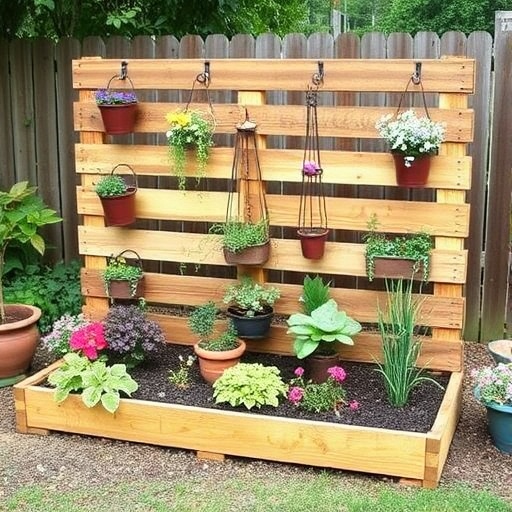
This is where your chosen garden ideas truly come to life! For a simple vertical planter, you might keep the pallet intact, attaching a solid base board and lining the internal gaps with landscape fabric to create planting pockets. If you’re building a planter box, cut the planks to size and screw them together to form your desired shape. For more intricate designs like a garden bench, precision marking and cutting are crucial. Use exterior-grade screws and a drill for strong, lasting joints. Here’s how to fix common wobbles: add corner braces or extra screws to reinforce connections.
Step 4: Line and Fill with Soil
Before planting, line your pallet structure. For vertical planters, staple landscape fabric or burlap to the inside of each planting pocket, ensuring it’s deep enough to hold soil and plants securely. For raised beds or planter boxes, line the entire interior with a permeable material like landscape fabric to prevent soil erosion and weed intrusion. Fill your lined structure with a high-quality potting mix. A good general rule is to use a mix that's 50% compost, 30% peat moss (or coco coir), and 20% perlite for excellent drainage and nutrient content.
Step 5: Plant Your Garden
Now comes the fun part! Consider the specific sun requirements and growth habits of your chosen plants when arranging them. For vertical gardens, plant species that cascade or don't require deep roots, like herbs (basil, mint, thyme) or small flowers (petunias, nasturtiums). In larger pallet boxes, you can comfortably grow vegetables like lettuce, radishes, or even dwarf tomatoes. Ensure adequate spacing for future growth. Remember to water thoroughly immediately after planting.
Step 6: Initial Watering and Placement
After planting, give your new garden a good, gentle watering to help settle the soil and reduce transplant shock. Place your pallet garden in a location that receives the appropriate amount of sunlight for your plants – most vegetables and many flowers need at least 6-8 hours of direct sunlight. If your pallet garden is mobile (on casters, for example), you can adjust its position as needed to track the sun or protect from harsh weather.
Growth & Care Tips
Consistent care is key to a flourishing pallet garden.
- Watering Frequency: Pallet gardens, especially vertical ones, tend to dry out faster than in-ground gardens due to increased air circulation. Check soil moisture daily. Water when the top inch of soil feels dry to the touch. In hot weather, this might mean twice a day. Early morning is often the best time to water, allowing foliage to dry before nightfall, reducing fungal disease risk.
- Sunlight Exposure: Most herbs and vegetables thrive in full sun (6-8 hours daily). Some leafy greens or shade-tolerant herbs can do well with partial sun (4-6 hours). Scientific studies show that insufficient light can reduce plant yield by up to 50% for sun-loving plants.
- Pruning & Deadheading: Regularly pinch back herbs to encourage bushier growth, and deadhead spent flowers to promote continuous blooming. This redirects plant energy from seed production to new growth and flowers.
- Fertilization: Since pallet gardens have contained soil, nutrients can deplete faster. Supplement with a balanced liquid fertilizer every 2-4 weeks, or integrate slow-release granular organic fertilizer into your potting mix at planting. Fish emulsion or compost tea are excellent organic choices.
- Pest Prevention: Inspect your plants regularly for signs of pests. Early detection is crucial. Use organic pest control methods like neem oil spray or introduce beneficial insects. Companion planting, such as marigolds near vegetables, can also deter harmful pests. For more on pest prevention, check out strategies for companion planting in your garden.
Eco-Friendly & Sustainable Alternatives
Sustainability is at the heart of pallet gardening. Let's maximize its eco-benefits!
- Composting: Start a small composting bin or pile. Your kitchen scraps and garden waste can create nutrient-rich soil amendments for your pallet garden, significantly reducing reliance on bagged fertilizers.
- Natural Fertilizers: Beyond compost, consider worm castings, coffee grounds (for acid-loving plants), or diluted urine (a surprisingly effective nitrogen source) as natural fertilizers.
- Water Conservation: Implement drip irrigation systems for vertical gardens to deliver water directly to the roots, minimizing evaporation. Collect rainwater in barrels for chemical-free watering. Mulch the top layer of soil with straw or wood chips to retain moisture, reducing watering needs by up to 30%.
- Alternatives for Small Spaces:
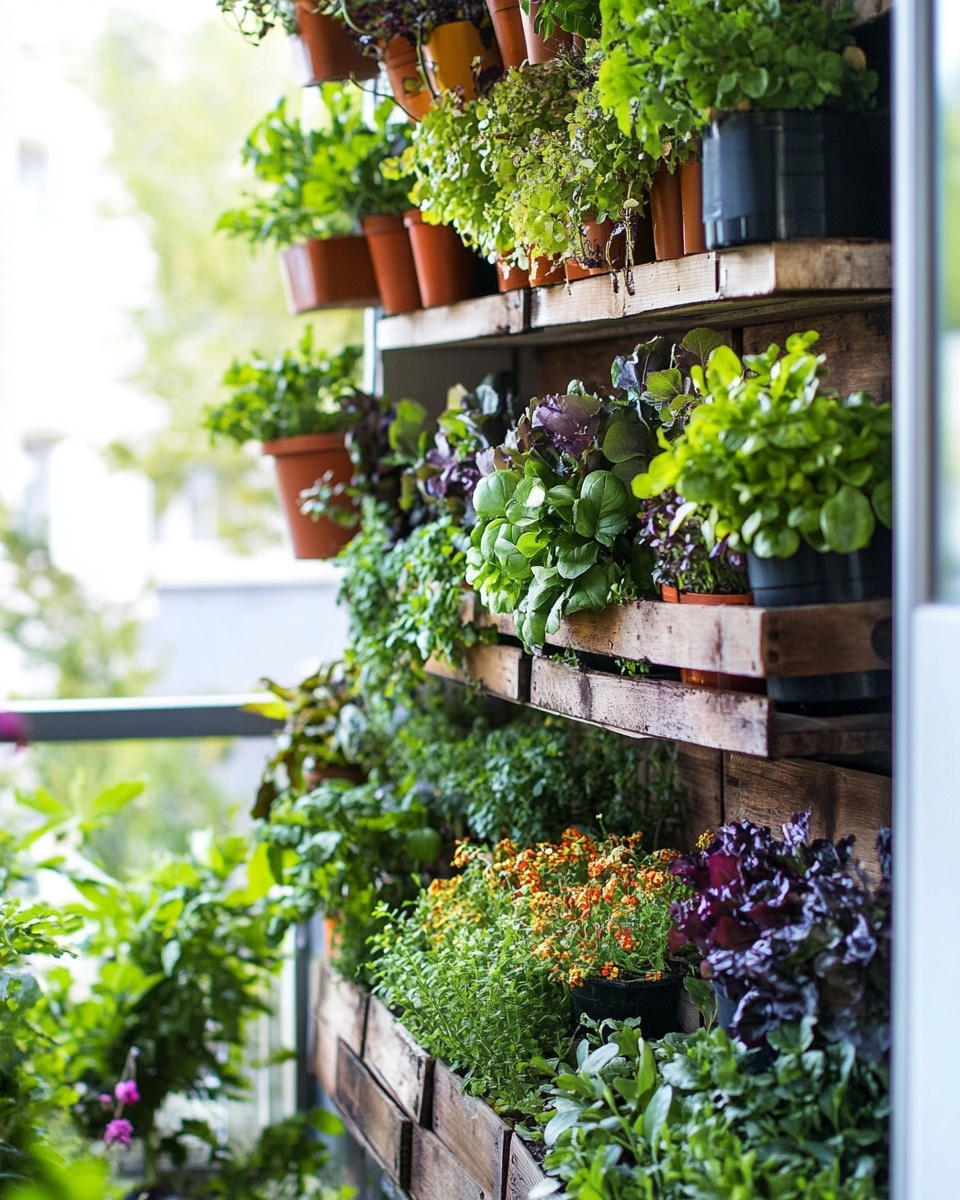
- Balcony Gardens: Pallet vertical planters are a match made in heaven for balconies, maximizing planting area without taking up precious floor space.
- Pot Gardens: For extremely small areas, individual pallet planters on casters allow for flexibility and mobility.
- Vertical Gardens: Beyond pallets, consider repurposed plastic bottle vertical gardens or hanging pouch planters for a dynamic and space-saving display. You might find inspiration in our guide on vertical indoor garden ideas for small spaces.
Creative Ideas & Uses
Pallets offer a world of creative possibilities for enhancing your outdoor space.
- Decorating with Plants: Mix and match plant textures and colors. Combine ornamental grasses with vibrant flowers, or intertwine vining plants like morning glories through the pallet slats for a lush look.
- Repurposing Garden Materials: Beyond pallets, old tires can become quirky planters, glass bottles can form garden edges, and broken pottery can be mosaic art for your pallet projects.
- Combining Plants Aesthetically: Create themes! A "pizza garden" with tomatoes, basil, oregano, and peppers, or a "sensory garden" with fragrant herbs like lavender, rosemary, and mint. For some ideas on what plants grow well together, consider our advice on best companion herbs to grow together.
- Design Ideas & Landscaping Inspirations:
- Pallet Living Wall: Stack multiple pallets or construct a custom frame to create a stunning green wall.
- Pallet Patio Furniture: Build an outdoor bench, coffee table, or even a bar using pallet wood. Paint or stain them for a polished look.
- Pallet Walkways or Decking: Lay flattened pallet planks to create rustic pathways or small deck areas.
- Pallet Compost Bins: Easily construct a multi-bay compost system for efficient waste management.
- Outdoor Art Installation: Paint vibrant murals directly onto pallet planks before assembling them into a unique garden backdrop.
- Children's Garden Nook: Create a small, safe, and engaging gardening space for kids using repurposed pallets for mini raised beds or a garden playhouse. For even more visual inspiration, explore design concepts on platforms like Pinterest: https://www.pinterest.com/janatjanay47/.
Common Mistakes to Avoid
Even experienced gardeners make mistakes! Here's how to steer clear of common pitfalls in pallet gardening.
- Using Untreated or Chemically Treated Pallets: As mentioned, "MB" pallets can leach harmful chemicals into your soil. Always choose "HT" pallets. In tests, plants grown near chemically treated wood showed significantly higher absorption of contaminants.
- Insufficient Drainage: Without proper drainage, roots can rot. Always ensure there are drainage holes or gaps in your pallet structures, and use well-draining soil. Overwatering causes root rot in over 60% of houseplants, and pallet gardens are no exception.
- Overcrowding Plants: While tempting to plant as much as possible, overcrowding leads to poor air circulation, increased disease risk, and competition for nutrients. Always follow recommended plant spacing for optimal growth. Studies show yield can decrease by 20-30% in overcrowded vegetable beds.
- Ignoring Sun Requirements: Placing sun-loving plants in shade or vice-versa will result in stunted growth or burnt foliage. Observe your garden for a full day to understand its sunlight patterns before planting.
- Neglecting Soil Quality: Your plants are only as good as their soil. Do not use garden soil directly from your yard in containers or pallet planters, as it compacts easily and lacks aeration. Invest in or create a good quality potting mix.
- Skipping Sanding: Rough pallet wood can cause splinters and injure plants (and you!). A quick sand job makes a huge difference in safety and aesthetics.
Maintenance & Storage Tips
Ensuring the longevity of your pallet garden art and plants requires ongoing attention.
- Long-term Plant Health:
- Soil Amendment: Replenish nutrients annually. Top-dress with compost or fresh potting mix at the start of each growing season.
- Crop Rotation: If growing edibles, rotate your chosen crops within different sections of your pallet garden each year. This helps prevent nutrient depletion and reduces the build-up of specific soil-borne diseases.
- Pest and Disease Monitoring: Conduct weekly checks. Early intervention is key to managing issues before they become widespread.
- Seed Storage: If you're saving seeds from your pallet garden, ensure they are thoroughly dry before storing them in airtight containers in a cool, dark, and dry place. Proper storage can maintain viability for several years.
- Seasonal Care:
- Winter Protection: For perennial plants in colder climates, consider covering your pallet planters with burlap or moving smaller, mobile units indoors or into a sheltered area. Raised pallet beds can also be insulated with straw bales around the perimeter.
- Summer Stress: Provide afternoon shade for heat-sensitive plants during peak summer heat waves. Increase watering frequency and mist foliage if humidity is low.
- Solutions for Common Issues:
- Yellow Leaves: Often indicates overwatering (pale yellow) or nutrient deficiency (yellow with green veins). Assess your watering schedule and consider a balanced fertilizer.
- Poor Soil Drainage: If water pools on the surface, your soil might be too compact or lack adequate perlite/sand. You may need to amend the soil or ensure drainage holes are not blocked.
- Pallet Wood Preservation: To extend the life of your wooden structures, apply a weather-resistant, non-toxic sealant or exterior paint every 1-2 years, especially if exposed to harsh elements.
Conclusion
Embracing pallet gardening is more than just a trend; it's a smart, sustainable, and incredibly rewarding way to enhance your outdoor living space. By repurposing readily available materials, you not only reduce waste but also unleash endless creative garden ideas that inject unique character into your yard. From vibrant vertical herb gardens to charming outdoor furniture, the possibilities are limited only by your imagination. We've explored everything from sourcing the right pallets and essential tools to detailed planting steps and crucial care tips, ensuring your success.
Now it's your turn! Don't let those old pallets sit unused. Grab your tools, get inspired, and start building your dream garden today. Share your pallet garden creations with us on social media—we’d love to see how you're transforming your yard! For more DIY gardening inspiration, keep exploring our guides.
FAQ
Q1: Where can I find free HT-stamped pallets?
A1: Many local businesses, especially those receiving regular shipments, are often happy to give away pallets. Try contacting hardware stores, pet supply stores, nurseries, or small manufacturing companies. Always ask permission before taking pallets.
Q2: What plants are best for vertical pallet gardens?
A2: For vertical pallet gardens, choose plants with shallow root systems or those that cascade. Excellent choices for your garden ideas include various herbs (mint, thyme, basil, oregano), leafy greens (lettuce, spinach), strawberries, and small flowering annuals like petunias or nasturtiums.
Q3: How do I protect my pallet garden from rotting in the rain?
A3: To extend the life of your pallet garden, especially if using it outdoors, apply a weather-resistant stain or exterior-grade paint. You can also line the interior with heavy-duty pond liner or landscape fabric to prevent direct soil-to-wood contact and ensure good drainage to avoid standing water.
Q4: Can I use pallet wood for raised vegetable beds?
A4: Yes, absolutely! Pallet wood is fantastic for raised garden beds, provided you use HT-stamped pallets to avoid chemical contamination. Line the interior with landscape fabric or a food-safe pond liner to further protect the wood and prevent soil from escaping through gaps.
Q5: What’s the best way to clean and prepare a pallet for gardening?
A5: Start by scrubbing the pallet thoroughly with a stiff brush and warm, soapy water (dish soap works fine) to remove dirt, grime, and potential contaminants. Rinse well with a hose and let it dry completely in the sun. Then, sand down any rough spots or splinters to make it safe to handle and plant.
Q6: My plants in the pallet garden are wilting despite watering. What could be wrong?
A6: Wilting can be a sign of both under- and overwatering. Check the soil moisture deeper than just the surface. If the soil is consistently soggy, you might have drainage issues or be overwatering. If it's bone dry, increase your watering frequency. Heat stress or nutrient deficiencies can also cause wilting. Consider what specific garden ideas you've implemented and check light exposure and fertilization.
Q7: How often should I fertilize my pallet garden?
A7: Since pallet gardens typically use potting mix, which has finite nutrients, regular fertilization is important. For most plants, a balanced liquid fertilizer applied every 2-4 weeks during the growing season is ideal. Organic options like compost tea or fish emulsion are also excellent choices for maintaining healthy growth.
Explore More Gardening Adventures:
- Looking for beginner-friendly edible plants? Discover the best vegetables to grow for beginners and start your edible pallet garden today!
- Considering starting a larger vegetable patch? Our guide on how to start a vegetable garden from scratch provides essential foundational knowledge.
- Want more easy indoor options? Check out our tips on easy indoor gardening setup for beginners for year-round green thumb success.
- Dreaming of a lush balcony space? Get design inspiration from balcony herb garden design ideas to complement your pallet creations.
- Mastering the art of vertical gardening? Dive into more detailed advice with vertical indoor garden ideas for small spaces.