Introduction
Did you know that investing in a thoughtfully designed garden can increase your home's value by an average of 15%? Beyond the financial benefits, the psychological impact of a beautiful outdoor space is immense, reducing stress levels by up to 20% according to environmental psychology studies. Are you ready to transform your backyard into an inspiring sanctuary, moving beyond basic flora to create a truly captivating garden ideas masterpiece? This guide will unveil stunning brick garden design and landscaping ideas, offering a blend of aesthetics and practicality to enhance any outdoor space. We’ll delve into data-driven insights and expert tips to ensure your brick garden not only looks spectacular but also thrives, proving that even a small garden space can become a vibrant haven.
Tools & Materials Needed
Embarking on a brick garden project, whether it's a raised garden bed or a sprawling brick pathway, requires the right tools and materials. Having everything ready before you start will save you time and frustration, making the process smoother and more enjoyable.
Essential Tools:
- Shovel or Spade: For digging trenches and moving soil. A good quality, ergonomic shovel can reduce back strain significantly.
- Trowel: Ideal for smaller digging, planting, and mixing soil amendments in your brick garden.
- Wheelbarrow: Indispensable for transporting bricks, soil, and gravel efficiently.
- Rubber Mallet: To gently tap bricks into place without damaging them.
- Tamper: Crucial for compacting the base material for pathways or patios, ensuring stability.
- Masonry Trowel: If you’re using mortar, this specialized trowel helps apply it neatly.
- Measuring Tape: Accuracy is key in brickwork; a sturdy tape measure ensures precise placement.
- Spirit Level: To ensure your brick structures are perfectly level, avoiding future drainage issues.
- String Line and Stakes: For establishing straight lines and proper alignment, essential for any well-defined brick garden.
- Safety Glasses and Gloves: Always protect your eyes and hands when working with bricks and tools.
Materials:
- Bricks: Choose durable, exterior-grade bricks. Reclaimed antique bricks offer a charming, weathered look and are an eco-friendly option. For a more modern aesthetic, consider new, uniform pavers.
- Sand: Washed concrete sand (often specified as C-33 sand) is typically used for a leveling bed under bricks.
- Gravel/Crushed Stone: A sub-base of 4-6 inches of crushed stone (like 3/4-inch gravel) provides excellent drainage and stability, especially for pathways.
- Landscape Fabric: Placed between the soil and gravel, this prevents weeds and keeps your base materials from mixing with the underlying earth.
- Mortar Mix (Optional): If you're building permanent, mortared structures like raised beds or walls. Otherwise, dry-laid bricks are often preferred for flexibility and drainage in a garden environment.
- Topsoil & Compost: High-quality soil enriched with compost is vital for healthy plant growth in your new brick garden beds. Experts suggest a 70/30 blend of topsoil to compost for optimal nutrient availability.
- Plants/Seeds: Select plants suitable for your climate and the specific conditions of your brick garden (sun exposure, soil type).
Eco-Friendly & Budget-Friendly Alternatives:
- Reclaimed Bricks: Sourcing bricks from demolition sites or salvage yards can significantly reduce costs and offer a unique, aged aesthetic. This also diverts waste from landfills.
- DIY Compost: Instead of buying bagged compost, create your own from kitchen scraps and yard waste. It’s free, enriches your soil, and reduces household waste. Find tips on organic fertilizer recipes here: https://pincraftpro.com/organic-fertilizer-recipes-for-herb-gardens/.
- Local Wildflowers/Native Plants: These often require less water and maintenance once established and are usually more resilient.
- Upcycled Materials: Old wooden planks (untreated), broken concrete pieces (known as "urbanite"), or even large river stones can be creatively incorporated for edging or pathways alongside bricks, reducing material purchases.
Time & Effort Overview
Designing and installing a brick garden feature can range from a weekend project to a multi-week endeavor depending on its complexity and scale. Consider this a roadmap for your commitment.
Approximate Time Required:
- Small Brick Edging (e.g., a 20-foot border): 4-8 hours. This is typically a beginner-friendly project.
- Raised Brick Garden Bed (4×8 feet): 1-2 days. This involves more digging and precise brick stacking, suitable for intermediate gardeners.
- Brick Pathway (50 square feet): 2-4 days. This project requires significant base preparation and careful leveling, leaning towards intermediate to advanced.
- Complex Brick Patio or Wall: 1-2 weeks or more. These often require professional assistance or advanced DIY skills.
Comparison: Creating a dry-laid brick pathway is often about 30% faster than pouring a concrete path of similar size, as it doesn't involve waiting for curing times. Raised beds, while initially more labor-intensive than simple in-ground planting, often reduce gardening effort by 25% annually due to better drainage and less bending for maintenance.
Difficulty Level:
- Beginner: Simple brick edging, single-layer borders.
- Intermediate: Raised garden beds, basic straight pathways.
- Advanced: Curved pathways, retaining walls, complex patterns, or mortared structures.
Don’t be intimidated if you’re a beginner! Even advanced projects can be broken down into manageable steps, and the satisfaction of building your own beautiful brick garden is truly rewarding.
Step-by-Step Gardening Process
Ready to dig in? Here’s a clear, concise guide to bringing your brick garden ideas to life.
1. Plan Your Design and Mark the Area
Sketch your brick garden layout. Consider sun exposure, existing plants, and drainage. Use stakes and string to mark the boundaries of your brick structure (pathway, bed, edging). This visual aid helps confirm proportions and alignment before any digging begins. For pathway projects, remember to factor in a slight slope (about 1/4 inch per foot) for water runoff.
2. Excavate the Area
Dig out the marked area. For pathways or patios, excavate 6-8 inches deep to accommodate the gravel sub-base, sand setting bed, and the bricks themselves. For raised beds, you're primarily defining the footprint and perhaps digging a shallow trench for the first brick course. Remove any weeds, roots, and large rocks.
3. Install Landscape Fabric
Lay down heavy-duty landscape fabric over the excavated area. This critical step prevents weeds from growing up through your bricks and helps keep your base layers separate from the native soil. Overlap seams by at least 6 inches.
4. Add and Compact the Sub-Base
Pour 4-6 inches of gravel or crushed stone onto the landscape fabric. Rake it evenly. Now, compact this layer thoroughly using a hand tamper or a rented plate compactor for larger areas. Proper compaction, aiming for at least 90% density, is vital for a stable, long-lasting surface that won't shift over time – a common oversight in DIY projects.
5. Create the Sand Setting Bed
Spread 1-2 inches of washed concrete sand over the compacted gravel. Use a screed board (a straight piece of lumber) to level the sand evenly across the entire area. You can lay two pipes or 2x4s as guides on either side of the bed at the desired finished height, then drag the screed board along them to create a perfectly flat surface. Don’t walk on the leveled sand.
6. Lay the Bricks
Start laying your bricks firmly into the sand bed, working from one corner outwards. Maintain consistent spacing (typically about 1/8 inch) between bricks. Use a rubber mallet to gently tap each brick to seat it securely and adjust its level. Don’t worry if they aren't absolutely perfect at first; minor adjustments can be made. For patterns like herringbone or basketweave, ensure your first few rows are perfectly square.
7. Install Edging or Restraints (for Pathways/Patios)
For pathways and patios, install rigid edging along the perimeter. This can be plastic, metal, or a curb made from bricks set in concrete. This edging is essential to prevent your bricks from spreading and losing their pattern over time, maintaining the integrity of your brick garden.
8. Sweep in Joint Sand
Once all bricks are laid, spread polymeric sand or fine masonry sand over the surface. Use a push broom to sweep the sand into all the gaps and joints between the bricks. Brush off any excess sand from the brick surfaces. Polymeric sand contains an additive that hardens when wet, offering superior joint stability and weed prevention.
9. Water the Area (for Joints)
Lightly mist the entire brick area with water using a hose with a fine spray nozzle. This activates the polymeric sand or settles regular sand into the joints. Be careful not to create puddles, as this can wash out the sand. Repeat misting a few times over the next 24 hours until the joints are firm.
Growth & Care Tips
Ensuring the longevity and vibrancy of your brick garden isn't just about the initial build; it's about thoughtful cultivation and ongoing care.
Watering Frequency:
Most garden plants prefer deep, infrequent watering rather than shallow daily sprinkles. Aim for 1-2 inches of water per week, either from rain or irrigation. Check soil moisture by sticking your finger an inch or two deep; if it feels dry, it's time to water. Raised brick garden beds tend to dry out faster than in-ground beds due to increased air circulation around their sides, so monitor them closely. Studies show that drip irrigation systems can reduce water usage by up to 50% compared to traditional sprinklers.
Sunlight Exposure:
Observe your brick garden throughout the day to understand its sunlight patterns. Full sun plants need 6+ hours of direct sun daily. Partial sun/shade plants need 3-6 hours, and full shade plants need less than 3 hours of direct sun. Position plants accordingly. For example, sun-loving herbs like thyme and rosemary thrive in exposed brick beds, while ferns might prefer the cooler, shaded side of a brick wall.
Pruning:
Regular pruning encourages bushier growth, more blooms, and removes dead or diseased branches. For flowering plants, deadheading (removing spent blooms) redirects energy to new flower production. For shrubs or small trees, prune during their dormant season for best results. Data indicates that proper pruning can extend the lifespan of many perennial plants by 15-20%.
Fertilization:
Healthy soil is the foundation. Perform a soil test every 2-3 years to determine specific nutrient deficiencies. In general, incorporate compost annually into your garden beds. For a boost, use a balanced slow-release organic fertilizer at the beginning of the growing season. Over-fertilization can lead to weak, leggy growth and even burn plants. Consider linking back to https://pincraftpro.com/organic-fertilizer-recipes-for-herb-gardens/ for more organic options.
Pest Prevention:
A diverse garden with native plants and beneficial insects is your best defense. Companion planting, such as marigolds near vegetables, can deter pests. Regularly inspect your plants for signs of trouble. If pests appear, try natural remedies first: a strong spray of water can dislodge aphids, or a neem oil solution can combat many soft-bodied insects. Early detection often prevents major infestations.
Eco-Friendly & Sustainable Alternatives
Making your brick garden green in every sense of the word is easier than you think and immensely beneficial for the environment.
Composting:
This is gardening gold! Create a compost pile or use a tumbler for kitchen scraps, yard waste, and shredded newspaper. The resulting nutrient-rich compost enriches your soil, reduces landfill waste, and attracts beneficial microorganisms. It’s a core practice for any sustainable garden. Learn more about composting in this guide: https://pincraftpro.com/organic-greenhouse-gardening-tips/.
Natural Pest Control:
Embrace biodiversity. Encourage ladybugs, lacewings, and birds by planting nectar-rich flowers. Use insecticidal soaps or neem oil as a last resort, rather than broad-spectrum chemical pesticides that harm beneficial insects and pollinators.
Water Conservation:
- Rain Barrels: Collect rainwater from your roof to use for irrigation. This reduces reliance on municipal water and can save you money.
- Drip Irrigation/Soaker Hoses: Deliver water directly to the plant roots, minimizing evaporation.
- Mulching: Apply a 2-4 inch layer of organic mulch (wood chips, straw, shredded leaves) around plants. This dramatically reduces water evaporation (by up to 25-30%), suppresses weeds, and regulates soil temperature.
- Native Plants: Choose plants indigenous to your region. They are naturally adapted to local rainfall patterns and usually require less supplemental watering once established.
Alternatives for Small Spaces:
Don't have a sprawling backyard for a full brick garden? No problem!
- Balcony Gardens: Use bricks to create stylish planters or small raised beds on a sturdy balcony. Terracotta pots or upcycled containers can complement the brick aesthetic. Check out these balcony herb garden ideas: https://pincraftpro.com/balcony-herb-garden-design-ideas/.
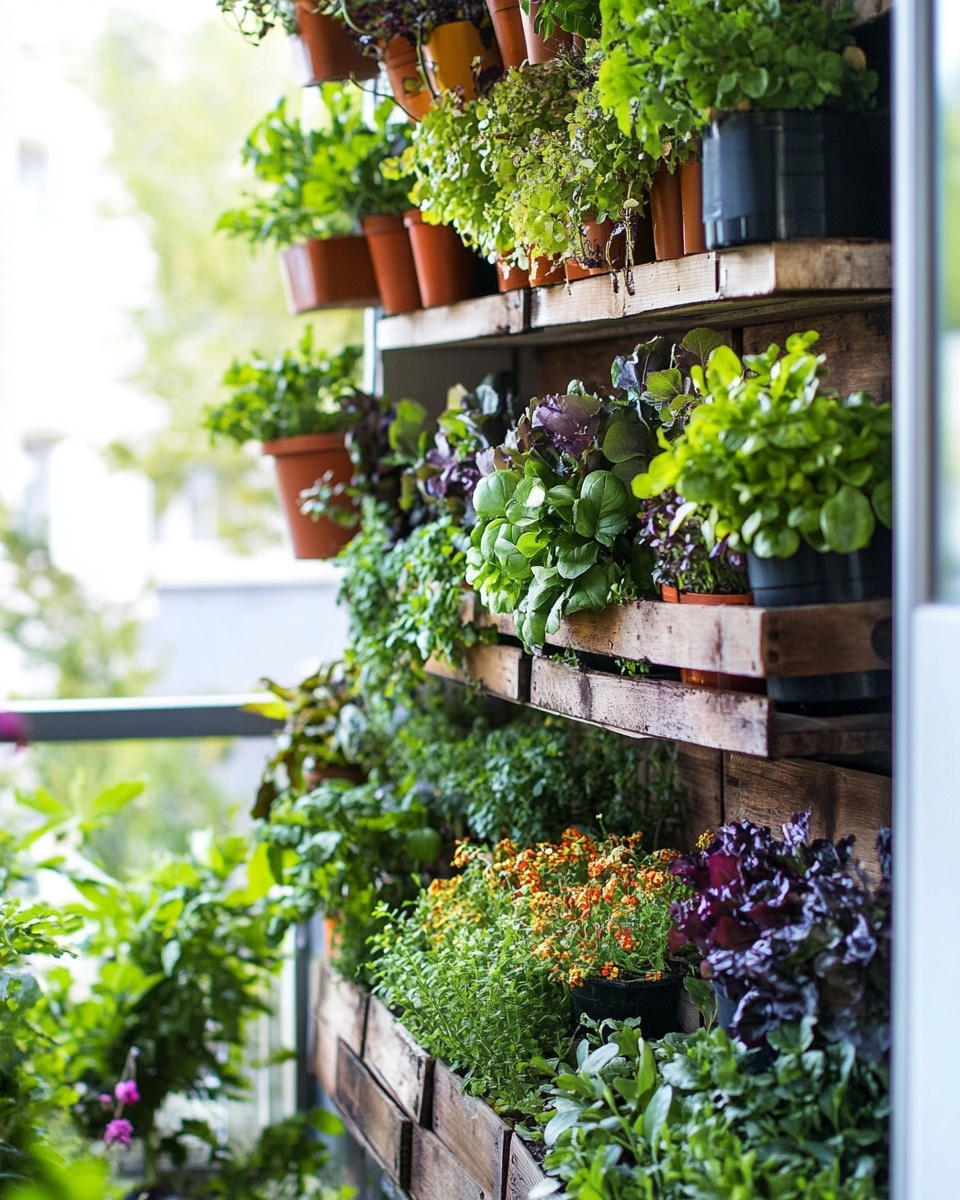
- Vertical Gardens: Attach planters to a brick wall or build a simple vertical structure from pallets. This maximizes planting space without taking up valuable floor area.
- Container Gardening: Bricks can define areas for a collection of potted plants on a patio or deck, offering flexibility and portability. Consider using them as decorative bases or low-level screening.
- Miniature Raised Beds: Even a 2×2 foot brick-lined raised bed can grow a surprising amount of herbs or small vegetables.
Creative Ideas & Uses
A brick garden is a canvas for your imagination. Bricks offer a classic, enduring quality that pairs beautifully with almost any plant palette.
Decorating with Plants:
- Cascading Vines: Plant ivy, creeping Jenny, or flowering groundcovers along the top of a brick wall or raised bed to soften its lines and create a lush, natural cascade.
- Textural Contrast: Pair the rough, solid texture of bricks with delicate ferns, feathery grasses, or vibrant blooms for a stunning visual contrast.
- Moss & Lichen: Encourage moss and lichen growth on older bricks in shaded, moist areas for an enchanting, aged garden look.
- Container Groupings: Place ornamental pots and planters, filled with different heights and textures of plants, directly on brick patios or pathways to add focal points and movable greenery.
Repurpose Garden Materials:
- Broken Brick Edging: Turn broken brick pieces into rustic, informal edging for flower beds or tree rings.
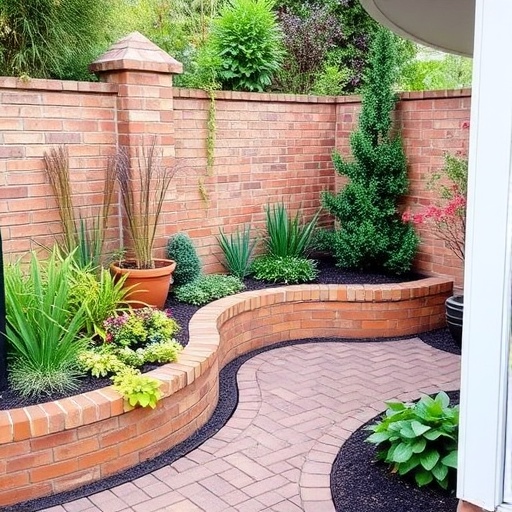
- Brick Pathways: Create charming, meandering pathways through your garden spaces using reclaimed bricks. They direct foot traffic and add architectural interest.
- Raised Planters: Build tiered raised planters with different levels using bricks, allowing for varied plant displays and better drainage.
- Bird Baths/Water Features: A sturdy brick base can elevate a bird bath or support a small cascading water feature, adding sound and attracting wildlife.
Landscaping Inspirations:
- Cottage Garden Charm: Use weathered bricks for informal pathways and low garden walls, overflowing with classic cottage garden plants like roses, lavender, and delphiniums. The natural variations in brick color will enhance this aesthetic.
- Modern Minimalist: Opt for sleek, uniform pavers for clean lines, geometric patterns, and structured garden beds. Pair with architectural plants, succulents, and monochromatic color schemes for a contemporary feel.
- Formal Symmetry: Employ meticulously laid bricks in symmetrical patterns for pathways and borders, leading to a central focal point like a statue or fountain. This creates a sense of order and elegance.
- Mediterranean Oasis: Combine warm-toned bricks with drought-tolerant plants like olive trees, rosemary, and bougainvillea. Add terracotta pots and perhaps a small tiled water feature to complete the look.
- Kitchen Garden Integration: Build raised brick beds for your edibles. This keeps soil contained, warms up faster in spring, and provides a beautiful, organized structure for growing vegetables and herbs. For ideas on starting a vegetable garden, see: https://pincraftpro.com/how-to-start-a-vegetable-garden-from-scratch-2/.
Common Mistakes to Avoid
Even experienced gardeners make blunders. Knowing these common pitfalls can save you time, money, and heartache in your brick garden ideas journey.
- Poor Drainage: This is arguably the biggest killer of plants. If your raised beds or planted areas don't have adequate drainage holes or permeable soil, roots will sit in water and rot. Overwatering causes root rot in an estimated 60% of houseplants and many outdoor plants in inadequately draining soil. Always ensure your brick beds have a good layer of gravel at the bottom if built on impermeable surfaces, and use a well-draining soil mix.
- Insufficient Site Preparation: Skipping critical steps like excavating deep enough, adding a proper sub-base, or thoroughly compacting layers for brick pathways leads to uneven, shifting surfaces and potential trips. A rushed foundation means eventual structural failure, requiring a complete redo.
- Ignoring Sunlight Needs: Planting sun-loving plants in deep shade or shade-loving plants in relentless sun sets them up for failure. Always observe your garden's light patterns throughout the day and choose plants accordingly. A plant placed in unsuitable light conditions will likely be stunted, stressed, and more susceptible to pests and diseases.
- Overcrowding Plants: While it's tempting to fill your brick garden beds quickly, plants need space to grow. Overcrowding leads to poor air circulation, increased humidity (fostering fungal diseases), and competition for resources like light, water, and nutrients. Read plant tags for mature size and space them appropriately.
- Not Using Landscape Fabric: While some argue against it, for brick pathways or patios, skipping landscape fabric often results in weeds pushing through cracks within months, requiring constant, frustrating maintenance. It’s a small investment that offers long-term benefits.
- Inconsistent Watering: Both underwatering and overwatering are detrimental. Develop a consistent watering routine based on plant needs, weather, and soil type. Monitoring soil moisture manually is often more effective than adhering strictly to a schedule.
- Neglecting Soil Health: Soil is not just dirt; it's a living ecosystem. Regularly amending with compost and avoiding harsh chemical fertilizers nurtures beneficial soil organisms. Neglecting soil health leads to nutrient deficiencies, poor plant vigor, and increased reliance on external inputs.
Maintenance & Storage Tips
Long-term success in your brick garden depends on consistent care and smart planning.
Long-Term Plant Health:
- Seasonal Pruning: Prune deciduous trees and shrubs in late winter when dormant. Prune flowering shrubs after they bloom. Regular deadheading of annuals and perennials boosts flower production.
- Soil Amendment: Annually, especially in spring, top-dress your garden beds with a layer of fresh compost. This replenishes nutrients naturally without synthetic fertilizers.
- Mulch Refresh: Replenish organic mulch every year or two to maintain its weed-suppressing and moisture-retaining benefits.
- Pest and Disease Monitoring: Make it a habit to walk through your garden regularly, inspecting plants for any signs of stress, pests, or diseases. Early detection makes treatment much easier.
Brick Structure Maintenance:
- Weed Control: Sweep loose sand into joints regularly to keep them filled. For dry-laid bricks, if weeds inevitably pop through, pull them by hand or use an eco-friendly weed killer. For polymeric sand, reapply if joints erode significantly over time.
- Cleaning: Periodically sweep debris off brick pathways and patios. For stubborn stains or moss growth, a pressure washer (with caution to avoid dislodging joint sand) or a stiff brush with a mild soap solution can work wonders.
- Repointing (for mortared bricks): If mortar joints crack or crumble, they will need to be repaired (repointed) to maintain structural integrity and appearance.
Seed Storage:
If you save seeds from your own plants or have leftover packets, proper storage is crucial for viability.
- Cool, Dark, Dry: The ideal conditions for seed storage. A pantry, a refrigerator (in an airtight container), or a freezer can all work.
- Airtight Containers: Protect seeds from moisture and humidity, which degrade them quickly. Glass jars with tight lids or sealed plastic bags are excellent.
- Labeling: Always label seeds with the plant type and date collected or purchased. Most seeds remain viable for 1-5 years, but some last longer.
Solutions for Common Issues:
- Yellow Leaves: Usually indicates a nutrient deficiency (often nitrogen), overwatering (common causes), or underwatering. Assess your watering habits and consider a balanced fertilizer or soil test.
- Poor Soil Drainage: If water pools or drains extremely slowly, you might need to amend heavy clay soil with organic matter like compost, or consider building raised beds in that area for better control. For existing beds, carefully aerating around plants can help, but prevention is key.
- Leggy Plants: Often a sign of insufficient light. Plants stretch towards the light source, becoming weak and spindly. Move them to a sunnier spot or supplement with grow lights.
- Fungal Growth (on bricks): In damp, shaded areas, moss or algae can grow on bricks, making them slippery. Use a diluted bleach solution (1 part bleach to 10 parts water) or a commercial cleaner, scrubbing with a stiff brush.
Conclusion
Embracing the world of gardening, especially with stylish brick elements, offers a harmonious blend of aesthetic pleasure and practical benefits. We've explored everything from initial garden ideas and tools to sustainable practices and common mistakes, empowering you to create an outdoor space that truly reflects your vision. Remember, a thriving garden is a journey, not a destination. Each brick laid, each seed planted, and every moment spent nurturing your green space contributes to a more beautiful, and often more valuable, home environment. The data consistently shows the positive impact of well-maintained gardens on well-being and property value.
Now it’s your turn! Don’t just read about these amazing brick garden designs; take the first step towards creating your own. Gather your tools, pick your favorite bricks, and start imagining the vibrant life you'll cultivate. We’d love to see your progress! Share your photos and garden ideas with us on social media using #PincraftProGardens, or leave a comment below with your favorite tip. Happy gardening!
FAQ
Q1: What are the best types of bricks for a raised garden bed?
A1: For raised garden beds, solid, durable bricks like clay pavers or concrete blocks are ideal. Avoid hollow bricks for structural integrity. Ensure they are suitable for outdoor use and direct contact with soil; consider reclaimed bricks for an eco-friendly and charming aesthetic in your garden ideas.
Q2: How do I prevent weeds from growing between brick pavers in my garden?
A2: The best defense against weeds is proper preparation: a good sub-base of compacted gravel, landscape fabric, and a tightly packed sand setting bed. For joints, using polymeric sand which hardens when wet, is highly effective. Regular sweeping and prompt removal of any sprouting weeds also helps maintain your brick garden.
Q3: Can I build a brick garden path on a slope?
A3: Yes, but it requires careful planning. For gentle slopes, bricks can be laid, but you'll likely need to create small steps or landings at intervals to manage the grade. For steeper slopes, consider mortared bricks for better stability or consult a professional. Ensuring proper drainage is even more critical on a slope.
Q4: How often should I water plants in a raised brick garden bed?
A4: Raised beds tend to dry out faster than in-ground beds. Check the soil moisture daily, especially during hot, dry weather. Water deeply when the top inch or two of soil feels dry. This could be every day or every few days, depending on your climate and plant types. Drip irrigation can be a lifesaver for consistent watering.
Q5: Are brick gardens good for growing vegetables?
A5: Absolutely! Raised brick garden beds are excellent for vegetables. They offer improved drainage, allow for custom soil mixes, warm up faster in spring, and can reduce bending, making gardening more accessible. Plus, the brick structure beautifully defines the vegetable patch within your overall garden ideas. You might find our tips on https://pincraftpro.com/best-vegetables-to-grow-for-beginners-2/ helpful!
Q6: What's the difference between dry-laid and mortared brick for garden projects?
A6: Dry-laid bricks are set on a compacted base of gravel and sand, relying on tight spacing and joint sand for stability. They are permeable, allowing water to drain through, and are easier to repair or reconfigure. Mortared bricks are set with cement mortar, creating a rigid, permanent structure. Mortared applications are typically for retaining walls or very formal patios where a solid, impenetrable surface is desired. For most typical garden use, dry-laid is preferred due to its flexibility and drainage benefits.
Q7: Where can I find more inspiration for my brick garden designs?
A7: For endless visual inspiration and to discover innovative brick garden designs, browse platforms like Pinterest. Janatjanay47's board on Pinterest https://www.pinterest.com/janatjanay47/ offers a fantastic collection of creative landscaping and garden ideas that can spark your next project.
Continue Your Gardening Journey with PincraftPro:
- Dive deeper into growing your own food with our guide on Best Vegetables to Grow for Beginners.
- Transform even the smallest spaces into green havens with our Vertical Indoor Garden Ideas for Small Spaces.
- Master the art of soil health with our recommendations for Organic Fertilizer Recipes for Herb Gardens.