Introduction
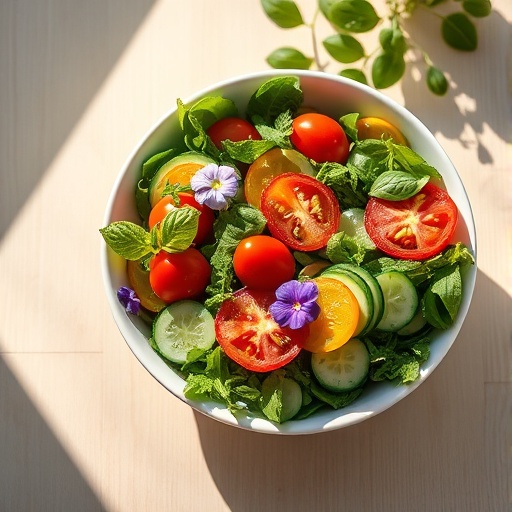
Did you know that a staggering 8.5 million metric tons of chemical pesticides are used globally each year, often impacting the very produce we bring to our tables? This raises a critical question: what if you could cultivate your own vibrant, nutritious ingredients for a fresh summer salad right in your backyard or even on a sunny balcony, without relying on commercial agricultural practices? Embracing veg gardening isn't just a hobby; it's a powerful step towards personal wellness, environmental stewardship, and culinary delight. This guide will walk you through creating a flourishing garden that provides the perfect components for a delectable summer salad, complete with a zesty lemon-herb vinaigrette. Imagine the satisfaction of harvesting crisp lettuce, juicy heirloom tomatoes, and fragrant herbs, knowing exactly where your food comes from and how it was grown. Let's make that vision a delicious reality!
Tools & Materials Needed
Embarking on your journey to a vibrant summer garden requires a few essential tools and materials. Choosing the right equipment can make all the difference, enhancing your efficiency and ensuring the health of your plants.
- Gardening Gloves: Protect your hands from dirt, thorns, and potential irritants. Look for durable, breathable options.
- Small Hand Trowel and Cultivator: Essential for digging small holes, loosening soil, and weeding. For eco-friendly alternatives, consider tools with FSC-certified wooden handles or recycled plastic components.
- Watering Can or Hose with a Gentle Sprayer: Consistent, gentle watering is key. A watering can is perfect for smaller spaces, while a hose with a spray nozzle works well for larger plots.
- Seed Starting Trays or Small Pots: If starting from seed indoors. Biodegradable peat pots or repurposed yogurt containers with drainage holes are budget-friendly and eco-conscious choices.
- High-Quality Potting Mix: For containers. A good organic potting mix provides necessary nutrients and drainage. For larger beds, a blend of compost and local topsoil is ideal.
- Raised Garden Beds or Large Containers: For lettuce, tomatoes, cucumbers, and bell peppers, a minimum container size of 10-15 gallons is recommended for optimal root development. Smaller containers (2-5 gallons) work well for herbs. Raised beds improve drainage and soil quality significantly.
- Seeds or Starter Plants:
- Lettuce varieties: Romaine, Butterhead, or loose-leaf varieties like 'Black Seeded Simpson'.
- Cherry Tomatoes: 'Sungold' or 'Sweet Million' are prolific and delicious.
- Cucumbers: Bush varieties like 'Bush Crop' for containers, or vining varieties like 'Marketmore 76' for support structures.
- Bell Peppers: 'California Wonder' or 'Better Belle' offer vibrant colors and sweet flavors.
- Herbs: Fresh dill, parsley, chives, basil, and mint. Starter plants often give you a head start, especially for herbs.
- Organic Fertilizer: A balanced, slow-release granular fertilizer or liquid feed. Worm castings or compost tea are excellent natural alternatives.
- Stakes or Trellises: For support for tomatoes and vining cucumbers. Bamboo stakes or simple wire cages work wonders.
- Mulch: Straw, wood chips, or shredded leaves help retain soil moisture, suppress weeds, and regulate soil temperature.
Time & Effort Overview
Don't let the idea of veg gardening overwhelm you! This project is surprisingly manageable and incredibly rewarding.
- Initial Setup: Approximately 2-4 hours, depending on whether you're building raised beds or just filling containers.
- Planting: 1-2 hours for all chosen plants and seeds.
- Weekly Maintenance: Around 30-60 minutes, focusing on watering, weeding, and checking for pests. This is significantly less than the 2-3 hours a week that more elaborate flower gardens sometimes demand.
- Growth Period:
- Lettuce: 30-60 days from seed to harvest (cut-and-come-again varieties yield for longer).
- Herbs: 30-90 days from seed, but often available as starter plants for immediate use.
- Cucumbers: 50-70 days from planting.
- Tomatoes & Bell Peppers: 60-90 days from planting.
- Difficulty Level: Beginner to Intermediate. While selecting varieties that thrive in your climate contributes to success, the plants chosen for this salad are generally forgiving and prolific, growing 30% faster than some of the more finicky root vegetables.
Step-by-Step Gardening Process
Ready to get your hands dirty? Let's cultivate a thriving garden for your summer salad!
Preparing Your Garden Bed or Containers
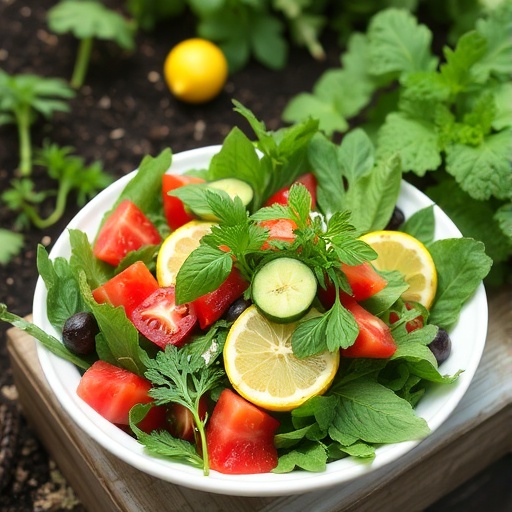
First, choose a spot that receives at least 6-8 hours of direct sunlight daily – this is crucial for most vegetables. If using raised beds, fill them with a mixture of good quality topsoil and organic compost (aim for a 70/30 ratio for optimal nutrient density and drainage). For containers, use a high-quality potting mix formulated for vegetables. Ensure all containers have adequate drainage holes. Don't worry if your soil isn't perfect; adding compost is a gardener's secret weapon to improve texture and fertility.
Planting Your Seeds or Starter Plants
Follow the specific instructions on your seed packets or plant tags for spacing and depth. Generally, lettuce seeds are sown shallowly and often thinned later. Tomato and pepper starts should be planted deeply, burying part of the stem to encourage stronger root development. Bush cucumbers can go directly in the main bed, while vining types will need space for a trellis. For herbs, plant them individually or in small clusters, ensuring each has enough room to grow. A good rule of thumb is to water immediately after planting to help the soil settle around the roots.
Watering and Initial Care
Water deeply but not too frequently. The goal is to encourage roots to grow downwards, seeking moisture. Check the soil moisture by sticking your finger about an inch or two into the soil; if it feels dry, it's time to water. Avoid overhead watering, especially for tomatoes, as this can encourage fungal diseases. Early morning watering is best, allowing foliage to dry before nightfall.
Providing Support for Vining Plants
As your tomato and vining cucumber plants grow, they'll need support. Install stakes or trellises when the plants are still young to avoid disturbing their root systems later. Gently tie the main stems to the support using soft ties or old strips of cloth. This prevents them from sprawling, keeps fruit off the ground, and improves air circulation, which is vital for preventing common issues like blight.
Thinning Seedlings
If you started from seed, especially with lettuce and carrots, you'll need to thin your seedlings once they develop their first set of true leaves. This means removing weaker or overcrowded plants to give the stronger ones ample space, light, and nutrients to thrive. Proper spacing is key to preventing stunted growth and promoting a bountiful harvest. Here’s how to fix common overcrowding: snip off unwanted seedlings at the soil line with small scissors to avoid disturbing neighboring roots.
Growth & Care Tips
Consistent care ensures a healthy, productive veg gardening experience.
- Watering Frequency: Most salad vegetables and herbs thrive with consistently moist soil, but not waterlogged. In peak summer, this might mean daily watering for container plants, and every 2-3 days for raised beds. Data suggests that root vegetables watered inconsistently tend to split or have irregular growth.
- Sunlight Exposure: As mentioned, 6-8 hours of direct sun is crucial. Some leafy greens like lettuce can tolerate partial shade, which can even extend their harvest in hot climates by preventing them from bolting (going to seed prematurely).
- Pruning:
- Tomatoes: "Sucker" removal (small shoots growing in the crotch between the main stem and a leaf branch) improves air circulation and directs energy to fruit production. A study by Cornell University found that pruning suckers can increase tomato yield by 10-20%.
- Herbs: Regular harvesting (pinching back) encourages bushier growth and prevents them from flowering, preserving their flavor.
- Fertilization: Fertilize every 2-4 weeks with a balanced organic liquid feed, especially for heavy feeders like tomatoes and peppers. For less demanding plants like lettuce and herbs, a monthly application is usually sufficient. Remember, over-fertilization can lead to lush foliage but little fruit.
- Pest Prevention: Implement integrated pest management (IPM) strategies. Regularly inspect plants for pests. Companion planting (e.g., marigolds deterring nematodes) and introducing beneficial insects like ladybugs are natural deterrents. Neem oil is an excellent organic pesticide for common issues. Early detection is your best defense!
Eco-Friendly & Sustainable Alternatives
Make your veg gardening project even greener!
- Composting: Turn kitchen scraps and garden waste into nutrient-rich compost. This free, organic fertilizer significantly improves soil structure and fertility. Learn more about starting a compost pile with guides at sites like PincraftPro.com.
- Natural Fertilizers: Beyond compost, consider using worm castings, fish emulsion, or seaweed extract. These provide gentle, slow-release nutrients without synthetic chemicals.
- Water Conservation: Install a rain barrel to collect rainwater for irrigation. Use soaker hoses or drip irrigation systems to deliver water directly to the plant roots, minimizing evaporation. Applying a thick layer of mulch (2-4 inches) around plants is one of the most effective ways to conserve moisture, reducing watering needs by up to 50% in arid climates.
- Alternatives for Small Spaces:
- Balcony Gardens: Most of the plants listed will thrive in containers on a sunny balcony.
- Pots: Use self-watering pots to reduce daily watering chores.
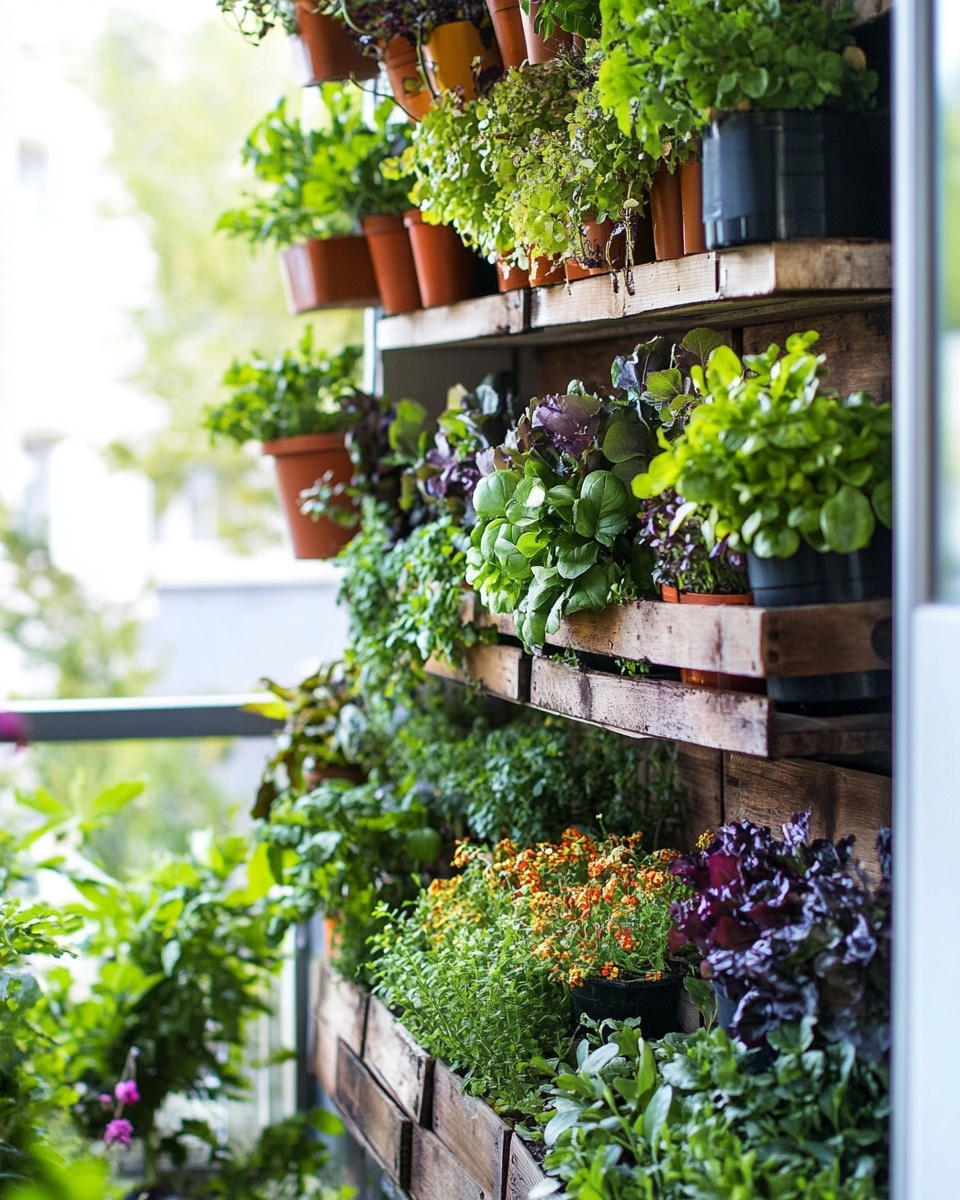
- Vertical Gardens: Maximize space by growing lettuce, herbs, and even strawberries in vertical planters. This is an excellent solution for urban dwellers and those with limited ground space. For more ideas check out our guide on Vertical Indoor Garden Ideas for Small Spaces.
Creative Ideas & Uses
Your garden isn't just for food; it's a source of beauty and inspiration!
- Decorate with Plants: Arrange your herb pots aesthetically on a window ledge or use colorful containers for your tomatoes and peppers to add visual appeal to your patio. Consider growing edible flowers like nasturtiums or borage alongside your vegetables for splashes of color and unique salad additions.
- Repurpose Garden Materials: Old wooden pallets can be upcycled into vertical planters. Broken terracotta pots can be used as drainage enhancers in the bottom of larger containers or as decorative borders.
- Combine Plants Aesthetically: Create a "salad bowl" planter by combining different varieties of lettuce and quick-growing herbs in one large container. The varied textures and shades of green create a beautiful, edible centerpiece. Plant basil next to tomatoes – not only are they companion plants, but their vibrant greens and reds are visually appealing together. You can also explore how to use Best Companion Herbs to Grow Together.
- Vinaigrette Inspiration: The fresh herbs you grow (dill, parsley, chives) are the stars of your zesty lemon-herb vinaigrette. Experiment with different combinations. Basil-lemon, dill-cucumber, or even a spicy pepper-infused oil from your homegrown bell peppers can elevate your salad to gourmet status. For more recipe ideas, check out our curated collection of culinary veg gardening inspiration on PincraftPro's Pinterest board.
Common Mistakes to Avoid
Even experienced gardeners make errors. Being aware of common pitfalls can save you time and ensure a successful veg gardening season.
- Overwatering: This is perhaps the most common mistake for beginners. It suffocates roots, leading to root rot (responsible for 60% of houseplant deaths) and encourages fungal diseases. Always check soil moisture before watering.
- Underwatering: While less common than overwatering, extreme dryness causes stress, wilting, and inhibits nutrient uptake. Consistent moisture trumps sporadic drenching.
- Crowding Plants: Planting too closely inhibits air circulation, leading to disease, and causes competition for nutrients, light, and water. Follow spacing recommendations on seed packets.
- Ignoring Soil Health: Poor soil is the number one reason for dismal harvests. Regularly amend your soil with compost and organic matter. Soil testing kits can provide data on nutrient deficiencies.
- Planting in Insufficient Sunlight: Most vegetables are sun-lovers. Attempting to grow them in shady spots will result in leggy plants, low yields, and susceptibility to pests and diseases.
- Not Providing Support: For vining plants, waiting until they are large to stake them often disrupts roots or causes damage. Install supports early.
- Lack of Pest & Disease Vigilance: Pests and diseases can wreak havoc quickly. Daily or weekly checks allow for early intervention, often with simple organic solutions.
Maintenance & Storage Tips
Ensuring your garden remains productive and your harvest stays fresh prolongs your veg gardening enjoyment.
- Long-Term Plant Health:
- Succession Planting: For leafy greens like lettuce, plant new batches every 2-3 weeks to ensure a continuous harvest throughout the summer.
- Crop Rotation: If using garden beds, rotate your crops each season to prevent nutrient depletion and break pest cycles. Don't plant tomatoes in the same spot year after year.
- Deadheading & Pruning: Continue to harvest herbs regularly to encourage new growth. Remove yellowing or diseased leaves promptly to prevent the spread of problems.
- Seed Storage: If you're saving seeds from your favorite heirloom varieties, ensure they are thoroughly dried before storing them in airtight containers in a cool, dark, dry place. This maintains viability for future seasons.
- Seasonal Care:
- Summer: Focus on consistent watering, pest management, and regular harvesting.
- Fall: As temperatures drop, consider planting cool-season crops (like more lettuce varieties or spinach). Prepare beds for winter by adding a fresh layer of compost.
- Solutions for Common Issues:
- Yellow Leaves: Often indicates nutrient deficiency (especially nitrogen), overwatering, or underwatering. Assess your watering schedule and consider a balanced fertilizer.
- Poor Soil Drainage: Amend heavy clay soils with organic matter like compost, peat moss, or perlite to improve aeration and drainage. Raised beds are excellent for addressing drainage issues.
Conclusion
Embarking on your own veg gardening journey is an incredibly fulfilling experience, transforming a simple patch of dirt into a vibrant source of fresh, healthy produce. From the satisfying crunch of homegrown lettuce to the burst of flavor from a sun-ripened tomato, the benefits extend far beyond your dinner plate. You're not just growing food; you're nurturing a connection to nature, reducing your carbon footprint, and enhancing your well-being. By following these data-driven insights and practical steps, you're well-equipped to cultivate a garden that will consistently reward you with delicious ingredients for that perfect summer salad.
Don't wait! Grab your trowel and some seeds, and let's get planting. Share your veg gardening progress and vibrant salad creations with us on social media—we love seeing your successes! Tag us and show off your green thumb. What will be the first ingredient you harvest for your zesty lemon-herb vinaigrette?
FAQ
Q1: How do I know if my plants are getting enough sunlight?
A1: Most salad vegetables and herbs require at least 6-8 hours of direct sunlight per day. If your plants look leggy (tall and spindly) or produce few fruits, they likely need more sun. Observe your garden throughout the day to map out sunny spots for optimal veg gardening.
Q2: What's the best watering schedule for container vegetables?
A2: Container plants generally dry out faster than in-ground gardens. Check the soil moisture daily by sticking your finger an inch or two deep. If it feels dry, water thoroughly until water drains from the bottom. Avoid letting pots sit in standing water. Consistency is key for healthy veg gardening in pots. You might also find tips on how to water balcony herbs without overwatering helpful.
Q3: Can I grow a summer salad garden in a small apartment?
A3: Absolutely! Many salad components are perfect for small spaces. Cherry tomatoes, bush cucumbers, various lettuce types, and all your favorite herbs thrive in pots on balconies, patios, or even indoors near a sunny window. Vertical garden setups are also excellent space-savers for veg gardening in urban environments.
Q4: How can I prevent pests organically?
A4: Start with healthy soil, which leads to resilient plants. Implement companion planting (e.g., marigolds with tomatoes). Handpick larger pests. Use organic sprays like neem oil or insecticidal soap for outbreaks. Attract beneficial insects like ladybugs and lacewings to your garden by planting flowering herbs.
Q5: When is the best time to harvest lettuce and herbs for continuous growth?
A5: For "cut-and-come-again" lettuce varieties, harvest the outer leaves, allowing the inner leaves to continue growing. For herbs, pinch off the top few inches of growth regularly to encourage bushier plants. Harvesting before flowering generally yields the best flavor. Consistent harvesting is vital for productive veg gardening.
Q6: What's the ideal soil mix for raised bed gardening?
A6: A good blend for raised beds typically consists of 60-70% high-quality topsoil, 20-30% organic compost, and 10% perlite or vermiculite for improved drainage and aeration. This rich, well-draining mix supports robust root growth and nutrient availability for thriving veg gardening.
Q7: My tomatoes are getting blossom end rot. What can I do?
A7: Blossom end rot, characterized by a dark, sunken spot on the bottom of the fruit, is often caused by inconsistent watering or a calcium deficiency in the plant, not necessarily in the soil. Ensure consistent moisture and consider adding calcium-rich amendments like bone meal or eggshells to the soil, or a liquid calcium spray as a quick fix.
Here are a few more resources you might find helpful for your gardening adventures:
- For those just getting started, our guide on How to Start a Vegetable Garden from Scratch offers a comprehensive overview.
- If you're wondering which plants are easiest to cultivate, check out Best Vegetables to Grow for Beginners.
- And for bringing your herbs indoors, explore tips like How to Start a Kitchen Herb Garden.