Introduction
Did you know that engaging in creative activities like building a garden can reduce stress by nearly 20%? Imagine extending that calm and joy to your children, fostering their creativity and connection to nature. Creating delightful fairy garden ideas for kids is not just a whimsical endeavor; it's a proven way to spark imagination, develop fine motor skills, and introduce them to the magic of gardening. These miniature landscapes offer an accessible entry point into the world of plants and responsibility, transforming your outdoor (or even indoor) space into an enchanted playground. We're going to dive deep into making these magical spaces, ensuring your little ones have an unforgettable experience with nature.
Tools & Materials Needed
To embark on your fairy garden adventure, you won't need a massive investment or specialized equipment. Many components can be upcycled or found around your home, making this an ideal eco-friendly project.
Essential Tools:
- Small shovel or trowel: For digging and moving soil. A child-sized set works wonders!
- Gardening gloves: Protect little hands from dirt and small thorns. Look for breathable cotton or nitrile-coated options.
- Watering can with a fine rose: Gently waters delicate plants without washing away soil or tiny figures.
Key Materials:
- Container: This is the foundation of your fairy garden. Consider a wide, shallow pot (terra cotta, ceramic, or plastic), an old wagon, a birdbath, or even a section of an old tree stump. For a budget-friendly and eco-conscious option, repurpose an old plastic tote or a galvanized metal tub.
- Potting mix: A good quality, well-draining potting mix is crucial. Look for organic options. For every 10 gallons of soil, adding a cup of compost can boost nutrient content significantly.
- Drainage layer: A layer of pebbles, gravel, or even broken pottery pieces (often called "crock" by gardeners) at the bottom ensures proper drainage. About 1-2 inches is usually sufficient.
- Miniature plants: Choose slow-growing, small-leafed plants that are easy to maintain. Think mosses, sedums, creeping thyme, miniature ferns, or small succulents. Herbs like chamomile or miniature basil can also add a fragrant touch.
- Decorations: This is where the true magic of fairy garden ideas for kids comes alive!
- Fairy figures: Essential for any fairy garden. Seek out weather-resistant options.
- Miniature furniture: Tiny benches, tables, chairs, arbors. You can even craft these from twigs, stones, or corks.
- Pathways: Small pebbles, fine gravel, or even crushed seashells.
- Natural elements: Smooth stones, polished river rocks, twigs, acorns, tiny pinecones, dried leaves, and shells. These are free and add authentic charm.
- Sparkle: A touch of glitter spray on some elements or small glass beads can create an ethereal glow.
Time & Effort Overview
Creating a charming fairy garden is an incredibly rewarding activity that doesn't demand huge chunks of time. Expect the initial setup to take approximately 1 to 3 hours, depending on the complexity of your design and how many little helpers you have! It's generally a beginner-friendly project, making it perfect for families. The joy of decorating and planning is often the longest part, a delightful creative process rather than arduous labor.
Compared to more traditional gardening projects, like starting a vegetable patch (which can require 5-10 hours of initial effort), a fairy garden is a quick win. Its smaller scale means less heavy lifting and faster gratification. Maintenance is also comparatively low, needing only about 15-30 minutes per week for watering and minor primping once established. So, dive in, it’s a project designed for immediate fun!
Step-by-Step Gardening Process
Let's get your hands dirty and bring these magical fairy garden ideas for kids to life!
Step 1: Choose Your Container and Location
First, select a container that suits your vision and space. Wide, shallow containers work best as they offer more surface area for imaginative landscaping. Decide if your fairy garden will live indoors or outdoors. Outdoor gardens need a spot with adequate sunlight for the chosen plants (often partial shade for many miniature varieties) and protection from harsh weather. An indoor garden gives you more control over lighting and temperature.
Step 2: Ensure Proper Drainage
Place a 1-2 inch layer of pebbles, gravel, or broken pottery at the bottom of your chosen container. This layer is crucial for preventing waterlogging, which can quickly lead to root rot. Don’t worry if some bits are uneven; the soil will smooth it out. This simple step can increase your plant survival rate by up to 50%!
Step 3: Add Potting Mix
Fill your container with a high-quality potting mix, leaving about an inch or two from the rim. Gently pat it down, but don't compact it too much. Loose soil allows roots to grow easily and ensures good aeration. If the soil feels very dry, lightly moisten it before planting.
Step 4: Plan Your Layout
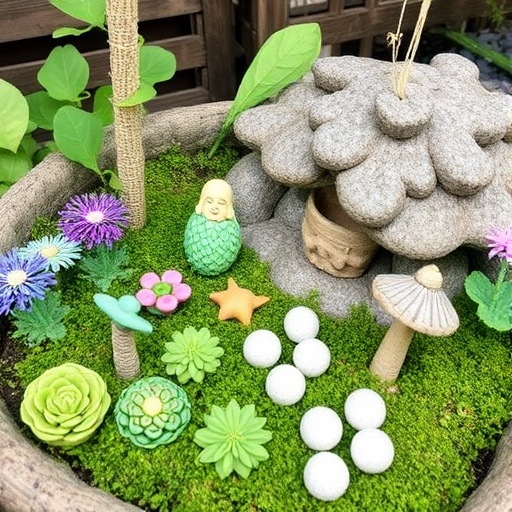
This is the exciting part! Before planting, arrange your miniature plants and decorations in the container. Experiment with different placements for the fairy house, pathways, furniture, and figures. Think about creating different "zones" – a cozy nook for fairies, a path leading to a sparkly pond (use a small mirror or blue glass beads), or a miniature forest. Involve your kids in this step; their imagination will run wild with fresh fairy garden ideas for kids!
Step 5: Plant Your Miniature Greenery
Carefully remove your miniature plants from their nursery pots. Gently loosen any tightly packed roots. Dig small holes in your potting mix and place the plants, ensuring the top of the root ball is level with the surrounding soil. Space them appropriately, remembering that even slow-growing plants will eventually need room. Once planted, gently pat the soil around each plant.
Step 6: Create Pathways and Water Features
Lay down your pebble pathways or create a tiny "river" with blue glass beads. Use small, flat stones for stepping stones. A small, shallow dish can become a pond, filled with a bit of water or blue marbles. Don’t worry if it’s not perfect; part of the charm is its rustic, natural feel.
Step 7: Add Decorations and Figures
Now for the final flourish! Place your fairy figures, miniature furniture, tiny fences, and other whimsical adornments. Use natural elements like moss, twigs, acorns, and tiny pinecones to enhance the magical atmosphere. This is where your family's unique stamp on the fairy garden ideas for kids truly shines. Secure heavier items gently into the soil.
Step 8: Water Gently
Once everything is in place, give your fairy garden a gentle watering using a watering can with a fine rose. This settles the soil around the plants and washes away any loose dirt from your decorations. Avoid overwatering; the soil should be moist, not soaked.
Growth & Care Tips
Maintaining your fairy garden is a delightful ongoing activity that teaches responsibility and plant care.
- Watering Frequency: Most miniature plants prefer consistently moist, but not soggy, soil. Check the top inch of soil every few days. If it feels dry, it's time to water. Succulents and sedums are more drought-tolerant, requiring less frequent watering, perhaps once a week or every two weeks. Overwatering is a common killer, responsible for 60-70% of houseplant deaths (and small garden plants are no exception!).
- Sunlight Exposure: The ideal light depends on your plant choices. Most miniature plants thrive in bright, indirect light or partial shade (3-6 hours of sunlight). Direct, intense afternoon sun can scorch delicate leaves. Rotate your garden periodically to ensure all sides receive adequate light.
- Pruning: As your tiny plants grow, they might need a little trim to maintain scale and shape. Use small scissors to snip off overgrown leaves or branches. This encourages bushier growth and keeps the garden looking tidy.
- Fertilization: Miniature plants in pots will eventually deplete soil nutrients. A diluted liquid fertilizer (half-strength of what you'd use for larger plants) every 2-4 weeks during the growing season (spring and summer) will keep them healthy. Organic fish emulsion or worm casting tea are excellent natural options.
- Pest Prevention: Keep an eye out for common pests like aphids or spider mites. A gentle spray of neem oil solution (diluted according to package instructions) can effectively deter most pests without harming your plants or delicate ecosystem. Introducing beneficial insects like ladybugs (available online) can also be a fun, natural pest control method for outdoor fairy gardens.
Eco-Friendly & Sustainable Alternatives
Making your fairy garden project sustainable is easy and adds another layer of educational value for kids.
- Composting: Instead of buying potting mix, consider starting a small compost bin. Kitchen scraps and yard waste can create nutrient-rich compost. While a full compost bin might be too large for a small fairy garden, even a small container can break down some organic matter.
- Natural Fertilizers: Forgo chemical fertilizers in favor of natural amendments. Besides compost, options like coffee grounds (for acid-loving plants), diluted molasses, or banana peel "tea" provide essential nutrients.
- Water Conservation: Collect rainwater in a small bucket to water your garden. Consider grouping plants with similar water needs together to optimize watering efficiency. For an outdoor garden, choose drought-tolerant plants to reduce reliance on daily watering.
- Alternatives for Small Spaces:
- Balcony Fairy Gardens: Use railing planters or small tables. The lightweight nature of fairy gardens makes them ideal for balconies.
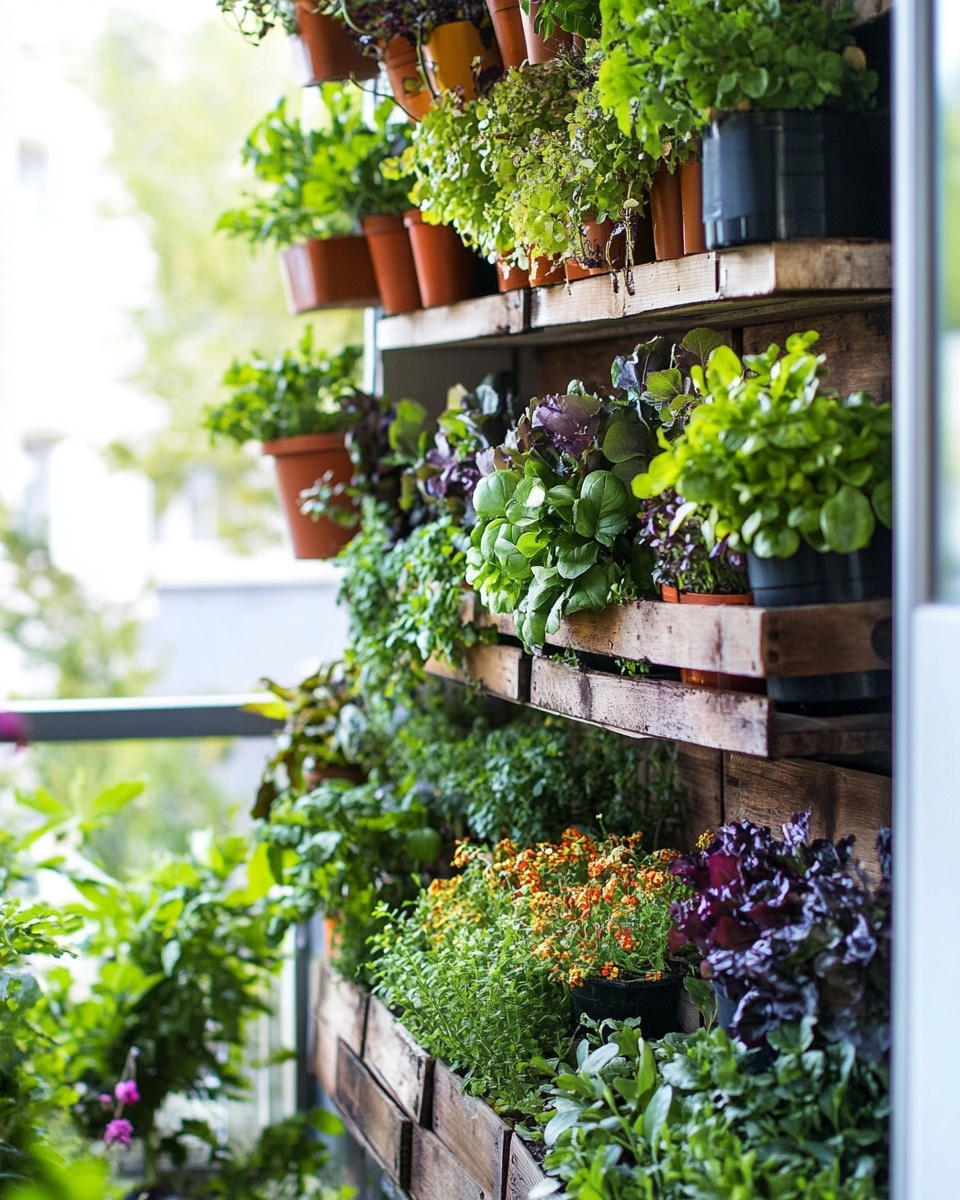
- Vertical Gardens: Adapt some fairy garden ideas for kids to a vertical setup. Use a tiered planter stand or even small wall-mounted pots to create a multi-level fairy village.
- Terrariums: A closed glass container can house a self-sustaining miniature world, perfect for fewer watering needs and higher humidity plants.
Creative Ideas & Uses
Unleash your imagination and make your fairy garden truly unique!
- Themed Gardens: Beyond a general fairy theme, consider creating a gnome village, a dragon's lair, a miniature dinosaur habitat, or even a tiny woodland creature retreat. The story possibilities are endless and enhance the appeal of fairy garden ideas for kids.
- Repurposing Materials:
- Broken Pots: Turn a broken ceramic pot into a "spilling" garden, where the pieces themselves become part of the landscape.
- Wine Corks: Slice corks to create miniature stepping stones or tiny mushroom caps.
- Tin Cans: Small, cleaned tin cans can become miniature gazing balls or tiny sheds.
- Old Toys: Small action figures or animals from forgotten toy bins can find new life as garden inhabitants.
- Seasonal Changes: Decorate your fairy garden for holidays! Add tiny pumpkins for Halloween, miniature lights for winter, or colorful eggs for Easter. This keeps the magic alive year-round.
- Lighting: Integrate tiny LED string lights (battery-operated) around benches or houses for an enchanting glow at dusk. Solar-powered miniature lanterns can add a magical touch to outdoor fairy gardens.
- Interactive Elements: Add a tiny swing made from twigs and twine, or a miniature clothesline with tiny fairy laundry. These small details really bring the garden to life for a child's imagination.
Common Mistakes to Avoid
Even seasoned gardeners make mistakes, and miniature gardening is no exception. Knowing what to watch out for can save you a lot of heartache.
- Overwatering: This is by far the most common mistake. Roots need oxygen, and saturated soil suffocates them. Overwatering is responsible for approximately 70% of plant failures in container gardening. Always check soil moisture before watering.
- Using Garden Soil: Garden soil is too dense for containers and can introduce pests or diseases. It also compacts easily, leading to poor drainage. Always use a high-quality potting mix, specifically designed for container plants.
- Ignoring Plant Needs: Not all plants like the same light or water conditions. Mixing sun-loving succulents with shade-preferring ferns in the same container is a recipe for disaster. Research your chosen plants’ needs and group them accordingly for the best fairy garden ideas for kids.
- Lack of Drainage: Containers without drainage holes are extremely tricky and often lead to root rot. If your chosen container lacks holes, you must create them or use a significant drainage layer and be extremely careful with watering.
- Overcrowding: While it’s tempting to pack in lots of miniature elements, plants need space to breathe and grow. Overcrowding can lead to poor air circulation, attracting pests and diseases. Give your plants room to flourish.
- Using Non-Weatherproof Decorations Outdoors: If your fairy garden will be outdoors, ensure all figures and decorations are weather-resistant, especially for children's enjoyment, as they'll want to revisit their garden often. Fading paint or crumbling resin can be disappointing.
Maintenance & Storage Tips
Consistent care ensures your fairy garden remains a magical retreat.
- Long-Term Plant Health:
- Repotting: Eventually, your miniature plants might outgrow their space. If roots are circling the pot or growth has significantly slowed, it might be time to gently lift and separate plants, or move them into slightly larger individual pots.
- Pest Check: Regularly inspect the undersides of leaves and soil for any signs of pests. Early detection makes treatment much easier.
- Yellow Leaves: Yellowing leaves often indicate overwatering, nutrient deficiency, or sometimes natural aging. Assess your watering habits and consider a diluted feed if the soil is consistently dry.
- Seasonal Care:
- Winter Protection (Outdoors): If you live in a cold climate, bring outdoor fairy gardens inside for the winter or provide a thick layer of mulch around cold-hardy plants to protect them from frost.
- Summer Heat (Outdoors): Move delicate fairy gardens to shadier spots during intense summer heat to prevent scorching.
- Poor Soil Drainage: If you notice water sitting on the soil surface for extended periods, your drainage might be compromised. Gently aerate the soil with a chopstick or pencil, being careful not to harm roots. Consider adding more perlite or grit to your potting mix next time.
- Cleaning Decorations: Dust can accumulate on figures and miniature scenes. Use a soft brush (like a paintbrush) or a can of compressed air to gently clean decorations.
Conclusion
Embarking on the journey of creating a fairy garden for kids is more than just a gardening project; it’s an invitation to imagination, a lesson in nurturing, and a tangible piece of magic. From selecting the perfect tiny plants to arranging whimsical ornaments, each step contributes to a personalized outdoor sanctuary. We’ve covered everything from essential tools and materials to eco-friendly practices and common pitfalls, equipping you with the knowledge to craft a captivating space. The joy on a child's face as they discover their enchanted mini-world is truly priceless.
Now it's your turn! Gather your little gardeners, spark their creativity, and transform a simple container into a hub of wonder. We'd love to see your enchanting creations! Share your fairy garden photos and stories in the comments below, or connect with us on social media using #PincraftProFairyGarden. Ready to dig deeper into the world of gardening? Explore some of our other guides and let your green thumb flourish!
FAQ
Q1: What are the best plants for fairy garden ideas for kids?
A1: Choose small, slow-growing plants like miniature ferns, creeping thyme, sedums, mosses, and small succulents. These are generally low-maintenance and stay in scale with the miniature environment.
Q2: How often should I water my fairy garden?
A2: Check the top inch of soil every few days. If it feels dry, water gently until moisture appears at the drainage holes. Most fairy gardens prefer consistently moist, but not soggy, soil.
Q3: Can fairy gardens be kept indoors?
A3: Absolutely! Indoor fairy gardens are excellent for year-round enjoyment, especially if you choose plants like small ferns or mosses that prefer indirect light. Ensure they receive adequate light from a window or a grow light.
Q4: What kind of container is best for a fairy garden?
A4: Wide, shallow containers like terra cotta pots, old ceramic bowls, or repurposed wooden crates work wonderfully. The wider surface area allows for more creative landscaping and distinct fairy garden ideas for kids.
Q5: How can I make my fairy garden eco-friendly?
A5: Use repurposed materials for containers and decorations, collect rainwater for watering, and opt for natural elements like stones, twigs, and leaves. Incorporating homemade compost as a soil amendment is also a great eco-conscious choice.
Q6: What if my plants start to look unhealthy?
A6: Yellowing leaves often indicate overwatering or nutrient deficiency. Brown, crispy leaves usually mean underwatering or too much direct sun. Check your watering routine, light exposure, and consider a diluted liquid fertilizer if needed.
Q7: Where can I find miniature fairy garden accessories?
A7: You can find them at garden centers, craft stores, online retailers (like Amazon or Etsy), and even by repurposing small trinkets or toys from around your home. For loads of inspiration, check out Pinterest boards dedicated to fairy gardens, such as https://www.pinterest.com/janatjanay47/.
Ready to dive into more gardening adventures? Here are a few articles you might find helpful:
- For those eager to expand their plant knowledge, check out our guide on "How to Start a Vegetable Garden from Scratch" for foundational gardening techniques.
- If you're thinking about creating a peaceful green space indoors, don't miss our tips on "Best Houseplants for Beginners" – perfect for busy individuals!
- Looking for sustainable growing methods? Our article on "Organic Fertilizer Recipes for Herb Gardens" offers fantastic, environmentally friendly ways to feed your plants.