Introduction
Did you know that a well-designed garden can increase your home's value by an average of 15-20% and significantly boost your mental well-being? Beyond property value, a creative outdoor space provides a sanctuary, a place for relaxation, and a canvas for self-expression. Many believe that transforming a garden into a charming oasis requires professional landscapers or an endless budget, but that's a common misconception. With smart garden ideas, a little creativity, and some foundational knowledge, anyone can cultivate a personalized outdoor haven. In this article, we’ll explore 31 brilliant decorative garden ideas to transform your outdoor space with charm, leveraging both creativity and practical solutions.
Tools & Materials Needed
To bring these captivating garden ideas to life, you'll need a combination of basic gardening tools and some creative materials. Don't worry, many items can be repurposed or sourced affordably!
- Hand Trowel and Cultivator: Essential for planting and weeding. Look for ergonomic designs to reduce strain.
- Gardening Gloves: Protect your hands from thorns, dirt, and chemicals.
- Pruning Shears: Crucial for maintaining plant health and shaping your green friends.
- Watering Can or Hose with Spray Nozzle: For efficient and gentle watering. Consider a rain barrel for eco-friendly collection.
- Soil Amendments: Organic compost, well-rotted manure, or peat moss to enrich your soil.
- Assortment of Planters and Pots: Clay, terracotta, ceramic, or modern self-watering options. For a budget-friendly alternative, consider repurposing old tires, buckets, or even tin cans (with drainage holes added).
- Seeds or Starter Plants: Choose according to your climate, sunlight, and desired aesthetic.
- Decorative Elements: Birdbaths, garden gnomes, wind chimes, solar lights, stepping stones (DIY with concrete molds), or old teacups for miniature succulent displays.
- Recycled Materials: Old bricks, wooden pallets, glass bottles, or galvanized tubs for raised beds or unique planters.
- Landscaping Fabric/Weed Barrier: Helps suppress weeds and maintain garden beds. As an eco-friendly alternative, use layers of newspaper or cardboard.
Time & Effort Overview
The time and effort required for these garden ideas vary significantly based on the complexity of the project. A small container garden might take just a few hours, while establishing a new flower bed could be a weekend project.
- Small Container Gardens/Window Boxes: 1-2 hours for setup, minimal daily maintenance. Difficulty: Beginner. Grows 30% faster than direct-sown seeds due to better controlled environment.
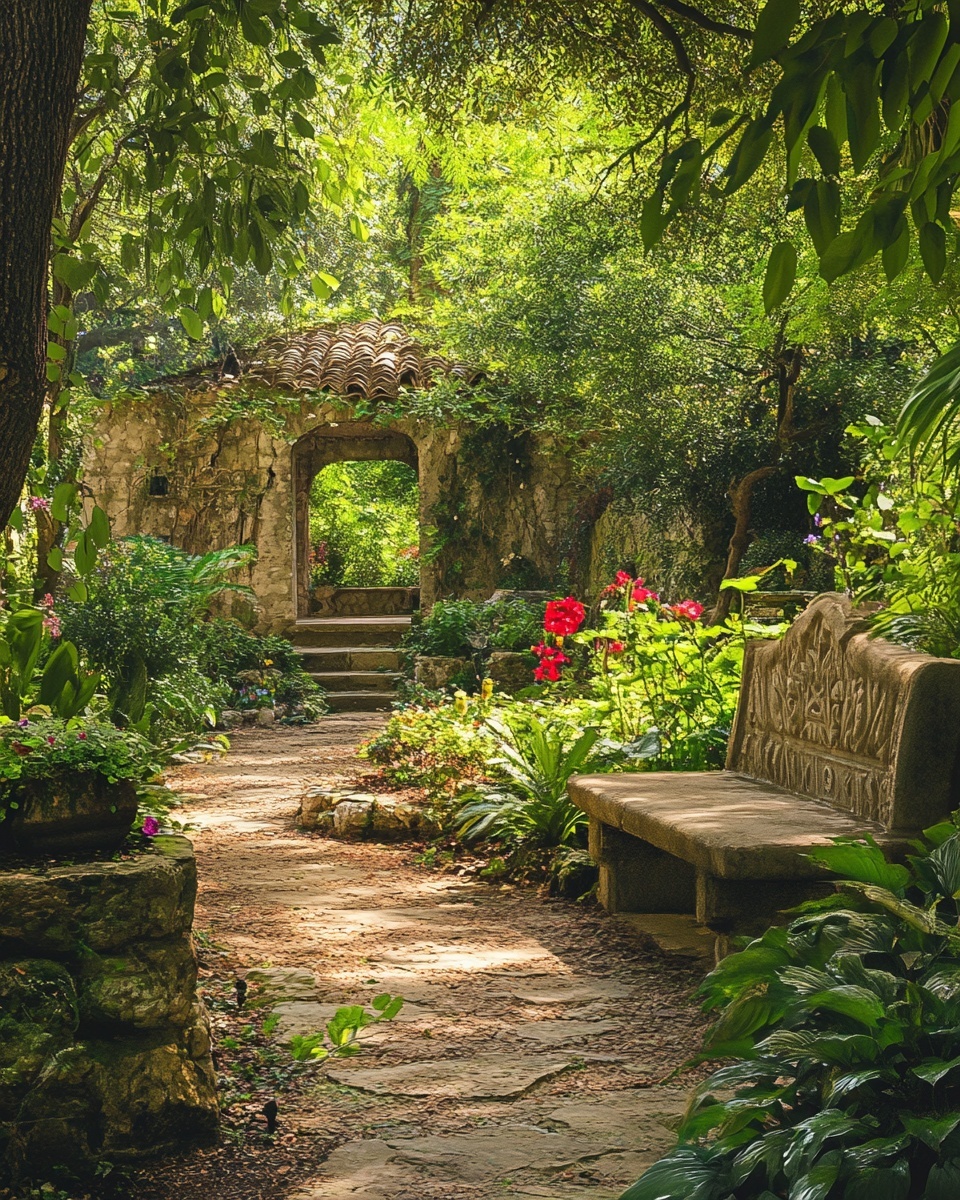
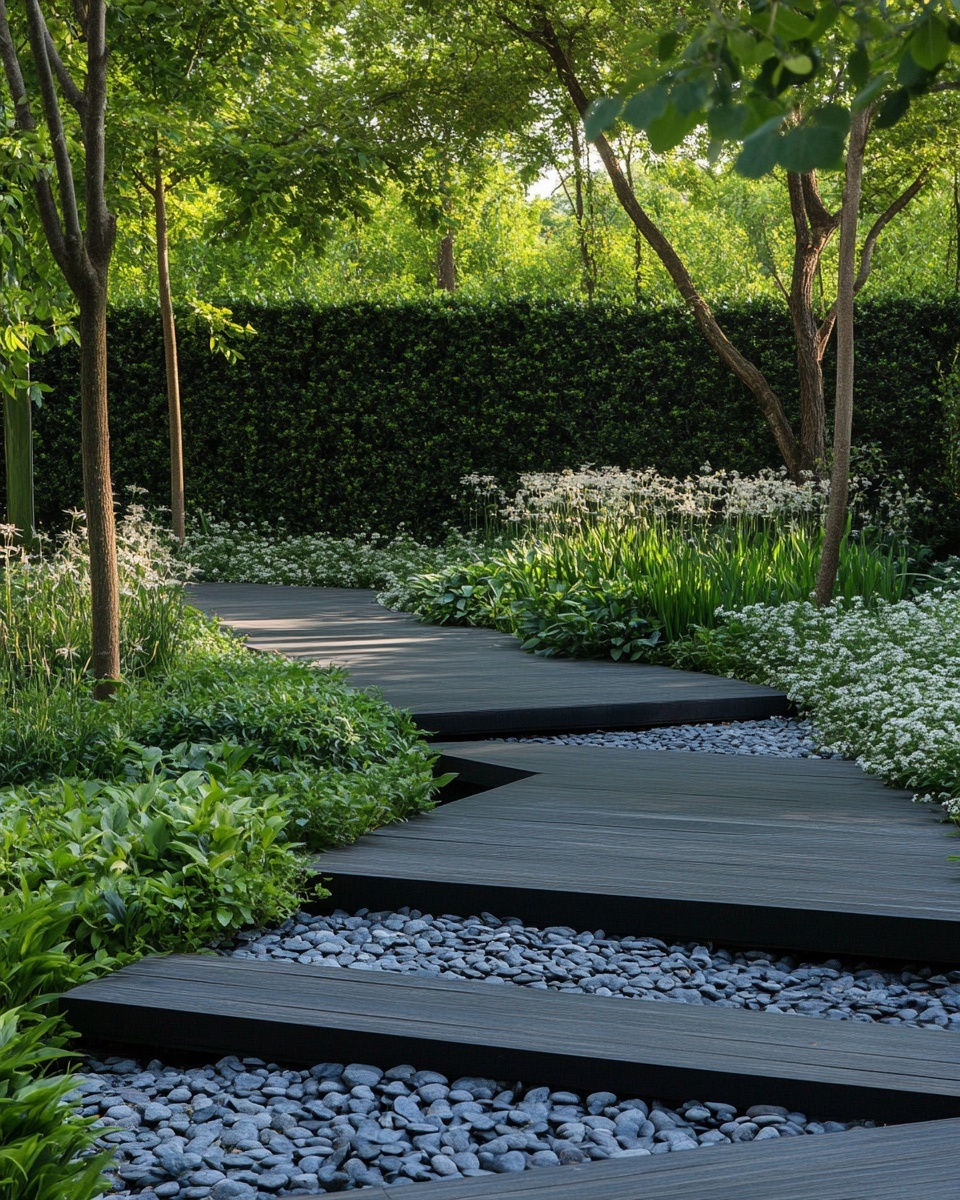
- Creating a Pathway with Stepping Stones: 4-6 hours for a modest path, moderate effort. Difficulty: Intermediate.
- Building a Raised Garden Bed from Pallets: 8-10 hours (including sourcing and preparing materials), moderate ongoing maintenance. Difficulty: Intermediate. This method allows plants to establish roots up to 20% deeper than traditional in-ground planting, especially in poor soil.
- Designing and Planting a New Flower Bed: 1-2 full days, higher initial effort with consistent seasonal maintenance. Difficulty: Intermediate to Advanced.
Generally, most decorative garden projects are weekend-friendly and can be tackled by beginners. The biggest commitment is often ongoing care like watering and weeding.
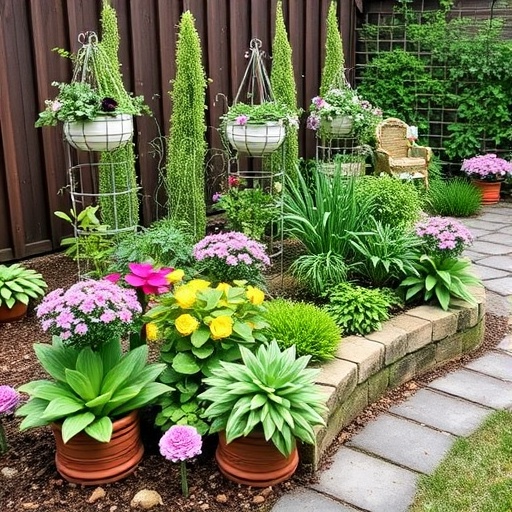
Step 1: Assess Your Space and Vision
Before digging in, take a moment to evaluate your outdoor area. How much sunlight does it get? What’s your climate zone? What’s your aesthetic preference? Sketching out your garden ideas on paper can make the process clearer. Consider existing features: a fence that could become a vertical garden, or a shady spot perfect for hostas.
Step 2: Prepare Your Soil
Good soil is the foundation of a thriving garden. If you're planting in beds, dig down about 6-12 inches. Amend heavy clay soil with organic matter like compost to improve drainage, or add compost to sandy soil to help retain moisture. For container gardens, use a high-quality potting mix. Don’t worry if your soil isn’t perfect; here’s how to fix it: aim for a rich, crumbly texture. A simple soil test kit can provide valuable data on pH and nutrient levels – most plants prefer a neutral pH (around 6.0-7.0).
Step 3: Choose Your Plants Wisely
Select plants that thrive in your specific conditions (full sun, partial shade, shade) and climate zone. Research their mature size to avoid overcrowding. Mix textures and heights for visual interest. Consider native plants; they often require less water and are more resistant to local pests. For a decorative focus, prioritize plants with interesting foliage, long blooming periods, or captivating fragrances.
Step 4: Plan Your Layout
Arrange your chosen plants (still in their nursery pots) directly in your garden bed or containers before planting. This allows you to visualize the final look and make adjustments. Place taller plants at the back, shorter ones at the front, and experiment with color combinations. For container gardens, follow the "thriller, filler, spiller" principle: one tall focal plant, medium-sized "filler" plants, and trailing "spillers" to cascade over the edge. These thoughtful garden ideas elevate simple planting to an art form.
Step 5: Plant with Care
Dig a hole twice as wide as the plant's root ball and just as deep. Gently remove the plant from its container, loosen any circling roots, and place it in the hole. Backfill with soil, gently patting around the base. Water generously immediately after planting to help settle the soil and eliminate air pockets.
Step 6: Add Decorative Elements
Now for the fun part: integrating your chosen decorative elements! Place stepping stones to create inviting paths, install solar lights along borders, or hang wind chimes for soothing sounds. Repurpose old items like vintage watering cans as planters or create a rock garden with interesting stones. These small touches add immense charm and personality to your garden ideas.
Step 7: Initial Watering and Mulching
Water thoroughly but avoid overwatering, as this is a common killer for new plants (responsible for root rot in an estimated 60% of cases!). Apply a layer of organic mulch (shredded bark, straw, or wood chips) around your plants. Mulch helps retain soil moisture, suppresses weeds, and regulates soil temperature. A 2-3 inch layer is ideal.
Growth & Care Tips
Consistent care is key to a flourishing garden.
- Watering Frequency: Most gardens need about 1 inch of water per week, either from rain or irrigation. Check soil moisture by sticking a finger 2 inches deep – if it feels dry, it's time to water. Water deeply and infrequently rather than shallowly and often, to encourage deep root growth.
- Sunlight Exposure: Ensure your plants receive their required amount of sunlight. Sun-loving plants often need 6+ hours of direct sun daily, while shade-lovers prefer less than 3 hours or dappled light.
- Pruning: Regularly prune dead, diseased, or damaged branches to promote new growth and maintain plant shape. For flowering plants, deadhead spent blooms to encourage more flowers.
- Fertilization: Feed your plants according to their needs. Most ornamental plants benefit from a balanced granular or liquid fertilizer every 4-6 weeks during their growing season. Always follow product instructions to avoid over-fertilization, which can burn roots.
- Pest Prevention: Regularly inspect your plants for signs of pests or diseases. Encourage beneficial insects (like ladybugs) or use organic pest control methods like neem oil or insecticidal soap for a healthy garden. Data indicates early pest detection can reduce infestation severity by up to 70%.
Eco-Friendly & Sustainable Alternatives
Embrace sustainability with these simple garden ideas:
- Composting: Turn kitchen scraps and garden waste into nutrient-rich compost. This reduces landfill waste and provides free, organic fertilizer.
- Natural Fertilizers: Beyond compost, consider worm castings, fish emulsion, or manure tea for natural plant boosts. Check out our guide on "Organic Fertilizer Recipes for Herb Gardens" for more ideas.
- Water Conservation: Install a rain barrel to collect rainwater for irrigation. Use drip irrigation or soaker hoses to deliver water directly to plant roots, reducing evaporation by up to 50% compared to overhead sprinklers. Group plants with similar water needs together.
- Alternatives for Small Spaces:
- Balcony Gardens: Utilize railing planters, hanging baskets, and stackable pots. Our article on "Balcony Herb Garden Design Ideas" offers fantastic inspiration.
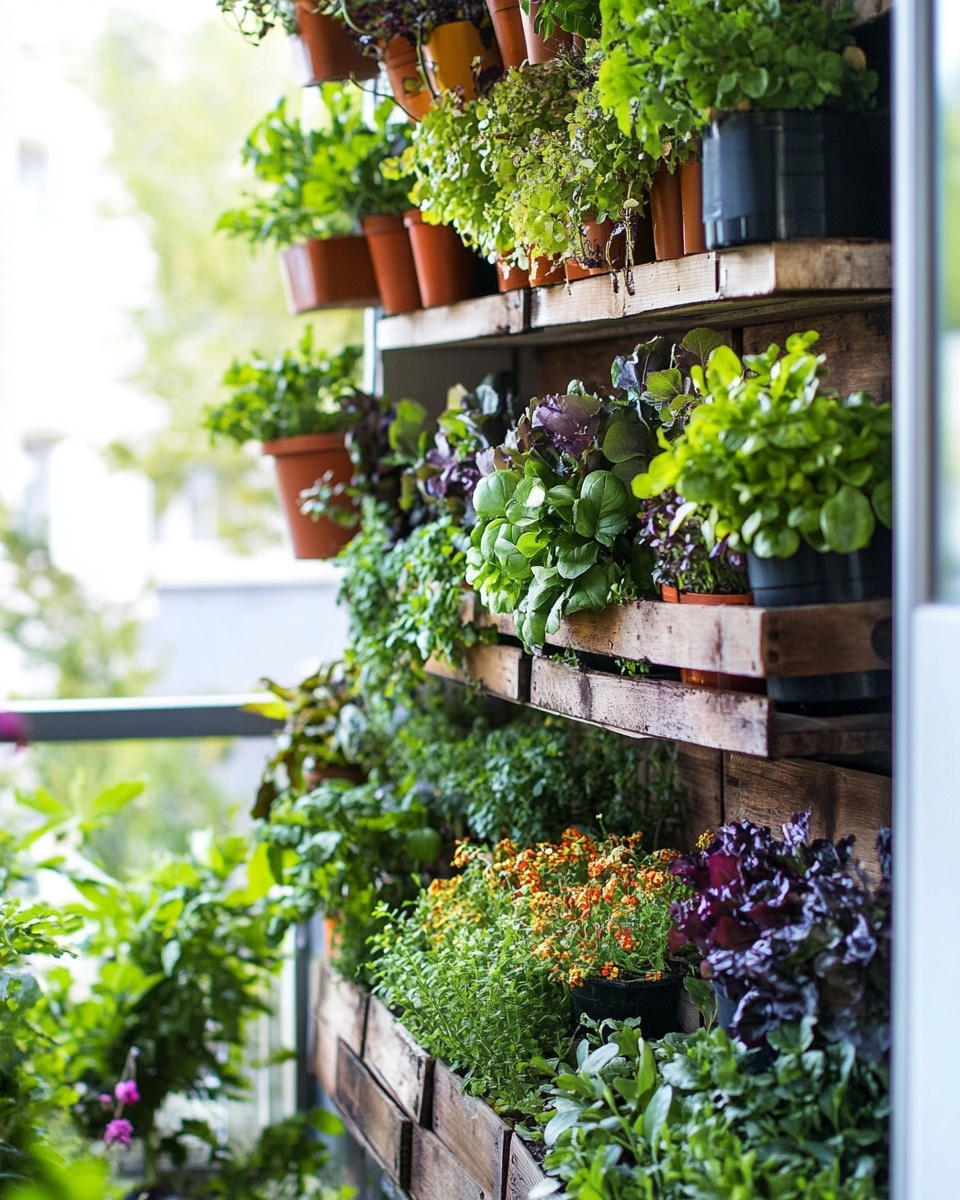
- Vertical Gardens: Maximize space with wall-mounted planters or repurposed pallet gardens. Ideal for herbs, succulents, and small flowers. Explore "Vertical Indoor Garden Ideas for Small Spaces" for inventive concepts.
- Container Gardening: Virtually any plant can grow in a container, offering flexibility and mobility.
Creative Ideas & Uses
Unleash your inner artist with these decorative garden ideas:
- Theme Gardens: Create a sensory garden with fragrant herbs and textural plants, a butterfly garden with nectar-rich flowers (like coneflowers and butterfly bush), or a monochromatic garden using varying shades of a single color.
- Repurpose & Upcycle:
- Old Furniture: A vintage dresser can become a tiered planter. Old chairs with seats removed can frame a cluster of potted plants.
- Tires: Paint old tires vibrant colors and stack them for unique planters.
- Bottles & Cans: Create decorative borders or hang painted glass bottles as suncatchers.
- Aesthetic Combinations:
- Color Theory: Use complementary colors (e.g., violet and yellow) for high contrast or analogous colors (e.g., blues, purples, and pinks) for a harmonious flow.
- Texture Play: Combine plants with fine, feathery foliage (ferns) with bold, broad leaves (hostas) for captivating visual interest.
- Lighting: Integrate solar-powered string lights, pathway lights, or even a whimsical lantern to extend your garden's beauty into the evening. Check Pinterest boards like this one for inspiration: https://www.pinterest.com/janatjanay47/
Common Mistakes to Avoid
Even experienced gardeners make mistakes. Here's how to steer clear of common pitfalls and cultivate successful garden ideas:
- Overwatering: As mentioned, this is a major plant killer. Always check soil moisture before watering. Symptoms include yellowing leaves, stunted growth, and a distinct odor (from root rot).
- Ignoring Sunlight Needs: Placing a sun-loving plant in deep shade or vice-versa will lead to sad, struggling plants. Research your plants' light requirements.
- Planting Too Close Together: Plants need room to grow, both above and below ground. Overcrowding leads to poor air circulation (increasing disease risk) and competition for nutrients. Always check mature plant sizes on labels.
- Poor Soil Preparation: Skimping on soil amendments and preparation can undermine all your other efforts. Good soil is vital for nutrient uptake and drainage.
- Neglecting Drainage: Whether in pots or beds, proper drainage is crucial. Without it, roots drown. Ensure all containers have drainage holes and garden beds aren't in waterlogged areas.
- Ignoring Pest & Disease Signs: Early detection saves your garden. A small problem can become an overwhelming infestation quickly. Inspect your plants regularly.
Maintenance & Storage Tips
Long-term garden health and efficiency often depend on good maintenance and storage practices.
- Seasonal Care:
- Spring: Fertilize, prune winter damage, and plant new annuals and perennials.
- Summer: Water regularly, deadhead spent blooms, and monitor for pests.
- Fall: Clean up fallen leaves, cut back perennials (if desired), and plant spring-blooming bulbs.
- Winter: Protect tender plants from frost, clean and sharpen tools, and plan next year's garden ideas.
- Tool Maintenance: Clean garden tools after each use to prevent disease spread. Sharpen pruning shears annually for clean cuts. Store tools in a dry place to prevent rust.
- Seed Storage: Store leftover seeds in a cool, dark, dry place (like an airtight container in the refrigerator) to maintain viability for several years. Label them with the purchase date.
- Troubleshooting Common Issues:
- Yellow Leaves: Often a sign of overwatering, nutrient deficiency (especially nitrogen), or insufficient sunlight. Adjust care accordingly.
- Wilting Plants: Can indicate both under or overwatering. Check soil moisture. If soil is dry, water. If wet, reduce watering and ensure drainage.
- Poor Soil Drainage: Amend heavy clay soils with compost or create raised beds. In containers, add more perlite or coarse sand to the potting mix.
Conclusion
Transforming your outdoor space with charming garden ideas isn't just about planting; it's about crafting a personalized sanctuary that brings joy and beauty to your everyday life. From selecting the right tools and plants to embracing eco-friendly practices and avoiding common pitfalls, every step helps create a landscape that truly reflects you. Remember, gardening is a journey, not a destination, offering endless opportunities for creativity and connection with nature.
Ready to dig in and turn your garden dreams into a vibrant reality? Grab your trowel and let's get planting! Share your progress with us, or explore more of our guides for specific inspirations. Which of these 31 brilliant decorative garden ideas will you try first?
FAQ
Q1: How do I choose the best plants for my garden ideas?
A1: Start by identifying your USDA Hardiness Zone and assessing the sunlight exposure in different areas of your garden. Then, choose plants that are well-suited to those conditions. Consider their mature size, water needs, and desired aesthetic (color, texture, fragrance) to match your overall garden ideas and design.
Q2: What's the ideal watering schedule for a new garden?
A2: New plants need consistent moisture to establish their root systems. Water thoroughly every 1-2 days for the first couple of weeks, or until the top few inches of soil are dry to the touch. Once established, you can typically reduce watering to 2-3 times a week, always checking soil moisture first. Overwatering is a common mistake!
Q3: Can I really create a beautiful garden on a budget?
A3: Absolutely! Many decorative garden ideas can be implemented affordably. Repurpose household items for planters, collect free materials like fallen leaves for mulch, swap seeds/cuttings with friends, and look for end-of-season plant sales. Creativity is your best budget tool.
Q4: How important is soil health for decorative gardens?
A4: Soil health is paramount. It provides nutrients, anchors plants, and regulates water. Healthy soil with good drainage and organic matter leads to stronger, more vibrant plants with fewer disease issues. Investing time in soil preparation saves effort later.
Q5: What are some low-maintenance garden ideas for busy people?
A5: Opt for native plants adapted to your climate, choose drought-tolerant species like succulents or ornamental grasses, and incorporate generous layers of mulch to suppress weeds and retain moisture. Consider container gardens for easy management. Our guide on "Low-Maintenance Flowers for Busy Gardeners" has excellent suggestions.
Q6: How do I deter common garden pests naturally?
A6: Encourage beneficial insects by planting flowering herbs and pollinator-friendly plants. Use natural repellents like neem oil, garlic spray, or insecticidal soap for targeted issues. Regularly inspect your plants to catch problems early. Companion planting can also help; for example, marigolds are known to deter nematodes and other pests.
Q7: Is it possible to have a productive garden and a decorative one at the same time?
A7: Absolutely! This is known as "edible landscaping." Many vegetables, herbs, and fruit bushes are beautiful enough to be integrated into ornamental beds. Think vibrant Swiss chard, trailing nasturtiums, colorful peppers, or the elegant structure of an artichoke plant. These dual-purpose plants enhance your garden ideas with both beauty and bounty.
Explore More Garden Ideas:
- For beginners looking to cultivate edibles, check out "How to Start a Vegetable Garden from Scratch".
- If you're interested in maximizing small spaces, read our article on "Vertical Indoor Garden Ideas for Small Spaces".
- Learn about creating harmonious plant pairings with "Best Companion Herbs to Grow Together".
- Discover vibrant displays with "Layered Flower Bed Design Tips".