Introduction
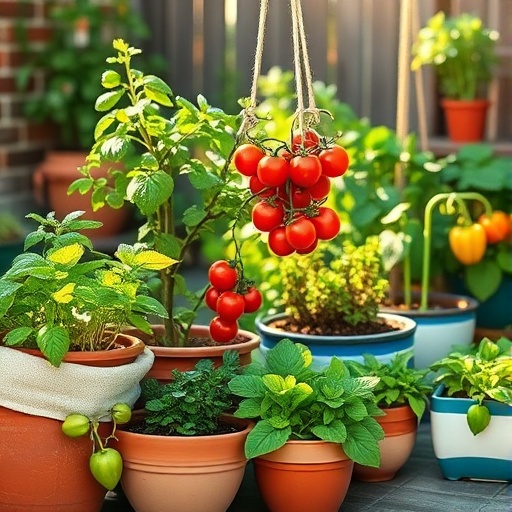
Did you know that over 80% of urban dwellers dream of growing their own food, yet only a fraction believe they have the space? The good news is, you absolutely can! Forget sprawling backyards and vast garden plots; the revolution is here, and it’s called container vegetable gardening. This method allows you to cultivate a bountiful harvest of fresh veggies and aromatic herbs right on your patio, balcony, or even a sunny windowsill. Imagine stepping out to snip fresh basil for dinner or plucking a ripe cherry tomato – all without leaving your small urban oasis. It’s not just a trend; it's a sustainable, accessible way to connect with nature, reduce your carbon footprint, and enjoy peak-fresh produce.
Tools & Materials Needed
Getting started with container vegetable gardening doesn't require a massive investment. Here's what you'll need:
- Containers: The stars of the show! Choose pots, grow bags, or repurposed items like old tires, buckets, or wooden crates. Ensure they have drainage holes (or drill them yourself). For a budget-friendly option, consider large plastic containers from bulk food stores or even sturdy laundry baskets lined with geotextile fabric. Aim for containers at least 10-12 inches deep for most vegetables, larger for root crops like carrots or potatoes.
- High-Quality Potting Mix: This is crucial. Don't use garden soil; it's too dense for pots and can harbor pests. Look for a mix specifically designed for containers, offering good drainage and aeration. Opt for organic potting mixes that often include compost and natural fertilizers for an eco-friendly start.
- Seeds or Seedlings: For beginners, seedlings often provide a quicker, more forgiving start. For a wider variety and cost savings, choose seeds. Select varieties labeled for "container growing" or "compact growth."
- Gardening Trowel: A small hand trowel is essential for planting and transplanting.
- Watering Can or Hose with a Gentle Sprayer: Consistent watering is key for container plants.
- Gloves: Protect your hands from dirt and thorns.
- Fertilizer: Organic options like compost tea, worm castings, or slow-release granular fertilizers are excellent.
- Pruning Shears or Scissors: For harvesting and maintaining plant shape.
- Stakes or Cages (Optional): For taller plants like tomatoes or pole beans to provide support.
Time & Effort Overview
Container vegetable gardening is surprisingly time-efficient, making it perfect for busy schedules.
- Initial Setup: Expect to spend 1-3 hours on the initial setup, from gathering materials to planting your first batch of seeds or seedlings. This can vary based on the number of containers and plants.
- Daily Maintenance: A quick daily check of 5-10 minutes for watering, especially during hot spells, is paramount.
- Weekly Maintenance: Around 30 minutes to 1 hour per week for tasks like fertilizing, pruning, and pest inspection.
- Difficulty Level: This is definitely a beginner-friendly endeavor! Many plants suitable for container growing, such as leaf lettuce and radishes, can mature 25% faster than their in-ground counterparts, offering quick gratification. Even vining plants can be managed with proper support, making it accessible for almost anyone.
Step-by-Step Gardening Process
Ready to dig in? Here’s your straightforward guide to successful container vegetable gardening:
Choose Your Plants Wisely
Identify what you want to grow. Ideal choices for container vegetable gardening include:
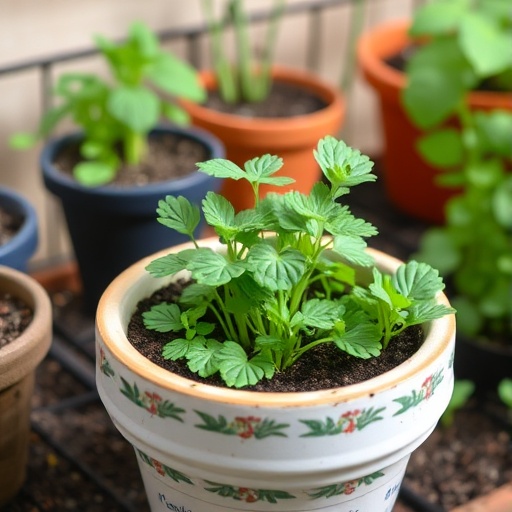
- Herbs: Basil, mint, parsley, chives, cilantro, thyme, rosemary thrive in pots.
- Leafy Greens: Lettuce, spinach, arugula, kale mature quickly.
- Bush Varieties: Bush beans, determinate tomatoes (e.g., 'Patio' or 'Tiny Tim'), compact cucumbers.
- Root Vegetables: Radishes, carrots (short varieties), small potatoes in larger bags.
- Peppers: Bell peppers and chili peppers do well.
Consider your available sunlight. Most vegetables require at least 6-8 hours of direct sun daily.
Prepare Your Containers
Ensure all chosen containers have adequate drainage holes at the bottom. If they don't, drill several 1/2-inch holes. Cover the holes with a piece of mesh or a coffee filter to prevent soil from washing out while allowing water to escape freely. This simple step prevents waterlogging, which is a major cause of plant demise.
Fill with Potting Mix
Fill your containers with a high-quality potting mix, leaving about an inch or two of space from the rim. Gently moisten the soil before planting. This ensures consistent moisture for seeds or young roots.
Plant Your Seeds or Seedlings
If planting seeds, follow the package instructions for depth and spacing. For seedlings, carefully remove them from their nursery pots, gently tease apart any circling roots if necessary, and plant them at the same depth they were growing in their original container. Firm the soil lightly around the base of the plant. Don’t worry if the seedling looks a little droopy right after transplanting; it will usually perk up within a day or two.
Water Thoroughly
Immediately after planting, water your containers until water drains from the bottom. This helps settle the soil and eliminates air pockets around the roots. This is especially important for container vegetable gardening, as pots can dry out quickly.
Provide Initial Support (If Needed)
For taller plants like tomatoes or peppers, install stakes or small cages at the time of planting to avoid disturbing the root system later. This preemptive measure ensures strong, upright growth.
Growth & Care Tips
Consistent care is the backbone of successful container vegetable gardening.
- Watering Frequency: Container plants dry out much faster than in-ground gardens, sometimes needing water daily, especially in hot, windy weather. Check the soil moisture by sticking your finger about an inch deep. If it feels dry, it's time to water. Drought stress can significantly reduce yields; for instance, consistently under-watered tomatoes can lead to blossom end rot in up to 30% of their fruit.
- Sunlight Exposure: Most vegetables demand at least 6-8 hours of direct sunlight. Position your containers in the sunniest spot available. Rotate pots every few days to ensure all sides of the plant receive adequate light.
- Pruning: Regularly prune away dead or yellowing leaves. For bushy herbs like basil, pinch off the top sets of leaves to encourage bushier growth and prevent premature flowering, which can compromise flavor.
- Fertilization: Potting mix nutrients deplete faster. Start fertilizing about 2-4 weeks after planting. Use a balanced liquid organic fertilizer every 2-4 weeks or incorporate a slow-release granular fertilizer as per package instructions. Plants need a steady supply of nitrogen for leafy growth, phosphorus for root development, and potassium for fruits and flowers.
- Pest Prevention: Regularly inspect your plants for signs of pests (e.g., aphids, spider mites). Early detection is key. Use organic pest control methods like neem oil spray, insecticidal soap, or simply a strong blast of water to dislodge unwanted visitors. Companion planting, such as marigolds, can also deter pests naturally.
Eco-Friendly & Sustainable Alternatives
Embrace sustainability in your container vegetable gardening journey:
- Composting: Start a small worm bin or a countertop compost system for kitchen scraps. The compost tea makes an excellent natural fertilizer, and the finished compost can be mixed into your potting soil.
- Natural Fertilizers: Beyond compost, consider coffee grounds (for acid-loving plants), epsom salts (for magnesium boost), or banana peels (for potassium) as natural amendments.
- Water Conservation: Collect rainwater in a barrel for irrigation. Use self-watering planters or add water-retaining crystals to your soil mix to reduce watering frequency by up to 50%.
- Repurposing Containers: Give new life to old food containers, buckets, or even unused plastic bins. This reduces waste and adds a unique, often rustic, charm to your garden.
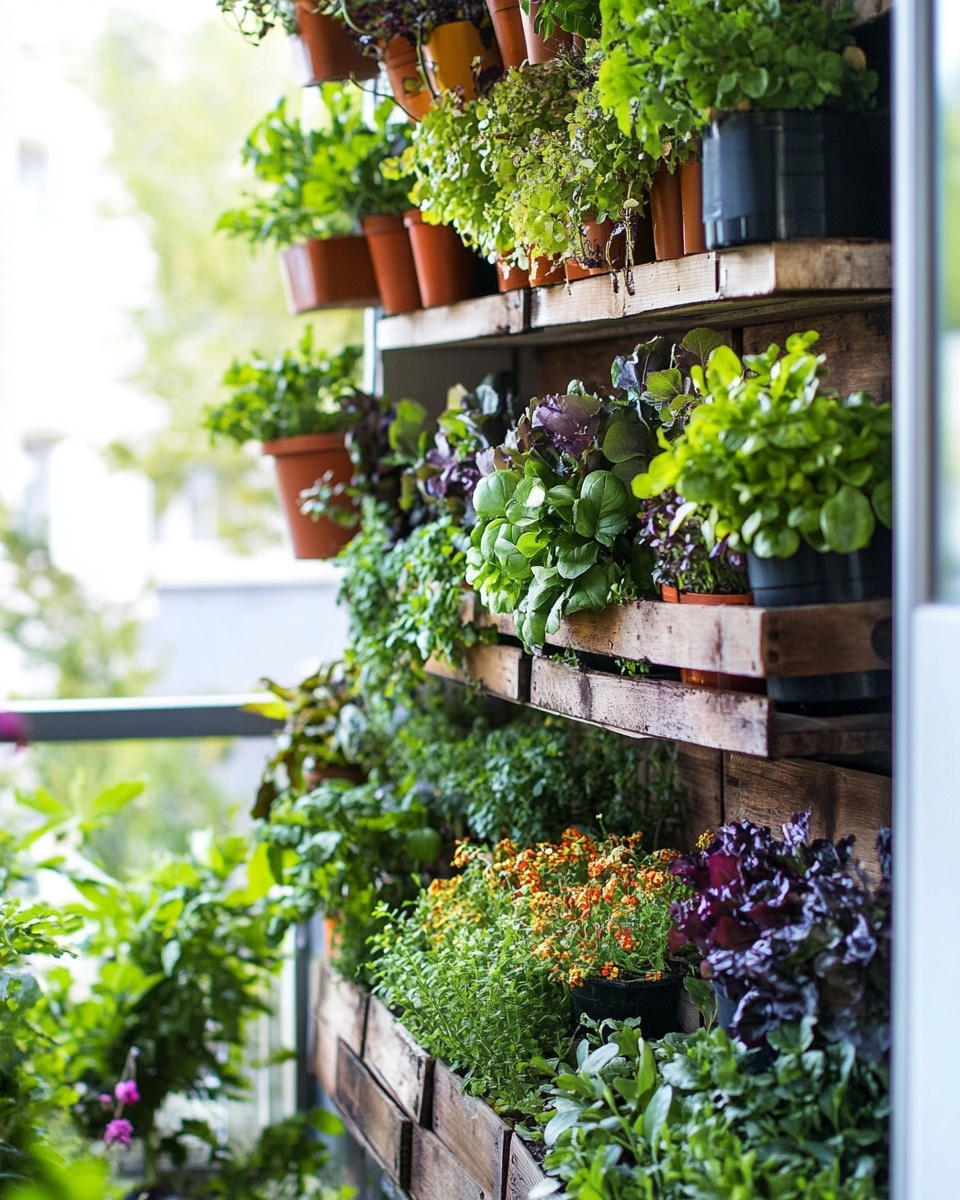
- Vertical Gardening: For truly tiny spaces, vertical planters or wall-mounted pockets are game-changers. You can grow significantly more produce in a small footprint. For more ideas, check out Vertical Indoor Garden Ideas for Small Spaces.
Creative Ideas & Uses
Container vegetable gardening isn't just practical; it's an opportunity for artistic expression.
- Aesthetic Groupings: Arrange pots of varying sizes and heights to create visual interest. Combine plants with different foliage colors and textures – think vibrant Swiss chard with deep green kale and delicate parsley.
- Repurpose & Decorate: Paint old tires or buckets in cheerful colors. Use decorative saucers or plant stands. A small wooden ladder can be repurposed as a tiered plant stand. For a splash of natural beauty, consider incorporating herbs with ornamental value, like variegated thyme or purple basil.
- Edible Landscaping: Instead of purely ornamental plants, use your container vegetables and herbs to beautify your space. A container of colorful bell peppers can be just as attractive as a flowerpot, providing both visual appeal and a fresh harvest. Imagine a collection of pots holding different types of lettuce, creating a vibrant, ever-changing tapestry of greens.
- Themed Gardens: Create a "pizza garden" with tomatoes, basil, and oregano, or a "tea garden" with mints, chamomile, and lemon balm. This adds a fun, focused approach to your planting.
Common Mistakes to Avoid
Even experienced gardeners make mistakes, especially when venturing into a new realm like container vegetable gardening. Learn from common pitfalls:
- Insufficient Drainage: This is arguably the biggest killer of container plants. Overwatering, combined with poor drainage, leads to root rot in over 60% of cases. Always ensure your pots have holes and don't let them sit in standing water.
- Using Garden Soil: Garden soil is heavy, compacts easily in pots, and isn't sterile. It lacks the aeration and drainage properties essential for container growth. Stick to dedicated potting mixes.
- Under-Fertilizing/Over-Fertilizing: Container plants have limited access to nutrients. Under-fertilization leads to nutrient deficiencies (pale leaves, stunted growth). Over-fertilization can burn roots. Follow recommended guidelines, and remember to leach salts out of the soil every few months by watering thoroughly until water drains from the bottom for 10-15 minutes.
- Inadequate Sunlight: Most vegetables need full sun. While some leafy greens tolerate partial shade, fruiting vegetables like tomatoes and peppers will simply not produce well without at least 6 hours of direct light.
- Neglecting Pest & Disease Checks: Pests spread rapidly in confined spaces. Skipping regular inspections can turn a minor issue into an infestation overnight. Integrate pest checks into your watering routine.
Maintenance & Storage Tips
Long-term success in your container garden means understanding continued care and readiness for the next season.
- Long-Term Plant Health: As plants grow, they may become root-bound. If a plant stops growing despite adequate water and nutrients, check if roots are circling the pot. You may need to transplant it to a larger container. Refresh the top few inches of potting mix annually with fresh compost to replenish nutrients.
- Seasonal Care: In colder climates, bring frost-sensitive perennial herbs (like rosemary or thyme) indoors before the first frost. For annual vegetables, harvest until the first hard frost, then empty and clean your pots. Store them until spring.
- Seed Storage: If you're saving seeds, ensure they are thoroughly dry before storing them in airtight containers in a cool, dark place. This preserves viability for future planting seasons.
- Addressing Yellow Leaves: Yellow leaves often indicate a nutrient deficiency (e.g., nitrogen), overwatering (leading to root issues), or underwatering. Assess your watering schedule and recent fertilization first. If new growth is yellow, it might be an iron deficiency.
- Poor Soil Drainage Solutions: If you notice water sitting on top of the soil or draining very slowly, the potting mix might be compacted. Gently loosen the top few inches with a trowel. If the problem persists, the drainage holes might be blocked or the soil mix has broken down; repotting with fresh mix might be necessary.
Conclusion
Embracing container vegetable gardening transforms any small space into a vibrant, productive haven. You've now got the tools, knowledge, and confidence to cultivate your own fresh produce, benefiting from reduced grocery bills, healthier eating, and the sheer joy of watching something grow. From selecting the perfect pot to harvesting your first leafy greens, this journey is rewarding. Why wait? Dig in today and start reaping the delicious rewards of your very own edible oasis! We'd love to see your progress – share your container garden photos with us on social media!
FAQ
Q1: Which vegetables are easiest to grow in containers for beginners?
A1: For new container vegetable gardeners, leafy greens like lettuce, spinach, and arugula are incredibly easy and fast-growing. Radishes, bush beans, small pepper varieties, and many herbs (like basil, mint, and chives) are also excellent choices to start with.
Q2: How often should I water my container plants?
A2: Watering frequency depends heavily on weather, plant size, and container material. In general, check your container vegetable plants daily. Water thoroughly when the top inch of soil feels dry to the touch, ensuring water drains from the bottom.
Q3: What kind of containers are best for container vegetable gardening?
A3: The best containers have good drainage and are appropriately sized for the mature plant. Terracotta pots allow good air circulation but dry out quickly. Plastic pots retain moisture better. Fabric grow bags offer excellent aeration and drainage. Always ensure sufficient depth; for instance, tomatoes need at least 5-gallon containers for optimal growth.
Q4: Do I need to fertilize my container vegetables?
A4: Yes, absolutely! Nutrients in potting mix are finite and deplete quickly. Start feeding your container vegetable plants with a balanced liquid organic fertilizer every 2-4 weeks, or use a slow-release granular fertilizer, after about 2-4 weeks from planting.
Q5: My container plant's leaves are turning yellow. What could be wrong?
A5: Yellowing leaves in container vegetable gardening can indicate several issues: overwatering leading to root rot, underwatering, or a nutrient deficiency (most commonly nitrogen). Check your watering habits first. If soil is consistently damp, reduce watering. If dry, water more. Consider a dose of balanced fertilizer if water seems fine.
Q6: Can I grow tomatoes in containers?
A6: Yes, you can! Choose "determinate" or "bush" varieties specifically bred for compact growth. They need large containers (minimum 5-gallon), plenty of sunlight, consistent watering, and strong support like a stake or cage right from planting. This makes for very satisfying container vegetable garden experience!
Q7: What is the best potting mix for container vegetable gardening?
A7: A high-quality, lightweight potting mix designed for containers is ideal. Look for mixes that include ingredients like peat moss or coir, perlite or vermiculite, and compost. Avoid using heavy garden soil, as it compacts in pots and hinders root growth and drainage.
For more gardening inspiration and practical advice, explore these related articles:
- Want to start your edible journey from scratch? Check out our guide on How to Start a Vegetable Garden from Scratch.
- Discover which herbs play well together and enhance growth in our post about Best Companion Herbs to Grow Together.
- Don't let tight spaces limit your green thumb! Find innovative ideas for growing in small areas with Herbs That Grow Well in Small Spaces.
- Curious about other easy growing options? Our article on Best Vegetables to Grow for Beginners has you covered.
- Looking for more specific container ideas? Our post on Balcony Herb Garden Ideas for Beginners offers fantastic insights.
You can also find tons of visual inspiration for your next container garden project by visiting our curated collection on Pinterest: https://www.pinterest.com/janatjanay47/. Happy gardening!