Introduction
Did you know that over 80% of urban dwellers believe they lack sufficient space for a vibrant garden, yet a significant portion are missing out on the therapeutic and aesthetic benefits of cultivating green spaces right at home? Many gardening enthusiasts and aspiring green thumbs often assume beautiful, productive garden layouts are exclusive to sprawling backyards. This couldn't be further from the truth! With thoughtful planning and smart design, even the smallest balcony, patio, or windowsill can transform into a thriving oasis. We're here to challenge that notion and show you how to maximize every square inch, turning compact areas into lush, productive garden layouts that not only look stunning but also provide fresh produce or fragrant blooms.
Tools & Materials Needed
To embark on your small-space gardening journey, gathering the right tools is paramount. You don't need a shed full of equipment, just a few essentials.
- Hand Trowel and Cultivator: These compact tools are perfect for working in pots and raised beds. Look for stainless steel options for durability, or bamboo handles for an eco-friendly touch.
- Pruning Shears: Essential for trimming herbs, deadheading flowers, and light pruning. Bypass pruners are typically best for live plants, ensuring clean cuts.
- Watering Can with a Fine Rose: A smaller can allows for precise watering, preventing overwatering and soil displacement in small containers. For budget-friendly alternatives, re-purpose an old plastic milk jug by poking small holes in the cap.
- Gloves: Protect your hands from dirt, thorns, and potential irritants. Opt for breathable, form-fitting gloves.
- Potting Mix: Not all soil is created equal! For container gardening, a high-quality, lightweight potting mix provides excellent drainage and aeration. Look for organic blends. For a budget-friendly option, you can mix your own using equal parts compost, coco coir, and perlite.
- Containers: This is where creativity truly shines! Think beyond traditional terracotta. Consider vertical planters, hanging baskets, window boxes, raised beds (even small ones), or repurposed items like old tires, wooden pallets, or even sturdy laundry baskets lined with landscape fabric.
- Seeds or Seedlings: Choose plants specifically suited for small spaces or container growth. Herbs like basil, mint, and thyme, compact vegetables like cherry tomatoes and bush beans, or dwarf fruit varieties work wonders.
- Fertilizer (Optional but recommended): A slow-release granular fertilizer or a liquid feed like fish emulsion can boost plant health. For an eco-friendly option, saved coffee grounds or compost tea can provide nutrients.
- Grow Lights (for indoor spaces): If your chosen spot lacks adequate natural sunlight (typically less than 6 hours a day), a simple LED grow light can significantly improve plant growth and density.
Time & Effort Overview
Small-space gardening is often less time-consuming than managing a sprawling landscape, making it perfect for busy individuals.
- Initial Setup (Planting): Depending on the complexity of your chosen garden layouts, this can range from 1-2 hours for a simple container garden to a full weekend for building a small raised bed or vertical structure.
- Daily Maintenance: A quick check on watering levels and overall plant health might take only 5-10 minutes each day.
- Weekly Maintenance: This would involve more thorough watering, pest checks, light pruning, and perhaps feeding. Expect to spend 30-60 minutes weekly.
- Growth Rate: Many small-space plants, especially herbs, can reach harvestable size within 4-6 weeks, often growing 20-30% faster than their in-ground counterparts due to optimized conditions in pots. Compact cherry tomato varieties can produce fruit within 8-10 weeks. This project is generally classified as beginner-friendly, with options to scale up to intermediate if you introduce more complex vertical structures or specialize in specific plant types.
Step-by-Step Gardening Process
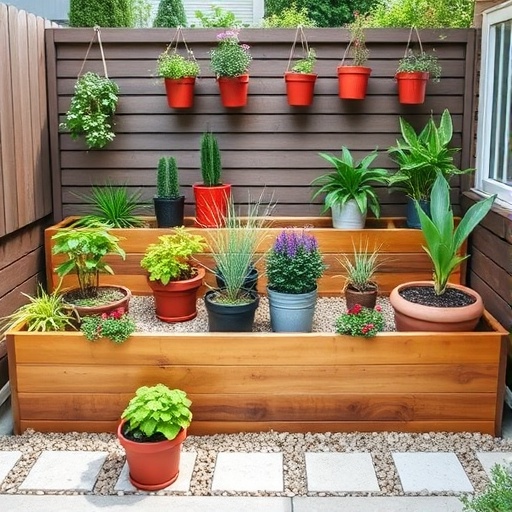
Ready to dig in? Here’s your detailed guide to creating stunning garden layouts in tight spots.
1. Plan Your Layout and Plant Selection
Before you even touch soil, visualize your space. Consider sunlight exposure throughout the day, access for watering, and how the plants will look. Research plants that thrive in your light conditions and are suitable for container living. For example, if you have limited direct sun, opt for shade-loving herbs or cool-season greens. If you have full sun, you can go all out with tomatoes, peppers, and sun-loving flowers. Think about how your chosen garden layouts will complement your existing aesthetic.
2. Prepare Your Containers and Soil
Ensure all containers have drainage holes. If using repurposed items, drill holes if necessary. Line the bottom of larger containers with a layer of gravel or broken pottery shards for extra drainage. Fill your chosen containers with a high-quality potting mix, leaving about an inch of space from the rim. Don't worry if the soil seems a bit dry; it will absorb water when you hydrate it.
3. Planting Your Seeds or Seedlings
If planting seeds, follow the package instructions for depth and spacing. For seedlings, gently remove them from their nursery pots. Loosen any coiled roots slightly before placing them in their new home. Plant at the same depth they were in their previous container, then gently firm the soil around the base. Give them a good initial watering to settle the soil.
4. Initial Watering and Placement
Water your newly planted garden thoroughly until water drains from the bottom of the containers. This ensures the roots get enough moisture. Place your containers in their designated spots, keeping in mind their light requirements. Moving them now is much easier than when they're fully grown!
5. Label Your Plants
Especially if you're growing different varieties or a mix of herbs, labeling is a lifesaver. You can use craft sticks, old clothes pegs, or even small painted rocks. This prevents confusion and helps track growth.
Growth & Care Tips
Consistent care is the secret to a flourishing small garden.
- Watering Frequency: This is crucial for container plants, which dry out faster than in-ground plants. Check the soil moisture daily by sticking your finger about an inch deep. If it feels dry, it's time to water. In hot weather, you might need to water twice a day. Overwatering is a common mistake; 60% of houseplant failures are attributed to it. Aim for consistently moist, but not soggy, soil.
- Sunlight Exposure: Most edibles require at least 6 hours of direct sunlight daily. Flowers often need 4-6 hours. Be mindful of how the sun shifts throughout the seasons. If plants appear leggy or aren't flowering, they likely need more light.
- Pruning: Regular pruning encourages bushier growth, more blooms, and larger harvests. Pinch back herbs like basil to prevent them from flowering too soon. Deadhead spent flowers to encourage new blooms.
- Fertilization: Since nutrients can leach out of containers with watering, regular feeding is often necessary. A general-purpose liquid fertilizer every 2-4 weeks during the active growing season works well. Follow product instructions carefully.
- Pest Prevention: Small gardens are easier to monitor. Inspect your plants regularly for signs of pests. A strong stream of water can dislodge aphids, or you can use insecticidal soap for more stubborn invaders. Companion planting, such as growing marigolds near vegetables, can also deter pests.
Eco-Friendly & Sustainable Alternatives
Embracing sustainability in your small garden makes it even more rewarding.
- Composting: Even in a small space, a worm bin or a small countertop composter can turn food scraps into nutrient-rich compost for your plants. This significantly reduces waste and improves soil health.
- Natural Fertilizers: Instead of synthetic options, explore compost tea, worm castings, or organic granular fertilizers. Used coffee grounds are excellent for acid-loving plants, and diluted urine (yes, really!) can be a nitrogen boost.
- Water Conservation: Install drip irrigation or self-watering inserts in your containers to minimize water evaporation. Collect rainwater in a small barrel if permitted. Mulching the top of your pots with straw or coco coir also helps retain moisture.
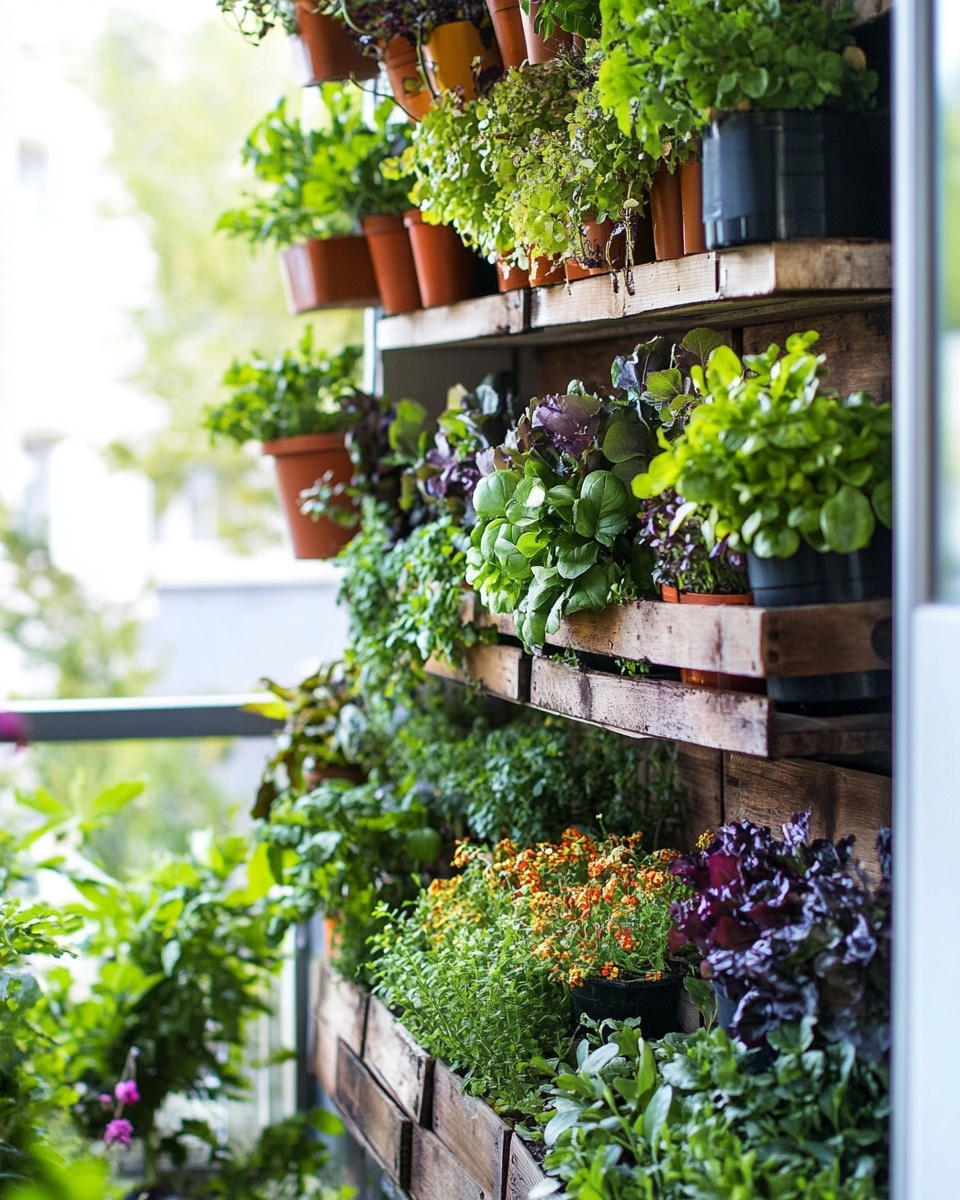
- Vertical Gardens and Balcony Gardens: These innovative garden layouts maximize space instantly. A vertical garden with pockets or shelves allows you to grow dozens of plants in a footprint of just a few square feet. Explore our guide on "Vertical Indoor Garden Ideas for Small Spaces" for more inspiration.
Creative Ideas & Uses
Don’t limit your creativity! Your small garden can be a functional masterpiece and a beautiful design element.
- Repurpose & Upcycle: Transform old ladders into vertical plant stands, use vintage teacups for succulents, or paint old tin cans for herb planters. The sky's the limit!
- Combine Aesthetics and Utility: Imagine a tiered planter with culinary herbs on the bottom, colorful edible flowers (like nasturtiums or pansies) in the middle, and a small trailing plant overflowing from the top.
- Living Walls: Attach planters directly to a sunny wall or fence. This creates a stunning focal point and frees up valuable floor space. Consider a mix of textures and colors for visual interest.
- Container Groupings: Even small individual pots can make a big statement when grouped together. Vary their heights, colors, and plant types for a dynamic display.
- Illumination: Solar-powered fairy lights or small lanterns can transform your tiny garden into a magical evening retreat.
Common Mistakes to Avoid
Even seasoned gardeners make slip-ups. Being aware of common pitfalls can save you heartache (and plants!).
- Overwatering: As mentioned, this is a plant killer. Roots need oxygen, and soggy soil suffocates them. Always check soil moisture before adding more water.
- Lack of Drainage: Containers without drainage holes will inevitably lead to root rot. If you love a pot without holes, consider using it as a decorative cachepot and place a smaller, drained pot inside.
- Ignoring Plant Needs: Not all plants like full sun, and not all prefer shade. Research your specific plant choices. Trying to force a shade-lover into direct sun is a recipe for disaster.
- Underfeeding (in containers): Potting mix nutrients deplete faster than garden soil. Regular feeding, as discussed earlier, is vital for sustained growth. Data shows that nutrient deficiency is responsible for up to 30% reduction in yield for container vegetables.
- Overcrowding: While you want to maximize space, plants still need air circulation and room to grow. Overcrowded pots lead to stunted growth, increased pest susceptibility, and competition for resources. Always check the mature size of your plants.
Maintenance & Storage Tips
Long-term success for your tiny green haven depends on ongoing care.
- Seasonal Care: In colder climates, bring sensitive plants indoors or protect them with frost blankets. In warmer climates, provide extra shade during intense summer heat. Remove dead or diseased foliage promptly to prevent spread.
- Repotting: As plants grow, they may become root-bound. Look for roots circling the drainage holes or popping out of the soil surface. Repot into a slightly larger container with fresh potting mix.
- Seed Storage: If you're saving seeds, ensure they are thoroughly dry before storing them in airtight containers in a cool, dark place. Label them with the date and type.
- Addressing Yellow Leaves: This often indicates either overwatering (nutrient lockout due to lack of oxygen) or underwatering (dehydration). Check the soil first! It can also signal a nutrient deficiency, requiring a balanced fertilizer.
- Poor Soil Drainage Solutions: If your pot continuously stays wet, despite having drainage holes, the potting mix might be too dense. Amend it with perlite or coco coir, or repot with a better-draining mix. You might also want to explore this detailed guide on "How to grow succulents indoors without overwatering", which has excellent tips for drainage-sensitive plants.
Conclusion
Creating spectacular garden layouts in small spaces isn't just possible; it's an incredibly rewarding and empowering experience. By being mindful of your environment, selecting the right plants, and applying smart design principles, you can transform any compact area—even a windowsill garden—into a blooming, bountiful haven. This journey offers fresh produce, beautiful aesthetics, and the undeniable joy of connecting with nature. Don't let space constraints hold you back any longer! Start small, experiment, and watch your tiny garden flourish. We'd love to see your creations! Share photos of your maximized small-space gardening efforts with us on social media!
FAQ
Q1: What are the best plants for small garden layouts with limited sunlight?
A1: For areas with less than 6 hours of direct sun, consider shade-tolerant options. Herbs like mint, parsley, cilantro, and chives thrive in partial shade. Leafy greens such as lettuce, spinach, and Swiss chard are also excellent choices. Some flowers like impatiens and fuchsias can add a splash of color without needing intense sun exposure.
Q2: How often should I fertilize my container garden?
A2: Container plants generally need more frequent fertilization than in-ground plants because nutrients leach out with watering. A good rule of thumb is to use a balanced, all-purpose liquid fertilizer every 2-4 weeks during the active growing season (spring and summer). Always follow the product’s instructions for dilution and application.
Q3: Can I grow vegetables in a vertical garden?
A3: Absolutely! Vertical garden layouts are fantastic for growing a variety of vegetables in minimal space. Vining plants like small cucumbers or cherry tomatoes can be trellised, while leafy greens, herbs, strawberries, and even compact peppers do very well in vertical pockets or shelves. Just ensure adequate light and water for all levels.
Q4: My plants' leaves are turning yellow. What's wrong?
A4: Yellowing leaves often point to either overwatering or underwatering. Check the soil moisture first: if it's soggy, you're overwatering; if it's bone dry, you're underwatering. Other causes can include nutrient deficiencies (especially nitrogen), lack of sunlight, or even pests. Address the most likely cause first, and observe your plant's response.
Q5: What’s the easiest way to ensure proper drainage in small pots?
A5: Always use pots with drainage holes. If a decorative pot lacks them, use it as a cachepot and keep your plant in a slightly smaller, well-draining nursery pot inside. Furthermore, use a high-quality potting mix that includes perlite or vermiculite, which greatly improves aeration and drainage, preventing waterlogging common in container garden layouts.
Q6: Are there any particular garden layouts that are best for beginners?
A6: For beginners, simple container groupings or a small raised bed are excellent starting points. They offer manageable sizes and allow you to focus on individual plant care. For herbs, consider a window box or a dedicated herb planter. These easy-to-manage garden layouts build confidence.
Q7: How do I protect my small garden from pests organically?
A7: Organic pest control starts with regular inspection. Hand-pick larger pests. For smaller ones like aphids, a strong spray of water can dislodge them. Neem oil spray or insecticidal soap are effective organic solutions. Companion planting (e.g., marigolds to deter nematodes) and encouraging beneficial insects are also great strategies. You might find more specific advice within our article, "Organic Fertilizer Recipes for Herb Gardens", as healthy plants are more resilient.
Curious to dive deeper into maximizing your green spaces? Check out these related articles for more inspiration and practical advice:
- For more specific ideas on growing herbs in compact areas, explore our guide on "Balcony Herb Garden Design Ideas".
- If you're looking to grow some produce, our article on "Best Vegetables to Grow for Beginners" offers excellent, easy-to-manage options perfect for smaller garden layouts.
- Want to start totally from scratch? Our detailed post on "How to Start a Vegetable Garden from Scratch" provides foundational knowledge that easily adapts to small spaces.
- For a fantastic visual resource to spark your creative juices for small-space projects, be sure to visit this inspiring collection on Pinterest: https://www.pinterest.com/janatjanay47/.