Introduction
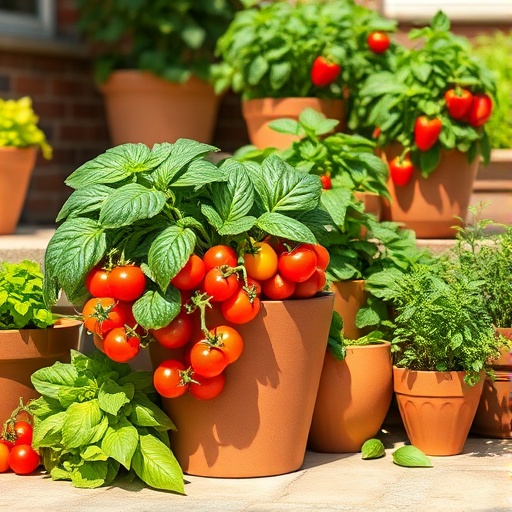
Did you know that over 80% of urban dwellers dream of growing their own food, yet only a fraction believe they have the space or expertise to do so? This surprising statistic highlights a common misconception: you don't need acres of land to cultivate a vibrant, productive garden. In fact, embarking on container vegetable gardening is one of the most accessible and rewarding ways to bring fresh produce right to your doorstep, no matter how small your living space. From compact balconies to sunny windowsills, growing your own vegetables in pots offers a dynamic solution for aspiring green thumbs, transforming constrained areas into bountiful harvests. It’s an empowering journey that reaps delicious dividends and connects us more deeply with nature, even within city limits.
Tools & Materials Needed
Getting started with container vegetable gardening requires a thoughtful selection of tools and materials, ensuring your plants have the best possible environment to thrive. Think of these as your essential gardening toolkit:
- Containers: This is where the magic begins! Choose pots that are at least 10-12 inches deep for most vegetables. Larger containers (15-20 inches) are ideal for root vegetables or plants like tomatoes. Material options include terracotta (which breathes, but dries out faster), plastic (lightweight, retains moisture), fabric grow bags (excellent drainage and aeration), or even repurposed items like old tires or five-gallon buckets (ensure they are food-grade and drill drainage holes). For an eco-friendly alternative, consider DIY Indoor Herb Garden with Recycled Containers.
- Potting Mix: A high-quality potting mix is crucial for container vegetable gardening. Do not use garden soil, as it compacts too easily in pots and can harbor pests or diseases. Look for a lightweight, well-draining mix rich in organic matter. You can also mix your own: 50% compost, 25% coco coir or peat moss, and 25% perlite or vermiculite for aeration.
- Seeds or Seedlings: For beginners, starting with seedlings often yields faster results and higher success rates. Popular choices for containers include bush varieties of tomatoes, peppers, lettuce, spinach, radishes, and bush beans. If you’re feeling adventurous, try seeds for direct-sowing plants like radishes or carrots.
- Gardening Gloves: Protect your hands from dirt, thorns, and potential irritants.
- Small Trowel/Hand Shovel: For scooping soil, planting seedlings, and light digging.
- Watering Can or Hose with a Gentle Sprayer: Essential for consistent and gentle watering.
- Pruners or Shears: For harvesting, pruning, and light trimming to encourage bushier growth.
- Fertilizer: Organic, slow-release granular fertilizer or a liquid feed (like fish emulsion or compost tea) is excellent for nourishing your growing plants. Plants in containers require more frequent fertilization than those in the ground due to nutrient leaching.
- Support Structures (Optional but Recommended): Cages, stakes, or small trellises for vining plants like tomatoes, cucumbers, or peas.
- Drainage Material (Optional): While often debated, a thin layer of gravel or broken pot shards at the bottom of containers can improve drainage, especially in very large pots. However, ensure that the primary potting mix itself is well-draining.
Time & Effort Overview
Don't let the idea of growing your own food intimidate you. Container vegetable gardening is surprisingly time-efficient and perfect for busy schedules.
- Initial Setup (Planting): Expect to spend 1-3 hours for the initial setup of 5-10 containers, depending on your experience level and how many plants you’re putting in. This includes preparing your containers, filling them with soil, and planting.
- Daily/Weekly Maintenance: This is where the real beauty lies. Daily checks typically take 5-15 minutes, primarily for watering and a quick visual inspection for pests or issues. Weekly maintenance, including fertilizing, pruning, and harvesting, might take 30-60 minutes.
- Growth Rate: Many container vegetables offer quick gratification. Radishes, for instance, can be ready in as little as 3-4 weeks from seeding. Salad greens often provide continuous harvests within 4-6 weeks, growing approximately 30% faster than their in-ground counterparts if watered and fed consistently. Even bush beans and determinate tomato varieties can yield within 8-10 weeks.
- Difficulty Level: This project is incredibly beginner-friendly. The controlled environment of containers makes it easier to manage soil quality, pests, and watering compared to a traditional garden bed.
Step-by-Step Gardening Process
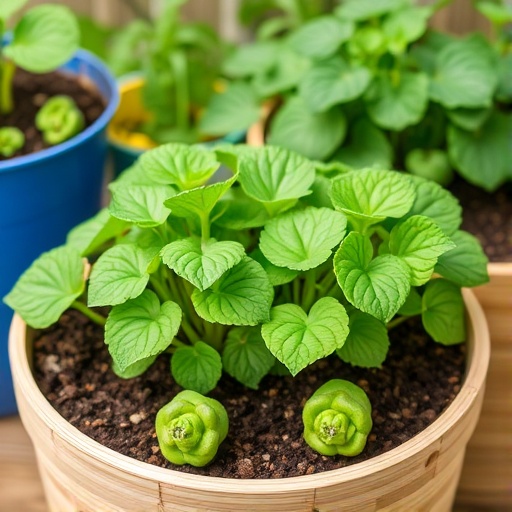
Ready to get your hands dirty? Follow these clear steps to establish your successful container vegetable garden.
Choose Your Vegetables & Containers
Start by selecting plants suitable for containers. Bush varieties of tomatoes (like 'Patio' or 'Tiny Tim'), compact cucumbers, peppers, spinach, lettuce, radishes, carrots, and herbs like basil and mint are fantastic choices. Ensure your chosen container is appropriately sized for the mature plant. A general rule: the larger the plant, the larger the pot.
Prepare Your Containers
Thoroughly clean any used containers to prevent disease. For new pots, a quick rinse is fine. Crucially, ensure each container has drainage holes at the bottom. If not, drill several ¼-inch to ½-inch holes. Proper drainage is paramount to prevent root rot.
Fill with Potting Mix
Fill your containers with a high-quality potting mix, leaving about 1-2 inches of space from the rim. This gap prevents water and soil from spilling over when you water. Lightly moisten the potting mix—it should feel damp, not soggy.
Plant Your Seeds or Seedlings
If using seedlings, gently remove them from their nursery pots, being careful not to disturb the roots too much. Create a hole in the potting mix, place the seedling, and backfill with soil, lightly tamping it down. If planting seeds, follow the package instructions for depth and spacing. Don’t worry if you over-seed a little; you can always thin them out later.
Water Thoroughly After Planting
Immediately after planting, give your containers a good, deep watering until water drains from the bottom. This helps settle the soil around the roots and provides initial hydration.
Provide Adequate Sunlight
Place your containers in a spot that receives at least 6-8 hours of direct sunlight daily. This is non-negotiable for most vegetables. Rotate your containers every few days if needed to ensure all sides of the plant get sun exposure.
Ongoing Care: Watering & Feeding
Consistent watering is key for container plants, often more frequent than in-ground gardens because containers dry out faster. Check soil moisture daily. Stick your finger about an inch or two into the soil; if it feels dry, it's time to water. Fertilize every 2-4 weeks with a balanced organic liquid fertilizer, as nutrients in the potting mix are quickly depleted.
Monitor for Pests & Diseases
Regularly inspect your plants for signs of pests or disease. Early detection is your best friend. Look for chewed leaves, discolored spots, or tiny insects. Here’s how to fix common issues: for aphids, a strong spray of water or a dish soap solution often works. If you find something more persistent, consider organic pest control options.
Growth & Care Tips
Consistent care ensures a flourishing harvest from your confined garden.
- Watering Frequency: Container plants typically need watering daily, sometimes twice a day during hot, dry spells. The best way to check is by feeling the soil. Overwatering is just as detrimental as underwatering, leading to root rot. Aim for consistently moist, but not soggy, soil. Data suggests that 70% of new container gardeners struggle with proper watering frequency, leading to plant stress.
- Sunlight Exposure: Most vegetables demand a minimum of 6-8 hours of direct sunlight. Leafy greens can tolerate 4-6 hours. Be mindful of how light shifts throughout the day and with seasons. South-facing spots are often ideal.
- Pruning: For bushy plants like peppers, light pruning can encourage more lateral growth and higher yields. For vining plants like tomatoes, consider "suckering" (removing the small shoots that grow in the crotch of two branches) to direct energy into fruit production. Aim to remove spent flowers to encourage more blooms and subsequent fruit in many vegetables.
- Fertilization: Since containers have limited soil volume, nutrients are quickly used up or washed out. Fertilize every 2-3 weeks with a balanced, all-purpose organic fertilizer. A balanced NPK ratio (Nitrogen, Phosphorus, Potassium) like 5-5-5 or 10-10-10 is a good starting point, but switch to a higher phosphorus/potassium blend during flowering/fruiting stages.
- Pest Prevention: Vigilance is your best defense. Inspect plants regularly. Introduce beneficial insects (like ladybugs) if possible. Use neem oil as an organic deterrent. Companion planting, such as growing marigolds near your vegetables, can naturally repel some pests. Learn more about companion planting strategies here.
Eco-Friendly & Sustainable Alternatives
Embrace sustainability in your container vegetable gardening for a healthier planet and a more vibrant garden.
- Composting: Turn kitchen scraps and yard waste into nutrient-rich compost. A small vermicomposting bin can fit on a balcony and produce excellent fertilizer. This reduces waste and enriches your soil naturally.
- Natural Fertilizers: Beyond compost, consider options like worm castings, aged manure (if sourced correctly), or homemade compost tea. These provide a slow release of nutrients and improve soil structure without synthetic chemicals. For DIY options, check out our guide on Organic Fertilizer Recipes for Herb Gardens.
- Water Conservation: Implement smart watering techniques. Use drip irrigation systems for consistent, slow watering. Collect rainwater in barrels for irrigation. Mulch your containers (with straw, wood chips, or shredded leaves) to reduce evaporation by up to 30%, keeping soil moisture consistent.
- Repurposing & Upcycling: Get creative with your containers! Old milk jugs (with drainage holes), wooden crates, or even sturdy fabric shopping bags can be repurposed. This saves money and reduces waste.
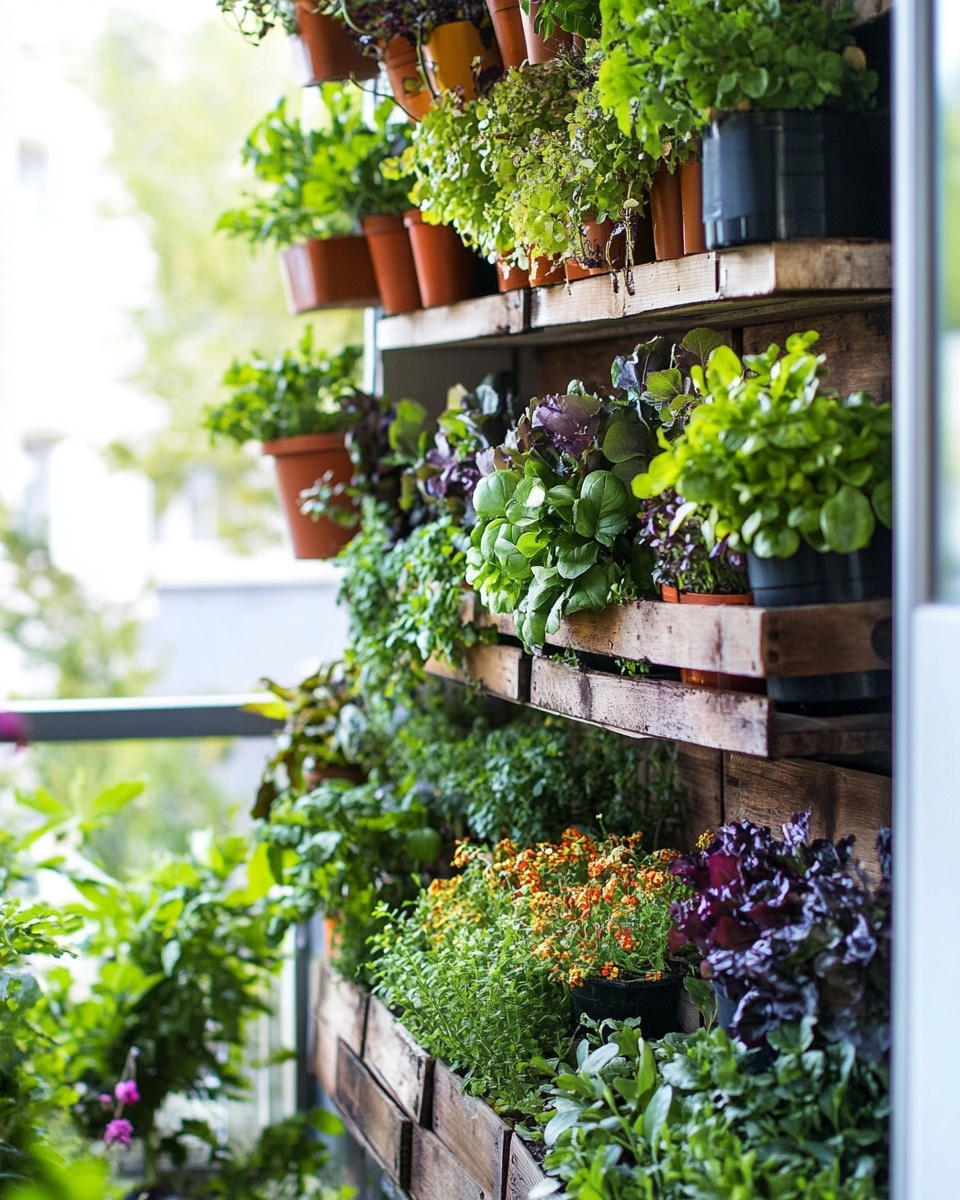
- Vertical Gardening: Maximize your space. Vertical planters, tiered shelving, or wall-mounted pockets are fantastic for growing leafy greens, herbs, and even some smaller fruiting plants. This is especially useful for small balconies or patios. You can find inspiration in our article on Vertical Balcony Herb Garden Design Ideas.
Creative Ideas & Uses
Container vegetable gardening isn't just about food; it's an opportunity for aesthetic appeal and smart design.
- Edible Landscaping: Integrate your vegetable containers into your overall outdoor decor. Place colorful pepper plants next to ornamental flowers, or let cherry tomatoes cascade over the edge of a hanging basket.
- Themed Gardens: Create a "pizza garden" with tomatoes, basil, and oregano, or a "salad bar" with various lettuce, spinach, and radishes. This makes planning and harvesting fun and efficient.
- Repurposing Materials: Beyond containers, think about what else you can repurpose. Old garden tools can become decorative elements. Pallets can be transformed into vertical planters.
- Combine Plants Aesthetically: Group plants with similar light and water requirements together. For example, a large container could hold a determinate tomato plant, with basil and marigolds as underplantings. This not only looks great but also benefits plants through companion planting. Look for tips on Pinterest for visual inspiration on combining container plants for stunning displays.
- Create Zones: If you have a larger patio, designate zones: a sunny spot for sun-loving vegetables, a shadier area for leafy greens, and a vertical wall for herbs. This modular approach keeps your garden organized and maximizes your harvest potential.
Common Mistakes to Avoid
Even seasoned gardeners make mistakes, but being aware of these common pitfalls in container vegetable gardening can save you a lot of heartache.
- Using Garden Soil: This is perhaps the most common and detrimental mistake. Garden soil is too heavy and compacts easily in pots, suffocating roots and hindering drainage. Stick to light, airy potting mixes specifically designed for containers.
- Insufficient Drainage: No drainage holes mean water sits in the pot, leading to root rot. Root rot accounts for an estimated 60% of plant deaths in containers without proper drainage. Always ensure your containers have adequate drainage.
- Under-Potting: Putting a large plant in too small a container restricts root growth, stunts the plant, and necessitates constant watering. Research the mature size of your chosen vegetables and give them ample space.
- Inconsistent Watering: Container plants dry out quickly. Letting them completely dry out between waterings, or conversely, keeping them constantly waterlogged, stresses the plant. Aim for consistent moisture. A Harvard study found that consistent watering regimens significantly increased yields in container-grown edibles.
- Neglecting Fertilization: As mentioned, nutrients deplete rapidly in pots. Forgetting to fertilize leads to nutrient deficiencies, which manifest as yellowing leaves, stunted growth, and poor fruit production.
- Ignoring Pest & Disease Signs: A tiny pest problem can quickly become an infestation if not addressed early. Regular inspection and prompt action are crucial. Don't wait until half your plant is consumed.
- Incorrect Sunlight: Most vegetables need full sun. Placing sun-loving plants in partial shade will result in leggy growth, few flowers, and minimal fruit. Be honest about the sunlight your space receives.
Maintenance & Storage Tips
Long-term success in container vegetable gardening involves smart maintenance and planning for the off-season.
- Long-Term Plant Health: Regularly "top-dress" your containers with fresh compost or potting mix. This replenishes nutrients and adds beneficial microbes. Prune any dead or diseased foliage immediately to prevent further spread. Rotate your crops if you're reusing containers for successive plantings to avoid nutrient depletion and disease buildup specific to one plant type.
- Seasonal Care: For tender annuals, you'll harvest until the first frost. For perennials like some herbs (mint, chives) or small fruit bushes, consider bringing them indoors or providing winter protection if your climate is harsh. Some vegetables, like lettuce, can be succession planted every few weeks for continuous harvest throughout the growing season.
- Seed Storage: Store unused seeds in a cool, dark, dry place in airtight containers. Label them with the date purchased and their expiration. Properly stored seeds can remain viable for several years, often extending their listed shelf life by 1-2 years.
- Container Refresh: At the end of the growing season, empty your containers. Dispose of old potting mix (unless you're composting it) or sterilize it by baking it in the oven (if disease-free) before reuse for non-food plants. Clean and store your pots for the next season.
- Solutions for Common Issues:
- Yellow Leaves: Often indicates nutrient deficiency (especially nitrogen), overwatering, or underwatering. Check soil moisture and feeding schedule.
- Poor Soil Drainage: If water sits on top or drains too slowly, your potting mix might be too dense or drainage holes are blocked. Repot with a better mix or clear holes.
- Leggy Plants: Usually a sign of insufficient light. Move plants to a sunnier spot.
- Pest Infestation: Address immediately with organic sprays, hand-picking, or beneficial insects.
Conclusion
Embracing container vegetable gardening is more than just a hobby; it’s a lifestyle choice that brings fresh, organic produce into your daily life, even in the smallest of spaces. We've journeyed through the essentials, from picking the right pot to nurturing your plants through growth and harvest. The joy of plucking a ripe tomato or crisp lettuce leaf from your very own container garden is unparalleled, offering both culinary delight and a profound sense of accomplishment. Remember, every great gardener started somewhere, and with these tips, you're well on your way to a thriving, delicious harvest. So, what are you waiting for? Grab a pot, some soil, and let's get planting! Share your container garden triumphs with us, or tag us in your growing journey on social media!
FAQ
Q1: What are the best vegetables for container vegetable gardening for beginners?
A1: For beginners, start with easy-to-grow, compact varieties. Excellent choices include leafy greens (lettuce, spinach, kale), radishes, bush beans, determinate tomatoes (like 'Patio' or 'Tiny Tim'), bell peppers, and most herbs (basil, mint, cilantro). These often have quicker harvest times and are more forgiving.
Q2: How often should I water my container vegetables?
A2: There's no one-size-fits-all answer, but generally, container vegetables need watering daily, especially during hot weather. Check by sticking your finger about an inch or two into the soil; if it feels dry, water thoroughly until it drains from the bottom. Overwatering can lead to root rot, while underwatering causes stress.
Q3: What kind of soil should I use for container vegetable gardening?
A3: Always use a high-quality potting mix specifically formulated for containers. Do not use garden soil, as it becomes too compact in pots. Look for mixes that are well-draining, lightweight, and contain amendments like peat moss, coco coir, vermiculite, or perlite.
Q4: Do I need to fertilize plants grown in containers?
A4: Yes, absolutely! Plants in containers deplete nutrients from the limited soil volume much faster than those in garden beds. Fertilize every 2-4 weeks with a balanced organic liquid or slow-release granular fertilizer to ensure your vegetables receive adequate nutrition for vigorous growth and abundant yields.
Q5: What are some common pests in container vegetable gardens and how can I deal with them organically?
A5: Common pests include aphids, spider mites, and whiteflies. For organic control, regularly inspect your plants. You can dislodge many pests with a strong spray of water. Neem oil spray works as a repellent and insecticide. Introducing beneficial insects like ladybugs is also an effective strategy.
Q6: Can I grow root vegetables in containers?
A6: Yes, many root vegetables thrive in containers! Carrots, radishes, and smaller potato varieties are excellent choices. Just ensure the container is deep enough (at least 10-12 inches for carrots and radishes, 15-18 inches for potatoes) to allow for proper root development.
Q7: How much sunlight do my container vegetables need?
A7: Most fruiting vegetables (tomatoes, peppers, cucumbers) require a minimum of 6-8 hours of direct sunlight per day. Leafy greens can tolerate slightly less, around 4-6 hours. Ensure your chosen location receives sufficient light, or supplement with grow lights if growing indoors.
More Gardening Greatness:
If you’re excited about expanding your green thumb, don't stop here! Dive deeper into more gardening knowledge with these related articles:
- For a broader perspective on starting your gardening journey, explore guide on How to Start a Vegetable Garden From Scratch.
- Curious about what other vegetables are beginner-friendly? Our post on Best Vegetables to Grow for Beginners offers more fantastic ideas.
- If you’re keen on maximizing your small space, you’ll love the ideas in Vertical Indoor Garden Ideas for Small Spaces.