Introduction
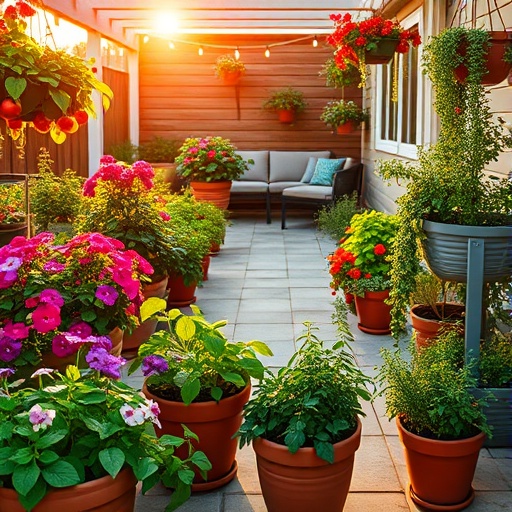
Did you know that an overwhelming 80% of urban dwellers dream of having a garden but believe they lack the space? It’s a common misconception that a lush, productive garden requires acres of land. But what if I told you that your tiny patio, balcony, or even a sunny windowsill holds the secret to abundant harvests and stunning botanical displays? This isn't just wishful thinking; with smart container gardening, you can transform even the smallest outdoor nooks into vibrant havens. Imagine stepping onto your patio and plucking fresh herbs for dinner or enjoying the sight of colorful blossoms spilling from cleverly arranged pots. This guide will help you embrace creative patio ideas and unlock the full potential of your limited space, proving that big gardening dreams can thrive in small packages.
Tools & Materials Needed
To kickstart your container gardening adventure, gathering the right tools and materials is crucial. Don't worry, you won't need a professional nursery's worth of equipment!
- Pots and Containers: This is where your creativity shines! Look for diversity in size, shape, and material. Terracotta pots offer good drainage, plastic is lightweight and retains moisture, and ceramic pots are stylish. For eco-friendly alternatives, consider repurposing old buckets, wooden crates, or even old tires (ensure they’re food-safe if growing edibles). Self-watering planters are excellent for busy gardeners, and vertical planters are fantastic for maximizing space, especially for cascading plants or herbs.
- Quality Potting Mix: This is non-negotiable for container success. Unlike garden soil, potting mix is sterile, lightweight, and formulated for excellent drainage and aeration. Look for blends with composted bark, peat moss (or coir for a sustainable alternative), and perlite or vermiculite. Avoid using garden soil directly, as it compacts in pots and can harbor pests.
- Seeds or Seedlings: For beginners, seedlings often provide a quicker and more reliable start. Choose varieties labeled "compact," "bush," or "container-friendly." For example, cherry tomatoes, dwarf peppers, bush beans, and most herbs thrive in pots.
- Small Gardening Trowel: Essential for digging and transplanting.
- Gardening Gloves: Protect your hands from dirt, thorns, and potential irritants.
- Watering Can or Hose with a Gentle Sprayer: Crucial for precise and gentle watering.
- Pruning Shears/Snips: For harvesting and maintaining plant shape.
- Slow-Release Granular Fertilizer or Liquid Feed: Your potted plants will need regular nutrients since container soil leaches nutrients faster.
- Optional but Recommended:
- Drainage Material: While not always necessary with good potting mix, a layer of gravel or broken pottery at the bottom of pots can improve drainage, especially for plants sensitive to wet feet.
- Plant Labels: Keep track of what you've planted and when.
- Compost Tea or Worm Castings: Boost soil health naturally.
Time & Effort Overview
Container gardening is remarkably beginner-friendly and less time-intensive than traditional in-ground gardening.
- Initial Setup (Planting): Allow 1-2 hours for a small patio setup with 5-10 containers. This includes selecting pots, preparing soil, and planting.
- Daily Maintenance: Depending on your climate and plant choices, watering might take 5-15 minutes daily or every other day, especially during hot spells. A well-designed watering system can drastically cut this down.
- Weekly Maintenance: Pruning, checking for pests, and fertilizing typically requires 15-30 minutes per week.
- Growth Rate: Many container-friendly plants, especially herbs like basil or cilantro, can be ready for harvest in just 3-4 weeks from seedlings, growing approximately 30% faster than their in-ground counterparts due to optimized soil and nutrient control. Fast-growing vegetables like radishes and leafy greens can be harvested in 25-45 days.
- Difficulty Level: Beginner. This is an ideal starting point for anyone new to gardening, offering quick successes and a manageable scale.
Step-by-Step Gardening Process
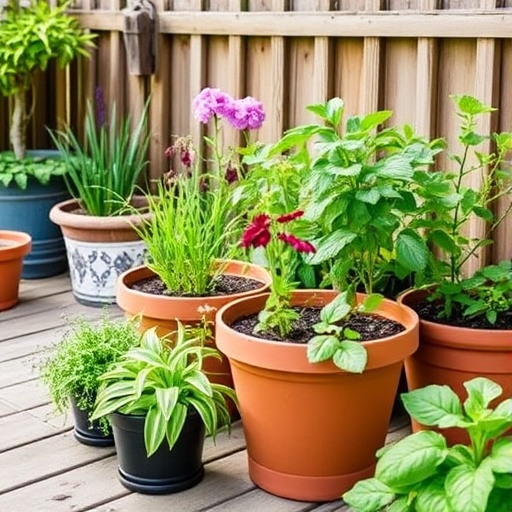
Ready to get your hands dirty and see those patio ideas come to life? Let's walk through the process step-by-step.
1. Choose Your Plants Wisely
Start by selecting plants appropriate for containers and your available sunlight. Think about what you love to eat or what colors bring you joy. Dwarf varieties of vegetables, compact herbs, and vibrant annuals are excellent choices. Consider trailing plants like nasturtiums or sweet potato vine to add visual interest by spilling over the edges of your patio containers.
2. Select the Right Containers
Ensure your chosen pots have drainage holes at the bottom—this is non-negotiable! Without proper drainage, roots will rot. For larger plants, opt for larger pots (e.g., tomatoes need at least 5-gallon containers). Dark-colored containers absorb more heat, which can be beneficial in cooler climates but detrimental in hot ones. Don’t worry if you only have a few small pots; even miniature herbs can thrive.
3. Prepare the Potting Mix
Fill your containers with a high-quality potting mix, leaving about an inch of space from the rim. Resist the urge to pack it down too tightly; roots need aeration. If your mix seems heavy, add a bit more perlite. A good potting mix should drain well but also retain some moisture.
4. Plant Your Seeds or Seedlings
If planting seeds, follow the packet instructions for depth and spacing. For seedlings, carefully remove them from their nursery pots. Gently loosen any circling roots at the bottom. Dig a hole large enough to accommodate the root ball, place the plant, and backfill with potting mix. Press lightly around the base to ensure good soil contact. If you accidentally damage a root, don't worry, most plants are resilient!
5. Water Immediately After Planting
Thoroughly water your newly planted containers until water drains from the bottom. This settles the soil and provides much-needed hydration to the roots. For best results, use room-temperature water.
6. Position Your Pots
Place your containers in a spot that meets the plants' sunlight requirements. Most vegetables and herbs need at least 6-8 hours of direct sunlight daily for optimal growth. If your patio is shady, focus on shade-tolerant plants like lettuce, spinach, mint, or impatiens. Move pots around if needed to capture morning or afternoon sun, especially in changing seasons.
Growth & Care Tips
Once your plants are in the ground (or rather, in their pots!), consistent care is key to a thriving container garden and maximizing your patio ideas.
- Watering Frequency: This is perhaps the most critical aspect. Container plants dry out much faster than in-ground plants. Check the soil moisture daily by sticking your finger about an inch deep. If it feels dry, it's time to water. In hot, windy weather, you might even need to water twice a day. Early morning is the best time to water as it minimizes evaporation and allows foliage to dry before nightfall, reducing fungal issues. Overwatering causes root rot in approximately 60% of houseplants, so ensure good drainage and avoid letting pots sit in standing water.
- Sunlight Exposure: Most edibles (tomatoes, peppers, most herbs) require "full sun" – 6-8 hours of direct, unfiltered sunlight. Leafy greens and some herbs (mint, parsley) can tolerate "partial sun" (4-6 hours), while shade-tolerant plants need less. Observe your patio throughout the day to understand its light patterns.
- Pruning & Pinching: Regularly pinch back leggy growth on herbs and flowering plants to encourage bushier development and more blooms. For fruiting plants like tomatoes, suckers (small shoots that emerge between the main stem and a branch) should be removed to redirect energy to fruit production. This practice can increase yield by up to 20% by focusing plant energy.
- Fertilization: Since frequent watering leaches nutrients from potting mix, container plants are heavy feeders. Start feeding about 2-3 weeks after planting. Use a balanced liquid fertilizer every 2-4 weeks, or incorporate a slow-release granular fertilizer at the time of planting for sustained nutrient release, which is a common tip shared by experienced gardeners.
- Pest Prevention: Regularly inspect your plants for signs of pests (e.g., aphids, spider mites). Early detection is key. A strong blast of water often dislodges soft-bodied pests. For persistent issues, use organic insecticidal soap or neem oil. Companion planting can also help; for instance, marigolds deter nematodes and other pests.
Eco-Friendly & Sustainable Alternatives
Embrace sustainability in your container garden to reduce your environmental footprint.
- Composting: Start a small-scale compost bin for kitchen scraps and garden waste. The "black gold" it produces is an incredible natural fertilizer for your patio plants. Even a small worm bin can yield nutrient-rich vermicompost.
- Natural Fertilizers: Beyond compost, consider using diluted fish emulsion, seaweed extract, or homemade compost tea. These natural feeds enrich the soil microbiome and improve plant vigor. You can find excellent suggestions for sustainable plant care on sites like Pinterest: https://www.pinterest.com/janatjanay47/.
- Water Conservation:
- Self-watering Planters: These significantly reduce water waste by providing a reservoir plants draw from as needed.
- Mulching: Add a layer of mulch (shredded leaves, straw, wood chips) to the top of your containers. This reduces water evaporation by up to 30%, regulates soil temperature, and suppresses weeds.
- Rainwater Harvesting: Collect rainwater in a barrel or dedicated container. It's free, and plants often thrive on it more than tap water due to its lack of chlorine.
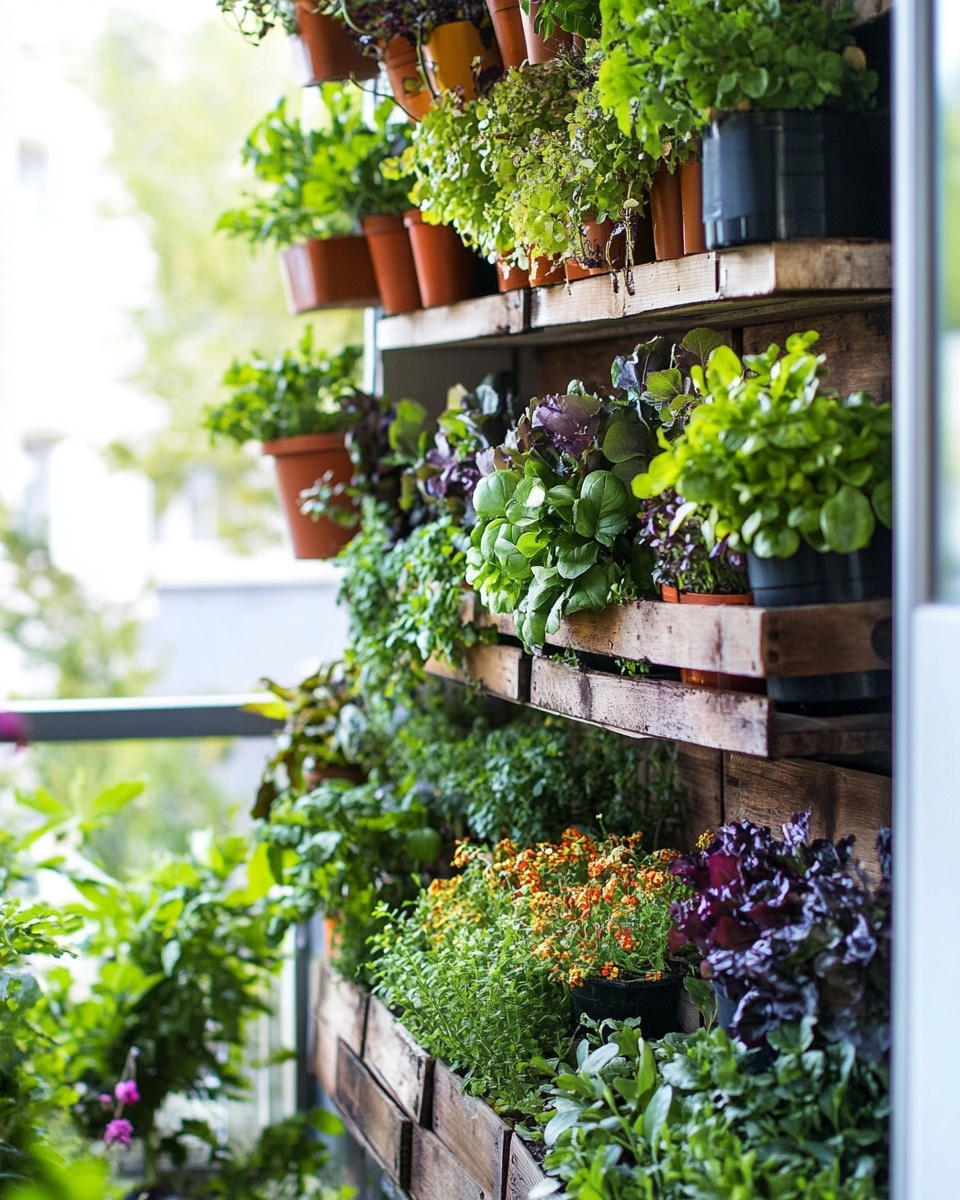
- Repurposing & Recycling: Look for creative ways to repurpose items into planters. Old colanders make excellent hanging baskets, and food-grade plastic containers can be given new life. This is great for budget-conscious gardening. For very small spaces, remember that vertical gardens and hanging basket arrangements are fantastic space savers. They add depth and dimension to your patio without taking up precious floor space.
Creative Ideas & Uses
Unleash your inner designer and turn your patio into a personalized oasis. These patio ideas go beyond just planting.
- Decorate with Plants: Arrange pots of varying heights and sizes to create visual interest. Use colorful ceramic pots, or paint plain terracotta pots for a custom look. Add string lights or solar lanterns around your plant arrangements for evening ambiance. Incorporate small garden statues, wind chimes, or decorative stones.
- Repurpose Garden Materials: An old wooden ladder can become a vertical planter stand. Stack cinder blocks to create tiered garden beds. Use old bricks to define a small pathway or create raised platforms for your favorite pots.
- Combine Plants Aesthetically:
- Thriller, Filler, Spiller: This design principle works wonders for containers. "Thriller" plants are tall and provide a focal point (e.g., a small ornamental grass or canna lily). "Filler" plants are medium-height and bushy, filling out the container (e.g., impatiens, petunias). "Spiller" plants trail over the edges, softening the look (e.g., sweet potato vine, creeping thyme).
- Color Combinations: Choose plants with complementary or contrasting colors to make a statement. For instance, purple petunias with lime green sweet potato vine, or bright red geraniums with white alyssum.
- Herb Gardens: Group multiple herbs in one large container for a fragrant and practical addition to your patio. Imagine cilantro, basil, and parsley all within arm's reach.
Common Mistakes to Avoid
Even experienced gardeners make blunders. Here's how to steer clear of common pitfalls in your container garden.
- Lack of Drainage Holes: Arguably the biggest mistake. Without drainage, water stagnates, leading to root rot. If a favorite decorative pot lacks holes, use it as a cachepot (a decorative outer pot) and place a functional, drained pot inside.
- Using Garden Soil: Garden soil is too dense for containers. It compacts, chokes roots, and provides poor aeration. Always use a dedicated, lightweight potting mix.
- Under- or Overwatering: Both extremes are detrimental. Underwatering causes wilting and stunted growth, while overwatering is a silent killer, leading to root rot and fungal diseases. Learn to "read" your plants and soil moisture.
- Neglecting Fertilization: Container plants consume available nutrients quickly. Without regular feeding, they become nutrient-deficient, leading to yellowing leaves, poor growth, and reduced yields. Based on university agricultural studies, plants in containers often require 2-3 times more frequent fertilization than their in-ground counterparts.
- Ignoring Sunlight Needs: Placing a sun-loving plant in shade or vice versa will result in weak, unproductive plants. Be realistic about your patio's light conditions. Incorrect light exposure accounts for about 45% of plant health issues reported by new gardeners.
- Overcrowding Pots: While tempting to squeeze many plants into one pot, overcrowding leads to competition for water, nutrients, and light, often resulting in all plants performing poorly. Give each plant ample space to thrive.
Maintenance & Storage Tips
Ensuring the longevity of your container garden elements and preparing for seasonal changes will save you time and money.
- Long-Term Plant Health:
- Repotting: As plants grow, they may become root-bound. This means the roots have filled the pot, leaving little room for soil and nutrients. Signs include slowed growth, quick drying, and roots emerging from drainage holes. Repot into a larger container annually or every other year.
- Top-Dressing: If repotting isn't feasible, carefully remove the top few inches of old soil and replace it with fresh potting mix and compost to replenish nutrients.
- Disease Prevention: Remove dead or diseased leaves immediately to prevent the spread of pathogens. Ensure good air circulation around your plants, especially in humid conditions.
- Seed Storage: If you're saving seeds or have leftover packets, store them in a cool, dry, dark place in an airtight container. The crisper drawer of your refrigerator is ideal. Label them with the date to track viability.
- Seasonal Care:
- Winterizing: In colder climates, bring tender perennials and herbs indoors before the first frost. For annuals, you can simply compost them. Empty and clean pots thoroughly before storing them for winter.
- Spring Prep: In spring, refresh your potting mix, clean and inspect containers, and plan your new layout. This early preparation makes planting day a breeze.
- Addressing Common Issues:
- Yellow Leaves: Often indicates nutrient deficiency (especially nitrogen), overwatering (lack of oxygen to roots), or underwatering. Check soil moisture and feeding schedule.
- Poor Soil Drainage: If water sits on top for too long, your potting mix might be too compact or you have inadequate drainage holes. Improve drainage by adding perlite or ensuring all drainage holes are clear. You might need to repot.
- Leggy Plants: Usually a sign of insufficient light. Move plants to a brighter spot and prune back leggy growth to encourage bushier habits.
Conclusion
Congratulations! You now have a comprehensive guide to transforming your patio into a thriving container garden. From vibrant flowers to fresh herbs and vegetables, the potential is limited only by your imagination. By embracing these creative patio ideas and practical tips, you can enjoy abundant harvests and a beautiful outdoor space, no matter its size. Remember, gardening is a journey of learning and discovery a rewarding process that connects you with nature right on your doorstep.
Don't let limited space limit your gardening dreams. Start small, experiment, and watch your patio flourish! We'd love to see your creations—share your container garden photos with us on social media! Ready to dive deeper into specific plants or techniques? Check out some of our other guides to keep your green thumb glowing.
FAQ
Q1: How often should I water my container plants?
A1: The watering frequency for your patio plants depends on several factors: plant type, pot size, container material (terracotta dries faster than plastic), and weather. A good rule of thumb is to check the soil daily by sticking your finger about an inch deep. If it feels dry, it's time to water thoroughly until water drains from the bottom.
Q2: What are the best plants for a sunny patio?
A2: For a sunny patio receiving 6-8+ hours of direct sun, you have many options. Think about sun-loving herbs like rosemary, thyme, oregano, and basil. Vegetables such as cherry tomatoes, bush beans, peppers, and eggplants thrive. Bright annuals like petunias, geraniums, and calibrachoa also love full sun and are great patio ideas.
Q3: Can I use regular garden soil in my pots?
A3: No, it's generally not recommended. Regular garden soil is too heavy and dense for containers. It compacts easily, leading to poor drainage and aeration, which stifles root growth. Always use a high-quality, lightweight potting mix specifically formulated for containers, as it provides the ideal balance of moisture retention and drainage.
Q4: How do I prevent pests in my container garden?
A4: Prevention is key! Regularly inspect your plants for early signs of pests. Maintain good plant health through proper watering and feeding, as healthy plants are more resilient. Consider companion planting with pest-deterring plants like marigolds. For any outbreaks, use organic solutions like insecticidal soap or neem oil.
Q5: My plants look leggy and pale. What's wrong?
A5: Leggy, pale growth is most often a sign of insufficient light. Your plants are stretching to find more sunlight. Move them to a brighter spot on your patio where they can receive adequate direct sunlight (6-8 hours for most vegetables and flowers). You can also prune back the leggy growth to encourage a bushier habit.
Q6: What's the "Thriller, Filler, Spiller" method for container design?
A6: This is a popular and effective way to create visually appealing containers. The "Thriller" is a tall, upright plant that acts as a focal point. The "Filler" consists of plants in the mid-range that fill out the body of the container. The "Spiller" plants gracefully trail over the sides, softening the edges and adding movement. This combination is a fantastic way to develop your patio ideas.
Q7: How do I choose the right size pot for my plants?
A7: The general rule is the bigger the plant, the bigger the pot. Small herbs might be happy in 6-inch pots, while a determinate tomato plant needs at least a 5-10 gallon container to thrive. Adequate pot size ensures enough room for root development, moisture retention, and nutrient availability.
Related Gardening Guides tailored for you:
- Looking for more specific advice on what to grow? Check out our guide on "Best Vegetables to Grow for Beginners" for easy-to-grow options perfect for your new container garden.
- If you're eager to expand your knowledge of starting a garden from scratch, our post on "How to Start a Vegetable Garden From Scratch" provides foundational steps that seamlessly apply to containers.
- Ready to infuse your patio with aromatic wonders? Explore "Best Companion Herbs to Grow Together" to create a fragrant and functional herb garden in your containers.
- Maximize your vertical space with these innovative "Vertical Indoor Garden Ideas for Small Spaces" which can easily be adapted for your patio.
- For those with very limited space, get inspired by "Balcony Herb Garden Design Ideas" to make the most of every inch.