Introduction
Have you ever wondered why perfectly good soil in a garden bed often yields disappointing harvests, despite hours of diligent effort? It turns out, soil health and efficient space utilization are paramount for successful veg gardening, and raised garden beds offer a revolutionary solution to many common frustrations. In fact, studies show that raised beds can increase vegetable yields by up to 25% compared to traditional in-ground planting, primarily due to better drainage and soil control. This guide will walk you through building your dream raised garden beds, ensuring you achieve an abundant harvest even if you're new to the world of gardening. Let’s dig in and discover how to create a thriving home for your future fresh produce!
Tools & Materials Needed
Building a raised garden bed is a fulfilling project that requires a few essential tools and materials. Choosing the right ones can make all the difference in the longevity and productivity of your bed.
Essential Tools:
- Tape Measure: For accurate length and width measurements.
- Pencil/Marker: To mark cuts on your lumber.
- Saw: A hand saw, circular saw, or miter saw will work to cut your wood. For eco-conscious gardeners, consider renting one less often or borrowing to reduce consumption.
- Drill/Driver: Essential for pre-drilling holes and driving screws.
- Level: To ensure your bed is perfectly flat – crucial for even watering.
- Shovel or Spade: For preparing the site and filling the bed with soil.
- Staple Gun (optional): For attaching weed barrier fabric.
Key Materials:
- Lumber: Choose rot-resistant wood like cedar, redwood, or juniper. Pine or fir can work if treated with non-toxic preservatives. Avoid treated lumber made before 2003, as it often contains toxic chemicals. For budget-friendly alternatives, look for salvaged untreated hardwood, large river stones, or even upcycled corrugated metal (ensure it's food-grade).
- For a 4ft x 8ft bed with 10-inch height: You'll need two 8-foot-long 2x6s and two 4-foot-long 2x6s for each layer.
- Corner Brackets or Fasteners: Galvanized L-brackets or heavy-duty deck screws (3-inch minimum) are ideal. Screws are often sufficient for stable rectangular beds.
- Weed Barrier Fabric (optional but recommended): This permeable fabric allows water to drain but prevents weeds from growing up into your bed. Biodegradable options made from natural fibers are a great eco-friendly choice.
- Organic Soil Mix: This is paramount for successful veg gardening. A good blend typically includes:
- Topsoil: Provides structure and minerals.
- Compost: Adds vital nutrients and improves soil structure. Homemade compost is the ultimate eco-friendly choice!
- Perlite or Vermiculite: Improves drainage and aeration.
- Rule of thumb: Aim for a mix of 50-60% topsoil, 30-40% compost, and 10% perlite/vermiculite.
Time & Effort Overview
Building a raised garden bed is a rewarding project that offers a fantastic return on your effort. For a standard 4×8 foot bed, plan for approximately 3-5 hours of construction time, not including the initial site selection. Filling the bed with soil can add another 1-2 hours.
Once built, the maintenance time for a raised bed is remarkably low compared to traditional gardens. You’ll spend about 30% less time weeding, as the weed barrier and contained soil significantly reduce weed growth. Plants in raised beds often mature up to 15% faster due to warmer, well-drained soil, making your veg gardening efforts more efficient. This project is firmly in the beginner to intermediate difficulty range. No advanced carpentry skills are needed, just a willingness to measure twice and cut once!
Step-by-Step Gardening Process
Step 1: Choose the Perfect Location
Selecting the right spot is crucial for healthy vegetable growth. Most vegetables require at least 6-8 hours of direct sunlight daily to thrive. Observe your yard throughout the day to identify the sunniest spots. Ensure the location is relatively level to prevent soil erosion and water pooling. Consider proximity to a water source for easier watering.
Step 2: Gather Your Materials and Measure Cuts
With your location selected, it’s time to prepare your wood. Measure and mark your lumber according to your desired bed dimensions. For our 4×8 ft example, you’ll need two 8 ft boards and two 4 ft boards for each layer of height. For a two-layer bed, you’d double those quantities. Remember the old carpenter's adage: "Measure twice, cut once!" This will save you frustration and material.
Step 3: Cut the Lumber
Carefully cut your marked lumber using your saw. If you're new to using a power saw, always prioritize safety: wear eye protection and gloves, and ensure your workpiece is securely clamped. Don't worry if your cuts aren't perfectly straight; the corner fasteners or screws will pull everything together. A slight imperfection adds character!
Step 4: Assemble the First Layer
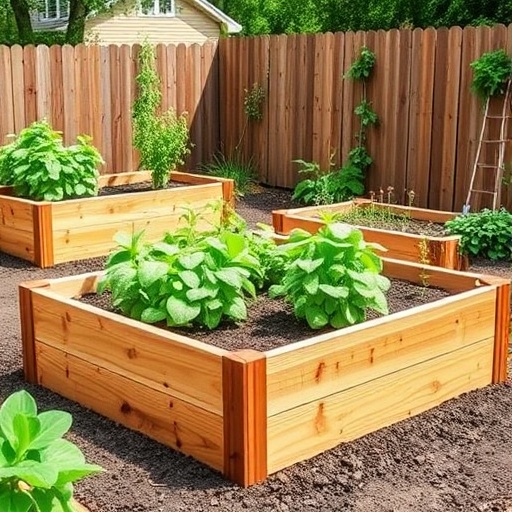
Lay out your cut boards to form the rectangular or square shape of your bed. Connect the corners using either L-brackets or by pre-drilling and screwing directly into the ends of the boards. Pre-drilling prevents the wood from splitting, especially with softer woods. Drive at least two screws per corner for stability. Ensure the corners are square using a builder's square or by measuring diagonals (they should be equal).
Step 5: Add Subsequent Layers (Optional)
If you desire a deeper bed (recommended for root vegetables), stack additional layers of lumber on top of the first. Secure each new board to the one below it using screws, staggering the joints for extra strength. For example, if your first layer has an 8-foot board connecting to a 4-foot board, the next layer should have a 4-foot board connecting to an 8-foot board at that same corner. This interlocking creates a robust structure.
Step 6: Prepare the Base (Weed Barrier)
Once your frame is assembled, place it in your chosen location. If using a weed barrier, lay it out inside the frame, overlapping the edges slightly. Extend it up the inside walls of the bed a few inches. You can staple it to the lower edge of the wood or simply let the soil hold it in place. This step is vital for keeping unwanted weeds out of your precious veg gardening space.
Step 7: Fill with Soil Mix
Now for the fun part: filling your raised bed! Remember our recommended organic soil mix. Start by layering a few inches of good quality topsoil, then add a layer of compost, and finally mix in your perlite or vermiculite. Continue layering and gently mixing until the bed is filled within 1-2 inches of the top. A well-drained, nutrient-rich soil is the foundation of successful veg gardening.
Step 8: Plant Your Veggies!
Once your bed is filled, it’s time to plant! Gently transplant your seedlings or sow your seeds according to specific plant spacing recommendations. Water thoroughly after planting. Congratulations, you've built your own thriving raised garden bed!
Growth & Care Tips
Successful veg gardening in raised beds depends heavily on consistent care.
- Watering: Raised beds tend to dry out faster than in-ground gardens due to better drainage and increased air circulation. Check soil moisture daily by sticking your finger an inch or two into the soil. If it feels dry, it's time to water. Deep, infrequent watering is generally better than shallow, frequent watering, as it encourages deeper root growth. Aim for the equivalent of 1 inch of rain per week, adjusting for weather.
- Sunlight Exposure: As mentioned, most vegetables need 6-8 hours of direct sunlight. Ensure no new shade arises from growing trees or structures. If your plants look leggy or aren't producing much fruit, they might need more sun.
- Pruning & Training: For plants like tomatoes, cucumbers, and peppers, judicious pruning can improve air circulation, reduce disease, and increase yield. Training vining plants up trellises or stakes maximizes space in your raised bed and keeps produce off the ground.
- Fertilization: Since raised beds contain optimized soil, you may not need as much fertilizer. However, heavy feeders like corn, tomatoes, and squash will benefit from a side dressing of compost or organic granular fertilizer every 4-6 weeks during their growth cycle. Scientific analysis often reveals that consistent, moderate organic fertilization boosts microbial activity and nutrient availability significantly.
- Pest Prevention: Integrate pest management from the start. Companion planting (e.g., marigolds to deter nematodes, basil near tomatoes) is a great organic strategy. Regular inspection for pests allows early intervention. If you spot pests, try organic solutions like neem oil or insecticidal soap before considering stronger measures. About 70% of garden pest issues can be resolved with early detection and natural remedies.
Eco-Friendly & Sustainable Alternatives
Embracing sustainability in your raised bed veg gardening not only benefits the planet but often leads to healthier plants and cost savings.
- Composting: Start a compost pile! Kitchen scraps, yard waste, and shredded paper can be transformed into nutrient-rich "black gold" for your garden. This significantly reduces waste and provides free, organic fertilizer.
- Natural Fertilizers: Beyond compost, consider worm castings, bone meal, blood meal, or kelp meal to provide specific nutrients. Liquid options like compost tea also offer a beneficial boost.
- Water Conservation: Implement drip irrigation or soaker hoses to deliver water directly to plant roots, minimizing evaporation. Mulching around your plants with straw, wood chips, or shredded leaves reduces soil moisture loss by up to 30%, suppresses weeds, and regulates soil temperature.
- Alternatives for Small Spaces: Don't have room for a large raised bed? No problem!
- Balcony Gardens: Use large pots, grow bags, or small elevated planters. Herbs, leafy greens, and even determinate tomato varieties thrive here.
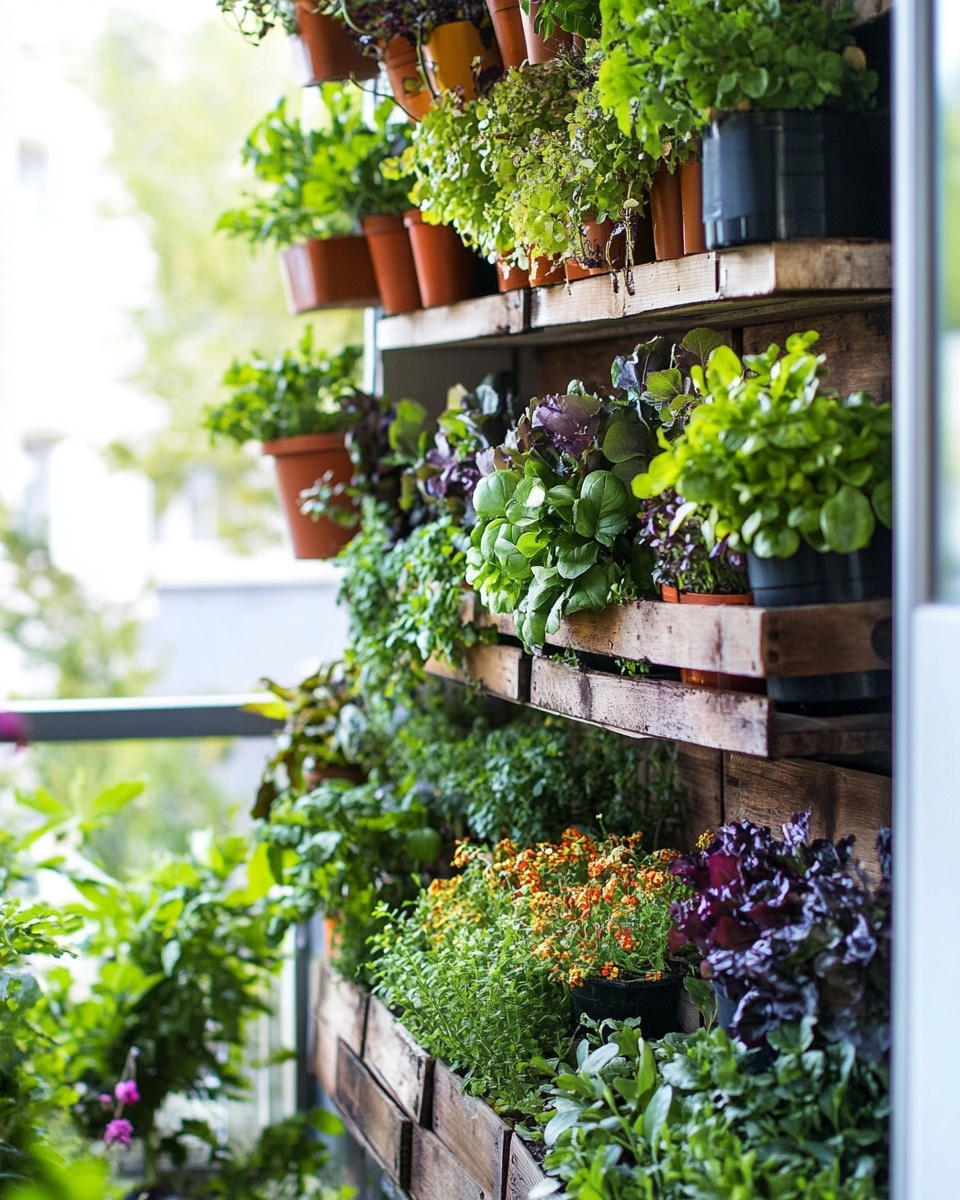
- Vertical Gardens: Maximize your growing area by going up! Pallet gardens, hanging planters, or tiered planters are excellent for urban spaces. You can even adapt a small raised bed for vertical extensions.
- Container Gardening: Any large container with good drainage can become a mini raised bed. Just ensure it's food-safe.
Creative Ideas & Uses
Raised beds are more than just functional growing spaces; they can be beautiful additions to your landscape and offer opportunities for creative expression.
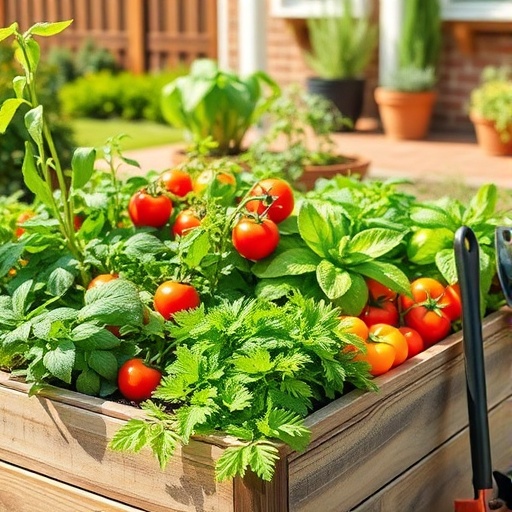
- Decorate with Edibles: Combine edible plants with small flowering herbs or edible flowers (nasturtiums, calendula, pansies) for a vibrant, visually appealing bed. For instance, try planting colorful Swiss chard alongside bright petunias along the border.
- Repurpose Materials: As mentioned earlier, explore repurposing options for the bed frame itself. Old tires (ensure they are safe and non-leaching), concrete blocks, or even woven branches can create unique and rustic raised beds. Check out Pinterest boards for inspiration on upcycled garden designs!
- Combine Plants Aesthetically: Think about plant height, texture, and color when planning your raised bed. Taller plants like corn or staked tomatoes can form a backdrop, with medium-sized plants like peppers or bush beans in front, and low-growing herbs or leafy greens as a border. This creates visual interest and can sometimes even enhance growth through strategic companion planting.
- Raised Beds as Landscape Elements: Use multiple raised beds of varying heights and sizes to create distinct garden zones. They can define pathways, create separation, or draw the eye to a specific area, transforming your entire outdoor space.
Common Mistakes to Avoid
Even seasoned gardeners make mistakes, but recognizing common pitfalls in raised bed veg gardening can save you a lot of heartache.
- Poor Drainage: This is a silent killer. While raised beds inherently offer better drainage, a heavy clay foundation or compacted soil at the bottom can still impede water flow, leading to root rot. Overwatering causes root rot in an estimated 60% of cases for various plants. Ensure you have a good soil mix and, if necessary, place a layer of gravel or sand at the very bottom of your bed for extra drainage.
- Inadequate Sunlight: As highlighted, most vegetables demand abundant sun. Many new gardeners underestimate this, placing beds in partially shaded areas. The result? Leggy plants, poor fruit set, and disappointing yields. Consistently re-evaluate sunlight as seasons change.
- Using Non-Food-Safe Materials: Be extremely cautious with repurposed wood or materials. Pressure-treated lumber made before 2003 often contains arsenic, which can leach into your soil and produce. Always research materials thoroughly to ensure they are safe for growing edibles.
- Overcrowding Plants: While it's tempting to maximize space, overcrowding leads to poor air circulation, increased disease risk, and competition for nutrients, ultimately resulting in smaller harvests. Follow spacing guidelines diligently for optimal plant health and abundant veg gardening.
- Ignoring Soil Amendments: Even with a good initial soil mix, plants deplete nutrients over time. Neglecting to replenish with compost or organic fertilizers will lead to declining yields. Think of your soil as a living entity that needs to be fed.
Maintenance & Storage Tips
Maintaining your raised beds seasonally and storing seeds properly are key to long-term veg gardening success.
- Long-Term Plant Health:
- Succession Planting: To ensure a continuous harvest, plant small batches of quick-growing crops (like lettuce, radishes, or bush beans) every few weeks.
- Crop Rotation: Each season, rotate your crops to prevent nutrient depletion in specific areas and reduce the buildup of soil-borne diseases. For example, don’t plant tomatoes in the same spot year after year.
- Soil Testing: Every 2-3 years, conduct a soil test. This gives you precise information about nutrient levels and pH, allowing you to amend the soil intelligently.
- Seed Storage:
- Store seeds in a cool, dark, and dry place (e.g., a sealed container in a refrigerator or pantry).
- Label seeds clearly with the plant type and year of collection/purchase. Most seeds remain viable for 2-5 years when stored correctly.
- Seasonal Care:
- Fall: After the last harvest, clear out spent plants. Top-dress your raised bed with a thick layer of compost or well-rotted manure to allow it to break down and enrich the soil over winter. Consider planting a cover crop like crimson clover to improve soil structure and add nitrogen.
- Spring: Before planting, gently turn over the top few inches of soil and mix in any remaining compost. This is also a good time to add any necessary soil amendments indicated by a soil test.
- Solutions for Common Issues:
- Yellow Leaves: Often indicates a nutrient deficiency (e.g., nitrogen) or overwatering. Check soil moisture and consider a balanced organic liquid feed.
- Poor Soil Drainage (if issues arise): If despite your best efforts, you have persistent drainage problems, you might need to add more perlite or vermiculite, or even remove some soil and add a layer of coarse sand or gravel at the very bottom of the bed.
Conclusion
Building your own raised garden beds is a truly empowering step toward achieving fantastic veg gardening success. From providing superior drainage and soil control to extending your growing season, the benefits are immense. It transforms growing your own food from a daunting task into an accessible, joyful, and incredibly productive hobby. By following these clear steps and adopting sustainable practices, you're not just building a bed; you're cultivating a healthier lifestyle, a connection to nature, and an endless supply of fresh, delicious produce.
So, why wait? Grab your tools, pick out a sunny spot, and start building your dream garden bed today! We'd love to see your progress – share your raised bed creations and abundant harvests on social media using #RaisedBedGardening #AbundantHarvest. And for more inspiration, be sure to explore our related guides linked below!
FAQ
Q1: What is the best material for raised garden beds?
A1: Rot-resistant woods like cedar, redwood, or juniper are ideal for longevity. Untreated pine or fir are budget-friendly but may require earlier replacement. Always avoid chemically treated wood (especially pre-2003) for veg gardening.
Q2: How deep should a raised garden bed be for vegetables?
A2: For most vegetables, a depth of 10-12 inches is sufficient. For root vegetables like carrots or potatoes, 18-24 inches is preferable to allow ample room for growth.
Q3: What type of soil should I use to fill a raised garden bed?
A3: A high-quality organic soil mix is crucial. A good recipe is 50-60% good topsoil, 30-40% compost, and 10% perlite or vermiculite for drainage and aeration. This blend supports robust veg gardening.
Q4: Do raised beds need drainage holes?
A4: Raised beds inherently provide good drainage due to being above ground. If your bed sits directly on concrete or a non-permeable surface, you might need to drill a few drainage holes in the bottom if it's a solid-bottom structure. Otherwise, a permeable weed barrier at the bottom is usually sufficient.
Q5: How do I prevent weeds in my raised garden bed?
A5: A weed barrier fabric at the bottom of the bed helps prevent weeds from growing up from below. Using a high-quality, weed-free soil mix and applying a layer of mulch (like straw or wood chips) on top of the soil will significantly reduce new weed growth.
Q6: Can I grow any vegetable in a raised bed?
A6: Almost! Raised beds are excellent for most vegetables, especially those that appreciate good drainage and warm soil. Consider plant size and root depth when choosing. Vining plants like squash or cucumbers will need trellises.
Q7: How often should I fertilize my raised bed garden?
A7: This depends on your initial soil mix and what you're growing. With a rich compost-based mix, you might only need to side-dress heavy feeders every 4-6 weeks with additional compost or organic fertilizer during the growing season. Conduct a soil test every few years to guide your fertilization strategy.
Explore More Gardening Adventures!
Loved learning about raised beds? Ready to dive deeper into growing your own delicious food? Check out these fantastic resources to continue your veg gardening journey:
- Thinking about what to plant next? Discover the best produce to get started: Best Vegetables to Grow for Beginners
- If you're completely new to growing your own food, this guide is a perfect next step: How to Start a Vegetable Garden from Scratch
- Small space but big dreams? Learn how to maximize your small outdoor area: DIY Indoor Herb Garden for Small Kitchens
- For more creative ideas and visual inspiration, explore amazing gardening projects on Pinterest: Jana Tjanay's Gardening Inspiration
- Curious about extending your growing season or protecting your plants? Learn how to create ideal conditions: Beginners Guide to Greenhouse Gardening