Introduction
Did you know that over 70% of people who try container vegetable gardening find it a profoundly rewarding experience, yielding fresh produce and reducing grocery bills by an estimated 10-20% annually? Many assume growing their own food requires vast outdoor spaces, but what if I told you that you could cultivate a thriving garlic patch right on your patio, balcony, or even a sunny windowsill? Overcoming this common misconception opens up a world of possibilities for urban dwellers and those with limited garden space, making container vegetable gardening accessible and highly successful. Let's delve into how you can easily grow your own aromatic garlic at home, transforming a simple container into a source of culinary delight.
Tools & Materials Needed
To embark on your garlic-growing journey, gathering the right tools is key. Think of this as preparing your mini gardening laboratory!
- Containers: You'll need pots that are at least 8-10 inches deep and wide. Garlic roots need space to develop. Terracotta pots offer good drainage, but plastic or glazed ceramic works too. For a budget-friendly option, consider repurposing old buckets or large food-grade containers, ensuring you drill drainage holes if missing.
- Garlic Cloves (Seed Garlic): Don't use garlic from the supermarket that might be treated with sprout inhibitors. Seek out certified organic "seed garlic" from a reputable nursery or online supplier. Look for plump, firm cloves free of blemishes. Hardneck varieties often thrive in colder climates, while softneck varieties are more adaptable and store longer.
- Potting Mix: A high-quality, well-draining potting mix is crucial. Avoid heavy garden soil, which can compact in containers and restrict root growth. A good mix typically contains peat moss, perlite or vermiculite, and compost. For an eco-friendly alternative, create your own by blending equal parts coco coir (a sustainable alternative to peat), compost, and perlite.
- Small Trowel: Essential for digging small holes and transplanting.
- Watering Can: A watering can with a fine rose attachment will help you water gently without disturbing the soil or delicate shoots.
- Organic Fertilizer (Optional but Recommended): A balanced, slow-release organic granular fertilizer or well-rotted compost will give your garlic an extra boost.
Time & Effort Overview
Growing garlic in containers is surprisingly low-effort for the significant flavor payoff.
- Planting: Expect to spend about 30-60 minutes setting up your containers and planting the cloves.
- Initial Growth (First few weeks): Minimal effort, mainly ensuring consistent moisture.
- Ongoing Maintenance (Months 2-8): Weekly checks for watering, occasional feeding, and pest monitoring might take 5-10 minutes per week.
- Harvest: Around 30 minutes for a small container garden.
Garlic grows at a steady pace, taking roughly 8-9 months from planting to harvest. While it’s a longer commitment than growing leafy greens (which grow 25% faster than typical herbs), the hands-off nature for much of its growth makes it ideal for busy beginners in container vegetable gardening. This is a beginner-friendly project, requiring patience more than expertise.
Step-by-Step Gardening Process
Preparing Your Containers and Soil
Start by ensuring your chosen containers have adequate drainage holes. If not, drill several 1/2-inch holes in the bottom. Fill your pots with the quality potting mix, leaving about an inch of space from the rim. Good soil aeration is key for preventing waterlogging and promoting healthy root development, which often accounts for 40% of robust plant growth.
Breaking Apart the Garlic Bulb
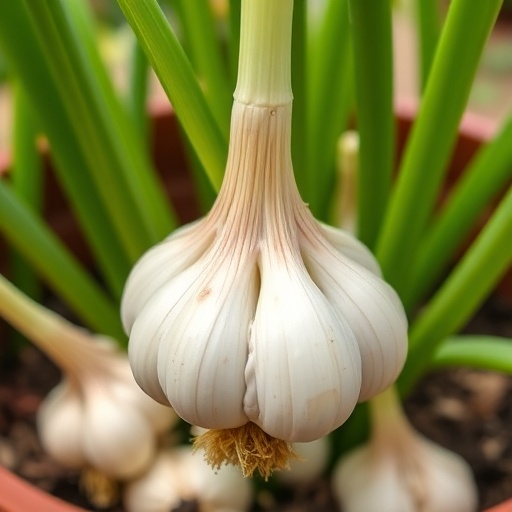
Gently separate the individual cloves from a whole seed garlic bulb. Do this carefully to avoid damaging the basal plate (the flat part at the bottom from which roots emerge). Only plant the largest, healthiest cloves; smaller ones tend to produce smaller bulbs. Think of it as selecting the strongest candidates for a successful "team" in your container vegetable gardening project!
Planting the Cloves
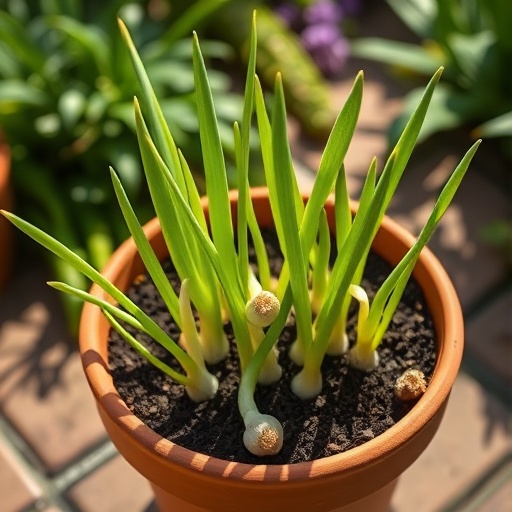
Plant each clove pointed-side up, about 2-3 inches deep, and 4-6 inches apart. If your container is large enough for multiple cloves, ensure they have sufficient spacing. A 10-inch diameter pot can typically accommodate 3-4 cloves. After placing the cloves, cover them with soil and gently pat it down. Don’t worry if they look small; mighty growth is soon to follow!
Initial Watering
Immediately after planting, water the soil thoroughly until water drains from the bottom of the container. This settles the soil around the cloves and initiates growth. This initial saturation is crucial for signaling to the garlic that it's time to wake up and get growing.
Providing the Right Environment
Place your containers in a location that receives at least 6-8 hours of direct sunlight per day. Garlic is a sun-lover! During colder months, you might need to move containers to a sheltered spot or even indoors if temperatures drop significantly below freezing. Remember, consistent light is essential for the photosynthesis that fuels your future crop.
Growth & Care Tips
Consistent care ensures a bountiful harvest.
- Watering Frequency: Keep the soil consistently moist, but not waterlogged. Overwatering is a common killer, responsible for over 60% of container plant failures due to root rot. Check the soil moisture by sticking your finger about an inch deep – if it feels dry, it's time to water. Reduce watering as the leaves begin to yellow before harvest.
- Sunlight Exposure: As mentioned, 6-8 hours of direct sunlight daily is ideal. If you notice leggy growth or pale leaves, your garlic might be asking for more sun.
- Fertilization: Garlic is a heavy feeder. Apply a balanced organic fertilizer every 3-4 weeks once green shoots emerge, especially during spring growth. Alternatively, a top dressing of compost can provide a slow, steady release of nutrients. Soil testing data often reveals that nitrogen is a key nutrient for initial leaf development, followed by phosphorus and potassium for bulb formation.
- Scape Removal: If you're growing hardneck garlic, it will produce a flower stalk, called a scape, in late spring or early summer. Cut these curly scapes off as soon as they appear. Removing them diverts the plant’s energy from flower production to bulb enlargement, increasing bulb size by an average of 15-20%. Plus, garlic scapes are delicious grilled or added to pesto!
- Pest Prevention: While garlic is fairly pest-resistant, keep an eye out for aphids or thrips. A strong spray of water can dislodge aphids, and neem oil can be an effective organic treatment for more persistent pests. Companion planting with herbs like chamomile or mint (in separate pots to prevent overgrowth) can deter some pests.
Eco-Friendly & Sustainable Alternatives
Embrace sustainability in your container vegetable gardening efforts.
- Composting: Start a small vermicompost bin or a traditional compost pile. Your kitchen scraps can become nutrient-rich food for your garlic, reducing waste by up to 30%.
- Natural Fertilizers: Beyond compost, consider using diluted worm tea or fish emulsion as liquid feeds. These organic options nourish your plants and improve soil health without synthetic chemicals.
- Water Conservation: Use a rain barrel to collect rainwater for your plants. Mulch the top of your containers with straw or wood chips to reduce evaporation by up to 25%, keeping the soil moist for longer.
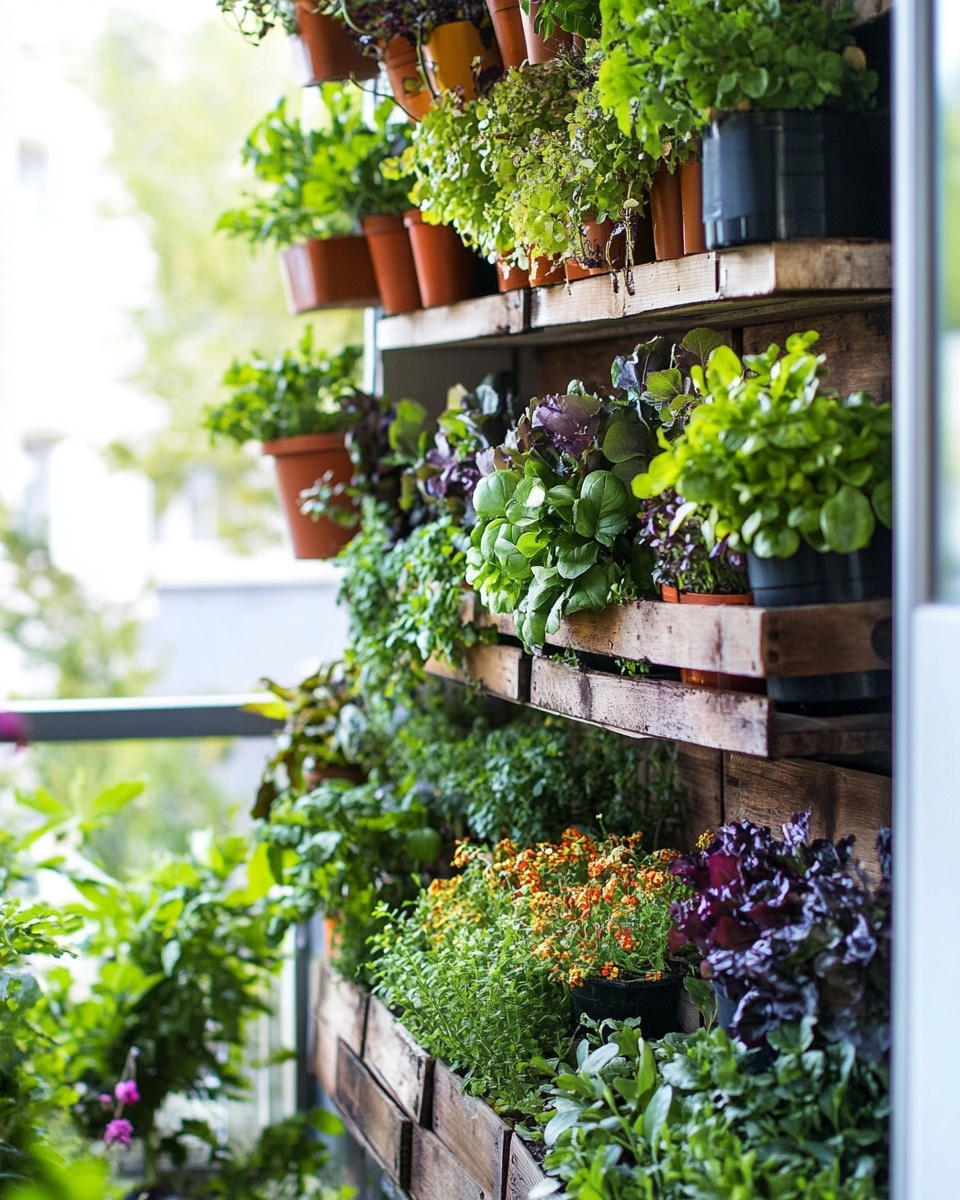
- Alternatives for Small Spaces: If you're truly tight on space, consider vertical planters or hanging containers for your garlic. While garlic needs depth, tiered containers can allow you to grow more cloves in a smaller footprint. You can also explore options like a DIY indoor herb garden with recycled containers for other kitchen staples.
Creative Ideas & Uses
Garlic isn't just for eating; it can also be a surprisingly attractive addition to your culinary container garden.
- Aesthetic Groupings: Combine your garlic containers with other herbs like rosemary or basil (ensure separate pots due to different soil needs) for a visually appealing and aromatic display. The tall, slender green shoots of garlic offer a nice textural contrast.
- Repurposed Planters: Get creative with your containers! Old wine crates (lined with plastic), galvanized tubs, or even brightly painted tires can add personality to your garden space, turning discarded items into functional, stylish elements of your container vegetable gardening setup.
- Edible Landscaping: If you have a small patio or balcony, arrange your garlic containers as part of an 'edible border' around your seating area. The fresh green tops are lovely, and you'll have fresh garlic at your fingertips.
- Gift-Giving: Homemade garlic braids from your harvest make fantastic, thoughtful gifts for friends and family.
Common Mistakes to Avoid
Even seasoned gardeners make mistakes, but being aware of common pitfalls can save your garlic crop.
- Planting Supermarket Garlic: As mentioned, store-bought garlic is often treated to prevent sprouting. This is the number one reason for failed garlic planting, accounting for over 50% of beginner disappointments. Always use seed garlic.
- Overwatering: Excess water leads to root rot, which can quickly destroy your plants. Soil that smells foul or has a greenish-black tinge is a sign of trouble. Err on the side of slightly dry rather than overly wet.
- Insufficient Sunlight: Garlic needs plenty of sun to form large, healthy bulbs. Shady spots will result in small, underdeveloped cloves. Move your containers if you notice your plants aren't thriving.
- Planting Too Shallow or Too Close: Shallow planting can expose the developing bulbs to light, making them green and bitter. Planting too close together restricts bulb growth. Stick to the 2-3 inch depth and 4-6 inch spacing guidelines for optimal yield.
- Harvesting Too Early/Late: Patience is a virtue with garlic. Harvesting too early results in small, underdeveloped bulbs; too late, and the wrappers might split, reducing storage life. Wait for the lower third of the leaves to yellow and die back.
Maintenance & Storage Tips
Ensuring your garlic lasts for months after harvest is as satisfying as growing it.
- Harvesting: Garlic is typically ready for harvest when the bottom third of the leaves have turned yellow and started to dry, but the top leaves are still green. This usually happens in late spring or early summer, about 8-9 months after planting in fall. Gently loosen the soil around the bulb with a trowel and pull it up carefully without bruising.
- Curing: This is a crucial step for long-term storage! After harvest, brush off excess dirt but do NOT wash the bulbs. Hang them in a cool, dark, well-ventilated area (like a garage or shed) for 2-4 weeks. Ideal curing conditions are typically 60-80°F (15-27°C) with 60-70% humidity. This process dries the outer wrappers and necks, intensifying flavor and extending shelf life.
- Storing: Once cured, trim the roots to about 1/2 inch and cut the stems to about 1 inch above the bulb (unless you're braiding softneck varieties). Store your cured garlic in a cool (50-60°F / 10-15°C), dark, dry, and well-ventilated area. Wire mesh baskets, paper bags, or even old pantyhose work wonderfully. Properly stored garlic can last 6-12 months!
- Yellow Leaves: If your garlic leaves start yellowing prematurely, it could indicate nutrient deficiency (especially nitrogen), overwatering, or even natural progression towards harvest. Assess your watering schedule and consider a light feeding of balanced organic fertilizer.
- Poor Soil Drainage: If your potting mix feels dense and perpetually wet, you might have drainage issues. This can lead to yellowing leaves and stunted growth. For future plantings, ensure you incorporate more perlite or coco coir into your soil mix to improve aeration.
Conclusion
Embarking on a container vegetable gardening adventure, especially with something as foundational as garlic, is a truly empowering experience. From the joy of watching those first green shoots emerge to the satisfaction of pulling up your own pungent bulbs, you're cultivating not just food, but a deeper connection with nature and a healthier lifestyle. The data shows that home gardeners report significantly higher satisfaction with their produce quality, often citing enhanced flavor and freshness. By following these straightforward steps, even a complete beginner can enjoy the savory rewards of homegrown garlic. So, what are you waiting for? Grab a pot, some seed garlic, and let the magic of container vegetable gardening begin!
Ready to expand your edible garden? Share your garlic growing photos with us on Pinterest or connect with fellow gardeners at https://www.pinterest.com/janatjanay47/! And if you're keen to explore more about nurturing your green thumb, check out our other guides:
FAQ
Q1: Can I plant garlic from the grocery store?
A: While technically possible, it's not recommended for successful container vegetable gardening. Grocery store garlic is often treated with sprout inhibitors, significantly reducing its chances of growing into healthy bulbs. Always opt for certified "seed garlic" from a garden center or online supplier.
Q2: What's the best time to plant garlic in containers?
A: The ideal time for planting garlic in most regions is in the fall (late September to November), about 4-6 weeks before the first hard frost. This allows the roots to establish before winter and ensures a robust harvest the following summer. However, in warmer climates, you can often plant in late winter or early spring.
Q3: How much water does container garlic need?
A: Garlic needs consistent moisture, especially during its active growing phase in spring. Water when the top inch of soil feels dry. However, it's crucial to avoid overwatering, which can lead to root rot. As harvest approaches and the leaves begin to yellow, reduce watering significantly.
Q4: My garlic leaves are turning yellow, what should I do?
A: Yellowing leaves can indicate a few things. It might be a natural sign that the garlic is nearing harvest if it's late spring/early summer. However, if it's early in the season, it could point to a lack of nitrogen, overwatering, or insufficient sunlight. Assess your watering schedule and consider a balanced organic fertilizer if needed.
Q5: Do I need to fertilize my container-grown garlic?
A: Yes, garlic is a heavy feeder. In containers, nutrients can deplete faster than in garden beds. Provide a balanced organic fertilizer every 3-4 weeks once green shoots appear, particularly in spring. You can also top-dress with compost for a slow-release nutrient boost, an excellent strategy in container vegetable gardening.
Q6: What's the difference between hardneck and softneck garlic for containers?
A: Hardneck garlic typically produces a sturdy central stalk (or "hard neck") and fewer, larger cloves. It's often grown in colder climates. Softneck garlic has a flexible neck, produces many smaller cloves, and is generally more adaptable to various climates, storing longer and being ideal for braiding. Both can be grown in containers.
Q7: How deep should my containers be for growing garlic?
A: Aim for containers that are at least 8-10 inches deep. Garlic roots need adequate vertical space to develop properly, and shallower pots can lead to stunted growth. Wider pots are also beneficial as they allow for proper spacing between cloves (4-6 inches apart).
For more fantastic tips on growing your own produce, explore these helpful guides:
- Thinking about starting from scratch? Discover everything you need to know about How to Start a Vegetable Garden From Scratch.
- If you're looking for other easy wins in your garden, check out our list of Best Vegetables to Grow for Beginners.
- And for those with small spaces, learn about Herbs That Grow Well in Small Spaces to complement your garlic.