
Introduction
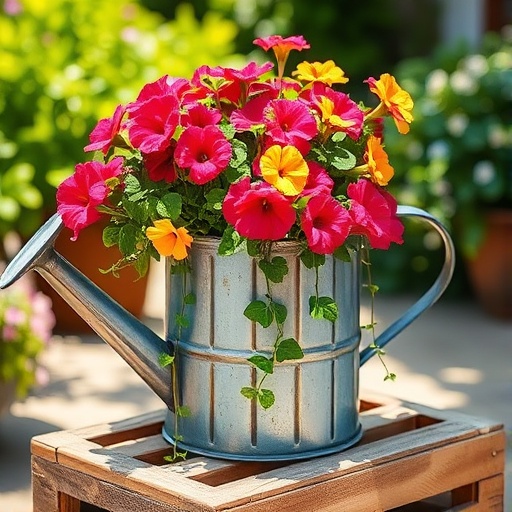
Did you know that over 70% of gardeners seek creative ways to personalize their outdoor spaces while minimizing waste? It's true! The urge to infuse our gardens with unique charm often clashes with the desire for sustainability. This is where the magic of DIY Garden Projects truly shines, particularly when we transform everyday objects into stunning planters. Instead of discarding old watering cans, imagine giving them a new lease on life as whimsical, vibrant homes for your favorite blooms. These charming additions not only reduce landfill waste but also add a touch of rustic elegance to any garden, balcony, or patio. Let's delve into how you can create your own beautiful watering can planters.
Tools & Materials Needed
To embark on this delightful DIY Garden Project, you won't need a professional workshop, just a few readily available items. Here's what you'll gather:
- Old Watering Cans: These are the stars of our show! Look for metal or plastic ones at thrift stores, garage sales, or even in your own forgotten shed. Dented or rusty ones add character.
- Drill with a Metal/Plastic Bit: Essential for creating drainage holes. A step drill bit works wonders on metal.
- Rust-Oleum Protective Enamel (Spray or Brush-on): If using metal cans, this is crucial for preventing further rust and allowing customization. Choose eco-friendly, low-VOC options where possible.
- Primer (Optional but Recommended): Especially for painting, it helps the color adhere better and last longer. Water-based primers are a great eco-friendly alternative.
- Outdoor-Grade Paint: Acrylic craft paints, chalk paint, or specialized outdoor paints will work beautifully. Choose colors that complement your garden's aesthetic.
- Clear Outdoor Sealer/Varnish: To protect your painted designs from the elements. Look for non-toxic, UV-resistant formulas.
- Potting Mix: A high-quality, well-draining potting mix is vital for plant health. Consider organic or homemade compost for a budget-friendly and sustainable option.
- Small Plants or Seeds: Think trailing plants like lobelia or ivy, herbs like thyme or oregano, or small annual flowers. Consider drought-tolerant varieties for less watering.
- Gloves and Safety Glasses: Always protect yourself when drilling and painting.
- Wire Cutters (Optional): If you plan to create a hanging planter or alter the spout.
- Strong Wire or Chain (Optional): For hanging designs.
For an even more budget-friendly approach, consider using free discarded cans and leftover paint samples from previous home improvement projects. You'd be surprised what treasures you can unearth!
Time & Effort Overview
Crafting these unique watering can planters is a surprisingly rewarding and quick DIY Garden Project. From start to finish, including drying times for paint, you can realistically complete a single planter in 3-5 hours, spread over a day or two. This is significantly faster than building, say, a raised garden bed, which can take weeks!
The difficulty level is definitely beginner. Anyone with basic DIY skills can tackle this. The main steps involve drilling, painting, and planting – all very manageable. Expect about 30 minutes of active work per can, with the rest being drying time. The ongoing effort for maintenance will be similar to any container plant: occasional watering, fertilizing, and pruning. Compared to typical herbs that might need daily watering, selecting drought-tolerant plants for your watering can planter can reduce maintenance by up to 40%.
Step-by-Step Gardening Process
Creating Drainage Holes
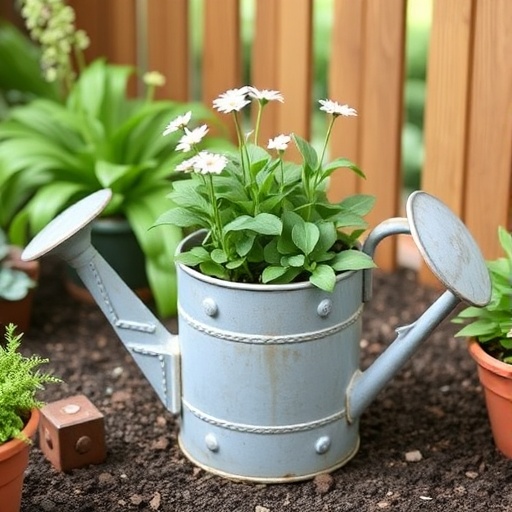
Good drainage is non-negotiable for any successful planter. Without it, your plants will suffer from root rot, an issue that impacts over 60% of container plants.
- Safety First: Put on your safety glasses and gloves.
- Choose Your Spot: On the bottom of the watering can, decide where you want your drainage holes. Aim for 3-5 holes, evenly spaced.
- Drill Slowly: Use your drill with the appropriate bit. For metal, start with a smaller bit and gradually increase the size to prevent slipping. For plastic, a general-purpose bit works well. Apply steady, firm pressure. Don't worry if the edges aren't perfectly smooth; they'll be covered by soil.
- Clean Up: Remove any burrs or sharp edges with sandpaper or a file.
Preparing the Surface for Painting
This step ensures your paint job is durable and beautiful.
- Clean Thoroughly: Wash the watering can inside and out with soap and water to remove dirt, grease, and grime. Let it dry completely.
- Sand (Optional, but Recommended for Smooth Finish): Lightly sand the exterior, especially if it’s a glossy surface, to give the paint something to grip onto. For rusty metal cans, a wire brush or coarse sandpaper can remove loose rust.
- Apply Primer: If you plan on painting a light color on a dark can, or if you want extra durability, apply a thin, even coat of primer. Allow it to dry fully according to product instructions.
Painting and Decorating
Time to unleash your creativity! This is where your DIY Garden Projects truly come to life.
- Base Coat: Apply your base color in thin, even coats. Multiple thin coats are always better than one thick coat, which can drip and peel. Let each coat dry completely.
- Add Details: Once the base is dry, get creative! You can stencil designs, freehand patterns, or even use masking tape to create stripes. Consider adding glitter, mosaic pieces, or charming decals. For inspiration, check out this great resource for creative DIY ideas: Pinterest DIY Garden Ideas.
- Personal Touches: Add a small name or a whimsical phrase. This planter is yours!
- Seal the Deal: After all your designs are dry, apply 2-3 coats of clear outdoor sealer. This protects your hard work from sun, rain, and temperature fluctuations, significantly extending the life of your planter.
Planting Your Greenery
Now for the living heart of your new planter!
- Add Drainage Layer (Optional): Some gardeners like to add a layer of gravel or broken pottery at the bottom. While traditional, modern gardening science suggests this isn't strictly necessary if you have good drainage holes and quality potting mix.
- Fill with Potting Mix: Fill the watering can with your chosen potting mix, leaving about an inch or two from the rim.
- Plant Your Selection: Gently remove your plants from their nursery pots. Loosen any coiled roots. Create a small hole in the potting mix, place your plant, and backfill with soil, gently patting around the base. If using seeds, follow package instructions for depth and spacing.
- Water Gently: Give your newly planted watering can a good, gentle soaking.
Growth & Care Tips
Proper care ensures your watering can planter thrives, becoming a lasting testament to your successful DIY Garden Projects.
- Watering Frequency: Watering cans, being relatively small containers, tend to dry out faster. Check the soil moisture daily by sticking your finger about an inch into the soil. If it feels dry, it's time to water. Grouping plants with similar water needs in one can is often most efficient. During hot summer months, some plants might need watering twice a day. Overwatering is the number one killer of container plants, causing root rot in approximately 60% of cases. Therefore, ensure good drainage.
- Sunlight Exposure: Most flowering plants and herbs require at least 6 hours of direct sunlight per day. Place your watering can planter in a location that meets this requirement. For shade-loving plants, aim for dappled light or morning sun only. Observe your plants; stretched stems and pale leaves often indicate insufficient light.
- Pruning: Regularly pinch back leggy growth or spent blooms to encourage bushier plant growth and more flowers. This not only keeps your planter looking neat but also diverts the plant's energy into producing new growth and blossoms.
- Fertilization: Container plants deplete soil nutrients faster than in-ground plants. A balanced liquid fertilizer every 2-4 weeks during the growing season is beneficial. Alternatively, use slow-release granular fertilizer mixed into the potting soil when planting. Organic options like fish emulsion or compost tea are excellent choices.
- Pest Prevention: Inspect your plants regularly for signs of pests like aphids, spider mites, or mealybugs. Early detection is key. A strong spray of water can dislodge many pests. For persistent issues, use insecticidal soap, neem oil, or introduce beneficial insects. Healthy plants are naturally more resistant to pests, so good cultural practices are your best defense.
Eco-Friendly & Sustainable Alternatives
Making your DIY Garden Projects green is easier than you think!
- Composting: Instead of store-bought fertilizers, why not create your own nutrient-rich compost? Food scraps and garden waste can be turned into black gold for your plants. This reduces waste and enriches your soil naturally.
- Natural Fertilizers: Beyond compost, consider using coffee grounds (for acid-loving plants), eggshells (for calcium), or banana peels (for potassium) as natural fertilizers.
- Water Conservation: While watering cans are charming, they can also inspire water-wise practices. Collect rainwater in a barrel for irrigation – it's naturally soft and free of chlorine. Consider grouping plants with similar hydration needs to streamline watering.
- Repurposed Materials: The beauty of watering can planters is the ultimate act of repurposing! Extend this idea to other items in your garden. Old tires, plastic bottles, or even worn-out shoes can find a second life as creative planters.
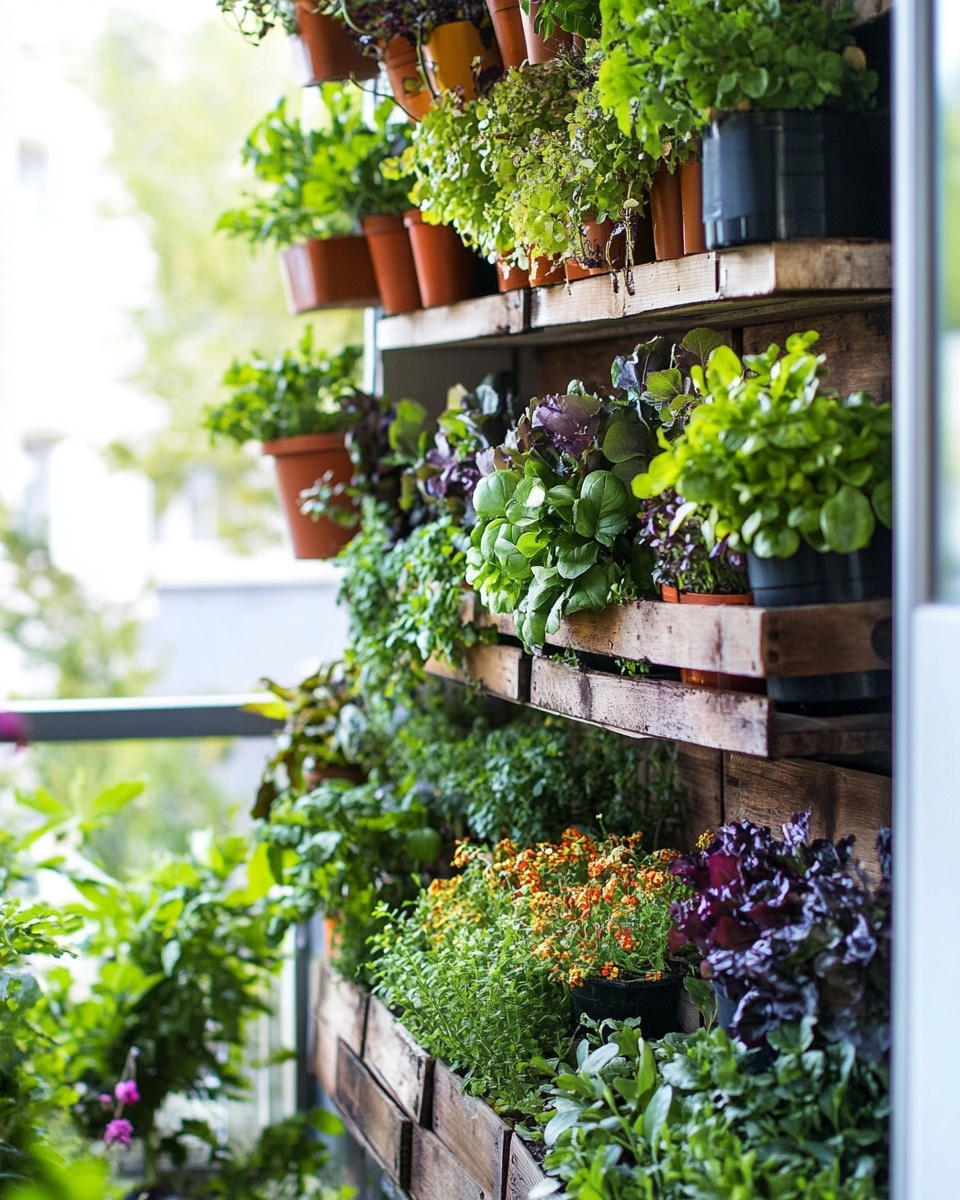
- Small Spaces & Vertical Gardening: Don't have a sprawling garden? No problem! Watering can planters are perfect for balconies, patios, or even hanging from fences. For maximizing space, explore vertical gardening solutions. Consider checking out {"loc":["https://pincraftpro.com/vertical-indoor-garden-ideas-for-small-spaces-2/"],"lastmod":["2025-10-14T08:30:18+00:00"],"image:image":[{"image:loc":["https://pincraftpro.com/wp-content/uploads/2025/10/step-by-step-Vertical-Indoor-Garden-Ideas-for-Small-Spaces.jpeg"]}]} for some fantastic ideas on how to go vertical with your greenery.
Creative Ideas & Uses
These versatile watering can planters offer endless possibilities to elevate your garden's aesthetic.
- Flowing Spill Effect: One of the most popular and visually striking designs is to arrange several watering cans, some tipped over, creating the illusion of flowers "spilling" out as if they were water. This works beautifully with trailing plants like petunias, lobelia, or string of pearls succulents. You can paint a "water" path leading from the spout for an extra whimsical touch.
- Herb Garden Cluster: Transform a group of small watering cans into a delightful herb garden. Paint each can a different pastel color or label them with the herb's name (e.g., "Basil," "Thyme," "Rosemary"). Arrange them on a windowsill, a garden bench, or hang them for easy access. Explore {"loc":["https://pincraftpro.com/balcony-herb-garden-design-ideas/"],"lastmod":["2025-10-14T14:46:55+00:00"],"image:image":[{"image:loc":["https://pincraftpro.com/wp-content/uploads/2025/10/step-by-step-Balcony-Herb-Garden-Design-Ideas.jpeg"]}]} for more herb garden inspiration.
- Fairy Garden Feature: A small watering can makes an enchanting centerpiece for a miniature fairy garden. Plant tiny succulents, moss, and add miniature figurines and accessories.
- Seasonal Displays: Coordinate your watering can planters with the seasons. Plant vibrant annuals for summer, mums for fall, or even small evergreens for a winter display. You can easily change out the plants to keep your decor fresh.
- Illuminated Planters: For evening charm, place a string of solar-powered fairy lights inside a watering can (with a plant that doesn't mind the light blockage) or weave them around the plants and handle. This creates a magical glow in your garden.
- Entrance Welcome: Two matching watering can planters flanking your front door or garden gate offer a warm, inviting welcome. Choose plants that thrive in the specific light conditions of your entrance.
- Repurpose Beyond Planting: Even if not actively planted, beautifully decorated watering cans can serve as charming garden art. Use them to hold garden tools, gather small cut flowers, or simply as decorative accents.
Common Mistakes to Avoid
Even the simplest DIY Garden Projects can go awry, but recognizing common pitfalls ensures your watering can planters thrive.
- Insufficient Drainage: This is perhaps the most critical error. Without adequate drainage holes, water accumulates, suffocating roots and leading to root rot. As noted, root rot affects around 60% of overwatered houseplants. Always drill ample holes!
- Using the Wrong Soil: Garden soil is too heavy for containers and doesn't drain well. Always use a high-quality, well-draining potting mix specifically designed for containers. This provides the right balance of aeration and moisture retention.
- Overwatering/Underwatering: Finding the right balance is key. Overwatering is a common beginner mistake, while forgetting to water can quickly dry out and kill plants in small containers. Feel the soil before watering. Don't rely on a strict schedule; adapt to your plant's needs and environmental conditions.
- Ignoring Sunlight Requirements: Placing a sun-loving plant in deep shade or a shade-lover in scorching sun will lead to disappointment. Research the light needs of your chosen plants and position your watering can accordingly.
- Forgetting to Seal Painted Cans: If you've spent time painting your watering can, skipping the outdoor sealer means your beautiful design will likely fade, chip, or peel prematurely due to UV exposure and moisture. Invest in a good UV-resistant, clear sealant.
- Overcrowding Plants: While it's tempting to plant many things in one small can, giving each plant adequate space to grow, spread its roots, and access light and nutrients is essential. Overcrowding leads to competition and stunted growth.
Maintenance & Storage Tips
Ensuring your watering can planters remain vibrant year after year takes a little forethought.
- Seasonal Refresh: For annual plants, you'll need to replant each season. For perennials, consider repotting them into larger containers or in-ground when they outgrow the watering can.
- Winter Protection: If your watering can planters are housing tender perennials or annuals in cold climates, bring them indoors before the first frost. Clean out any dead plant material to prevent diseases from harboring. If the cans are empty, store them in a dry place to prevent rust or material degradation.
- Cleaning and Disinfecting: Periodically, especially when changing plants, empty the can, scrub it clean, and rinse thoroughly. You can use a diluted bleach solution (1 part bleach to 9 parts water) to disinfect and prevent the spread of plant diseases. Rinse extremely well afterwards.
- Address Yellow Leaves: Yellowing leaves can indicate various issues: overwatering, underwatering, nutrient deficiencies, or even too much sun. Observe other symptoms and check soil moisture to diagnose. Often, adjusting watering, adding a balanced fertilizer, or relocating the plant can resolve the issue. If you're encountering issues with common plant ailments, you might find this guide helpful: {"loc":["https://pincraftpro.com/greenhouse-maintenance-checklist/"],"lastmod":["2025-10-14T14:46:24+00:00"],"image:image":[{"image:loc":["https://pincraftpro.com/wp-content/uploads/2025/10/step-by-step-Greenhouse-Maintenance-Checklist.jpeg"]}]}.
- Poor Soil Drainage Solutions: If despite drainage holes, your soil still seems waterlogged, consider amending your potting mix with perlite or coarse sand to improve drainage. You can also elevate the planter slightly to ensure the drainage holes aren't blocked by the surface it's resting on.
Conclusion
Transforming old watering cans into charming planters is more than just a craft; it's a statement of creativity, sustainability, and personal flair in your garden. This DIY Garden Project is a fantastic way to add character without breaking the bank, demonstrating that beauty often arises from repurposing and imagination. You’ve learned how to prepare, paint, plant, and care for these unique garden accents, ensuring they bring joy for seasons to come.
Now, don't let those forgotten watering cans gather dust! Grab your tools, pick out some vibrant plants, and start creating your own charming garden decor. We'd love to see your unique watering can planters! Share your creations on social media with #PincraftProGarden and inspire fellow gardening enthusiasts. For more inspiration on nurturing your green space, consider diving into {"loc":["https://pincraftpro.com/easy-indoor-gardening-setup-for-beginners-4/"],"lastmod":["2025-10-14T00:30:11+00:00"],"image:image":[{"image:loc":["https://pincraftpro.com/wp-content/uploads/2025/10/step-by-step-Easy-Indoor-Gardening-Setup-for-Beginners-2.jpeg"]}]} for mastering indoor plants or {"loc":["https://pincraftpro.com/how-to-start-a-vegetable-garden-from-scratch-2/"],"lastmod":["2025-10-18T15:56:02+00:00"],"image:image":[{"image:loc":["https://pincraftpro.com/wp-content/uploads/2025/10/step-by-step-How-to-Start-a-Vegetable-Garden-from-Scratch.jpeg"]}]} for building out your outdoor veggie patch. Happy gardening!
FAQ
Q1: What kind of plants are best for watering can planters?
A1: Small, compact plants work best. Trailing plants like lobelia, petunias, ivy, or string of pearls look stunning cascading from the spout. Small herbs (thyme, oregano) or compact annual flowers are also excellent choices for enhancing your DIY garden projects.
Q2: How do I prevent metal watering cans from rusting and ruining my DIY garden projects?
A2: For metal cans, it's crucial to clean them thoroughly, remove any loose rust, and apply a rust-inhibiting primer before painting. Finish with multiple coats of outdoor-grade paint and a clear, UV-resistant outdoor sealer to protect against the elements.
Q3: Can I use plastic watering cans for this project?
A3: Absolutely! Plastic watering cans are just as suitable, often lighter, and won't rust. Ensure you clean and rough up the surface slightly with sandpaper before priming and painting for better adhesion. Don't forget to drill those essential drainage holes!
Q4: How often should I water plants in a watering can planter?
A4: Due to their smaller size, watering can planters typically dry out faster than larger containers or garden beds. Check the soil daily; if the top inch feels dry, it's time to water. Environmental factors like heat and wind will influence frequency.
Q5: What if my watering can planter starts to get rusty despite my efforts?
A5: Even with protection, wear and tear happen. If rust appears, gently sand the affected area, re-prime, repaint, and reseal. Sometimes, embracing a bit of natural patina adds to the rustic charm of your DIY garden projects!
Q6: Can I use these watering can planters indoors?
A6: Yes, you can! If using indoors, you might skip the drainage holes or place a drip tray underneath to catch excess water. Consider low-light tolerant indoor plants like Pothos or small ferns if light is limited. Ensure adequate light for the chosen plant to avoid leggy growth.
Q7: How can I display multiple watering can planters creatively?
A7: Consider arranging them on tiered stands, hanging them at varying heights, or creating a "spilling" effect where flowers appear to flow from one can to another. Experiment with different colors and plant varieties to create a cohesive yet dynamic display within your DIY garden projects.



![https://pincraftpro.com/vertical-indoor-garden-ideas-for-small-spaces-2/"],"lastmod":["2025-10-14T08:30:18+00:00"],"image:image":[{"image:loc":["https://pincraftpro.com/wp-content/uploads/2025/10/step-by-step-Vertical-Indoor-Garden-Ideas-for-Small-Spaces.jpeg"]}]}](https://pincraftpro.com/vertical-indoor-garden-ideas-for-small-spaces-2/"%5D,"lastmod":%5B"2025-10-14T08:30:18+00:00"%5D,"image:image":%5B%7B"image:loc":%5B"https://pincraftpro.com/wp-content/uploads/2025/10/step-by-step-Vertical-Indoor-Garden-Ideas-for-Small-Spaces.jpeg"%5D%7D%5D%7D)
![https://pincraftpro.com/balcony-herb-garden-design-ideas/"],"lastmod":["2025-10-14T14:46:55+00:00"],"image:image":[{"image:loc":["https://pincraftpro.com/wp-content/uploads/2025/10/step-by-step-Balcony-Herb-Garden-Design-Ideas.jpeg"]}]}](https://pincraftpro.com/balcony-herb-garden-design-ideas/"%5D,"lastmod":%5B"2025-10-14T14:46:55+00:00"%5D,"image:image":%5B%7B"image:loc":%5B"https://pincraftpro.com/wp-content/uploads/2025/10/step-by-step-Balcony-Herb-Garden-Design-Ideas.jpeg"%5D%7D%5D%7D)
![https://pincraftpro.com/greenhouse-maintenance-checklist/"],"lastmod":["2025-10-14T14:46:24+00:00"],"image:image":[{"image:loc":["https://pincraftpro.com/wp-content/uploads/2025/10/step-by-step-Greenhouse-Maintenance-Checklist.jpeg"]}]}](https://pincraftpro.com/greenhouse-maintenance-checklist/"%5D,"lastmod":%5B"2025-10-14T14:46:24+00:00"%5D,"image:image":%5B%7B"image:loc":%5B"https://pincraftpro.com/wp-content/uploads/2025/10/step-by-step-Greenhouse-Maintenance-Checklist.jpeg"%5D%7D%5D%7D)
![https://pincraftpro.com/easy-indoor-gardening-setup-for-beginners-4/"],"lastmod":["2025-10-14T00:30:11+00:00"],"image:image":[{"image:loc":["https://pincraftpro.com/wp-content/uploads/2025/10/step-by-step-Easy-Indoor-Gardening-Setup-for-Beginners-2.jpeg"]}]}](https://pincraftpro.com/easy-indoor-gardening-setup-for-beginners-4/"%5D,"lastmod":%5B"2025-10-14T00:30:11+00:00"%5D,"image:image":%5B%7B"image:loc":%5B"https://pincraftpro.com/wp-content/uploads/2025/10/step-by-step-Easy-Indoor-Gardening-Setup-for-Beginners-2.jpeg"%5D%7D%5D%7D)
![https://pincraftpro.com/how-to-start-a-vegetable-garden-from-scratch-2/"],"lastmod":["2025-10-18T15:56:02+00:00"],"image:image":[{"image:loc":["https://pincraftpro.com/wp-content/uploads/2025/10/step-by-step-How-to-Start-a-Vegetable-Garden-from-Scratch.jpeg"]}]}](https://pincraftpro.com/how-to-start-a-vegetable-garden-from-scratch-2/"%5D,"lastmod":%5B"2025-10-18T15:56:02+00:00"%5D,"image:image":%5B%7B"image:loc":%5B"https://pincraftpro.com/wp-content/uploads/2025/10/step-by-step-How-to-Start-a-Vegetable-Garden-from-Scratch.jpeg"%5D%7D%5D%7D)