Introduction
Did you know that over 80% of urban dwellers dream of growing their own food, but nearly half believe they lack the space? This common misconception often prevents people from experiencing the joy and fresh flavors of homegrown produce. The truth is, even the most compact patio or balcony can be transformed into a thriving haven for fresh herbs and vegetables with strategic container vegetable gardening. Imagine stepping onto your patio and plucking ripe cherry tomatoes for your salad or fresh basil for tonight’s pasta. This isn't just a gardener's fantasy; it's an achievable reality that adds beauty, flavor, and a connection to nature right at your doorstep. We’ll show you how to harness vertical space, choose the right pots, and select plants that thrive in confined conditions, turning your small outdoor area into a productive and picturesque edible landscape.
Tools & Materials Needed
Embarking on your container vegetable gardening journey requires a few essential items, but don't worry, many can be repurposed or found on a budget.
- Containers: The stars of our show!
- New: Opt for food-grade plastic pots, terracotta pots, fabric grow bags (excellent for aeration), or glazed ceramic planters. Look for drainage holes — these are non-negotiable. Sizes will vary depending on your chosen plants; think 5-gallon buckets for tomatoes or peppers, and smaller 1-gallon pots for herbs.
- Eco-friendly/Budget-friendly Alternatives: Repurpose old plastic laundry baskets, sturdy wooden crates (line with burlap to prevent soil loss), large tin cans (punch drainage holes), or even old tires (though these should be lined to avoid toxins leaching into soil). Just ensure they are thoroughly cleaned and have ample drainage.
- Potting Mix: This is crucial. Don't use garden soil; it compacts too easily in containers.
- Quality Potting Mix: A good quality, lightweight potting mix designed for containers provides excellent drainage and aeration. Look for mixes containing perlite, vermiculite, and peat moss or coco coir.
- DIY Mix: You can create your own by combining compost (50%), perlite or vermiculite (25%), and coco coir or peat moss (25%). This offers superior nutrient retention and structure.
- Seeds or Seedlings:
- Seeds: More economical, greater variety, but require more time.
- Seedlings (Starter Plants): Quicker results, especially for crops with longer growing seasons like tomatoes or peppers.
- Hand Trowel & Small Shovel: For scooping soil and planting.
- Watering Can or Hose with a Gentle Sprayer: Consistent, gentle watering is key.
- Gardening Gloves: To protect your hands.
- Pruning Shears/Scissors: For harvesting and maintenance.
- Organic Fertilizer: A slow-release granular fertilizer or liquid feed (e.g., fish emulsion, seaweed extract) will keep your plants nourished.
- Labels: Essential for remembering what you planted where!
Time & Effort Overview
Container vegetable gardening is surprisingly efficient with your time, making it perfect for busy individuals.
- Initial Setup (Planting): Allow 1-2 hours for setting up 5-10 containers, depending on whether you're starting from seeds or seedlings.
- Daily Maintenance: 5-10 minutes. This mostly involves checking soil moisture and observing plant health.
- Weekly Maintenance: 30-45 minutes. This will include thorough watering, pest checks, potential pruning, and light harvesting.
- Monthly Maintenance: 1-2 hours. Fertilizing, deeper pruning, and more substantial harvests.
- Growth Rate Comparison: Many popular container vegetables, especially herbs like basil and cilantro, can grow 25-30% faster in ideal container conditions compared to a less optimized in-ground garden, thanks to controlled soil and nutrient levels. Tomatoes from seedlings can offer a first harvest in as little as 60-70 days.
- Difficulty Level: This approach is definitively beginner-friendly. The controlled environment of containers often simplifies pest management and soil issues, making it less daunting than traditional gardening.
Step-by-Step Gardening Process
1. Choose Your Plants Wisely
For successful container vegetable gardening, select varieties known for compact growth and high yield in pots.
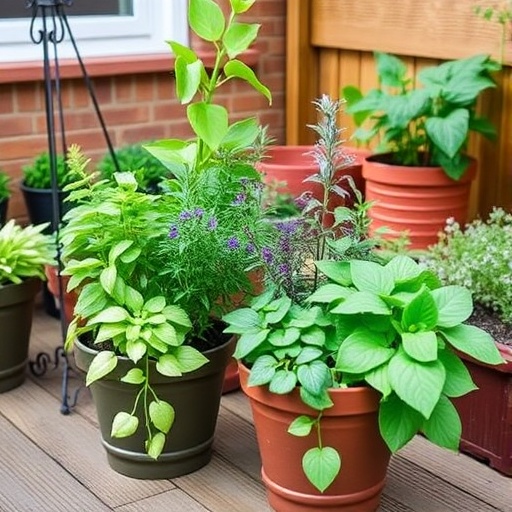
- Herbs: Basil, mint, chives, thyme, rosemary, cilantro, parsley. These are perfect for small pots.
- Leafy Greens: Lettuce, spinach, kale, Swiss chard. Many can be grown in shallow, wide containers.
- Vegetables: Bush beans, cherry tomatoes (determinate varieties like 'Patio Princess'), peppers (bell, jalapeño), radishes, carrots (short varieties), eggplants (dwarf types), and even strawberries.
- Expert Tip: Look for plant tags or seed packets that specifically mention "patio," "dwarf," or "container-friendly" varieties.
2. Prepare Your Containers
Ensure all chosen containers have adequate drainage holes. If not, drill 3-5 holes (at least ½ inch in diameter) in the bottom. No drainage automatically means root rot, a silent killer for container plants.
3. Add Drainage Layer (Optional but Recommended)
While some gardeners skip this, a 1-2 inch layer of gravel, broken terracotta, or mesh at the bottom can help prevent soil from washing out and ensure better drainage from the start.
4. Fill with Quality Potting Mix
Fill your containers almost to the top (about 1 inch below the rim) with your chosen potting mix. Lightly moisten the mix before planting. This prevents dry spots later.
5. Plant Your Seeds or Seedlings
- Seeds: Follow the seed packet instructions for depth and spacing. Many seeds require shallow planting, roughly twice their diameter.
- Seedlings: Gently remove seedlings from their nursery pots. Loosen any coiled roots at the bottom. Dig a hole large enough to accommodate the root ball, place the seedling, and backfill with potting mix, ensuring the plant is at the same level it was in its original pot.
- Don't worry if some soil falls away from the seedling roots; just re-cover them quickly.
6. Water Thoroughly After Planting
Water generously until water drains from the bottom of the container. This settles the soil around the roots and eliminates air pockets.
7. Place in the Right Spot
Most vegetables and herbs require at least 6-8 hours of direct sunlight per day. Observe your patio throughout the day to identify the sunniest spots for your plant containers. Rotate pots if necessary to ensure all sides of the plant receive adequate light.
8. Initial Care & Observation
For the first week, monitor your newly planted garden daily. Check for wilting, which might indicate a need for more water, or yellowing leaves, which could signal overwatering. Early detection is key!
Growth & Care Tips
Consistent care is the backbone of successful container vegetable gardening.
- Watering Frequency: This is paramount for containers. Container plants dry out much faster than in-ground plants. Check soil moisture daily by sticking your finger about an inch deep. If it feels dry, water until water drains from the bottom. On hot, windy days, you might need to water twice. Early morning is generally best for watering, allowing plants time to absorb moisture before the midday sun.
- Sunlight Exposure: As mentioned, most edibles need 6-8 hours of direct sun. If your patio is shadier, focus on leafy greens (lettuce, spinach, kale), mint, parsley, and cilantro, which tolerate partial shade (4-6 hours).
- Pruning:
- Herbs: Pinch back new growth regularly to encourage bushier plants and prevent bolting (going to seed).
- Tomatoes: "Suckers" (small shoots that grow in the V-shape between the main stem and a branch) should be pinched off to redirect energy into fruit production.
- Fertilization: Potting mixes typically contain nutrients for 4-6 weeks. After this, regular feeding is essential.
- Data-based Fact: Studies show that consistent, balanced fertilization can increase container vegetable yields by up to 40% compared to unfertilized plants.
- Use a balanced liquid fertilizer every 2-4 weeks or incorporate a slow-release granular organic fertilizer when planting. Always follow package directions.
- Pest Prevention:
- Inspect Regularly: Check undersides of leaves for aphids, spider mites, or other tiny invaders.
- Organic Solutions: A strong spray of water can dislodge many pests. Neem oil spray, insecticidal soap, or introducing beneficial insects (like ladybugs) are excellent organic options.
- Companion Planting: Marigolds or nasturtiums planted alongside your vegetables can deter certain pests.
Eco-Friendly & Sustainable Alternatives
Make your container vegetable gardening even greener!
- Composting: Start a small vermicompost bin (worm bin) or a countertop compost system for kitchen scraps. The "black gold" (compost) produced is an incredible, nutrient-rich soil amendment for your containers, reducing waste and fertilizer needs.
- Natural Fertilizers: Beyond purchased organic options, consider homemade "compost tea" (soaking finished compost in water) or using diluted coffee grounds (acid-loving plants appreciate this). Check out our guide on organic fertilizer recipes for herb gardens for more ideas.
- Water Conservation:
- Use self-watering planters.
- Add a layer of mulch (straw, coco coir) to the top of your soil to reduce evaporation by up to 30%.
- Collect rainwater in a designated barrel to water your plants.
- Container Alternatives for Small Spaces:
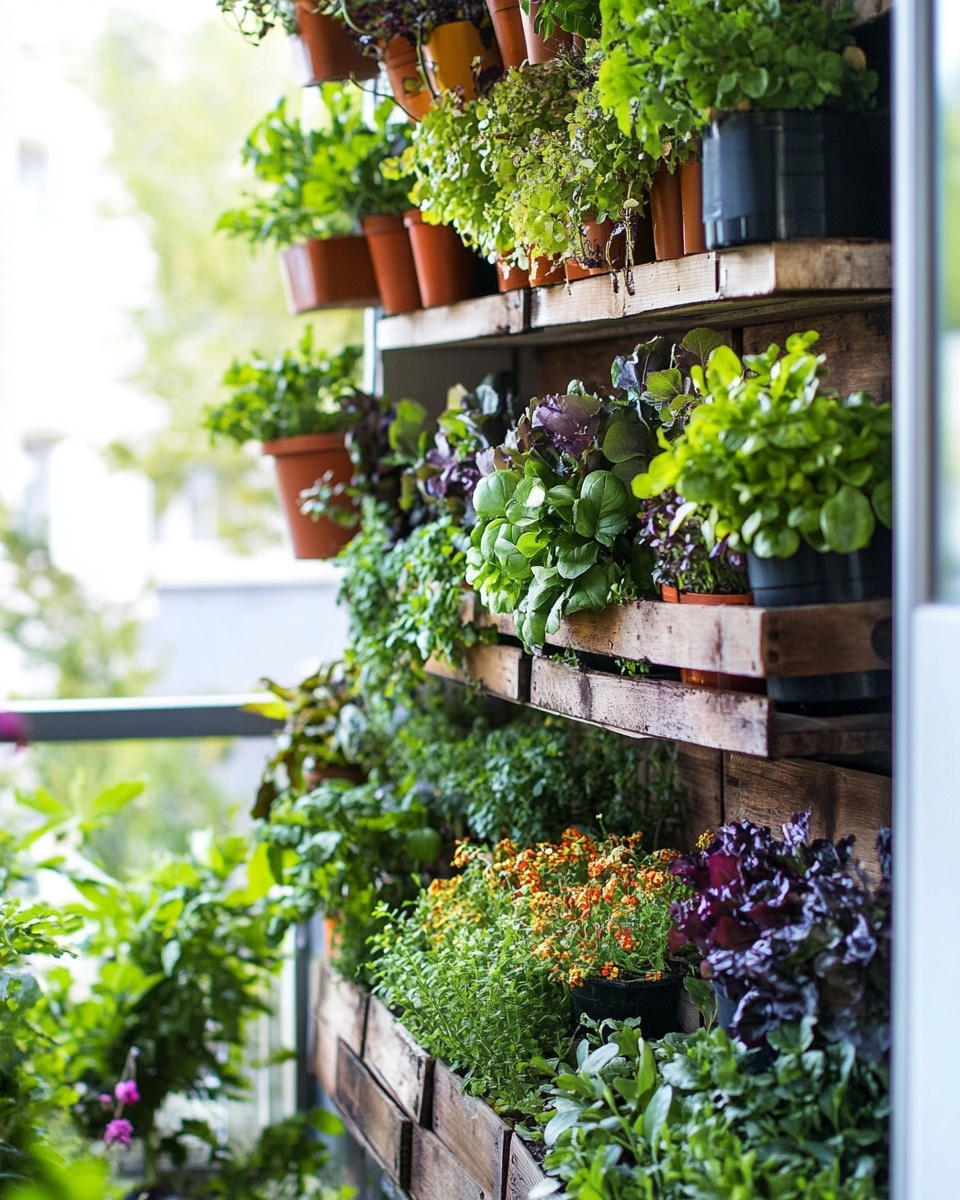
- Vertical Gardens: Wall-mounted planters, tiered shelves, or pocket planters are fantastic for maximizing space. Explore options like vertical indoor garden ideas for small spaces for inspiration.
- Hanging Baskets: Excellent for strawberries, cherry tomatoes, and cascading herbs.
- Recycled Materials: As mentioned earlier, get creative with household items! Our post on DIY indoor herb garden with recycled containers offers more inspiration.
Creative Ideas & Uses
Beyond just growing food, your container garden can be a vibrant extension of your living space.
- Aesthetic Grouping: Arrange containers of varying heights, colors, and textures for visual interest. Place taller plants (like staked tomatoes) behind shorter ones (like basil or lettuce).
- Combination Planting: Group plants with similar light and water needs in larger containers. For example, a large pot could hold a dwarf tomato plant, surrounded by basil and marigolds. Check out best companion herbs to grow together for synergistic planting ideas.
- Repurpose & Decorate:
- Old Furniture: A weathered step ladder can become a vertical herb garden. An old dresser can have drawers pulled out and lined to serve as unique planters.
- Lighting: Add solar-powered fairy lights or small lanterns around your patio garden for enchanting evening ambiance.
- Art: Incorporate small garden sculptures or decorative stones among your plants.
- Theme Gardens: Create a "Pizza Garden" with tomatoes, basil, oregano. A "Tea Garden" with mint, chamomile, lemon balm. Or a "Salsa Garden" with tomatoes, chilies, cilantro.
Common Mistakes to Avoid
Even seasoned gardeners make mistakes! Here are some common pitfalls in container vegetable gardening and how to prevent them:
- Overwatering: The number one killer of container plants. Overwatering causes root rot in over 60% of plant fatalities because roots get deprived of oxygen.
- Prevention: Always check soil moisture before watering. Ensure excellent drainage. When in doubt, wait a day.
- Underwatering: Just as bad as overwatering, especially in hot weather. Plants wilt, leaves turn crispy, and growth stalls.
- Prevention: Daily checks are crucial. Consider self-watering spikes or ollas for consistent moisture.
- Too Small Containers: Root-bound plants become stunted, stressed, and unproductive.
- Prevention: Match pot size to plant needs. A full-sized tomato plant needs at least a 5-gallon container (approximately 12-14 inches in diameter).
- Inadequate Sunlight: You can't cheat the sun. Plants won't photosynthesize properly without enough light, leading to leggy, weak growth and poor yields.
- Prevention: Observe your patio's sun patterns, and choose plants accordingly. Use reflective surfaces nearby to boost ambient light if needed, or consider grow lights for indoor propagation.
- Neglecting Fertilizer: Container plants deplete soil nutrients quickly.
- Prevention: Implement a consistent feeding schedule as described in the "Growth & Care Tips" section.
- Ignoring Pests: A small infestation can quickly balloon out of control.
- Prevention: Daily visual inspections are your best defense. Catching pests early makes them much easier to manage.
Maintenance & Storage Tips
Ensuring long-term health and maximizing your harvest requires ongoing attention in your container vegetable gardening efforts.
- Repotting/Refreshing Soil: Every 1-2 years, or if your plant looks stressed, consider repotting into a slightly larger container with fresh potting mix. Even if not repotting, refresh the top few inches of soil seasonally with new compost or potting mix.
- Seasonal Care:
- Warm Climates: You might be able to grow year-round. Gradually introduce plants to cooler temperatures if bringing them indoors for a short period.
- Temperate/Cold Climates: Before the first frost, bring frost-sensitive plants like basil, tomatoes, and peppers indoors if you want to extend their season. Place them near a sunny window and reduce watering. Consider setting up some indoor herb garden lighting tips for optimal results.
- Dormant Herbs: Perennial herbs like rosemary or thyme that are hardy in your zone can often withstand winter outdoors but might benefit from a protective layer of mulch or being moved against a sheltered wall.
- Seed Saving: For open-pollinated varieties, you can collect seeds from your healthiest plants at the end of the season.
- Storage: Store dried seeds in airtight containers in a cool, dark, dry place. Label them with the plant name and date.
- Solutions for Common Issues:
- Yellow Leaves: Could be overwatering, underwatering, or nutrient deficiency. Check soil moisture first, then assess fertilization schedule.
- Wilting: Usually lack of water, but can also indicate root rot if the soil is consistently soggy.
- Poor Soil Drainage: If water pools on top or takes ages to drain, your potting mix might be compacted. Gently aerate with a chopstick or consider repotting with a better mix.
- Leggy Plants: Insufficient light often causes plants to stretch for light. Move them to a sunnier spot or trim them back to encourage bushier growth.
Conclusion
Transforming your small patio into a vibrant, productive edible oasis through container vegetable gardening is an incredibly rewarding endeavor. We've journeyed through selecting the right tools, understanding the time commitment, mastering planting techniques, and ensuring robust growth. Remember, even with limited space, you have the power to cultivate fresh, organic produce, enhancing your meals and bringing a sense of accomplishment to your daily life. The benefits extend beyond the harvest; it’s about connecting with nature, reducing your carbon footprint, and enjoying the therapeutic joy of nurturing life.
Why wait to experience the unparalleled taste of homegrown herbs and vegetables? Grab a container and some soil today, and plant your first seed! Share your patio garden creations with us on https://www.pinterest.com/janatjanay47/ or tag us on social media—we can't wait to see what you grow! Happy planting!
FAQ
Q1: What are the best vegetables for container vegetable gardening on a small patio?
A1: For effective container vegetable gardening in small spaces, focus on compact varieties. Excellent choices include cherry tomatoes (bush varieties), bell peppers, leafy greens (lettuce, spinach, kale), radishes, bush beans, dwarf eggplants, and almost all herbs (basil, mint, cilantro, thyme). These inherently grow well in confined spaces and offer great yields.
Q2: How often should I water my container plants?
A2: Watering frequency for container vegetable gardening largely depends on weather, plant size, and container material. As a rule of thumb, check the soil daily by sticking your finger an inch deep. If it feels dry, water thoroughly until it drains from the bottom. During hot spells, you might need to water twice a day.
Q3: Can I use regular garden soil in my containers?
A3: It's strongly discouraged. Regular garden soil is too heavy and compacts in containers, leading to poor drainage and aeration, which stifles root growth. Always use a high-quality, lightweight potting mix specifically designed for container vegetable gardening to ensure optimal plant health.
Q4: How do I deal with pests organically in my patio garden?
A4: Regular inspection is your first line of defense. For organic pest control in container vegetable gardening, try a strong spray of water to dislodge small insects, use insecticidal soap, or apply neem oil according to package directions. Introducing beneficial insects like ladybugs can also help control aphid populations naturally.
Q5: What size container is best for tomatoes?
A5: For robust tomato plants in container vegetable gardening, especially determinate (bush) varieties, a container of at least 5 gallons (roughly 12-14 inches in diameter and depth) is recommended. Larger indeterminate varieties might even benefit from 10-15 gallon containers to accommodate their extensive root systems.
Q6: My patio doesn't get full sun. What can I grow?
A6: Even with partial shade (4-6 hours of sun), you can have a thriving patio garden. Focus on leafy greens like lettuce, spinach, kale, and Swiss chard. Many herbs, including mint, parsley, cilantro, and chives, also tolerate less intense sunlight in your container vegetable gardening endeavors.
Q7: How can I repurpose items for eco-friendly container gardening?
A7: Repurposing is a fantastic aspect of sustainable container vegetable gardening. You can use old plastic laundry baskets (drill holes), sturdy wooden crates (lined), large tin cans, or even old tires (ensure they are lined to prevent chemical leaching). Just ensure all repurposed items are clean and have sufficient drainage.
Here are some other guides you might find helpful for expanding your green thumb:
- For more specific advice on growing in pots, check out our guide on how to grow tomatoes in pots.
- If you're eager to learn about starting a garden from the very beginning, our post on how to start a vegetable garden from scratch offers comprehensive steps.
- Considering a vertical setup? You'll love the ideas in vertical balcony herb garden design ideas.
- For those just dipping their toes, exploring best vegetables to grow for beginners can provide an easy starting point.
- And if herbs are your passion, discover herbs that grow well in small spaces.