Introduction
Did you know that over 80% of urban dwellers dream of having a garden, yet less than 20% believe they have adequate space? This fascinating statistic highlights a common misconception: you don't need a sprawling backyard to cultivate a thriving green oasis. In fact, some of the most innovative and rewarding gardening experiences come from optimizing compact areas. Today, we're diving deep into practical small garden ideas on a budget, demonstrating how you can transform even the tiniest urban nook into a vibrant, productive sanctuary without breaking the bank. Forget the limitations of square footage; we'll show you how to harness vertical space, repurpose everyday items, and maximize every inch, bringing lush greenery and homegrown bounties right to your doorstep.
Tools & Materials Needed
Embarking on your budget-friendly small garden journey doesn't require a massive investment in fancy equipment. Here's a comprehensive list of what you'll need, with an eye towards sustainability and cost-effectiveness:
- Pots and Planters: Don't just think terracotta! Consider repurposed items like old tires (painted for aesthetics), wooden crates, plastic soda bottles cut in half, or even large tin cans (ensure drainage holes are added). For eco-friendly options, seek out biodegradable pots or plant directly into grow bags.
- Quality Potting Mix: A good foundation is crucial. Look for an all-purpose potting mix rich in organic matter. For a budget alternative, you can create your own by mixing compost, cocopeat (a sustainable alternative to peat moss), and perlite for aeration. This DIY approach can save up to 40% compared to pre-made bags.
- Seeds or Starter Plants: Seeds are generally much cheaper than starter plants and offer a wider variety. For our small garden ideas on a budget, consider compact varieties of herbs, leafy greens, radishes, or dwarf tomatoes. If choosing starter plants, look for end-of-season sales or local plant swaps.
- Hand Trowel and Cultivator: Essential for digging and loosening soil. Opt for durable stainless steel or recycled plastic versions.
- Watering Can: A small watering can with a fine rose attachment is ideal for delicate seedlings and preventing overwatering. A repurposed plastic milk jug with holes poked in the lid also works wonderfully.
- Pruning Shears/Scissors: For harvesting, trimming, and light pruning. A sharp pair of kitchen scissors can suffice for herbs and smaller plants.
- Gloves: Protect your hands from soil and thorns.
- Label Stakes: Reusable plastic stakes or DIY options like popsicle sticks allow you to keep track of what you've planted.
- DIY Vertical Garden Structure (Optional): This could be a pallet, a wall-mounted shoe organizer, or stacked crates. More on this in the creative ideas section!
Time & Effort Overview
Gardening in a small space doesn't demand huge chunks of your time, making it perfect for busy urbanites. For most of the small garden ideas on a budget we'll discuss, you can expect the following:
- Initial Setup/Planting: Approximately 1-3 hours, depending on the complexity of your design and how many plants you're introducing. This is usually a one-time effort.
- Daily Maintenance: 5-10 minutes. This includes quick checks for watering needs, pests, and general plant health.
- Weekly Maintenance: 30-60 minutes. This might involve feeding, light pruning, or harvesting.
- Growth Rate: Many fast-growing options like radishes can be ready for harvest in just 3-4 weeks. Leafy greens like lettuce mature in about 4-6 weeks, significantly faster than typical fruiting plants which may take 8-12 weeks. Herbs often provide continuous harvests after an initial growth period of 2-3 weeks.
- Difficulty Level: This approach to small space gardening is firmly in the beginner-friendly category. With the right plant choices and a little foundational knowledge, anyone can succeed!
Step-by-Step Gardening Process
Building your dream small garden on a budget is simpler than you think. Let's break it down into manageable steps:
Preparing Your Space
First, identify your prime growing spot. Observe how much sunlight your chosen area receives throughout the day. Most vegetables and herbs need at least 6 hours of direct sunlight. Clean the area, remove any debris, and sweep if it's a balcony or patio. Consider placing a tarp or old newspaper down if you're working with soil to keep the area tidy.
Choosing Your Containers and Plants
This is where the magic of small garden ideas on a budget truly shines. Select your repurposed or budget-friendly containers. Ensure every container has good drainage holes to prevent root rot. For plant selection, prioritize compact varieties suitable for containers. Think dwarf tomatoes, bush beans, spinach, radishes, carrots, and herbs like basil, mint, and chives. Don’t worry if your first choices don’t work out perfectly; gardening is a continuous learning process!
Filling Your Containers with Potting Mix
Fill your chosen containers with your quality potting mix, leaving about an inch of space from the rim. Don’t compact the soil too much; healthy roots need airy soil. If you're mixing your own, combine compost for nutrients, cocopeat for moisture retention, and perlite for drainage. This blend provides an ideal environment for most container plants.
Planting Your Seeds or Starter Plants
If planting seeds, follow the depth and spacing guidelines on the seed packet. Generally, a good rule of thumb is to plant seeds at a depth twice their diameter. Cover lightly with soil and gently mist with water. If using starter plants, carefully remove them from their nursery pots, gently tease apart any circling roots, and place them in the prepared holes in your containers. Backfill with soil, firming gently around the base of the plant.
Initial Watering
After planting, give your containers a thorough watering. Water until you see moisture draining from the bottom of the pot. This helps settle the soil around the new seeds or plant roots. For delicate seedlings, use a watering can with a fine rose to avoid disturbing them.
Labeling Your Plants
This simple step saves a lot of confusion later! Use your chosen label stakes to mark what you’ve planted and the date. This is especially helpful if you’re planting various herbs or vegetables that look similar in their early stages.
Growth & Care Tips
Consistent care is key to a thriving small garden.
- Watering Frequency: The golden rule of container gardening: check the soil moisture daily. Stick your finger an inch into the soil. If it feels dry, it's time to water. Container plants dry out faster than in-ground gardens, sometimes needing water twice a day during hot spells. Overwatering is a common pitfall, leading to root rot.
- Sunlight Exposure: As mentioned, most edibles require 6-8 hours of direct sun. Rotate your containers occasionally to ensure all sides of the plant get adequate light. If natural light is insufficient, consider a small grow light for indoor setups. Scientific studies show that optimal light intensity significantly increases plant yields by up to 30%.
- Pruning: Regular pruning encourages bushier growth and higher yields. For herbs, 'pinch back' the top few leaves to encourage side shoots. Remove any yellowing or dead leaves promptly.
- Fertilization: Since container plants have limited soil volume, they deplete nutrients faster. Fertilize every 2-4 weeks with a balanced liquid organic fertilizer. You can also incorporate slow-release organic granules at planting time. A simple compost tea can provide a gentle nutrient boost.
- Pest Prevention: Inspect your plants regularly for signs of pests. Early detection is crucial. For small infestations, a strong blast of water or wiping leaves with soapy water can be effective. Companion planting (e.g., marigolds near vegetables) can also deter pests naturally.
Eco-Friendly & Sustainable Alternatives
Making your small garden on a budget even greener is easy and rewarding!
- Composting: Set up a small worm bin or a countertop compost container for kitchen scraps. This "black gold" will enrich your soil and reduce waste. Even a tight urban space can accommodate these systems.
- Natural Fertilizers: Beyond compost, consider using coffee grounds (for acid-loving plants), banana peels (for potassium), or crushed eggshells (for calcium). These cost nothing and feed your soil naturally.
- Water Conservation: Collect rainwater in a small barrel for irrigation. Use drip irrigation systems for containers, which can reduce water usage by up to 50% compared to overhead watering. Mulch (shredded leaves, straw) around your plants to retain soil moisture and suppress weeds.
- Upcycling and Repurposing: We've already touched on this with containers, but extend it to trellises (old clothes hangers, branches), plant propagation stations (glass jars), and pest deterrents (aluminum foil strips).
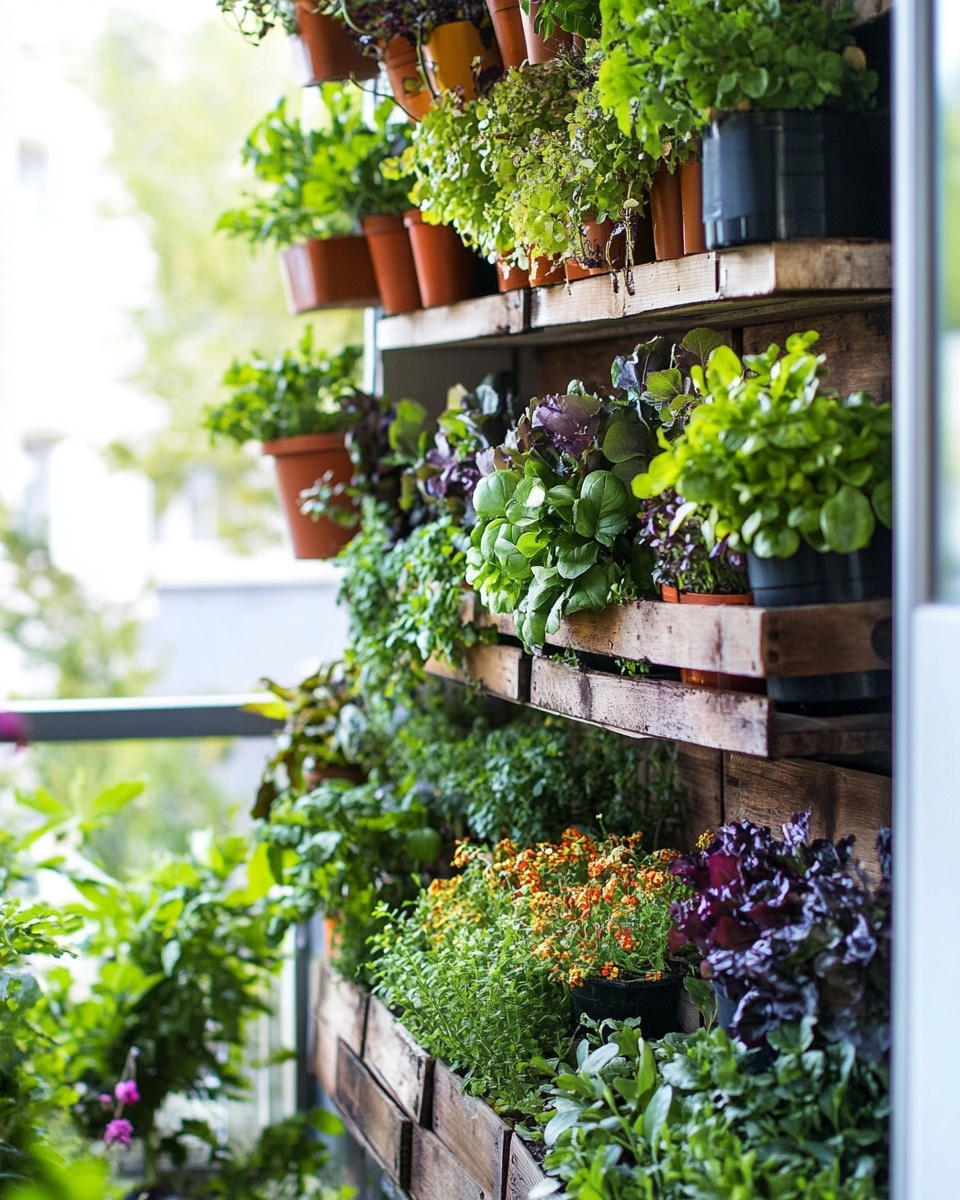
- Vertical Gardening: This is a game-changer for small spaces. Think wall-mounted planters, tiered shelves, or DIY pallet gardens. It dramatically increases your planting area without taking up precious floor space. Explore ideas like a hanging herb wall for maximizing tiny areas.
Creative Ideas & Uses
Small garden ideas on a budget truly come alive with creativity. Don't just grow plants; integrate them into your living space and daily life.
- Edible Decoration: Grow vibrant edible flowers like nasturtiums or pansies in decorative pots. Place colorful dwarf peppers or cherry tomatoes on your patio table. Your food can be beautiful!
- Repurposing Materials: Stack old wooden crates to create a tiered planter system. Use an old step ladder as a display stand for potted herbs. Paint discarded tires in bright colors for unique, sturdy planters. You can even find inspiration on platforms like Pinterest for endless DIY ideas from https://www.pinterest.com/janatjanay47/.
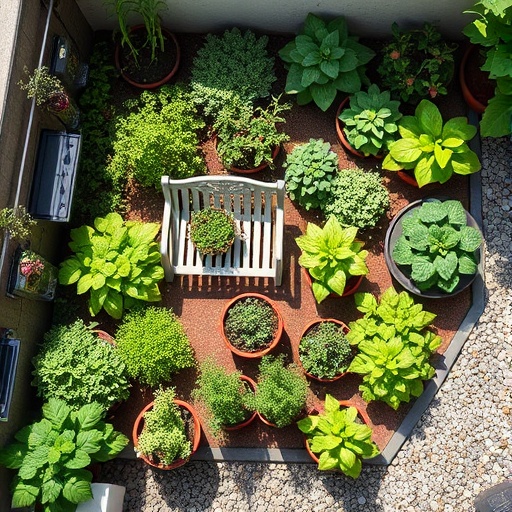
- Container Grouping: Group pots of varying sizes and heights together to create a focal point. This adds visual interest and can make a small space feel more cohesive.
- Balcony Oasis: If you have a balcony, consider hanging planters, railing planters, and small furniture. This allows you to create a cozy outdoor room. A small fountain can add soothing sounds and attract beneficial insects.
- Aesthetic Integration: Choose plants not just for their utility but also for their beauty. Mix in some ornamental grasses or flowering annuals to add texture and color. Consider the "thriller, filler, spiller" design concept for containers: a tall central plant (thriller), medium-sized plants to fill the space (filler), and trailing plants to spill over the edges (spiller).
Common Mistakes to Avoid
Even experienced gardeners make errors; the key is learning from them. Here are some common pitfalls in small garden design and how to sidestep them:
- Overwatering (or Underwatering): This is the #1 killer for container plants, with overwatering causing root rot in roughly 60% of cases. Always check the soil moisture before watering. Underwatering is also detrimental but often easier to remedy.
- Insufficient Drainage: Pots without drainage holes become miniature swamps, drowning roots. Always ensure adequate drainage. If a pot lacks holes, drill some yourself or double-pot, placing a drained pot inside a decorative one.
- Ignoring Sunlight Needs: Placing shade-loving plants in full sun or sun-lovers in deep shade will lead to stunted growth or crispy leaves. Observe your space's sun patterns carefully.
- Crowding Plants: While tempting to pack in as many plants as possible, overcrowding leads to poor air circulation, increased pest and disease issues, and competition for nutrients. Read seed packet spacing recommendations!
- Forgetting to Fertilize: As mentioned, container soil runs out of nutrients. Neglecting to feed your plants will result in weak growth and low yields.
- Not Pruning: Regular pruning stimulates growth and keeps plants manageable, especially for herbs and certain vegetables in compact spaces.
- Ignoring Pest Signals: A small infestation can quickly become a big problem. Daily checks are vital. Don't wait until half your plant is eaten!
Maintenance & Storage Tips
Long-term success in your small garden comes down to smart maintenance and preparation.
- Seasonal Care: As seasons change, so do your garden's needs. In colder climates, bring delicate plants indoors or protect them with frost cloths. Consider winter-sowing hardy seeds in containers for an early spring start. For annuals, prepare to clear them out and start fresh next season.
- Tool Care: Clean your gardening tools after each use to prevent the spread of diseases. Sharpen pruning shears annually. Store tools in a dry place to prevent rust.
- Seed Storage: If you're saving seeds or have leftover packets, store them in a cool, dry, dark place in airtight containers. This can extend their viability for years. Proper storage increases germination rates by up to 70% compared to haphazard storage.
- Soil Rejuvenation: After a growing season, don't just dump out old potting mix. Revitalize it by mixing in a fresh batch of compost or well-rotted manure, and perhaps some perlite or vermiculite. This saves money and improves soil structure.
- Troubleshooting Yellow Leaves: Yellow leaves often indicate a nutrient deficiency (feed your plant!), overwatering (check drainage, reduce watering), or underwatering (give it a good drink!). Brown, crispy edges typically signal underwatering or too much sun. Addressing these issues promptly can save your plant.
Conclusion
Creating a beautiful and productive garden doesn't require vast acres or an endless budget. By embracing smart small garden ideas on a budget, you can transform overlooked spaces into thriving havens of greenery and fresh produce. We've explored everything from clever container choices and sustainable practices to essential care tips and common mistakes to sidestep. Remember, gardening is an journey of discovery, and every small success is a triumph. So, take these insights, gather your repurposed treasures, and start planting today! Your urban oasis awaits. Share your small garden successes with us – we’d love to see how you've brought your vision to life!
FAQ
Q1: What are the best plants for a small garden on a budget?
A1: Focus on compact, fast-growing edibles like radishes, spinach, lettuce, bush beans, dwarf tomatoes, and herbs such as basil, mint, and chives. These provide quick harvests and are easy to grow in containers.
Q2: How can I maximize space in a tiny urban garden?
A2: Vertical gardening is your best friend! Utilize wall-mounted planters, tiered shelving, repurposed pallets, or even hanging shoe organizers to grow upwards. Consider plants that can trail or climb, like cucumbers or mini pumpkins, on a small trellis.
Q3: Is it cheaper to grow from seeds or buy starter plants?
A3: Generally, growing from seeds is significantly cheaper, especially for a small garden on a budget. A packet of seeds can produce many plants for the same cost as one or two starter plants. Plus, seeds offer a wider variety of options.
Q4: How often should I water my small container garden?
A4: Container plants typically need more frequent watering than in-ground gardens. Check the soil daily by sticking your finger an inch deep. Water if it feels dry. During hot weather, you might need to water once or even twice a day, but always ensure proper drainage to prevent waterlogging.
Q5: What are some eco-friendly composting options for a small space?
A5: Even in a small space, you have options! Consider a countertop compost bin for kitchen scraps, which uses microbes to break down waste quickly. A small worm composting bin (vermicomposting) is another excellent, odor-free way to create nutrient-rich compost in a compact area.
Q6: Can I use regular garden soil in pots for my small garden?
A6: It's best to use a quality potting mix specifically designed for containers. Garden soil can be too dense, lacking the aeration and drainage necessary for healthy root development in pots. It can also harbor pests and diseases.
Q7: How do I deter pests naturally in my small garden?
A7: Regular inspection is key. For minor infestations, a strong spray of water can dislodge many pests. Neem oil spray (organic) or homemade insecticidal soap (a few drops of mild dish soap per gallon of water) can be effective. Companion planting with herbs like marigolds or basil can also confuse and deter pests.
Explore More Gardening Wisdom!
If you're eager to expand your gardening skills, check out these related articles from our site:
- Thinking about starting with edibles? Our guide on the "Best Vegetables to Grow for Beginners" is a fantastic starting point for your new green thumb journey.
- For those specifically looking to enhance vertical spaces, dive into "Vertical Indoor Garden Ideas for Small Spaces" for even more ingenious solutions to grow up, not out.
- And if you're battling with tricky herbs, learn about "Herbs that Grow Well in Small Spaces" to ensure your culinary companions thrive in compact environments.