Introduction
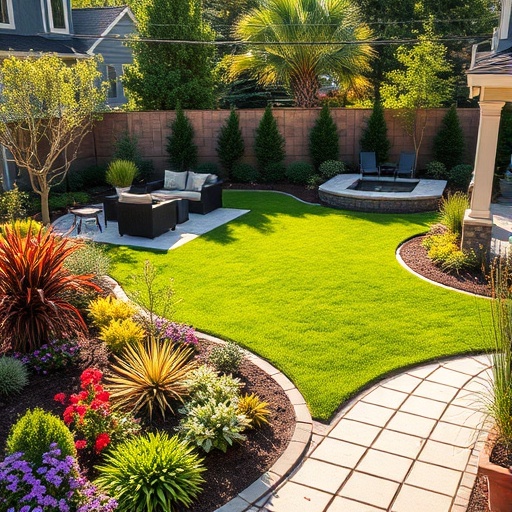
Did you know that a well-designed landscape can increase your home's value by 15-20% and significantly boost your overall quality of life by fostering a deeper connection with nature? Many believe transforming their backyard into a picturesque sanctuary requires professional intervention and exorbitant costs. However, with the right landscaping ideas and a bit of dedication, you can create a stunning outdoor haven that perfectly reflects your personal style and budget. This comprehensive guide will walk you through data-driven strategies and creative inspirations to help you craft your dream garden, proving that beautiful and functional outdoor spaces are within everyone’s reach. From selecting the right plants to incorporating sustainable practices, we’ll explore the science and art behind breathtaking backyard transformations.
Tools & Materials Needed
Embarking on a landscape design project, whether big or small, requires a thoughtful collection of tools and materials. Having these ready will streamline your efforts and ensure a smoother process.
- Measuring Tape (25-50ft): Essential for accurate planning and layout.
- Shovel & Spade: For digging, moving soil, and planting. Consider a lightweight, ergonomic model to reduce strain, especially for larger landscaping ideas.
- Rake (Bow & Leaf): A bow rake for leveling soil and spreading mulch, and a leaf rake for clearing debris.
- Gloves: Protect your hands from dirt, thorns, and blisters. Look for durable, waterproof options.
- Wheelbarrow or Garden Cart: Invaluable for transporting soil, mulch, stones, and plants across your yard.
- Pruning Shears & Loppers: For shaping plants, removing dead branches, and maintaining plant health. Japanese steel models offer superior sharpness and longevity.
- Garden Hose with Adjustable Nozzle: For efficient and controlled watering.
- Design Software/Graph Paper: To sketch out your landscaping ideas before breaking ground. Many free online tools like SketchUp or even simple graph paper can be immensely helpful.
Eco-Friendly & Budget-Friendly Alternatives:
- Repurposed Materials: Old tires can become planters, discarded bricks or stones can form pathways, and reclaimed wood can create raised beds. Search local classifieds or construction sites for free materials.
- Compost: Instead of buying bagged soil amendments, start a compost pile with kitchen scraps and yard waste. This enriches your soil naturally and reduces landfill waste.
- Rain Barrel: Collect rainwater for irrigation. This significantly reduces your water bill and your environmental footprint. A single rain barrel can save up to 1,300 gallons of water per year!
- Native Plants: These require less water, fertilizer, and pest control because they are adapted to your local climate. They also support local wildlife.
Time & Effort Overview
The time and effort required for transforming your landscape can vary significantly based on the complexity of your landscaping ideas and the size of your project.
- Planning & Design (1-4 weeks): This is arguably the most crucial phase. Researching plants, sketching layouts, and creating a budget can take several weeks, but it saves immense time and money down the line. Data suggests that 70% of successful garden projects attribute their success to thorough initial planning.
- Site Preparation (1-3 days for a small to medium area): This includes clearing existing vegetation, leveling, and improving soil. This can be physically demanding.
- Planting (1-5 days): Depending on the number and size of plants, this phase moves quickly once the site is prepared. For instance, planting a small bed of annuals might take a few hours, while installing mature shrubs and trees can take several days.
- Initial Setup of Hardscaping (2-7 days): If your design includes patios, pathways, or retaining walls, this will be the most time-intensive part. These elements grow 50% slower than planting, requiring precision and often professional help for complex structures.
- Ongoing Maintenance (Weekly/Monthly): Once established, most landscapes require routine watering, weeding, and pruning. Low-maintenance landscaping ideas can reduce this to just a few hours a month.
Difficulty Level:
- Beginner: Simple planting of annuals, small raised beds, or container gardens (< 1 week active effort). Perfect for gaining confidence.
- Intermediate: Adding shrubs, small trees, creating basic pathways, or building a small water feature (2-4 weeks active effort). Requires a moderate understanding of plants and construction.
- Advanced: Large-scale garden overhauls, complex hardscaping, irrigation systems, or significant earth moving (1-3 months or more active effort). Often benefits from professional consultation.
Step-by-Step Gardening Process
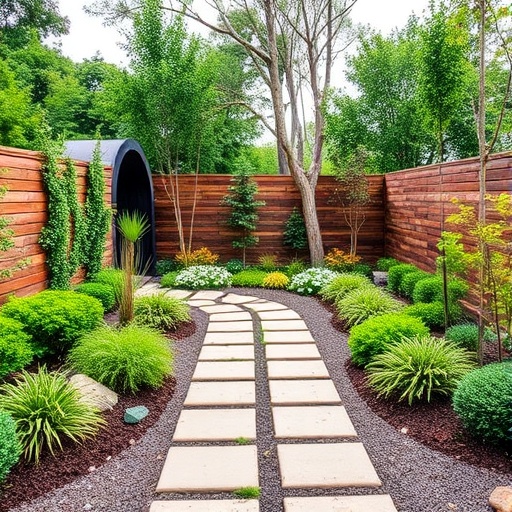
Ready to turn your landscaping ideas into reality? Here’s a clear, sequential guide to help you get started.
Step 1: Envision & Plan Your Dream Landscape
Start by observing your yard. What are its strengths and weaknesses? Consider sun exposure throughout the day, drainage patterns, and existing features. Sketch out your ideal layout, marking areas for planting beds, pathways, seating, and special features. Don't worry if your initial sketches are rough; the goal is to get your landscaping ideas down on paper. Research plants suitable for your climate zone (USDA Hardiness Zone) and soil type. Aim for a mix of textures, colors, and heights for visual interest.
Step 2: Prepare the Site
This involves clearing any unwanted weeds, debris, or old structures. If you’re establishing new garden beds, remove existing turf. You can do this by digging it out, solarizing it (covering with clear plastic for several weeks to let the sun kill the grass), or sheet mulching. Once cleared, enrich your soil. A soil test kit can provide valuable data on pH and nutrient levels, guiding your amendments. Incorporate organic matter like compost to improve soil structure and fertility.
Step 3: Outline & Create Hardscape Elements
Before planting, install any hardscape elements in your landscaping ideas such as patios, decks, pathways, or retaining walls. These form the "bones" of your garden and are much harder to adjust once plants are in place. Measure carefully and follow manufacturer instructions for materials like pavers or gravel. For pathways, ensure proper drainage by creating a slight slope away from structures.
Step 4: Plant Larger Elements First
Begin by placing larger elements like trees and shrubs. Dig holes that are twice as wide as the root ball and just as deep. Ensure the top of the root ball is level with the surrounding soil. Gently loosen any circling roots before planting. Backfill with enriched soil, tamping gently to remove air pockets. Water thoroughly immediately after planting. These larger plants define the structure of your landscaping ideas.
Step 5: Incorporate Perennials & Smaller Shrubs
Next, add your perennial plants and smaller shrubs. Arrange them according to your design, paying attention to mature size and sunlight requirements. Plant them at appropriate depths and water them in well. Consider layering plants: taller ones in the back, medium-sized in the middle, and shorter plants or ground covers in the front. This creates depth and visual appeal.
Step 6: Add Annuals & Groundcovers
Finally, fill in with annuals for seasonal color and groundcovers to suppress weeds and unify the design. Annuals are fantastic for immediate impact and can be switched out each season. Don’t worry if the garden looks sparse at first; plants need space to grow. It's better to underplant slightly than to overcrowd, which can lead to disease and stunted growth down the line.
Step 7: Mulch & Water
Apply a 2-4 inch layer of organic mulch (shredded bark, wood chips, pine straw) around your plants. Mulch conserves soil moisture, suppresses weeds, and moderates soil temperature. Keep mulch a few inches away from tree and shrub trunks to prevent rot. Water your newly planted landscape deeply and consistently, especially during the first few weeks, to help establish root systems.
Growth & Care Tips
Consistent care is the secret to a thriving landscape. These tips will help your landscaping ideas flourish.
- Watering Frequency: Most newly planted landscapes require consistent watering, typically 1-2 times per week, delivering about 1 inch of water. For established plants, check the soil moisture frequently. Stick your finger 2-3 inches into the soil; if it feels dry, it's time to water. Overwatering causes root rot, responsible for 60% of houseplant deaths, and it applies to outdoor plants too! Drip irrigation or soaker hoses are 90% more efficient than sprinklers, reducing evaporation.
- Sunlight Exposure: Understand each plant's specific sunlight needs. Full sun (6+ hours direct sun), partial sun/shade (3-6 hours direct sun), or full shade (less than 3 hours direct sun). Placing a sun-loving plant in shade will lead to leggy, weak growth, while a shade-lover in full sun will often burn.
- Pruning: Regular pruning promotes healthy growth, improves air circulation, and maintains desired shapes. Remove dead, diseased, or crossing branches. Prune flowering shrubs after they bloom. For evergreens and deciduous trees, prune during their dormant season.
- Fertilization: A soil test will tell you precisely what nutrients your soil lacks. In its absence, a balanced, slow-release granular fertilizer applied once or twice a year (spring and/or fall) is generally sufficient. Over-fertilization can burn roots and harm plants. Organic options like compost tea or aged manure also work wonders and improve soil structure.
- Pest Prevention: Healthy plants are naturally more resistant to pests. Encourage beneficial insects like ladybugs (they consume up to 5,000 aphids in their lifetime!) by planting diverse flowering plants. Inspect plants regularly for signs of pests or disease. Early detection is key. Use organic pest control methods like neem oil or insecticidal soap first.
Eco-Friendly & Sustainable Alternatives
Embracing sustainable practices ensures your landscaping ideas not only look beautiful but also contribute positively to the environment.
- Composting: Turn kitchen scraps, coffee grounds, and yard waste into nutrient-rich compost. It's a free, organic soil amendment that reduces landfill waste and chemical fertilizer use. Learn more about effective composting at sites like https://www.pinterest.com/janatjanay47/
- Natural Fertilizers: Beyond compost, consider worm castings, bone meal, or alfalfa meal. These provide nutrients slowly and improve soil health without the environmental impact of synthetic chemicals.
- Water Conservation: Implement drought-tolerant plants (xeriscaping), use rain barrels to collect rainwater, and install efficient irrigation systems like drip lines. Mulch heavily to reduce evaporation from the soil by up to 30%. Group plants with similar water needs together.
- Native Plants: As mentioned, choosing native species drastically reduces water and maintenance requirements because they are perfectly adapted to the local climate, soil, and ecosystem. They also provide crucial habitat and food for local wildlife.
- Reduce Chemical Use: Opt for organic pest and disease controls. Many common garden problems can be solved with cultural practices (proper watering, spacing) or simple organic solutions before resorting to harsher chemicals.
- For Small Spaces: Don't let limited space deter your landscaping ideas!
- Balcony Gardens: Use containers of varying sizes for herbs, flowers, and even small vegetables.
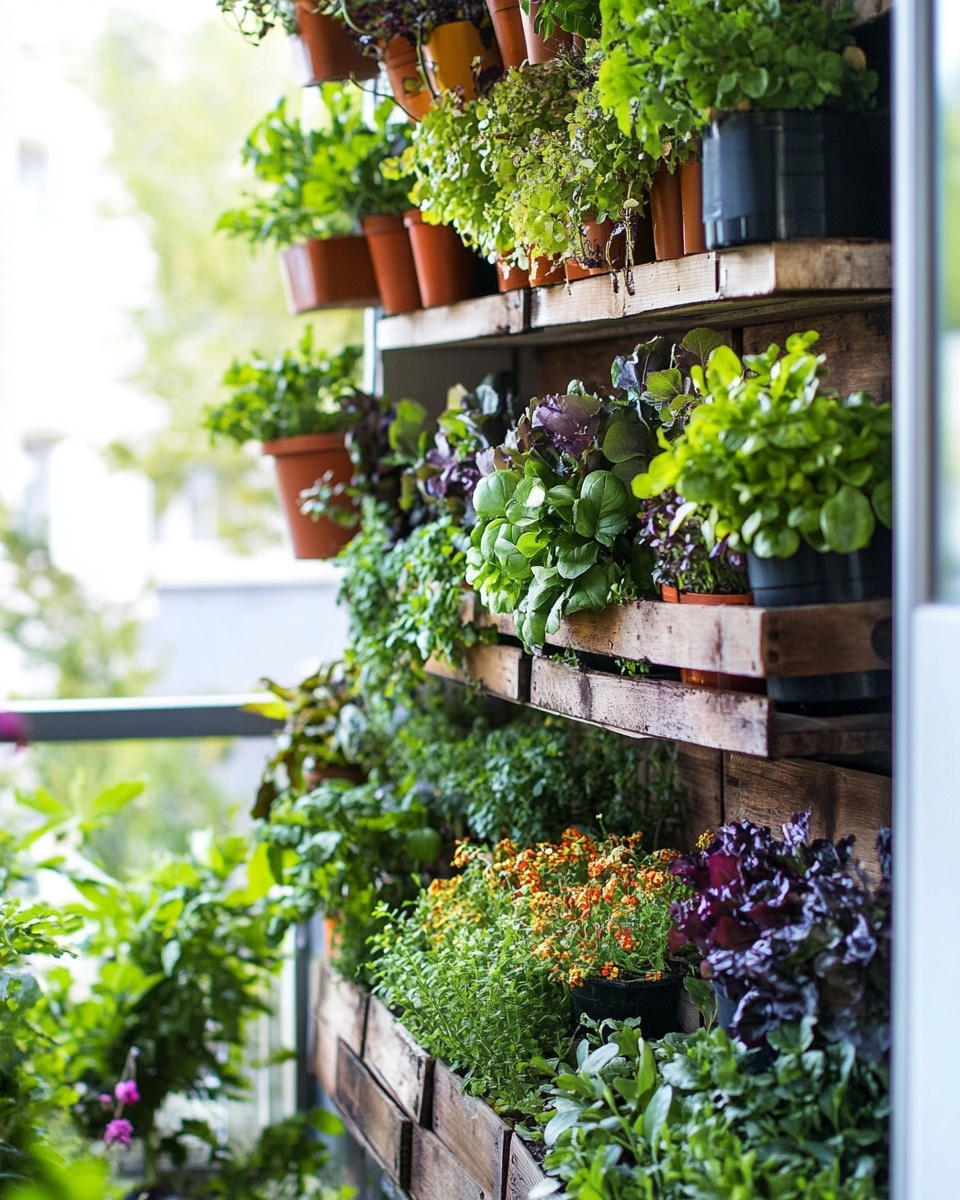
- Vertical Gardens: Maximize space by growing upwards with wall-mounted planters or tiered shelves.
- Container Gardening: Nearly any plant can be grown in a pot, allowing flexibility and portability. Choose pots with good drainage.
Creative Ideas & Uses
Beyond functionality, your landscape is an extension of your home's personality. Let these creative landscaping ideas inspire you.
- Decorate with Plants: Think of plants as living decor. Use vibrant annuals in pots to add pops of color to patios or doorsteps. Create focal points with uniquely shaped shrubs or ornamental grasses.
- Repurpose Garden Materials: Old wooden pallets can become vertical herb gardens or potting benches. Broken pottery pieces make excellent drainage in pots or decorative mosaic stepping stones. Upcycled wine bottles can form garden edging.
- Combine Plants Aesthetically:
- Color Palettes: Choose a color scheme – cool blues and purples for a calming effect, or warm reds and yellows for energy. Vary shades for depth.
- Texture Play: Combine plants with contrasting leaf textures – fine feathery ferns next to broad-leaved hostas creates visual interest.
- Layering: Plant taller specimens at the back, medium-height plants in the middle, and low-growing groundcovers or flowers at the front. This creates a lush, natural look.
- Seasonal Interest: Select plants that bloom or offer interesting foliage during different seasons to ensure year-round appeal. For example, spring bulbs, summer perennials, fall foliage trees, and winter evergreens.
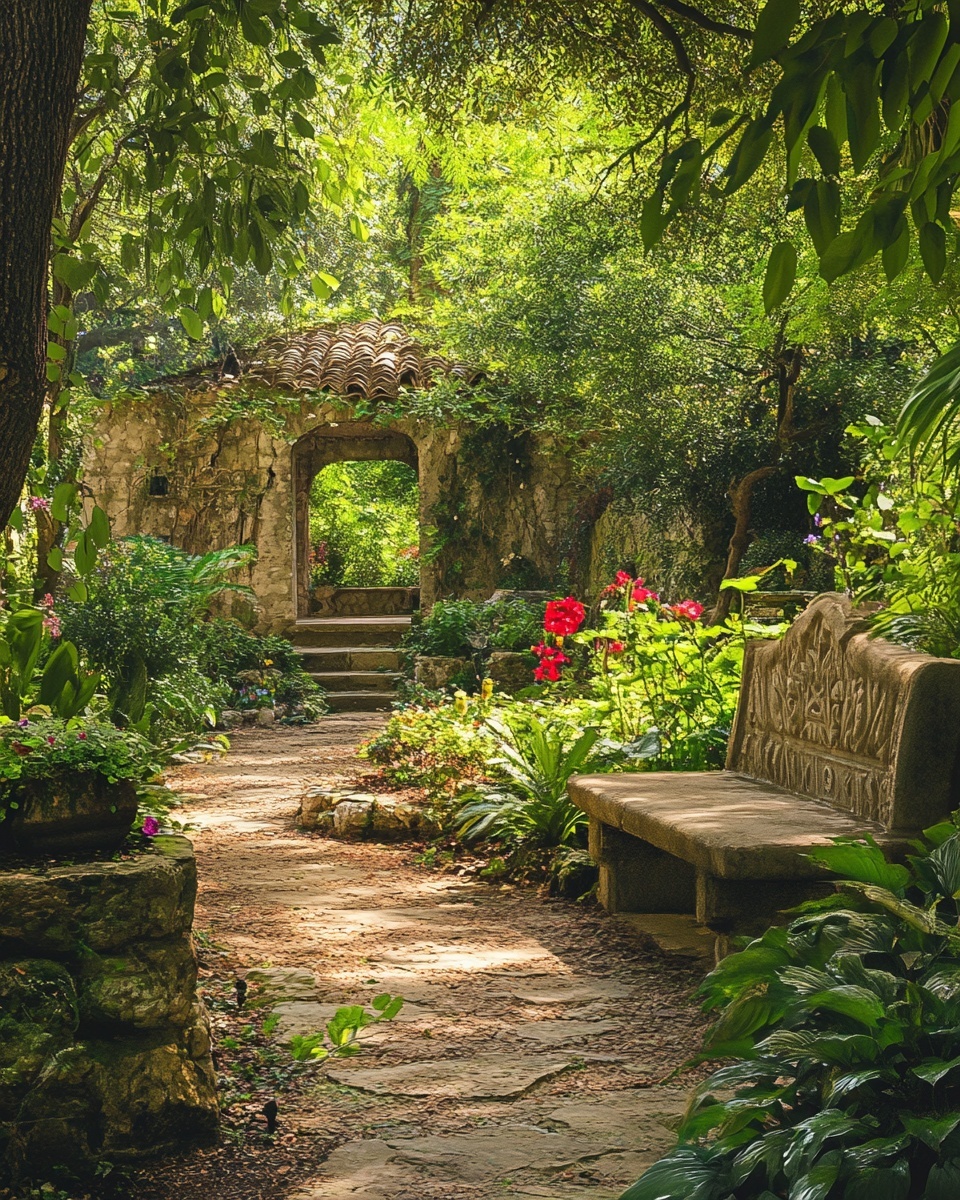
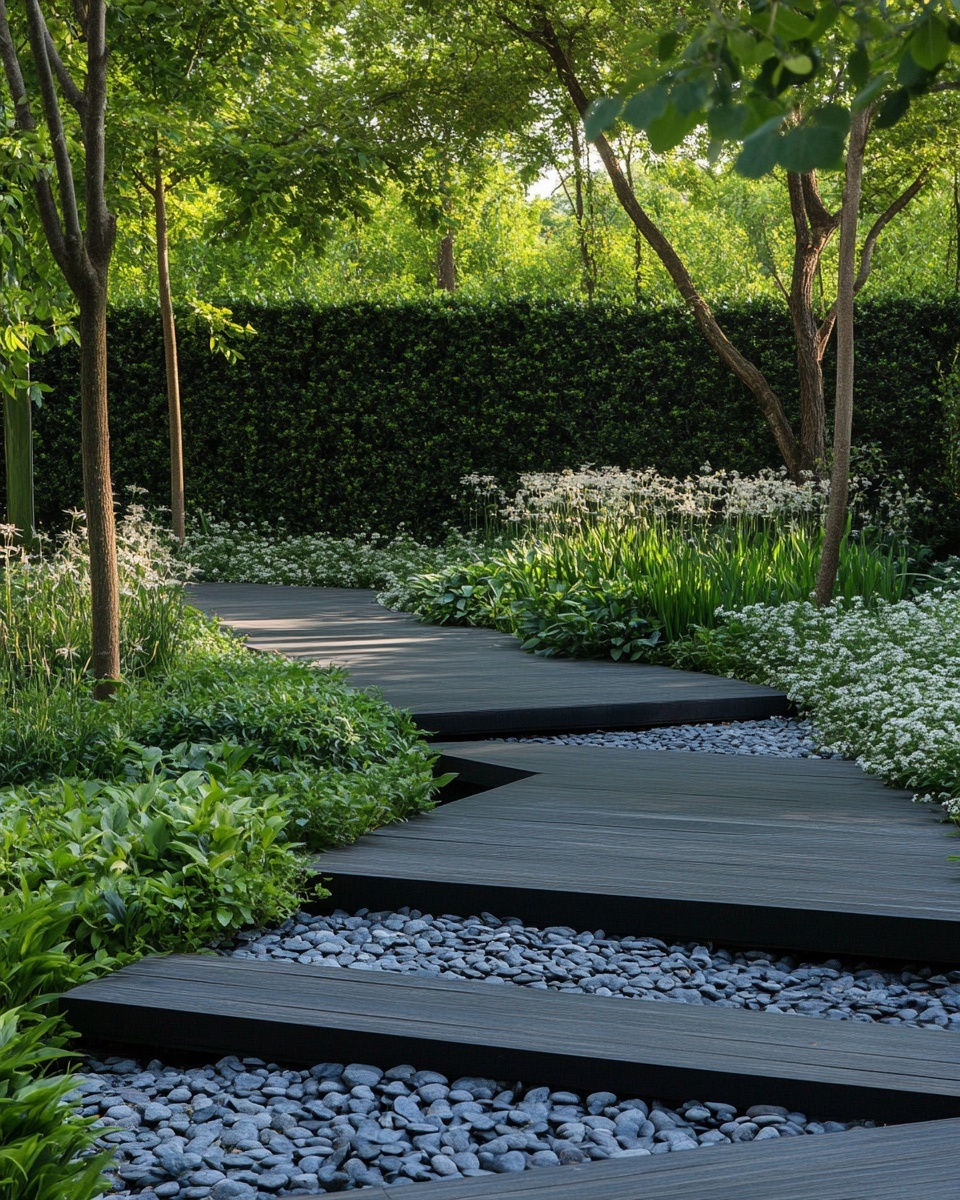
- Themed Gardens: Create a specific atmosphere: a tranquil Zen garden with gravel paths and minimalist plantings, a vibrant cottage garden overflowing with flowers, or a functional edible garden with raised vegetable beds.
- Outdoor Rooms: Design distinct "rooms" in your backyard using hedges, pergolas, or changes in paving. A cozy seating area, an outdoor dining space, or a dedicated play zone for kids can define and organize your landscape beautifully. These dedicated zones are some of our favorite landscaping ideas.
Common Mistakes to Avoid
Even experienced gardeners make errors. Being aware of these common pitfalls in your landscaping ideas can save you time, money, and heartache.
- Ignoring Soil Health: Planting in unhealthy, compacted, or nutrient-poor soil is a recipe for failure. Healthy soil is the foundation of a thriving garden, impacting plant growth by up to 50%. A soil test is a small investment with huge returns.
- Overwatering (or Underwatering): This is the number one killer of plants. As mentioned, overwatering causes root rot. Conversely, underwatering stresses plants, making them susceptible to pests and diseases. Learn your plants' specific needs and check soil moisture regularly.
- Improper Plant Placement: Putting sun-loving plants in shade or shade-loving plants in full sun is a classic mistake. Also, not considering a plant's mature size can lead to overcrowding, which reduces air circulation, increases disease risk, and requires constant pruning. Research shows that proper plant spacing can reduce disease incidence by 40%.
- Neglecting Drainage: Poor drainage leads to waterlogged roots and plant death. If your soil doesn't drain well, amend it with organic matter, create raised beds, or choose plants that tolerate wet conditions.
- Lack of Planning: Jumping straight into planting without a clear design or budget often results in disjointed, inefficient, and costly mistakes. Take the time for Step 1! Thoughtful landscaping ideas prevent backtracking.
- Ignoring Pest and Disease Early Signs: A small problem can quickly become an infestation if not addressed promptly. Regularly inspect your plants and act quickly at the first sign of trouble.
- Over-fertilizing: More isn't always better. Excess fertilizer can burn roots, contaminate groundwater, and promote lush but weak growth that is more attractive to pests.
- Underestimating Maintenance: All landscapes require some degree of maintenance. Be realistic about the time you can commit and design accordingly. Low-maintenance landscaping ideas are often a good starting point.
Maintenance & Storage Tips
Long-term success in gardening hinges on consistent, seasonal care and smart storage.
- Long-term Plant Health:
- Seasonal Pruning: Prune deciduous trees and shrubs in late winter when dormant. Prune spring-flowering shrubs after they bloom. Summer bloomers benefit from pruning in late winter or early spring.
- Fall Clean-up: Clear away spent annuals and diseased foliage to prevent overwintering pests and diseases. Leave some seed heads for birds and overwintering beneficial insects.
- Winter Protection: For tender plants in colder climates, apply a layer of mulch around the base, or cover them with burlap to protect them from harsh winds and extreme cold. Consider moving potted plants indoors.
- Soil Amendment: Continue to add compost or other organic matter to your garden beds each spring or fall to replenish nutrients and improve soil structure.
- Seed Storage: Store seeds in a cool, dark, dry place to maintain viability. An airtight container in the refrigerator or a cool pantry works best. Label with the date purchased or collected. Properly stored seeds can remain viable for several years, with germination rates holding above 80% for up to 3 years for many common varieties.
- Tool Care: Clean your gardening tools after each use. Remove dirt and sap, then wipe metal parts with an oiled rag to prevent rust. Sharpen pruning shears regularly for clean cuts that promote plant health. Store in a dry shed or garage.
- Solutions for Common Issues:
- Yellow Leaves: Often indicates overwatering, nutrient deficiency (especially nitrogen), or poor drainage. Check soil moisture and nutrient levels.
- Poor Soil Drainage: If water pools for hours after rain, your soil needs amending. Incorporate copious amounts of organic matter (compost, aged manure) or consider creating raised beds. For severe cases, a French drain might be necessary.
- Leggy Plants: Usually a sign of insufficient light. Move potted plants to a brighter location, or for garden plants, consider pruning to encourage bushier growth if the light cannot be changed.
- Wilting: Can be due to both underwatering (most common) or overwatering (causing root rot). Check the soil moisture carefully before watering.
- Pest and Disease Management: Stay vigilant. Regularly inspect plants for unusual spots, holes, or insects. Isolate affected plants if possible, and address issues early with organic solutions before they spread.
Conclusion
Creating a beautiful and inviting outdoor space with thoughtful landscaping ideas is an incredibly rewarding endeavor that adds significant value to your home and life. By understanding the essentials – from meticulous planning and site preparation to mindful plant selection and eco-conscious maintenance – you're well-equipped to transform your backyard into a personal sanctuary. Remember that gardening is a journey, not a destination, filled with learning and discovery. Each plant you nurture, each design choice you make, contributes to a healthier environment and a more vibrant home. Don't let perfection be the enemy of good; start small, be patient, and enjoy the process.
Now it’s your turn! Grab those tools, start sketching those landscaping ideas, and bring your vision to life. We’d love to see your progress! Share your stunning garden transformations and ask any lingering questions in the comments below. Happy gardening, fellow green thumbs!
FAQ
Q1: What are the best low-maintenance landscaping ideas for beginners?
A1: For beginners, focus on native plants, drought-tolerant species like succulents or ornamental grasses, and evergreen shrubs. Utilize a generous layer of mulch to suppress weeds and conserve moisture. Simple rock gardens or gravel paths are also excellent low-maintenance options that require minimal care compared to traditional lawns.
Q2: How often should I water my newly planted landscape?
A2: Newly planted landscapes require consistent moisture to establish their root systems. Typically, deep watering 2-3 times per week for the first few weeks, and then gradually reducing to once a week for the first growing season, is a good guideline. Always check the soil moisture before watering to avoid overhydration.
Q3: Can I really boost my home value with landscaping?
A3: Absolutely! Data consistently shows that good landscaping can increase home value by 15-20%. Curb appeal is a major factor for potential buyers, and a well-designed, healthy landscape or garden can significantly enhance this, often providing an ROI of 100-200% on quality landscaping investments.
Q4: What's the biggest mistake people make with their landscaping ideas?
A4: The most common mistake is neglecting proper planning and soil preparation. Rushing into planting without assessing sun exposure, drainage, and soil quality often leads to struggling plants and disappointment. A soil test and a clear design plan are crucial first steps for any successful landscape project.
Q5: How can I make my garden more eco-friendly?
A5: Incorporate native plants, practice composting, harvest rainwater, and reduce reliance on chemical fertilizers and pesticides. Consider creating wildlife habitats with pollinator-friendly plants. Embracing sustainable landscaping ideas benefits both your garden and the broader ecosystem.
Explore More Gardening Wisdom!
If you're eager to continue your gardening journey, we have more expert insights to share!
- Thinking about starting a veggie patch? Check out our guide on "How to Start a Vegetable Garden from Scratch" for all the foundational knowledge you need.
- For vibrant blooms year-round, our article on "Best Perennial Flowers for Continuous Blooms" offers fantastic inspiration to keep your garden colorful.
- If you're short on space but have a passion for growing, don't miss our creative "DIY Flower Bed Ideas for Small Yards".