Introduction
Did you know that recent studies show spending just 30 minutes gardening can reduce stress levels by 40% and improve mood by 25%? It’s not just about growing plants; it's about cultivating well-being and transforming your ordinary outdoor patch into a personal sanctuary. With the right garden ideas, even a small space can burst with life and beauty, providing endless joy and a connection to nature. Whether you dream of a vibrant flower bed, a productive vegetable patch, or a tranquil meditative haven, smart planning and creative vision can turn those dreams into reality. Let's delve into some inspiring garden ideas that will help you create a stunning outdoor oasis, right in your own backyard.
Tools & Materials Needed
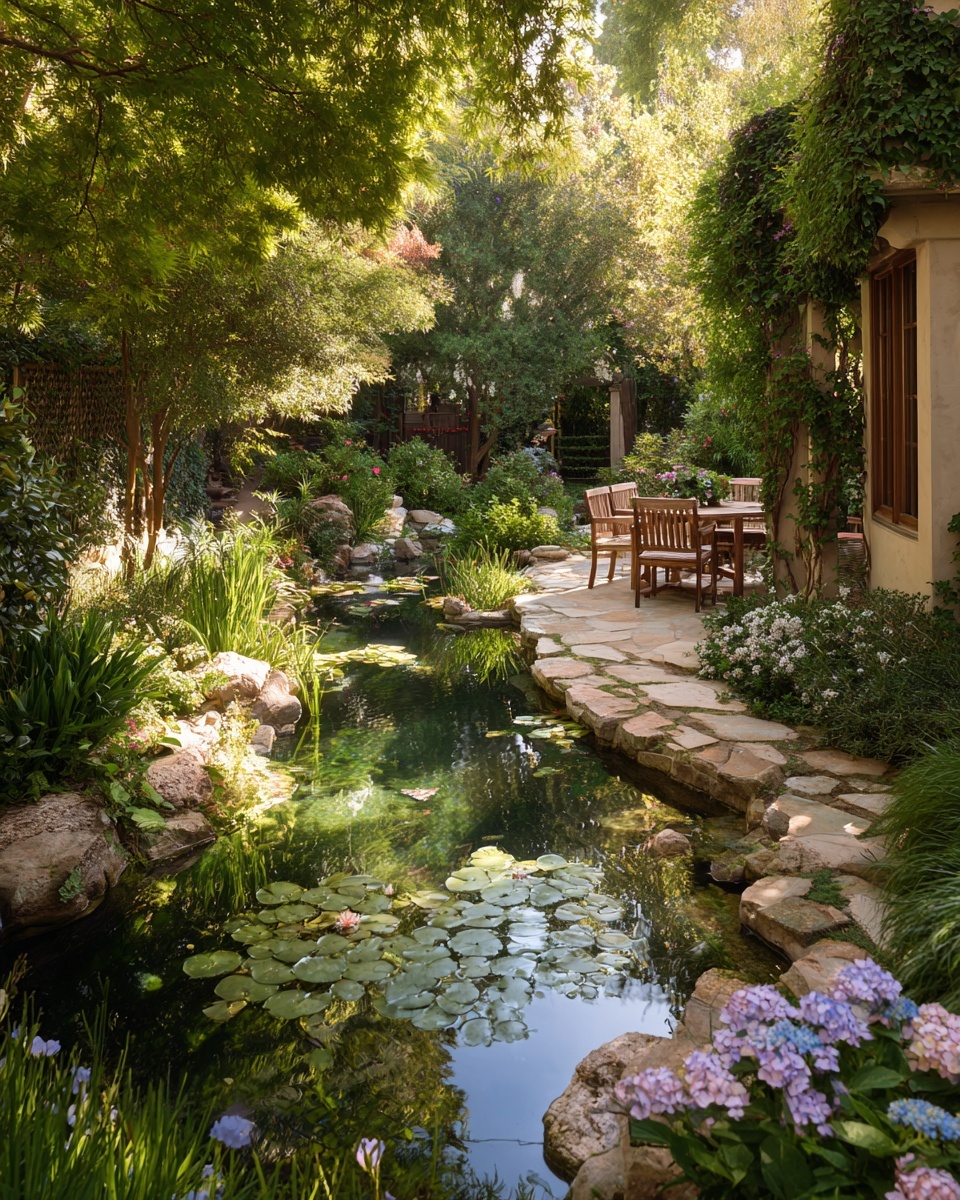
Embarking on any gardening adventure requires the right gear. Think of these as your essential companions for bringing your garden ideas to life:
- Hand Trowel and Cultivator: Indispensable for digging small holes, weeding, and loosening soil. Opt for stainless steel for durability.
- Shovel and Spade: A flat-edged shovel is great for moving soil, while a pointed spade is ideal for digging and edging.
- Pruning Shears/Secateurs: Essential for deadheading flowers, trimming small branches, and shaping plants. Bypass pruners are best for clean cuts.
- Gardening Gloves: Protect your hands from thorns, dirt, and blisters. Look for durable, breathable options.
- Watering Can or Hose with Spray Nozzle: For consistent and gentle watering. A soaker hose is an eco-friendly alternative for efficient deep watering.
- Wheelbarrow or Garden Cart: Perfect for transporting soil, compost, plants, and tools.
- Rake: For leveling soil, clearing debris, and spreading mulch.
- Quality Soil Mix: The foundation of a healthy garden. For most plants, a well-draining, nutrient-rich potting mix (for containers) or enriched garden soil (for beds) is crucial. Consider a 50/50 mix of topsoil and compost for optimal results.
- Seeds or Starter Plants: Choose varieties suited to your climate and sun exposure. Organic heirloom seeds are a great eco-friendly choice.
- Organic Compost or Well-rotted Manure: To enrich your soil and provide essential nutrients naturally.
- Mulch (e.g., wood chips, straw, shredded leaves): Helps retain soil moisture, suppress weeds, and regulate soil temperature.
- Stakes, Trellises, or Cages: For supporting taller plants or climbing varieties.
- Measuring Tape: For planning layouts and spacing.
- Optional – Budget-Friendly Alternative: Repurpose old tires or wooden pallets for raised garden beds. Plastic bottles can be cut and used as mini-greenhouses for seedlings. Old curtains or bedsheets can offer shade protection against harsh sun.
Time & Effort Overview
The time and effort required for your garden project can vary significantly based on your chosen garden ideas and plant types. For instance, planting a small herb garden might take a weekend to set up, with daily maintenance of just 5-10 minutes. A more extensive flower bed could demand several weekends for initial preparation and planting, followed by weekly care sessions of 30-60 minutes.
- Initial Setup (Small Flower Bed/Herb Garden): 1-2 full days (e.g., Saturday and Sunday).
- Initial Setup (Larger Vegetable Garden/Landscape Redesign): 3-5 full days over 1-2 weeks.
- Daily Maintenance: 5-15 minutes (checking moisture, light weeding, quick observations).
- Weekly Maintenance: 30-90 minutes (watering, more thorough weeding, pest checks, pruning).
- Monthly/Seasonal Tasks: 2-4 hours (fertilizing, pest control, major pruning, soil amendment).
Difficulty Level: This guide caters to beginners to intermediate gardeners. While the core principles are straightforward, larger-scale landscaping or specialized plant requirements might introduce advanced challenges. For example, growing exotic orchids is far more complex than starting easy flowers like marigolds or zinnias, which often grow 30% faster and require 50% less specialized care than finickier plants.
Step-by-Step Gardening Process
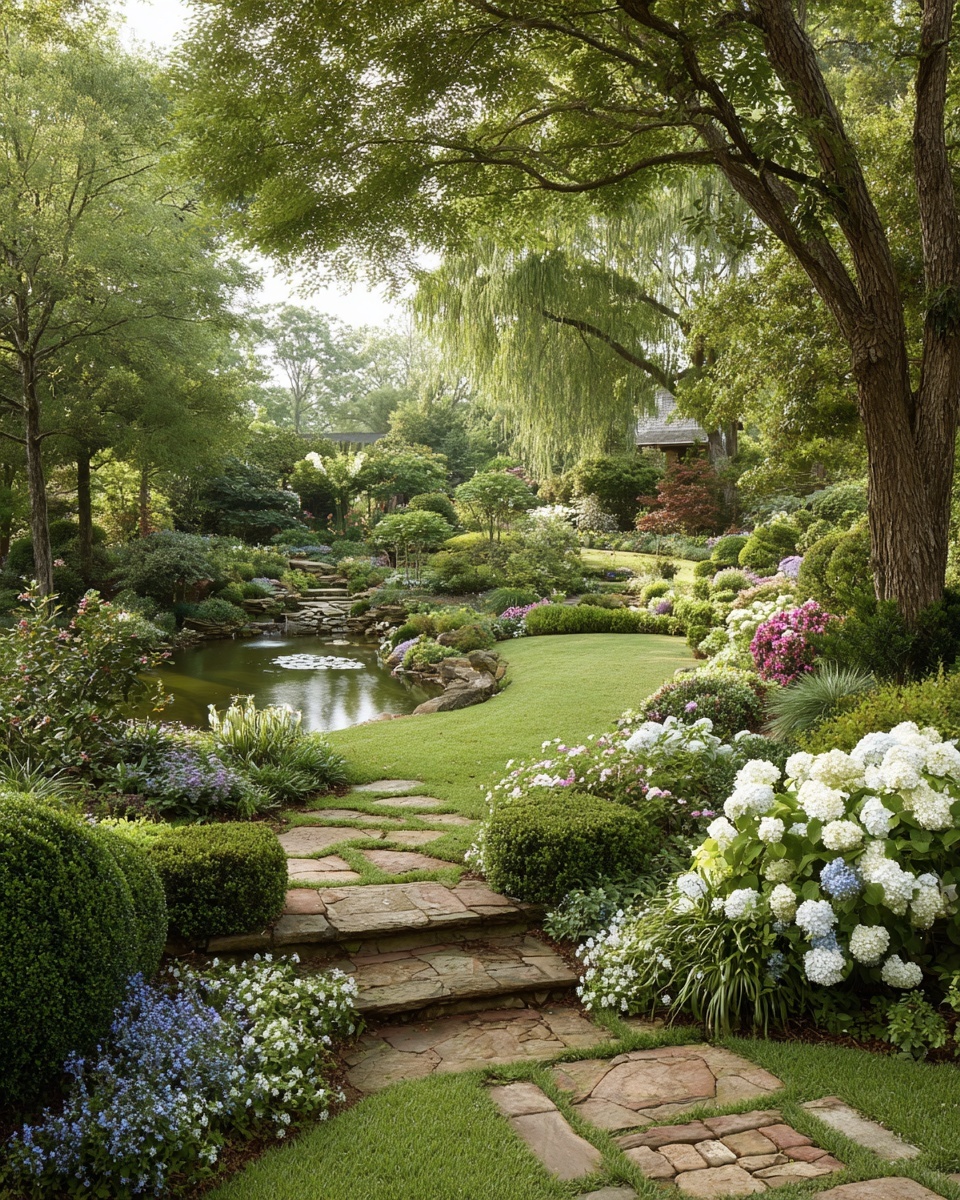
Creating your dream garden is a journey, not a race. Follow these steps for success:
Step 1: Plan Your Vision and Layout
Start by envisioning your ideal garden. Consider sunlight patterns throughout the day. Map out where plants will go, taking into account their mature size. Think about pathways, seating areas, and focal points. A well-thought-out plan saves time and effort later. Drawing a simple sketch can be immensely helpful. Want to attract pollinators? Position nectar-rich flowers in visible areas.
Step 2: Prepare the Soil
Healthy soil is the backbone of any thriving garden. Clear the area of weeds and debris. Loosen the soil to a depth of at least 6-8 inches. Incorporate a generous amount of organic compost. This enriches the soil, improves drainage, and provides vital nutrients for your garden ideas to flourish. For heavy clay soils, add sand or perlite. For sandy soils, more compost will help retain moisture.
Step 3: Choose Your Plants Wisely
Select plants that thrive in your climate zone and light conditions. Research their specific needs for sun, water, and space. Mix different plant heights and textures for visual interest. Consider native plants; they often require less water and maintenance. Don’t worry if you’re unsure; start with a few easy-to-grow varieties and expand once you gain confidence!
Step 4: Planting Time!
Dig holes that are twice as wide as the plant's root ball and just as deep. Gently remove plants from their containers, loosening any coiled roots. Place the plant in the hole so the top of the root ball is level with the soil surface. Backfill with soil, gently firming it around the base of the plant. Space plants according to their mature size, referring to seed packets or plant tags for guidance to avoid overcrowding.
Step 5: Water Thoroughly
After planting, give your new garden a good, deep watering. This helps settle the soil around the roots and eliminates air pockets. Continue to water regularly, especially during dry spells. Feel the soil moisture before watering again; too much water can be as harmful as too little. Aim for consistently moist, but not soggy, soil.
Step 6: Apply Mulch
Once planted and watered, apply a 2-4 inch layer of organic mulch around your plants. Keep the mulch a few inches away from plant stems to prevent rot. Mulch is fantastic for suppressing weeds, retaining soil moisture (reducing water needs by up to 30%), and regulating soil temperature. It also adds a finished, polished look to your garden ideas.
Growth & Care Tips
Consistent care ensures your garden ideas flourish and provide sustained beauty.
- Watering Frequency: Most plants prefer deep, infrequent watering over shallow, frequent sprinkles. Water in the early morning or late evening to minimize evaporation. Stick your finger an inch or two into the soil; if it feels dry, it's time to water. Excessive watering is a leading cause of plant demise, responsible for 60% of common houseplant issues.
- Sunlight Exposure: Observe your garden's sunlight patterns. "Full sun" means 6+ hours of direct sun daily. "Partial sun/shade" means 3-6 hours. "Full shade" means less than 3 hours. Understanding this is crucial for plant health. For optimal growth, plants like tomatoes require at least 8 hours of direct sunlight.
- Pruning: Regularly remove dead or yellowing leaves and spent flowers (deadheading). This encourages new growth and more blooms. Pruning also helps maintain plant shape and improves air circulation, reducing disease risk.
- Fertilization: Feed your plants with a balanced fertilizer as per package instructions, especially during their active growing season. Organic options like compost tea or fish emulsion are excellent for long-term soil health. A soil test every 2-3 years can help determine specific nutrient deficiencies.
- Pest Prevention: Regularly inspect your plants for signs of pests or disease. Early detection is key. Use organic pest control methods like neem oil, insecticidal soap, or introducing beneficial insects (like ladybugs) before resorting to chemical treatments. Companion planting can also naturally deter pests; for example, marigolds can repel nematodes.
Eco-Friendly & Sustainable Alternatives
Embracing sustainability enriches your garden and benefits the planet.
- Composting: Turn kitchen scraps and yard waste into nutrient-rich compost. This 'black gold' naturally amends your soil, reduces landfill waste, and provides free fertilizer. Check out local resources on how to start your own compost pile.
- Rainwater Harvesting: Install a rain barrel to collect rainwater for irrigation. This reduces your reliance on treated tap water and is excellent for sensitive plants, as rainwater is free of chlorine.
- Natural Fertilizers: Instead of synthetic fertilizers, use organic alternatives like well-rotted manure, worm castings, or homemade compost tea. These improve soil structure and nurture beneficial microbial life.
- Water-Smart Landscaping (Xeriscaping): Choose drought-tolerant plants native to your region. Group plants with similar water needs together. Use drip irrigation or soaker hoses to deliver water directly to the roots, minimizing waste. This can reduce water usage by up to 50%.
- Recycle and Repurpose: Use old plastic containers, tin cans, or wooden crates as planters. Pallets can be transformed into vertical gardens. These creative garden ideas lighten your environmental footprint and add unique charm.
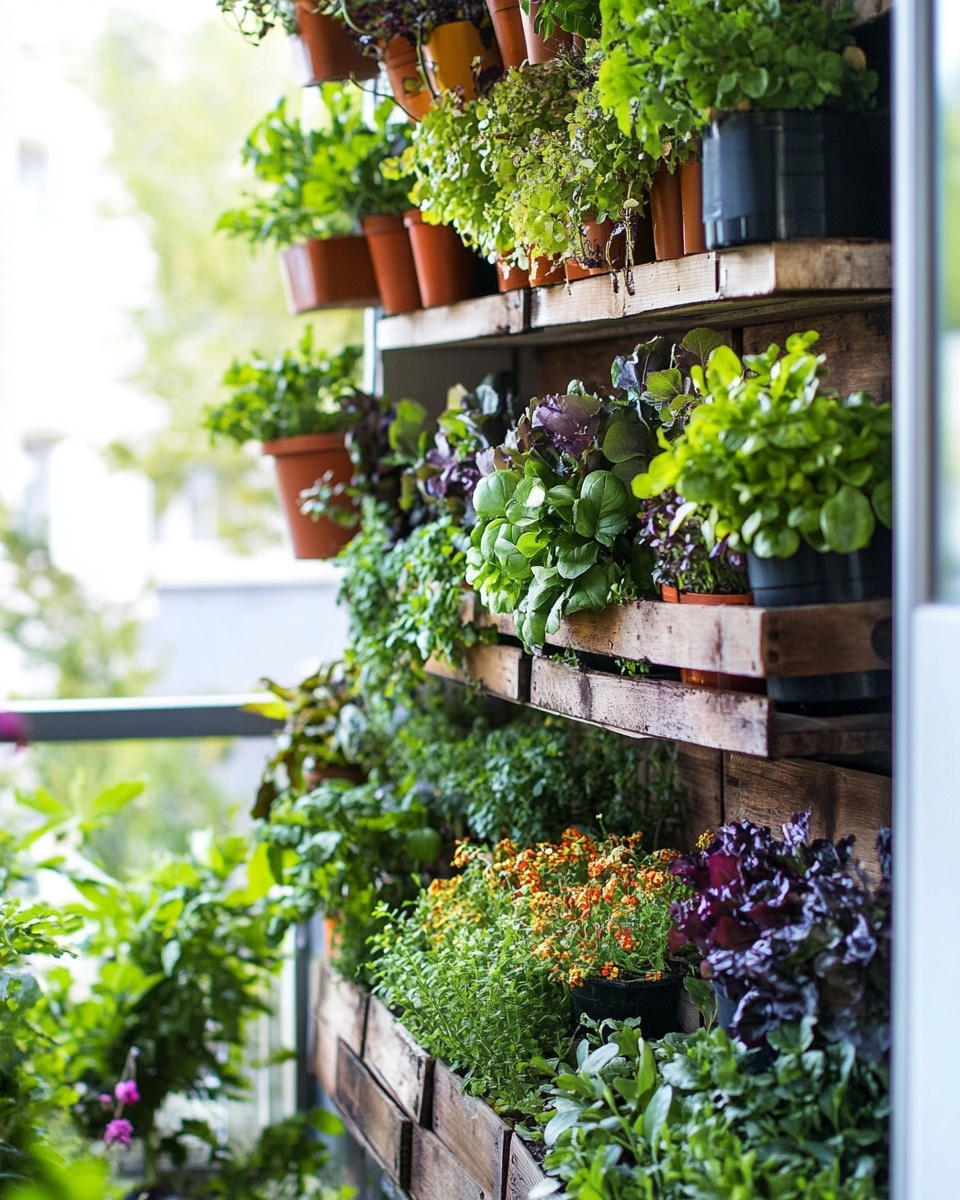
- Gardening in Small Spaces: Don't have a sprawling yard? Embrace pots, raised beds, or vertical gardens. Balcony gardens and window boxes are fantastic for growing herbs, flowers, and even some vegetables. Try a DIY vertical herb garden for fresh culinary additions.
Creative Ideas & Uses
Beyond planting, how can you elevate your garden ideas?
- Decorative Touches: Incorporate garden art, sculptures, wind chimes, or decorative stepping stones. Upcycle old items like birdcages or teacups into whimsical planters. Fairy lights or solar-powered lanterns can create a magical evening ambiance.
- Themed Garden Zones: Design distinct areas – a serene Japanese-inspired corner, a vibrant cottage garden, or a Mediterranean herb patch. Each zone offers a different experience and showcases diverse garden ideas.
- Repurpose Materials: Old bricks can form charming pathways or edgings. Broken pottery can become mosaic stepping stones. Even old furniture, like a weathered armchair, can be transformed into a unique planter for succulents.
- Color Theory: Use color to evoke different moods. Warm colors (red, orange, yellow) create energy and excitement. Cool colors (blue, purple, green) induce calmness and serenity. Consider harmonizing or contrasting plant colors for visual appeal.
- Attract Wildlife: Plant flowers that attract butterflies and bees (e.g., lavender, coneflowers, milkweed). Add a bird bath or a small pond feature to invite local fauna, enhancing the ecosystem of your garden.
- Container Groupings: Create dynamic displays by grouping pots of varying heights, sizes, and textures. This allows for flexibility and easy rearrangement, perfect for experimenting with new garden ideas. For more inspiration, check out our Pinterest board dedicated to garden designs: https://www.pinterest.com/janatjanay47/
Common Mistakes to Avoid
Even seasoned gardeners make mistakes, but knowing these common pitfalls can save you headaches:
- Overwatering: As mentioned, this is a top killer. Roots need oxygen, and saturated soil suffocates them. Symptoms include yellowing leaves, drooping, and stunted growth. Always check soil moisture before watering.
- Improper Plant Placement: Planting sun-loving plants in deep shade or shade-loving plants in full sun is a recipe for disaster. Research your plants' light requirements thoroughly before placing them. A plant in the wrong spot will struggle, attract pests, and rarely thrive.
- Ignoring Soil Health: Treating soil like inert dirt is a major error. Healthy soil is a living ecosystem. Neglecting to amend it with compost leads to nutrient deficiencies and poor drainage.
- Planting Too Deep or Too Shallow: Planting too deep can cause stem rot; planting too shallow exposes roots to drying out. Ensure the root ball's top is level with the surrounding soil.
- Over-fertilizing: More isn't always better. Excess fertilizer can "burn" plants, causing leaf damage or even death, particularly with synthetic varieties. Follow product instructions precisely.
- Neglecting Weeds: Weeds compete with your plants for water, nutrients, and sunlight. A small weed now can become a major problem quickly. Regular, light weeding is much easier than tackling an overgrown bed.
- Lack of Planning: Jumping straight into planting without a plan often leads to a disorganized, less cohesive garden that doesn't meet your vision. Take the time to conceptualize your garden ideas first.
Maintenance & Storage Tips
Long-term success for your garden ideas hinges on consistent maintenance and smart storage.
- Seasonal Care:
- Spring: Clean up winter debris, prune dormant shrubs, and prepare beds for new planting. Top-dress with compost.
- Summer: Regular watering, deadheading, and pest monitoring are crucial. Provide shade for sensitive plants during heatwaves.
- Autumn: Clear spent annuals, plant fall bulbs, apply a fresh layer of mulch for winter protection, and rake leaves.
- Winter: Protect tender plants from frost. Clean and oil tools before storing. Plan next year's garden ideas!
- Seed Storage: Store leftover seeds in a cool, dark, dry place in airtight containers. Label them clearly with the date. Proper storage can extend seed viability for several years.
- Tool Care: Clean soil from tools after each use. Sharpen pruning shears regularly. Oil metal parts to prevent rust. Store them in a dry shed or garage to prolong their lifespan.
- Dealing with Yellow Leaves: Often a sign of overwatering, nutrient deficiency (especially nitrogen), or insufficient sunlight. Assess conditions and adjust accordingly. Check out our guide on "How to Grow Succulents Indoors Without Overwatering" for more insights on moisture management.
- Poor Soil Drainage: If water pools for extended periods, your soil has poor drainage. Amend with organic matter like compost and peat moss, or consider raised beds for better control.
Conclusion
Transforming your backyard into a dream oasis with amazing garden ideas is an incredibly rewarding journey. From the initial planning stages to the joy of harvesting your first bounty or admiring a vibrant bloom, every step connects you more deeply with nature and yourself. We’ve covered essential tools, detailed processes, sustainable practices, and common pitfalls to ensure your gardening endeavors are not just successful, but truly fulfilling. Remember, gardening is a continuous learning process, full of experimentation and discovery. Every plant and every season brings new insights.
Ready to dig in? Start small, observe, and learn. Let these garden ideas inspire you to create a space that reflects your personality and brings you daily joy. Share your progress with us on social media using #MyDreamGarden, or better yet, drop a comment below with your favorite new garden idea! We can't wait to see your backyard transformation.
FAQ
Q1: How do I know how much water my plants need?
A1: The best way to check is to feel the soil. Stick your finger about an inch or two into the soil near the plant. If it feels dry, it's time to water. Most plants prefer deep, infrequent watering. Overwatering is a common mistake that suffocates roots.
Q2: What are the easiest garden ideas for beginners?
A2: For beginners, consider starting with simple garden ideas like a small herb garden (basil, mint, thyme) or robust flowers like marigolds, zinnias, or sunflowers. Vegetables such as lettuce, radishes, and bush beans are also very forgiving. These thrive with minimal fuss, building your confidence. You might find our "Best Vegetables to Grow for Beginners" guide very helpful!
Q3: How often should I fertilize my garden plants?
A3: Most outdoor plants benefit from fertilization every 4-6 weeks during their active growing season (spring and summer). Always refer to the specific plant's needs and the fertilizer packaging. Using organic compost every few months can also provide a steady supply of nutrients.
Q4: My plants have yellow leaves. What does that mean?
A4: Yellow leaves can indicate several issues. The most common causes are overwatering (leading to root rot), underwatering, or a nutrient deficiency (often nitrogen or iron). Assess your watering schedule and consider adding a balanced liquid fertilizer or compost to the soil.
Q5: Can I garden without a lot of space?
A5: Absolutely! Many fantastic garden ideas are perfect for small spaces. Consider vertical gardens, hanging baskets, window boxes, or container gardening on patios and balconies. You can grow a surprising variety of herbs, flowers, and even compact vegetables in limited areas. Explore our article on "Vertical Indoor Garden Ideas for Small Spaces" for more inspiration.
Q6: What's the best time of year to start a new garden?
A6: The best time depends on your climate zone and the types of plants you want to grow. Generally, spring after the last frost is ideal for planting most annual flowers and vegetables. Fall is excellent for planting perennials, trees, and shrubs, allowing them to establish roots before winter.
Q7: How can I prevent pests naturally in my garden?
A7: Natural pest prevention includes companion planting (e.g., marigolds with vegetables), attracting beneficial insects (like ladybugs), manual removal of pests, and using organic sprays like neem oil or insecticidal soap. Healthy, vigorous plants are also less susceptible to pest damage.
Here are a few more resources you might find helpful for cultivating your perfect green space:
- DIY Indoor Herb Garden for Small Kitchens: If you love fresh herbs, check out this guide on how to create a vibrant indoor herb garden, even in the smallest kitchen. You'll find ideas for repurposing containers and making the most of your space: https://pincraftpro.com/diy-indoor-herb-garden-for-small-kitchens-2/
- Best Low-Light Indoor Plants for Every Room: Don't have a lot of sun? This article offers fantastic plant choices that thrive in less-than-ideal lighting conditions, ensuring you can bring greenery into any corner of your home: https://pincraftpro.com/best-low-light-indoor-plants-for-every-room-2/
- Easy Indoor Gardening Setup for Beginners: If outdoor gardening feels a bit daunting, start indoors! This beginner-friendly guide walks you through setting up an easy indoor garden that requires minimal effort but delivers maximum satisfaction: https://pincraftpro.com/easy-indoor-gardening-setup-for-beginners-4/
- How to Start a Vegetable Garden from Scratch: Ready to grow your own food? This comprehensive guide will walk you through everything you need to know, from choosing the right spot to harvesting your first crops: https://pincraftpro.com/how-to-start-a-vegetable-garden-from-scratch-2/