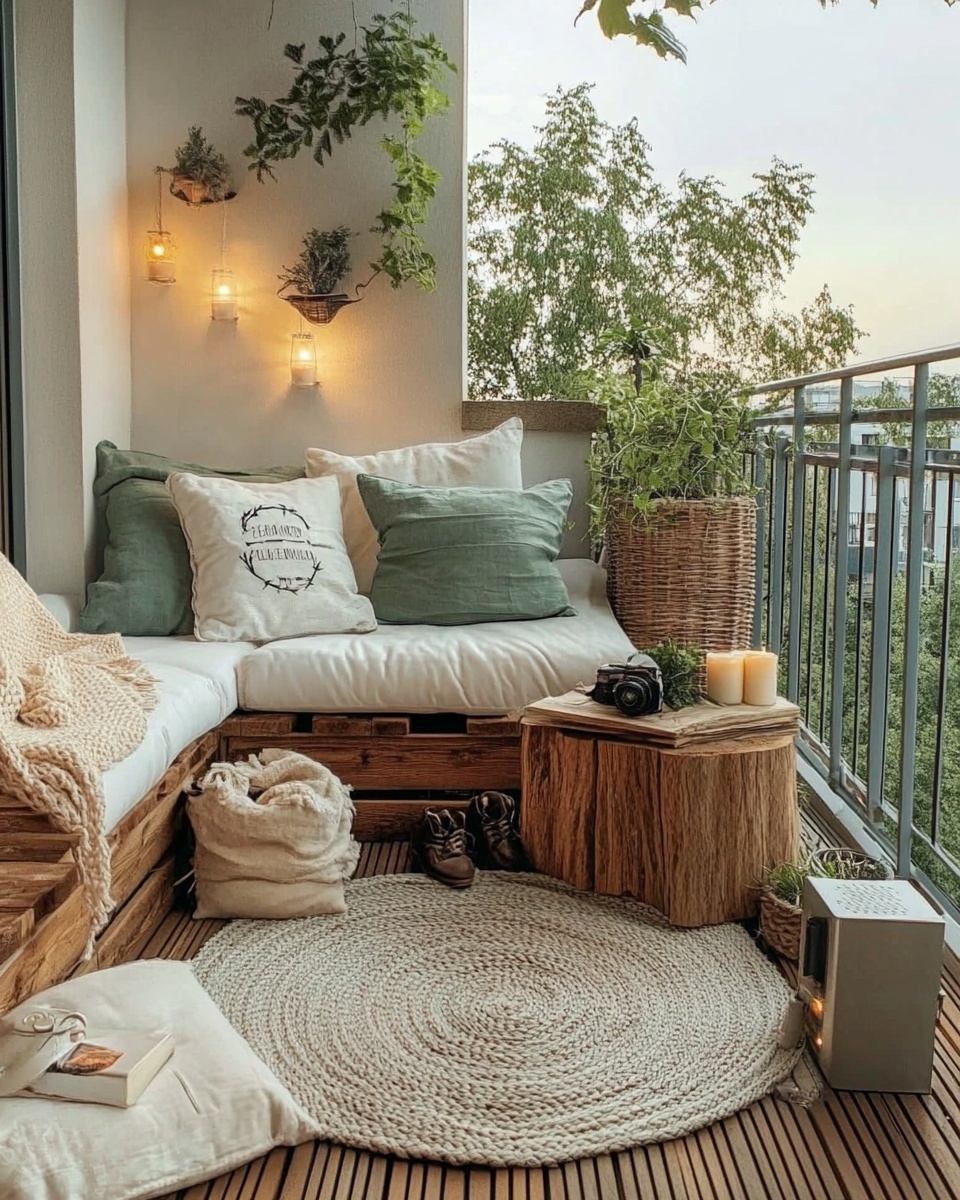
When you think of transforming an outdoor space, do you immediately picture expansive backyards and sprawling gardens? Data suggests that over 50% of urban dwellers feel limited by small spaces, believing lush greenery and vibrant blooms are out of reach. But what if I told you that even the most compact of balconies or patios can become a breathtaking botanical haven, brimming with life and style? This comprehensive guide dives deep into creative strategies and smart patio ideas that will not only maximize your small balcony's potential but also create a personal oasis. We’ll explore everything from smart plant choices to ingenious decor solutions, proving that a lack of square footage doesn't mean sacrificing your green thumb dreams. By the end, you'll be inspired to turn your modest outdoor area into an enchanting escape, enhancing both your home's aesthetic and your personal well-being.
Tools & Materials Needed
To embark on your balcony transformation journey, gathering the right tools and materials is crucial. You don't need a massive investment; smart choices go a long way.
Here's a detailed list:
- Pots and Planters: Variety is key. Think vertical planters (stackable or hanging), railing planters, and modular self-watering pots. For an eco-friendly option, repurpose old tires (painted vibrantly), wooden crates, or tin cans (ensure drainage holes are added). Consider lightweight plastic or fabric grow bags for easy relocation.
- Quality Potting Mix: A good all-purpose potting mix is essential. Look for organic blends with good drainage and water retention. For budget-friendly alternatives, you can make your own by mixing compost, perlite, and a bit of sand.
- Seeds or Starter Plants: Choose plants suitable for your balcony's sunlight exposure and your climate zone. Herbs, small vegetables like cherry tomatoes or radishes, compact flowers like petunias or nasturtiums, and succulents are excellent choices for small patio ideas.
- Small Hand Trowel and Cultivator: Essential for digging, planting, and loosening soil.
- Watering Can with a Fine Rose: Gentle watering prevents soil erosion and protects delicate seedlings. A spray bottle is also great for misting.
- Gardening Gloves: Protect your hands from soil, thorns, and potential irritants.
- Pruning Shears/Snips: For trimming, deadheading, and light pruning. Invest in a sharp pair for clean cuts.
- Fertilizer: Organic options like worm castings, compost tea, or slow-release granular fertilizers are excellent. For a budget-friendly and eco-conscious choice, consider making your own compost tea from kitchen scraps.
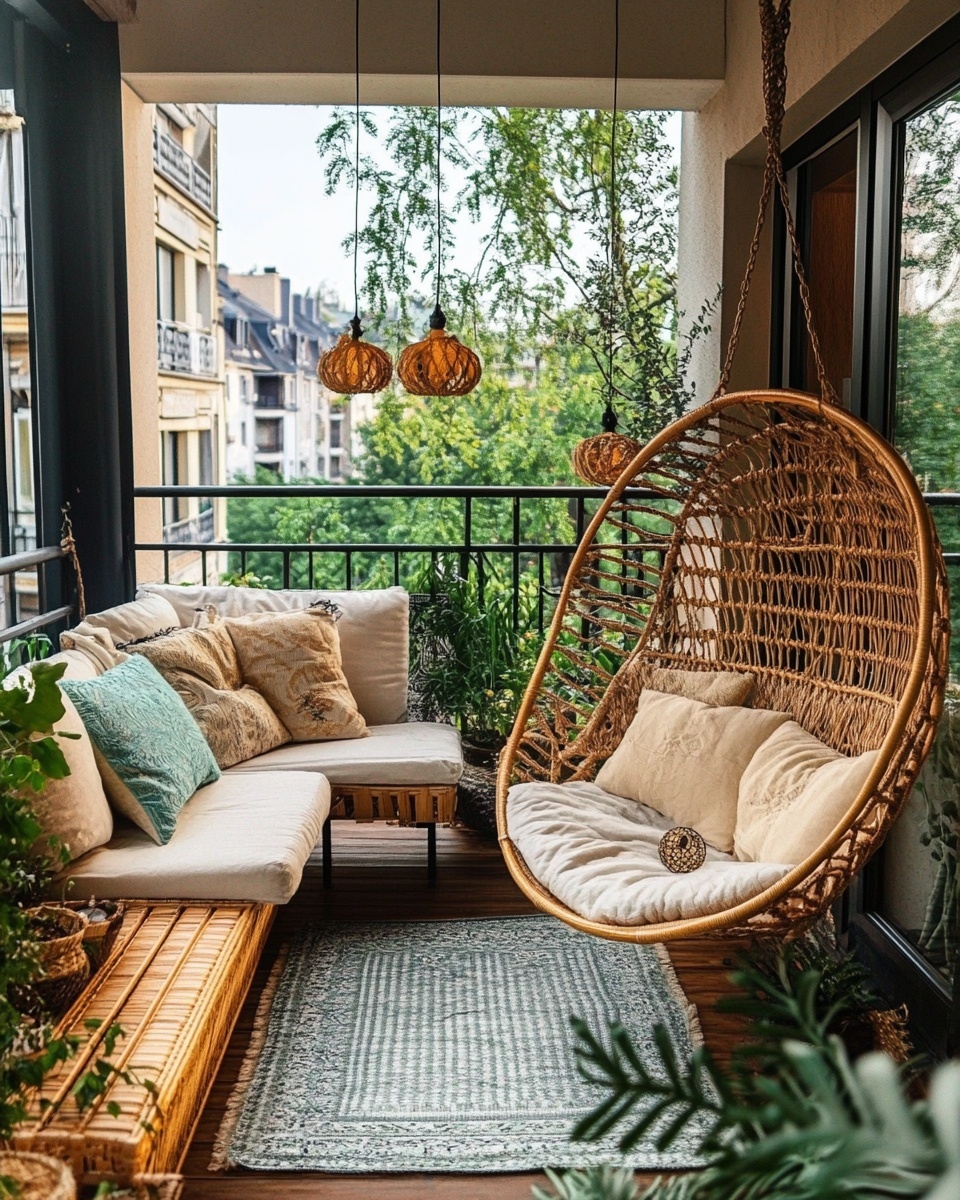
- Decor Elements: String lights, small outdoor rugs, foldable furniture, decorative pebbles, and small statues can enhance the ambiance. Upcycled items like old ladders for vertical displays or painted terracotta pots add character.
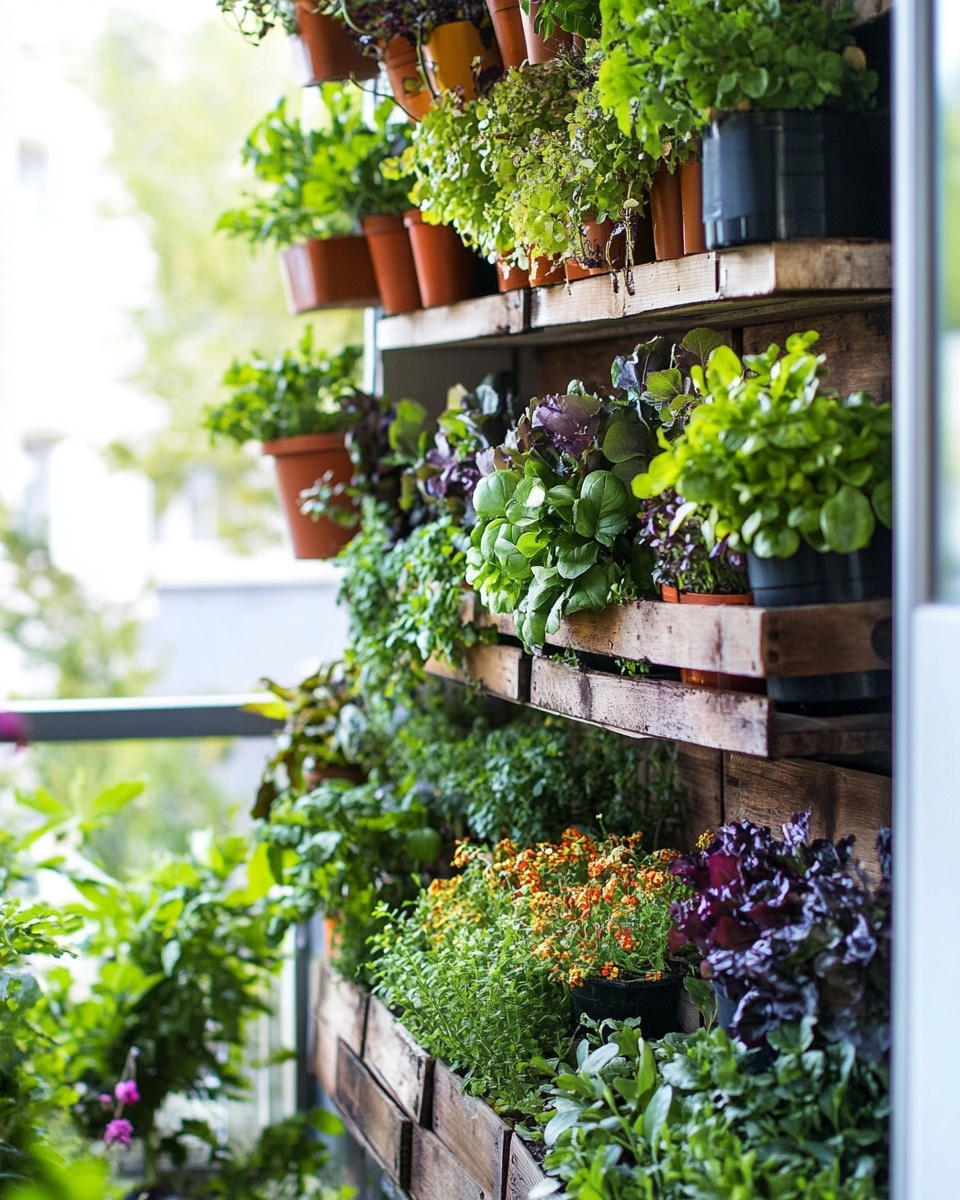
- Vertical Gardening Structure (Optional but Recommended): This could be a trellis, a tiered plant stand, or a DIY pallet garden. Maximizing vertical space is a cornerstone of smart patio ideas for small areas.
Time & Effort Overview
Transforming your balcony into a green sanctuary is a rewarding process that doesn't demand an excessive amount of time, especially with savvy patio ideas.
- Initial Setup/Planting: For a small balcony, expect to spend 2-4 hours for initial setup, including cleaning, arranging pots, and planting your chosen flora. This can be done in a single afternoon.
- Growth Period: Most herbs and fast-growing vegetables show significant growth within 2-4 weeks. For example, radishes mature in about 3-4 weeks, growing over 30% faster than larger root vegetables. Many annual flowers will begin blooming within 6-8 weeks of planting from seed.
- Daily Maintenance: A quick 10-15 minutes daily for watering, checking for pests, and minor adjustments is usually sufficient.
- Weekly Maintenance: Around 30 minutes to an hour weekly for deadheading, light pruning, and perhaps a quick organic feed.
- Seasonal Maintenance: Larger tasks like repotting or amending soil might take 1-2 hours once or twice a season.
Difficulty Level: This project is firmly in the Beginner to Intermediate category. While planting is straightforward, understanding your specific plants' needs (sunlight, water) and recognizing early signs of pests or nutrient deficiencies will elevate your gardening skills. It's a continuous learning curve, but immensely fulfilling.
Step-by-Step Gardening Process
Let's get your compact outdoor space blossoming! These steps will guide you to implement fantastic patio ideas efficiently.
Step 1: Clean and Assess Your Space
First, clear your balcony. Sweep away debris. Clean surfaces thoroughly. Observe how much direct sunlight your balcony receives throughout the day. North-facing balconies get less sun, south-facing get the most. This assessment is vital for plant selection. Don’t worry if your balcony is shadier; there are plenty of beautiful shade-loving plants!
Step 2: Plan Your Layout
Sketch out your patio ideas. Consider vertical elements. Where will hanging baskets go? Which corner is best for a tiered plant stand? Think about flow and accessibility. Ensure you can still move freely. Maximize every inch.
Step 3: Choose Your Containers
Select pots appropriate for your chosen plants and space. Remember, vertical planters and railing planters are game-changers for small areas. Ensure all containers have drainage holes. If not, drill them yourself. Adequate drainage prevents root rot.
Step 4: Prepare the Soil
Fill your chosen containers with a high-quality potting mix. Leave about an inch of space from the rim. Good soil is the foundation for healthy plants. Moisten the soil slightly before planting.
Step 5: Plant Your Seeds or Starters
Carefully plant seeds or transplant starter plants. Follow the specific depth and spacing instructions on seed packets or plant labels. Gently press the soil around the base of each plant. For seeds, sprinkle a thin layer of soil over them.
Step 6: Initial Watering
Immediately after planting, give your plants a thorough but gentle watering. The goal is to settle the soil around the roots. Use a watering can with a fine rose so you don’t dislodge seeds or delicate new plants.
Step 7: Arrange and Decorate
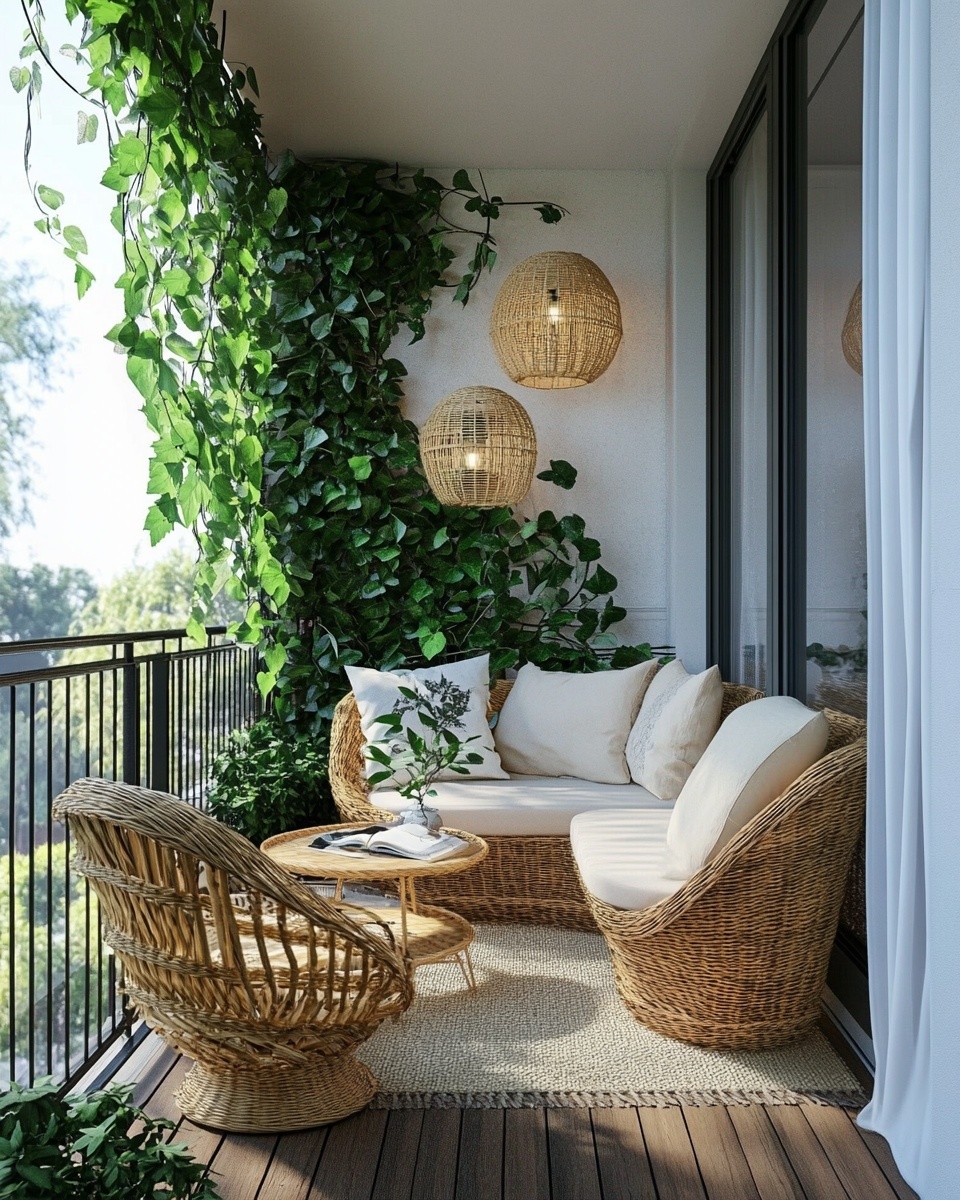
Now comes the fun part! Arrange your plants and pots according to your layout plan. Add decorative elements like string lights, a small outdoor mat, or a cozy cushion. Create a welcoming atmosphere. These aesthetic patio ideas truly make a difference.
Growth & Care Tips
Consistent care is the secret to a thriving balcony garden.
- Watering Frequency: This is perhaps the most critical aspect. Overwatering is responsible for plant death in an estimated 60% of cases, often leading to root rot. Check soil moisture daily by sticking your finger about an inch into the soil. Water when the top inch feels dry. Plants in smaller pots or those exposed to more sun will need water more frequently, sometimes twice a day during hot spells. Early morning watering is generally best, allowing plants to absorb moisture before the heat of the day.
- Sunlight Exposure: Ensure your plants receive the appropriate amount of sunlight. Sun-loving plants like most herbs (basil, thyme) and flowering annuals need 6+ hours of direct sun. Partial shade plants (lettuce, mint) prefer 3-6 hours, while shade-tolerant options (ferns) thrive with less than 3 hours or indirect light. Rotate pots occasionally for even growth.
- Pruning: Regularly prune spent flowers (deadheading) and yellowing leaves. This encourages new blooms and bushier growth. For herbs, frequent harvesting of outer leaves promotes continuous production. Studies show regular pruning can increase yield by up to 20% in some edible plants.
- Fertilization: Potted plants deplete soil nutrients faster than in-ground gardens. Feed your plants every 2-4 weeks during the growing season with a balanced liquid fertilizer or a slow-release granular option. Always follow product instructions. Organic options like diluted compost tea or fish emulsion are excellent for nutrient delivery.
- Pest Prevention: Inspect your plants regularly for signs of pests (chewed leaves, sticky residue, tiny bugs). Early detection is key. Use organic pest control methods like neem oil spray, insecticidal soap, or simply a strong jet of water to dislodge small infestations. Companion planting (e.g., marigolds deterring nematodes) can also be effective.
Eco-Friendly & Sustainable Alternatives
Embracing sustainability makes your gardening efforts even more rewarding.
- Composting: Start a small vermicompost bin or a traditional tumbler compost right on your balcony. It’s perfect for diverting kitchen scraps and producing nutrient-rich compost for your plants. This reduces waste and enriches your soil naturally.
- Natural Fertilizers: Beyond your own compost, consider options like coffee grounds (for acid-loving plants), banana peels (potassium boost), or eggshells (calcium). These are budget-friendly and reduce reliance on synthetic chemicals.
- Water Conservation: Install a small rain barrel if permissible to collect rainwater for your plants. Use self-watering planters or add water-retaining crystals to your potting mix. Grouping plants together can create a microclimate, reducing water evaporation.
- Recycled/Upcycled Containers: Get creative with your patio ideas by transforming plastic bottles into vertical planters, old tea tins into herb pots, or repurposing wooden pallets into a vertical garden. This saves money and reduces waste.
- Native Plants: Choose plants native to your region. They are often more resilient, require less water and fertilizer, and support local pollinators, contributing to biodiversity.
Creative Ideas & Uses
Beyond just growing plants, a balcony garden is an extension of your personal style.
- Layered Aesthetics: Combine plants of varying heights, textures, and colors to create visual interest. Tall grasses or small trellised vines (like morning glories) in the back, medium-sized herbs or flowers in the middle, and trailing plants (like ivy or petunias) cascading over the edge.
- Repurpose & Reuse: That old ladder? Lean it against the wall and use its rungs to display small potted plants, creating a chic vertical display. Vintage teacups can become adorable succulent planters. An old wooden palette can be transformed into a stunning vertical garden with minimal effort. This aligns perfectly with DIY patio ideas.
- Lighting Ambiance: Stringing fairy lights or solar-powered lanterns adds magical warmth to your balcony after dusk. Strategically placed LED spotlights can highlight your favorite plants.
- Comfort Zones: Even a tiny balcony can accommodate a small, foldable bistro set or a comfortable floor cushion. Add a small outdoor rug to define the space and make it feel cozier. Think about how you’ll use the space – for morning coffee, reading, or evening relaxation.
- Edible Delights: Don't just grow flowers! Create an edible garden with herbs like basil, mint, and rosemary, or small vegetables like lettuce, radishes, and bush beans. Imagine harvesting your own fresh ingredients just steps away from your kitchen. This elevates standard patio ideas into functional living spaces.
- Scented Sanctuary: Plant aromatic herbs like lavender, jasmine, or scented geraniums. The fragrance will transform your balcony into a sensory retreat.
- Seasonal Rotation: Plan your planting to have something blooming or growing year-round. This involves rotating annuals and perhaps incorporating some small evergreens for winter interest.
You can find further inspiration for outdoor decor and gardening on platforms like Pinterest.
Common Mistakes to Avoid
Even experienced gardeners make errors; learning from them is crucial.
- Overwatering/Underwatering: As mentioned, overwatering can cause root rot in 60% of houseplants and potted plants. Conversely, letting plants completely dry out stresses them. Consistency is key. Always check soil moisture before watering.
- Ignoring Drainage Holes: Without proper drainage, water sits and suffocates roots. This is a common oversight. Ensure all pots have holes, or drill them yourself.
- Incorrect Plant Placement: Putting sun-loving plants in deep shade or vice versa will lead to poor growth or death. Assess your light conditions and choose plants accordingly.
- Crowding Plants: While it’s tempting to fit many plants into a small space, overcrowding restricts air circulation and can lead to fungal diseases and nutrient competition. Give plants room to breathe.
- Neglecting Pest Checks: Pests can quickly decimate a small garden. A swift, early response is much easier than tackling a full-blown infestation. Make inspections part of your routine.
- Forgetting to Fertilize Potted Plants: Nutrients in potting soil get used up quickly. Skipping fertilization is akin to starving your plants.
- Using Garden Soil in Pots: Garden soil is too heavy and compacts easily in containers, restricting root growth and drainage. Always use a good quality potting mix.
Maintenance & Storage Tips
Long-term success relies on ongoing care and smart seasonal strategies.
- Seasonal Clean-ups: At the end of each growing season, remove spent annuals, prune back perennials, and clean out pots. This prevents disease and prepares your space for the next round of planting.
- Soil Amendment: Potted soil compacts and loses nutrients over time. Refresh your pots annually by removing about an inch of old soil and replacing it with fresh potting mix and compost. For established plants, consider top-dressing with compost.
- Winterizing: If you live in a cold climate, bring tender plants indoors before the first frost. Clean and store empty pots, tools, and garden accessories in a dry, protected area. For perennial herbs and plants, add a layer of mulch for insulation.
- Tool Care: Clean your gardening tools after each use. Store them in a dry place to prevent rust. Sharp pruning shears make clean cuts, which are healthier for plants.
- Seed Storage: If you're saving seeds, ensure they are thoroughly dry before storing them in airtight containers in a cool, dark place. This preserves their viability for future seasons.
- Addressing Yellow Leaves: Yellow leaves often indicate overwatering, underwatering, or nutrient deficiency. Assess your plant's conditions and adjust accordingly. Brown, crispy leaves usually mean underwatering or too much direct sun. Here’s how to fix common issues: check soil moisture, ensure proper drainage, and consider a balanced fertilizer if other factors are ruled out.
Conclusion
Transforming a small balcony into a vibrant garden space is an incredibly rewarding endeavor. We've journeyed through essential tools, efficient planting processes, and the secrets to long-term plant health, peppered with creative patio ideas that maximize every inch. Remember, your balcony is a blank canvas, offering endless possibilities for personal expression and a closer connection to nature. Don't let limited space deter you; with the right approach, your compact outdoor area can flourish into a mesmerizing retreat. Now, it's your turn to get your hands dirty! Start small, experiment with these innovative patio ideas, and watch your balcony burst into life. We'd love to see your progress – share photos of your blossoming balcony gardens in the comments below or tag us on social media! For more inspiration, explore our beginner-friendly guides and discover exciting new projects.
FAQ
Q1: What are the best plants for a small balcony with limited sunlight?
A1: For balconies with limited sunlight, consider shade-tolerant plants like impatiens, fuchsias, ferns, hostas, and many herbs such as mint and parsley. Leafy greens like lettuce and spinach also thrive with less intense light. These are excellent choices for shady patio ideas.
Q2: How often should I water my balcony plants?
A2: Watering frequency depends on several factors: plant type, pot size, and weather. A general rule for patio ideas is to check the soil daily. Stick your finger an inch deep into the soil; if it feels dry, it's time to water. Plants in smaller pots or during hot weather will need more frequent watering.
Q3: Can I grow vegetables on a small balcony?
A3: Absolutely! Many vegetables are perfectly suited for small spaces and make for productive patio ideas. Look for compact varieties of cherry tomatoes, bush beans, radishes, carrots, and various leafy greens. Vertical planters can significantly increase your yield. You might find our guide on "Best Vegetables to Grow for Beginners" helpful.
Q4: How can I maximize vertical space on my balcony?
A4: Vertical gardening is key for small balconies. Use wall-mounted planters, tiered plant stands, hanging baskets, and trellises for climbing plants. Repurposed pallets or old ladders can also create effective vertical displays, enhancing your patio ideas.
Q5: What's the biggest mistake beginners make in balcony gardening?
A5: The most common mistake is improper watering – either overwatering or underwatering. Both can lead to plant stress and death. Another common error is neglecting proper drainage and choosing plants unsuitable for the balcony's light conditions. Understanding your specific plant needs is crucial for successful patio ideas.
Q6: What kind of soil should I use for potted plants on my balcony?
A6: Always use a high-quality, lightweight potting mix specifically formulated for containers. This provides better drainage and aeration than heavy garden soil, which can compact and suffocate roots in pots.
Q7: Are there any low-maintenance plants for busy gardeners?
A7: Yes! Succulents, cacti, sedum, lavender, rosemary, and many ornamental grasses are excellent low-maintenance choices. They require less frequent watering and general care, making them perfect for busy individuals seeking beautiful patio ideas with minimal fuss. You might want to check out "Low-Maintenance Flowers for Busy Gardeners".
More Gardening Inspiration for Your Outdoor Haven
If you're eager to expand your gardening knowledge and embrace more creative patio ideas, here are some fantastic resources:
- For those just starting out with edibles, our guide on "How to Start a Vegetable Garden from Scratch" provides a comprehensive roadmap to getting your first harvest.
- Looking to add fragrant herbs to your balcony? Dive into "Balcony Herb Garden Design Ideas" for inspiration on creating a beautiful and functional herb sanctuary.
- To learn more about nurturing your plants throughout the seasons, our article on "Flower Gardening Tips for Every Season" offers invaluable advice for continuous blooms and healthy growth.