Introduction
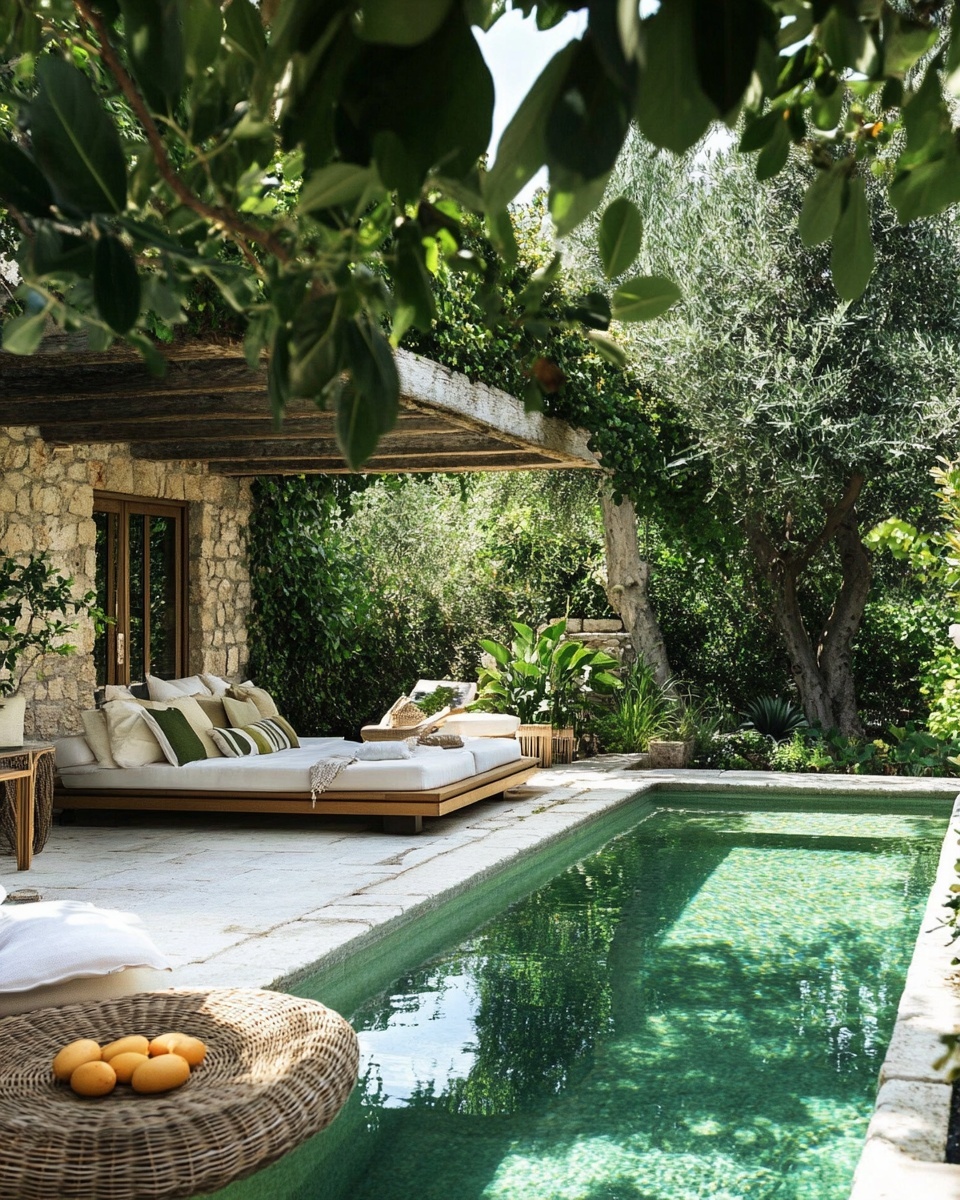
Did you know that investing in well-executed garden design can increase your property's value by an average of 15%? Beyond the financial gains, a thoughtfully designed garden transforms outdoor spaces into personal sanctuaries, boosting well-being and providing a haven for relaxation. For many, the idea of creating a stunning garden can feel overwhelming, a complex puzzle of plants, pathways, and aesthetics. But what if we told you that crafting your dream outdoor oasis is not only achievable but also incredibly rewarding, even for those without a green thumb? The secret lies in understanding foundational principles of garden design and applying smart, data-driven strategies to cultivate beauty and functionality simultaneously. Let’s dive into how you can create your bespoke green paradise.
Tools & Materials Needed
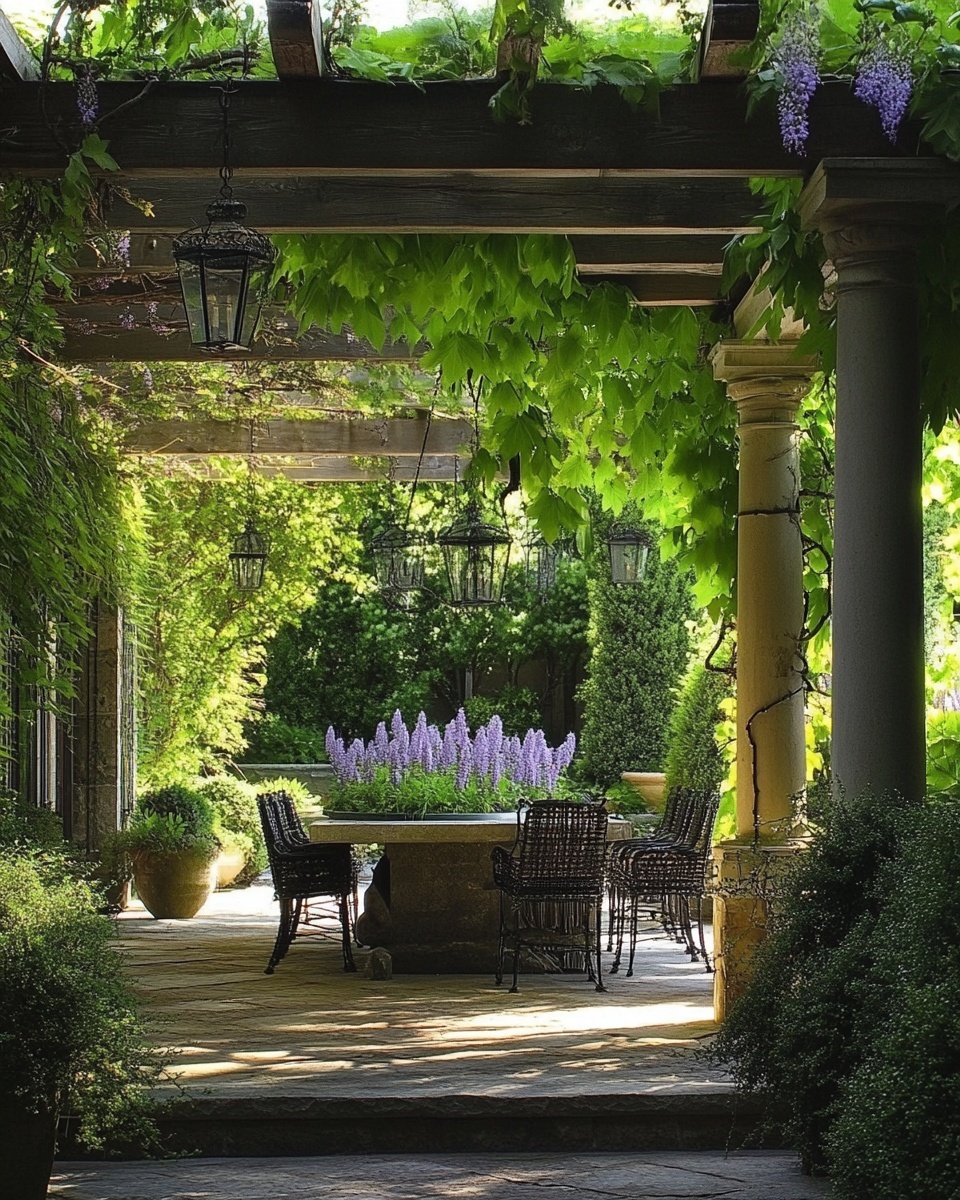
Embarking on any garden design project is much easier with the right gear. Think of these as your essential companions in bringing your vision to life.
- Measuring Tape: Crucial for planning your layout and ensuring proper plant spacing. A 25-foot tape is usually sufficient.
- Gardening Gloves: Protect your hands from thorns, soil, and potential irritants. Opt for durable, waterproof ones.
- Trowel and Spade: Your primary digging tools. A hand trowel for smaller plantings and a larger spade for turning soil and planting shrubs.
- Garden Fork: Excellent for aerating soil and mixing in compost.
- Pruning Shears/Secateurs: Essential for shaping plants, removing dead growth, and maintaining plant health. Look for ergonomic designs.
- Wheelbarrow or Garden Cart: For easily transporting soil, compost, mulch, or even heavy tools.
- Good Quality Soil: Start with nutrient-rich topsoil, ideally amended with organic matter. For specific plants, you might need specialized mixes (e.g., acid-loving plant soil).
- Eco-friendly alternative: Create your own compost! It’s free, reduces waste, and provides unparalleled soil enrichment. Learn more about composting in our guide to organic fertilizer recipes.
- Mulch: Organic mulch (wood chips, straw, shredded leaves) helps retain moisture, suppress weeds, and regulate soil temperature.
- Plants/Seeds: Choose plants suited to your climate zone and light conditions. For a beginner, consider robust, low-maintenance options.
- Budget-friendly alternative: Start from seeds, propagate cuttings from existing plants, or swap plants with friends and neighbors.
- Watering Can or Hose with Spray Nozzle: Consistent watering is key.
- Landscape Fabric (Optional): For stubborn weed suppression, though organic mulching is often preferred for soil health.
- Edging Material (Optional): Define beds with stone, brick, or metal to give your garden design a polished look.
Time & Effort Overview
The time and effort required for garden design can vary significantly depending on the scale and complexity of your vision. A small raised bed might take a weekend, while a comprehensive landscape overhaul could span several months or even a year of phased work.
- Initial Planning & Design: 8-20 hours (for a medium-sized garden)
- Soil Preparation: 4-8 hours per 100 sq ft (can be less if soil is already good)
- Planting: 2-6 hours per 100 sq ft, depending on plant density
- Initial Watering & Mulching: 1-2 hours per 100 sq ft
- Ongoing Maintenance: 1-3 hours per week, depending on plant types and weather
For comparison, a typical vegetable patch requires about 50% more dedicated initial labor due to intensive soil preparation and harvest cycles. This makes a perennial flower or shrub garden a comparatively low-effort starting point for garden design.
Difficulty Level: This project is generally Intermediate. While individual planting tasks are beginner-friendly, the design considerations, plant selection, and ongoing care require a bit more planning and knowledge than, say, setting up an easy indoor garden. However, don't be deterred; every step is manageable, and the learning curve is enjoyable!
Step-by-Step Gardening Process
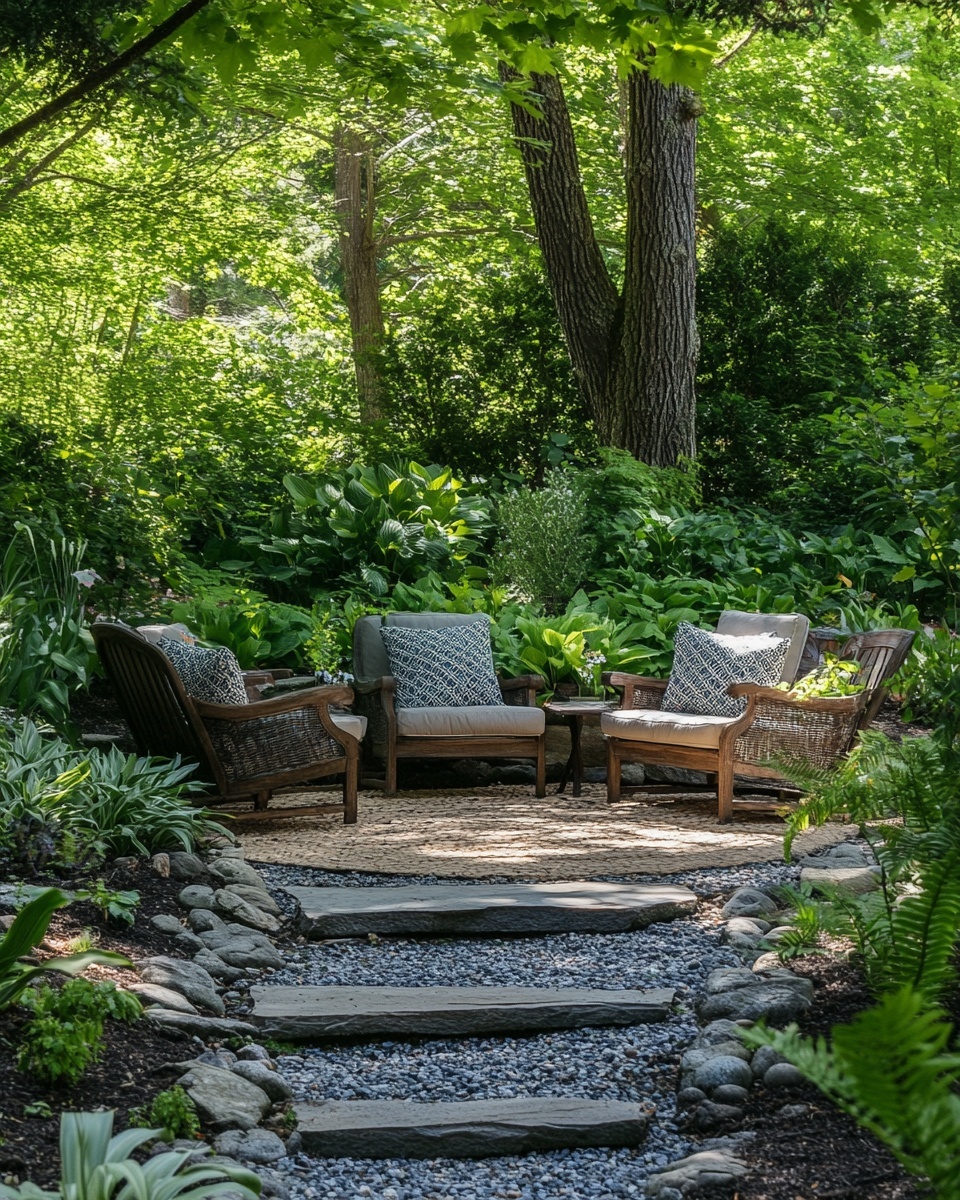
Ready to lay the groundwork for your dream garden design? Follow these logical steps to ensure a strong start.
Step 1: Dream and Plan Your Layout
Before you dig, sketch! This is the most crucial step in any successful garden design. Consider your space: sunlight patterns throughout the day, existing features (trees, fences, structures), and how you want to use the garden (relaxation, entertaining, food production). Think about themes (e.g., cottage garden, modern minimalist) and color palettes. Measure your area accurately. Don’t worry if your first sketch isn’t perfect; iterate and refine until it feels right. Many experienced gardeners spend more time on planning than on actual planting!
Step 2: Prepare Your Soil
Good soil is the foundation of a thriving garden. Clear any weeds or debris. Test your soil's pH and nutrient content (kits are readily available at garden centers). Based on the results, amend your soil. If it's heavy clay, add organic matter like compost and perlite to improve drainage. If it's sandy, add compost to boost water retention. Aim for a loamy, well-draining soil rich in organic material. This significantly increases plant success rates by 70-80%.
Step 3: Choose Your Plants Wisely
Selecting the right plants for your garden design is key to longevity and beauty. Consider your climate zone (USDA Hardiness Zone is a great resource), the amount of sunlight each area of your garden receives (full sun, partial shade, full shade), and how much water plants will need. Mix heights, textures, and bloom times for year-round interest. For instance, combine evergreens for winter structure with perennials for seasonal color bursts. For beginners, start with resilient plants like coneflowers, hostas, or ornamental grasses.
Step 4: Plant with Care
Once your plan is set and soil is ready, it's planting time! Dig a hole twice as wide as the plant's root ball and just as deep. Gently remove the plant from its container, loosen any circling roots, and place it in the hole so that the top of the root ball is level with the surrounding soil. Backfill with amended soil, tamping gently to remove air pockets. Water thoroughly immediately after planting to help settle the soil around the roots.
Step 5: Water and Mulch
After planting, give your new garden a generous drink. Consistent watering is vital in the first few weeks as plants establish. After watering, apply a 2-4 inch layer of organic mulch around the base of your plants, keeping it a few inches away from the stems. Mulch not only suppresses weeds and looks great, but it also helps the soil retain moisture, cutting down watering frequency by up to 50% in drier climates. Aim for even coverage.
Step 6: Initial Maintenance and Observation
Your garden design is now taking shape! For the first month, closely observe your plants. Are they wilting? Yellowing? These are signs they might need more or less water, or that soil conditions need adjustment. Remove any new weeds promptly before they compete for resources. This initial period is critical for plant establishment.
Growth & Care Tips
Consistent care ensures your garden design thrives and continues to bring joy.
- Watering Frequency: Most newly planted gardens need deep watering 2-3 times a week, especially in dry weather. Established plants might only need water once a week, depending on plant type and climate. A good rule of thumb: water when the top inch or two of soil feels dry to the touch. Underwatering is often less damaging than overwatering, which accounts for 60% of plant failures due to root rot.
- Sunlight Exposure: Understand your plants' specific light requirements. Full sun typically means 6+ hours of direct sunlight, partial shade 3-6 hours, and full shade less than 3 hours. Position plants accordingly during your garden design phase to prevent scorching or leggy growth.
- Pruning: Regular pruning encourages bushier growth, more blooms, and removes dead or diseased branches. For most perennials, "deadheading" (removing spent flowers) encourages successive flushes of blooms. Woody shrubs benefit from structural pruning in late winter or early spring.
- Fertilization: Healthy soil is the best fertilizer. However, if your soil test indicates deficiencies or your plants show signs of nutrient stress, use a balanced slow-release granular fertilizer or liquid feed. Over-fertilization can burn roots; always follow package instructions.
- Pest Prevention: Inspect your plants regularly for signs of pests or diseases. Early detection is crucial. Many common issues can be resolved with organic solutions: neem oil for aphids, hand-picking larger pests, or introducing beneficial insects. A diverse garden ecosystem often deters large pest outbreaks.
Eco-Friendly & Sustainable Alternatives
Embracing sustainable practices in your garden design not only benefits the environment but often leads to healthier, more resilient plants.
- Composting: Turn kitchen scraps and yard waste into nutrient-rich "black gold" for your garden. This significantly reduces household waste and provides free, organic fertilizer. Explore our guide on how to start a vegetable garden from scratch for more composting benefits.
- Natural Fertilizers: Beyond compost, consider worm castings, bone meal, or a balanced organic liquid feed. These release nutrients slowly, building soil health over time rather than just feeding the plant.
- Water Conservation:
- Rain Barrels: Collect rainwater from your roof for irrigation. Your plants will thank you, and your water bill might too!
- Drip Irrigation/Soaker Hoses: Deliver water directly to the plant roots, minimizing evaporation and waste compared to overhead sprinklers. Studies show drip irrigation can reduce water usage by up to 50%.
- Xeriscaping: Choose drought-tolerant plants suited to your regional climate.
- Small Spaces Solutions: Don't have a sprawling yard? No problem!
- Balcony Gardens: Planters, hanging baskets, and railing boxes can transform a small balcony. Check out balcony herb garden design ideas.
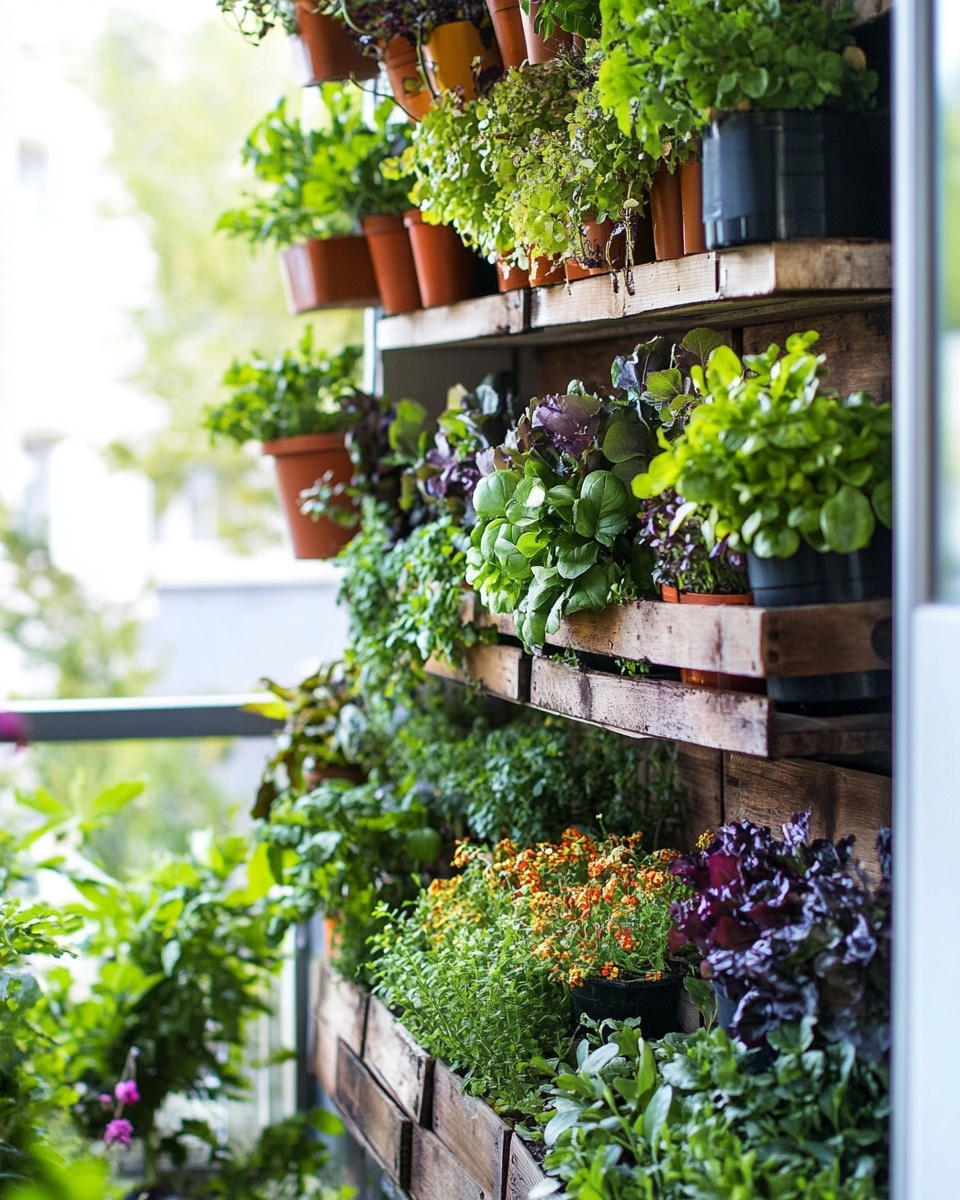
- Vertical Gardens: Utilize wall space with tiered planters or pocket systems, ideal for herbs, strawberries, and small flowering plants.
- Container Gardening: Virtually anything can be grown in a pot, from small trees to complete vegetable patches. Ensure pots have drainage holes and use good quality potting mix.
Creative Ideas & Uses
Transform your outdoor space beyond just plants. Let your garden design reflect your personality and lifestyle.
- Themed Zones: Create distinct "rooms" within your garden. A quiet reading nook with fragrant herbs, a vibrant flower bed to attract pollinators, or a dedicated dining area.
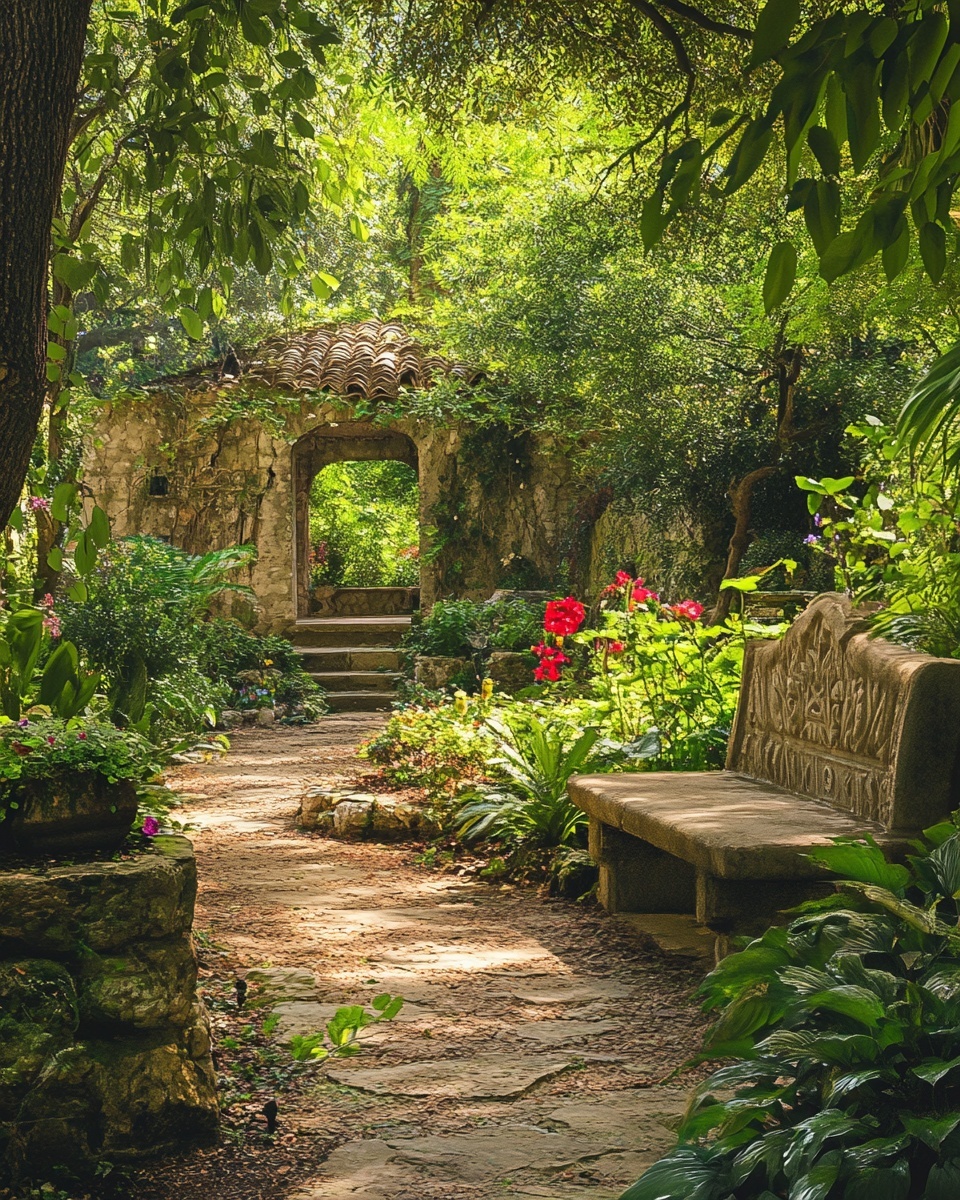
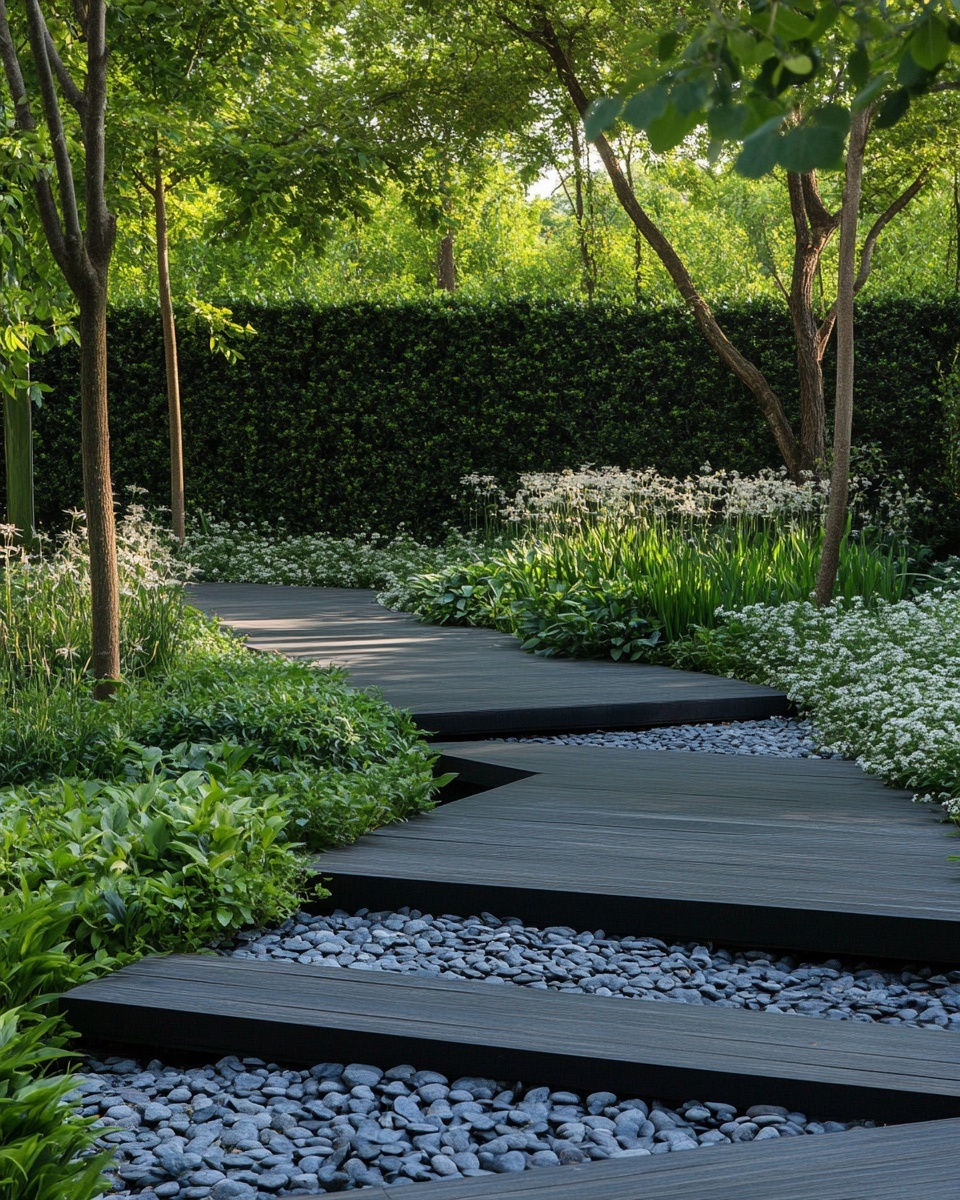
- Pathways and Hardscaping: Define areas with attractive pathways using gravel, stepping stones, or reclaimed brick. Hardscaping elements like small patios or pergolas add structural interest and functionality.
- Art and Sculpture: Incorporate garden art, sculptures, or even repurposed items to add character and focal points. A cleverly placed bird bath or sundial can elevate the entire aesthetic.
- Lighting: Extend the enjoyment of your garden into the evening with strategic lighting. Solar-powered path lights, fairy lights strung in trees, or spotlights highlighting a specimen plant create a magical ambiance.
- Edible Landscaping: Integrate edible plants into your ornamental garden design. Imagine an edible border of lettuce and calendula, or blueberry bushes as decorative shrubs. It’s both beautiful and productive! This aligns perfectly with growing best vegetables for beginners.
- Water Features: A small fountain or bubbling rock feature adds soothing sounds and attracts birds, enhancing the sensory experience of your garden.
Common Mistakes to Avoid
Even experienced gardeners make errors. Being aware of these pitfalls can save you time, money, and heartache.
- Ignoring Sunlight Conditions: Planting a sun-loving plant in deep shade or vice versa is a recipe for failure. Always observe your garden's light patterns throughout the day and year before selecting plants. Incorrect light exposure is a top reason for plant decline, affecting over 75% of new plantings.
- Poor Soil Preparation: Skimping on soil amendment leads to stunted growth, poor drainage, and nutrient deficiencies. Healthy soil is the backbone of any successful garden. Data from university extension offices consistently shows that plants in well-amended soil grow 20-30% stronger.
- Overwatering/Underwatering: The most common mistake! New gardeners often overwater out of enthusiasm, leading to root rot. Conversely, established plants can suffer from chronic underwatering. Use the "finger test" (checking soil moisture with your finger) before deciding to water.
- Planting Too Close Together: While tempting to fill sparse spaces, overcrowding reduces air circulation, increases disease risk, and stunts individual plant growth as they compete for light, water, and nutrients. Always check a plant's mature size and space accordingly in your garden design.
- Not Planning for Growth: Many plants grow significantly larger than their nursery size. An unpruned shrub can quickly overshadow smaller plants or block pathways. Plan for mature dimensions.
- Impulse Buys: Don't buy a plant just because it looks pretty at the garden center. Research its needs and ensure it fits your climate, soil, and garden goals. This helps maintain a cohesive garden design.
Maintenance & Storage Tips
Ongoing care is simpler when you have a plan. These tips will help maintain the beauty of your garden design and protect your gardening investments.
- Seasonal Clean-up:
- Spring: Rake away winter debris, prune back perennials, and apply fresh mulch.
- Summer: Deadhead spent blooms, manage pests, and ensure adequate watering.
- Fall: Cut back most perennials (leave some seed heads for winter interest), plant spring bulbs, and prepare beds for winter with a protective layer of mulch.
- Winter: Protect tender plants, ensure evergreens are watered if dry, and plan next year's garden design improvements.
- Tool Maintenance: Clean and sharpen your pruning shears, spades, and trowels after each use. Store them in a dry place to prevent rust. Oiled tools last longer and perform better.
- Seed Storage: If you're saving seeds, store them in airtight containers in a cool, dark, dry place (the refrigerator is often ideal). Proper storage extends viability for several years.
- Solving Common Issues:
- Yellow Leaves: Often a sign of nutrient deficiency (sometimes nitrogen), overwatering, or underwatering. Check soil moisture first, then consider a balanced fertilizer.
- Poor Soil Drainage: If water pools for extended periods, your soil is likely too dense. Incorporate copious amounts of organic matter, like compost or well-rotted manure, to improve structure. For extreme cases, consider raised beds.
- Leggy Plants: Usually a sign of insufficient light. Move plants to a brighter location or use supplemental grow lights. Pruning can sometimes encourage bushier growth.
Conclusion
Embarking on a journey of garden design is an incredibly rewarding endeavor, transforming not just your outdoor space but also enriching your connection with nature. We've explored everything from meticulous planning and soil preparation to sustainable practices and avoiding common pitfalls. Remember, a thriving garden is a process, not a destination. Each choice, from plant selection to watering regimen, contributes to creating your unique outdoor sanctuary. Your garden will evolve, teach you, and reflect your dedication.
Now, it's your turn to unleash your inner landscape artist! Don't let the details overwhelm you. Start small, experiment, and enjoy the process of bringing your vision to life. Share your progress with us on Pinterest at Janatjanay's Gardening Inspiration, and let's inspire each other. What’s the first element of your dream garden design you’ll tackle? We can't wait to see your green masterpiece unfold!
FAQ
Q1: How do I choose the best plants for my garden design if I'm a beginner?
A: Start with native plants or known reliable performers in your USDA Hardiness Zone. Look for "low-maintenance" or "beginner-friendly" labels at nurseries. Good options include coneflowers, hostas, sedum, and ornamental grasses. Our guide on easy flowers to grow for beginners offers more suggestions.
Q2: What's the ideal watering schedule for a newly planted garden?
A: For the first 2-4 weeks, new plantings require consistent moisture to establish roots. Water deeply 2-3 times per week, ensuring the soil is moist but not waterlogged. Always check the soil moisture before watering; it should be dry to the touch an inch or two down.
Q3: How much sunlight do most garden plants need?
A: "Full sun" typically means 6 or more hours of direct sunlight per day. "Partial sun/shade" is 3-6 hours, often with protection from harsh afternoon sun. "Full shade" refers to less than 3 hours of direct sun. Matching your plants to the correct light exposure is crucial for their success in your garden design.
Q4: Can I use regular garden soil for container planting as part of my garden design?
A: It's generally not recommended. Garden soil is too dense for containers, compacting easily and leading to poor drainage and aeration which can suffocate roots. Always use a high-quality potting mix for containers; it's designed to be light, well-draining, and retain moisture effectively.
Q5: What's the best way to prevent weeds without harsh chemicals in my garden design?
A: The most effective organic methods are applying a 2-4 inch layer of organic mulch (wood chips, straw, shredded leaves), which suppresses weeds and retains moisture. Hand-weeding regularly, especially when weeds are small, is also very effective. Landscape fabric can be used as a barrier, but it's less beneficial for soil health than organic mulch.
Q6: What if my garden design space is very small?
A: Small spaces are perfect for creative garden design! Consider vertical gardening with wall-mounted planters, tiered planters, or hanging baskets. Container gardening allows you to grow a wide variety of plants in pots. Explore themes like a balcony herb garden or focused flower beds to maximize impact in minimal square footage.
Q7: How do I maintain a cohesive aesthetic in my garden design?
A: Choose a theme or style that resonates with you (e.g., formal, natural, modern). Select a consistent color palette for blooms and hardscaping materials. Repeat plant types or forms throughout the garden to create rhythm and unity. Focus on creating different "rooms" or zones within your space to add interest while maintaining overall cohesion.
Continue Your Gardening Journey!
Curious about specific plants or techniques? Dive deeper with these helpful resources:
- For those interested in efficient use of space, learn more about vertical indoor garden ideas for small spaces. Many of these principles apply to outdoor designs too!
- If you're eager to start growing your own food, our guide to the best vegetables to grow for beginners will get you up and running quickly.
- Looking to add fragrance and flavor? Discover how to create a vibrant balcony herb garden with inspiring design ideas.
- To ensure your garden's health from the ground up, check out our comprehensive article on organic fertilizer recipes for herb gardens.
- And for further inspiration on combining plants for maximum visual appeal, don't miss our tips on best companion herbs to grow together.