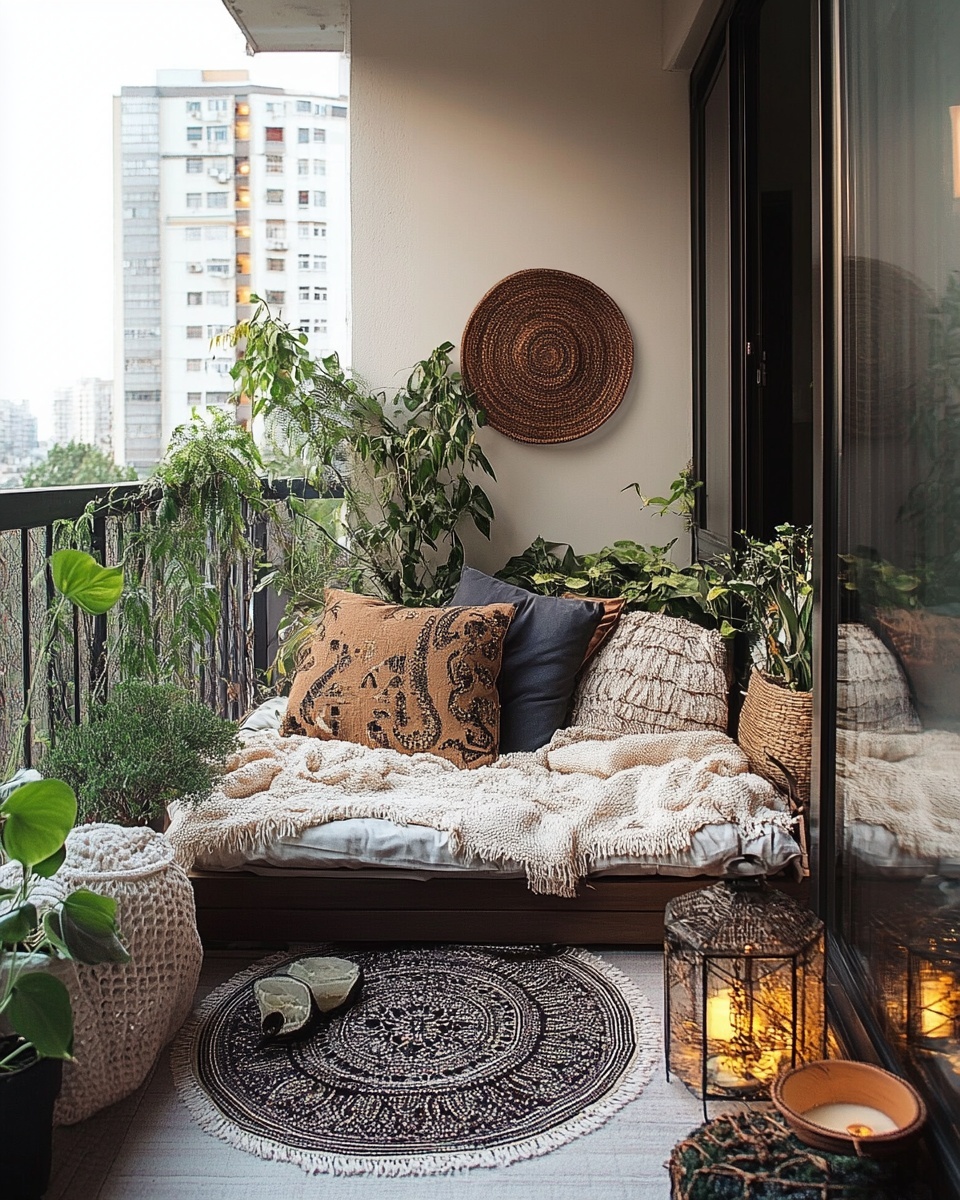
Introduction
Does the thought of transforming your cramped urban apartment balcony into a lush, inviting sanctuary feel like an impossible dream? Many city dwellers resign themselves to barren concrete spaces, unaware that with a few smart ideas and strategic planting, even the smallest patio can become a vibrant extension of their living area. In fact, studies show that access to green spaces, however small, can reduce stress by up to 25% and improve overall well-being. This guide will walk you through creating stunning patio ideas that are both beautiful and functional, proving that a green thumb isn't a prerequisite for cultivating your own outdoor oasis.
Tools & Materials Needed
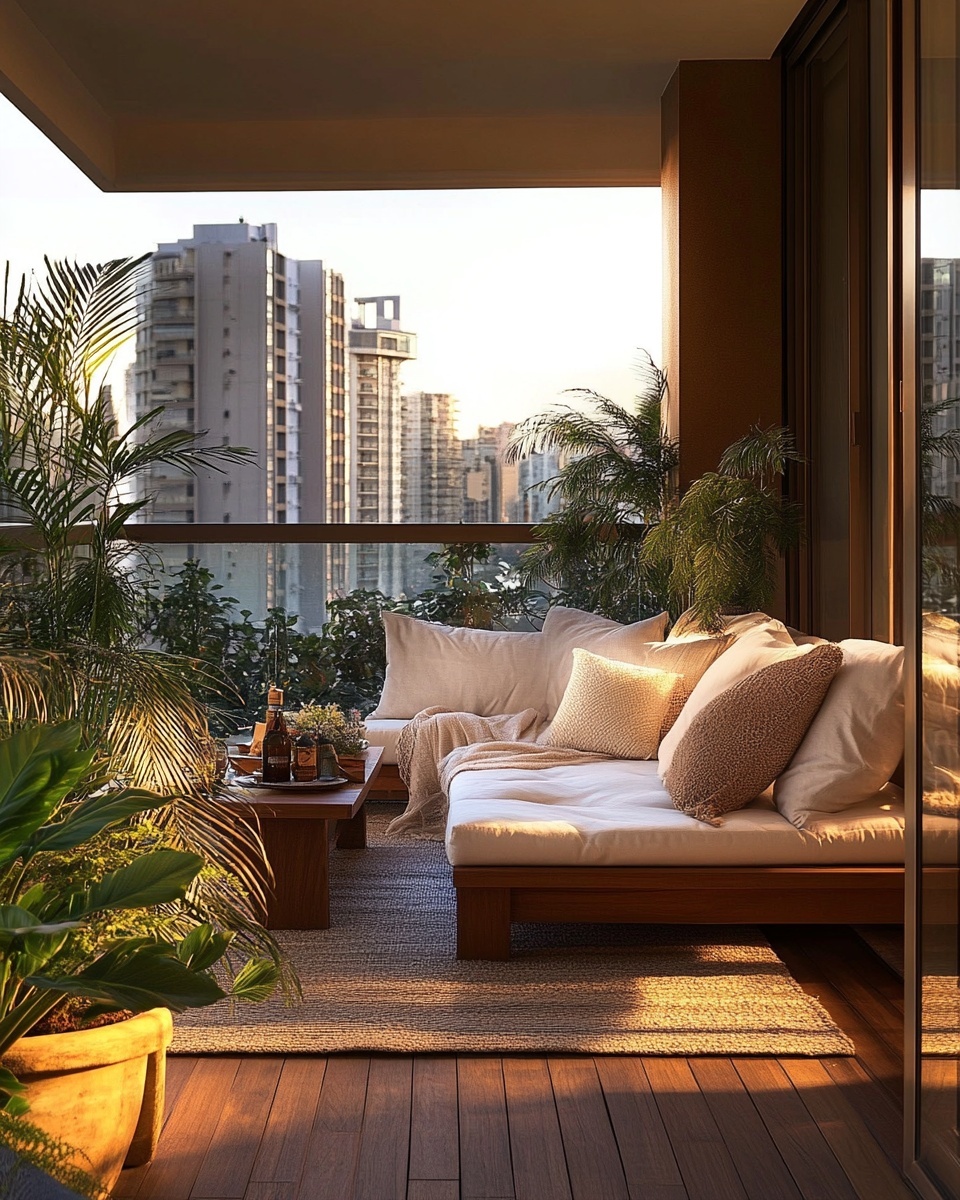
Embarking on your balcony gardening journey requires a core set of tools and materials. Don’t worry, you don’t need a fully stocked shed! Most items are readily available, and we’ll even suggest some eco-friendly and budget-conscious alternatives to keep things sustainable and affordable.
- Pots and Planters: Variety is key! Consider terracotta for a classic look, self-watering planters for convenience (especially for busy gardeners), lightweight plastic for easy rearrangement, or even fabric grow bags. For budget-friendly options, upcycle old tins (drill drainage holes!), plastic containers, or even sturdy woven baskets lined with plastic.
- Quality Potting Mix: This is non-negotiable. Don't skimp here! A good all-purpose potting mix provides essential nutrients and proper drainage. Look for mixes enriched with compost or perlite. Aim for organic options where possible.
- Seeds or Starter Plants: For beginners, starter plants offer immediate gratification and a higher success rate. If you're feeling adventurous, specific seeds for balcony-friendly plants like herbs, dwarf tomatoes, or leafy greens are excellent choices.
- Small Trowel and Hand Pruners: Essential for planting, transplanting, and light trimming. Look for ergonomic designs to make gardening more comfortable.
- Watering Can: A small watering can with a narrow spout allows for precise watering, preventing over-saturation and soil splash. Even an old juice pitcher can serve this purpose!
- Gardening Gloves: Protect your hands from dirt, thorns, and potential irritants.
- Optional but Recommended:
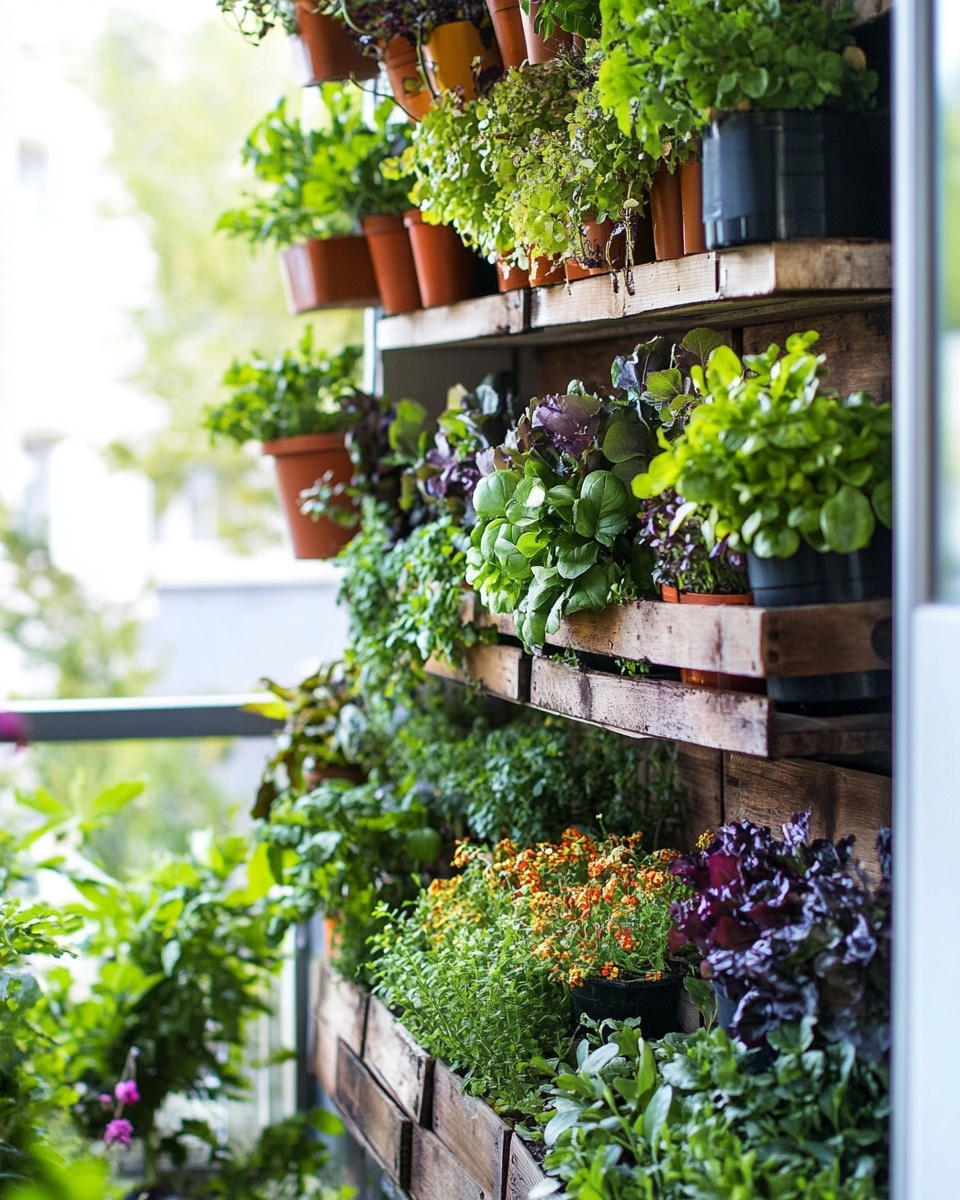
- Vertical Planters/Shelving: Maximize space on a small patio. These can be tiered shelves, hanging pockets, or wall-mounted systems. Think about how much sunlight each level will get.
- Grow Lights: If your balcony receives less than 4-6 hours of direct sunlight, a small LED grow light can significantly boost plant health, especially for herbs or edibles.
- Fertilizer: A balanced liquid fertilizer (like a 5-5-5 NPK ratio) or organic compost will provide a nutrient boost as your plants grow.
- Pebbles or Drainage Material: A thin layer at the bottom of pots can help prevent root rot, though many modern potting mixes are self-draining.
Time & Effort Overview
Creating your balcony oasis is a rewarding process that doesn't demand an excessive time commitment. For initial setup, expect to dedicate 2-4 hours for planting and arranging, depending on the size of your space and the number of plants. This is quicker than establishing a traditional garden plot, which can take a full weekend.
- Planting & Setup: Beginner-friendly. Can be completed in a single afternoon.
- Weekly Maintenance: Around 30-60 minutes for watering, light pruning, and pest checks. This is significantly less than a large backyard garden, which often requires several hours of maintenance per week.
- Growth Rate: Many balcony-friendly plants, especially herbs like basil and mint, show noticeable growth within 1-2 weeks, yielding usable leaves within a month – about 40% faster than some slower-growing vegetables like peppers.
- Difficulty Level: Generally Beginner to Intermediate. Choosing resilient, low-maintenance plants makes it easier. Starting with starter plants rather than seeds further reduces the initial difficulty.
Step-by-Step Gardening Process
Step 1: Assess Your Balcony and Sunlight Exposure
Before you buy a single plant, understand your balcony's unique conditions. Does it face north, south, east, or west? How many hours of direct sunlight does it receive daily? South-facing balconies get the most sun, perfect for herbs and fruiting plants. North-facing balconies, with less direct light, are better suited for shade-loving foliage plants. Use a sun calculator app or simply observe your balcony throughout a sunny day. This crucial step informs your plant choices and layout, preventing disappointment later.
Step 2: Choose Your Plants Wisely
Based on your light assessment, select plants that will thrive. For sun-drenched patios, consider culinary herbs like rosemary, thyme, oregano, and basil, or even small edible plants like cherry tomatoes or strawberries. Partial shade still offers many options: mint, parsley, lettuce, and many common houseplants like ferns or peace lilies. Don’t worry if you’re unsure; most plant tags provide sunlight requirements. For more tailored suggestions, check out our guide on herbs that grow well in small spaces.
Step 3: Select Appropriate Pots and Containers
The right container is vital for healthy plant growth on your patio. Ensure all pots have drainage holes to prevent waterlogging, which is a common plant killer. If using decorative pots without holes, place a smaller, drained pot inside. For maximum space utilization, explore vertical planters or hanging baskets, which are excellent for cascading plants. Consider the size of the mature plant when choosing a pot; a tiny seedling in a huge pot can struggle.
Step 4: Prepare the Soil
Good soil is the foundation of a thriving garden. Fill your chosen containers with a high-quality potting mix. Avoid using garden soil, as it can be too dense and carry pests or diseases. Gently loosen the potting mix before adding it to the pots to ensure good aeration. Leave about an inch of space from the rim of the pot to prevent soil overflow when watering.
Step 5: Plant Your Seeds or Starter Plants
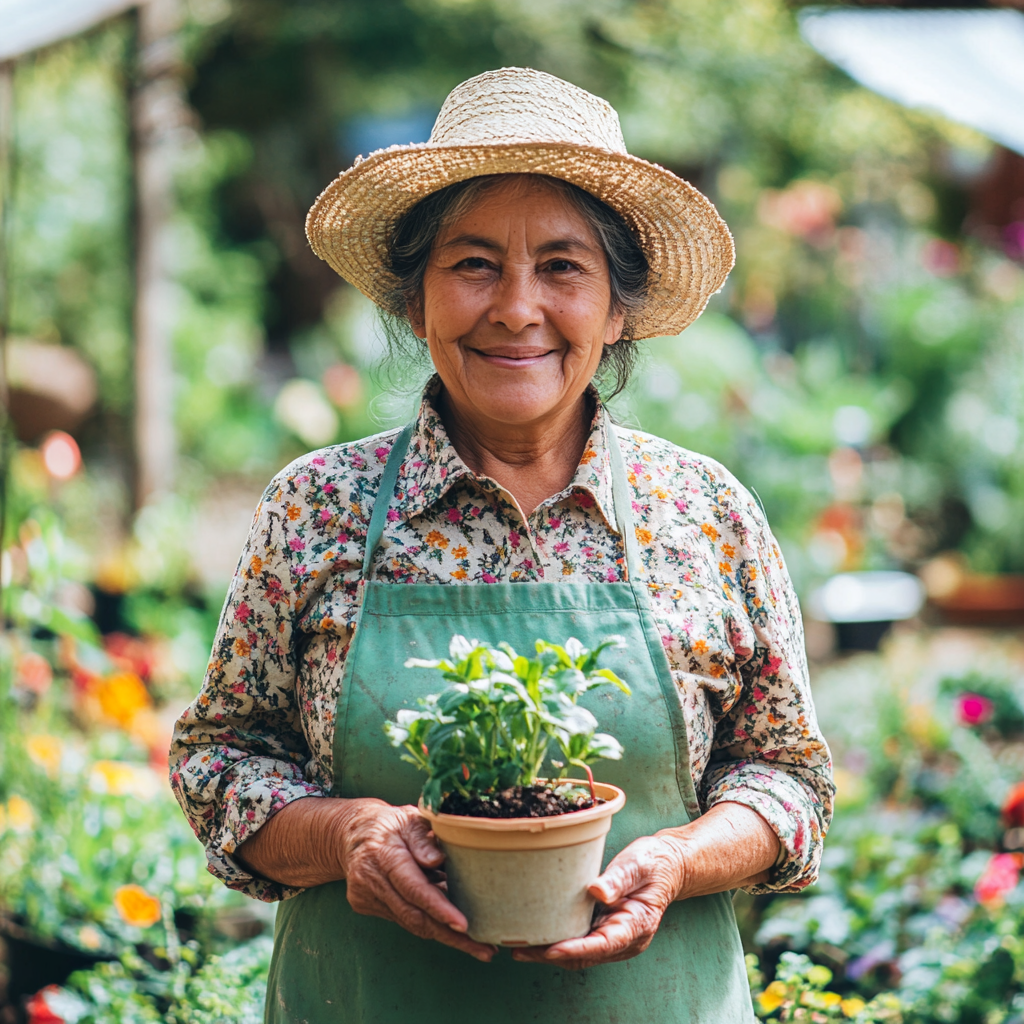
If using starter plants, gently remove them from their nursery pots, being careful not to damage the roots. Dig a hole large enough to accommodate the root ball. Place the plant in the hole, ensuring the top of the root ball is level with the surrounding soil. Backfill with potting mix and gently firm the soil around the base. If planting seeds, follow the instructions on the seed packet regarding depth and spacing. Don’t worry if your first attempt isn’t perfect; practice makes perfect!
Step 6: Water Thoroughly
Immediately after planting, give your plants a good drink of water until you see it draining from the bottom of the pot. This helps settle the soil and eliminate air pockets around the roots. Use a watering can to ensure an even distribution of water.
Step 7: Arrange for Aesthetics and Growth
Now for the fun part: arranging your green treasures! Consider varying heights by using stands or hanging planters. Place taller plants at the back or sides and smaller, trailing plants towards the front. Think about color and texture contrasts. Group plants with similar watering needs together. This thoughtful arrangement enhances both the beauty and growth potential of your patio garden. For more inspiration, explore these balcony herb garden design ideas.
Growth & Care Tips
Consistent care is the secret to a flourishing balcony garden. Here’s how to keep your plants happy and healthy:
- Watering Frequency: This is paramount. The general rule is to check the soil moisture daily by sticking your finger an inch or two into the soil. If it feels dry, it's time to water. Smaller pots dry out faster, often needing water daily in hot weather. Larger pots might only need water every few days. Overwatering is a common killer, reportedly causing root rot in over 60% of houseplant fatalities, so err on the side of slightly dry rather than soggy. Adjust based on plant type, weather, and pot size. For expert techniques, refer to how to water balcony herbs without overwatering.
- Sunlight Exposure: As discussed, ensure your plants receive their required amount of sunlight. Rotate pots every few weeks to ensure even growth and prevent plants from leaning towards the light source.
- Pruning: Regular pinching back or pruning encourages bushier growth and prevents plants from becoming leggy. For herbs, this also means more leaves for you to harvest! Remove any yellow or damaged leaves promptly.
- Fertilization: Potted plants deplete soil nutrients faster than in-ground gardens. Begin fertilizing about 4-6 weeks after planting. Use a balanced liquid feed every 2-4 weeks during the growing season (spring and summer). Always follow package directions to avoid over-fertilizing, which can burn roots. Organic options like diluted fish emulsion or seaweed extract are excellent.
- Pest Prevention: Inspect your plants regularly for signs of pests like aphids, spider mites, or whiteflies. Early detection is crucial. A strong spray of water can dislodge many pests. For persistent issues, use insecticidal soap or neem oil, which are less harmful to beneficial insects and the environment. Companion planting, such as marigolds, can deter some pests naturally.
Eco-Friendly & Sustainable Alternatives
Gardening on your patio is inherently sustainable, but you can take it a step further with these eco-conscious choices:
- Composting: Start a small vermicompost bin for kitchen scraps right on your balcony. The "worm castings" are a rich, natural fertilizer. Alternatively, check if your city offers communal composting options.
- Natural Fertilizers: Beyond homemade compost, consider using coffee grounds (acid-loving plants love them!), banana peels (for potassium), or even diluted cooking water (from boiling vegetables) as nutrient boosts. Explore organic fertilizer recipes for herb gardens for more ideas.
- Water Conservation: Collect rainwater in a small bucket to water your plants. Use self-watering planters or add mulch (like shredded leaves or small stones) to the top of your pots to reduce evaporation. Deep, infrequent watering is generally more efficient than shallow, frequent watering.
- Repurposing Containers: Ditch new plastic! Use old tires, wooden crates, tin cans, or even sturdy plastic bottles as unique planters. Just remember to add drainage holes! This not only saves money but also reduces waste. We even have a guide on DIY balcony herb gardens with recycled containers.
- Native Plants: If suitable for containers, choose native plants that are adapted to your local climate. They often require less water and are more resistant to local pests, supporting local biodiversity.
Creative Ideas & Uses
Your patio isn't just for growing plants; it's an extension of your living space. Infuse personality and style into your outdoor retreat:
- Vertical Gardens: Maximize every inch! Use wall-mounted planters, repurposed pallets, or tiered shelving. This is perfect for herbs, succulents, and small strawberries, adding a dramatic green backdrop to your patio.
- Repurpose & Upcycle: That old ladder? It's now a plant stand! The vintage watering can? A charming decorative piece. Old wine crates can become rustic herb boxes. Look around your home for items that can be given a new green life.
- Lighting Ambiance: String fairy lights, solar-powered lanterns, or even a few battery-operated candles to create a magical evening atmosphere. This transforms your patio into a cozy retreat after dusk.
- Seating Nooks: Even a tiny balcony can accommodate a small bistro set or a comfortable outdoor cushion. Add a small portable table to enjoy your morning coffee surrounded by greenery. Consider folding furniture to save space when not in use.
- Herb and Vegetable Patches: Grow what you eat! A compact herb garden or a few pots of determinate tomatoes bring fresh flavors right to your kitchen. Imagine stepping out for fresh basil for your pesto!
- Aesthetic Combinations: Mix various foliage textures (e.g., broad hosta leaves with wispy ferns) and flower colors. Consider a monochromatic theme or a vibrant explosion of hues. Trailing plants like ivy or petunias soften hard edges and add a touch of romance to your patio. You can find more inspiration on Pinterest, for example: https://www.pinterest.com/janatjanay47/
Common Mistakes to Avoid
Even experienced gardeners make errors; learning from them is part of the growth process (pun intended!). Avoid these common pitfalls for a healthier, happier patio garden:
- Overwatering: As mentioned, this is the number one cause of plant demise. "More water equals healthier plant" is a myth. Overly wet soil suffocates roots, leading to root rot. Before watering, always check soil moisture.
- Inadequate Drainage: Pots without drainage holes are death traps for plants. Standing water at the bottom of a pot rots roots and creates a breeding ground for fungi. Always ensure proper drainage.
- Ignoring Sunlight Requirements: Placing a sun-loving plant in deep shade or a shade-loving plant in scorching sun will stress it. Always match plants to your balcony's light conditions. A sun-starved plant often shows weak, leggy growth.
- Skipping Fertilization: Potted plants exhaust soil nutrients quickly. Without regular feeding, they will suffer from nutrient deficiencies, leading to yellowing leaves, stunted growth, and poor flowering/fruiting.
- Starting Too Big, Too Fast: Don't try to grow a jungle on your first attempt. Begin with a few easy-to-care-for plants and expand as you gain confidence and experience. Overwhelm often leads to abandonment.
- Neglecting Pest Checks: Pests multiply rapidly. A small infestation can quickly become a major problem if left unchecked. Incorporate quick pest checks into your watering routine.
Maintenance & Storage Tips
Long-term success in balcony gardening involves consistent care throughout the seasons and smart storage solutions.
- Seasonal Care:
- Spring: Time for new plantings, refreshing potting mix, and starting your fertilization routine. Prune back any overwintered plants to encourage new growth.
- Summer: Peak growing season. Increase watering frequency, continue fertilizing, and monitor closely for pests. Provide afternoon shade if needed for heat-sensitive plants.
- Autumn: Harvest remaining edibles. For tender perennials, decide whether to bring them indoors or protect them for winter. Reduce fertilization.
- Winter: For most regions, bring tender plants indoors. For hardy plants, ensure pots are not sitting in standing water that could freeze and crack them. Reduce watering significantly.
- Dealing with Common Issues:
- Yellow Leaves: Often indicates overwatering, underwatering, or nutrient deficiency. Assess your watering habits and recent fertilization.
- Brown Tips: Usually a sign of too little humidity or inconsistent watering.
- Leggy Growth: Generally due to insufficient light. Move the plant to a brighter spot and prune back leggy stems to encourage bushier growth.
- Seed Storage: If you save seeds, ensure they are thoroughly dry before storing. Place them in airtight containers (like glass jars or plastic baggies) in a cool, dark, and dry place. Proper storage can keep seeds viable for years.
- Tool Maintenance: Clean your tools after each use to prevent the spread of diseases. Store them in a dry place to prevent rust. Sharpen pruners annually for clean cuts.
- Potting Mix Refresh: For perennial plants in pots, it's beneficial to refresh the top few inches of potting mix annually or completely re-pot every 2-3 years to replenish nutrients and improve soil structure.
Conclusion
Transforming your outdoor patio into a vibrant, personal oasis is an incredibly rewarding endeavor, bringing beauty, fresh produce, and a calming retreat right to your doorstep. From understanding your balcony’s sunlight patterns to selecting the perfect containers and nurturing your green companions, every step contributes to a space that reflects your personality and offers immense joy. We've explored smart patio ideas, sustainable practices, and ways to avoid common pitfalls, equipping you with the knowledge to succeed.
So, are you ready to dip your hands in some soil and watch your urban haven come alive? Don’t let limited space deter you! Start small, be consistent, and enjoy the process. Share your balcony garden journey with us – we’d love to see your progress! Tag us on social media or share your photos. And remember, the best garden is the one you start today.
FAQ
Q1: How much sunlight do most balcony plants need?
A1: It largely depends on the plant! Most edibles and flowering plants thrive with at least 6 hours of direct sunlight, making them perfect for sunny patio areas. However, leafy greens and many decorative plants can do well with 3-5 hours of partial sun. Always check the plant's specific requirements.
Q2: What are the easiest plants to grow on a balcony for beginners?
A2: For those new to balcony gardening, herbs like basil, mint, rosemary, and thyme are fantastic choices. Succulents, petunias, marigolds, and dwarf varieties of tomatoes are also very forgiving and offer quick rewards. These easy patio ideas ensure a high success rate.
Q3: How often should I water my balcony garden?
A3: There’s no single answer, as it depends on factors like plant type, pot size, and weather. A good rule of thumb for your patio plants is to feel the soil about an inch deep. If it's dry, water thoroughly until water drains from the bottom. In hot weather, this might be daily; in cooler periods, every few days.
Q4: Can I grow vegetables on a small balcony?
A4: Absolutely! Many vegetables are well-suited for container gardening. Look for "bush" or "dwarf" varieties of tomatoes, peppers, beans, and cucumbers. Lettuce, spinach, radishes, and carrots also thrive in pots, providing fresh produce for your patio.
Q5: How can I protect my balcony plants from strong winds?
A5: Strong winds can be a challenge. Use heavier pots, group plants together for mutual protection, or place them against a wall. Consider adding a trellis or a windbreak, such as a sturdy screen or strategically placed outdoor furniture, to shield your precious patio plants.
Q6: What's the best way to deal with pests on my balcony plants naturally?
A6: Regular inspection is key. For small infestations, a strong spray of water can knock off many pests. Neem oil or insecticidal soap are organic options that are effective against aphids, spider mites, and whiteflies. Encouraging beneficial insects by planting flowers like marigolds can also help.
Q7: Do I need special soil for container gardening on my patio?
A7: Yes, absolutely! Use a high-quality potting mix specifically designed for containers. Garden soil is too heavy and compacts easily in pots, leading to poor drainage and suffocated roots. Potting mix is lighter, offers better aeration, and often includes fertilizers to give your patio plants a great start.
You've taken the first step towards a greener, more vibrant outdoor space! If you're eager for more gardening adventures, here are a few other guides you might find helpful:
- For an even deeper dive into urban greenery, explore our tips on Vertical Indoor Garden Ideas for Small Spaces, perfect for maximizing your growing area.
- If you're thinking about growing your own food, you'll love our comprehensive guide on How to Start a Vegetable Garden from Scratch.
- And for those who want to add some fresh herbs to their culinary repertoire, don't miss our article on How to Start a Kitchen Herb Garden.