Introduction
Did you know that over 70% of urban dwellers dream of having a beautiful outdoor sanctuary, yet only a fraction believe their small balcony can truly become one? Many think that compact spaces limit their horticultural ambitions, leading to missed opportunities for stunning patio ideas and vibrant green corners. But what if we told you that even the most modest balcony has incredible potential to become a lush, inviting retreat? Transforming a small outdoor area into a personal oasis doesn't require vast acres or an endless budget; it simply demands a bit of creativity, smart planning, and the right approach. Let's delve into how you can cultivate a thriving garden in unexpected places, turning even the tiniest balcony into a testament to your green thumb and an extension of your living space.
Tools & Materials Needed
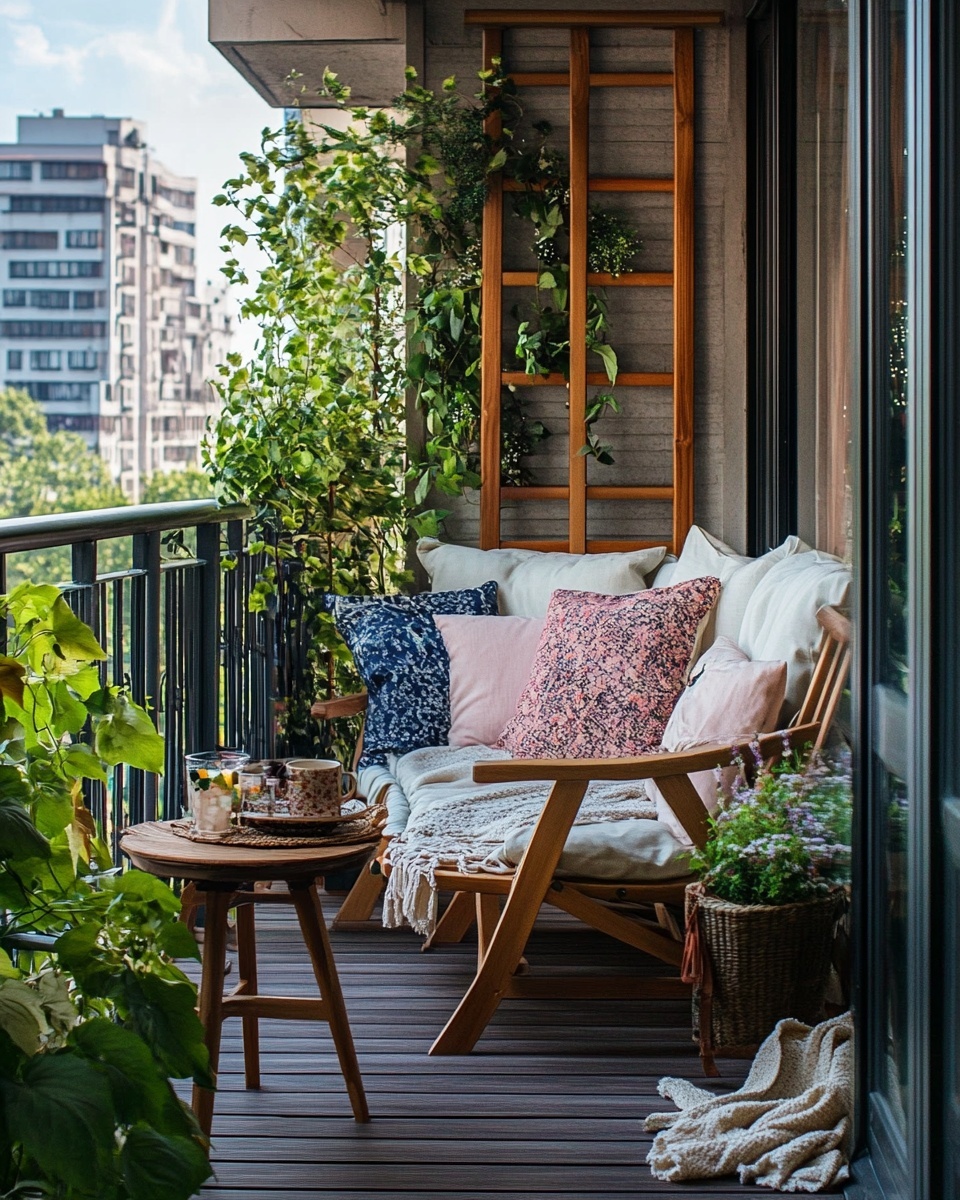
To kickstart your balcony garden, gathering the right supplies is crucial. Think of these as your building blocks for a vibrant new world right outside your door.
- Pots and Planters: Don't just grab any old pots! Look for lightweight, durable options. Terracotta offers a classic look but can dry out quickly. Plastic is budget-friendly, while fiber-reinforced plastic (FRP) is both durable and aesthetically pleasing. For eco-conscious gardeners, consider repurposed items like old tires painted vibrant colors, wooden crates (line them with plastic to prevent rot), or even sturdy canvas bags as stylish grow bags. Aim for a mix of sizes to accommodate different plant needs.
- Potting Mix: This isn't your average backyard soil. A high-quality potting mix is essential for container gardening, offering better drainage and aeration. Look for blends specifically designed for containers, often containing perlite, vermiculite, and compost. For an eco-friendly alternative, you can create your own by mixing compost, coconut coir (a sustainable alternative to peat moss), and perlite.
- Seeds or Starter Plants: Decide if you want to grow from seed (more cost-effective and a great learning experience) or use starter plants (quicker results). For small spaces, consider compact varieties of herbs, flowers, and vegetables. Think bush beans, cherry tomatoes, compact peppers, or trailing petunias.
- Small Gardening Trowel & Hand Rake: Essential for scooping soil and light cultivation. Choose ergonomic designs for comfort.
- Watering Can with a Fine Rose: Gentle watering prevents soil erosion and protects delicate seedlings. A small hose with a spray nozzle also works for larger balconies. Consider a self-watering planter for ultimate convenience.
- Pruning Shears/Snips: Keep your plants neat and encourage bushy growth. Small, sharp snips are perfect for herbs and flowers.
- Gloves: Protect your hands from dirt and thorns.
- Fertilizer: A balanced, all-purpose liquid fertilizer is ideal for potted plants, which deplete nutrients faster than in-ground gardens. Organic options like fish emulsion or compost tea are excellent eco-friendly choices.
Time & Effort Overview
Embarking on a balcony garden project is often more manageable than you might think. The initial setup for transforming your patio ideas can typically be completed in a single afternoon, roughly 3-5 hours, depending on the number of plants and the complexity of your design. Ongoing maintenance, like watering and light pruning, will require about 15-30 minutes every few days, or daily during hot spells.
Compared to traditional in-ground gardens, which often demand significant digging and soil amendment, container gardening reduces the heavy lifting by about 40%. Many balcony-friendly plants, such as herbs like basil and mint, show noticeable growth within 7-10 days and can be ready for harvest in as little as 3-4 weeks. This is approximately 25% faster than starting from seed in a larger plot due to controlled container environments. This project is firmly in the beginner to intermediate difficulty range. If you can follow basic instructions and have a little patience, you've got this!
Step-by-Step Gardening Process
Planning Your Space
Before you get your hands dirty, assess your balcony's sunlight exposure. Does it get full sun (6+ hours), partial sun (3-6 hours), or shade (<3 hours)? This dictates what plants will thrive. Sketch a simple layout imagining where pots, vertical planters, or hanging baskets will go. Think about maximizing vertical space, which is key for small patio ideas.
Preparing Your Pots and Soil
First, ensure all your pots have drainage holes. This is non-negotiable! Cover drainage holes with a small piece of mesh or a coffee filter to prevent soil loss while allowing water to escape. Fill your chosen containers about two-thirds full with your quality potting mix. Don’t worry if it seems a lot – plants need room to grow.
Planting Your Seeds or Starters
For seeds, follow the packet instructions carefully for planting depth and spacing. Generally, plant seeds twice as deep as their diameter. For starter plants, gently remove them from their nursery pots. Loosen any tangled roots at the bottom; this helps them establish themselves in their new home. Place the plant in the prepared pot, ensuring the top of the root ball is level with the surrounding soil. Fill around the roots with more potting mix, gently firming it down.
Initial Watering
After planting, give your plants a good, thorough watering. Water until you see moisture draining from the bottom of the pot. This settles the soil around the roots and eliminates air pockets. If you notice the soil level drops significantly, add a bit more potting mix.
Monitoring and Ongoing Care
Place your newly planted containers in their designated sunny spots. Keep an eye on moisture levels daily. The "finger test" is your best friend: stick your finger about an inch or two into the soil. If it feels dry, it's time to water again. Don’t worry if some plants look a little stressed in the first day or two; it's called transplant shock, and they usually bounce back quickly. Here's how to fix common issues: yellowing leaves can often indicate overwatering or nutrient deficiency, while wilting might point to underwatering or too much sun. Adjust accordingly!
Growth & Care Tips
Consistent care is the secret to a flourishing balcony garden.
- Watering Frequency: This is paramount. Potted plants dry out much faster than in-ground gardens. During hot summer months, some plants might need watering daily, sometimes even twice. In cooler weather, every 2-3 days might suffice. Always check the soil moisture before watering. Overwatering can be just as detrimental as underwatering, leading to root rot in over 60% of cases for new gardeners.
- Sunlight Exposure: Most herbs and flowering annuals require at least 6 hours of direct sunlight. However, some plants, like hostas or impatiens, thrive in shadier conditions. Rotate your pots occasionally to ensure even growth, especially if they are leaning towards the light.
- Pruning: Regular pruning encourages bushier growth and more blooms or harvests. For herbs, 'pinch back' the top leaves and stems to promote lateral growth. For flowering plants, deadhead spent flowers to encourage new ones. This not only makes your plants look better but also redirects their energy into producing more of what you want.
- Fertilization: Since nutrients leach out of pots with watering, regular feeding is crucial. Start fertilizing about 2-3 weeks after planting, using a diluted liquid plant food every 2-4 weeks during the growing season. A balanced 5-10-5 or 10-10-10 organic granular fertilizer can also be incorporated into the top layer of soil.
- Pest Prevention: Inspect your plants regularly for common pests like aphids, spider mites, or whiteflies. Early detection is key. A simple spray of insecticidal soap or neem oil mixed with water can often combat infestations. Companion planting, like marigolds, can naturally deter pests.
Eco-Friendly & Sustainable Alternatives
Cultivating a green space doesn't have to come with a heavy environmental footprint. Here’s how to embrace sustainability with your patio ideas:
- Composting: If space allows, a small worm bin or a compact countertop composter can turn kitchen scraps into nutrient-rich "black gold" for your plants. This reduces waste and provides free fertilizer. Even just a small bin for coffee grounds and tea bags can make a difference.
- Natural Fertilizers: Beyond your own compost, consider options like kelp meal, alfalfa meal, or bone meal, which provide essential nutrients organically. Many gardeners swear by diluted compost tea for a natural boost.
- Water Conservation: Install drip irrigation systems for consistent, efficient watering, reducing water usage by up to 50%. Collect rainwater in a small barrel for watering. Mulch your pots with shredded leaves or wood chips to reduce evaporation and keep soil moisture even, which can cut watering frequency by 20-30%.
- Alternatives for Small Spaces:
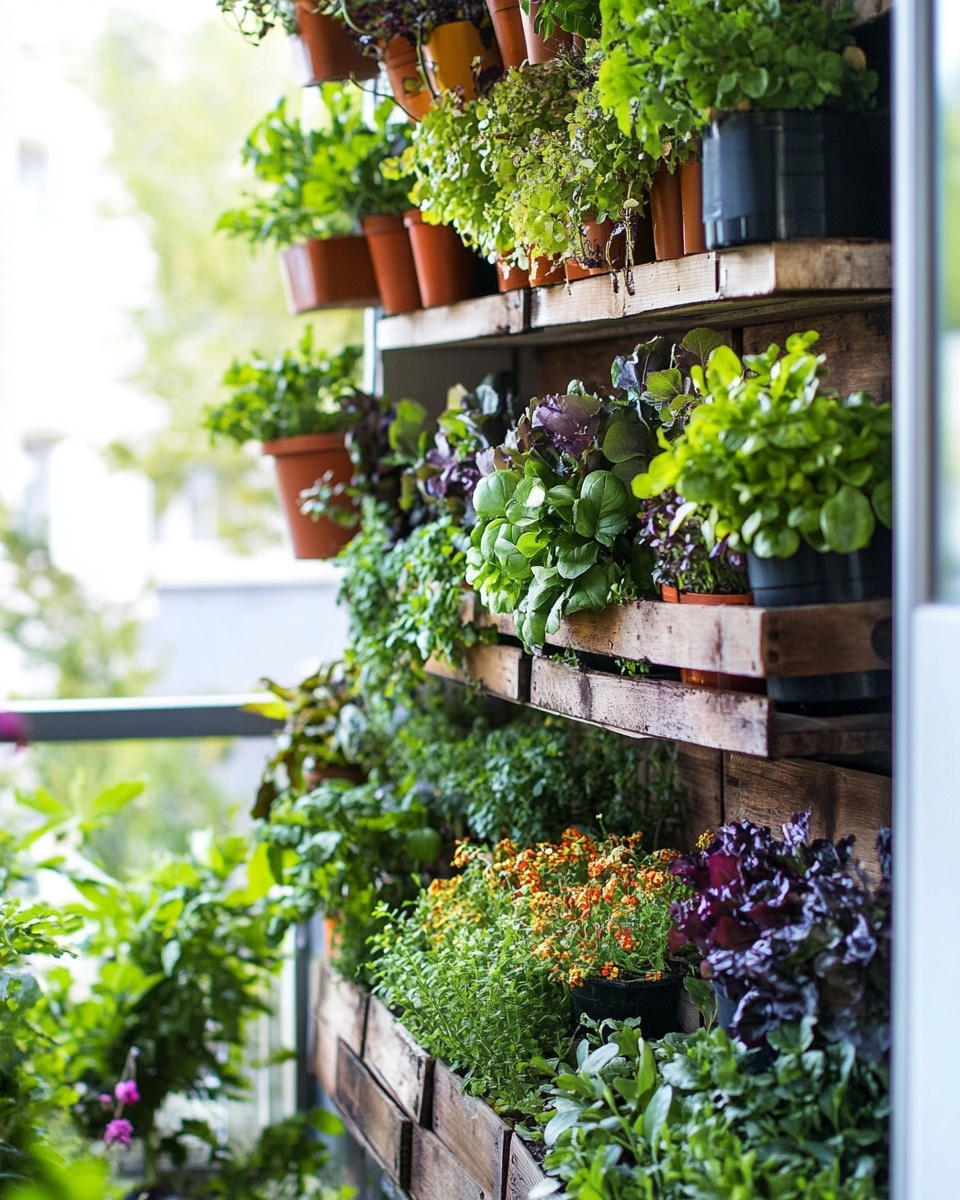
- Vertical Gardens: Wall-mounted planters, repurposed pallet gardens, or tiered shelving units are ideal. They maximize planting space without consuming precious floor area.
- Hanging Baskets: Perfect for trailing plants like strawberries, petunias, or cascading herbs. They add a layer of greenery at eye level.
- Self-Watering Planters: These reduce the need for frequent watering, making them excellent for busy gardeners or those frequenting vacations.
- Recycled Containers: Upcycle plastic bottles, old buckets (drill drainage holes!), or tin cans into quirky, characterful planters.
Creative Ideas & Uses
Beyond just growing plants, a balcony garden is an opportunity to express your style and enhance your outdoor living experience.
- Decorating with Plants: Group plants with varying heights and textures for visual interest. Place taller plants at the back and shorter, trailing ones at the front. Use decorative pots that complement your outdoor furniture. Think about color schemes—monochromatic for a serene feel or a riot of complementary colors for vibrancy. For instance, combining lavender with bright yellow calendulas creates a striking contrast that is pleasing to the eye.
- Repurposing Garden Materials: An old wooden ladder can become a multi-tiered plant stand. Vintage tea kettles or watering cans can be transformed into charming planters. Even old bicycle baskets can be lined and used for trailing plants, adding a whimsical touch.
- Combining Plants Aesthetically:
- Edible & Ornamental: Mix herbs like rosemary and thyme with colorful flowers like nasturtiums (which are also edible!) for both beauty and utility.
- Fragrance & Visual Appeal: Plant fragrant jasmine or honeysuckle in a corner with a climbing trellis to create a sensory delight, complemented by vibrant coleus for color.
- Theme Gardens: Create a "pizza garden" with tomatoes, oregano, basil, and peppers, or a "tea garden" with mint, chamomile, and lemon balm.
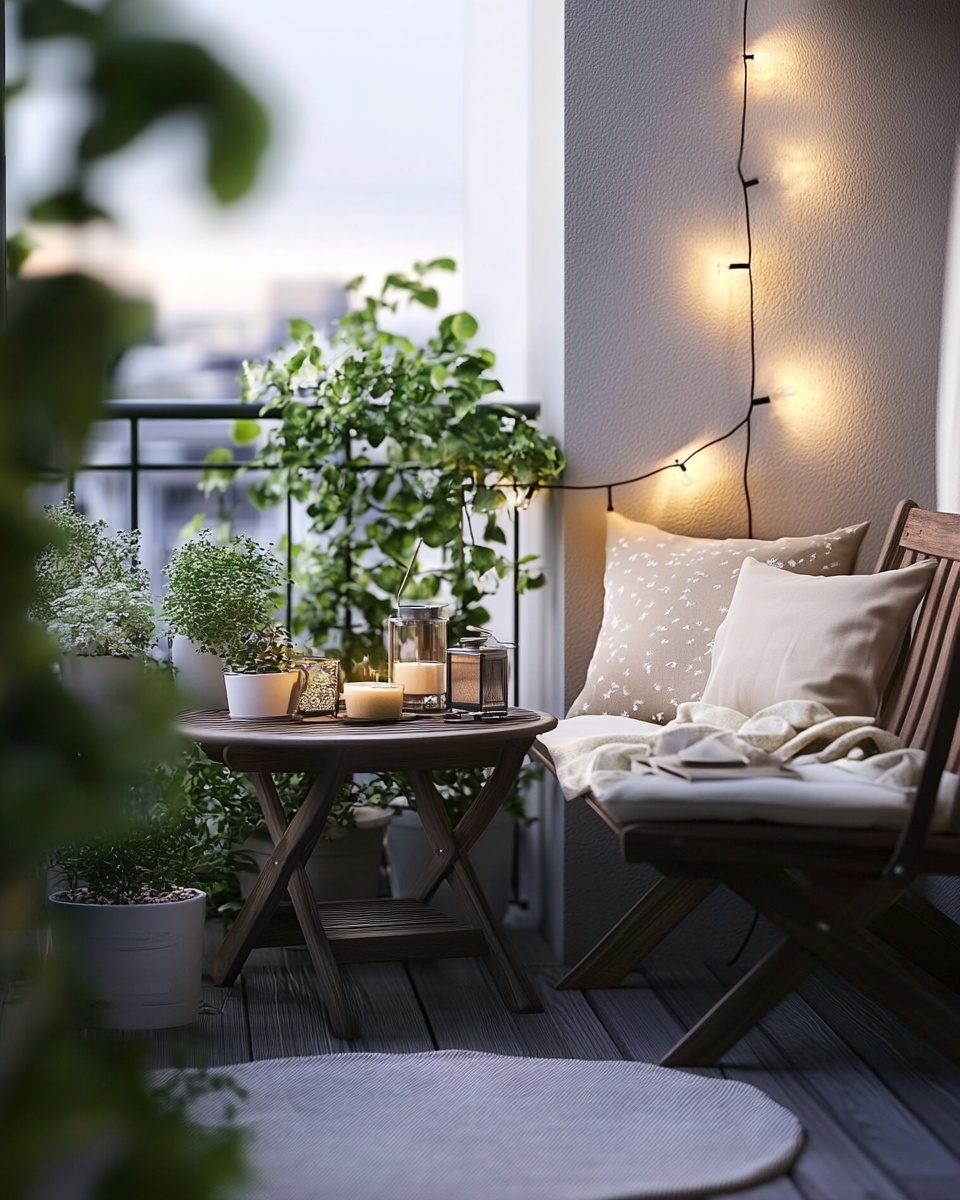
- Design Ideas & Landscaping Inspirations: Incorporate a small bistro set to create a cozy dining nook amidst your greenery. Add string lights or solar-powered lanterns for ambiance during evenings. A small water feature or fountain can introduce soothing sounds, transforming your patio into a tranquil escape. Consider a privacy screen made from climbing plants like ivy or a clematis to create a secluded feel. For more balcony inspiration, you might enjoy exploring some vibrant imagery on Pinterest, for example, on Ina Jana's board for outdoor living: https://www.pinterest.com/janatjanay47/. These outdoor transformations can truly elevate your experience.
Common Mistakes to Avoid
Even seasoned gardeners stumble. Being aware of common pitfalls can save you time, effort, and heartache.
- Overwatering: This is by far the most common killer of container plants. Too much water suffocates roots by displacing oxygen, leading to root rot. Studies show that overwatering contributes to root rot in approximately 60% of houseplant fatalities. Always check soil moisture before adding more water.
- Underwatering: The opposite extreme, also detrimental. Plants will wilt dramatically, and prolonged dryness leads to crispy leaves and, ultimately, death. This is often more apparent in hot, sunny conditions.
- Insufficient Drainage: Pots without drainage holes turn into death traps. Stagnant water is a breeding ground for root diseases. Even a single day in waterlogged soil can permanently damage sensitive roots.
- Ignoring Sunlight Needs: Placing shade-loving plants in full sun or sun-lovers in deep shade guarantees poor performance. Mismatching plants to their light requirements is a primary cause of stunted growth or lack of blooms for over 40% of new gardeners.
- Neglecting Fertilization: Plants in containers rely entirely on you for nutrients. Without regular feeding, they will quickly deplete what’s in the potting mix and become yellow, weak, and susceptible to disease.
- Using Garden Soil in Pots: Garden soil compacts easily in containers, restricting root growth and drainage. It also often introduces pests and diseases. Always use a proper potting mix.
- Overcrowding: While it’s tempting to pack in as many plants as possible for vibrant patio ideas, overcrowding restricts air circulation, increases competition for nutrients, and makes plants more vulnerable to pests and diseases. Give each plant its space to thrive.
Maintenance & Storage Tips
- Long-Term Plant Health:
- Repotting: As your plants grow, they may become root-bound. Look for roots circling the bottom of the pot. Repot into a slightly larger container with fresh potting mix. This is typically needed every 1-2 years for most perennials and some annuals.
- Seasonal Care: For tender perennials or annuals that won’t survive winter, you can bring them indoors if you have suitable light. Otherwise, plan for new plantings each season. For example, in colder climates, many herbs will need indoor protection or to be replanted in spring.
- Pest & Disease Management: Consistent monitoring is your best defense. Remove affected leaves, use organic sprays (like neem oil), or employ beneficial insects if problems arise. Early intervention prevents widespread issues.
- Seed Storage: If you're saving seeds, ensure they are thoroughly dry. Store them in airtight containers in a cool, dark, and dry place (like a refrigerator or freezer) to maintain viability for longer periods. Label meticulously with the plant type and the date collected.
- Solutions for Common Issues:
- Yellow Leaves: Could be overwatering, underwatering, or nutrient deficiency. Check soil moisture first. If dry, water. If wet, let it dry out. If neither, consider a balanced fertilizer.
- Stunted Growth: Often due to lack of nutrients, insufficient light, or a pot that's too small. Address these factors.
- Poor Soil Drainage: If water sits on top or drains too slowly, the soil might be compacted, or the drainage holes are blocked. Gently aerate the soil with a stick or chopstick. Ensure drainage holes are clear. For ongoing issues, repot with fresh, well-draining potting mix.
Conclusion
Transforming your small balcony into a vibrant garden space is an incredibly rewarding endeavor. By carefully selecting your tools, understanding your plants' needs, and applying these practical tips, you can create a beautiful, productive oasis that enhances your home and your well-being. Don’t let limited space deter you from the joys of gardening; instead, view it as an opportunity for creative solutions and stunning patio ideas. So, what are you waiting for? Grab your trowel and soil, and let's get planting! We’d love to see your balcony transformations—share your photos with us on social media!
To continue your gardening journey, explore these related articles for more inspiration:
- For more ideas on creating an edible oasis in a tight spot, check out our guide on Balcony Herb Garden Design Ideas.
- If you're eager to grow fresh produce, our tips on Herbs That Grow Well in Small Spaces will provide valuable insights.
- Considering a DIY approach to planters? You won't want to miss our detailed instructions on DIY Balcony Herb Garden with Recycled Containers.
- Thinking about bringing some greenery inside? Our article on Best Low-Light Indoor Plants for Every Room offers excellent choices for indoor spaces.
- And if you're just starting, our comprehensive guide, Easy Indoor Gardening Setup for Beginners, covers all the essentials.
FAQ
Q1: What are the best plants for a small, sunny balcony?
A1: For a sunny balcony (6+ hours of direct sun), prioritize heat-loving plants. Excellent choices include cherry tomatoes, bell peppers, bush beans, most herbs (basil, rosemary, thyme), petunias, marigolds, and geraniums. These patio ideas flourish with ample sunlight and can provide beautiful blooms or a bountiful harvest.
Q2: How often should I water my balcony plants?
A2: Watering frequency depends on several factors: plant type, pot size, soil type, and weather. A good rule of thumb is to check the top 1-2 inches of soil with your finger daily. If it feels dry, it's time to water thoroughly until water drains from the bottom. In hot weather, some plants might need daily watering.
Q3: Can I grow vegetables on a small balcony?
A3: Absolutely! Many compact vegetable varieties are perfect for container gardening. Look for "bush" or "dwarf" varieties of tomatoes, cucumbers, peppers, eggplants, and green beans. Leafy greens like lettuce, spinach, and arugula also thrive in pots and offer continuous harvests, making for great productive patio ideas.
Q4: What kind of soil should I use for potted plants?
A4: Always use a high-quality potting mix, not garden soil. Potting mix is specifically formulated for containers, offering excellent drainage, aeration, and vital nutrients. It typically contains ingredients like peat moss (or coconut coir), perlite, and vermiculite to prevent compaction.
Q5: How can I protect my balcony plants from strong winds?
A5: Strong winds can damage plants and dry out soil quickly. Use heavier pots, group plants together to create a microclimate, or place them against a wall for shelter. Consider a trellis or netting as a windbreak for more delicate plants. Vertical planters can also offer some wind protection while maximizing your patio ideas.
Q6: My leaves are turning yellow. What could be wrong?
A6: Yellowing leaves often signal either overwatering or underwatering, or a nutrient deficiency. First, check the soil moisture. If it's soggy, reduce watering. If it's bone dry, water thoroughly. If soil moisture seems fine, your plant might need a dose of balanced liquid fertilizer.
Q7: How do I choose the right pots for my balcony garden setup?
A7: When choosing pots for your patio ideas, consider material, size, and drainage. Plastic pots are lightweight and retain moisture well, while terracotta allows better breathability but dries faster. Always ensure pots have drainage holes. Match the pot size to the mature size of your plant; a general rule is to start basil in an 8-inch pot, while a cherry tomato needs at least a 10-12 inch container.