Introduction
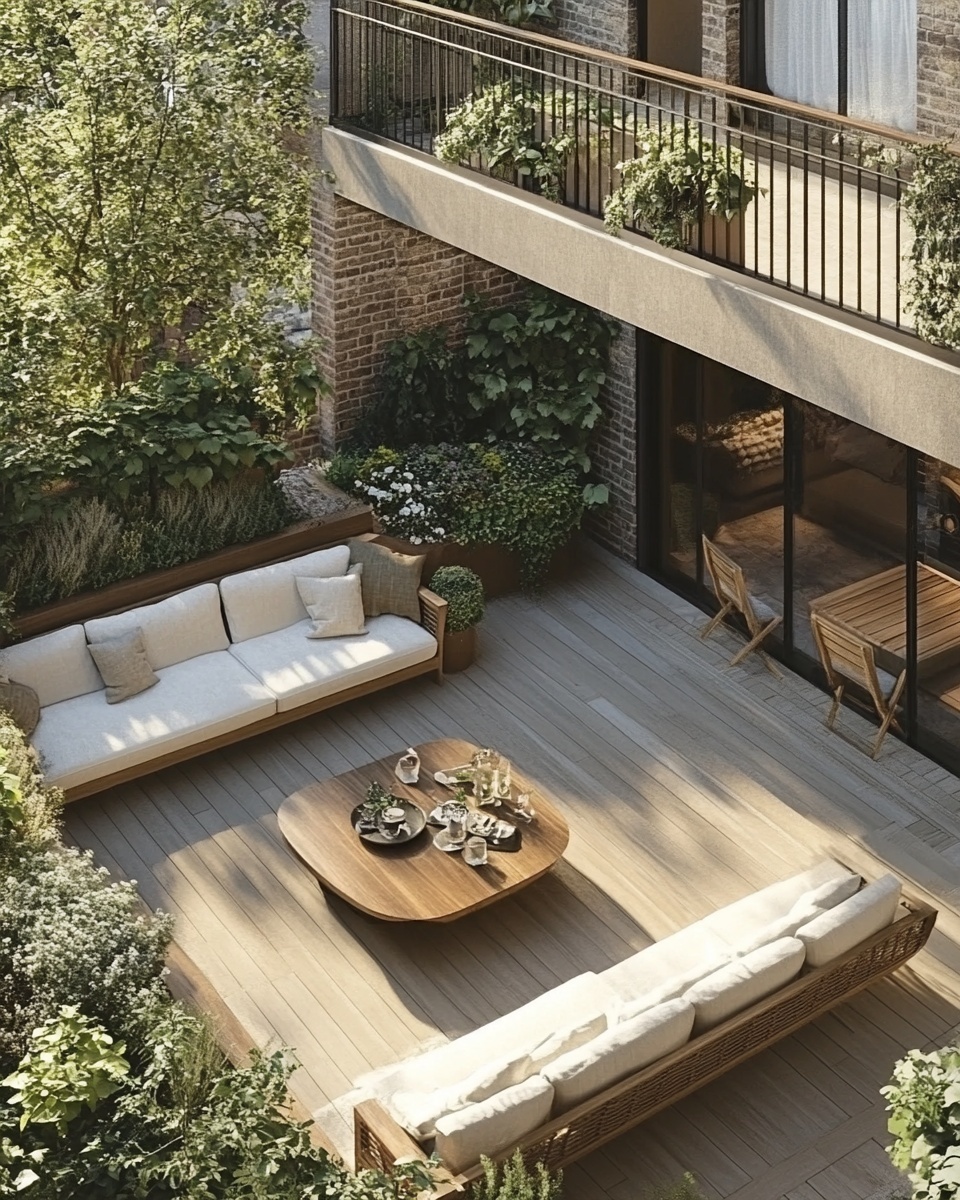
Did you know that over 80% of urban dwellers dream of having more green space, even if they lack a traditional yard? The desire for a personal garden oasis in the concrete jungle is more prevalent than ever, and a well-executed garden design can turn even the smallest terrace into a vibrant, productive sanctuary. Whether you're craving fresh herbs, colorful flowers, or a peaceful retreat, understanding the principles of effective outdoor garden design can transform your urban environment. This comprehensive guide will walk you through creating your dream space, focusing on clever solutions and sustainable practices that make great garden design achievable for everyone.
Tools & Materials Needed
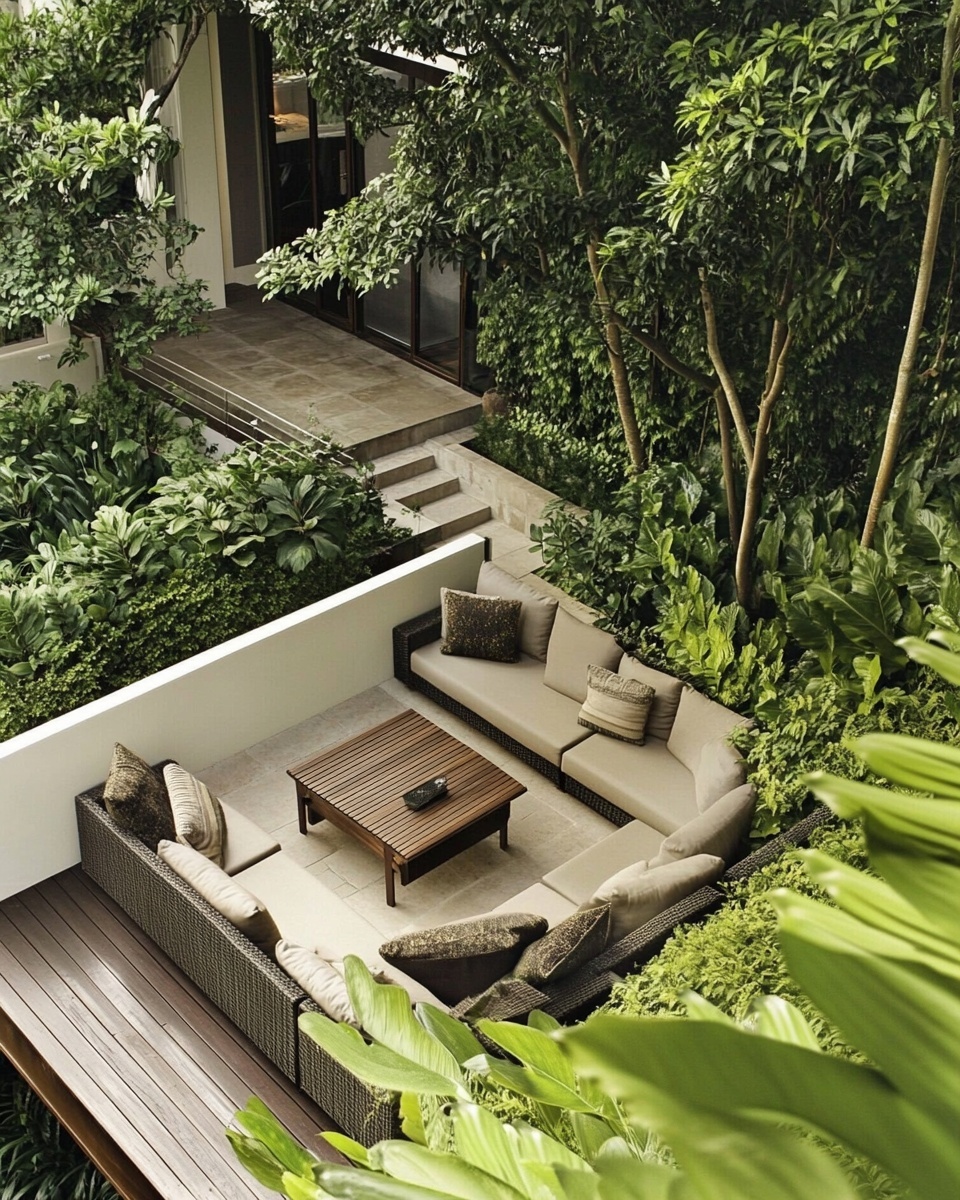
Embarking on your gardening journey requires a few essentials. Think of these as your artist's palette for your green masterpiece.
- Pots and Planters: Start with a diverse collection. Terracotta pots offer excellent drainage and breathability, though they can dry out faster. Plastic pots are lightweight and hold moisture well. For eco-conscious growers, consider upcycled containers like old tires (painted brightly!), wooden crates, or even sturdy fabric grow bags. Look for pots with drainage holes; if they don't have them, you'll need a drill to add some.
- Quality Potting Mix: This isn't just dirt; it's the foundation of your garden. A good, sterile, well-draining potting mix is crucial. Avoid using garden soil, as it compacts in pots and can harbor pests. For a budget-friendly option, consider mixing your own: 60% coco coir or peat moss, 30% perlite or vermiculite, and 10% compost.
- Seeds or Starter Plants: Choose plants suitable for your available sunlight and climate. For a swift start, opt for seedlings from a local nursery. If you prefer the satisfaction of growing from scratch, select high-quality seeds.
- Hand Trowel and Cultivator: A sturdy hand trowel is perfect for digging and transplanting, while a small cultivator helps aerate the soil.
- Watering Can or Hose with a Gentle Sprayer: Consistent watering is key. A watering can with a fine rose attachment is ideal for delicate seedlings, while a hose with various spray settings is efficient for larger areas.
- Pruning Shears/Snips: Essential for maintaining plant shape, encouraging bushier growth, and harvesting.
- Gardening Gloves: Protect your hands from dirt, thorns, and potential irritants.
- Organic Fertilizer: Consider compost, worm castings, or a balanced liquid organic feed to nourish your plants naturally.
- Optional but Recommended:
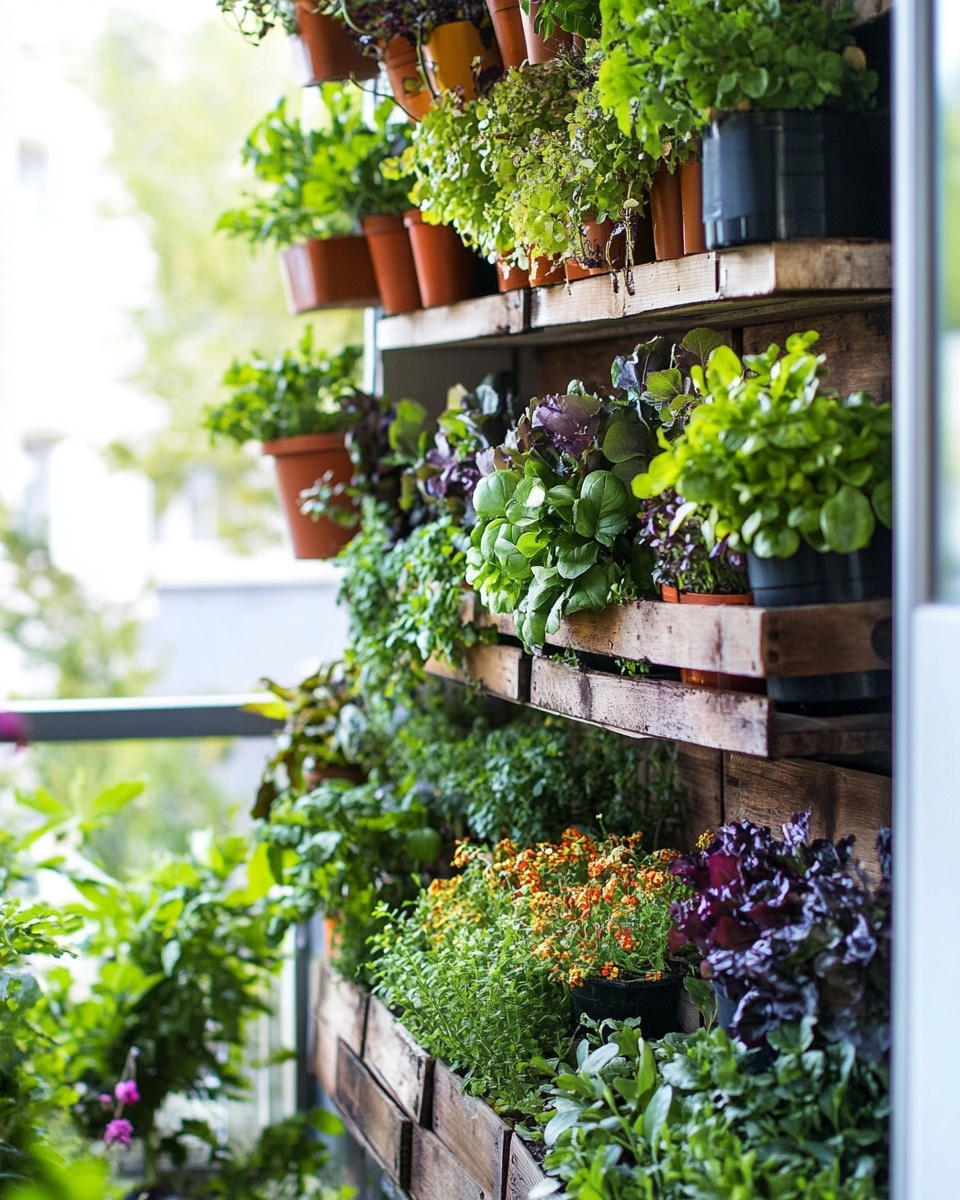
- Vertical Garden Structure: For maximizing space on a small terrace, a vertical planter or wall-mounted pockets can dramatically increase your growing area.
- Grow Lights: If your terrace lacks sufficient natural light, especially during shorter days, compact LED grow lights can make a huge difference.
- Small Shovel and Rake: For larger planters or raised beds, these will be invaluable.
Time & Effort Overview
Creating and maintaining a thriving garden design on your terrace is a rewarding endeavor that requires varying levels of time and effort, depending on your aspirations. Initial setup, including container arrangement and planting, can take anywhere from a single afternoon (2-4 hours) for a small herb garden to a full weekend (8-16 hours) for a more elaborate mixed-plant design.
Compared to traditional in-ground gardening, container gardening often requires about 20% more frequent watering due to faster soil drying but can be 30% faster to weed as unwanted plants have less space to establish.
This project is generally considered beginner to intermediate difficulty. If you choose robust, easy-to-grow plants like herbs (mint, basil, chives), lettuce, or marigolds, it's firmly in the beginner category. Incorporating more complex elements like drip irrigation, espaliered fruit trees, or a diverse perennial arrangement will lean towards intermediate, requiring a bit more research and ongoing attention. The key is to start small, learn as you go, and expand your garden design as your confidence grows.
Step 1: Planning Your Garden Layout
Before you dig in, visualize your ideal garden. Consider the amount of direct sunlight your terrace receives throughout the day. South-facing terraces get the most sun, ideal for veggies and sun-loving flowers. North-facing terraces are better for shade-tolerant plants. Map out your space: where will large planters go? Which areas need easy access for watering? Think about themes – do you want edible plants, a fragrant floral display, or a soothing green retreat? A good garden design starts with a clear vision.
Step 2: Selecting Your Plants
This is where the magic begins! Choose plants suited to your climate and the amount of sunlight your terrace gets. For sunny spots, tomatoes, peppers, herbs like rosemary and thyme, petunias, and even dwarf fruit trees thrive. Shadier areas are perfect for impatiens, ferns, hostas, and leafy greens like spinach and lettuce. Consider height and texture for visual interest. Don't worry if your first choices aren't perfect; gardening is a journey of continuous learning.
Step 3: Preparing Your Containers and Soil
Clean any used pots thoroughly. Add a layer of gravel or broken pottery shards at the bottom of larger pots to improve drainage, though this isn't strictly necessary if your potting mix is well-draining. Fill containers with your quality potting mix, leaving about an inch or two from the rim. This space is crucial for watering.
Step 4: Planting Your Seeds or Seedlings
If planting seeds, follow packet instructions for depth and spacing. For seedlings, gently remove them from their nursery pots, loosen any compacted roots, and place them in the prepared holes in your containers. Backfill with potting mix, gently firming around the base of the plant.
Step 5: Initial Watering
Immediately after planting, water thoroughly until you see water draining from the bottom of the pot. This helps settle the soil around the roots and eliminates air pockets. For newly sown seeds, use a gentle mist to avoid washing them away.
Growth & Care Tips
Consistent care is the bedrock of a successful garden design. Your plants are living beings that depend on you for their well-being.
- Watering Frequency: This is often the trickiest part. Small pots typically need watering daily or even twice daily in hot, dry weather. Larger pots might need it every 2-3 days. The best indicator is to feel the top inch of soil; if it's dry, it's time to water. Overwatering causes root rot in over 60% of houseplants, so always check the soil moisture before reaching for the can.
- Sunlight Exposure: Most vegetables and flowering plants need at least 6-8 hours of direct sunlight daily for optimal growth. Rotate pots occasionally to ensure all sides of the plant receive adequate light.
- Pruning: Regularly pinch back leggy growth and remove spent flowers (deadheading) to encourage bushier plants and more blooms. This practice can increase flower production by up to 25%. For herbs, frequent harvesting stimulates new growth.
- Fertilization: Potted plants deplete nutrients faster than inground plants. Begin fertilizing about 2-4 weeks after planting, following the product's instructions. Liquid organic fertilizers are easily absorbed. Aim for a balanced NPK (Nitrogen-Phosphorus-Potassium) ratio for general growth.
- Pest Prevention: Inspect your plants regularly for signs of pests like aphids or spider mites. Early detection makes control easier. A simple solution of insecticidal soap (a few drops of mild dish soap in water) can often deter common pests. Companion planting, such as marigolds near vegetables, can also naturally repel some insects.
Eco-Friendly & Sustainable Alternatives
Cultivating a mindful garden design extends beyond aesthetics; it embraces environmental stewardship.
- Composting: Start a small vermicompost bin on your terrace or a simple Bokashi composting system for kitchen scraps. The resulting nutrient-rich compost (how to make a hanging herb wall) can be mixed directly into your potting soil, reducing waste and enriching your plants.
- Natural Fertilizers: Beyond your own compost, consider options like kelp meal, alfalfa meal, or fish emulsion for a boost of natural nutrients. These degrade slowly and provide long-term benefits. Learn more about organic fertilizer recipes for herb gardens.
- Water Conservation: Install a rain barrel if possible to collect rainwater for your plants. Group pots together to create a microclimate that reduces evaporation. Consider self-watering planters or drip irrigation systems for efficiency, especially for busy individuals.
- Upcycling and Recycling: Your garden design can be a testament to creativity. Repurpose old pallets into vertical planters, use plastic bottles for self-watering wicks, or transform tin cans into herb pots.
- Small Spaces Solutions: For balcony gardens or extremely limited terraces, vertical gardens are a game-changer. Stackable planters, wall-mounted pockets, and hanging baskets maximize your growing footprint. Many herbs, leafy greens, and compact flowering plants are perfect for these setups. Explore herbs that grow well in small spaces.
Creative Ideas & Uses
A garden design isn't just about growing; it's about crafting an experience.
- Decorate with Plants: Use plants to define "rooms" on your terrace. Taller plants or trellises can act as natural screens for privacy. Mix foliage textures (broad leaves, feathery fronds) and flower colors for year-round interest. Consider hanging baskets for cascading beauty or colorful annuals to brighten a dull corner.
- Repurpose Garden Materials: Old wooden ladders can become charming plant stands. Vintage teacups make adorable succulent planters. Even old watering cans or boots can be given a second life as decorative elements. Creating a rustic aesthetic with repurposed items adds unique character to your garden design. For more inspiration, check out Pinterest for balcony garden ideas.
- Aesthetic Combinations:
- Edible Oasis: Combine culinary herbs like basil and oregano with vibrant cherry tomatoes and a small pepper plant. Imagine stepping out to pick fresh ingredients for dinner!
- Fragrant Retreat: Plant lavender, jasmine, and gardenias for an intoxicating evening aroma. Add a small bench and string lights for a perfect relaxation spot.
- Pollinator Paradise: Include nectar-rich flowers like salvias, petunias, and cosmos to attract bees and butterflies, turning your terrace into a living ecosystem.
- Vertical Green Walls: Create a striking backdrop with a living wall system featuring succulents, small ferns, or a variety of leafy greens. This dramatically enhances your garden design without taking up valuable floor space.
Common Mistakes to Avoid
Even experienced gardeners make errors, but recognizing common pitfalls can save you a lot of headache and heartache.
- Overwatering: As mentioned, this is a major plant killer. Always check soil moisture before watering. A simple moisture meter can be a helpful tool for beginners, reducing overwatering incidents by approximately 40%.
- Underestimating Sun Exposure: Placing sun-loving plants in too much shade, or shade-lovers in full sun, leads to sickly plants. Observe your terrace's light patterns for several days before planting.
- Ignoring Drainage: Pots without drainage holes become waterlogged, suffocating roots. Ensure every container has adequate drainage. If your soil mix retains too much water, adding more perlite or sand can improve it.
- Neglecting Plant Size: That tiny seedling will grow! Research the mature size of your chosen plants and give them enough space. Overcrowding leads to poor air circulation, increased disease, and stunted growth. It's estimated that 30% of new gardeners underestimate mature plant size.
- Forgetting to Fertilize Potted Plants: Nutrients leach out of pots with watering. Regular, diluted feeding is essential for sustained growth and flowering.
- Skipping Pest Inspections: Pests can multiply rapidly. A quick daily or weekly check allows you to catch infestations early when they are easiest to manage.
Maintenance & Storage Tips
Long-term success in your garden design hinges on consistent, seasonal care.
- Long-Term Plant Health: Regularly turn your pots to expose all sides of the plant to light, promoting balanced growth. Repot plants every 1-2 years into fresh potting mix or a slightly larger container to provide new nutrients and room for root development.
- Seasonal Care:
- Spring: Assess overwintered plants, prune dead growth, and start new seeds. This is the prime time for a fresh garden design.
- Summer: Increase watering, especially during heatwaves. Fertilize regularly. Harvest diligently to encourage continued production. Shade cloth can protect sensitive plants from scorching sun.
- Autumn: Harvest remaining produce. For tender perennials, consider bringing them indoors or providing winter protection. Prepare your terrace for colder temperatures.
- Winter: Reduce watering for dormant plants. For those moved indoors, ensure they have adequate light. Clean and store empty pots and tools.
- Seed Storage: Store leftover seeds in a cool, dark, dry place in an airtight container. Label them with the date to keep track of viability. Most seeds remain viable for 2-5 years.
- Problem-Solving:
- Yellow Leaves: Often a sign of overwatering (lack of oxygen to roots) or nutrient deficiency. Check soil moisture first, then consider a balanced fertilizer.
- Poor Soil Drainage: If water sits on top or drains too slowly, your soil is too dense. Mix in more perlite, coco coir, or sand to improve aeration.
- Leggy Plants: Lack of light is the usual culprit. Move the plant to a brighter spot or supplement with a grow light. Pruning can help encourage bushiness.
Conclusion
Creating your own terrace oasis through thoughtful garden design is more than just a hobby; it's an investment in your well-being, enhancing your outdoor living space and connecting you with nature right at home. By selecting the right tools, understanding your plants' needs, and embracing sustainable practices, you can transform any urban terrace into a thriving haven, regardless of its size. The satisfaction of nurturing life, enjoying fresh produce, or simply relaxing amidst greenery is unparalleled. Don't let perceived limitations hold you back.
Are you ready to dig in and bring your garden design dreams to life? Share your initial ideas in the comments below, or better yet, share photos of your budding terrace garden! If you're looking for more guidance, check out our other detailed guides to foster your green thumb.
FAQ
Q1: What are the best plants for a low-light terrace garden design?
A1: For low-light conditions, consider shade-loving foliage plants like ferns, hostas, impatiens, coleus, and peace lilies. Many herbs like mint and parsley can also tolerate partial shade, making them excellent choices for an urban garden design.
Q2: How often should I water my terrace garden?
A2: Watering frequency depends on several factors: plant type, pot size, weather, and soil mix. Generally, check the top inch of soil daily; if it feels dry, it's time to water. Smaller pots dry out faster. It's better to water thoroughly less often than lightly more frequently.
Q3: Can I grow vegetables in limited terrace space?
A3: Absolutely! Many vegetables are well-suited for container gardening. Look for "bush" varieties of tomatoes, compact peppers, lettuce, spinach, radishes, carrots, and various herbs. Vertical garden systems are also fantastic for maximizing yield in small areas, integrating seamlessly into your garden design.
Q4: How do I deter pests naturally in my terrace garden?
A4: Implementing natural pest control into your garden design includes introducing beneficial insects (like ladybugs), using organic insecticidal soaps, or planting companion plants like marigolds, nasturtiums, and basil, which naturally repel certain pests. Regular inspection helps catch issues early.
Q5: What kind of soil should I use for container gardening?
A5: Always use a high-quality potting mix specifically designed for containers. This mix is lighter, drains better, and is sterile, preventing soil-borne diseases. Avoid using heavy garden soil, which can compact in pots and lead to poor drainage and root issues for your garden design.
Q6: My plants are looking leggy and stretched. What's wrong?
A6: Leggy growth is a classic sign of insufficient light. Your plants are stretching to find more sun. Relocate them to a brighter spot, prune back the stretched growth to encourage fuller shapes, or consider supplementing with a grow light for a healthier garden design.
Q7: Is it possible to garden on a windy terrace?
A7: Yes, with some precautions! Choose sturdy, heavy pots to prevent tipping. Select wind-tolerant plants with flexible stems and smaller leaves, such as certain ornamental grasses, succulents, and rosemary. Consider erecting windbreaks like trellises with climbing plants or strategically placed screens to protect your garden design.
Ready to expand your gardening knowledge even further? Check out these related articles for more inspiration:
- For those just starting their edible journey, dive into our guide on the best vegetables to grow for beginners.
- If you're eager to build your garden from the ground up, our detailed post on how to start a vegetable garden from scratch is a must-read.
- Discover natural ways to boost your plant's health with our article on organic fertilizer recipes for herb gardens – perfect for a thriving terrace.
- Maximize every inch of your urban space by exploring vertical indoor garden ideas for small spaces.
- Thinking about bringing more greenery indoors? Our comprehensive guide on the best indoor plants that purify air naturally offers excellent choices to complement your outdoor garden design.