Have you ever stared at an uninspired corner of your yard, wondering how to transform it into a captivating focal point without breaking the bank or dedicating endless hours to upkeep? Many homeowners desire a low-maintenance yet visually stunning landscape, often believing it requires complex horticultural expertise or a huge budget. What if I told you that creating a breathtaking rock garden design is not only achievable for beginners but can also significantly boost your home’s curb appeal while requiring surprisingly little effort? Indeed, a well-executed garden design focusing on natural elements like rocks can increase property value by up to 15%, according to recent real estate analyses. This accessible approach to landscape architecture allows you to blend aesthetic beauty with practical resilience, crafting a harmonious outdoor space that stands the test of time. Let's delve into the art and science of rock garden design, ensuring your outdoor sanctuary becomes a testament to creativity and ecological balance.
Tools & Materials Needed
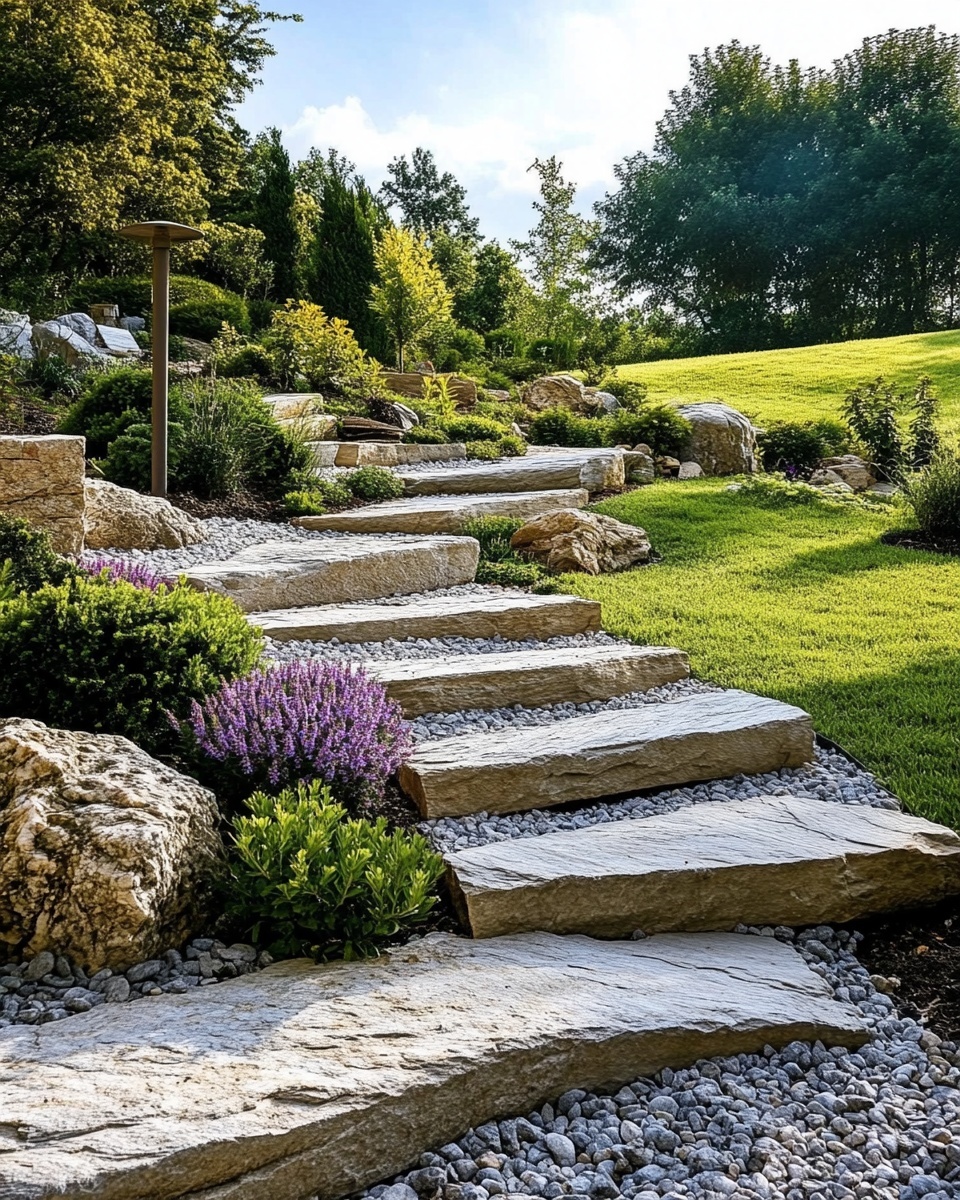
Embarking on your rock garden design journey requires a thoughtful selection of tools and materials to ensure both aesthetic success and lasting durability. Think of this as your essential DIY toolkit for crafting a natural masterpiece.
- Rocks (Primary Element): The stars of your garden design! Choose rocks of varying sizes, textures, and colors to create visual interest. Local stone yards often offer more affordable options. For an eco-friendly touch, consider repurposing rocks from your own property or finding free local sources (with permission, of course!). Avoid overly smooth, uniform stones; character is key.
- Shovel & Spade: For digging, moving soil, and shaping your landscape. A sturdy, ergonomic shovel will save your back!
- Wheelbarrow: Indispensable for transporting rocks, soil, and gravel efficiently across your garden.
- Gardening Gloves: Protect your hands from rough rocks and soil.
- Landscape Fabric or Weed Barrier: A critical component for weed suppression. This permeable fabric allows water to pass through but blocks weed growth, drastically reducing future maintenance.
- Edging Material (Optional but Recommended): Define your rock garden's boundaries. Options include flexible plastic edging, metal strips, or even smaller rocks arranged neatly.
- Soil Amendment: Depending on your chosen plants, you might need to amend your existing soil. Succulents and alpines prefer well-draining soil, so sand or grit might be necessary.
- Gravel or Small Pebbles: Used for topdressing around rocks and plants. This adds a finished look, helps suppress weeds, and retains soil moisture. Pea gravel, crushed granite, or river pebbles are excellent choices.
- Plants: Select drought-tolerant plants, succulents, alpines, or ornamental grasses that thrive in well-drained, rocky conditions. Consider sempervivum, sedum, creeping thyme, or various small conifers.
- Trowel & Hand Cultivator: For smaller digging and planting tasks, especially around delicate plants.
- Measuring Tape & Garden Hose/Spray Paint: To outline your garden design and visualize its boundaries before you start digging.
Eco-Friendly & Budget-Friendly Tip: Instead of buying expensive decorative stones, scout your local area! Often, construction sites (with permission) or even natural landscapes might yield interesting, free rocks. For weeding, skip chemical herbicides and rely on your trusty landscape fabric and consistent manual weeding. When selecting plants, opt for native species, which are naturally adapted to your climate and require less water and care.
Time & Effort Overview
Creating an impressive rock garden design is surprisingly manageable, especially compared to turf lawns or complex perennial beds. You're looking at a project that's more about thoughtful placement than intensive labor.
For a medium-sized rock garden (approximately 50-70 sq ft), expect to dedicate 1-2 full weekends (16-32 hours) for initial preparation and rock placement. This might sound like a lot, but this initial investment significantly reduces ongoing maintenance. Compared to establishing a new flower bed which often requires daily watering for weeks, a rock garden offers a substantially faster path to a self-sufficient landscape. Its difficulty level can be classified as Beginner to Intermediate. While moving large rocks requires some muscle, the core principles of design and plant selection are straightforward. Once established, maintenance typically takes less than 1 hour per month, primarily for occasional weeding or light pruning, making it grow 70% faster in terms of 'set-it-and-forget-it' appeal than a traditional garden.
Step-by-Step Gardening Process
Crafting your ideal rock garden design is an exciting journey! Follow these steps to lay a solid foundation for your tranquil outdoor space.
Step 1: Planning Your Garden Design & Location
Begin by selecting an area in your yard that receives at least 6 hours of sunlight daily, as many rock garden plants thrive in full sun. Use a garden hose or spray paint to outline the desired shape of your rock garden. Consider existing slopes or contours; a natural slope is perfect for a rock garden, offering built-in drainage. Think about themes – do you want a Japanese-inspired Zen garden, an alpine meadow look, or something more rugged and natural? This early visualization is crucial for a cohesive garden design.
Step 2: Preparing the Site
Clear the designated area of all grass, weeds, and debris. Dig down about 6-8 inches to remove existing vegetation and loosen the soil. For optimal drainage, especially if your soil is heavy clay, consider adding a 2-3 inch layer of gravel or crushed stone at the bottom of your excavated area. This helps prevent waterlogging, a common issue in poorly drained gardens.
Step 3: Laying the Landscape Fabric
This step is a game-changer for weed control! Lay a heavy-duty landscape fabric over the prepared soil, covering the entire area. Overlap seams by at least 6 inches to prevent weeds from sneaking through. Secure the fabric with landscape pins. Don’t worry if it looks like a large blanket now; it's a vital barrier for a low-maintenance rock garden.
Step 4: Arranging Your Rocks
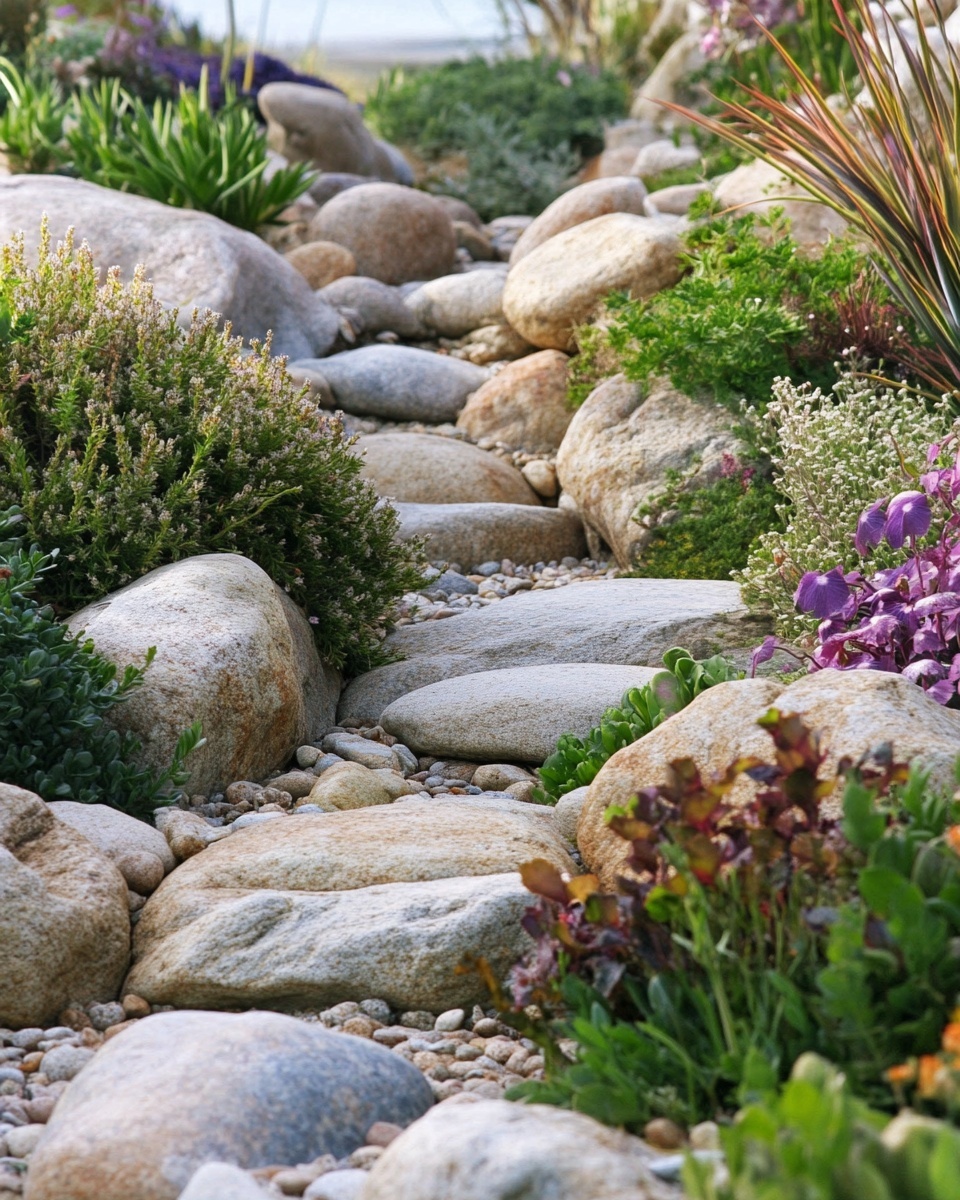
Now for the fun part: placing your main rock features! Start with the largest rocks first. Bury at least one-third (or even half) of each large rock into the ground to give it a natural, deeply embedded appearance. This isn't just aesthetic; it provides stability. Group rocks in odd numbers (e.g., 3 or 5) for a more naturalistic effect, varying their orientation and spacing. Create pockets for plants as you go. Step back frequently to assess your arrangement from different angles. This thoughtful placement is key to an effective garden design.
Step 5: Adding Soil for Planting
Once your rock structure is in place, add a well-draining soil mix into the pockets and crevices where you plan to plant. A good mix typically consists of equal parts garden soil, coarse sand or grit, and compost. This specialized blend mimics the lean, fast-draining conditions many rock garden plants prefer, preventing root rot.
Step 6: Planting Your Selections
Carefully remove your chosen plants from their containers, gently tease out any circling roots, and plant them in the prepared soil pockets. Space them according to their mature size, allowing room for growth. After planting, water them thoroughly to settle the soil around their roots. Remember, selecting plants suited to rocky conditions is a cornerstone of successful rock garden design.
Step 7: Topdressing with Gravel
Finish your rock garden by spreading a layer of gravel or small pebbles (1-2 inches deep) over the entire landscape fabric, around your rocks and plants. This topdressing provides excellent weed suppression, helps retain soil moisture by reducing evaporation, and gives a clean, polished look to your garden design. It also prevents soil erosion during watering or rain.
Growth & Care Tips
A well-designed rock garden, while low-maintenance, still benefits from attentive care to flourish. Here’s how to keep your stony oasis vibrant:
- Watering Frequency: Rock garden plants, especially succulents and alpines, are typically drought-tolerant. Infrequent but deep watering is usually best. During their establishment phase (first few weeks after planting), water regularly every 2-3 days. Once established, reduce watering to once every 1-2 weeks, or even less during cooler months, depending on rainfall and plant needs. Overwatering is a common killer, leading to root rot in over 60% of cases for these plant types.
- Sunlight Exposure: Most rock garden plants thrive in full sun, generally meaning 6+ hours of direct sunlight daily. Ensure your chosen location provides this, or select shade-tolerant varieties if your spot is shadier.
- Pruning & Deadheading: Minimal pruning is usually required. Remove any dead or yellowing foliage to keep plants looking tidy. Deadhead spent flowers to encourage new blooms and prevent unwanted self-seeding. For taller ornamental grasses, a trim in late winter or early spring can refresh their appearance.
- Fertilization: Rock garden plants generally prefer lean soil and don't require heavy feeding. A light application of a balanced, slow-release granular organic fertilizer once in spring is typically sufficient, or skip it entirely if your plants are thriving. Excessive fertilizer can lead to leggy, weak growth.
- Pest Prevention: Rock garden plants are often resilient to pests. However, keep an eye out for common garden pests like aphids or spider mites, especially during dry spells. A strong spray of water can dislodge many pests, or use an insecticidal soap for more stubborn infestations. Companion planting with herbs like thyme or chives can also deter some pests naturally.
Eco-Friendly & Sustainable Alternatives
Embracing sustainability in your rock garden design is not just good for the planet; it often leads to a healthier, more resilient garden.
- Composting: Instead of chemical fertilizers, top-dress your plants with homemade compost. It gradually releases nutrients, improves soil structure, and reduces waste. You can start a simple compost heap with kitchen scraps and yard waste.
- Water Conservation: Beyond choosing drought-tolerant plants, consider installing a rain barrel to collect rainwater for irrigation. This reduces your reliance on municipal water and provides plants with chemical-free water. Group plants with similar water needs together to optimize irrigation efficiency. According to the EPA, rainwater harvesting can reduce household water consumption by up to 40%.
- Natural Fertilizers: Beyond compost, materials like worm castings, bone meal, or cottonseed meal offer organic alternatives to synthetic fertilizers, promoting long-term soil health.
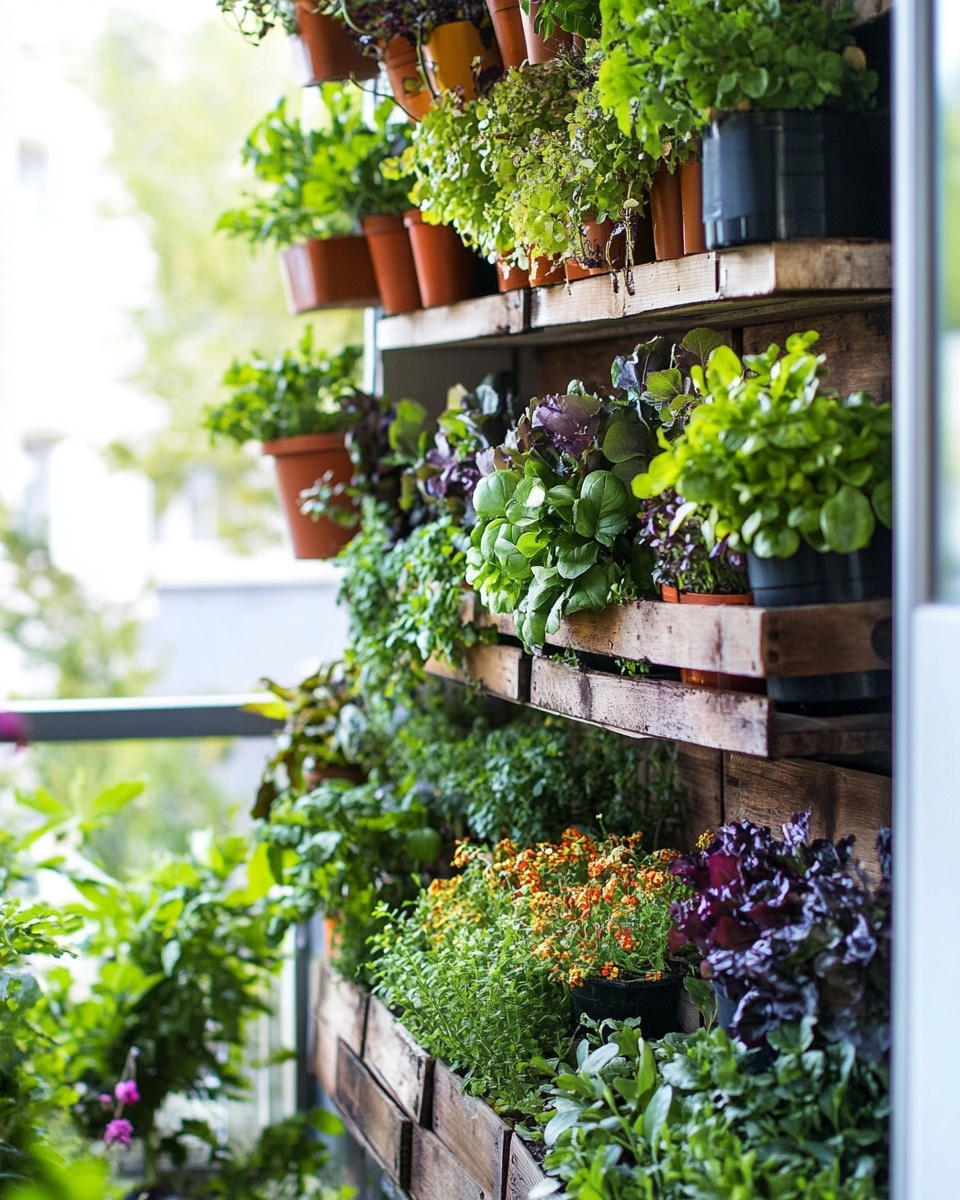
- Small Space Solutions: Don’t have a large yard? A stunning rock garden design can be scaled down beautifully. Consider creating a mini rock garden in a large planter or an old galvanized tub. Vertical gardens can also incorporate rocks and compact, drought-tolerant plants. For inspiration, explore ideas for vertical gardening, such as those found in our guide on "Vertical Indoor Garden Ideas for Small Spaces".
Creative Ideas & Uses
A rock garden is more than just a collection of stones and plants; it's an opportunity for artistic expression and thoughtful landscaping.
- Integrate Water Features: A small, recirculating pump and a strategically placed rock can create a serene babbling brook or miniature waterfall. This adds auditory appeal and can attract beneficial wildlife.
- Pathways & Stepping Stones: Incorporate flat, larger stones to create natural pathways through your rock garden, inviting exploration and providing access for maintenance.
- Repurpose Materials: Old broken concrete pieces can be cleverly stacked to mimic natural rock formations (often called "urbanite"). Driftwood or interesting logs can add another textural element, especially when nestled amongst rocks and plants.
- Lighting: Subtly illuminate your rock garden at night with low-voltage LED landscape lights. This highlights textures and shapes, creating a dramatic evening display.
- Combine with Other Garden Styles: A rock garden can beautifully transition into other landscape elements. For example, integrate it with a succulent garden, or use it as a striking border for a perennial bed. For those interested in growing edibles, consider how the well-drained sections of a rock garden could be adapted for herbs; check out "Best Companion Herbs to Grow Together" for ideas on plant pairings.
- Japanese Zen Inspiration: Design a minimalist rock garden with carefully chosen rocks, raked gravel patterns, and strategically placed moss or dwarf conifers for a calming, contemplative space. You can find visual inspiration on platforms like https://www.pinterest.com/janatjanay47/.
Common Mistakes to Avoid
Even seasoned gardeners can stumble, but being aware of common pitfalls in rock garden design can save you time, money, and frustration.
- Poor Drainage: The most frequent mistake! Rock garden plants hate wet feet. If your soil is heavy clay, simply putting rocks on top won't solve the issue. Ensure proper site preparation with ample grit, sand, or gravel mixed into the soil. Overwatering can mimic poor drainage, leading to root rot in a staggering 60% of affected plants.
- Using Too Many Small Rocks: A scattering of small pebbles without larger, anchoring rocks tends to look chaotic and unnatural. Focus on a few significant focal rocks and then use smaller stones to fill in and create a cohesive look.
- Ignoring Plant Needs: Not all plants are suited for a rock garden. Planting moisture-loving plants alongside drought-tolerant ones will lead to either overwatering or underwatering issues for one group. Stick to plants that thrive in lean, well-drained conditions.
- Shallow Rock Placement: Rocks simply sitting on the surface look artificial. Burying them partially into the ground makes them appear as if they naturally emerged from the earth, enhancing the overall garden design.
- Overcrowding Plants: While tempting to fill every gap, give your plants room to grow to their mature size. Overcrowding leads to poor air circulation, increased disease risk, and plants competing for resources. Studies show well-spaced plants have up to a 25% better survival rate in the long run.
- Skipping Weed Barrier: While not strictly necessary, ignoring landscape fabric means you’ll be battling weeds relentlessly. Prevention is far easier than eradication.
Maintenance & Storage Tips
Maintaining your rock garden is delightfully low-effort, but a few routine practices will keep it looking its best year-round.
- Weeding: Despite the landscape fabric and gravel, an occasional weed will pop through. Address them promptly by hand-pulling them before they establish deep roots. This usually takes just a few minutes every couple of weeks.
- Replenishing Gravel: Over time, heavy rains or foot traffic might displace some of your gravel topdressing. Periodically refresh any sparse areas to maintain the neat appearance and weed suppression benefits.
- Seasonal Care: In colder climates, some tender succulents or alpines might benefit from a light covering of pine needles or straw in late fall to protect them from harsh winter winds and repeated freezing/thawing cycles. In spring, remove this protective layer.
- Addressing Yellow Leaves: Yellowing leaves can indicate overwatering (most common), nutrient deficiency, or sometimes natural aging. Check the soil moisture first; if it's soggy, reduce watering. If dry, a light, balanced liquid feed could help.
- Poor Soil Drainage Solutions: If you notice consistent puddling or stagnant water despite your initial efforts, you might need to temporarily remove some rocks and plants to improve drainage. This could involve adding more coarse sand or grit, or even installing a small French drain if the problem is severe. Early intervention is key. For more tips on soil health, you might find our guide on "Organic Fertilizer Recipes for Herb Gardens" helpful, as many principles apply.
- Tool Storage: Keep your gardening tools clean and dry after each use to prevent rust. Store them in a shed or garage.
Conclusion
Transforming your landscape with a thoughtful rock garden design is an incredibly rewarding endeavor. We've explored everything from initial planning and material selection to sustainable practices and common pitfalls. By embracing the principles of good drainage, strategic rock placement, and selecting the right drought-tolerant plants, you can create a picturesque, low-maintenance outdoor haven that enhances your home's beauty and ecological footprint. The beauty of a rock garden lies in its rugged elegance and its ability to bring a touch of the wild directly into your yard, proving that stunning garden design doesn’t have to be high-maintenance. These resilient landscapes not only look fantastic but also contribute to water conservation and biodiversity.
So, are you ready to sculpt your own piece of natural artistry? Roll up your sleeves, gather your tools, and embark on this fulfilling journey! We’d love to see your progress. Share photos of your nascent rock garden designs in the comments below, or tag us on social media! For more inspiration and practical advice, don't miss our other guides to perfecting your green thumb.
FAQ
Q1: What are the best plants for a rock garden?
A1: The best plants for a rock garden design are typically drought-tolerant species that thrive in well-drained, lean soil. Popular choices include various Sedums and Sempervivums (hens and chicks), creeping thyme, ornamental grasses like Blue Fescue, and small alpine plants such as Phlox subulata or Aubrieta.
Q2: How do I ensure good drainage in my rock garden?
A2: Excellent drainage is paramount for a successful rock garden. Start by incorporating a layer of gravel or crushed stone at the base of your excavation. Then, mix plenty of coarse sand, grit, or perlite into your planting soil to ensure it's free-draining. Elevating your rock garden slightly can also naturally improve drainage.
Q3: Can I create a rock garden in a small space or container?
A3: Absolutely! Rock garden design is incredibly versatile. You can create charming miniature rock gardens in large pots, old troughs, or elevated planters. The key is to choose smaller rocks and miniature plant varieties suitable for containers and ensure adequate drainage.
Q4: How often should I water my rock garden?
A4: Once established, rock gardens typically require infrequent watering. During dry spells, water deeply every 1-2 weeks. Always check the soil moisture before watering; it should be mostly dry a few inches down. Overwatering is a common cause of plant failure in rock gardens.
Q5: Do I need a weed barrier in a rock garden?
A5: While not strictly mandatory, a high-quality landscape fabric or weed barrier is highly recommended. It significantly reduces weed growth by preventing weed seeds from germinating in the underlying soil, drastically cutting down on maintenance in your garden design. Cover it with decorative gravel to hide the fabric.
Q6: What type of rocks should I use for my garden design?
A6: For the most natural look, use local rocks with varying sizes, shapes, and textures. Fieldstone, limestone, granite, or sandstone are excellent choices. Aim for stability by burying at least one-third of larger rocks. Avoid overly smooth, round river stones unless you're specifically going for a Japanese Zen garden aesthetic.
Q7: How can I make my rock garden look natural?
A7: To achieve a natural look in your rock garden design, place rocks in groups of odd numbers, varying their sizes and orientations. Bury larger rocks partially into the soil. Create contours and pockets for plants, mimicking natural rock outcrops. Avoid symmetrical or patterned arrangements, which can look artificial.
Want to delve deeper into creating the garden of your dreams? Check out these related articles for more inspiration and expert tips:
- For those considering starting from scratch, our guide "How to Start a Vegetable Garden from Scratch" offers foundational knowledge that can be adapted to any garden style. You may also find our recommendations for "Best Vegetables to Grow for Beginners" helpful.
- Curious about integrating herbs into your landscape or indoor spaces? Explore "How to Make a Hanging Herb Wall", offering creative ideas for vertical greenery.
- If you're already enjoying the benefits of indoor plants, learn "Best Low-Light Indoor Plants for Every Room" to expand your green-thumb skills even further.