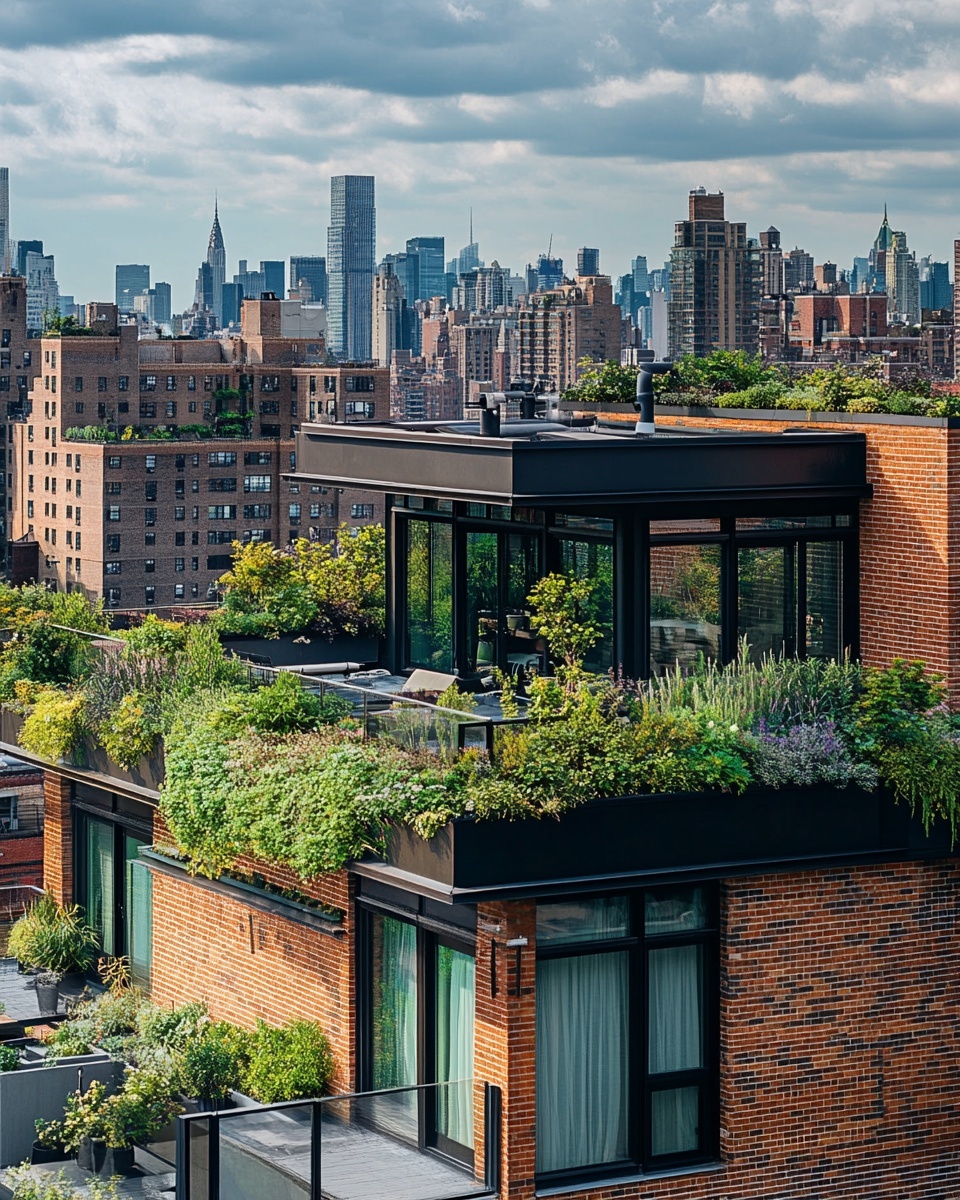
Do you ever gaze at your empty balcony or compact backyard and wonder if transforming it into a lush oasis is just a gardener's pipe dream? Many believe that beautiful, productive gardens are reserved for those with sprawling estates, but that couldn't be further from the truth. In fact, cultivating a thriving green space is entirely possible, even if you’re working with limited square footage and a tight budget. We're talking about small garden ideas on a budget that can unlock incredible natural beauty without breaking the bank. Imagine stepping out onto your patio, sipping your morning coffee, and being surrounded by vibrant foliage, fragrant herbs, or even fresh, homegrown vegetables, all cultivated with thoughtful planning and resourcefulness. This guide will show you how to maximize every inch and every dollar to create the garden of your dreams.
Tools & Materials Needed
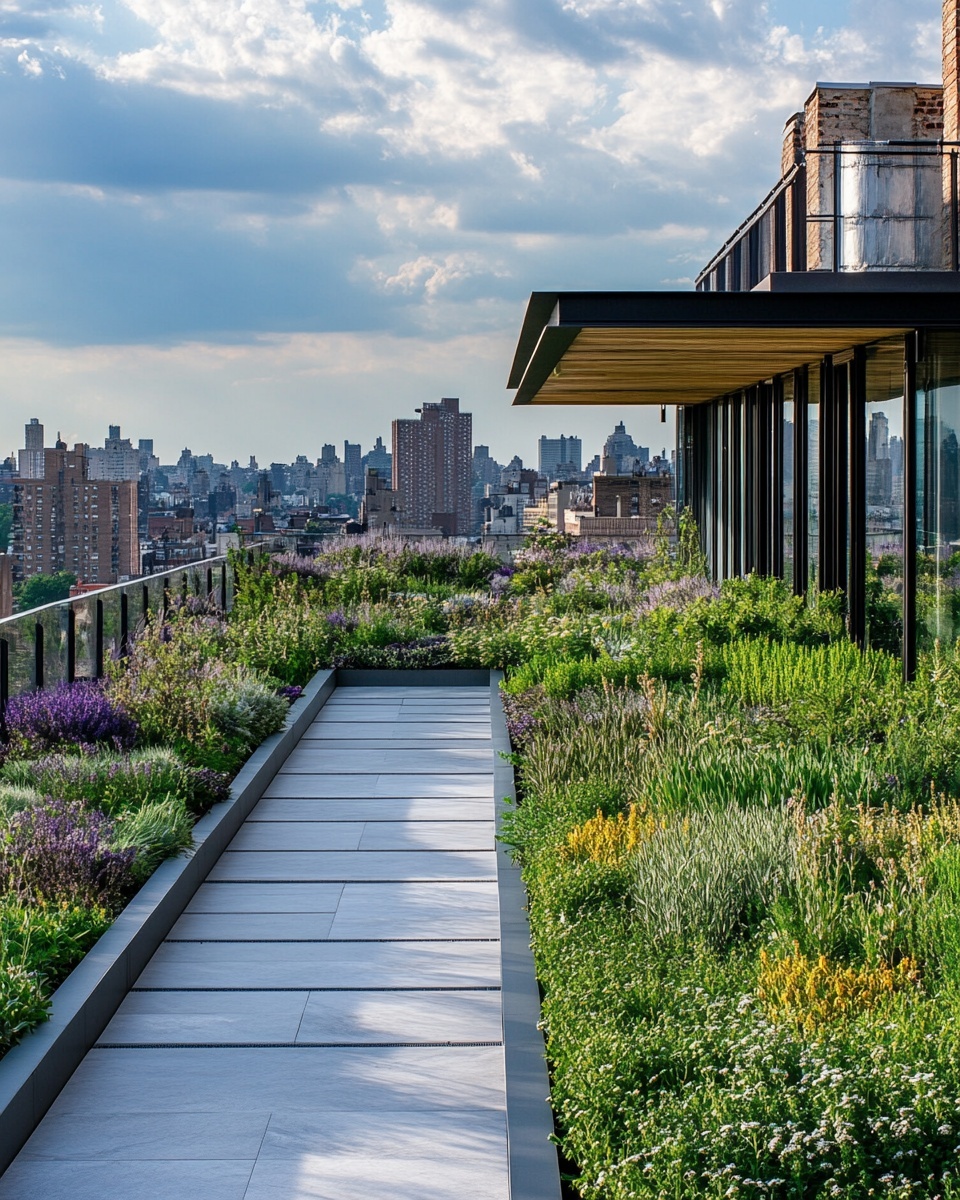
Embarking on your gardening journey doesn't require a massive investment in fancy equipment. Many essential tools are either affordable, multi-purpose, or can be found sustainably.
- Pots and Planters: Start with a mix of sizes. Terracotta pots offer good drainage, but plastic containers are lighter and often cheaper. For budget-savvy options, consider repurposing old tires, buckets, or even large tins after drilling drainage holes. Fabric grow bags are also excellent, breathable, and space-saving, especially for small garden ideas on a budget.
- Quality Potting Mix: This is crucial. Don’t skimp here! A good organic potting mix provides essential nutrients and aeration. Look for blends with compost or coco coir. For an eco-friendly alternative, you can create your own by mixing garden soil, compost, and sand, or use a "lasagna gardening" method with layers of organic matter. A 1 cubic foot bag of quality potting mix typically costs around $10-$15 and can fill several small to medium pots.
- Seeds or Starter Plants: Seeds are usually more economical, especially for planning small garden ideas on a budget. Look for seed packets on sale or consider seed swaps with friends. For specific herbs or vegetables, starter plants might give you a head start, though they're pricier. Choose varieties suitable for containers or compact spaces.
- Hand Trowel and Cultivator: A small hand trowel is perfect for planting and moving soil, while a cultivator helps break up packed soil. You can often find a basic set for under $20.
- Watering Can or Hose with a Gentle Sprayer: Consistent watering is key. A simple watering can works wonders for small spaces. If using a hose, a sprayer attachment with a gentle setting prevents soil erosion.
- Gardening Gloves: Protect your hands from dirt, thorns, and potential irritants.
- Pruning Shears/Scissors: Essential for harvesting, trimming, and shaping your plants. A sharp pair will make clean cuts, promoting healthier plant growth.
- Compost Bin (Optional but Recommended): Even a small DIY compost bucket can turn kitchen scraps into nutrient-rich soil amendments, supporting your small garden ideas on a budget.
Time & Effort Overview
Gardening is a journey, not a sprint. The time and effort involved vary greatly depending on your chosen plants and the scale of your small garden ideas on a budget.
- Initial Setup (Planting): Expect to dedicate anywhere from 2-4 hours for a small balcony garden, or a full day for a more ambitious compact backyard setup. This involves pot preparation, soil filling, and planting.
- Daily Maintenance: A quick 10-15 minute check-in daily is often enough for most container gardens. This includes checking soil moisture, looking for pests, and harvesting ready produce.
- Weekly Maintenance: Around 1-2 hours per week for more in-depth tasks like fertilizing, pruning, and more thorough watering.
- Growth Rate: Many herbs like basil, mint, and cilantro can be ready for harvesting within 3-4 weeks. Salad greens often mature in 4-6 weeks, showing about 25% faster growth than typical root vegetables, which might take 8-12 weeks.
- Difficulty Level: This approach to small garden ideas on a budget is generally beginner-friendly. Focusing on resilient, easy-to-grow plants minimizes potential frustrations and maximizes success, making it an ideal entry point for new gardeners.
Step-by-Step Gardening Process
A structured approach makes gardening manageable and boosts your chances of success. Let's walk through it together.
Step 1: Planning Your Space and Plant Selection
Before you get your hands dirty, assess your space. How much sunlight does it receive? North-facing balconies get less sun than south-facing ones. Based on sunlight, choose your plants. For sunny spots (6+ hours), try tomatoes, peppers, basil, or rosemary. Shadier spots (3-6 hours) are great for leafy greens like lettuce, spinach, and mint. Don't worry if your space is super small; even a window sill can host a few herbs.
Step 2: Preparing Your Pots and Soil
Begin by cleaning your chosen pots. Ensure each has drainage holes; if not, drill some or add a layer of gravel at the bottom. Fill pots with your quality potting mix, leaving about an inch from the rim. Good drainage is non-negotiable for healthy plants!
Step 3: Planting Seeds or Transplants
If using seeds, follow packet instructions for depth and spacing. Generally, a good rule of thumb is to plant seeds at a depth twice their diameter. For starter plants, gently remove them from their nursery pots, loosen any circling roots, and place them in the prepared hole. Backfill with soil, gently patting down around the base. Give them a good drink of water right away.
Step 4: Initial Watering and Placement
After planting, water thoroughly until you see water draining from the bottom of the pot. Place your newly planted containers in their designated sunny or shady spot. Initial watering helps settle the soil and reduce transplant shock. Observe your plants daily for the first week to ensure they're happy in their new home.
Step 5: Ongoing Care and Observation
This is where the magic happens! Stick to a consistent watering schedule; most container plants need more frequent watering than inground gardens, often daily during hot spells. Check the soil moisture by sticking your finger about an inch deep – if it feels dry, it's time to water. Keep an eye out for pests like aphids or spider mites. Early detection makes treatment much easier.
Step 6: Harvesting and Enjoying Your Bounty
Once your plants reach maturity, it's time to harvest! For leafy greens, pick outer leaves to encourage continuous production. For herbs, snip stems just above a set of leaves. Regular harvesting promotes bushier, healthier plants. Don’t be afraid to snip; your plants want to be used!
Growth & Care Tips
Consistent care is the cornerstone of a flourishing garden, especially when implementing small garden ideas on a budget.
- Watering Frequency: Container plants dry out faster than garden beds. In hot, sunny conditions, you might need to water daily, sometimes even twice. During cooler periods, every 2-3 days might suffice. The key is to feel the soil: if the top inch feels dry, water. Data suggests that inconsistent watering is a leading cause of stress in container plants, often causing up to 40% stunted growth.
- Sunlight Exposure: Most edibles like herbs and vegetables require at least 6 hours of direct sunlight. Fruiting plants like tomatoes or peppers need even more, ideally 8+. Leafy greens and root vegetables can tolerate 3-6 hours of partial sun. Rotate pots periodically if sunlight is uneven to ensure all sides of the plant get adequate light.
- Pruning: Don't be scared to prune! Pinching back the tips of herbs like basil encourages bushier growth rather than leggy stems. For tomatoes, removing "sucker" shoots (those growing in the crotch between the main stem and a branch) redirects energy to fruit production. This practice can increase yields by 15-20%.
- Fertilization: Potting mix provides initial nutrients, but these deplete over time. Begin fertilizing 3-4 weeks after planting. Use a balanced liquid organic fertilizer every 2-4 weeks. Compost tea is an excellent budget-friendly, nutrient-rich option. Over-fertilizing can burn roots, so always follow product instructions.
- Pest Prevention: The best defense is a good offense. Regularly inspect your plants for signs of pests. A strong stream of water can dislodge aphids. For more stubborn invaders, a homemade insecticidal soap (a few drops of mild dish soap in a spray bottle of water) is an effective and eco-friendly solution. Introduce beneficial insects like ladybugs, or incorporate companion planting with pest-repelling plants like marigolds.
Eco-Friendly & Sustainable Alternatives
Gardening on a budget naturally leans into sustainability. Here are ways to make your small garden ideas even greener:
- Composting: Start a small vermicompost bin or a simple compost pile using kitchen scraps and garden waste. This produces nutrient-rich humus, drastically reducing the need for purchased fertilizers. Plus, it's a fantastic way to support your small garden ideas on a budget.
- Natural Fertilizers: Beyond compost, consider using diluted fish emulsion or seaweed extract. Eggshells can provide calcium for tomatoes, preventing blossom end rot. Coffee grounds add nitrogen and organic matter.
- Water Conservation: Install a rain barrel to collect rainwater for your plants – it's free and better for them than chlorinated tap water. Use mulch (straw, wood chips, shredded leaves) on top of your soil to reduce evaporation by up to 30%. Consider self-watering planters for consistent moisture.
- Repurposing & Upcycling: Many items around your home can become planters. Old milk jugs, soda bottles, or even coffee cans can be transformed. Vertical gardening systems made from pallets or old plastic bottles are perfect for small spaces and embody great small garden ideas on a budget.
- Seed Saving: For non-hybrid varieties, save seeds from your healthiest plants at the end of the season. This connects you deeply to your garden's cycle, saves money, and preserves plant genetic diversity.
Creative Ideas & Uses
Small garden ideas on a budget aren't just about growing; they're about designing and making your space truly your own.
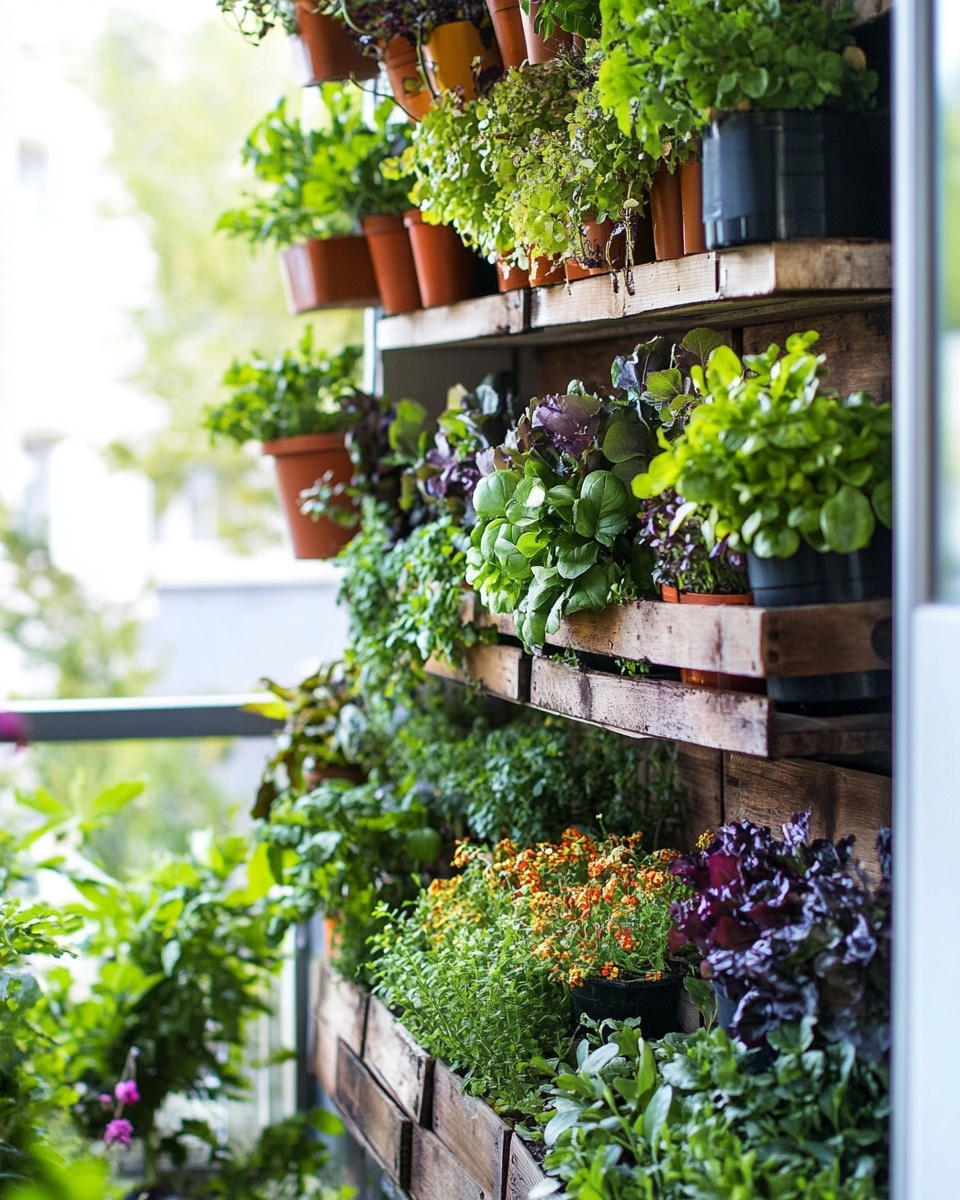
- Vertical Gardening: This is a game-changer for urban spaces. Use old pallets, wall-mounted planters, or tiered shelving units to grow upwards. Imagine a living wall of herbs, strawberries, or colorful annuals. This significantly expands your growing area without needing extra ground space.
- Container Groupings: Arrange pots of varying sizes and heights to create visual interest. Place taller plants at the back or center and shorter, trailing plants around the edges. This gives the illusion of a larger, more structured garden.
- Edible Landscaping: Combine beauty with utility. Instead of purely ornamental plants, integrate herbs, dwarf fruit trees, and colorful vegetables directly into your decorative arrangements. A pot of Swiss chard or rainbow carrots is just as beautiful as a flower.
- Repurposed Decor:
- Old ladders can become multi-tiered plant stands.
- Bicycle baskets can serve as charming hanging planters.
- Vintage teacups or worn-out boots can hold succulents or small herbs.
- Fairy Lights: String solar-powered fairy lights through your vertical garden or around your planters to create a magical ambiance for evening enjoyment.
- Color and Texture: Mix plants with different leaf shapes, colors, and textures to add depth and vibrancy. Think about contrasting broad hosta leaves with feathery fern fronds, or purple basil next to green lettuce. Consider visiting Pinterest (e.g., https://www.pinterest.com/janatjanay47/) for endless visual inspiration on creative garden layouts and upcycled planter ideas. This helps visualize how different elements come together.
Common Mistakes to Avoid
Even seasoned gardeners make mistakes. Being aware of these common pitfalls, especially with small garden ideas on a budget, can save you time and frustration.
- Overwatering: This is by far the most common gardening mistake, leading to root rot in over 60% of houseplants and many container edibles. Yellowing leaves, soggy soil, and a musty smell are tell-tale signs. Always check soil moisture before watering.
- Underwatering: The opposite extreme, causing wilting, crispy leaves, and stunted growth. Small containers dry out quickly, so consistent monitoring is crucial.
- Ignoring Drainage: Without adequate drainage holes, soil becomes waterlogged, suffocating roots. Ensure every pot has at least one decent-sized drainage hole.
- Incorrect Pot Size: Planting a growing vegetable like a tomato in too small a pot will stunt its growth and reduce yields. Research the mature size of your plant and choose an appropriately sized container. For instance, a single tomato plant often needs a 5-gallon (19-liter) container minimum.
- Neglecting Sunlight Requirements: Placing a sun-loving plant in shade, or vice-versa, will lead to poor growth or even death. Understand your plants' needs.
- Lack of Fertilization: Container plants quickly exhaust the nutrients in their potting mix. Without replenishment, they'll become weak and produce little. Regular, balanced feeding is essential.
- Ignoring Pest and Disease Early On: A small problem can quickly escalate. Regularly inspect your plants. Addressing issues early, often with simple organic solutions, prevents widespread damage.
Maintenance & Storage Tips
Long-term success for your small garden ideas on a budget hinges on proper maintenance and, for some items, smart storage.
- Seasonal Care: Adjust watering and feeding based on the season. Plants need less water in cooler, dormant months. Consider bringing tender container plants indoors during winter or providing frost protection.
- Mulching: Use organic mulch like straw, shredded leaves, or wood chips on top of the soil in your containers. This helps retain moisture, regulate soil temperature, suppress weeds, and slowly adds nutrients as it breaks down. It's especially beneficial for maintaining consistent soil conditions.
- Repotting: As plants grow, they may become root-bound. This means their roots have filled the pot, leaving little room for soil and nutrients. Signs include wilting despite watering, stunted growth, and roots growing out of drainage holes. Repot into a slightly larger container with fresh potting mix.
- Cleaning Tools: Keep your tools clean and sharp. Wipe off soil after use to prevent rust, and sharpen pruning shears for clean cuts. Sterilize tools with rubbing alcohol between plants if you suspect disease to prevent spread.
- Seed Storage: If you're saving seeds or have leftover packets, store them in a cool, dry, dark place in an airtight container. Label them clearly with the plant type and year. Stored correctly, many seeds remain viable for several years, which is a great aspect of small garden ideas on a budget.
- Addressing Common Issues:
- Yellow Leaves: Often a sign of overwatering, underwatering, or nutrient deficiency. Check soil moisture first.
- Poor Soil Drainage: If water sits on top of the soil, it usually means drainage holes are blocked or the soil is too compacted. Gently aerate the soil with a stick or repot with a better draining mix.
- Leggy Plants: Usually indicates insufficient light. Move plants to a brighter spot or consider supplemental lighting for indoor plants.
Conclusion
Embracing small garden ideas on a budget is more than just a hobby; it's a rewarding lifestyle choice that brings nature, beauty, and fresh produce right to your doorstep, regardless of your space limitations or financial constraints. You've learned about essential tools, how to get started, critical care tips, and how to maintain your green haven sustainably. From efficient watering to creative vertical setups, every step you take brings you closer to a thriving, personalized garden that reflects your dedication and creativity. The satisfaction of cultivating life, watching it grow, and enjoying its bounty is truly unparalleled.
Are you ready to transform your compact urban space into a flourishing oasis? Don't wait – grab a pot, some soil, and your favorite seeds, and start planting today! Share your progress with us in the comments below, or better yet, tag us in your garden photos! For more inspiration and practical advice, explore our other guides.
FAQ
Q1: What are the easiest plants for small garden ideas on a budget?
A: For beginners, herbs like basil, mint, parsley, and chives are fantastic. Leafy greens such as lettuce and spinach, and small fruiting plants like cherry tomatoes or dwarf peppers, also thrive in containers and are perfect for compact spaces.
Q2: How often should I water my small container garden?
A: It depends on the plant, pot size, and weather. A good rule of thumb is to check the soil daily by sticking your finger an inch deep. If it feels dry, it's time to water. Container plants generally need more frequent watering than those in the ground.
Q3: Can I grow vegetables in small pots?
A: Absolutely! Many vegetables are well-suited for container gardening. Look for "bush" varieties of beans, compact cucumbers, radishes, carrots, and of course, many types of lettuce and spinach. These are excellent options for small garden ideas on a budget.
Q4: What's the best way to fertilize economically?
A: Composting your kitchen scraps is the most cost-effective solution for rich, natural fertilizer. You can also make "compost tea" by steeping compost in water. For purchased options, look for concentrated organic liquid fertilizers that you dilute, offering more uses per bottle.
Q5: How can I protect my small garden from pests organically?
A: Regular inspection is key. Hand-pick larger pests, use a strong spray of water for aphids, and try insecticidal soap for broader issues. Companion planting certain herbs and flowers can also deter pests naturally without harmful chemicals.
Q6: What are some good small garden ideas for a balcony?
A: Vertical gardens are ideal for balconies, utilizing wall space. Hanging baskets, railing planters, and tiered shelving units maximize growing area. Choose drought-tolerant plants or self-watering planters to reduce daily maintenance.
Q7: Is it possible to have a productive small garden year-round?
A: With strategic planning, yes! Indoors, grow herbs and leafy greens under grow lights during colder months. Outdoors, choose cold-hardy varieties for cooler seasons and warm-weather crops for summer. Extending the season with mini-greenhouses or cold frames also helps.
Looking to expand your gardening know-how? Check out these related articles for more tips and inspiration:
- For cultivating even more deliciousness, dive into our guide on Best Vegetables to Grow for Beginners and get those harvest dreams rolling.
- If you’re excited about building your garden from the ground up, our detailed post on How to Start a Vegetable Garden from Scratch is a must-read, covering everything from soil prep to plant choices.
- Maximize your space and productivity with creative garden layouts using tips from Space-Saving Greenhouse Shelving Ideas. You'll be amazed at how much you can grow!