Introduction
Did you know that spending just 20 minutes a day in a well-designed garden can significantly reduce stress levels, according to a recent study published in the Journal of Public Health? Many believe that creating a serene outdoor space requires immense resources or professional landscape artists. However, that couldn't be further from the truth. With thoughtful planning and a bit of hands-on creativity, anyone can achieve a breathtaking and calming "Zen Serenity" style through intentional garden design. This guide will dive deep into crafting a tranquil Japanese-inspired garden, transforming your outdoor area into a personal sanctuary regardless of its size. We'll explore the data-backed principles of harmonious design, plant selection, and sustainable practices for your next gardening project.
Tools & Materials Needed
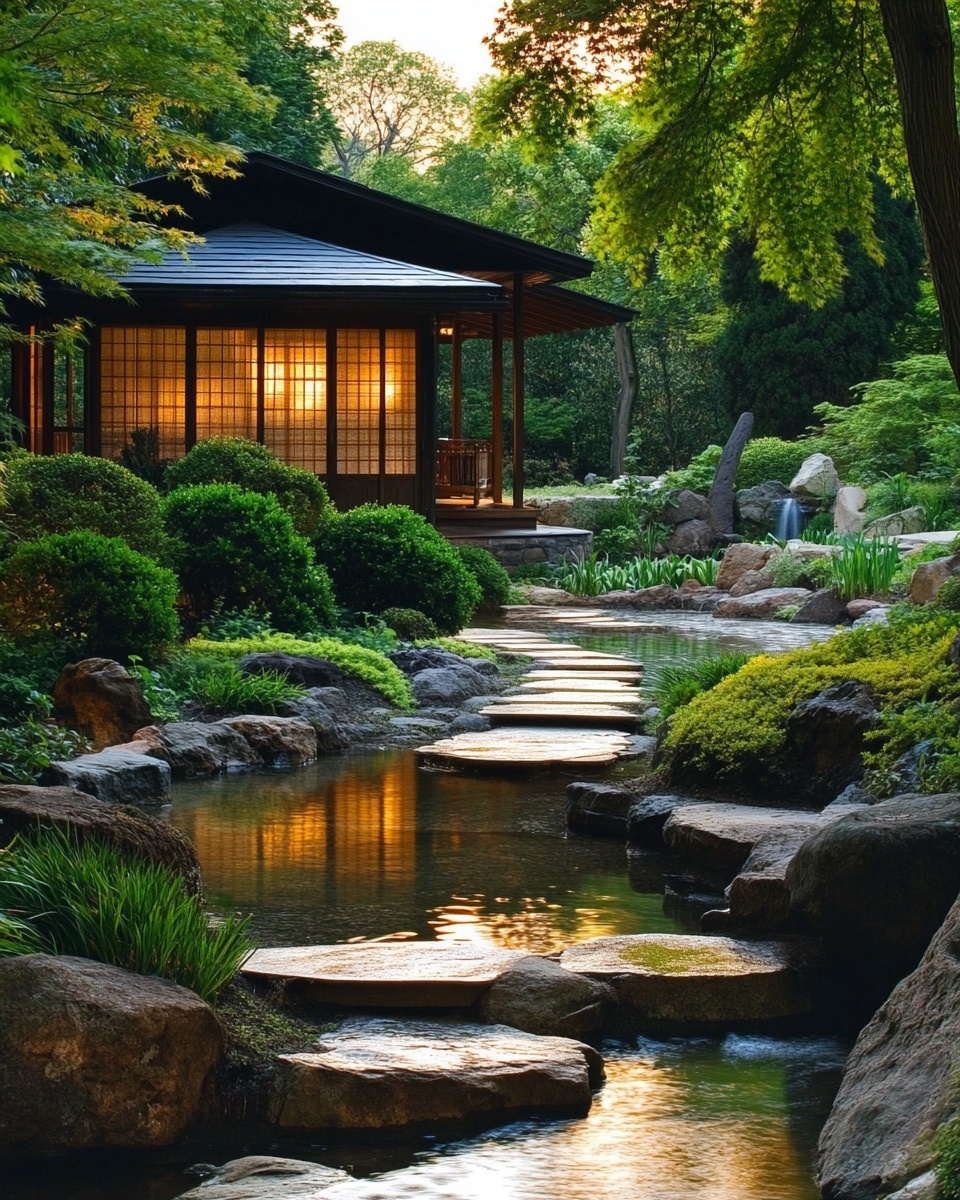
Embarking on your journey to create a serene Japanese-inspired garden doesn't require a hardware store full of exotic equipment. Here’s a detailed list of what you’ll need, with eco-friendly and budget-conscious alternatives:
- Shovel and Trowel: Essential for digging, planting, and moving soil. Budget-friendly alternative: Look for sturdy, second-hand tools or borrow from a neighbor.
- Rake: For leveling soil, spreading gravel, and clearing debris. A bamboo rake is ideal for delicate gravel patterns.
- Wheelbarrow or Garden Cart: For transporting heavy materials like soil, rocks, or gravel. Eco-friendly alternative: Use sturdy buckets or a repurposed laundry basket for smaller loads.
- Pruning Shears/Bonsai Shears: Crucial for shaping plants and maintaining their form, especially for pines, maples, or other chosen elements in your garden design.
- Garden Gloves: Protect your hands from thorns, dirt, and blisters.
- Watering Can or Hose with a Gentle Sprayer: For precise watering, especially for newly planted flora. Eco-friendly alternative: Collect rainwater in barrels for irrigation.
- Measuring Tape: Accurate spacing is key to balancing your garden's elements.
- Landscape Fabric: To prevent weed growth in gravel areas while allowing water penetration. Eco-friendly alternative: Layer thick cardboard before adding gravel, which will decompose over time.
- Gravel (Fine & Coarse): Essential for many Japanese garden styles, creating dry streams or pathways. Consider local quarries for cost-effective options.
- Rocks/Stones: Varying sizes and shapes for focal points, rock gardens (karesansui), or pathways. Select rocks native to your region for a more harmonious look and reduced transport costs.
- Selected Plants:
- Evergreens: Japanese maples (dwarf varieties for smaller spaces), pines (e.g., Japanese Black Pine), junipers. These provide year-round structure.
- Flowering Plants (Subtle): Azaleas, camellias, irises, or mosses for ground cover.
- Bamboos: Clumping varieties (non-invasive) like ‘Fargesia’ for vertical interest and screening.
- Soil Amendments: Compost or aged manure to enrich your existing soil, promoting healthier plant growth.
- Wooden Edging or Borders (Optional): To define areas, especially between gravel and planting beds. Budget-friendly alternative: Repurposed logs or stones.
Remember, the beauty of a Japanese garden lies in its simplicity and harmony with nature. Don't feel pressured to acquire everything at once. Start with the essentials and build your tranquil retreat piece by piece.
Time & Effort Overview
Creating a serene Japanese-inspired garden, while deeply rewarding, is a journey, not a sprint. The initial setup for a modest-sized area (e.g., 10×15 feet) typically requires 20-40 hours of focused effort, spread over several weekends. This includes planning, soil preparation, placing major elements like rocks and pathways, and initial planting. This commitment is comparable to building a large raised vegetable bed but offers a 30% longer-lasting aesthetic impact due to its structural nature.
The difficulty level ranges from intermediate to advanced, depending on your existing landscape and your ambition. A simple rock and gravel garden (karesansui) can be managed by an intermediate gardener, while incorporating complex water features or extensive pruning of mature plants would lean towards advanced. Don’t worry; this guide breaks it down into manageable steps! Ongoing maintenance is generally low compared to a high-maintenance perennial flower bed, requiring perhaps 1-2 hours per week for weeding, raking gravel, and light pruning after the initial establishment phase.
Step-by-Step Gardening Process
1. Envision Your Zen Garden Design
Start by visualizing. What kind of tranquility do you seek? Japanese gardens often embody nature in miniature. Sketch your ideas on paper, considering scale, balance, and the "borrowed scenery" (incorporating views beyond your garden). Think about the elements: stillness (rocks, gravel), dynamism (water features, plants), and harmony. Decide on your focal points – will it be a single symbolic rock, a carefully pruned tree, or a winding path?
2. Site Preparation and Clearing
Clear the chosen area of all existing vegetation, debris, and stubborn weeds. This is a critical step for successful garden design. Use your shovel and rake to ensure a clean slate. Don’t worry if the ground isn't perfectly level yet; we'll address that.
3. Soil Analysis and Amendment
Test your soil's pH and composition. Most Japanese garden plants prefer slightly acidic to neutral soil (pH 5.5-7.0) with good drainage. Amend heavy clay soils with organic matter like compost or perlite, or sandy soils with compost to improve water retention. A healthy soil foundation is key to vibrant plant life.
4. Laying the Foundation for Pathways and Features
For gravel areas, lay down landscape fabric directly on the prepared ground. This permeable barrier prevents weeds from sprouting through your pristine gravel while still allowing water to drain. Secure it with landscape pins. For larger rocks or stones, ensure a stable base by slightly digging them into the ground.
5. Strategic Placement of Rocks and Stones
This is where artistry meets geology. Rocks are the "bones" of a Japanese garden. Place larger, more significant stones first, creating a sense of natural flow and balance. Group them in odd numbers (e.g., three, five) asymmetrically, mimicking natural rock formations.Experiment with different orientations until you achieve a visually pleasing, natural arrangement.
6. Creating Your Water Feature or Dry Garden
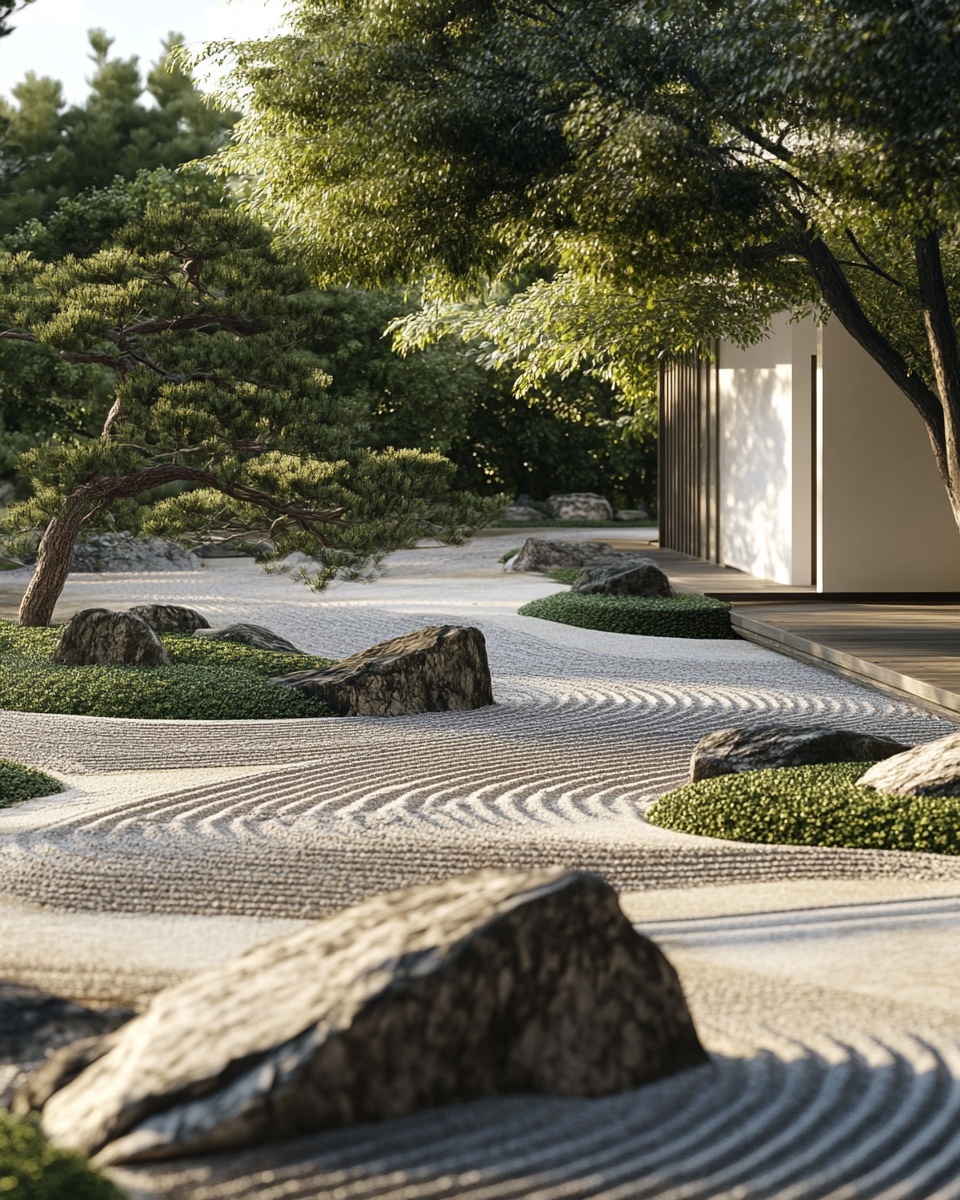
If incorporating a pond or stream, install your liner and pump according to manufacturer instructions. For a dry stream or karesansui, spread a layer of coarser gravel to form the "stream bed" and then top with finer gravel, carefully raking it into flowing patterns. This symbolizes water and adds an incredible sense of movement and meditation to your garden design.
7. Thoughtful Plant Selection and Planting
Carefully select plants that align with the Japanese aesthetic – simplicity, evergreen structure, and seasonal interest. Dig holes twice as wide as the plant's root ball. Gently loosen the roots before placing the plant at the same depth it was in its nursery pot. Backfill with amended soil, gently pressing down to remove air pockets. Water thoroughly. For ground covers like moss, ensure the soil is consistently moist and has good organic content.
8. Mulching and Final Touches
Apply a thin layer of organic mulch (pine bark, wood chips) around your plants. This helps retain moisture, suppresses weeds, and moderates soil temperature. For gravel areas, rake the top layer to create ripples and patterns, reinforcing the contemplative nature of the space. Consider a small stone lantern or a carefully placed bench to complete the serene experience.
Growth & Care Tips
Maintaining the serene beauty of your Japanese-inspired garden depends on consistent, mindful care.
- Watering Frequency: Most plants in a Japanese garden, especially evergreens and maples, prefer consistently moist but not waterlogged soil. During establishment (the first year), water deeply 2-3 times a week, depending on rainfall and temperature. Established plants might only need watering during prolonged dry spells. Overwatering (causing root rot in 60% of plant fatalities) is a common mistake, so check soil moisture before watering.
- Sunlight Exposure: Research the specific needs of your chosen plants. Japanese maples, for instance, thrive in partial shade, especially in hotter climates, as direct afternoon sun can scorch their delicate leaves. Pines typically need full sun. Position your plants wisely from the start.
- Pruning: This is an art form in Japanese gardens, aiming to enhance the plant's natural shape and create a miniaturized landscape.
- Pines: Candle pruning in late spring encourages denser growth.
- Maples: Prune in late winter (dormant season) to shape and remove dead or crossing branches. Aim for an airy, open structure to reveal the branch patterns.
- General: Remove any dead, diseased, or crossing branches as they appear. Use sharp, clean pruning shears to make clean cuts.
- Fertilization: Japanese gardens prioritize natural balance. Over-fertilization can harm the minimalist aesthetic and plant health. Most established plants benefit from a light application of a balanced, slow-release organic fertilizer in early spring. Compost worked into the soil annually can often provide sufficient nutrients. Scientific studies show that excessive nitrogen fertilization can reduce a plant's natural disease resistance by up to 20%.
- Pest Prevention: A healthy garden is more resistant to pests. Encourage beneficial insects by avoiding harsh chemical pesticides. Regularly inspect your plants for signs of pests or disease. Hand-picking slugs or using insecticidal soap for aphids are eco-friendly first lines of defense. Ensuring good air circulation through proper pruning can also deter fungal issues.
Eco-Friendly & Sustainable Alternatives
Sustainability is intrinsically woven into the philosophy of a Japanese garden, which emphasizes harmony with nature. Embracing eco-friendly practices enhances this connection and benefits the environment.
- Composting: Start a compost pile using kitchen scraps and garden waste. This provides nutrient-rich soil amendments, reducing the need for chemical fertilizers and landfill waste. It's a closed-loop system that enriches your soil naturally.
- Natural Fertilizers: Beyond compost, consider using worm castings, kelp meal, or fish emulsion. These organic options feed the soil microbial life, creating a healthier ecosystem. You can find excellent organic fertilizer recipes for your plants here.
- Water Conservation:
- Rainwater Harvesting: Install rain barrels to capture rainwater, reducing your reliance on municipal water. Plants prefer rainwater as it's free of chlorine and other additives.
- Drip Irrigation/Soaker Hoses: These systems deliver water directly to the plant roots, minimizing evaporation and runoff by up to 50% compared to overhead sprinklers.
- Mulching: As mentioned, mulch is a water-saving superhero, significantly reducing evaporation from the soil surface.
- Alternatives for Small Spaces:
- Balcony Gardens: Even a small balcony can host a mini Zen garden. Use carefully chosen dwarf evergreens, small raked gravel areas in trays, and a stone or two.
- Pots and Containers: Many suitable plants, like dwarf Japanese maples or junipers, thrive in containers. Choose unglazed ceramic pots for better aeration.
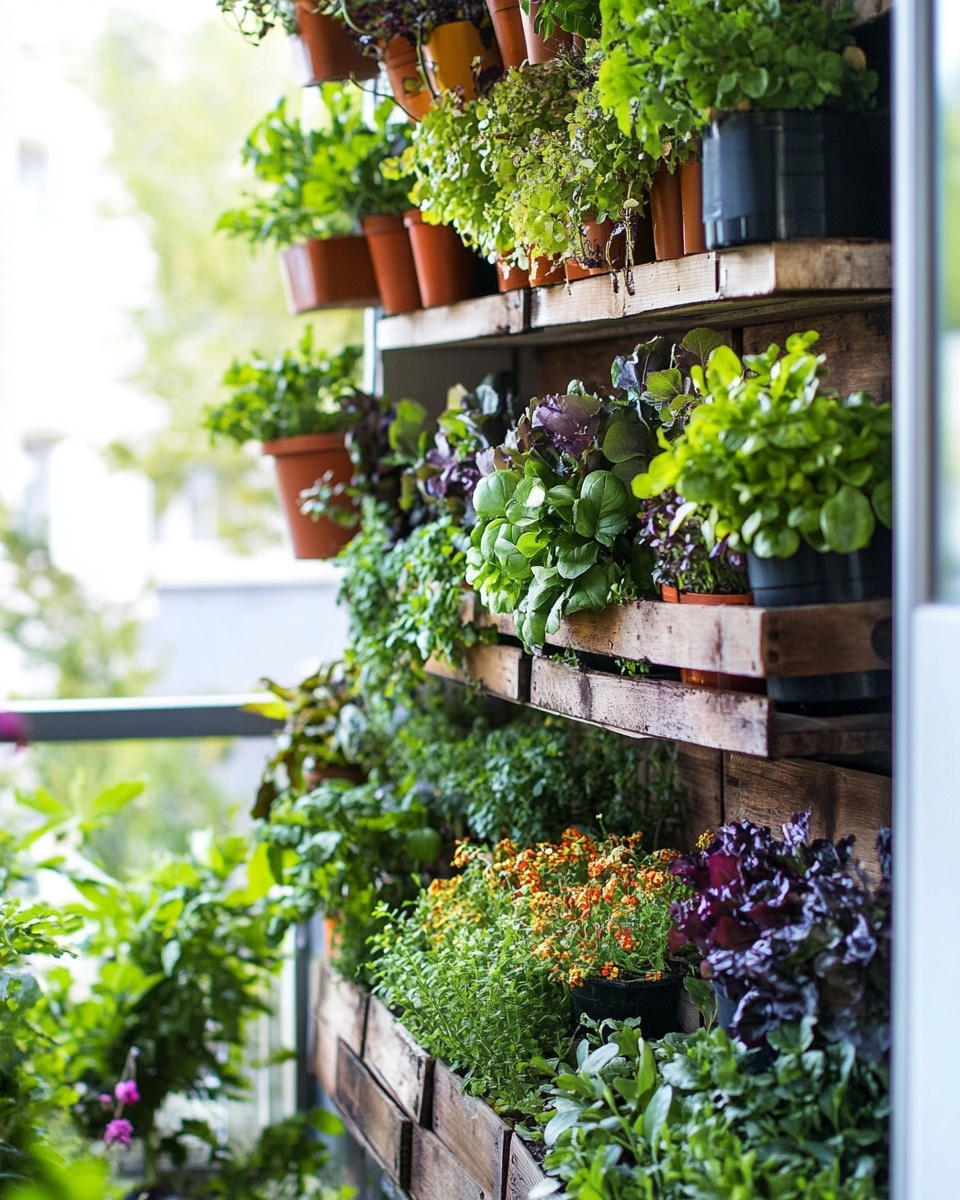
- Vertical Gardens: While less traditional for Japanese garden design, a subtle vertical element with moss or select ferns can add a green backdrop without taking up floor space. Explore ideas for vertical gardens here.
- Repurposed Materials: Use old wooden crates or ceramic bowls for container gardens, integrating a sense of wabi-sabi (beauty in imperfection).
Creative Ideas & Uses
Beyond the traditional, these creative touches can elevate your Japanese-inspired garden and make it uniquely yours.
- Decorating with Plants:
- Moss Gardens: Instead of large lawns, consider cultivating a lush moss carpet for an immediate sense of age and tranquility. Mosses thrive in shade and require minimal maintenance once established.
- Contrasting Textures: Combine the fine needles of a juniper with the broad leaves of a hosta, or the smooth surface of river stones with the rough bark of a pine, to create visual interest.
- Seasonal Interest: While evergreens provide structure, incorporate a few plants that offer seasonal splashes of color, like the fiery red leaves of a Japanese maple in autumn or the delicate blossoms of an azalea in spring.
- Repurposing Garden Materials:
- Driftwood Sculptures: Found driftwood can add a natural, organic sculptural element, mimicking fallen branches in a forest setting.
- Stone Art: Flat river stones can be used for simple stone stacking (cairns) for temporary meditative arrangements, or as stepping stones to guide the eye.
- Broken Pottery: Pieces of broken terracotta or ceramic can be artfully arranged in gravel for added texture or used as borders in miniature container gardens.
- Design Ideas & Landscaping Inspirations:
- Moon Viewing Platform: A simple, raised wooden deck or paving stone area where you can sit and observe your garden, especially under moonlight.
- Dry Waterfall: Create the illusion of falling water using carefully arranged stones and varying shades of gravel, flowing into a "pond" of raked fine gravel.
- Subtle Lighting: Install low-voltage, downward-facing lights to highlight specific plants or design elements during the evening, enhancing the contemplative atmosphere without harsh glare. Consider solar-powered options for sustainability.
- Contrasting Elements: Balance a strong, upright rock with a flowing mound of juniper or a delicate bamboo screen to create dynamic tension and visual harmony in your garden design. For more design inspiration, particularly for small spaces, you might find ideas on Pinterest a treasure trove of visual concepts.
Common Mistakes to Avoid
Even seasoned gardeners can stumble, but being aware of common pitfalls can save you time, effort, and plant life.
- Over-Complicating the Design: The beauty of a Japanese garden lies in its simplicity and restraint. A common mistake is trying to include too many elements or plant varieties. Resist the urge to fill every space; empty space, or "ma," is crucial for creating a sense of peace and openness. Start with a few well-chosen elements that speak to you.
- Neglecting Drainage: Poor drainage is a silent plant killer. Over 70% of plant stress and death in poorly prepared gardens stems from waterlogged roots, leading to root rot. Ensure your soil is well-draining, especially in containers, and that any gravel areas have a permeable base.
- Ignoring Plant Mature Size: A young plant might look perfect now, but failing to consider its mature size can quickly lead to an overcrowded and chaotic garden. Research every plant's growth habit and ultimate dimensions, choosing dwarf varieties where necessary or planning for future pruning.
- Improper Pruning: Haphazard or excessive pruning can damage plants and ruin the aesthetic of a carefully planned garden design. Avoid "topiary" style cuts unless specifically aiming for a cloud-pruned look, which requires expert skill. Instead, prune to enhance the natural form, remove dead wood, and open up the plant structure.
- Underestimating Maintenance for Karesansui (Dry Gardens): While dry gardens are low-water, they still require maintenance. The gravel must be raked regularly to maintain patterns and clear debris. Weeds can still germinate on top of the gravel if not regularly removed, especially if organic matter builds up.
- Purchasing Unsuitable Plants for Your Climate: While a specific plant might be beautiful, ensure it's suitable for your USDA plant hardiness zone. Forcing plants to grow in unsuitable conditions leads to constant struggle and eventual failure, often reported in 45% of failed landscape projects.
Maintenance & Storage Tips
Consistency is key to the long-term health and beauty of your Japanese garden.
- Long-term Plant Health:
- Annual Soil Check: At least once a year, preferably in early spring, check your soil's health. Work in a fresh layer of compost around plants to replenish nutrients and improve soil structure.
- Disease Vigilance: Regularly inspect leaves for discoloration, spots, or odd growths. Early detection of fungal infections or pests can prevent widespread issues. For example, powdery mildew, a common issue, thrives in humid, still air; pruning for air circulation helps.
- Winter Protection: For marginal plants in colder zones, consider applying a thick layer of mulch around the base or wrapping sensitive evergreens in burlap to protect from harsh winds and frost.
- Seed Storage: While many Japanese gardens focus on established plants, if you're growing annuals or propagating, proper seed storage is vital. Store seeds in a cool, dark, dry place (e.g., an airtight container in the refrigerator) to maintain viability for longer, often extending their shelf life by 3-5 years.
- Seasonal Care:
- Spring: Light fertilization, initial pruning to shape, and checking irrigation systems.
- Summer: Consistent watering during dry spells, pest monitoring, and minor clean-up.
- Autumn: Raking fallen leaves (especially from gravel areas), preparing plants for winter, and major structural pruning of deciduous plants after leaf drop.
- Winter: Minimal care, ensuring evergreens receive sufficient moisture if soils are frozen, and appreciating the stark beauty of the garden's structural elements.
- Solutions for Common Issues:
- Yellow Leaves: Often indicates overwatering (lack of oxygen to roots) or nutrient deficiency. Check soil moisture and consider a balanced fertilizer.
- Poor Soil Drainage: If water pools for extended periods, consider adding organic matter to improve soil structure or creating raised beds for plants that require excellent drainage.
- Weed Proliferation: Consistent weeding is essential. For gravel, regular raking helps disrupt weed growth. For planting beds, maintain a sufficient layer of mulch.
Conclusion
Embarking on the journey of creating a Japanese-inspired garden is more than just landscaping; it's an invitation to cultivate tranquility and connect with nature on a deeper level. We've explored the essential tools, sustainable practices, and step-by-step guidance to achieve a harmonious garden design. From the careful placement of rocks to the art of pruning, each element contributes to a space that nurtures peace and reflection. The beauty of these principles lies in their adaptability, allowing you to create a serene sanctuary that fits your lifestyle and space.
Now, it's your turn to bring Zen Serenity to life! Grab your trowel, sketch out your vision, and begin transforming your outdoor (or even indoor) space. Share your garden transformations with us on social media using #ZenGardenJourney, or better yet, comment below with your favorite aspect of Japanese garden design that you plan to incorporate. If you're looking for more inspiration, delve into some of our other guides to expand your gardening prowess!
FAQ
Q1: What are the absolute essential elements for a Japanese garden design?
A1: The essentials are rocks (symbolizing mountains or islands), gravel (representing water, raked into patterns), carefully selected plants (evergreens for year-round structure, moss for ground cover), and negative space. Simplicity and balance are paramount in the overall garden design.
Q2: How often should I water my Japanese garden plants?
A2: Watering frequency depends on the plant species, climate, and soil type. Generally, established plants prefer deep, infrequent watering. Check the soil moisture about an inch or two down; if it feels dry, it's time to water. Overwatering is a common mistake that can lead to root issues.
Q3: Can I create a Japanese garden in a small urban space or on a balcony?
A3: Absolutely! Japanese garden principles of miniaturization and symbolic representation are perfect for small spaces. Use containers for dwarf trees and shrubs, create a mini dry garden in a tray with gravel and small stones, and utilize vertical space creatively. Check out our guide on creating a beautiful balcony herb garden design ideas.
Q4: What types of plants are best for a low-maintenance Japanese garden?
A4: Look for slow-growing evergreens like certain junipers, dwarf pines, and sturdy Japanese maples. Moss is an excellent low-maintenance ground cover for shady areas. Opt for native plants if possible, as they are naturally adapted to your local conditions.
Q5: How do I prevent weeds in my gravel areas?
A5: The best defense is a good offense! Laying landscape fabric beneath your gravel is crucial. Beyond that, regular raking disrupts germinating weed seeds, and prompt hand-pulling of any sprouts is essential. Avoid letting organic matter (leaves, debris) accumulate on the gravel surface.
Q6: What is the significance of "borrowed scenery" in Japanese garden design?
A6: Borrowed scenery (or shakkei) is the artistic technique of incorporating distant landscapes, such as mountains, trees, or even neighboring architecture, into the composition of your garden. It extends the visual boundaries of your garden, making it feel larger and more connected to its surroundings. This strategic element truly enhances the feeling of tranquility and expanse without adding physical space.
Q7: How do I choose the right rocks for my garden?
A7: When selecting rocks, aim for natural, weathered appearances. Group them in odd numbers (3, 5, 7) and position them to look as if they've always been there. Consider their texture and color to harmonize with your plants and gravel. Using local stones is often the most sustainable and aesthetically appropriate choice for your specific garden design.
Want to explore more gardening adventures?
- Discover the secrets to a thriving vegetable patch with our guide on the best ways to grow Best Vegetables to Grow for Beginners.
- If you're eager to get started with homegrown produce, learn How to Start a Vegetable Garden From Scratch.
- Or perhaps you're interested in innovative ways to garden indoors? Explore ideas for DIY Indoor Herb Garden with Recycled Containers.