Introduction
Have you ever wondered why some gardens flourish with vibrant life, offering bountiful harvests and breathtaking beauty, while others struggle with patchy growth and disheartening results, despite similar efforts? The secret often lies not in hard labor, but in an intelligent approach to garden design. It's estimated that a well-planned garden layout can increase yield by up to 30% and reduce maintenance time by 20%, transforming a chore into a joy. This article will guide you through the art and science of creating a stunning and productive outdoor space, focusing on practical techniques and smart planning to ensure your gardening dreams come to fruition. Let's dig in and cultivate a truly unique and thriving garden!
Tools & Materials Needed
Creating an exceptional garden requires the right arsenal of tools and the best materials. Don't worry, you don't need a professional-grade setup to start; a few essentials will get you a long way.

Here’s what you’ll need:
- Hand Trowel and Fork: These are your primary digging tools for planting and weeding. A good quality, ergonomic set will save your wrists.
- Shovel or Spade: Essential for turning soil, digging larger holes, and moving compost.
- Rake: For leveling soil, spreading mulch, and clearing debris.
- Pruning Shears/Secateurs: Crucial for shaping plants, removing dead growth, and harvesting. Choose bypass pruners for cleaner cuts.
- Gardening Gloves: Protect your hands from thorns, dirt, and blisters. Look for breathable, durable options.
- Watering Can or Hose with a Gentle Nozzle: Consistent watering is key. A watering can is great for delicate seedlings, while a hose is efficient for larger areas.
- Wheelbarrow or Garden Cart (Optional, but Recommended): Invaluable for moving soil, compost, and harvested produce around your garden.
Materials:
- High-Quality Potting Mix or Topsoil: The foundation of your garden’s health. Look for mixes rich in organic matter. For a budget-friendly option, consider blending your own with compost and existing garden soil.
- Compost: This organic gold enriches soil, improves drainage, and provides essential nutrients. You can buy it or start your own composting system!
- Seeds or Seedlings: Choose plants suitable for your climate zone and light conditions. For eco-friendly alternatives, opt for heirloom or open-pollinated seeds from local suppliers.
- Mulch: Materials like wood chips, straw, or shredded leaves help retain moisture, suppress weeds, and regulate soil temperature.
- Fertilizer (Organic preferred): Depending on your soil needs, organic options like worm castings, bone meal, or granular organic fertilizers can provide a boost. (For more on organic options, check out our guide on "Organic Fertilizer Recipes for Herb Gardens".)
- Edging Materials (Optional): Define beds and pathways with stones, bricks, or repurposed wood.
Time & Effort Overview
Embarking on a new garden design project can seem daunting, but it’s a deeply rewarding process. The time and effort required largely depend on the scale and ambition of your garden.
- Initial Setup (Garden Bed Preparation & Planting): For a moderate-sized garden bed (e.g., 4×8 feet), expect to spend 8-16 hours initially. This includes soil preparation, planting, and setting up any irrigation. This is relatively quicker compared to establishing a new lawn, which might take 20-30 hours for a similar area due to turf installation and care.
- Establishment Phase (First 2-4 Weeks): Daily checks and watering, especially for seedlings, will take about 15-30 minutes. Weeding might add an hour or two per week initially.
- Ongoing Maintenance (Monthly/Weekly): Once established, a well-designed garden will require 2-4 hours of maintenance per week. This involves watering, weeding, pruning, and harvesting. This is significantly less than a garden with random plantings, which often demands 50% more weeding time.
Difficulty Level: This guide caters to Beginner to Intermediate gardeners. While advanced techniques like complex crop rotation or intricate espalier training are not covered, the fundamental principles of good garden design presented here will set you up for success. Don't underestimate the joy of learning as you go!
Step-by-Step Gardening Process
A thoughtful garden design begins before the first seed is sown. Following these steps will help you create a beautiful and productive space.
Step 1: Site Assessment and Planning
Begin by observing your chosen area. How much sunlight does it receive throughout the day? Most vegetables and many flowers need at least 6-8 hours of direct sunlight. What's the soil like? Dig a small hole to check its texture and drainage. Consider water sources and proximity to your home. Draw sketches, even simple ones, to visualize your layout. Think about pathways, seating areas, and focal points. This planning phase is critical for effective garden design.
Step 2: Soil Preparation
Healthy soil is the bedrock of a thriving garden. Start by clearing any existing weeds or debris. Double-digging (turning the top layer, then the layer beneath) can improve aeration and drainage, especially in compacted soil. Incorporate a generous amount of organic matter like compost. Aim for at least 2-4 inches of compost mixed into the top 6-12 inches of soil. This significantly boosts soil fertility and structure, making it easier for roots to grow. Don’t worry if your soil isn’t perfect right away; consistent amendment will improve it over time.
Step 3: Laying Out Your Garden Beds
Based on your design, mark out your garden beds. Raised beds are excellent for improving drainage and offering better control over soil quality, plus they reduce back strain. If you're going for in-ground beds, ensure pathways are wide enough for comfortable access (at least 2-3 feet). Consider companion planting during this phase – planting certain species together can deter pests and enhance growth. For example, marigolds can protect tomatoes.
Step 4: Planting Seeds or Seedlings
Read your seed packets or plant tags carefully for specific instructions on planting depth and spacing. For seeds, create small furrows or holes, drop in seeds, and lightly cover with soil. Water gently. For seedlings, dig a hole slightly larger than the root ball, carefully place the plant, and backfill with soil, gently firming it around the base. Ensure the plant is at the same depth it was in its nursery pot. Here's how to fix stretched seedlings: gently bury the elongated stem up to the first set of true leaves.
Step 5: Initial Watering
After planting, give your new garden a thorough but gentle watering. This helps settle the soil around roots and seeds. Avoid harsh sprays that can dislodge seeds or damage delicate seedlings. The goal is to moisten the soil deeply without creating standing water.
Step 6: Mulching
Once planted, apply a 2-4 inch layer of mulch around your plants, keeping it a few inches away from stems or trunks to prevent rot. Mulch is a game-changer! It conserves soil moisture by reducing evaporation (saving up to 40% on water), suppresses weeds (reducing weeding by 50-70%), and slowly adds organic matter to the soil as it breaks down.
Growth & Care Tips
Consistent care is vital for a flourishing garden design. Here’s how to nurture your plants to their full potential:
- Watering Frequency: Most plants prefer consistent moisture. The general rule is to water deeply and infrequently rather than shallowly and often. Aim for 1 inch of water per week, either from rain or irrigation. Check soil moisture by sticking your finger about an inch or two into the soil; if it feels dry, it's time to water. Early morning is the best time to water, as it allows foliage to dry before nightfall, reducing fungal disease risk.
- Sunlight Exposure: As established in your garden design phase, ensure each plant receives its ideal light. "Full sun" means 6+ hours, "partial sun" 3-6 hours, and "shade" less than 3 hours of direct sunlight. If plants show signs of scorching or stretching, adjust their location if possible or provide shade/more light.
- Pruning: Regularly remove dead, diseased, or damaged leaves and branches. Pruning can also encourage bushier growth and more blooms or fruits. For vegetables like tomatoes, pinching off suckers can direct energy to fruit production.
- Fertilization: About 4-6 weeks after planting, consider a light application of organic fertilizer, especially for heavy feeders like vegetables. A soil test every 2-3 years can provide precise data on nutrient deficiencies. Over-fertilization can harm plants more than help, leading to excessive foliage at the expense of flowers or fruit. It's estimated that 15-20% of gardeners
- Pest and Disease Prevention: Healthy plants are naturally more resilient. Promote good airflow, avoid overhead watering which can encourage fungal diseases, and practice crop rotation. Inspect your plants regularly for signs of pests or diseases. Early detection is key! Neem oil, insecticidal soap, or hand-picking are often effective organic solutions. A diverse garden design with companion planting can also attract beneficial insects that prey on pests.
Eco-Friendly & Sustainable Alternatives
Incorporating sustainability into your garden design benefits both your plants and the planet!
- Composting: Turn kitchen scraps and yard waste into nutrient-rich compost. This reduces landfill waste and provides free, high-quality soil amendment. Learn how to create your own compost at home.
- Natural Fertilizers: Beyond purchased compost, coffee grounds (for acid-loving plants), banana peels (for potassium), and worm castings are excellent natural boosts. These build soil health long-term, unlike synthetic fertilizers which can deplete soil microbiology.
- Water Conservation: Implement drip irrigation or soaker hoses to deliver water directly to the root zone, minimizing evaporation by up to 50% compared to overhead sprinklers. Collect rainwater in barrels for irrigation; plants prefer it to chlorinated tap water. Mulching, as mentioned earlier, is also a powerful water saver.
- Small Spaces Solutions: Don't have a sprawling backyard? No problem!
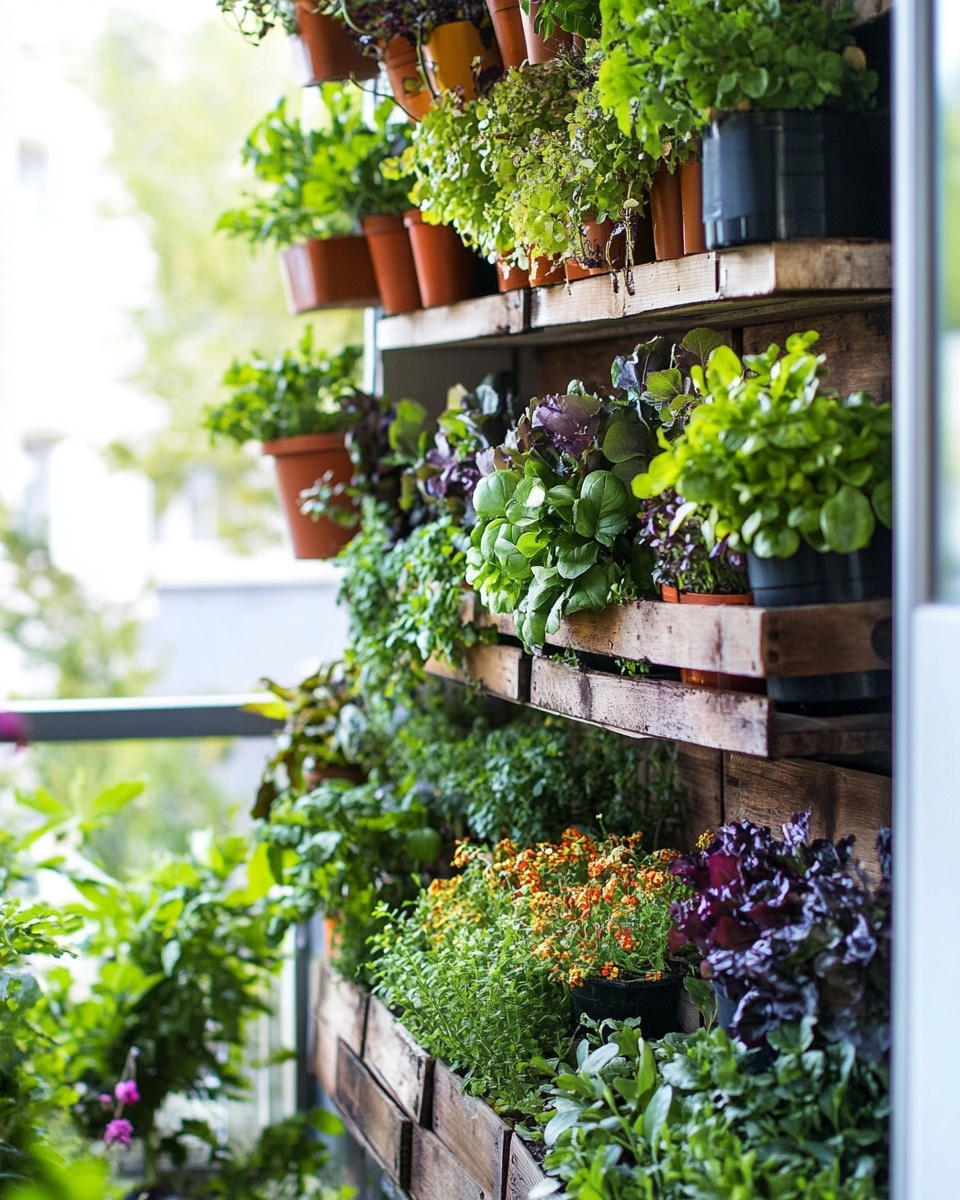
- Balcony Gardens: Herbs, leafy greens, and many flowers thrive in pots on balconies. Explore "Balcony Herb Garden Ideas for Beginners" for inspiration.
- Pots and Containers: Almost anything can be grown in a suitable container. Ensure good drainage.
- Vertical Gardens: Utilize wall space with vertical planters for herbs, strawberries, or succulents. This is an ingenious way to maximize small areas and enhance your overall garden design. You might find useful ideas in "Vertical Indoor Garden Ideas for Small Spaces".
Creative Ideas & Uses
A garden isn't just about growing; it's about creating an experience. Let your garden design reflect your personality!
- Decorate with Plants: Use plants themselves as decorative elements. Group pots of varying heights and textures for visual interest. Create living walls with climbers or espalier fruit trees against fences. Consider plants with interesting foliage textures or variegated leaves to add continuous appeal even when not in bloom.
- Repurpose Garden Materials: Get creative with salvaged items! Old tires can become raised beds; pallets can transform into vertical planters. Broken pottery can be used for drainage or decorative mosaics. A vintage bicycle can become a quirky planter stand. Pinterest offers endless inspiration for this. Check out ideas at https://www.pinterest.com/janatjanay47/.
- Combine Plants Aesthetically: Think about color schemes, plant heights, and bloom times when arranging. Create "rooms" in larger gardens using hedges or taller plants to define spaces. For example, a vibrant cluster of petunias, marigolds, and salvias provides continuous summer color and texture. Integrate edibles like colorful Swiss chard or purple basil into your ornamental beds for a beautiful and productive display.
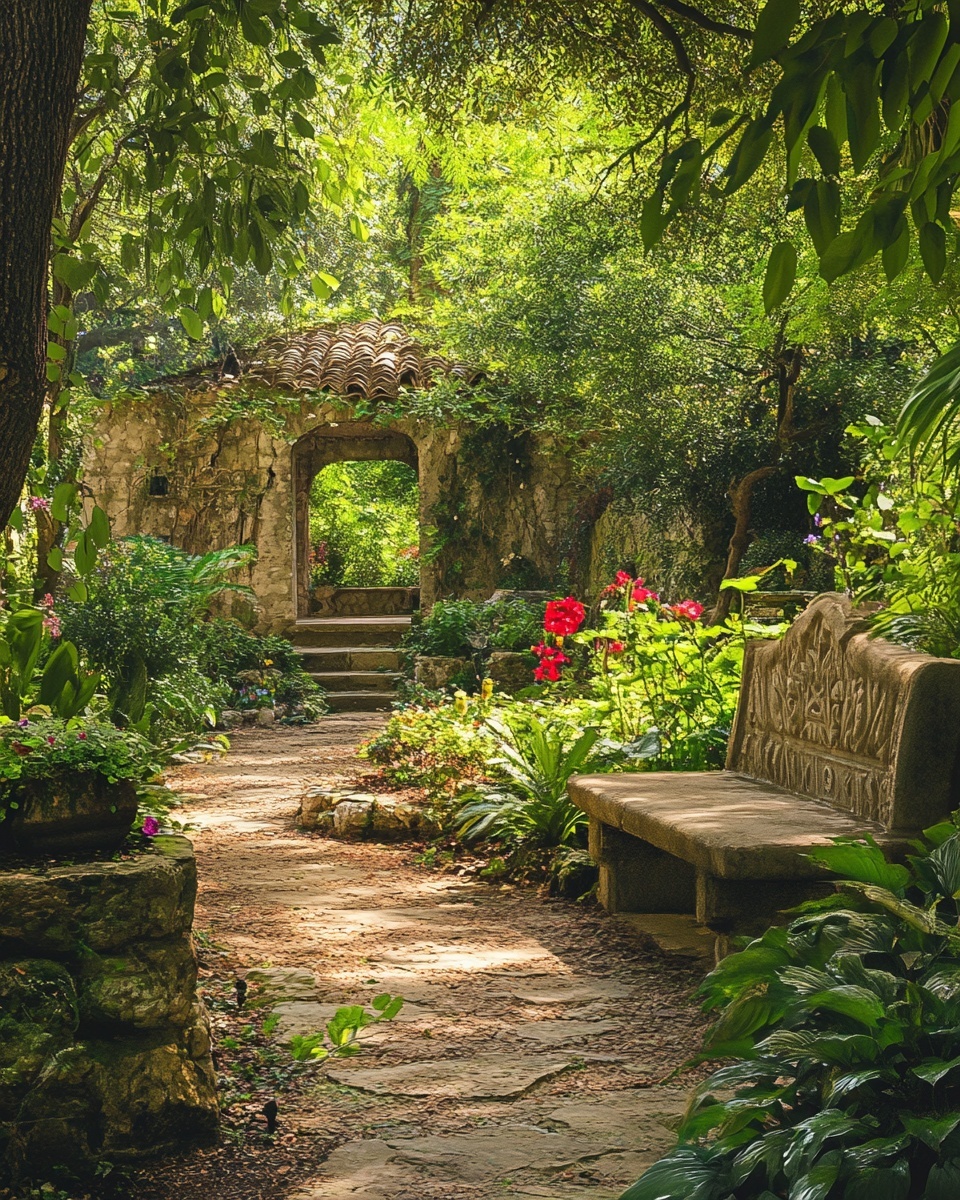
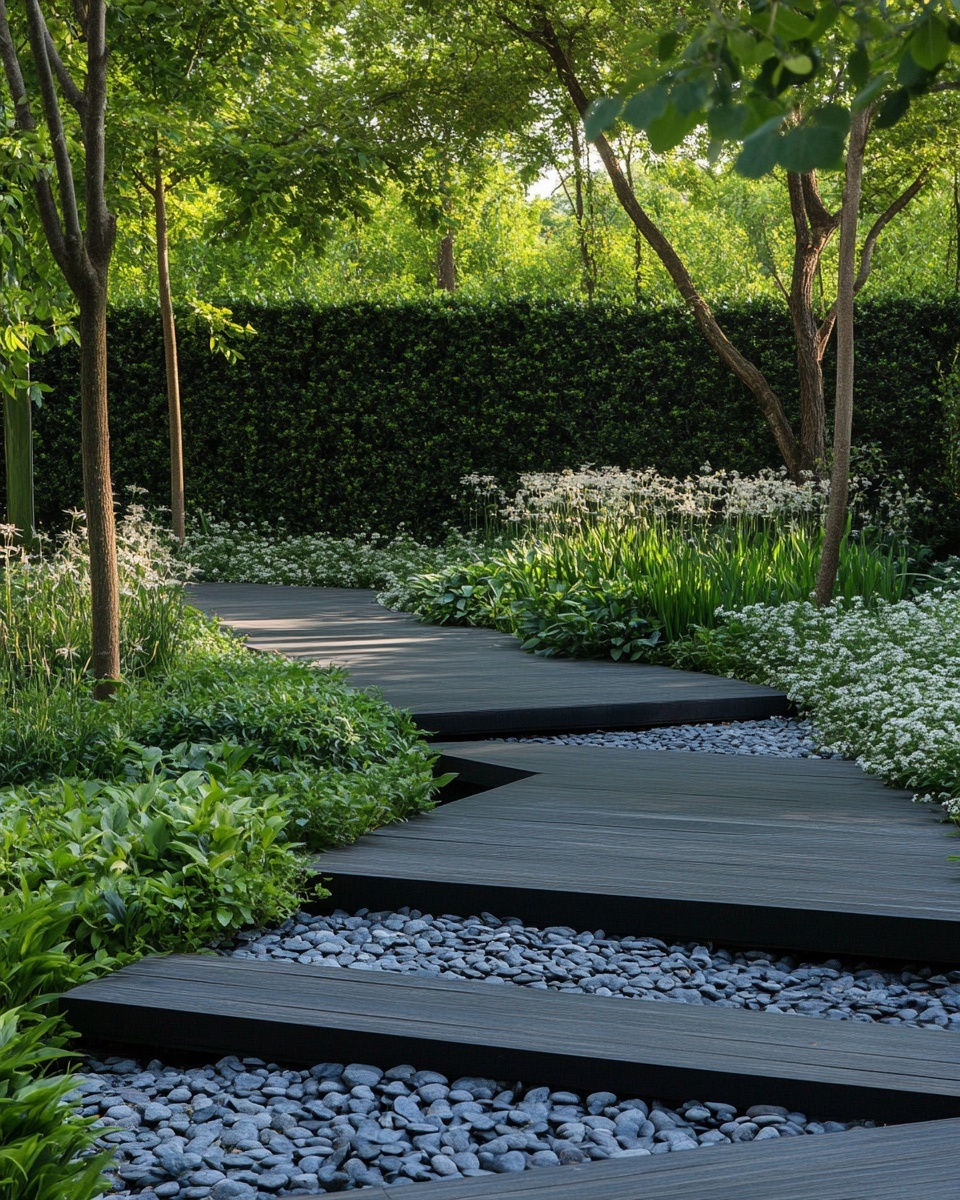
- Landscaping Inspiration: Incorporate features like bird feeders, wind chimes, or small water features to enhance the sensory experience of your garden. Consider a winding path through your plants to invite exploration, or a small bench amidst fragrant flowers for a peaceful retreat. When thinking about overall garden design, remember that every element contributes to the feel of your outdoor space.
Common Mistakes to Avoid
Even experienced gardeners make blunders. Knowing these common pitfalls can save you time, effort, and heartache in your garden design journey.
- Overwatering: This is cited as the cause of death for over 60% of container plants and a significant percentage of in-ground plants. Symptoms include yellowing leaves, slowed growth, and mold. Always check soil moisture before watering.
- Underwatering: While less common for established plants, new seedlings are highly susceptible. Wilting or crispy leaves are key indicators.
- Ignoring Soil Health: Treating your soil as mere anchoring for plants is a big mistake. Soil is a living ecosystem. Poor soil leads to poor plant growth, nutrient deficiencies, and increased susceptibility to pests. Regularly amending with organic matter is crucial.
- Planting Too Close Together: While tempting to get more plants in, overcrowding leads to poor air circulation, increased disease risk, competition for nutrients and light, and reduced yields. Always follow spacing guidelines specific to your plants as part of your garden design.
- Not Researching Plant Needs: Placing a full-sun plant in shade, or an acid-loving plant in alkaline soil, is a recipe for disaster. Understand each plant’s specific requirements for light, water, and soil pH.
- Ignoring Pest and Disease Signs: A small problem can quickly become an infestation if not addressed early. Regular scouting is your best defense.
- Using Too Much Fertilizer: More isn't always better. Excess fertilizer can burn roots, contaminate groundwater, and lead to weak, leggy growth.
- Improper Pruning: Haphazard pruning can damage plants, remove future blooms, or open them to disease. Research proper techniques for each plant type.
Maintenance & Storage Tips
Long-term success in garden design hinges on ongoing care and smart seasonal preparation.
- Long-Term Plant Health:
- Crop Rotation: For vegetable gardens, rotate your crops annually to prevent the buildup of soil-borne diseases and pests, and to manage nutrient depletion.
- Deadheading: Removing spent flowers encourages plants to produce more blooms rather than putting energy into seed production.
- Regular Feeding: Supplementing with compost tea or liquid organic fertilizer every few weeks can keep heavy feeders productive.
- Seed Storage: If you're saving seeds, ensure they are thoroughly dry before storing. Place them in airtight containers in a cool, dark, and dry place (like a refrigerator or freezer for long-term storage). Label them with the plant type and date. Properly stored seeds can remain viable for several years, a great aspect of self-sufficient garden design.
- Seasonal Care:
- Spring: Clean up winter debris, amend soil, start seeds indoors, prune dormant plants.
- Summer: Focus on regular watering, fertilizing, pest control, and harvesting.
- Fall: Clear spent annuals, plant fall crops or bulbs, add a fresh layer of compost or mulch, and prepare perennial beds for winter (e.g., cut back hostas, mulch roses).
- Winter: Protect tender plants, plan next year's garden design, and maintain tools.
- Solutions for Common Issues:
- Yellow Leaves: Often indicates overwatering, nutrient deficiency (especially nitrogen), or poor drainage. Assess your watering schedule and consider a balanced fertilizer.
- Poor Soil Drainage: Amend with plenty of organic matter (compost, well-rotted manure), or consider raised beds. Gypsum can help with heavy clay soils.
- Leggy Plants: Usually a sign of insufficient light. Move the plant to a brighter spot or provide supplemental lighting.
Conclusion
Embarking on the journey of thoughtful garden design is more than just planting seeds; it's about cultivating a vibrant, resilient, and deeply personal extension of your home. By understanding your space, enriching your soil, and providing consistent care, you’ll unlock the incredible potential of your garden. Remember that every small success teaches you something new, and every challenge offers an opportunity to learn and grow, just like your plants. The benefits extend beyond fresh produce or beautiful blooms; gardening reduces stress, connects you with nature, and brings a profound sense of accomplishment.
So, what are you waiting for? Grab your trowel, sketch out your dreams, and start transforming your outdoor space into the abundant oasis you envision. We invite you to share your garden design journey with us! Tag us in your garden photos on social media, or tell us about your proudest gardening moments in the comments below. Happy gardening!
FAQ
Q1: How much time should a beginner realistically expect to dedicate to their garden each week?
A: For a new garden, especially one focused on a strong garden design strategy, beginners should expect to spend around 4-6 hours per week during the initial establishment phase (first month). Once established, this can drop to 2-4 hours per week for general maintenance, watering, and harvesting.
Q2: What's the biggest mistake new gardeners make regarding soil, and how can I avoid it?
A: The biggest mistake is underestimating the importance of soil health. Many beginners plant directly into poor, compacted soil without amendment. To avoid this, always start by enriching your soil with a significant amount of organic matter, like rich compost, before planting. This foundational step in garden design will pay dividends.
Q3: Can I really have a productive garden in a small space like a balcony?
A: Absolutely! With smart garden design techniques like vertical gardening, container planting, and choosing compact varieties, you can grow a surprising amount of food and flowers on a balcony or patio. Herbs, leafy greens, radishes, and even some small tomato varieties thrive in containers.
Q4: How do I know if I'm overwatering or underwatering my plants?
A: The best way is to feel the soil. Stick your finger about 1-2 inches deep. If it feels dry, it's likely time to water. If it feels soggy, you might be overwatering. Signs of overwatering include yellowing leaves, drooping, and rot; underwatering causes wilting, crispy leaves, and stunted growth. Consistent watering is a cornerstone of good garden design.
Q5: What are some low-maintenance plants for a beginner's garden?
A: For flowers, consider marigolds, zinnias, or coneflowers. For edibles, radishes, lettuce, bush beans, and many herbs (like basil and mint) are relatively easy. These require less fuss while still offering beauty and bounty, fitting well into a low-effort garden design.
Q6: Is it better to start plants from seeds or buy seedlings?
A: Both have their advantages. Starting from seeds is often more cost-effective and offers a wider variety of choices, but it requires more time and controlled conditions. Buying seedlings provides an instant head start and is great for beginners or those short on time. Your garden design goals and available time will dictate the best approach.
Q7: How can I sustainably manage pests in my garden without harsh chemicals?
A: Focus on prevention! Foster biodiversity in your garden design to attract beneficial insects, practice crop rotation, maintain healthy soil and plants (which are naturally more resistant), and use physical barriers. For existing pests, try hand-picking, insecticidal soaps, or neem oil, which are gentler on the environment.
Continue Your Gardening Journey!
Ready for more gardening inspiration? Explore these related guides:
- Thinking about starting your edible garden from scratch? Check out our comprehensive guide: "How to Start a Vegetable Garden from Scratch".
- If you're wondering which plants play well together, you'll love reading about "Best Companion Herbs to Grow Together".
- For those with limited space, don't miss our creative ideas for "DIY Indoor Herb Garden with Recycled Containers".
- Looking for greener ways to feed your plants? Discover "Organic Fertilizer Recipes for Herb Gardens".
- Master how to nurture your herbs indoors with "Indoor Herb Garden Lighting Tips".