Introduction
Did you know that over 80% of urban dwellers dream of having a garden, yet less than 30% believe it's achievable in their compact living spaces? Many assume that a lush, vibrant green oasis is a luxury reserved for those with sprawling backyards. But what if we told you that even the smallest balcony or rooftop garden could become a blossoming haven, bursting with color and life? Creating stunning balcony & rooftop gardens is not just a pipe dream; it's an incredibly rewarding reality that’s within reach for everyone, regardless of square footage. This comprehensive guide will show you how to transform your small outdoor area into a vibrant escape, proving that big beauty can indeed come in small packages.
Tools & Materials Needed
Embarking on your journey to create beautiful balcony & rooftop gardens starts with gathering the right tools and materials. Don’t worry; you don't need a massive investment or a contractor's workshop. Here’s what you’ll need:
- Pots and Planters: Variety is key! Consider terracotta for a classic look, lightweight plastic for portability (especially on a balcony), or even fabric grow bags which offer excellent drainage and aeration. For an eco-friendly approach, repurpose old plastic containers, wooden crates, or even sturdy tin cans. Just ensure they have drainage holes.
- Potting Mix: This isn't just any dirt; it's the lifeblood of your container garden. Opt for a high-quality, well-draining potting mix, ideally one specifically formulated for containers. Look for mixes with perlite or vermiculite to improve aeration and moisture retention. Avoid using garden soil directly, as it compacts easily in pots, suffocating roots.
- Seeds or Starter Plants: For instant gratification, choose starter plants. For a more budget-friendly and rewarding experience, start from seeds! Consider flowers like petunias, marigolds, nasturtiums, or compact varieties of sunflowers that thrive in containers. Herbs like basil, mint, and rosemary also make excellent additions to balcony & rooftop gardens.
- Small Trowel: For scooping soil and planting. A strong, ergonomic one will save your hands.
- Watering Can: A small one with a fine rose attachment is perfect for delicate seedlings and evenly watering pots without disturbing the soil. For larger setups, a hose with a gentle sprayer nozzle can be invaluable.
- Gardening Gloves: Protect your hands from dirt, thorns, and potential irritants.
- Pruning Shears/Snips: Essential for deadheading spent blooms, light pruning, and keeping your plants tidy and healthy.
- Organic Fertilizer: A slow-release granular fertilizer or a liquid feed can provide essential nutrients. Look for organic options like compost tea or worm castings for a sustainable boost.
- Drainage Material (Optional but Recommended): A layer of gravel or broken pot pieces at the bottom of larger pots can enhance drainage, especially if you’re prone to overwatering.
Time & Effort Overview
Transforming your compact space into flourishing balcony & rooftop gardens is a surprisingly manageable endeavor. For planting, expect to dedicate anywhere from 1 to 3 hours for a small-to-medium balcony setup, assuming you have all your materials ready. This time frame can vary depending on whether you're planting seeds or transplanting existing seedlings.
Compared to establishing a traditional in-ground garden, the initial setup for balcony & rooftop gardens is often 50% faster, primarily due to less soil preparation and smaller planting areas.
In terms of ongoing maintenance:
- Daily Check-ins: 5-10 minutes (watering, quick pest check, deadheading a few flowers).
- Weekly Maintenance: 30-60 minutes (more thorough watering, fertilizing, pruning, pest inspection).
- Monthly Deep Dive: 1-2 hours (repotting, soil refreshment, more intensive pruning, and seasonal adjustments).
Overall, this project falls firmly into the beginner-to-intermediate difficulty level. The biggest challenges usually involve understanding specific plant needs and managing watering in containers. However, with a little attention and consistent care, anyone can achieve fantastic results.
Step-by-Step Gardening Process
Time to get your hands dirty and bring those balcony & rooftop gardens to life! Follow these easy steps:
Choose Your Plants Wisely
Start by assessing your space. How much sunlight does your balcony receive daily? Is it morning sun, afternoon sun, or dappled shade? Most flowering plants need at least 6 hours of direct sunlight. If you have less, opt for shade-loving annuals like impatiens or fuchsias, or foliage plants like ferns and hostas. Research shows that choosing plants suited to your specific light conditions is the single most important factor for success, accounting for up to 40% of future plant health.
Prepare Your Pots for Planting
Ensure every pot has drainage holes at the bottom. If not, drill a few yourself (be careful!). Cover the drainage holes with a small piece of mesh screen or a broken pottery shard to prevent soil from washing out. Add a layer of gravel or small stones at the bottom of larger pots for improved drainage, especially useful for plant species sensitive to wet feet.
Fill with Quality Potting Mix
Fill your chosen pots with a good quality potting mix, leaving about an inch or two of space from the rim. This prevents soil from overflowing when you water. Lightly moisten the soil before planting; it's easier to work with.
Plant Your Seeds or Transplants
If using seeds, follow the packet instructions for depth and spacing. Small seeds can often be scattered lightly and covered with a thin layer of soil. For starter plants, gently remove them from their nursery pots. Tease apart any matted roots at the bottom. Dig a hole in your prepared pot large enough for the plant’s root ball. Place the plant in the hole, ensuring the top of the root ball is level with the soil surface. Backfill with potting mix and gently firm around the base of the plant.
Give Them a Good Drink
Immediately after planting, water thoroughly until you see water draining from the bottom of the pot. This helps settle the soil around the roots and eliminates air pockets. Don’t worry if some soil settles a bit; you can top it off if needed.
Provide Initial Support (If Needed)
For taller plants or climbing varieties, install stakes or a small trellis at planting time rather than later, to avoid disturbing fragile root systems. This pre-emptive support is crucial for the structural integrity of your growing balcony & rooftop gardens.
Label Your Plants
A simple, yet often overlooked step! Labeling helps you remember what you planted, especially if you have several varieties. This is particularly useful for seeds that take time to germinate.
Growth & Care Tips
Consistent care is the secret to thriving balcony & rooftop gardens. Here's how to keep your floral oasis flourishing:
- Watering Frequency: This is often the trickiest part for container gardening. Small pots dry out faster. Check the soil moisture daily by sticking your finger about an inch deep. If it feels dry, water thoroughly until it drains from the bottom. Overwatering
causes root rot in 60% of houseplants, which can extend to container plants. In hot weather, you might need to water twice a day. Conversely, in cooler or humid conditions, less frequent watering is needed. - Sunlight Exposure: Most flowering plants need at least 6-8 hours of direct sunlight. Observe your balcony throughout the day to understand its sun patterns. If your plants are getting leggy (stretching for light), they need more sun. If leaves are scorching, they might be getting too much intense afternoon sun and could benefit from some partial shade during the hottest part of the day.
- Pruning and Deadheading: Regularly pinch back leggy growth to encourage bushier plants. Deadhead (remove spent flowers) religiously. This redirects the plant's energy from seed production back into flowering, resulting in more blooms and a longer blooming season (often increasing flower yield by 20-30%).
- Fertilization: Since container plants have limited access to nutrients, regular feeding is crucial. Use a balanced liquid fertilizer every 2-4 weeks during the growing season, or incorporate a slow-release granular fertilizer when planting. Always follow package instructions to avoid over-fertilizing, which can burn roots.
- Pest Prevention: Inspect your plants regularly for signs of pests like aphids, spider mites, or whiteflies. Early detection is key. A strong spray of water can dislodge many pests. For persistent issues, use organic insecticidal soap or neem oil. Encourage beneficial insects by planting companion flowers. A healthy plant is naturally more resistant to pests.
Eco-Friendly & Sustainable Alternatives
Making your balcony & rooftop gardens beautiful and sustainable is easier than you think!
- Composting in Small Spaces: Even a tiny balcony can host a worm bin or a small bokashi composter. These systems efficiently break down kitchen scraps into nutrient-rich compost tea and soil amendments, reducing waste and providing free fertilizer.
- Natural Fertilizers: Beyond your homemade compost, consider using coffee grounds (acid-loving plants), banana peels (potassium for flowering), or diluted seaweed extract. These provide gentle, slow-release nutrients without synthetic chemicals. Learn more about organic fertilizers for your garden here.
- Water Conservation: Install drip irrigation systems for larger balcony setups or use self-watering planters to minimize water waste. Collect rainwater in small barrels or strategically placed containers. Mulch the top of your pots with wood chips or pebbles to reduce evaporation by up to 30%.
- Repurposing and Upcycling: Instead of buying new, get creative! Old tires can become vibrant planters, plastic bottles can be transformed into vertical garden pockets, and wooden pallets make excellent vertical growing structures. This not only saves money but also gives a unique character to your balcony & rooftop gardens.
Creative Ideas & Uses
Your balcony & rooftop gardens are more than just plants; they're an extension of your living space.
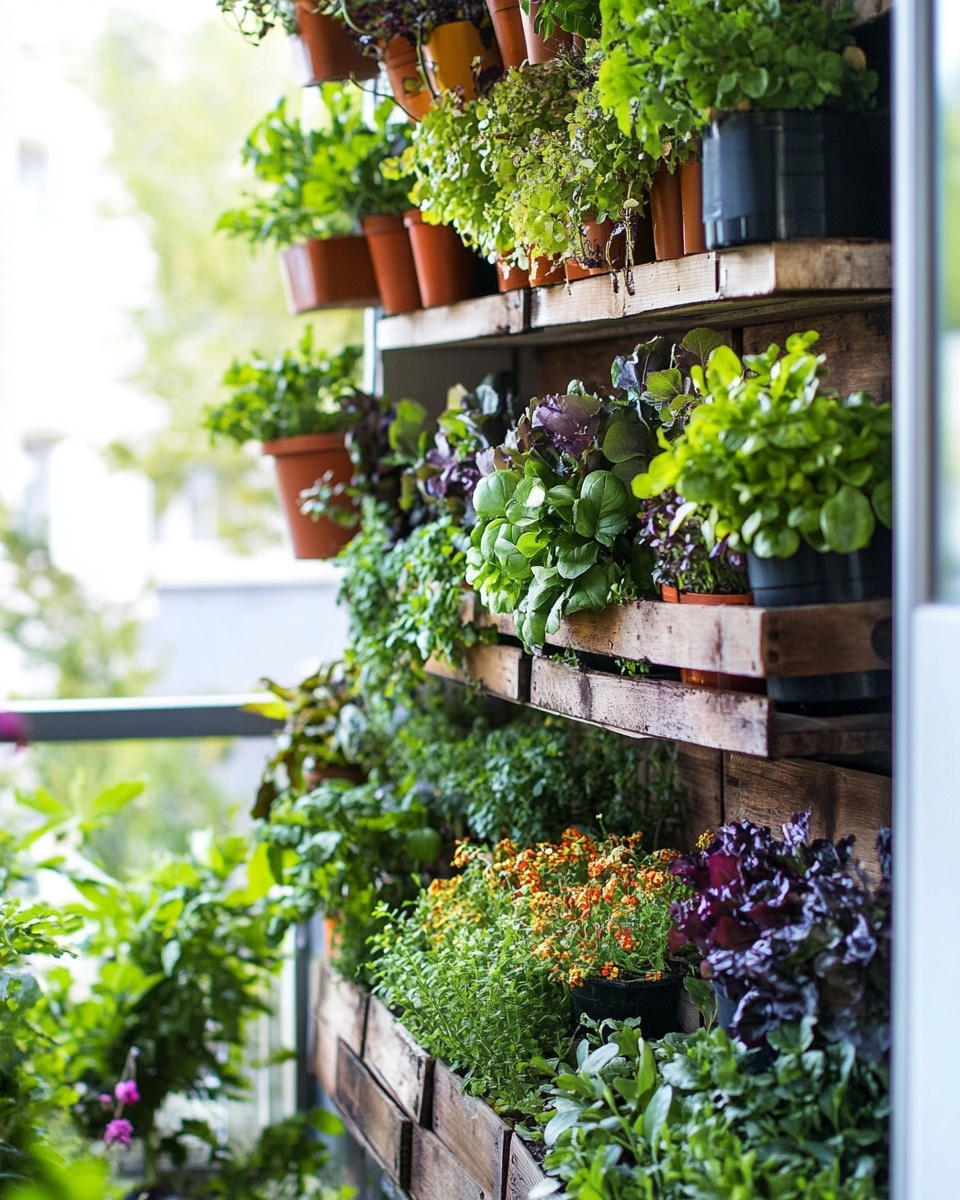
- Vertical Gardening: Maximize space with vertical planters, wall-mounted pots, or tiered shelving units. This is especially effective for herbs and smaller flowering annuals, creating a living wall that adds visual drama.
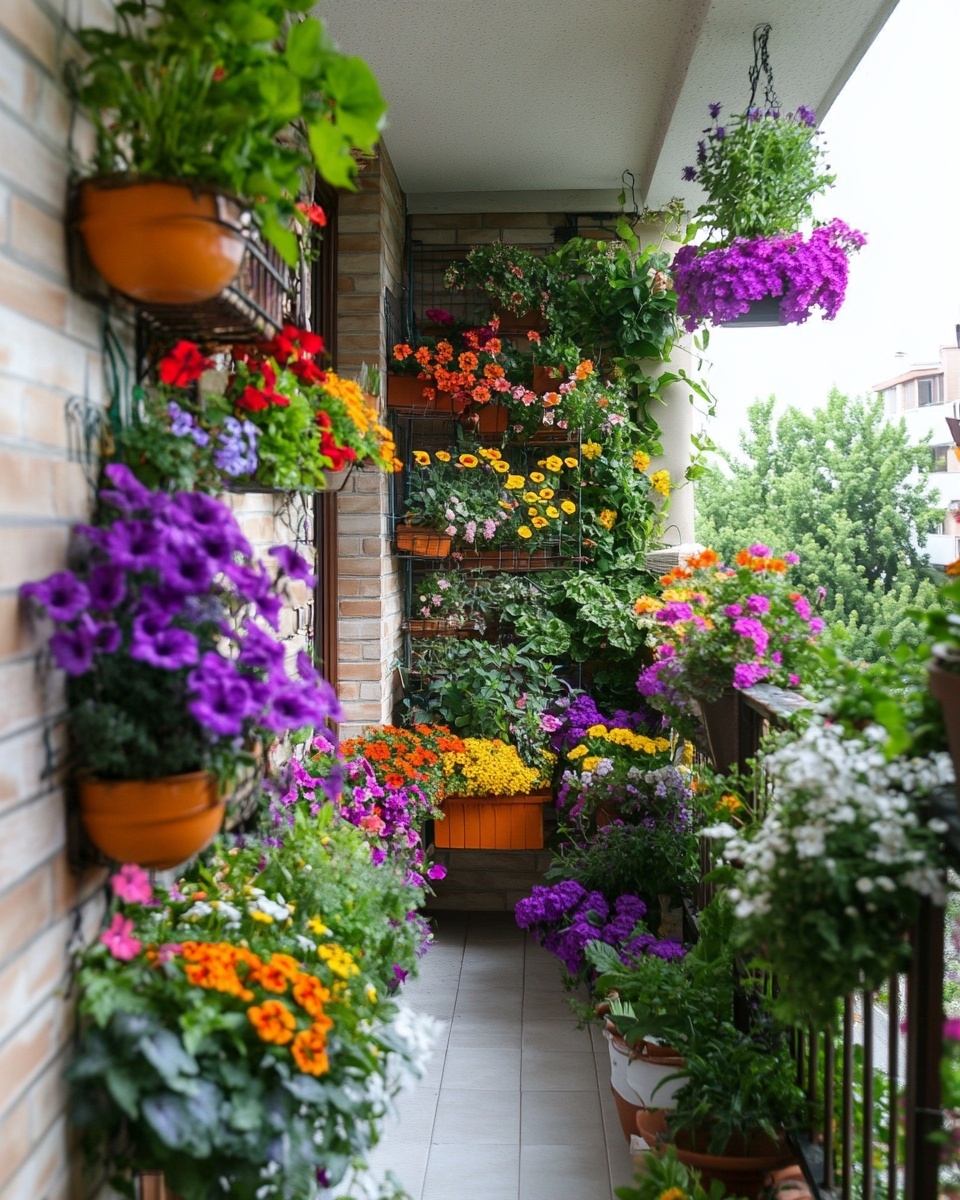
- Color Themes: Plan your flower choices around a specific color palette (e.g., cool blues and purples for a calming effect, or vibrant reds and yellows for energy).
- Fragrant Zones: Incorporate highly fragrant plants like jasmine, gardenias, or scented geraniums near seating areas to create a delightful sensory experience.
- Decorative Elements: Integrate small solar-powered lights, wind chimes, or garden statues to enhance the ambiance. Upcycled items like old teacups or painted stones can add a whimsical touch. For design inspiration, check out Pinterest boards like this one for creative outdoor spaces: https://www.pinterest.com/janatjanay47/.
- Edible Flowers & Herbs: Combine beauty with utility. Edible flowers like nasturtiums and pansies add pops of color to salads, while a mini herb garden (e.g., basil, mint, chives) in attractive pots doubles as a visual treat and a culinary resource. Explore creative ways to grow herbs in compact pots here.
Common Mistakes to Avoid
Even experienced gardeners make mistakes, and understanding them is the first step to success in your balcony & rooftop gardens.
- Overwatering/Underwatering: The #1 killer of container plants! As mentioned, overwatering causes root rot in 60% of houseplants and many container varieties. Underwatering, especially during hot spells, leads to wilting and stunted growth. Solution: Check soil moisture daily. Invest in a moisture meter if unsure.
- Ignoring Drainage Holes: Placing plants in pots without adequate drainage is a recipe for disaster. Standing water quickly suffocates roots. Solution: Always ensure pots have sufficient drainage, adding more holes if necessary.
- Using Garden Soil: Garden soil is heavy and compacts easily in pots, restricting root growth and drainage. Solution: Always use a lightweight, well-draining potting mix specifically designed for containers.
- Insufficient Sunlight: Plants require specific light conditions to photosynthesize and flower. Placing sun-lovers in shade results in weak, leggy plants that rarely bloom. Solution: Research your chosen plants' light requirements and match them to your balcony's sun exposure.
- Neglecting Fertilization: Nutrients in potting soil are quickly depleted in containers. Lack of nutrients leads to yellowing leaves and poor growth. Solution: Implement a regular, appropriate fertilization schedule during the growing season.
- Overcrowding: While tempting to pack in many plants, overcrowding reduces air circulation, increases competition for nutrients, and can lead to fungal diseases. Solution: Give each plant adequate space to grow. When in doubt, less is often more.
- Ignoring Pest and Disease Signs: A small problem can quickly escalate. Solution: Regular inspection is key. Address issues promptly with organic solutions.
Maintenance & Storage Tips
Long-term success with your balcony & rooftop gardens depends on consistent care and preparing for seasonal changes.
- Seasonal Rotation: As seasons change, some plants will naturally fade. Replace spent annuals with new seasonal bloomers. For perennials, some may need to be moved to a sheltered spot indoors or provided with winter protection.
- Pruning for Health: Beyond deadheading, regular pruning encourages new growth, improves air circulation, and maintains the plant's shape. Remove any yellowing, diseased, or dead leaves promptly.
- Repotting: As plants grow, they may become root-bound. You'll notice roots circling the drainage holes or popping out of the soil. Repot into a slightly larger container with fresh potting mix every 1-2 years, or root prune and refresh the soil in the same pot.
- Winterizing: For areas with cold winters, many tender annuals will die back. Perennials in pots are more vulnerable to frost than those in the ground. Move them indoors, into a sheltered corner, or insulate pots with burlap or bubble wrap. Empty, clean, and store empty pots to prevent cracking.
- Seed Storage: If you’re saving seeds, ensure they are thoroughly dry before storing them in airtight containers in a cool, dark place. Label them with the plant type and date.
- Troubleshooting Common Issues:
- Yellow Leaves: Could indicate overwatering (saturated soil), underwatering (wilting, crispy), or nutrient deficiency (especially nitrogen). Check moisture first.
- Poor Soil Drainage: Often due to compacted soil or insufficient drainage holes. Solution: Repot with fresh, lighter potting mix, ensuring ample drainage. Adding perlite or coarse sand can help.
- Lack of Blooms: Usually due to insufficient sun, lack of nutrients, or the plant putting all its energy into seed production (deadhead!).
Conclusion
Creating vibrant balcony & rooftop gardens is an exhilarating and accessible way to bring nature's beauty directly to your doorstep. From the initial soil preparation to the daily rituals of watering and deadheading, each step cultivates not just plants, but a profound connection to the natural world. You've learned that with the right tools, a bit of planning, and consistent care, even the smallest urban space can become a spectacular floral sanctuary.
So, what are you waiting for? Grab a bag of potting mix, pick out some cheerful flowers, and start planting today! Share your journey with us – we love seeing your progress. Post photos of your blossoming balcony balcony & rooftop gardens on social media and tag us! For more gardening inspiration and to discover other creative planting solutions, browse our other guides and articles. Your green thumb awaits!
FAQ
Q1: What are the best low-maintenance flowers for balcony & rooftop gardens?*
A1: For low-maintenance options, consider petunias, marigolds, impatiens (for shade), or zinnias. Succulents also thrive with minimal care in sunny, well-drained conditions. For more ideas, check out our guide on low-maintenance flowers for busy gardeners.
Q2: How often should I fertilize plants in containers?
A2: Container plants generally need more frequent fertilization than in-ground plants because nutrients leach out with watering. A general recommendation is to use a balanced liquid fertilizer every 2-4 weeks during the active growing season (spring and summer). Always follow the product's specific instructions.
Q3: My balcony gets direct afternoon sun. Which plants can tolerate that heat?
A3: Direct afternoon sun can be intense! Choose heat-tolerant plants such as portulaca, vinca, petunias, dusty miller, or specific varieties of verbena. Ensuring adequate watering is also crucial for these tough sun-lovers.
Q4: Can I grow vegetables in my balcony & rooftop gardens?*
A4: Absolutely! Many vegetables thrive in containers. Bush varieties of tomatoes, peppers, lettuce, spinach, radishes, and most herbs are excellent choices for a compact balcony & rooftop gardens. Our guide on best vegetables to grow for beginners has more tips.
Q5: How do I prevent pests in my balcony garden organically?
A5: Regular inspection is your best defense. Use organic insecticidal soap or neem oil for common pests like aphids. Introducing beneficial insects like ladybugs can also help. Companion planting certain herbs and flowers can also deter pests naturally.
Q6: What's the ideal soil mix for balcony & rooftop gardens?*
A6: The ideal mix is a high-quality, lightweight potting mix specifically designed for containers. It should be well-draining yet retain some moisture. Look for ingredients like peat moss (or coco coir), perlite, vermiculite, and compost for optimal plant health. Avoid heavy garden soil.
Q7: My plants are wilting even after watering. What could be wrong?
A7: Wilting can be a sign of both underwatering and overwatering. If the soil is clearly dry, try watering more deeply. If the soil is soggy, it might indicate root rot (from overwatering) or poor drainage. Check the roots; if they are brown and mushy, it’s likely rot. Ensure your pots have good drainage, and consider repotting with fresh soil.
Explore More Gardening Tips:
- Want to start from scratch? Check out our guide on how to start a vegetable garden from scratch for foundational knowledge that applies to small spaces too.
- Looking for specific plant pairings? Discover best companion herbs to grow together to maximize your space and enhance plant health.
- Thinking about vertical solutions? Dive into DIY hanging herb planters for balconies to make the most of your vertical space.