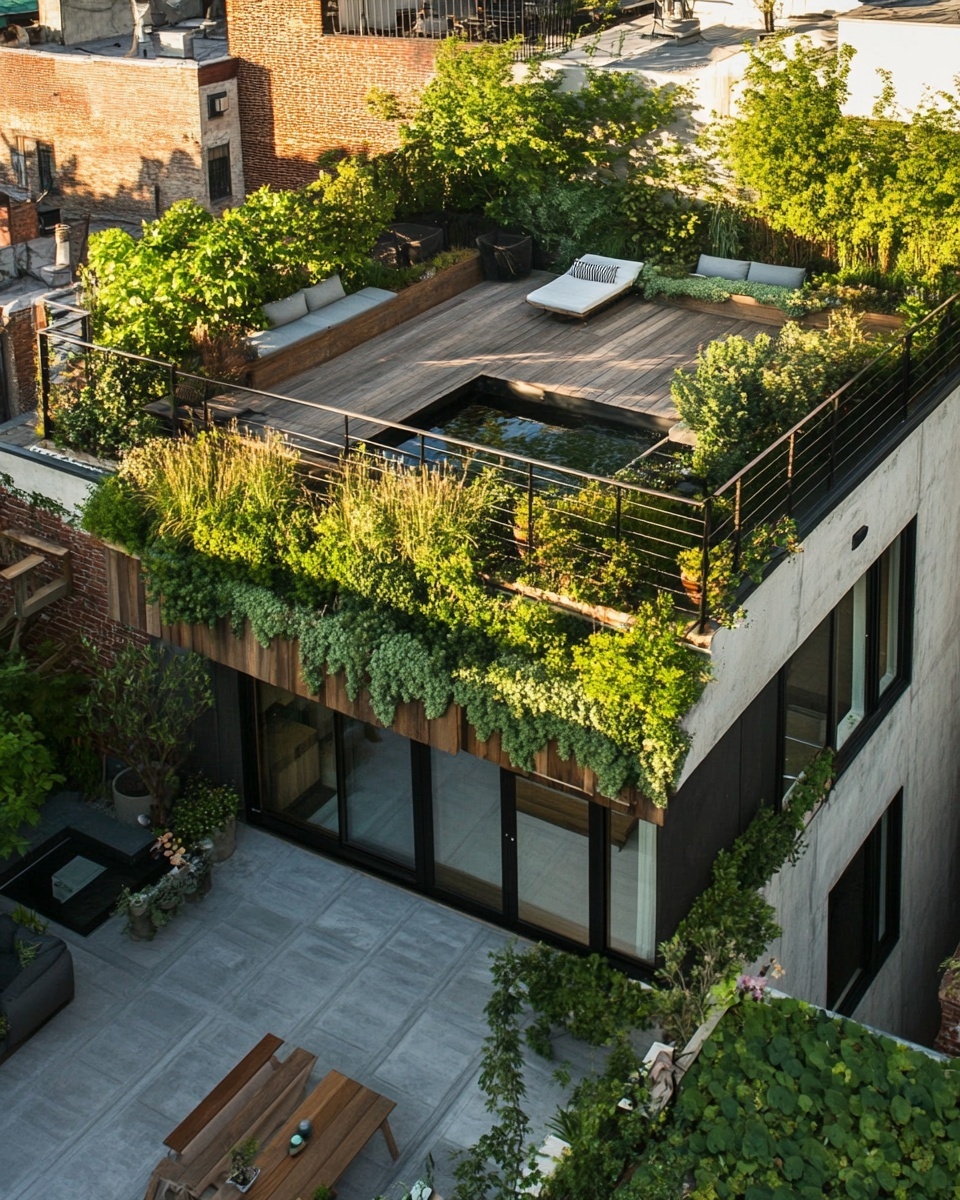
Ever wondered if you could transform that often-unused patch of urban concrete into a vibrant, food-producing wonderland or a tranquil haven for relaxation? Many city dwellers believe a flourishing garden is a luxury reserved for those with sprawling backyards, but data shows that a well-designed roof garden can increase urban green space by up to 20% in dense areas. Creating a beautiful and functional roof garden involves strategic planning and a keen eye for aesthetics, making successful garden design pivotal. This isn't just about placing a few pots; it's about cultivating an entire ecosystem that enhances your quality of life.
Tools & Materials Needed
To embark on your roof garden design journey, gathering the right tools and materials is crucial. Think of your roof as a blank canvas, but one that demands specific considerations due to its unique environment.
- Pots and Planters: Opt for lightweight, durable materials like fiberglass, recycled plastic, or fabric grow bags. Terra cotta looks lovely but can be heavy when filled and prone to cracking in temperature extremes. For a budget-friendly and eco-conscious alternative, consider repurposing old tires (check for cadmium content), wooden crates lined with pond liner, or even large food-grade buckets.
- Growing Medium: A high-quality, lightweight potting mix is essential. Standard garden soil can be too dense and heavy for roof applications. Look for mixes specifically designed for containers, often including perlite, vermiculite, and compost. This specialized soil not only reduces structural load but also ensures proper drainage, a critical aspect of garden design on a roof.
- Drainage Layer: Before adding soil, a layer of gravel, broken pottery, or even a specialized drainage mat at the bottom of your planters will prevent waterlogging. Good drainage is paramount for healthy root development and structural stability.
- Watering System: A watering can is fine for a small garden, but for a larger operation, consider a drip irrigation system or soaker hoses. These conserve water, vital for sustainable gardening, and ensure plants receive consistent moisture.
- Gardening Tools: A hand trowel, small shovel, gardening gloves, pruning shears, and a watering wand are your basic arsenal. For weeding and soil turning, a hand cultivator will be invaluable.
- Seeds or Seedlings: Choose plants that thrive in full sun and can withstand wind exposure. Herbs, leafy greens, radishes, carrots, and smaller varieties of tomatoes or peppers are excellent choices. For enhancing your garden design, consider drought-tolerant perennials like sedum or lavender.
- Fertilizer: Organic granular fertilizer or liquid feed will replenish nutrients. Composted material is a fantastic eco-friendly option.
- Protection: Windbreaks (trellises, screens, taller plants), shade cloth for intense summer sun, and potentially frost covers for colder months are important considerations for this elevated environment.
- Structural Assessment: This is paramount. Before you even buy your first bag of soil, consult with a structural engineer to assess your roof's load-bearing capacity. The added weight of soil, plants, water, and containers can be substantial. According to a study by the Green Roofs for Healthy Cities organization, the weight of a saturated intensive green roof can range from 80-150 pounds per square foot.
Time & Effort Overview
Creating a vibrant roof garden requires a moderate investment of time and effort, but the rewards are well worth it. You're looking at an intermediate difficulty level, largely due to the unique environmental factors of a rooftop compared to a traditional ground-level plot.
- Initial Setup (Planning & Installation): This phase can take anywhere from 2-4 weekends, depending on the scale of your garden design. It includes structural assessment (if needed), material procurement, assembling planters, and initial planting.
- Planting: Direct sowing seeds is quicker, perhaps 1-2 hours for a small area. Transplanting seedlings, while more time-consuming initially (2-3 hours), gives your garden a head start, often leading to harvests 30% faster than starting from seed.
- Daily Maintenance: Plan for 15-30 minutes daily for watering, quick checks, and minor tasks.
- Weekly Maintenance: Dedicate 1-2 hours each week for more thorough weeding, pest inspection, light pruning, and harvesting.
- Seasonal Tasks: Fertilizing, major pruning, and seasonal plant rotation might take a few hours every couple of months.
Compared to a ground-level garden, a roof garden often requires slightly more frequent watering due to increased sun and wind exposure. However, with a good watering system in place, this can be largely automated.
Step 1: Structural Assessment and Waterproofing
Don't skip this crucial first step! Before any dirt touches your roof, have a qualified structural engineer determine if your roof can handle the weight of your proposed garden. This is a non-negotiable safety measure. Once confirmed, ensure your roof's waterproofing is impeccable. Repair any cracks or leaks; a permeable membrane or root barrier might be necessary to protect your roof structure from root damage and moisture.
Step 2: Design Your Garden Layout
Consider sunlight patterns throughout the day and year. Map out areas for full sun plants (most vegetables, many herbs) and partial shade (some leafy greens, delicate flowers). Think about pathways for easy access and a dedicated watering station. Integrate your garden design with any existing roof features. Will you be growing herbs for cooking? Group them near your kitchen access point. Want a serene retreat? Create a seating area among fragrant flowers.
Step 3: Prepare Your Planters and Drainage
Line your chosen pots and containers with a drainage layer (gravel, broken ceramics, or a specialized mat). This prevents soil from clogging drainage holes and ensures excess water can escape. Next, fill your containers with your lightweight potting mix, leaving about an inch of space from the rim. This gap helps prevent overflow when watering.
Step 4: Planting Your Oasis
Create small holes in the soil, gently place your seeds or seedlings, and cover them lightly. If transplanting, carefully remove seedlings from their starter pots, loosen any circling roots, and nestle them into their new homes. For a visually appealing garden design, arrange taller plants towards the back or center, and shorter, trailing plants along the edges. Don’t worry if it looks sparse initially; they'll fill out!
Step 5: Initial Watering
After planting, give your new garden a thorough, gentle watering. Ensure water drains from the bottom of the pots. This helps settle the soil and provides much-needed moisture to new roots.
Step 6: Install Windbreaks and Support (If Needed)
If your roof is particularly windy, installing windbreaks early on can protect tender plants. Use trellises, screens, or even strategically placed taller, sturdy plants. For climbing vegetables like peas or pole beans, set up supports at planting time.
Growth & Care Tips
Consistent care is the secret to a thriving roof garden.
- Watering Frequency: Rooftop gardens typically need more frequent watering than ground gardens due to increased evaporation from wind and sun exposure. Check soil moisture daily by sticking your finger an inch deep. If it feels dry, it's time to water. Drip irrigation systems can reduce water usage by up to 50% compared to traditional methods.
- Sunlight Exposure: Most vegetables and herbs require at least 6-8 hours of direct sunlight. While planning your garden design, assess which areas receive the most sun and place sun-loving plants there. If some areas only get partial sun, opt for shade-tolerant plants like lettuce, spinach, or some herbs.
- Pruning: Regular pruning encourages bushier growth and larger yields. Pinch back herbs to prevent them from flowering prematurely. Remove any yellowing or diseased leaves promptly to prevent the spread of issues.
- Fertilization: Container plants deplete soil nutrients faster than in-ground plants. Fertilize every 2-4 weeks with a balanced organic liquid fertilizer or incorporate slow-release granular fertilizer into the potting mix at planting time.
- Pest Prevention: Integrated Pest Management (IPM) is key. Regularly inspect your plants for signs of pests. Early detection can prevent serious infestations. Use organic pest control methods like neem oil, insecticidal soap, or introducing beneficial insects. Ladybugs, for instance, are voracious aphid eaters.
- Weeding: Though less common in container gardens, weeds can still appear. Remove them promptly to prevent them from competing with your plants for nutrients and water.
Eco-Friendly & Sustainable Alternatives
Embrace sustainability in your roof garden design to maximize environmental benefits.
- Composting: Start a small worm farm or a passive compost pile for kitchen scraps directly on your roof (if space and regulations allow). This provides nutrient-rich compost for your plants and reduces waste.
- Rainwater Harvesting: Install a rain barrel to collect rainwater from downspouts. Rainwater is free of chlorine and other chemicals found in tap water, making it excellent for plants, and significantly reduces your water bill. Studies show rainwater harvesting can reduce municipal water demand for irrigation by 60-80%.
- Natural Fertilizers: Beyond homemade compost, consider using kelp meal, alfalfa meal, or fish emulsion as organic nutrient boosts. These improve soil health naturally.
- Water Conservation: Beyond drip irrigation, mulching your containers with straw, wood chips, or shredded leaves helps retain soil moisture, reducing the need for frequent watering.
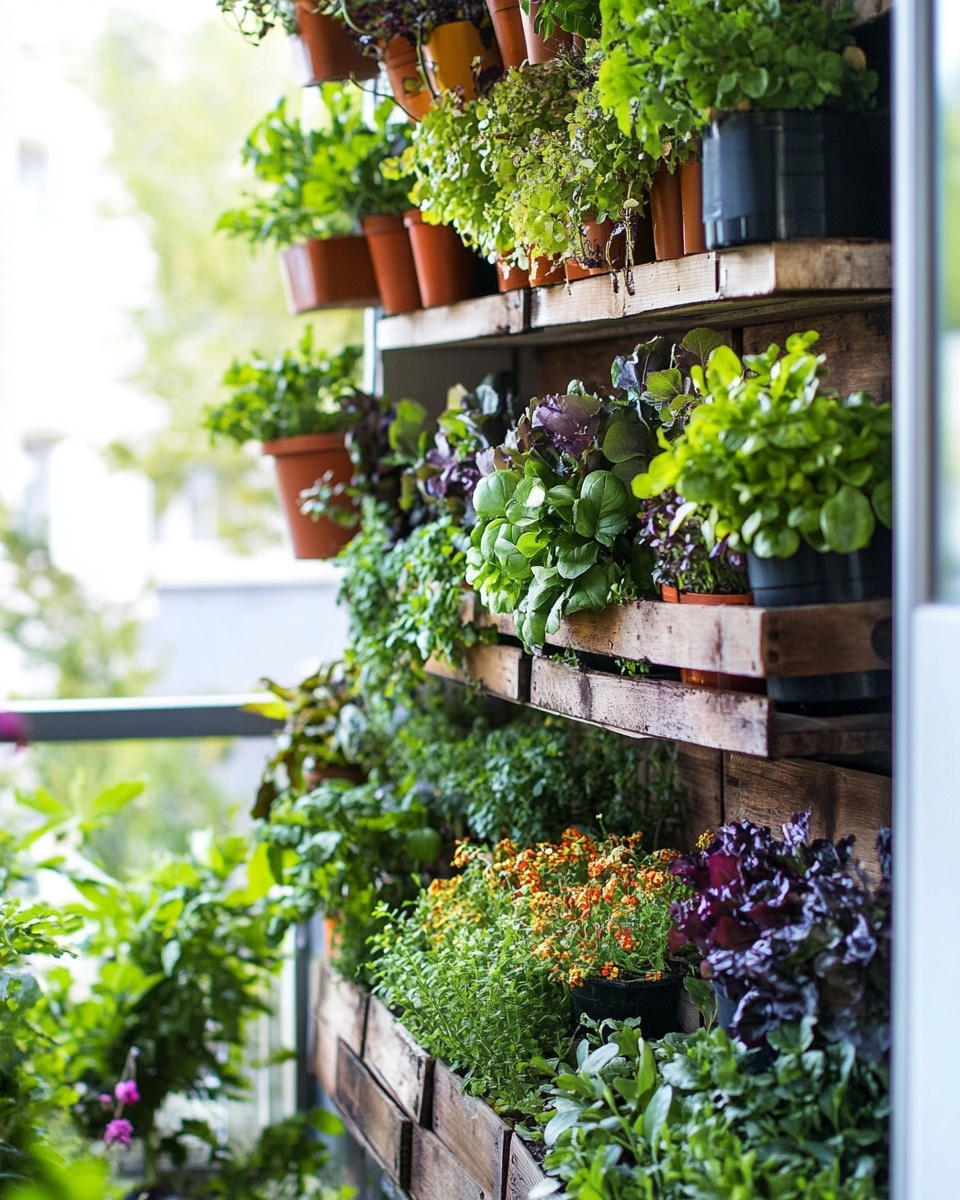
- Small Spaces & Vertical Gardens: If your roof space is limited, vertical gardening is a fantastic solution. Use wall-mounted planters, repurposed palettes, or stackable containers. Explore options like a "green wall" for a dramatic visual impact and increased growing area. Balcony gardens, while not strictly roof gardens, employ many similar principles; check out our guide on "Balcony Herb Garden Design Ideas" for more inspiration.
Creative Ideas & Uses
Your roof garden is more than just a place to grow plants; it’s an extension of your living space. Infuse creativity into your garden design!
- Themed Zones: Create distinct areas. Perhaps a culinary corner with fragrant herbs and edible flowers, a tranquil zone with low-maintenance succulents and a comfortable seating arrangement, or a vibrant flower patch to attract pollinators.
- Repurposed Decor: Give new life to old items. Vintage watering cans can become decorative planters. Old wooden ladders can serve as vertical displays for potted plants. Think about a mosaic path made from broken tiles for a touch of artistic flair.
- Lighting: Solar-powered string lights or lanterns can transform your roof garden into a magical evening retreat. They highlight your garden design and extend its usability into the night.
- Water Features: A small, self-contained tabletop fountain can add soothing sounds and attract birds, enhancing the oasis feel.
- Art Integration: Incorporate weather-resistant sculptures, wind chimes, or colorful garden flags to personalize your space and add visual interest. For more urban greening inspiration, explore Pinterest boards like https://www.pinterest.com/janatjanay47/.
- Companion Planting: Strategically plant flowers like marigolds alongside your vegetables. Not only do they add beauty, but they can also deter pests, improving your overall garden design and health.
Common Mistakes to Avoid
Even experienced gardeners make mistakes. Knowing what to watch out for can save you time and plants.
- Ignoring Structural Capacity: As mentioned, this is number one. Overestimating your roof's weight capacity can lead to costly and dangerous structural damage. Always consult a professional.
- Inadequate Drainage: Poor drainage is a silent killer for container plants, causing root rot in over 60% of cases. Always ensure pots have drainage holes and use a proper drainage layer.
- Using Heavy Soil: Garden soil from your yard is too dense and heavy for roof applications. Stick to lightweight potting mixes to avoid excess structural load.
- Underestimating Sun and Wind Exposure: Rooftops are often harsher environments. Plants can dry out faster and be damaged by strong winds. Choose resilient plants, provide windbreaks, and check soil moisture frequently.
- Overcrowding Planters: While it's tempting to plant many things, overcrowding leads to competition for nutrients, water, and light, stunting growth and increasing disease risk. Give each plant ample space to thrive.
- Neglecting Vertical Space: Especially in urban settings, maximizing vertical space is crucial for effective garden design. Ignoring walls or railings means missing out on significant planting potential.
- Poor Plant Selection: Not all plants are suitable for a rooftop. Research native plants or varieties known for drought and wind tolerance. Our guide on "How to Start a Vegetable Garden from Scratch" offers generic plant suggestions you can adapt.
Maintenance & Storage Tips
Long-term success in your roof garden comes down to consistent, thoughtful maintenance.
- Long-Term Plant Health: Rotate your crops annually to prevent nutrient depletion and break pest cycles. This is particularly effective in raised beds or larger containers. Amend your soil yearly with fresh compost to replenish nutrients.
- Seasonal Care:
- Spring: Clean out old plant debris, refresh potting mix, and start new plantings. Prepare your garden design for the growing season.
- Summer: Focus on consistent watering, harvesting, and pest control. Consider temporary shade cloth for heat-sensitive plants.
- Autumn: Harvest remaining crops, prepare for winter. For tender perennials, bring them indoors or provide frost protection.
- Winter: Store empty pots and tools. Clean out dead plant material. Protect permanent perennial plantings with mulch.
- Tool Maintenance: Clean and sharpen your tools after each use. Store them in a dry place to prevent rust.
- End-of-Season Storage: For annual plants, clear out spent foliage and roots. For perennial plants, trim back dead growth. If using fabric grow bags, empty them, wash, and store them collapsed. Empty plastic or fiberglass pots can be stacked to save space.
- Addressing Common Issues:
- Yellow Leaves: Often a sign of overwatering (lack of oxygen to roots) or nutrient deficiency. Check soil moisture first. If dry, water. If wet, let it dry out more. If persistently yellow, a balanced fertilizer might be needed.
- Poor Soil Drainage: If water pools on the surface or takes too long to drain, the potting mix might be too compacted or lack sufficient perlite/vermiculite. Repotting with a lighter mix and re-checking drainage layers is the solution.
Conclusion
Transforming your rooftop into a stunning oasis is an incredibly rewarding endeavor. From the initial garden design to harvesting your first crop, every step provides a unique connection to nature. By carefully considering structural integrity, choosing the right materials, and implementing thoughtful maintenance, you can cultivate a thriving green space that offers beauty, fresh produce, and a valuable urban escape. This isn't just about growing plants; it's about creating a sustainable, personalized environment that boosts well-being and enhances the urban landscape. So, what are you waiting for? Take the leap and start planning your dream roof garden today! Share your progress with us on social media using #RoofGardenOasis, or comment below with your favorite rooftop plants!
FAQ
Q1: What are the best plants for a rooftop garden?
A1: Drought-tolerant, wind-resistant, and full-sun-loving plants are ideal for your roof garden design. Consider herbs like rosemary, thyme, and lavender; vegetables such as radishes, lettuce, spinach, and bush beans; and flowers like sedum, coneflowers, and ornamental grasses. Smaller fruit varieties like strawberries also do well.
Q2: How often should I water my roof garden?
A2: Rooftop gardens typically require daily watering, especially during hot, windy weather, as they are exposed to more sun and wind, leading to faster evaporation. Always check the soil moisture with your finger before watering. If the top inch feels dry, it's time to water thoroughly until it drains from the bottom.
Q3: Is professional help necessary for a roof garden?
A3: Yes, consulting a structural engineer is absolutely necessary to ensure your roof can safely bear the weight of a garden. They will assess the load-bearing capacity and advise on any structural reinforcements needed. This crucial step ensures the safety and longevity of your garden design.
Q4: How can I protect my plants from strong winds on a rooftop?
A4: Incorporate windbreaks into your garden design. This can include sturdy trellises, privacy screens, taller and more robust plants placed strategically, or even transparent acrylic panels along the perimeter. Positioning planters close together can also create a microclimate that offers some protection.
Q5: What kind of soil should I use for a roof garden?
A5: Always use a lightweight, high-quality potting mix specifically designed for containers. These mixes contain ingredients like perlite, vermiculite, and peat moss or coir, which provide excellent drainage, aeration, and reduce overall weight compared to dense garden soil.
Q6: Can I grow vegetables in my roof garden?
A6: Absolutely! Many vegetables thrive in rooftop conditions, provided they get enough sun (at least 6-8 hours). Good choices for your garden design include leafy greens (lettuce, spinach, kale), radishes, carrots, bush beans, peppers, and smaller tomato varieties. Consider dwarf cultivars for best results.
Q7: How do I fertilize plants in a roof garden?
A7: Container plants need regular fertilization because nutrients leach out with watering. Use a balanced liquid organic fertilizer every 2-4 weeks during the growing season, or incorporate a slow-release granular fertilizer into your potting mix at planting time. Composting and adding fresh compost annually also boosts soil fertility.
Curious about expanding your plant horizons? Check out our article on "Best Companion Herbs to Grow Together" to optimize your planting arrangements. If you're starting small, our guide on "How to Start a Kitchen Herb Garden" offers fantastic tips for indoor beginnings. For more advice on creating vibrant green spaces, don't miss our recommendations for "Best Indoor Plants That Purify Air Naturally".