Introduction
Have you ever wondered why some garden ideas evoke an undeniable sense of peace and harmony, transporting you to a world of serenity right in your own backyard? It's not just about pretty plants; it's about intentional design and a deep understanding of natural aesthetics. This guide will delve into creating a Japanese garden, transforming your outdoor space into a tranquil retreat. We'll explore timeless principles to help you cultivate a stunning, harmonious landscape, no matter your current gardening experience.
Tools & Materials Needed
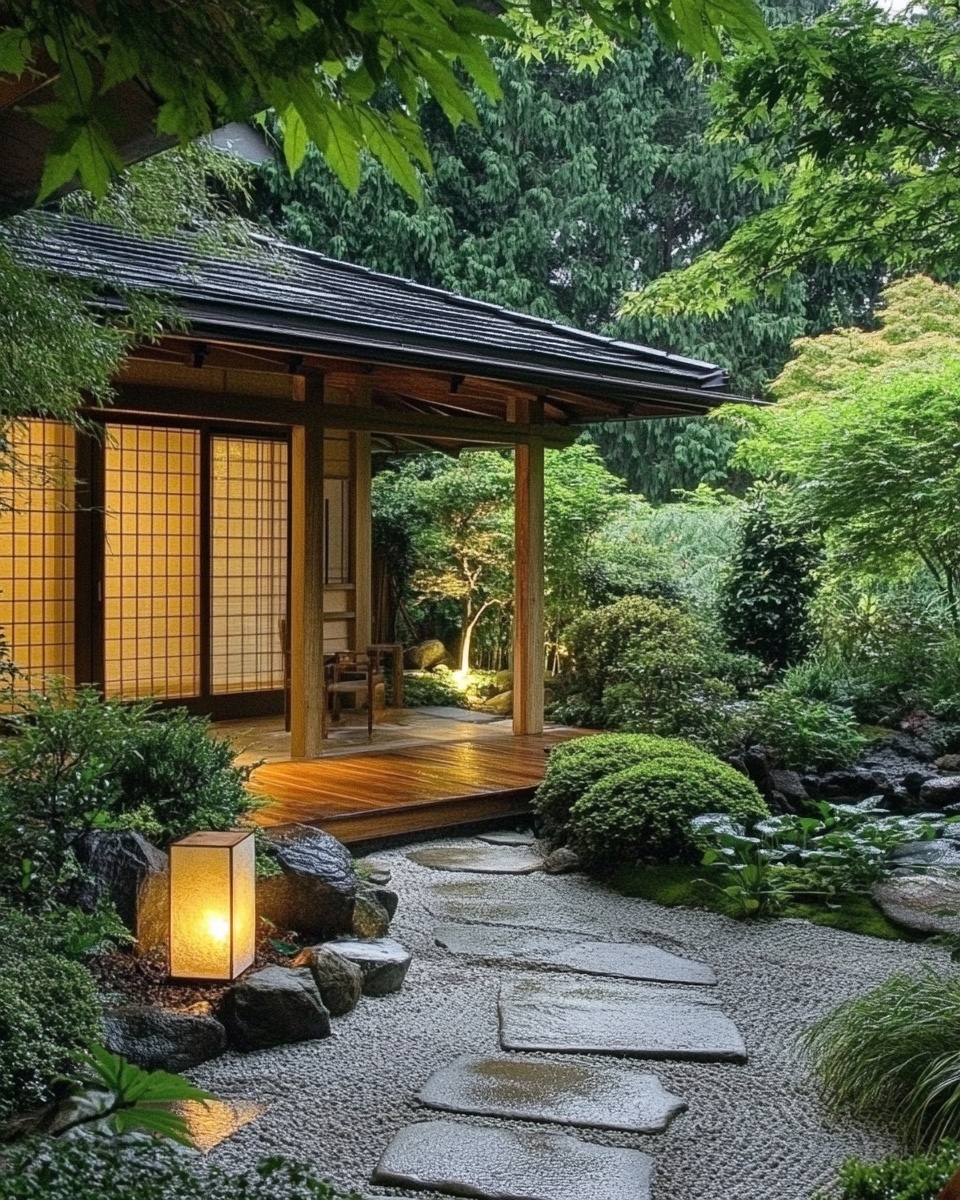
Embarking on a Japanese garden project requires a thoughtful selection of tools and materials to achieve that authentic, peaceful aesthetic. Here’s a detailed list to get you started, complete with eco-friendly considerations:
- Shovels and Spades: For digging, moving soil, and shaping contours.
- Eco-friendly alternative: Look for tools with sustainably sourced wooden handles or recycled metal heads.
- Rakes (Garden and Hand Rakes): Essential for leveling soil, spreading gravel, and creating patterns in dry gardens.
- Pruning Shears/Loppers: For shaping trees and shrubs with precision, crucial for maintaining the sculpted look.
- Tip: Keep them sharp to ensure clean cuts that promote plant health.
- Wheelbarrow: For transporting heavy materials like rocks, soil, or gravel efficiently.
- Measuring Tape and Level: Accuracy is key for rock placement and pathway design.
- Gloves and Safety Glasses: Protect your hands and eyes from thorns, dust, and debris.
- Rocks and Stones: These are the backbone of a Japanese garden, representing mountains, islands, or spiritual elements. Look for natural, weathered stones native to your region to ensure ecological consistency and reduce transportation costs.
- Budget-friendly tip: Source from local quarries or even your own property if available.
- Gravel or Sand: Used for Zen gardens (Karesansui) to create raked patterns symbolizing water. Ensure it's uniform in size for best results.
- Plants: Carefully selected plants are vital. Consider:
- Evergreens: Pine (Pinus), Azaleas (Rhododendron), Japanese Holly (Ilex crenata) – for year-round structure and symbolism.
- Deciduous: Japanese Maple (Acer palmatum) – for stunning seasonal color.
- Groundcover: Moss (various species) – for a serene, ancient feel.
- Water Plants: Lotus or water lilies if incorporating a pond.
- Eco-friendly alternative: Choose native Japanese plants or local species that mimic their aesthetic and are well-suited to your climate, reducing water and care needs.
- Water Feature Components (Optional): Pump, liner, hose, and natural stones for a pond or bamboo for a shishi-odoshi (deer scarer).
- Benches or Seating (Optional): Simple, natural wood or stone benches for contemplation.
- Statuary/Lanterns (Optional): Traditional stone lanterns (tōrō) or subtle Buddha statues add cultural authenticity.
- Weed Barrier Fabric: To prevent weed growth in gravel areas, saving significant maintenance time.
- Organic Soil Amendments: Compost and aged manure to improve soil structure and fertility for plants.
Time & Effort Overview
Creating a Japanese garden is less about speed and more about thoughtful execution and patient observation. It's an investment in tranquility.
- Design Phase: 2-4 weeks (part-time). This involves research, sketching, and planning. It’s the most crucial stage to ensure your garden embodies the desired aesthetic and symbolism.
- Initial Construction (Hardscaping): 1-3 weeks (full-time commitment, depending on garden size and complexity of rock placement/water features). This stage involves major earth moving, laying paths, and positioning large stones.
- Planting: 3-5 days (full-time). Once the hardscape is in place, the softer elements come next.
- Ongoing Maintenance: 1-2 hours per week initially, then potentially less, but consistent attention is required for pruning, raking, and weeding.
- Difficulty Level: Intermediate to Advanced. While parts can be tackled by beginners, achieving the nuanced balance and symbolism of a true Japanese garden often benefits from some prior landscape design understanding or a willingness to learn complex principles. Unlike a typical vegetable patch, which offers tangible yield, a Japanese garden’s reward is spiritual and aesthetic.
Step-by-Step Gardening Process
1. Research and Conceptualization
Dive deep into the philosophy behind Japanese gardens. Understand the elements: stones (mountains/islands), water (purity/change), plants (nature's beauty), and ornaments (human intervention). Consider what balance and meaning you want to convey. Sketch various garden ideas, paying attention to asymmetrical balance and the creation of "borrowed landscapes" (shakkei) if your surroundings allow.
2. Site Analysis and Preparation
Assess your chosen area. How much sunlight does it get? What’s the drainage like? Note existing features you can incorporate. Clear existing debris, weeds, and unwanted vegetation. Ensure the ground is level or contoured as per your design. Effective soil preparation isn't just for growing plants; it ensures the stability of your hardscaping elements, too.
3. Hardscaping – Laying the Foundation
Begin by placing your main structural elements: large rocks and pathways. Stones should be set deeply for stability, looking as if they've been there for centuries. For pathways, dig a shallow trench, lay down a weed barrier, and then spread gravel or stepping stones. If you're building a pond, excavate the area, install a pond liner, and carefully arrange stones around the perimeter. Don't worry if the first rock placement doesn't feel right; trust your intuition and rearrange until the balance feels correct.
4. Shaping the Landscape (Mounding and Contouring)
Create subtle mounds or depressions to mimic natural terrain. This adds depth and visual interest. Use the soil you excavated from pathways or pond areas. Gentle slopes are often more effective than abrupt changes. Remember, a Japanese garden is not flat.
5. Planting the Greens
Now, introduce your plant material. Place larger plants (trees and shrubs) first, then smaller shrubs and groundcovers. Pay close attention to texture, form, and year-round interest. Avoid overcrowding; negative space is just as important as positive space in Japanese design, emphasizing the beauty of individual elements. Think of your garden as a living canvas.
6. Water Features and Ornaments (If Applicable)
Install pumps for ponds or fountains. Place lanterns and other ornaments strategically. These elements should draw the eye but not dominate the scene. A shishi-odoshi provides a subtle, rhythmic sound.
7. Gravel Raking (Zen Gardens)
For dry gardens, spread an even layer of gravel. Then, using a rake, create patterns that symbolize waves, flowing water, or concentric circles around islands. This is a meditative and crucial step in a Zen garden.
8. Initial Watering and Cleanup
Give all newly planted specimens a thorough watering. Clean up any leftover debris and admire your creation!
Growth & Care Tips
Maintaining your Japanese garden is a continuous journey of care and appreciation.
- Watering Frequency: Young plants require consistent watering, usually 2-3 times a week, especially in dry periods. Established plants, particularly pine and Japanese maple, are more drought-tolerant but benefit from deep watering during extended dry spells. Overwatering causes root rot in over 60% of plant fatalities, so always check the soil moisture before watering.
- Sunlight Exposure: Most traditional Japanese garden plants (e.g., Japanese Maples) prefer partial shade, especially in hotter climates. However, some elements like specific moss varieties thrive in deeper shade, while others, like certain pine species, can handle more sun. Observe your garden’s light patterns throughout the day and year.
- Pruning: Precision pruning is vital for maintaining the characteristic shapes of trees and shrubs, especially pines (Niwaki style) and azaleas. This isn't just about trimming; it's about sculpting. Prune evergreens in late winter/early spring and deciduous trees after the leaves have fallen or in late winter.
- Fertilization: Use balanced, slow-release organic fertilizers sparingly in spring and early summer. Japanese gardens aim for natural growth, not forced exuberance. Over-fertilizing can lead to leggy, unnatural growth that detracts from the subtle aesthetic.
- Pest Prevention: Healthy plants are naturally more resistant to pests. Encourage beneficial insects by avoiding broad-spectrum pesticides. Regularly inspect plants for early signs of pests or diseases. For common issues, try organic solutions like neem oil or insecticidal soap first. A well-drained soil and good air circulation significantly reduce disease incidence.
Eco-Friendly & Sustainable Alternatives
Sustainability is inherent in the philosophy of a Japanese garden, which reveres nature.
- Composting: Start a compost pile for all your garden waste – fallen leaves, grass clippings, and plant trimmings. This creates nutrient-rich soil amendments, reducing the need for chemical fertilizers.
- Natural Fertilizers: Utilize homemade compost, worm castings, or organic seaweed extracts. These improve soil health over time and support a vibrant microbial ecosystem. For more ideas, check out our guide on Organic Fertilizer Recipes for Herb Gardens.
- Water Conservation:
- Rain Barrels: Collect rainwater for irrigation; it's naturally soft and chlorine-free, ideal for plants.
- Drip Irrigation/Soaker Hoses: Deliver water directly to plant roots, minimizing evaporation.
- Mulching: Apply a layer of organic mulch around plants to retain soil moisture and suppress weeds.
- Drought-Tolerant Plants: Select species that require less water once established.
- Small Space Alternatives:
- Container Gardens: Use large, natural-looking pots for essential elements like a sculpted pine or Japanese maple.
- Miniature Zen Gardens: A tabletop "Karesansui" with sand, small rocks, and a mini rake can provide the same contemplative feeling.
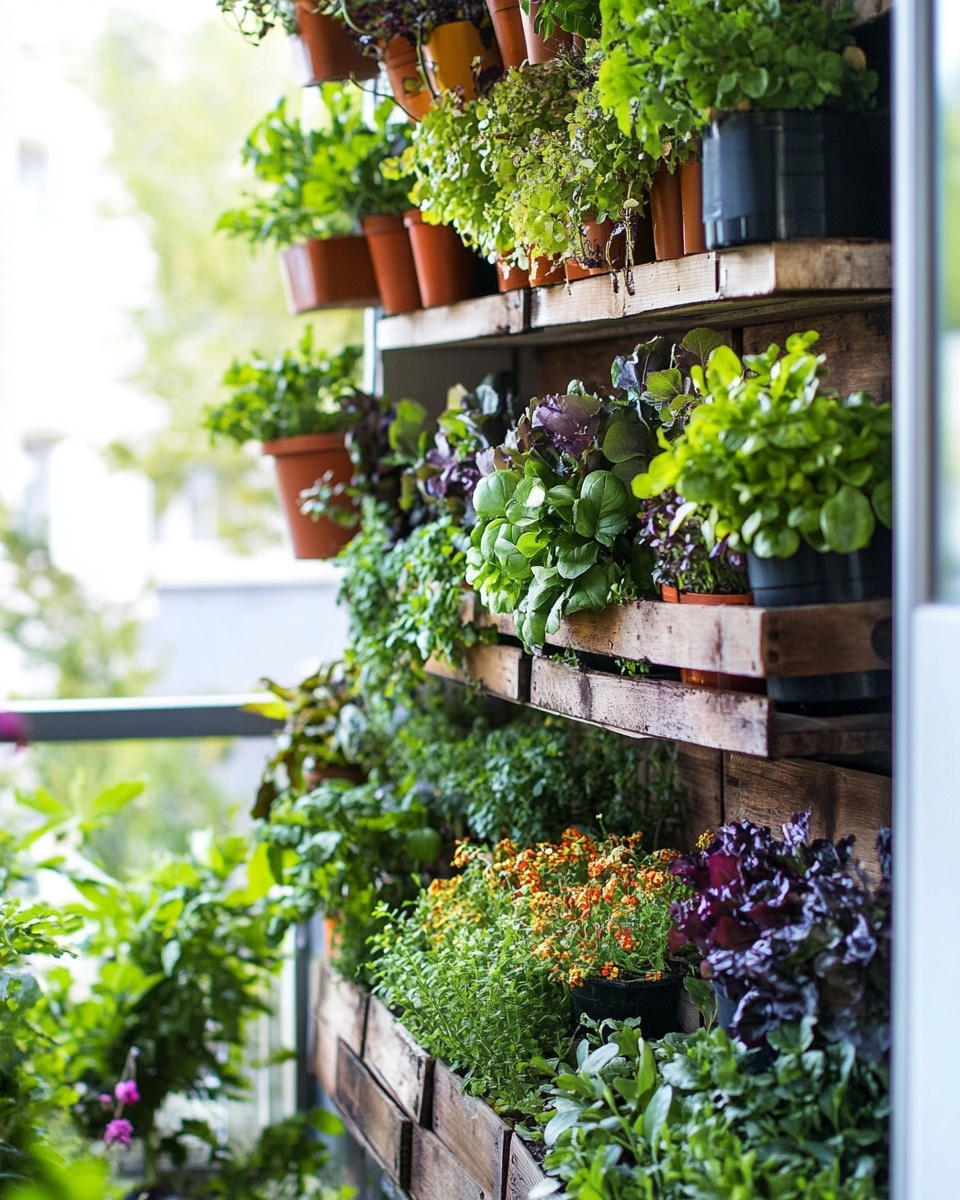
- Vertical Gardens: While less traditional for Japanese gardens, a green wall featuring carefully chosen mosses or ferns can evoke similar natural textures and feelings, perfect for a balcony or patio. Discover inspiration from Vertical Indoor Garden Ideas for Small Spaces.
Creative Ideas & Uses
A Japanese garden offers endless creative possibilities for tranquil garden ideas.
- Aesthetic Combinations: Group plants by texture and form, not just color. For instance, combine the soft, feathery needles of a pine with the broad leaves of a hosta and the delicate fronds of a fern. The contrast creates visual interest and depth.
- Repurposing Materials: Old, weathered timber can become a rustic gate or a subtle bridge over a dry stream. Smooth, worn river stones can be arranged as stepping stones or edges for new garden beds. Even broken pottery can be arranged as a mosaic within a stone path for subtle detail.
- Landscaping Inspirations:
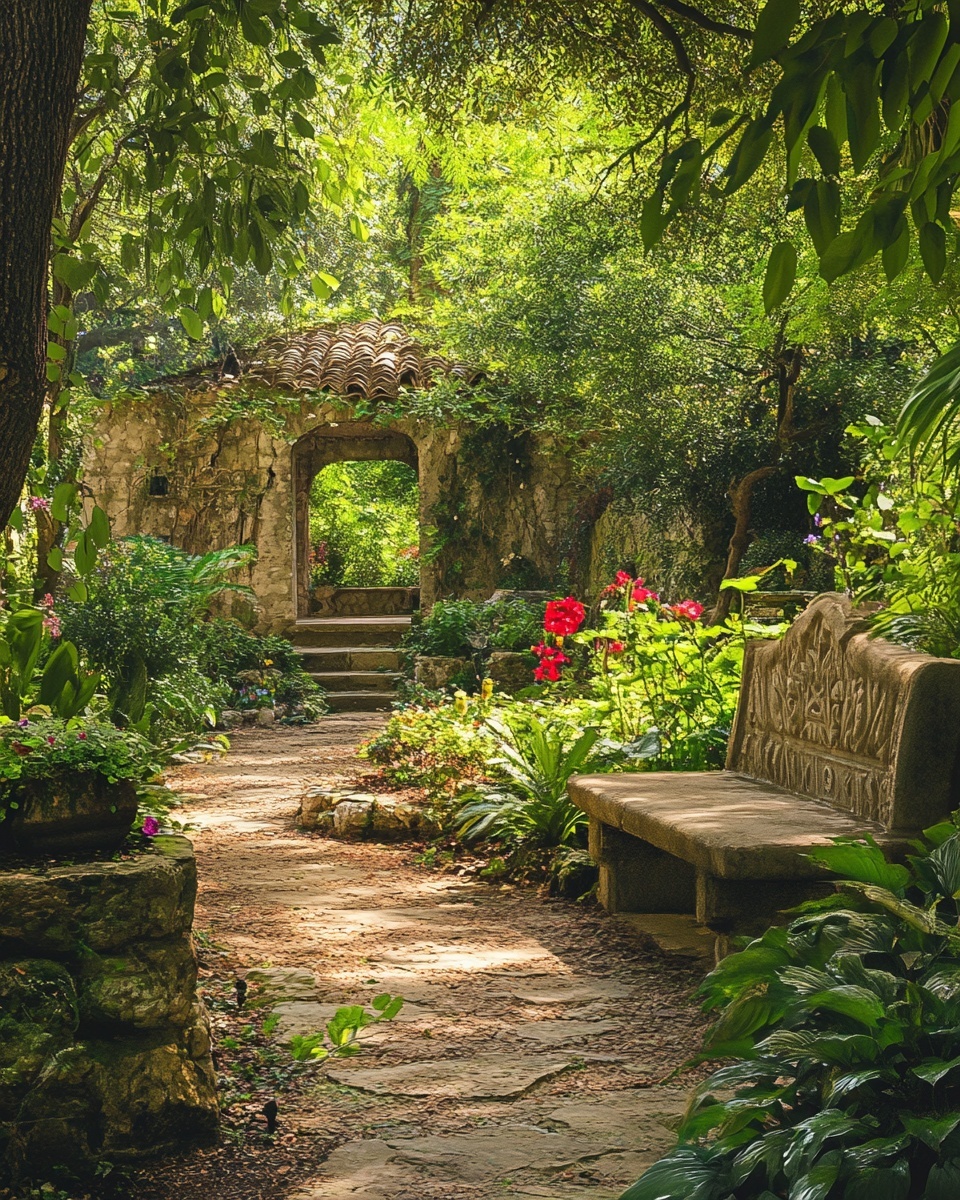
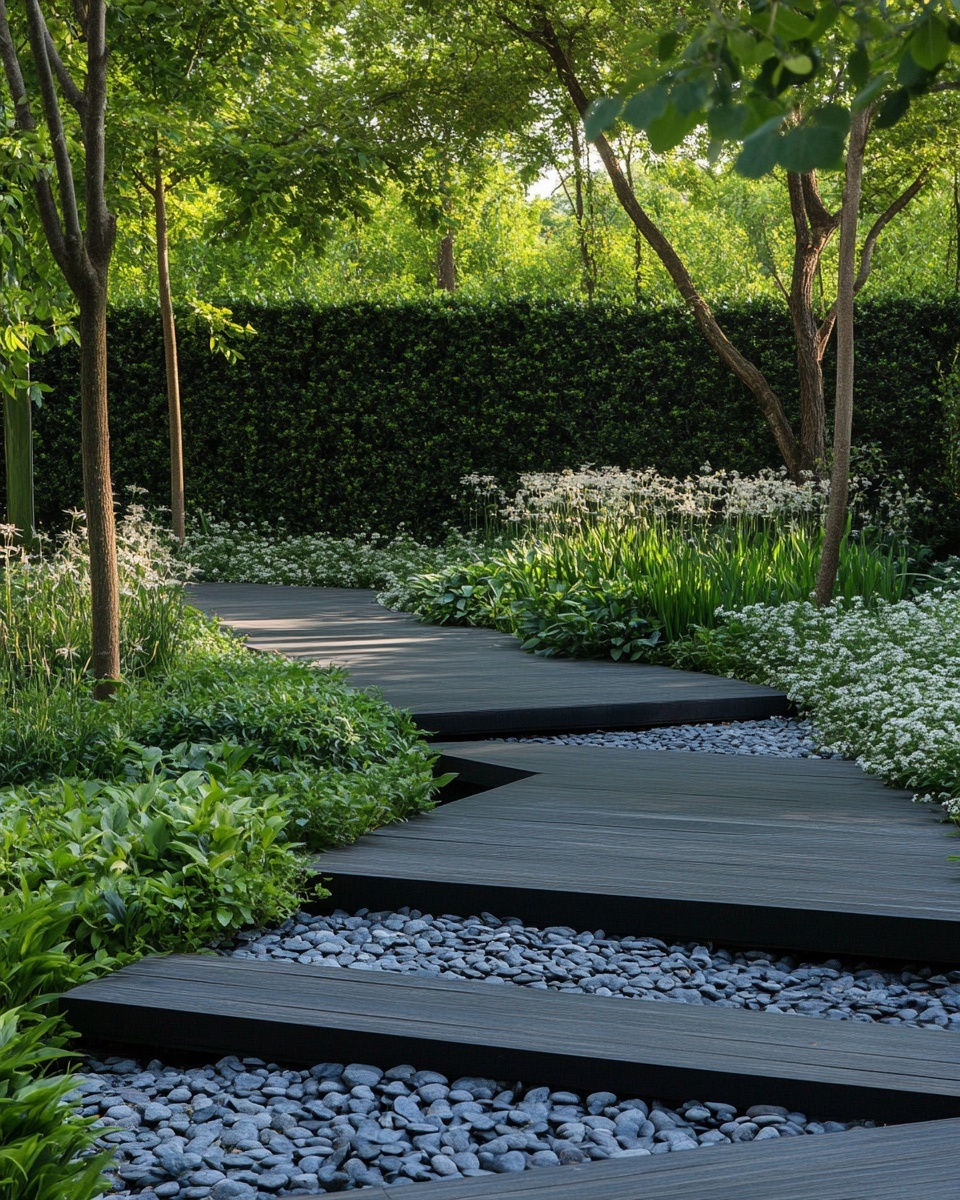
- Stroll Gardens (Chisen-kaiyū-shiki teien): Design a winding path that reveals new vistas and elements as you walk, encouraging reflection. This is perfect for larger backyards.
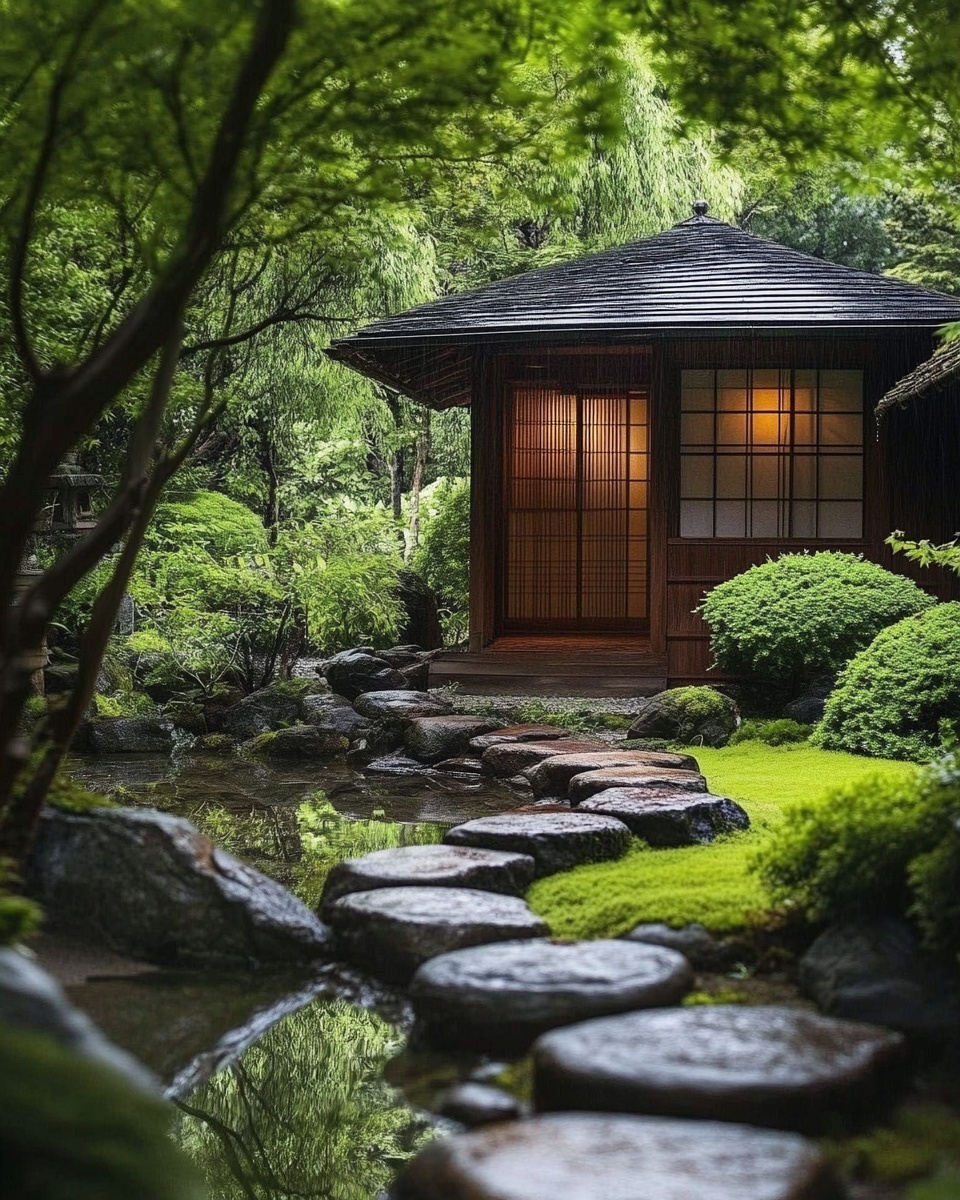
- Tea Gardens (Chaniwa): Create a small, secluded area with a simple stone basin (tsukubai) for ritual purification and a path leading to a hidden space, ideal for quiet contemplation.
- Meditation Corners: Dedicate a small, secluded spot for a single, sculptural plant or a minimalist rock arrangement, perhaps with a simple bench for quiet reflection.
- Soundscapes: Integrate elements that generate subtle sounds, like the drip of water from a bamboo spout (shishi-odoshi) or wind chimes (if appropriate for the design).
Common Mistakes to Avoid
Even seasoned gardeners can stumble. Being aware of potential pitfalls will save you time and frustration while creating your harmonious garden.
- Overcrowding Plants: A classic Western garden mistake. Too many plants obscure individual beauty and create a cluttered feel, directly opposing the minimalist Japanese aesthetic. Remember, negative space is crucial.
- Using Too Many Different Plant Varieties: Stick to a limited palette of plants. The focus should be on the form, texture, and subtle seasonal changes of a few chosen species, not a riot of colors. Aim for simplicity and elegance.
- Ignoring Scale and Proportion: Rocks, plants, and other elements must be in proper proportion to each other and to the overall size of the garden. A huge rock in a tiny garden can feel overpowering, while a tiny one in a large space can get lost. This is where careful planning and sketching become invaluable.
- Lack of Symbolism/Meaning: A Japanese garden is deeply symbolic. Merely placing rocks and plants without understanding their meaning or relationship to each other results in a pretty but soulless space. Research common Japanese garden symbols and integrate them thoughtfully.
- Poor Drainage: This is a common issue for any garden, especially one with delicate plants like moss. Standing water can lead to root rot and fungal diseases. Ensure your soil and hardscaping allow for adequate water runoff.
- Forgetting Maintenance Needs: Unkempt raked gravel, overgrown plants, or a dirty pond betray the essence of tranquility. Regular, mindful maintenance is part of the garden's philosophy.
Maintenance & Storage Tips
Long-term success in your Japanese garden comes from consistent, mindful care and proper storage of tools and materials.
- Long-Term Plant Health:
- Seasonal Pruning: Continue to sculpt your trees and shrubs. Pines, for instance, benefit from "candling" in spring to control growth and "pinching" in summer to induce branching. Deciduous trees need their main structural pruning in late winter.
- Soil Health: Annually top-dress plant beds with aged compost to replenish nutrients. Test soil pH every few years to ensure it remains suitable for your chosen plants.
- Pest and Disease Management: Stay vigilant. Address issues immediately to prevent spread. Early morning inspections are often best.
- Seed Storage (if applicable for future planting): Store seeds in cool, dry, dark places in airtight containers. Label clearly with the date. Most seeds remain viable for 1-3 years if stored correctly.
- Seasonal Care:
- Spring: Fertilize, prune winter-damaged branches, and prepare for new growth. Refresh gravel patterns.
- Summer: Regular watering, especially for newly planted flora. Monitor for pests.
- Autumn: Rake leaves, cut back perennials (if any), and protect sensitive plants or small trees if you anticipate harsh winters.
- Winter: Enjoy the garden's serene, often minimalist beauty. Ensure water features are drained if freezing temperatures are expected.
- Solutions for Common Issues:
- Yellow Leaves: Often indicates overwatering or nutrient deficiency. Check soil moisture and consider a balanced liquid feed.
- Poor Soil Drainage: If persistent, consider amending soil with coarse sand or perlite, or creating raised beds. For existing planted areas, aerate the soil gently and incorporate organic matter.
- Algae in Ponds: Ensure adequate filtration and circulation. Introduce pond plants that compete with algae for nutrients, or even a few algae-eating pond snails.
Conclusion
Creating a Japanese garden is more than a landscaping project; it's an artistic endeavor that brings a profound sense of calm and beauty to your home. By thoughtfully selecting your elements, embracing balance and asymmetry, and committing to consistent, mindful care, you can transform any space into a deeply personal sanctuary. The journey itself – from planning to planting to peaceful contemplation – is as rewarding as the destination. Embrace these garden ideas and cultivate your own piece of tranquility.
Are you ready to dig in and craft your very own tranquil retreat? Share your plans or progress photos with us on social media using #MyTranquilGarden. We can't wait to see your inspired spaces!
FAQ
Q1: How do I choose the right rocks for a Japanese garden?
A1: Select rocks with natural weathering and interesting shapes. Look for stones native to your area for an authentic feel. They should be unpolished and primarily used in odd-numbered groupings (three, five, seven) to create natural-looking arrangements. The way you position them is more important than their size; aim for stability and a sense of belonging.
Q2: What are the best plants for a low-maintenance Japanese garden?
A2: For a low-maintenance approach, focus on evergreens and moss. Juniper, select varieties of ornamental pine that grow slowly, and Japanese Holly require less frequent pruning than maples. Moss, once established, needs minimal care beyond adequate moisture. Check out our resources on Low-Maintenance Flowers for Busy Gardeners for broader plant ideas.
Q3: How do I create a raked gravel pattern in a Zen garden?
A3: First, ensure your gravel is finely crushed and evenly spread. Use a specially designed Zen garden rake with tines spaced to create desired patterns. Start by defining the edge, then gently pull the rake across the surface to create parallel lines, symbolizing water. For "islands" of rock, create concentric circles. Practice is key to achieving smooth, consistent patterns.
Q4: Can I create a Japanese garden in a small urban space, like a balcony?
A4: Absolutely! Focus on miniaturization. A large pot can hold a meticulously pruned dwarf conifer, surrounded by moss and a few artfully placed small stones. A compact water feature can add sound. Consider a vertical element for height. Explore Balcony Herb Garden Design Ideas for inspiration on small-space aesthetics.
Q5: What’s the significance of water in a Japanese garden, and how do I incorporate it?
A5: Water symbolizes purity, renewal, and the flow of life. It can be represented literally with a pond or stream, or symbolically with raked gravel (Karesansui). If adding a pond, ensure good filtration and include aquatic plants. For symbolic water, maintain pristine gravel and meticulous raking.
Q6: How do I deal with weeds in my gravel garden?
A6: The best defense is prevention. Always lay down high-quality weed barrier fabric before spreading gravel. For any weeds that inevitably sprout, hand-pull them immediately, especially when young, or use a weed torch for larger areas. Regular raking of the gravel can also disrupt weed growth.
Q7: How important are traditional Japanese garden ornaments like lanterns?
A7: Ornaments like stone lanterns (tōrō) and water basins (tsukubai) add cultural authenticity and focal points. However, they should be used sparingly and strategically to enhance, not dominate, the natural setting. Choose pieces that blend seamlessly with the natural stone and plant elements for genuine garden ideas.
More Gardening Inspiration:
If you're eager to expand your gardening skills, we have more insightful guides:
- For those just starting their edible garden journey, check out our tips on How to Start a Vegetable Garden From Scratch.
- Discover elegant ways to create beautiful flower displays with Layered Flower Bed Design Tips.
- Ready to get creative with your houseplants? Explore our ideas for Creative Indoor Plant Decor Ideas.