Introduction
Did you know that over 40% of urban dwellers dream of having more green space, yet only a fraction actively pursue it due to perceived limitations? Don't let a lack of traditional yard space stop you from cultivating your own vibrant oasis. With thoughtful patio ideas and smart vertical planting, transforming even the smallest balcony or rooftop into a flourishing garden is entirely achievable. This guide will help you craft a serene, productive, and beautiful green haven, proving that incredible transformations are possible with a creative approach to your home gardening aspirations. From lush container gardens to inventive vertical integrations, let's explore how to make your patio ideas spring to life.
Tools & Materials Needed
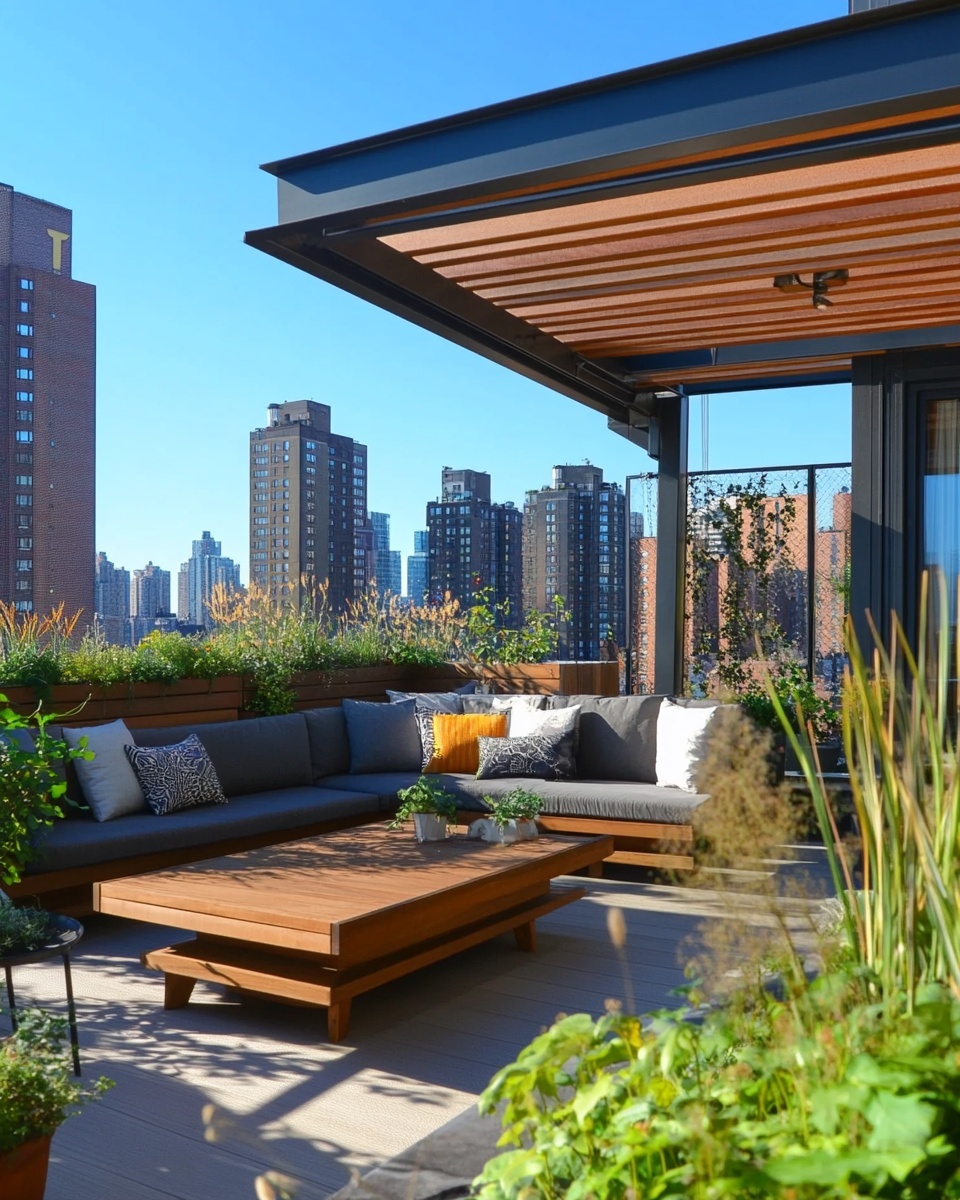
Embarking on any gardening adventure, especially for a patio, requires the right arsenal. Here’s a detailed breakdown of what you'll need, with an eye towards sustainability and efficiency:
- Pots and Planters: Variety is key! Consider terracotta for excellent drainage, lightweight plastic for easy relocation, or glazed ceramic for a decorative touch. For eco-conscious gardeners, repurpose old tires, wooden crates, or food-grade buckets. Self-watering planters are also a fantastic option for busy individuals, significantly reducing watering frequency.
- Quality Potting Mix: This is non-negotiable. A good, well-draining potting mix provides essential nutrients and aeration. Look for organic options enriched with compost and perlite. Avoid using garden soil, as it can compact in containers and hinder root development.
- Seeds or Starter Plants: Decide if you want to grow from scratch or get a head start with young plants. For herbs or quick-growing vegetables like lettuce, seeds are cost-effective. For more immediate gratification or complex plants, opt for starter plants.
- Hand Trowel and Cultivator: Essential for digging, planting, and loosening soil. Choose sturdy models that fit comfortably in your hand.
- Watering Can or Hose with a Gentle Sprayer: Consistent, gentle watering is crucial. A watering can offers precise control for smaller pots, while a hose attachment is efficient for larger areas.
- Gardening Gloves: Protect your hands from dirt, thorns, and potential irritants.
- Pruning Shears/Snips: For maintaining plant shape, harvesting, and removing dead growth. Sharp, clean shears prevent damage to your plants.
- Fertilizer: Organic options like worm castings, compost tea, or slow-release granular fertilizers work wonders. Always follow package instructions to avoid over-fertilization.
- Support Structures (Optional): For climbing plants like tomatoes or beans, trellises, stakes, or cages are invaluable. A small DIY trellis from bamboo stakes can be very effective and budget-friendly.
Time & Effort Overview
Gardening on a patio can be incredibly rewarding, offering a tangible connection to nature. The time and effort required largely depend on your plant choices and the scale of your setup.
- Initial Setup: For a small to medium-sized patio with 5-10 pots, expect to spend 2-4 hours on initial planting, including soil preparation and arranging.
- Daily Maintenance: Depending on the plant, daily checks for watering are often needed, especially in warm climates. This usually takes 5-15 minutes.
- Weekly Maintenance: This involves more thorough inspections for pests, pruning, and potential fertilization. Allocate 30-60 minutes weekly.
- Monthly Maintenance: This might include repotting, adding more compost, or addressing larger pest issues. Budget 1-2 hours.
Difficulty Level: Beginner to Intermediate. Most patio ideas focus on container gardening, which is very forgiving for beginners. Starting with resilient plants like herbs or leafy greens (which grow about 25% faster than typical root vegetables) can build confidence quickly. Advanced gardeners can experiment with more complex vertical systems or fruit-bearing plants.
Step-by-Step Gardening Process
Let's get your patio garden thriving! Follow these simple steps for successful planting and care.
Step 1: Planning Your Layout
Before you even touch soil, map out your patio. Consider sunlight patterns throughout the day. South-facing patios get the most sun, ideal for veggies and sun-loving flowers. North-facing patios are better for shade-tolerant plants. Think about accessibility for watering and maintenance. Group plants with similar care needs together. This initial planning step is crucial for making your patio ideas functional.
Step 2: Selecting Your Plants
Choose plants that suit your light conditions and your lifestyle. For sunny spots, tomatoes, peppers, herbs (basil, rosemary), strawberries, and many flowers thrive. For shadier areas, consider lettuce, spinach, hostas, ferns, and some flowering annuals. Don’t overcrowd! One large plant per pot often does better than several crammed together.
Step 3: Preparing Containers and Soil
Ensure your chosen pots have drainage holes; if not, drill some. Cover the drainage holes with a small piece of broken pottery or landscape fabric to prevent soil from washing out. Fill containers with your quality potting mix, leaving about an inch of space from the rim. Good drainage is paramount for healthy roots.
Step 4: Planting Your Seeds or Starters
If using seeds, follow the package instructions for depth and spacing. For starter plants, gently remove them from their nursery pots. Tease apart any tightly bound roots at the bottom. Place the plant in your prepared container, ensuring the top of the root ball is level with the soil surface. Backfill with more potting mix and gently firm the soil around the base of the plant.
Step 5: Initial Watering
After planting, give your plants a thorough watering until water drains from the bottom of the pot. This settles the soil and provides essential moisture for root establishment.
Step 6: Arranging Your Patio Oasis
Strategically place your potted plants based on light requirements and aesthetic preferences. Use varying heights to add visual interest – taller plants at the back, shorter ones in front. Don't worry if it looks sparse at first; plants will grow! For more impact, consider vertical gardening solutions to maximize your patio space.
Growth & Care Tips
Consistent care ensures a flourishing patio garden. Here's how to keep your plants happy and healthy:
- Watering Frequency: This is often the trickiest part. Container plants dry out faster than in-ground gardens. Check soil moisture daily by sticking your finger an inch or two into the soil. If it feels dry, it’s time to water. Water deeply until it drains from the bottom. Overwatering causes root rot in approximately 60% of houseplants, according to agricultural studies, so ensure good drainage.
- Sunlight Exposure: Most edible plants need 6-8 hours of direct sunlight. Place sun-loving plants (like tomatoes) in the brightest spots, and shade-tolerant plants (like lettuce) where they get less direct, but still bright, light.
- Pruning: Regularly pinch back leggy growth and remove spent flowers or yellowing leaves. This encourages bushier growth and more blooms or produce. For herbs, frequent harvesting encourages more growth!
- Fertilization: Container plants deplete soil nutrients faster. Feed them every 2-4 weeks during the growing season with a balanced, organic liquid fertilizer. Follow the dilution instructions carefully.
- Pest Prevention: Inspect your plants regularly for signs of pests (discolored leaves, sticky residue). Early detection is key. Use organic pest control methods like neem oil spray or insecticidal soap. Companion planting (e.g., marigolds deterring nematodes) can also be effective.
Eco-Friendly & Sustainable Alternatives
Make your patio garden a beacon of sustainability with these innovative approaches:
- Composting: Start a small worm bin or Bokashi composting system on your patio. It turns kitchen scraps into nutrient-rich "black gold" for your plants, reducing waste.
- Natural Fertilizers: Beyond your homemade compost, consider coffee grounds (for acid-loving plants), banana peels (for potassium), or crushed eggshells (for calcium) as natural soil amendments.
- Water Conservation: Install a rain barrel to collect rainwater for your plants – it's naturally soft and chlorine-free. Group pots together to create a microclimate, reducing evaporation. Consider self-watering planters or olla pots, which release water slowly into the soil.
- Small Space Solutions:
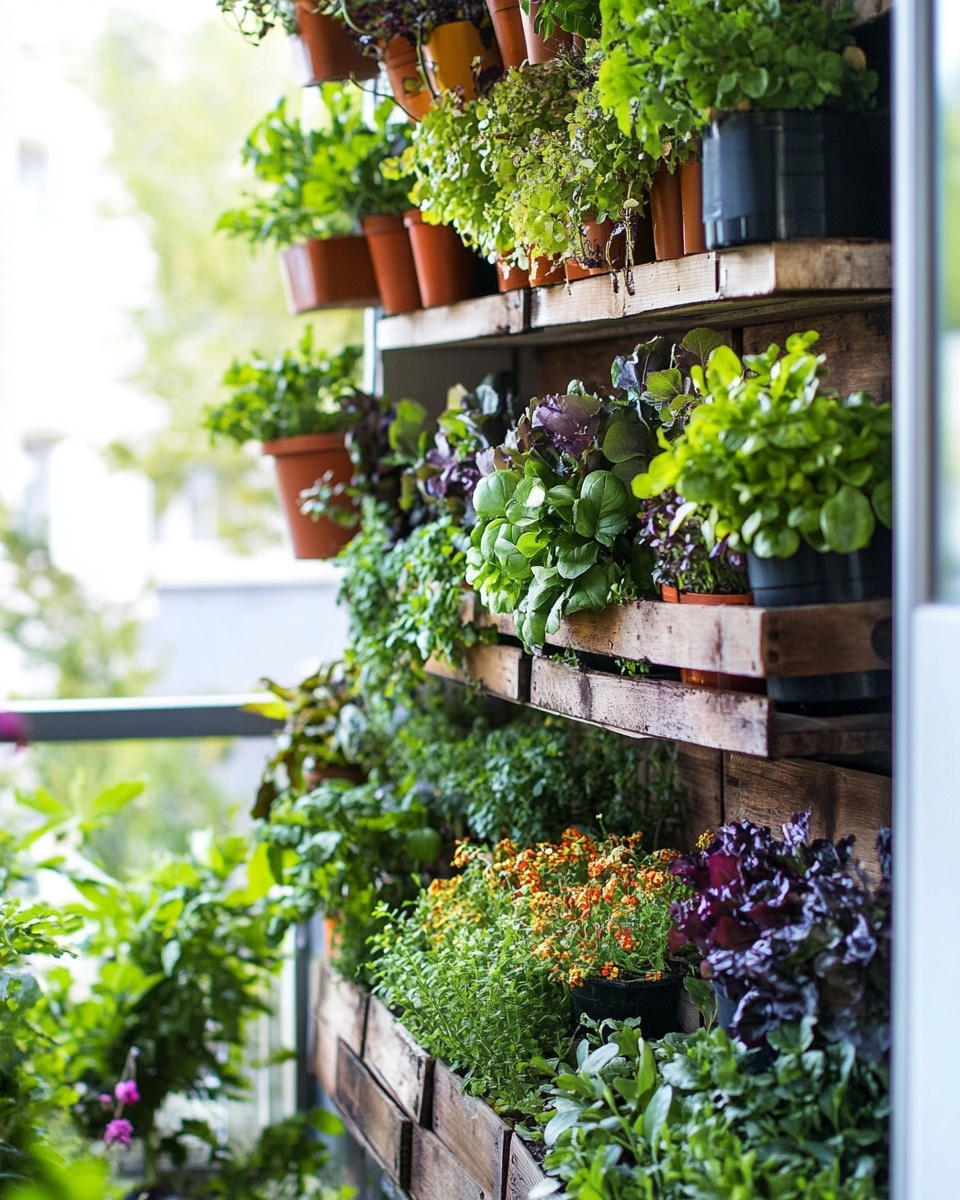
- Vertical Gardens: Utilize wall space with hanging planters, tiered shelves, or DIY pallet gardens. This is a game-changer for maximizing your green footprint in urban settings.
- Balcony Gardens: Focus on compact varieties and stackable planters. Explore our tips for balcony herb garden design ideas to get inspired.
- Repurposing: Transform old containers, wooden pallets, or even vertical shoe organizers into unique planting spaces.
Creative Ideas & Uses
Your patio isn't just for growing; it's an extension of your living space.
- Decorating with Plants: Use plants to define zones. Taller plants can create privacy screens, while trailing plants can soften edges. Incorporate decorative pots, garden gnomes, or solar-powered fairy lights to enhance the ambiance.
- Repurposing Materials: That old ladder? It's a perfect tiered plant stand! Wooden pallets can become vertical gardens. Mason jars with drainage can host small herbs. Get innovative! Check out DIY indoor herb garden ideas with recycled containers for more inspiration.
- Combining Plants Aesthetically: Think about color, texture, and height. Create focal points with vibrant blooms or architectural plants. Plant edible flowers like nasturtiums or pansies alongside vegetables for beauty and a tasty garnish.
- Ambiance Engineering: Add comfortable seating, string lights, or a small water feature. These elements transform a simple planting area into a tranquil retreat. Pinterest offers tons of inspiration like these innovative patio ideas: https://www.pinterest.com/janatjanay47/.
Common Mistakes to Avoid
Even experienced gardeners make mistakes. Learning to prevent these common pitfalls will save you time and plants:
- Overwatering: As mentioned, this is a top plant killer. Roots need oxygen. Constantly soggy soil suffocates them. Always check soil moisture before watering.
- Underwatering: The opposite extreme, leading to wilting and stunted growth. Consistent moisture is crucial for container plants.
- Ignoring Drainage: Pots without drainage holes become death traps. Ensure water can escape freely.
- Insufficient Light: Most plants, especially vegetables and flowers, need ample light. Don't place sun-loving plants in a perpetually shaded corner.
- Overcrowding: While tempting to cram many plants into one pot, this leads to competition for nutrients, water, and light, resulting in weaker plants.
- Neglecting Pests: A small pest problem can quickly become an infestation if ignored. Regular checks are vital.
- Using Garden Soil: Garden soil is heavy and compacts easily in pots, choking roots. Always use a good quality potting mix.
Maintenance & Storage Tips
Long-term success in your patio garden requires ongoing care and seasonal adjustments.
- Long-Term Plant Health: Rotate your plants periodically to ensure even sun exposure. Repot root-bound plants into slightly larger containers, usually annually or bi-annually, to allow for continued growth. Supplementing with fresh compost biannually can revitalize soil.
- Seasonal Care:
- Summer: Increase watering frequency, especially during heatwaves. Provide afternoon shade for sensitive plants if temperatures soar.
- Autumn: Harvest remaining produce. For annuals, prepare to remove them. For perennials, consider bringing tender plants indoors or providing winter protection for hardy ones.
- Winter: Reduce watering for dormant plants. For indoor plants, ensure they receive adequate light and humidity.
- Spring: Begin waking up your garden! Prune overwintered plants, add fresh potting mix, and start new seeds.
- Seed Storage: Store unused seeds in a cool, dark, and dry place (like an airtight container in your refrigerator) to maintain viability for future seasons. Label them with the date.
- Solving Common Issues:
- Yellow Leaves: Often a sign of overwatering, nutrient deficiency, or sometimes natural aging. Assess your watering habits and consider fertilizing.
- Wilting: Usually underwatering, but can also be overwatering if roots are rotted. Check soil moisture.
- Poor Soil Drainage: If water sits on top or drains too slowly, your potting mix might be too dense. Amend with perlite or replant with a better mix.
Conclusion
Transforming your patio into a green oasis is more than just gardening; it's about creating a personal sanctuary, boosting your well-being, and enjoying fresh produce right at your fingertips. By embracing creative patio ideas, selecting the right plants, and consistently applying these care tips, you can cultivate a stunning and productive garden, no matter the size of your space. Remember, every successful garden starts with a single step, or perhaps, a single seed! So, what are you waiting for? Grab your gardening gloves, envision your ideal green retreat, and start planting today! We'd love to see your patio paradise – share your photos and progress with us on social media!
FAQ
Q1: What are the best plants for a beginner's patio garden?
A1: For beginners seeking successful patio ideas, start with resilient plants. Herbs like basil, mint, and rosemary, along with leafy greens such as lettuce and spinach, thrive in containers and are relatively forgiving. Cherry tomatoes and small pepper varieties are also excellent choices for sunny patios.
Q2: How often should I water my patio plants?
A2: Watering frequency depends on plant type, pot size, and weather. A good rule of thumb for your patio ideas is to check the soil moisture daily. Stick your finger an inch or two into the soil; if it feels dry, water deeply until water drains from the bottom.
Q3: Can I grow vegetables on a shaded patio?
A3: Absolutely! While most vegetables prefer full sun, many leafy greens (lettuce, spinach, kale), root vegetables (radishes, carrots), and some herbs (mint, parsley) can thrive in partial shade (3-6 hours of sun). Even some patio ideas for peppers or small tomatoes can yield results with careful placement.
Q4: How can I protect my patio plants from pests naturally?
A4: Embrace natural pest control for your patio ideas! Regularly inspect your plants, remove visible pests by hand, or spray with neem oil solution or insecticidal soap. Companion planting (e.g., marigolds with tomatoes) can also deter unwanted visitors.
Q5: What kind of soil should I use for container gardening on my patio?
A5: Always use a high-quality potting mix specifically formulated for containers. This ensures proper drainage, aeration, and nutrient availability. Avoid heavy garden soil, which compacts and can stifle root growth, undermining your patio ideas.
Q6: My patio is small. How can I maximize my growing space?
A6: For small patios, vertical gardening is your best friend. Utilize wall space with hanging planters, tiered garden shelves, or DIY pallet planters. Choose compact plant varieties and optimize space with smart patio ideas like railing planters. For more small-space solutions, check out our guide on vertical indoor garden ideas for small spaces.
Q7: How do I choose the right size pots for my plants?
A7: Select pots appropriate for the mature size of your plant. Small herbs can do well in 6-8 inch pots, while tomatoes and larger vegetables require 10-20 gallon containers. Adequate pot size prevents plants from becoming root-bound and ensures healthier growth for all your patio ideas.
Curious about expanding your plant-growing repertoire? Discover the best vegetables to grow for beginners. If you're looking to plan a complete new garden, our guide on how to start a vegetable garden from scratch is an invaluable resource. To further enhance your green thumb, explore our tips for easy indoor gardening setup for beginners, perfect for those cooler months or limited outdoor space.