Are you among the 80% of urban dwellers who dream of a serene escape right in their backyard, yet believe achieving a truly tranquil aesthetic like a Zen garden is beyond reach? Many aspire to create peaceful outdoor sanctuaries, but often feel overwhelmed by the perceived complexity or cost. But what if we told you that designing stunning landscaping ideas for a Zen Japanese garden is not only achievable but also profoundly rewarding, regardless of your gardening experience? With careful planning and attention to foundational principles, you can transform your outdoor space into a haven of tranquility, a place where natural elements coalesce to inspire contemplation and peace. This guide will walk you through foundational Zen Japanese garden landscape ideas, helping you cultivate a slice of paradise that's both beautiful and deeply calming.
Tools & Materials Needed
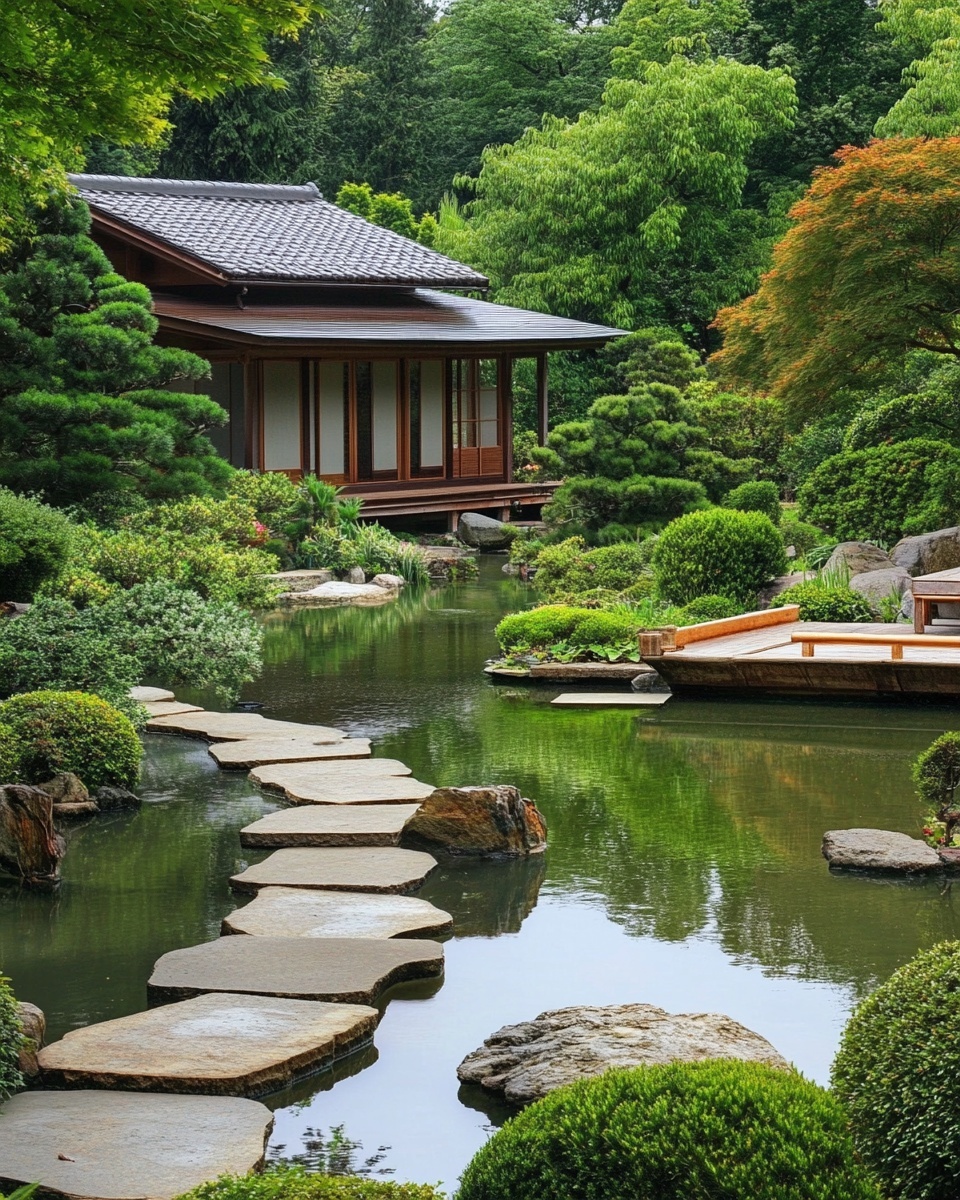
Embarking on your Zen garden journey requires a thoughtful selection of tools and materials to ensure an authentic and sustainable design. Don't worry, many items can be sourced sustainably or on a budget.
- Rake (Traditional Japanese or Standard Garden Rake): Essential for creating the iconic sand or gravel patterns. Consider a specialized hand rake for intricate designs or opt for a sturdy, wide-toothed garden rake as a budget-friendly alternative.
- Gravel or Sand: The cornerstone of a dry landscape (Karesansui). Pea gravel (¼-½ inch) or decomposed granite works well. Aim for a light, natural color. For eco-conscious choices, research local quarries to minimize transport footprint.
- Rocks (Larger "Boulders" and Smaller "Stones"): These are the "bones" of your garden, representing mountains or islands. Look for naturally weathered, smooth stones. Scour local landscapes (with permission!) or stone yards. Odd numbers of stones often provide a more dynamic and balanced composition.
- Boundary Material: Edging material like pressure-treated timber, flexible plastic edging, or natural stone blocks to contain the gravel and define your garden's shape. Reclaimed wood sleepers are a fantastic eco-friendly option.
- Weed Barrier Fabric: Crucial for preventing weeds from emerging through your gravel. Biodegradable options are increasingly available.
- Small Shovel or Trowel: For minor digging and placement.
- Measuring Tape and String: For laying out your design.
- Watering Can or Hose with a Gentle Sprayer: For establishing any live plants and keeping dust down during installation.
- Optional – Plants: Moss, dwarf conifers (like Japanese Black Pine), bamboo (clumping varieties to prevent spreading), or hostas add texture and life. Choose drought-tolerant and native varieties for sustainability.
- Optional – Water Feature: A small stone basin (tsukubai) or a quiet fountain adds a sensory dimension. Upcycle an old ceramic bowl or a large plant pot for a DIY version.
Time & Effort Overview
Creating a Zen Japanese garden, especially one focused on intricate landscaping ideas, is less about speed and more about meticulous planning and mindful execution. Expect the initial setup to take anywhere from 2-5 full days for a small (50-100 sq ft) to medium-sized (over 100 sq ft) garden, depending on the complexity of your design and site preparation. Compared to planting a vibrant flower bed that requires continuous seasonal changes, a Zen garden's core structure (rocks, gravel, boundaries) is permanent, reducing future effort significantly.
The difficulty level ranges from beginner to intermediate. Site preparation, especially leveling and weed suppression, is labor-intensive but straightforward. Arranging rocks abstractly to convey meaning, however, requires an artistic eye and an understanding of Zen principles, which you'll develop as you go. Regular maintenance—raking and occasional weeding—is a much more meditative and less demanding task, much like pruning bonsai, which is known for its calming routines.
Step-by-Step Gardening Process
1. Site Selection and Preparation
Choose a spot in your yard that is relatively flat and visible from a meditative vantage point, like a patio or window. Clear the area of all existing vegetation, debris, and stubborn roots. This is critical for long-term health. Compact the soil and ensure proper drainage away from your home. If your soil is heavy clay, consider adding a thin layer of sand to improve permeability.
2. Define the Garden’s Boundaries
Use your measuring tape and string to mark out the shape of your garden. Traditional Zen gardens often feature irregular, organic shapes, but a simple rectangle or oval can also be profound. Install your chosen boundary material, ensuring it's level and secure. This is where your landscaping ideas truly start to take physical form.
3. Lay the Weed Barrier
Unroll and secure your weed barrier fabric across the entire prepared area, overlapping edges by at least 6-8 inches to prevent gaps. Pierce holes for any planned plants. This step is vital; skipping it will lead to endless weeding battles.
4. Strategic Placement of Rocks
This is the heart of your Zen garden. Arrange your larger rocks first, aiming for an asymmetrical and balanced composition. Think of them as mountains, islands, or even celestial bodies. Avoid placing them in perfectly straight lines or symmetrical pairs. Often, rocks are partially buried to suggest longevity and stability, reflecting ancient geological processes. Step back frequently to assess the composition from different angles. Don’t worry if it doesn’t feel "right" immediately; experiment until the arrangement evokes peace and harmony. Consider the "rule of odds" (3, 5, 7 rocks) which tends to create a more natural and dynamic feel.
5. Add Gravel or Sand
Once your rocks are perfectly placed, spread your chosen gravel or sand evenly over the weed barrier, typically to a depth of 2-3 inches. Ensure all fabric is covered.
6. Rake the Patterns
Now for the iconic Zen garden raking! Use your rake to create patterns in the gravel. Straight lines often represent ripples in water or currents. Concentric circles around rocks can symbolize islands in an ocean. Practice makes perfect here. This meditative act is perhaps the most defining element of many Zen landscaping ideas.
7. Incorporate Plants (Optional)
If you're adding plants, dig holes through the gravel and weed barrier. Gently place the plants, backfill with soil, and give them a good drink. Moss is excellent for softening rock edges or filling small spaces, requiring minimal care once established.
8. Final Touches
Add any final elements like a stone lantern, a small bench for contemplation, or a subtle water basin. Take one last look at your masterpiece and make any minor adjustments.
Growth & Care Tips
Zen Japanese gardens, while low-maintenance, still require mindful care. The key is to preserve their aesthetic and symbolic purity.
- Raking: The most frequent activity. Rake your gravel patterns regularly, ideally weekly or whenever wind or rain disturbs them. This is a meditative practice, not a chore. Research suggests that repetitive, mindful activities like raking gravel can reduce stress and improve focus by up to 25%.
- Weeding: Despite the weed barrier, persistent weeds may occasionally pop through. Promptly pull them by hand to maintain the pristine appearance. Early detection is key, as small weeds are easier to remove without disturbing the gravel pattern.
- Watering: If you have live plants, water them according to their specific needs. Moss requires consistent moisture, especially in dry climates. For example, in warmer seasons, moss might need a light misting daily or every other day, while conifers might only need watering every few weeks once established.
- Sunlight Exposure: Most traditional Zen gardens thrive in partial shade, especially if moss is present. Too much direct sun can scorch moss and dry out the gravel quickly. If your garden is in full sun, consider more drought-tolerant plants or a higher-quality weed barrier to reduce heat transfer to the gravel.
- Pruning: If you’ve included dwarf conifers or small shrubs, prune them sparingly to maintain their form and keep them in scale with the garden. The goal is restraint and natural elegance.
- Fertilization: Generally not required for the rock and gravel elements. If you have plants, use a balanced, organic slow-release fertilizer only if necessary, following product instructions. For more tips on organic solutions, check out our guide on Organic Fertilizer Recipes for Herb Gardens.
- Pest Prevention: Healthy plants are naturally more resistant to pests. Monitor plants for any signs of trouble. In a Zen garden, chemical pesticides are usually avoided; instead, hand-pick pests or use organic solutions like neem oil.
Eco-Friendly & Sustainable Alternatives
Creating a sustainable Zen garden enhances its inherent connection to nature.
- Local Sourcing: Prioritize stones, gravel, and plants from local suppliers to reduce transportation emissions and support regional economies.
- Water Conservation: Choose drought-tolerant native plants that require minimal irrigation once established. Consider collecting rainwater in a rain barrel to water plants. A small stone basin can also double as a bird bath, attracting local wildlife.
- Composting (for plants): For any plant elements, enrich the soil with homemade compost. This reduces waste and improves soil health without chemical additives. Learn more about composting via reputable gardening sites.
- Recycled Materials: Utilize reclaimed wood for garden boundaries or old ceramic pots for water features. Even old broken concrete can be repurposed into stepping stones or integrated as abstract rock forms.
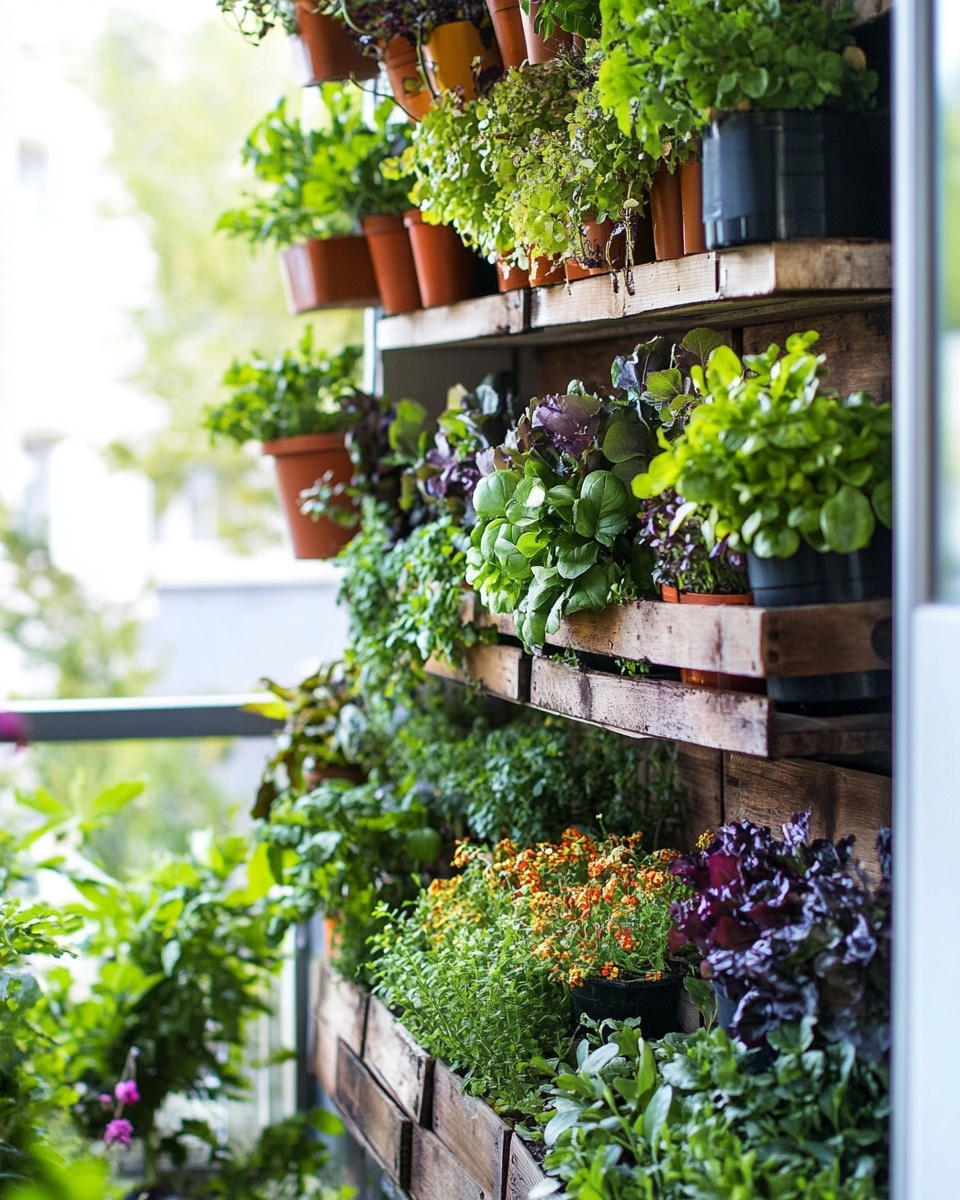
- Small Space Solutions: Don't have a large yard for these landscaping ideas? Create a miniature "Zen Box Garden" using a shallow tray, sand, and small stones. Or design a vertical Zen-inspired wall garden with carefully chosen plants and textures, proving that mindfulness can thrive in any space. Consider minimalist arrangements for a balcony or patio, using fewer, larger elements. For inspiration on smaller spaces, see our article on Balcony Herb Garden Design Ideas.
Creative Ideas & Uses
Your Zen Japanese garden is a canvas for tranquility and contemplation. Here are some dynamic landscaping ideas to amplify its impact:
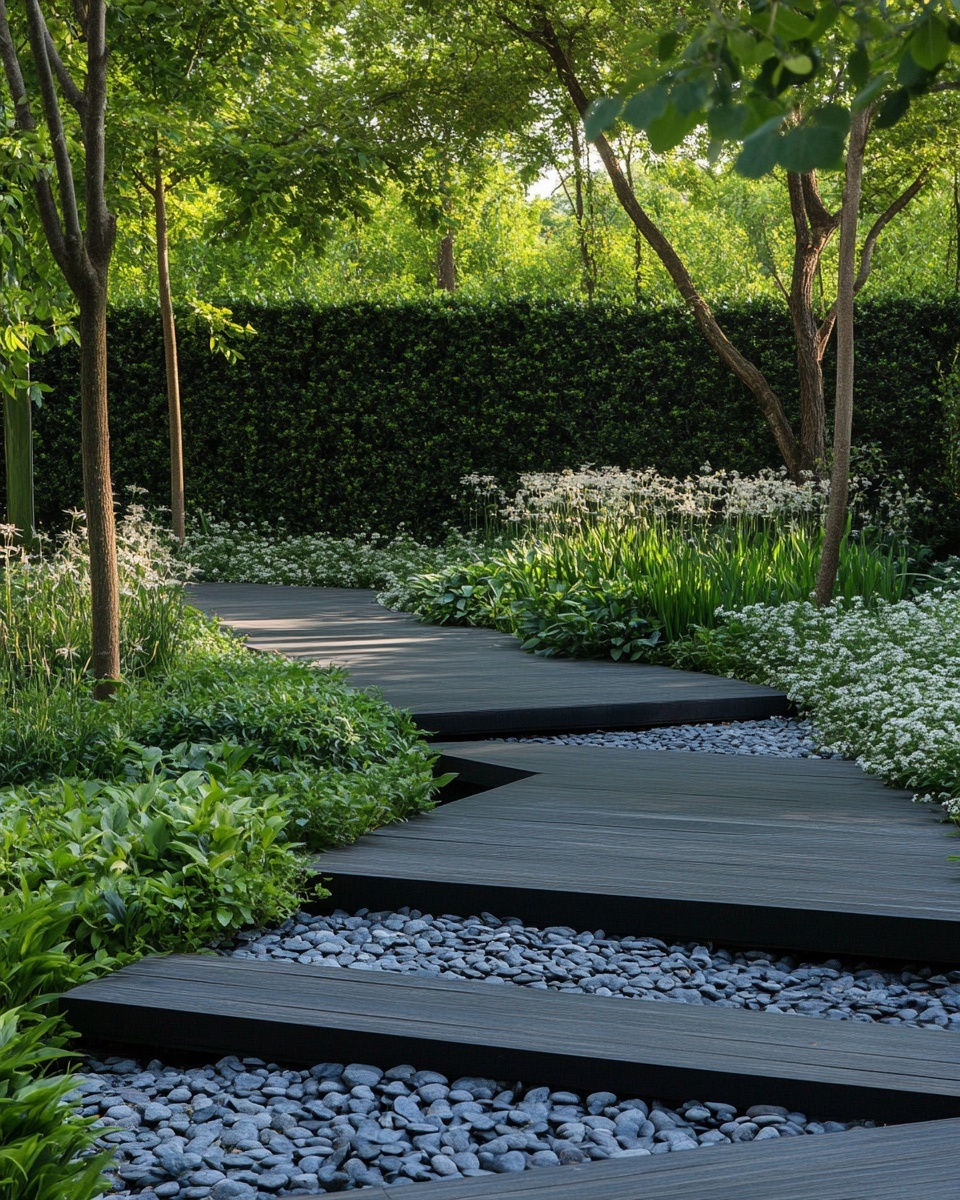
- Incorporate a Dry Stream Bed: Instead of a raked pattern, use smooth, rounded river stones of varying sizes to suggest a flowing river or waterfall, creating a permanent, texture-rich focal point.
- Moon Viewing Platform: A simple wooden deck or flat stone area can serve as a "Tsukimidai," a place to sit and observe the moon, fostering a deeper connection to natural cycles.
- Moss Garden Sections: Intentionally cultivate patches of various mosses (e.g., sheet moss, cushion moss) around rocks or in shady corners to introduce lush green textures and evoke ancient forest floors.
- Bamboo Screens for Privacy: Use clumping bamboo varieties (which won't spread aggressively) to create a natural, rustling screen, adding sound and visual privacy to your garden. Connect a deep sense of connection, check out the Pinterest board for diverse inspirations: https://www.pinterest.com/janatjanay47/.
- Contemplative Lighting: Discreet, low-level pathway lighting or strategically placed spotlights can highlight key rock compositions or plant forms, transforming the garden into a magical space at dusk. Avoid harsh, bright lights.
- Repurposed Containers: Instead of traditional lanterns, use old ceramic jars or carved logs as subtle accents or planters for small, solitary plants.
- Sound Elements: Beyond water features, consider wind chimes that produce gentle, melodic tones, adding another layer to the sensory experience of your peaceful garden.
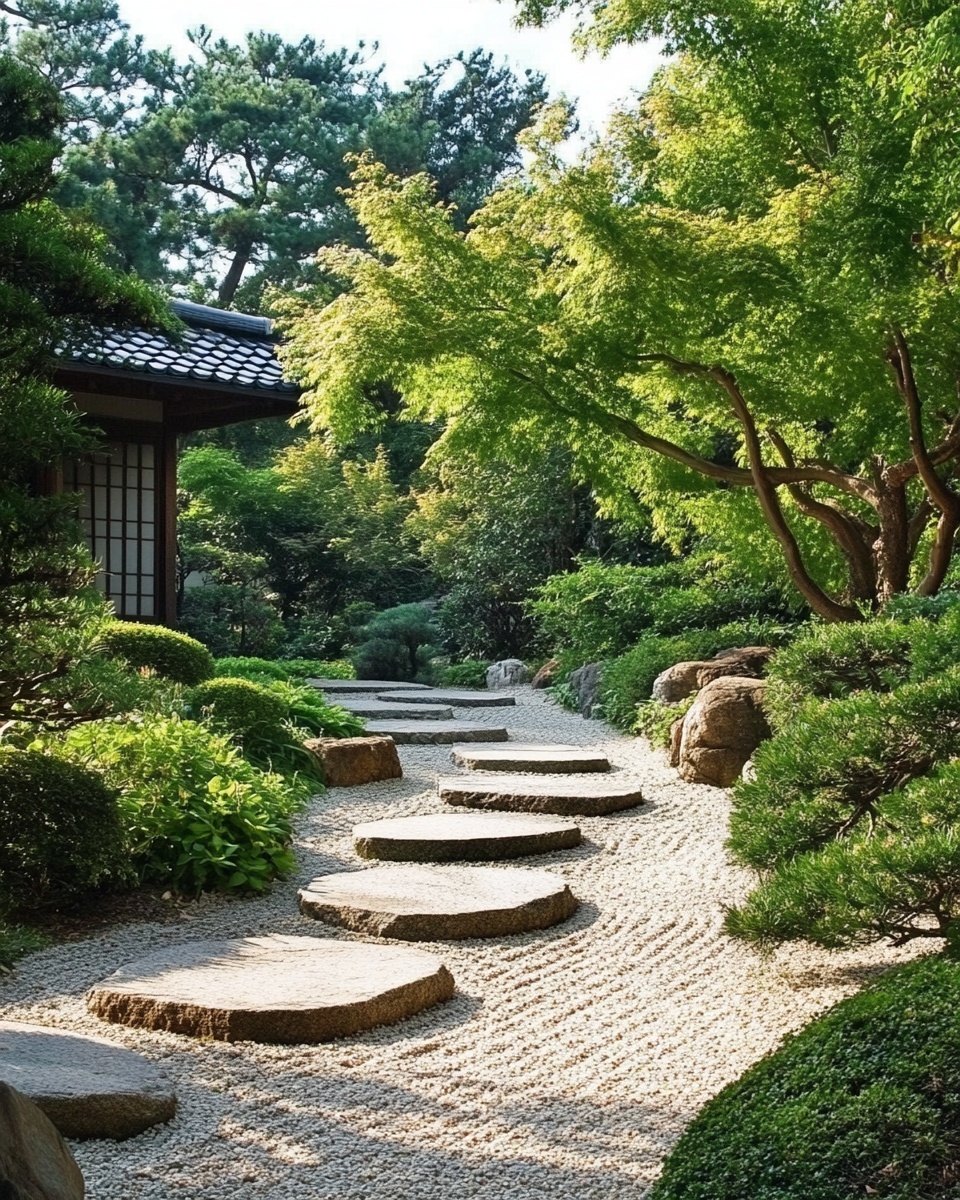
- Combine with a Tea Garden Aesthetic: Integrate elements like a stone basin for ritualistic hand-washing (tsukubai) or a few carefully placed stepping stones (tobi-ishi) leading to a quiet seating area, capturing the serene spirit of a traditional tea garden.
Common Mistakes to Avoid
Even seasoned gardeners can stumble, especially when channeling specific design philosophies like Zen. Steering clear of these common pitfalls will ensure your Zen landscaping ideas flourish.
- Over-Complicating the Design: The essence of Zen is simplicity and restraint. Too many elements, cluttered rock arrangements, or a riot of colorful plants detract from the meditative quality. Data shows that visually complex environments can increase mental fatigue by up to 35%, whereas minimalist designs promote calm.
- Ignoring Drainage: Poor drainage can lead to perpetually damp gravel, weed growth, and even foundational issues if water pools around your home. Ensure adequate slope and soil preparation to prevent stagnant water, which often causes root rot in over 60% of common garden plants.
- Using Too Many Plant Varieties: While plants are welcome, a Zen garden focuses on singular statements rather than diversity. A single well-placed pine or a patch of moss is often more impactful than a mix of various species. Stick to a limited palette.
- Neglecting Weed Barrier: As mentioned, skipping or poorly installing a weed barrier is a recipe for frustration. Within weeks, dormant seeds will germinate and pierce through your pristine gravel, turning a serene space into a chore. Industry statistics highlight weed barriers reduce weeding time by 70-90% in gravel areas.
- Symmetry Over Asymmetry: Western garden design often favors symmetry, but Zen gardens thrive on asymmetry and irregularity, which mimic nature. Avoid perfectly mirrored elements or evenly spaced stones; embrace the natural flow.
- Using Uniform Gravel Size: While uniform gravel is acceptable, mixing slightly different sizes or colors can add depth and natural texture, making the raked patterns more dynamic and visually interesting.
Maintenance & Storage Tips
Maintaining your Zen garden ensures its enduring beauty and tranquility.
- Seasonal Raking: Be diligent about raking, especially after strong winds or rain. Consider raking a new pattern each season to reflect nature's changes.
- Gravel Refresh: Over time, gravel can settle or become displaced. Periodically check the depth of your gravel and add more if needed, typically every 2-3 years. Gently rinse a section of gravel with a hose to remove fine silt and dust, restoring its vibrancy.
- Plant Care: For any live plants, follow their specific seasonal care routines. In autumn, gently clear fallen leaves from the gravel to prevent decomposition and weed potential. For moss, provide consistent moisture, especially during dry spells.
- Tool Storage: Keep your rake and other tools clean and dry to prolong their life. Store them in a shed or garage to protect them from the elements.
- Winter Protection (if applicable): In colder climates, ensure any delicate plants are well-mulched. If you have a water feature, drain it before the first hard freeze to prevent pipes from bursting.
- Addressing Yellow Leaves: If plants show yellow leaves, it often indicates overwatering, nutrient deficiency, or pest issues. Check soil moisture and consider a balanced fertilizer if needed. Poor soil drainage can also contribute; ensuring proper foundation is key.
Conclusion
Creating a Zen Japanese garden is more than just landscaping; it's an art form that brings peace and contemplation into your daily life. By thoughtfully choosing your landscaping ideas, from the placement of each stone to the calming patterns you rake into the gravel, you're crafting a personal sanctuary. The benefits extend beyond aesthetics, offering a space for mindfulness, stress reduction, and a profound connection to nature's enduring beauty. Remember, the journey of building and maintaining your Zen garden is as rewarding as the destination itself.
Ready to transform your outdoor space? Grab your rake, embrace the quiet creativity, and start cultivating your own haven of peace today! Share your journey with us – we'd love to see photos of your serene creations!
FAQ
Q1: How much does it cost to build a basic Zen garden?
A1: The cost for these landscaping ideas can vary widely based on size and materials. A small, basic 50 sq ft Zen garden can cost anywhere from $200-$500 using budget-friendly gravel and reclaimed stones, primarily for materials. Larger or more elaborate designs with premium stones, plants, and professional installation can run into several thousands. DIY is significantly more economical.
Q2: Can I use regular playground sand instead of gravel?
A2: While you can technically use sand, pea gravel (or decomposed granite) is generally preferred for a Zen garden. Sand is finer, tends to compact, holds more moisture, and can be easily displaced by wind and rain, making it harder to maintain distinct raked patterns. Gravel offers better drainage and holds patterns more effectively.
Q3: How often should I rake my Zen garden?
A3: The beauty of raking is its meditative quality. You can rake daily, weekly, or whenever you feel the need to refresh the patterns or clear debris. There's no strict rule; let it be a personal ritual that brings you peace.
Q4: What are the best plants for a low-maintenance Zen garden?
A4: For truly low-maintenance Zen landscaping ideas, prioritize moss, dwarf conifers (like Japanese yew or dwarf Hinoki cypress), and certain groundcovers like mondo grass. These require minimal pruning and water once established, complementing the minimalist aesthetic. Succulents also work in drier climates.
Q5: My gravel keeps getting muddy. What can I do?
A5: Muddy gravel often points to insufficient drainage or inadequate weed barrier. Ensure your foundational soil has a slight slope away from any structures and consider adding a layer of coarse sand or small crushed rock beneath your main gravel layer if drainage is a persistent issue. Double-check your weed barrier for gaps or tears.
Q6: Can I include a water feature in my Zen dry garden?
A6: Absolutely! While "dry" gardens focus on symbolic water, a small, subtle water feature like a stone basin (tsukubai) or a quiet rock fountain can enhance the sensory experience. Ensure it's in scale with your garden and doesn't overpower the minimalist design.
Q7: How do I keep cats or other animals from disturbing my raked patterns?
A7: This is a common challenge! Gentle deterrents like motion-activated sprinklers (placed carefully to avoid soaking the entire garden), strategically placed aromatic plants (like rue or lavender around the perimeter), or small, aesthetically pleasing garden fences can help. Some gardeners lay down pinecones briefly after raking until the deterrent scent fades.
Explore More Landscaping & Gardening Guides:
- Thinking about starting a full vegetable patch? Our guide on How to Start a Vegetable Garden from Scratch offers comprehensive advice for beginners.
- For more specific beginner-friendly planting, check out Best Vegetables to Grow for Beginners.
- If you're interested in balancing aesthetics with practicality in smaller spaces, you might find inspiration in Small Space Flower Garden Design Ideas.