Introduction
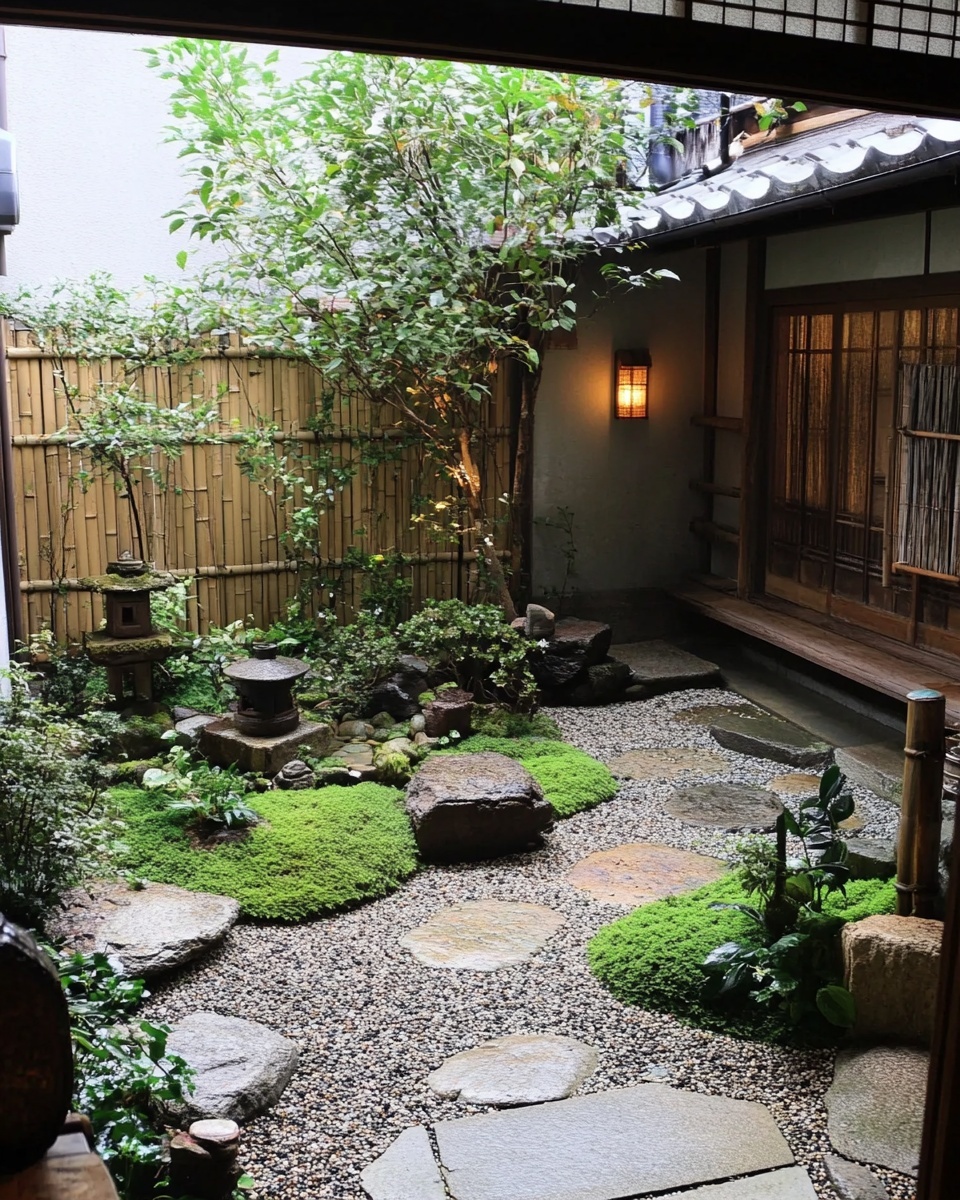
Have you ever gazed upon a tranquil Zen garden and wondered if such profound peace could possibly fit within the confines of your urban balcony or small backyard? Many gardening enthusiasts believe that creating a stunning garden design, especially one inspired by the serene aesthetic of a Japanese courtyard, requires sprawling landscapes and extensive resources. But what if I told you that you could cultivate a deeply meditative and visually captivating Zen Japanese courtyard style for your small space, transforming even the most modest area into a harmonious retreat? The secret lies in understanding the core principles of a Japanese garden and applying clever garden design techniques scaled for compact living. In fact, research indicates that thoughtful urban green spaces can lower stress levels by up to 20% and increase property value by 15%, making a well-designed small garden a truly valuable asset. This guide will walk you through creating your own miniature Japanese oasis, proving that beautiful, functional, and calming garden design is accessible to everyone, regardless of yard size.
Tools & Materials Needed
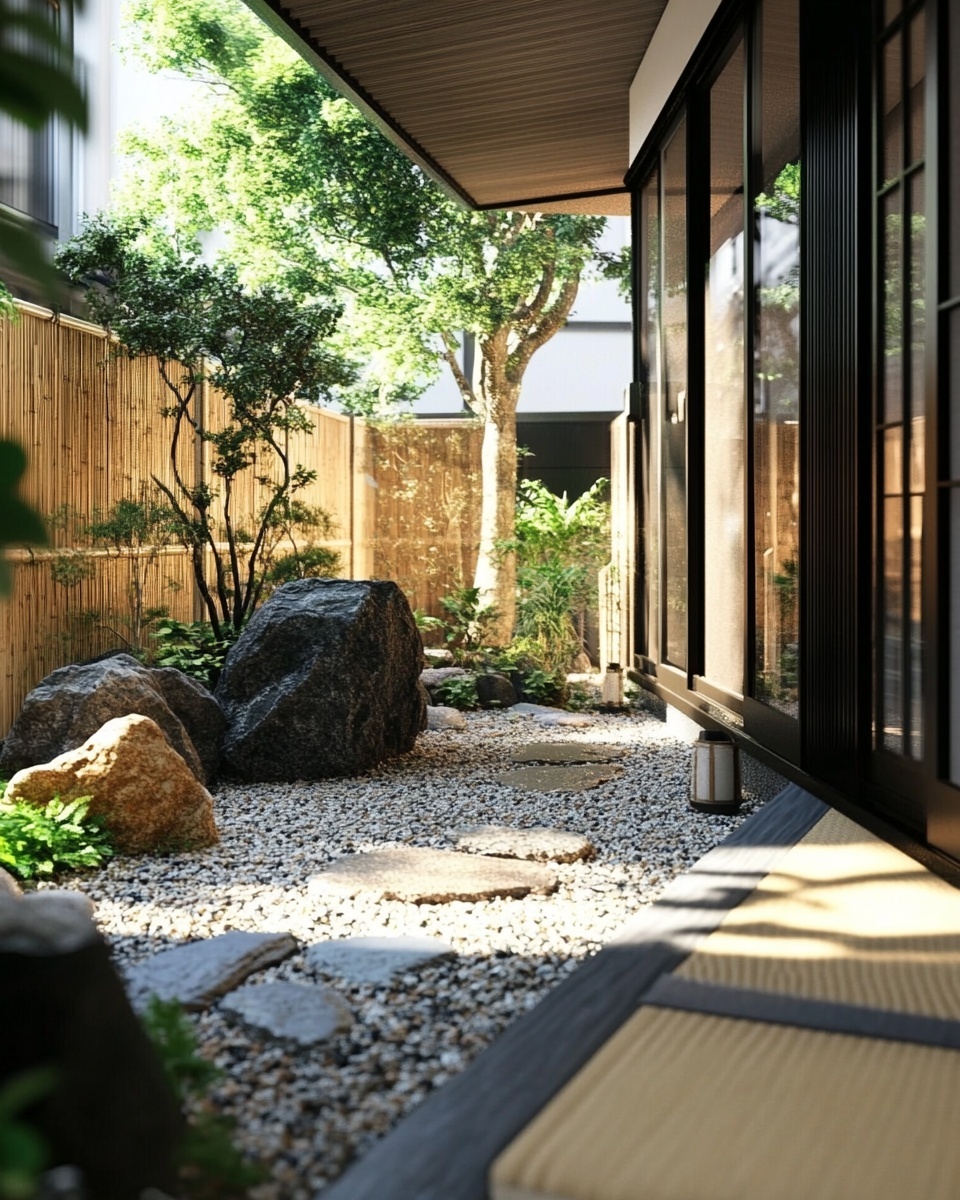
Crafting your miniature Zen Japanese courtyard doesn't require a massive haul from the garden center, but rather a thoughtful selection of purposeful items. Each component plays a crucial role in mimicking the natural elements found in larger Japanese landscapes.
- Containers/Planters: Opt for ceramic, concrete, or dark-colored plastic pots. Ensure they have drainage holes. Sizes can vary to create visual interest. For eco-friendly alternatives, repurpose old wooden crates (with proper lining) or large metal tubs. Look for budget-friendly options at re-use centers or online marketplaces.
- Small Trees/Shrubs (Dwarf Varieties):
- Japanese Maple (Acer palmatum varieties like 'Tamukeyama' or 'Crimson Queen'): Iconic for their delicate leaves and vibrant autumn colors. Choose dwarf cultivars that remain compact.
- Dwarf Conifers (e.g., Dwarf Hinoki Cypress, Juniper 'Procumbens Nana'): Provide evergreen structure and texture.
- Bamboo (Clumping, Non-Invasive Varieties like 'Fargesia'): Adds verticality and a calming rustle. Crucially, choose clumping types to prevent invasive spread in small spaces; running bamboo is a nightmare!
- Moss: Essential for creating a soft, ancient feel. You can either purchase sheets of live moss or forage for local varieties (ensure sustainable collection).
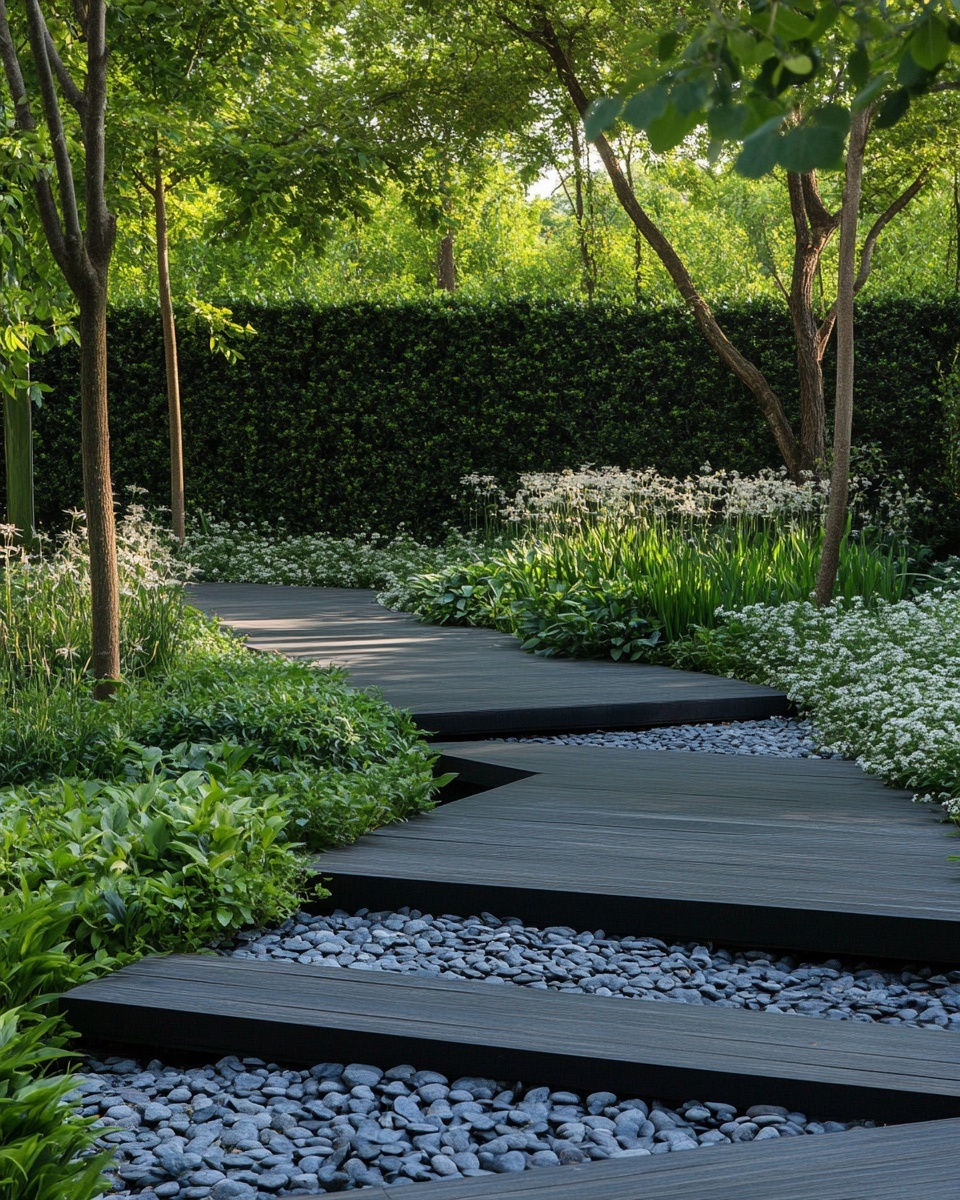
- Pebbles/Gravel: Small, smooth river rocks or fine gravel for dry riverbeds or pathways. White, gray, or black colors work best for a classic Zen aesthetic. Approximately 1-2 bags (50 lb each) depending on your design.
- Larger Accent Rocks (Boulders/Stones): Choose 1-3 artistically shaped stones to represent mountains or islands. Look for interesting textures and colors. Don't underestimate the impact of a single, well-placed stone.
- Rake (Miniature or Hand Rake): For creating ripple patterns in sand/gravel. A small hand rake or even a sturdy stick can work for smaller container Zen gardens.
- Sand (Optional): For dry rock gardens (Karesansui) if you have a slightly larger, defined area. Play sand or fine horticultural sand is ideal.
- Watering Can/Mister: For delicate watering of moss and small plants.
- Pruning Shears/Bonsai Scissors: For careful shaping and maintenance.
- Garden Soil Mix: A well-draining, all-purpose potting mix. For specific plants like Japanese Maples, ensure it’s slightly acidic. Consider mixing in compost for improved nutrient content.
- Mulch (Optional): Pine bark or small decorative pebbles to retain moisture in plant beds.
For a truly eco-friendly approach, consider sourcing reclaimed materials for containers and using rainwater harvesting for irrigation. The beauty of this style also lends itself to minimalist tool use—less really is more!
Time & Effort Overview
Creating a Zen Japanese courtyard for a small space is surprisingly manageable, making it an excellent project for beginners and seasoned gardeners alike. The initial setup typically takes 1-2 weekends of focused work, depending on the complexity of your design and the number of elements you choose to incorporate. This is significantly faster than establishing a full-sized perennial bed, which can demand weeks of soil preparation and planting.
- Setup: 8-16 hours
- Plant Growth: Varies by plant. Japanese Maples establish within a season, while moss can carpet an area in a few months.
- Maintenance: Low to moderate. Once established, daily enjoyment often outweighs the minimal weekly upkeep. This style generally requires about 30% less active maintenance than a vibrant floral garden design.
Difficulty Level: Beginner to Intermediate. While the principles are simple, achieving true harmony and balance might require a little practice with stone placement and plant selection. Don't worry if your first attempt isn't perfect; art and nature often find their balance over time.
Step-by-Step Gardening Process
1. Planning Your Miniature Oasis
Before you lift a single pebble, grab a sketchpad! Envision your ideal miniature landscape. Consider the available light, prevailing winds, and how you'll view your garden. Will it be from a window, a patio chair, or a balcony railing? A good garden design starts with a clear vision. Sketch out where your main elements—stones, plants, and raked gravel areas—will go. Remember the principles of asymmetry (fukinjuki) and borrowed scenery (shakkei) – even if your "borrowed scenery" is just a glimpse of the sky or a distant building.
2. Preparing Your Space
Clear the designated area of any debris. If using multiple containers, arrange them in your desired layout. For a ground-level "courtyard," ensure the ground is relatively level. If you're using a balcony, check its weight capacity. Often, adding a few strategically placed outdoor mats or a small wooden deck tile makes the area look more polished and feels soft underfoot.
3. Placing Your Hardscape (Stones and Gravel)
This is the backbone of your Zen garden design.
- Accent Stones: Carefully place your larger accent stones first. Think of them as miniature mountains or islands. They should look as if they've been there for centuries. Avoid placing them in perfectly symmetrical patterns; odd numbers (one, three, or five) often create more visual harmony.
- Gravel/Pebbles: Lay down a weed barrier fabric if your design is on the ground to prevent weeds from emerging through your beautifully raked surfaces. Spread your gravel or pebbles evenly. This layer should be deep enough (2-3 inches) to rake patterns without disturbing the underlying soil or fabric.
4. Introducing Your Greenery
Now for the living elements.
- Container Plants: Plant your chosen dwarf trees, shrubs, and moss into their respective containers. Ensure proper drainage holes and use a quality potting mix. For Japanese Maples, gently tease out any circling roots before planting.
- Moss Application: Carefully lay sheets of moss over soil surfaces in containers or between stones. Gently press them down to ensure good contact. Moss thrives in consistently moist, shady or partially shaded conditions.
- Careful Placement: Position your planted containers and moss within your hardscape design. Remember the principle of "Ma"—the intentional use of empty space. Don't overcrowd your garden; negative space is just as important as positive space.
5. The Art of Raking
This is the most meditative part. Use your rake to create patterns in the gravel or sand. Wavy lines can represent water, while concentric circles around a stone can symbolize ripples. There's no single "right" way; let your intuition guide you. This act of raking is not just aesthetic; it’s a form of active meditation that cleanses the mind.
6. Initial Watering and Settling In
After placement, give your plants a good drink. Use a gentle stream from a watering can to avoid disturbing the newly raked gravel. Mist the moss frequently to help it establish. Don’t worry if the arrangement looks a bit sparse at first; these gardens are designed for contemplation and subtle growth.
Growth & Care Tips
Maintaining your Zen Japanese courtyard is a journey of observation and gentle interaction. Consistency is key to a thriving, serene garden design.
- Watering Frequency:
- Japanese Maples/Dwarf Conifers: Water when the top inch of soil feels dry. This might be daily in hot, dry weather or every few days in cooler periods. Overwatering is a common mistake that causes root rot in over 60% of container plants. Use your finger to check soil moisture!
- Moss: Moss loves humidity. Mist it daily, especially during dry spells or if it’s exposed to direct sunlight for prolonged periods. If moss turns yellow or crunchy, it's a sign it needs more moisture.
- Sunlight Exposure: Most Japanese Maples prefer partial shade, especially in hotter climates, to prevent leaf scorch. Dwarf conifers generally tolerate more sun. Observe your plants: if leaves are wilting or turning brown at the edges, adjust sunlight exposure.
- Pruning: Less is often more in a Zen garden. Prune Japanese Maples and conifers to maintain their shape and size, encouraging a gnarled, mature appearance. Avoid heavy pruning; instead, focus on removing dead, damaged, or crossing branches. Bonsai scissors are excellent for precise work.
- Fertilization: Use a balanced, slow-release granular fertilizer once in spring. For container plants, a half-strength liquid feed every 4-6 weeks during the growing season can be beneficial. Avoid over-fertilizing, which can burn roots.
- Pest Prevention: Japanese Maples are generally resistant but watch for aphids or scale insects. A strong spray of water can dislodge many pests. For persistent issues, use an organic insecticidal soap. Healthy plants are naturally more resilient to pests. Ensure good air circulation to deter fungal diseases.
Eco-Friendly & Sustainable Alternatives
Sustainability is deeply aligned with the philosophy of a Zen Japanese garden – respecting nature in all its forms.
- Water Conservation: Implement a rainwater harvesting system for watering, especially useful for smaller container gardens. Consider using self-watering inserts for pots.
- Natural Fertilizers: Instead of chemical feeds, use organic compost or slow-release organic fertilizers. Used coffee grounds, for instance, can provide a mild acidic boost for acid-loving plants like Japanese Maples and improve soil structure. Learn more about organic feeding in our guide on "Organic Fertilizer Recipes for Herb Gardens".
- Composting: Start a small vermicomposting bin for kitchen scraps. The nutrient-rich castings are fantastic for your plants and reduce waste.
- Local Sourcing: Seek out local nurseries for plants and stones to reduce transportation emissions. This also helps support local businesses and ensures plants are acclimated to your regional climate.
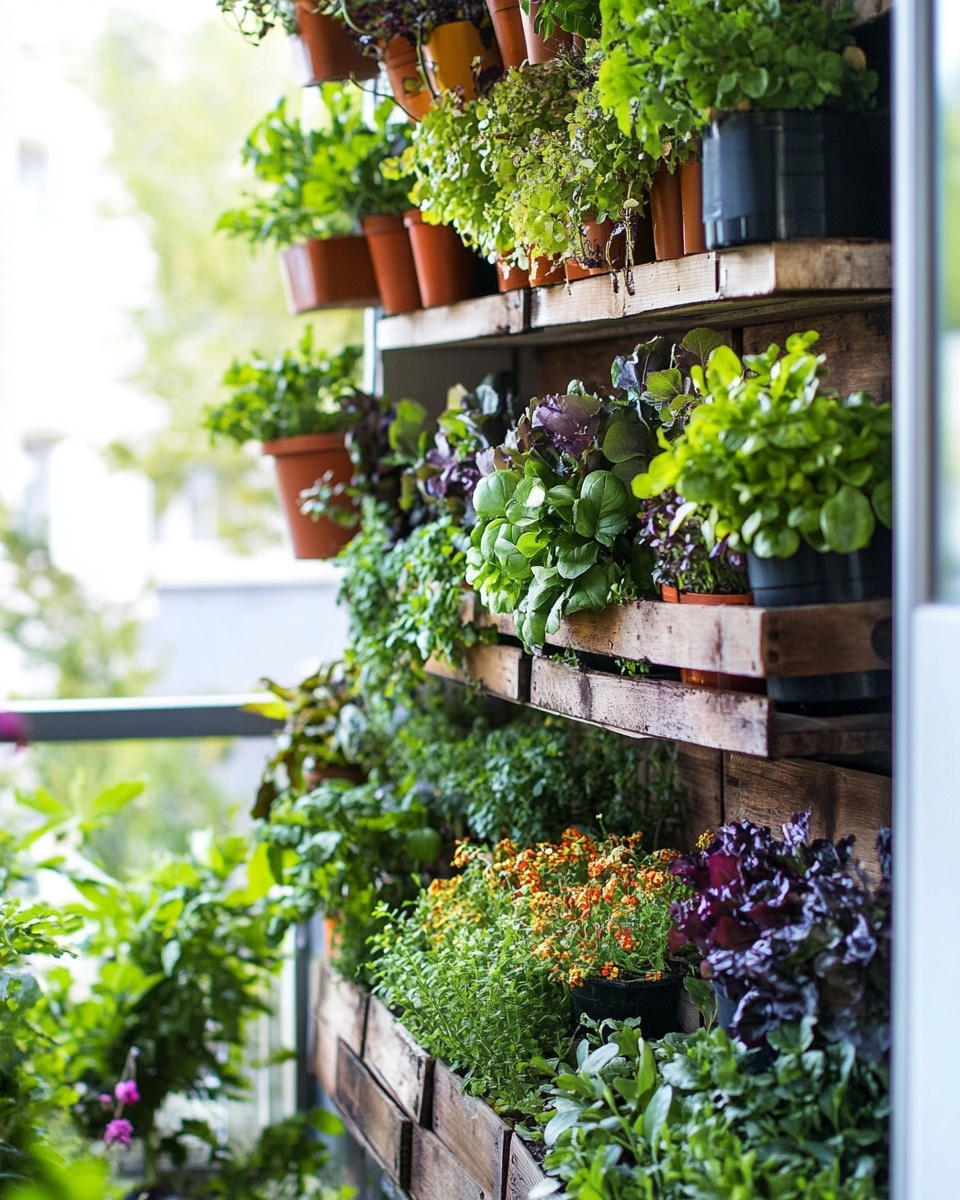
- Vertical Gardens/Shelving: For extremely small spaces, consider vertical shelving units to display multiple plants and create different levels of your Zen design. This maximizes your footprint and adds visual layers. You can find inspiration in our article on "Vertical Indoor Garden Ideas for Small Spaces".
Creative Ideas & Uses
A Zen Japanese courtyard is more than just plants and stones; it's an experience.
- Lighting: Integrate subtle, low-voltage LED lighting to highlight your key elements at night. Solar-powered spotlights can create dramatic shadows and extend the garden's enjoyment into the evenings.
- Water Feature (Small Scale): Even a small ceramic bowl with constantly circulating water (using a tiny submersible pump) can provide the soothing sound of a waterfall or babbling brook, central to traditional Japanese gardens.
- Repurposed Elements: A weathered piece of driftwood can become a focal point, an old ceramic tea set can serve as miniature planters for moss or succulents, or smooth, flat stones can be used as stepping "paths."
- Seasonal Delights: Choose plants that offer unique interest throughout the year. Japanese Maples provide stunning autumn colors, while dwarf conifers keep the space green in winter. Add a small ornamental grass for movement in the breeze.
- Combine Aesthetics: While maintaining the Zen core, you can subtly blend other minimalist design elements. For instance, pair the garden with sleek modern outdoor furniture for a contemporary twist. You can draw inspiration from various Japanese garden styles to create a unique garden design that resonates with you. For broader gardening ideas, consider visiting Pinterest for visual inspiration.
Common Mistakes to Avoid
Even experienced gardeners can sometimes stumble. Knowing common pitfalls can save you time and preserve your Zen.
- Overcrowding: The biggest mistake in small spaces is trying to fit too many elements. Remember, "Ma" (empty space) is paramount. Each element needs room to breathe and be appreciated. Overcrowding diminishes the meditative quality of the garden design.
- Ignoring Scale: Ensure your chosen plants, stones, and containers are appropriately sized for your small space. A large Japanese Maple in a tiny pot will quickly become disproportionate.
- Poor Drainage: This is a silent killer for container plants. Always use pots with drainage holes, and consider adding a layer of grit or perlite to your potting mix for improved aeration. Root rot is a leading cause of plant death, estimated at 60% in indoor/container plants.
- Using Running Bamboo: While beautiful, running bamboo can quickly take over. Always opt for clumping varieties, especially in containers, or you'll be battling roots for years.
- Lack of Maintenance: Many assume "Zen" means "no maintenance." While low, it still requires regular watering, occasional pruning, and re-raking. Neglect quickly leads to an unkempt and less peaceful space.
- Impatience: A Zen garden, even a small one, evolves. Don't expect instant perfection. Enjoy the process and the gradual development of your miniature landscape.
Maintenance & Storage Tips
Long-term care ensures your miniature Zen sanctuary remains a source of tranquility and beauty.
- Winterizing (for temperate climates): If your Japanese Maples are in containers, they are more susceptible to winter cold than those in the ground. Move them to a sheltered location, wrap pots in burlap, or bring them indoors to a cool, unheated space like a garage. Ensure moss doesn't completely dry out during winter.
- Seasonal Refresh: Each spring, replenish a thin layer of fresh gravel or sand if needed, and prune any branches that died back over winter. Replenish potting mix if it has settled too much.
- Fertilizer Application: A light feeding in early spring is usually sufficient to support healthy growth throughout the growing season. Observe your plants; yellowing leaves can indicate a nutrient deficiency.
- Pest and Disease Check: Regularly inspect your plants for any signs of distress. Early detection makes treatment much easier. Good air circulation prevents many common fungal issues.
- Algae on Stones: In humid or damp conditions, moss or algae might grow on your stones. This can add to the "aged" aesthetic, but if it becomes excessive, a gentle scrub with a stiff brush and water is all that's needed.
- Tool Care: Clean and sharpen your pruning shears after each use to ensure clean cuts and prevent disease transmission. Store them dry.
Conclusion
Creating a Zen Japanese courtyard for a small space is a profoundly rewarding journey into the art of minimalist garden design. It proves that even the most compact areas can be transformed into havens of peace and natural beauty. By mindfully selecting your elements, applying the timeless principles of Japanese aesthetics, and committing to gentle care, you’re not just building a garden; you’re cultivating a space for reflection, creativity, and inner calm. This isn't just about growing plants; it's about nurturing a connection to nature, right outside your door or window. So, why wait to bring a piece of ancient tranquility into your modern life?
Ready to transform your tiny corner? We'd love to see your miniature Zen masterpieces! Share your photos and garden design stories in the comments below. For further inspiration and hands-on guidance for your gardening adventures, explore our other articles.
FAQ
Q1: Can I use artificial plants if I have no green thumb?
A: While a true Zen garden emphasizes natural elements and living plants, you can use high-quality artificial plants for very low-light areas or if you truly struggle with live plant care. However, try to incorporate at least some living moss or a small, easy-to-care-for succulent to retain a connection to nature. The meditative quality of tending live plants is a core part of the Zen garden design experience.
Q2: How often should I rake the gravel patterns?
A: You can rake as often as you like! Some people find daily raking a meditative practice, while others prefer to maintain patterns for longer periods. The beauty of it is that there's no fixed rule; it's your space for contemplation.
Q3: What if my small space has very harsh sunlight?
A: For harsh, direct sunlight, choose more sun-tolerant plants. Consider desert-style succulents or sedums in your design. You can also add a small shade sail or strategically place a larger potted plant to cast some shade on the more delicate elements like Japanese Maples or moss.
Q4: Are there any specific small trees or shrubs I should absolutely avoid?
A: Absolutely! Avoid any fast-growing or invasive species. Running bamboo (vs. clumping) is a definite no, as are species that grow quickly into large trees unless you are prepared for constant, aggressive pruning. Stick to dwarf and slow-growing varieties to maintain the scale of your miniature garden design.
Q5: How do I keep my moss alive in a dry climate?
A: In dry climates, consistent moisture is crucial for moss. Place it in the shadiest part of your garden, mist it daily (or even twice daily in extreme heat), and consider placing a shallow tray of water nearby to increase ambient humidity. You can also try creating a humidity dome with a clear plastic cover for particularly precious moss patches.
Q6: Can I include a small Buddha statue or other decorative elements?
A: Yes, absolutely! While traditionally minimalist, a small, tasteful Buddha statue, a miniature pagoda lantern, or a small stone lantern can enhance the contemplative atmosphere and fit perfectly into a Japanese garden design. Just be mindful not to clutter the space. Choose one or two focal points rather than many.
Q7: My gravel keeps getting messy with leaves. How do I keep it clean?
A: This is a common challenge, especially if your garden is under deciduous trees. Regularly use a small hand blower or a wide, soft brush to gently sweep leaves and debris from the gravel without disturbing the patterns. Placing a fine mesh screen over the garden during heavy leaf fall can also help.
Continue Your Gardening Journey!
Embarking on the journey of gardening is endlessly rewarding. If you're inspired to expand your green thumb, check out these related guides:
- For more inspiration on growing edibles, don't miss our helpful guide on "Best Vegetables to Grow for Beginners"—you'd be surprised what you can grow in a small space!
- Thinking about starting from scratch? Our detailed article on "How to Start a Vegetable Garden from Scratch" provides all the foundational knowledge you need to get going.
- Curious about bringing greenery indoors? You might enjoy learning about "Best Low Light Indoor Plants for Every Room", perfect for enhancing your indoor Zen aesthetic.
- For those with balconies looking for more ideas, explore our "Balcony Herb Garden Design Ideas"—many principles can be adapted for a Zen approach.